






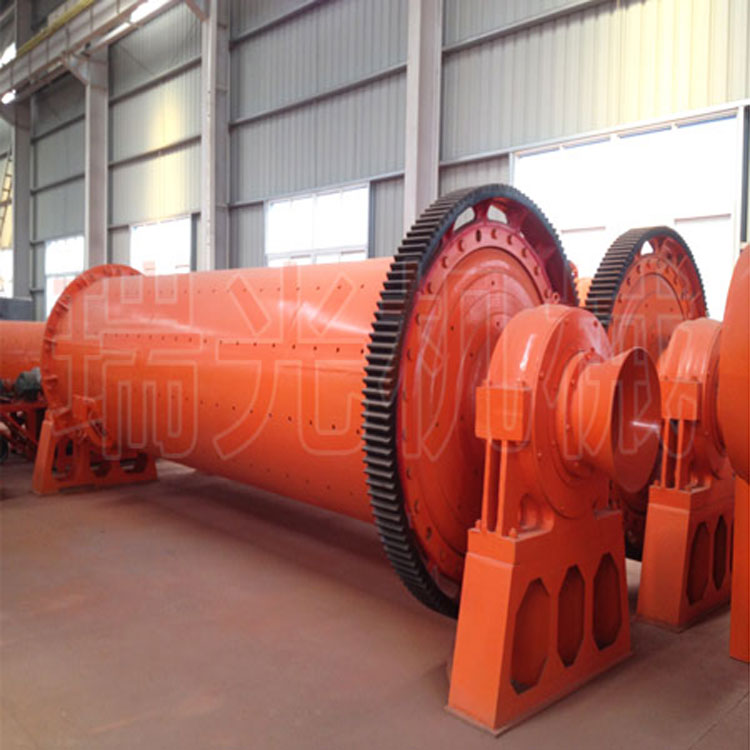
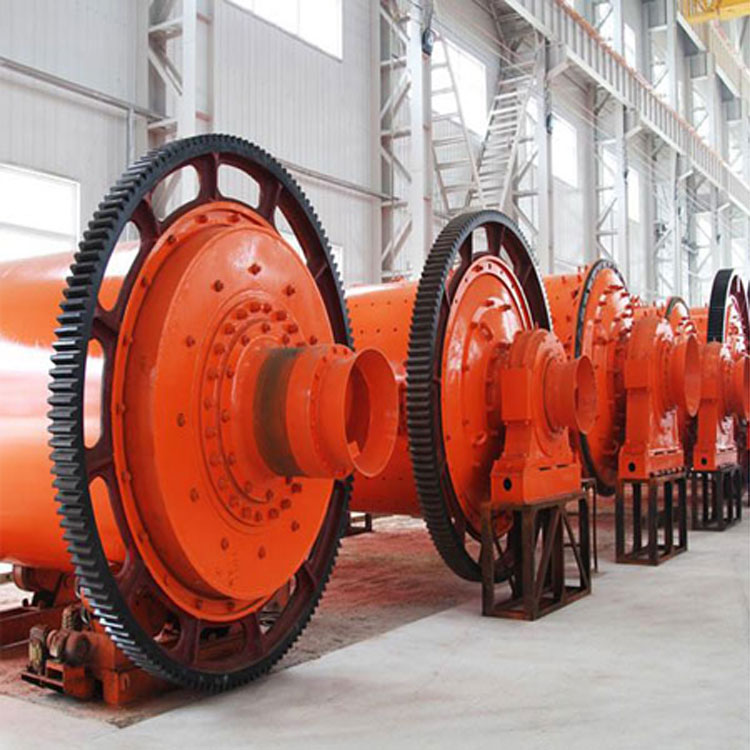
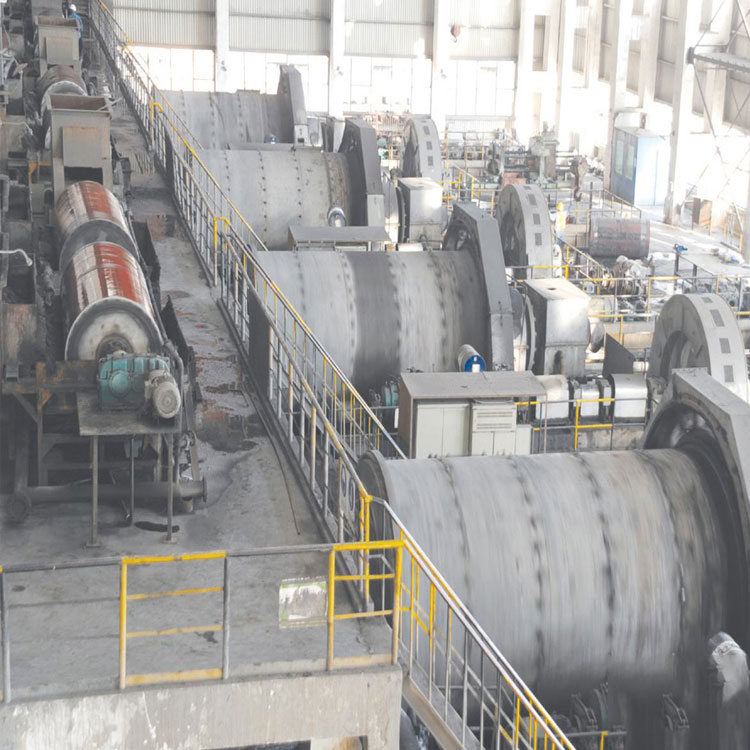

Raymond Grinding Mill Introduction
The Raymond mill is widely used for the superfine powder processing of more than 280 types of materials in industries such as minerals, chemicals, and construction, including dolomite, limestone, potassium feldspar, barite, calcite, talc, marble, fluorite, activated clay, activated carbon, bentonite, kaolin, cement, gypsum, and glass, all with Mohs hardness not exceeding 9.3 and humidity below 6%. The finished particle size of the R-type Raymond mill can be adjusted within the range of 80 to 325 mesh, with some materials reaching up to 600 mesh.
Raymond mill structure
The Raymond mill structure is primarily composed of the main unit, analyzer, blower, finished product cyclone separator, superfine cyclone separator, and air ducts. The main unit consists of the frame, inlet volute, scraper, grinding roller, grinding ring, and cover.
Our grinding mill is designed with the structure of similar domestic and international products, and is an upgraded version based on the Raymond mill in our industry. This equipment consumes less electricity, occupies less space, and requires a smaller initial investment compared to ball mills. The grinding roller is tightly pressed against the grinding ring under the action of centrifugal force, so the output and fineness of the finished product are not affected when the roller and ring wear down to a certain thickness. The replacement cycle for the roller and ring is long, thus eliminating the drawback of short replacement cycles for fragile parts in centrifugal crushers. The air flow in this machine circulates within the fan-mill housing-cyclone separator-fan system, resulting in less dust, a cleaner operation area, and a pollution-free environment compared to high-speed centrifugal crushers.

Raymond Grinding Mill Performance Advantages
The Raymond mill powder machine takes up less space, making transportation, installation, operation, and maintenance more convenient. It also utilizes PLC electrical automation control, effectively reducing the equipment's failure rate and labor costs. It achieves high productivity, production, and a zero-noise, zero-pollution production environment. Additionally, the fineness of the powder ground by the Raymond mill can be adjusted between 80-800 mesh, offering greater flexibility and applicability. Overall, the Raymond mill powder machine is the ideal choice for non-metallic ore powdering.
Working Principle
During the operation of the Raymond mill, the material to be crushed is added into the machine through the feeding hopper on the side of the machine housing. Relying on the grinding roller assembly suspended from the main machine's梅花架, it rotates around the vertical axis while also spinning itself. Due to the centrifugal force during rotation, the grinding roller swings outward and presses tightly against the grinding ring. This allows the scraper to lift the material and deliver it between the grinding roller and ring, achieving the goal of crushing the material through the rolling and crushing action of the roller.
Raymond mill air classification process
After the material is milled, the fan blows air into the main housing, which picks up the powder. The powder is then sorted by an analyzer placed above the milling chamber. Material with excessive fineness is returned to the chamber for further grinding, while fine material suitable for specifications is carried by the air stream into the cyclone collector. After collection, it is discharged through the powder outlet as finished product. The air stream returns to the fan through the return duct at the top of the large cyclone collector, creating a recirculating air path that operates under negative pressure. An increased portion of the recirculating air flow is exhausted through the exhaust gas pipe between the fan and the main unit, entering a small cyclone collector for purification treatment.

Technical Specifications
Model Parameters | 4525 | 4119 |
| Feed Material Granularity (mm) | ≤30 | ≤25 |
| Finished particle size (mm) | 0.044-0.173 | 0.044-0.173 |
| Different material fineness production per shift (t) | 16-176 | 8-78 |
| Center shaft speed (r/min) | 82 | 105 |
| Milling Ring Diameter (mm) | 1770 | 1400 |
| Roller Diameter (mm) | 450 | 410 |
| Roller Height (mm) | 250 | 190 |
| Main engine | Y315M-4-132 | Y280S-4-75 |
| Fan motor | Y315M-4-132 | Y280S-4-75 |
| Analyzer Motor | YCT250-4A-18.5 | YCT200-4B-7.5 |