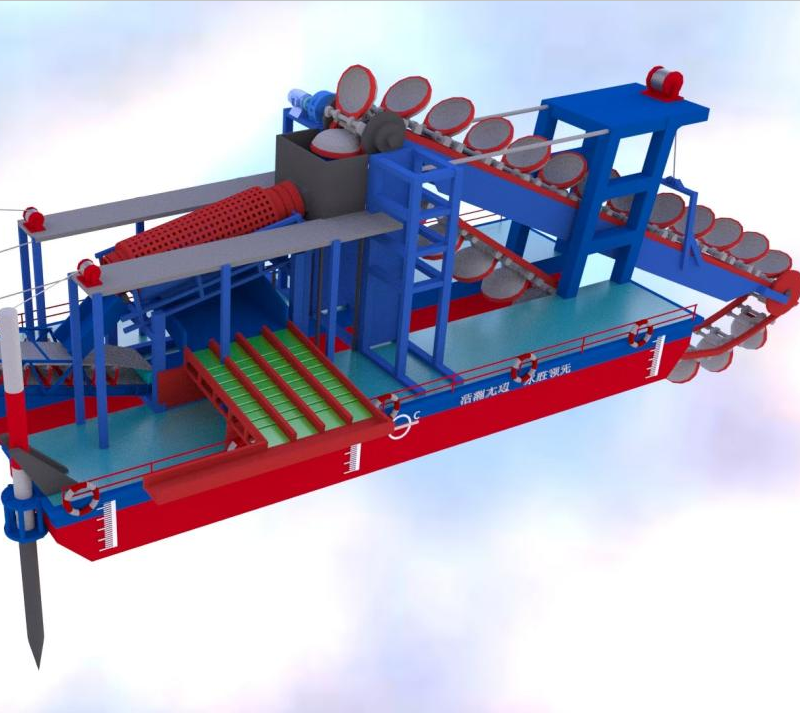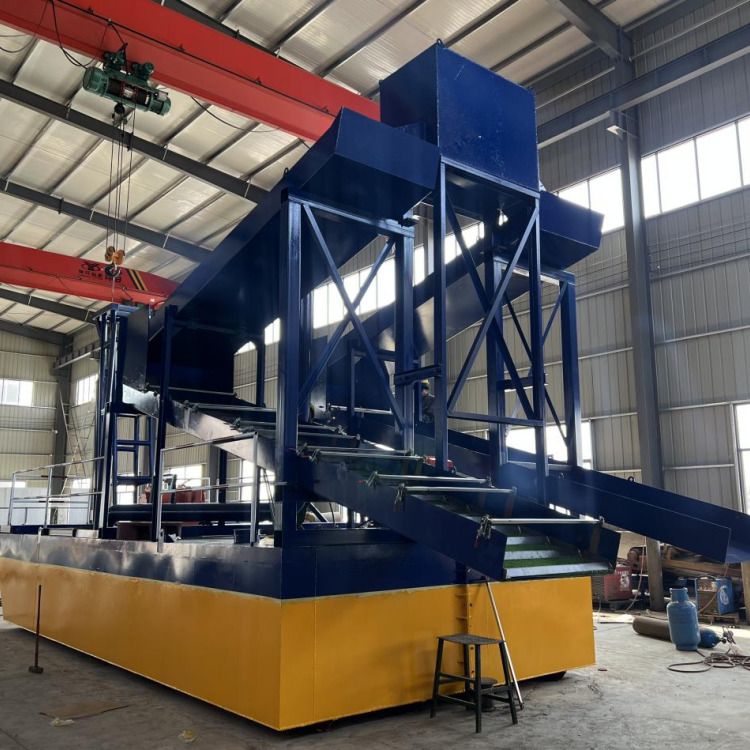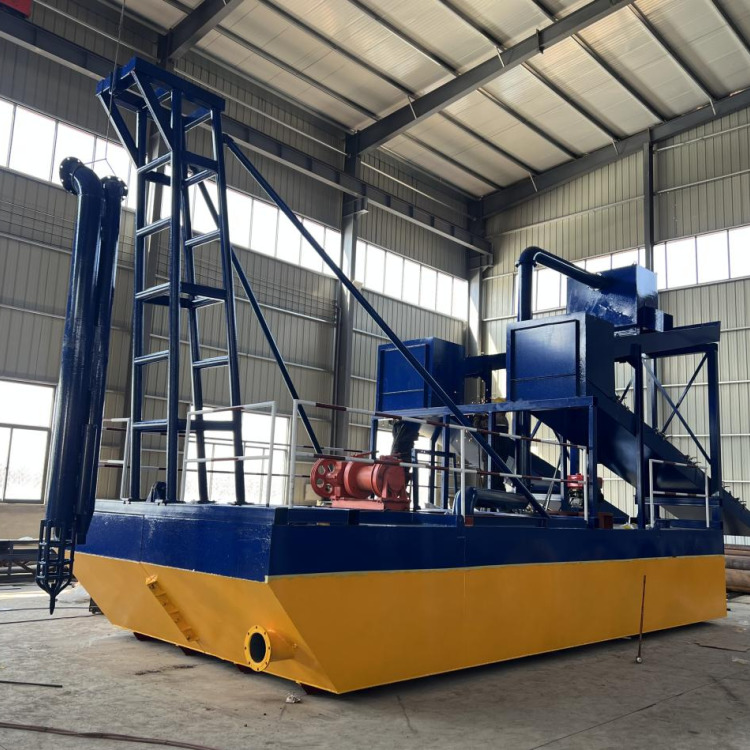









Due to the extensive exploitation of mineral resources, the available resource quantity is continuously decreasing, leading to a decline in the grade of raw ore mining and an increasing demand for the quality of ore processing products in subsequent operations like smelting. At the same time, human environmental awareness is growing stronger. These realities are raising higher requirements for mineral processing equipment, driving its continuous development towards larger, better, and energy-efficient directions.

The development of mineral processing equipment and technology is concurrent, with technology leading and equipment forming the foundation. The birth of a new mineral processing machine often brings about a revolution in the process. The technical level of the equipment is not only a prerequisite for the process level but also directly affects the smoothness of the production process and its application. The advancement of science and technology, the interpenetration between various scientific disciplines, and the integration among different industries, along with the continuous emergence of new structures, materials, technologies, and processing methods, the widespread application of mechatronics and automatic control technologies, have effectively promoted the continuous innovation of mineral processing equipment and its shift towards energy conservation.
Crushing Equipment: Jaw crushers, hammer crushers, impact crushers, cone crushers, toothed roller crushers, double-roller crushers, etc.
Mineral Processing Equipment: Ultra-fine Lamination Autogenous Mills, Cement Ball Mills, Cone Ball Mills, Ceramic Ball Mills, Energy-saving Ball Mills, High-energy Ball Mills, High-fineness Ball Mills, Grid Ball Mills, Overflow Ball Mills, Pre-mixed Grinding, etc.
Sifting and grading equipment: multi-frequency dewatering screens, high-frequency screens, round vibration screens, linear vibration screens, YK series round vibration screens, drum screens, finished product screens, spiral classifiers, etc.
Magnetic Separation Equipment: Wet Magnetic Separator, Dry Magnetic Separator; High-intensity Magnetic Separator, Medium-intensity Magnetic Separator, Low-intensity Magnetic Separator, River Sand Magnetic Separator, Wet Permanent Magnet Tube Magnetic Separator, Boiling Mineral Separator, etc.
Flotation Equipment: SF type flotation machine, BF type flotation machine, XJK series flotation machines, full cross-section gas-lifting microbubble flotation machine, agitating flotation machine, spiral classifier, vacuum filter, dry separator, sand washing machine, etc. Auxiliary Mining Equipment: Vibrating feeder, trough feeder, pendulum feeder, agitator tank, bucket elevator, belt conveyor, vibrating feeder, disk feeder, concentrator, disk granulator, mineral washing machine, shaking table, spiral chute, hydrocyclone, jig, tailings recovery machine, cement mill, raw material mill, MBS type rod mill, etc.
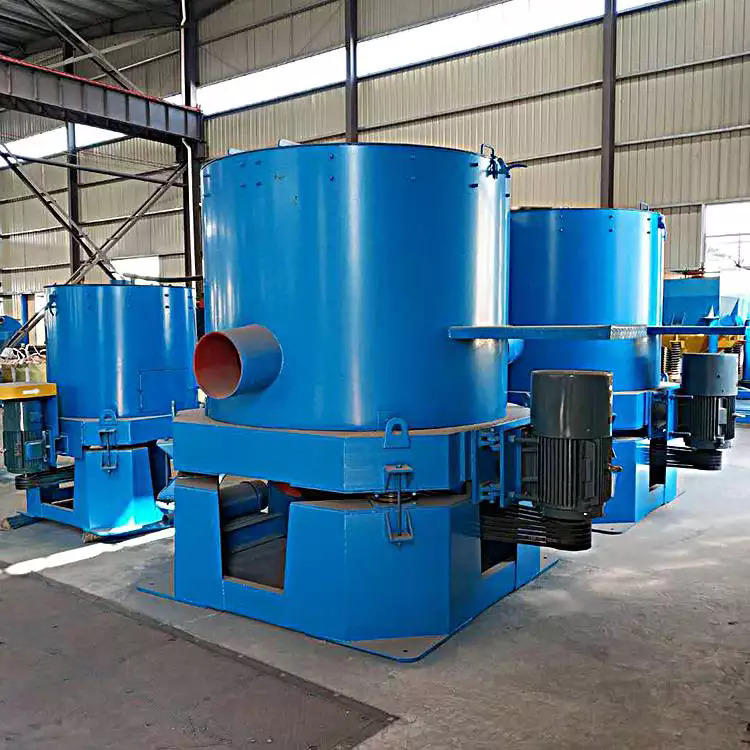
Re-selected Equipment: Boiling Flotation Machine, Shaking Table, Sluice Box, Jig Machine, Water Jacket Centrifuge, Centrifugal Disc Separator, Heavy Media Flotation Equipment, etc.
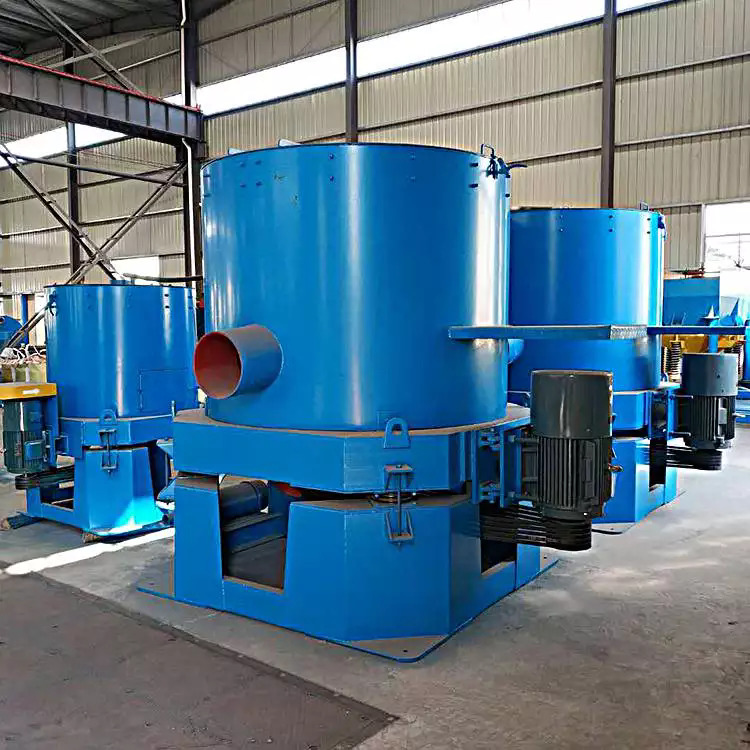
Concentration Equipment: Boiling Flotation Machine, Central Drive Concentrator, Periphery Drive Concentrator, Concentrators, etc.
Drying and Calcining Equipment: Dryers, Coal Sludge Dryers, Sludge Dryers, Powder Dryers, Slag Dryers, Fly Ash Dryers, Rotary Kilns, etc.

There are various types of beneficiation equipment, including dry separation, wet separation, gravity separation, magnetic separation, and floatation methods. Below is an introduction to various beneficiation methods:
1. Ore crushing; 2. Grinding process; 3. Separation technology; 4. Sintering pelletizing technology.
Choose Manganese: Mechanical selection (including beneficiation, screening, gravity separation, strong magnetic separation, and flotation), as well as pyrometallurgical by-products, chemical beneficiation methods, etc.
Select Chromium: Initially, we use a jump-titanium machine, shaker table, spiral concentrator, centrifugal concentrator, and belt trough for separation. Also, hydraulic separation has been applied to the ore from the shaker table.
Selecting titanium-vanadium magnetite: It is carried out on the magnetic tailings obtained after magnetic separation of magnetite concentrate through a grinding process followed by a rough, a fine, and a scavenging magnetic separation.
Select copper: Flotation, magnetic separation, gravity separation methods, or hydrometallurgical processes, etc.
Choose Lead-Zinc: Generally, combined ore dressing methods such as magnetic-flotation, heavy-flotation, and heavy-magnetic-flotation are used.
Select Aluminum: Generally, hand selection is used.
Select Nickel: 1. Flotation; 2. Pre-removal of large pieces of bedrock with low nickel content and weak differentiation through processes like crushing and screening.
Select Cobalt: Generally, flotation is used.
Choose Tungsten: Tungsten ore beneficiation is divided into black tungsten and white tungsten according to the type of ore. The beneficiation methods include hand selection, gravity separation, flotation, magnetic separation, and electrostatic separation, etc.
Choose Tin: Mining methods include gravity separation and flotation process.
Molybdenum Selection: Primarily by flotation method.
Mercury Selection: Available in hand-picking, heavy-picking, and floatation methods, with floatation being widely used and effective.
Choose Antimony: Mainly includes hand selection, gravity separation, and flotation methods.
Selecting Platinum Group: 1. Rational ball milling with suitable cyclone classification; 2. Recovery rate.
Gold Selection: Gold is scarce in ore, requiring the ore to be crushed and ground before utilizing mineral separation techniques to isolate the gold. The primary methods are gravity separation and froth flotation.
Selecting Silver: 1. Flotation method; 2. Combined process of single flotation, float-gravity separation, and flotation cyanidation, with emphasis on flotation.
Select niobium, tantalum, beryllium, or lithium: hand selection, flotation, chemical or chemical-flotation combined method, hot selection, radioactive selection, particle flotation mining method.
Selecting Strontium: The common method in the mining of celestine at Chongshi She is the process primarily based on gravity separation by shaking tables.
Select rare earth metals: Typically, magnetic separation and flotation are used to obtain refined ore containing about 60% rare earth oxides.
A new type of beneficiation equipment that utilizes centrifugal force, sedimentation flotation, and jump titanium decontamination for沸腾式 concentrator, achieving a recovery rate of up to 99%.

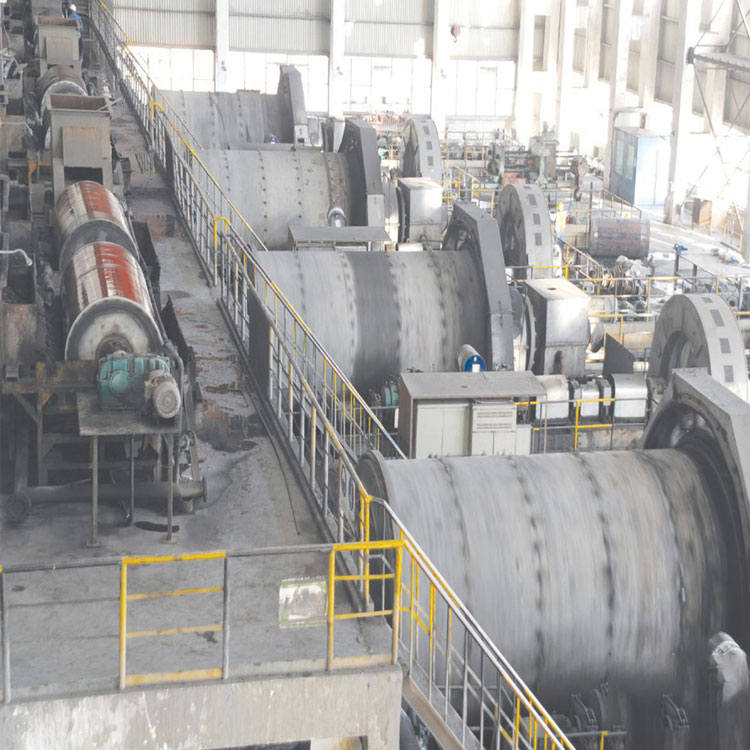
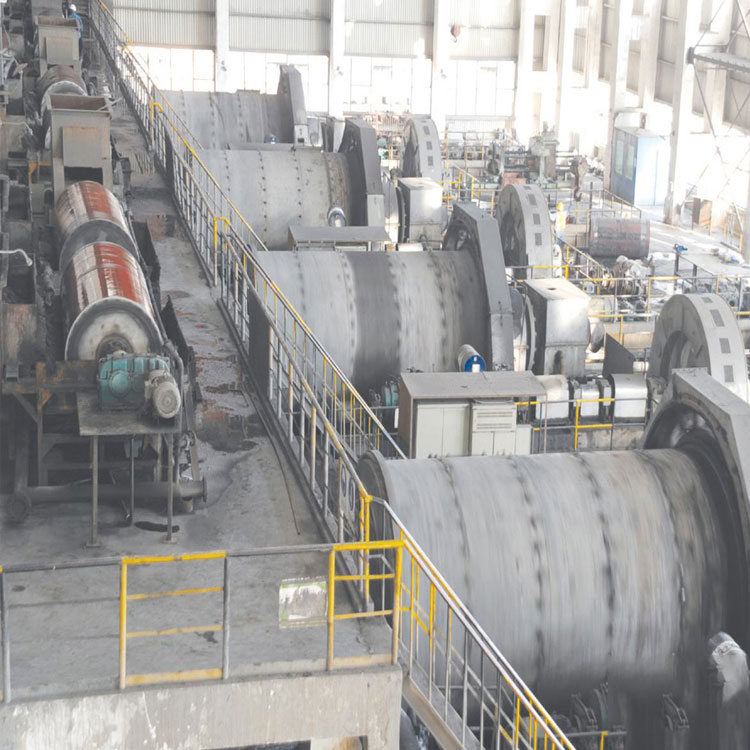
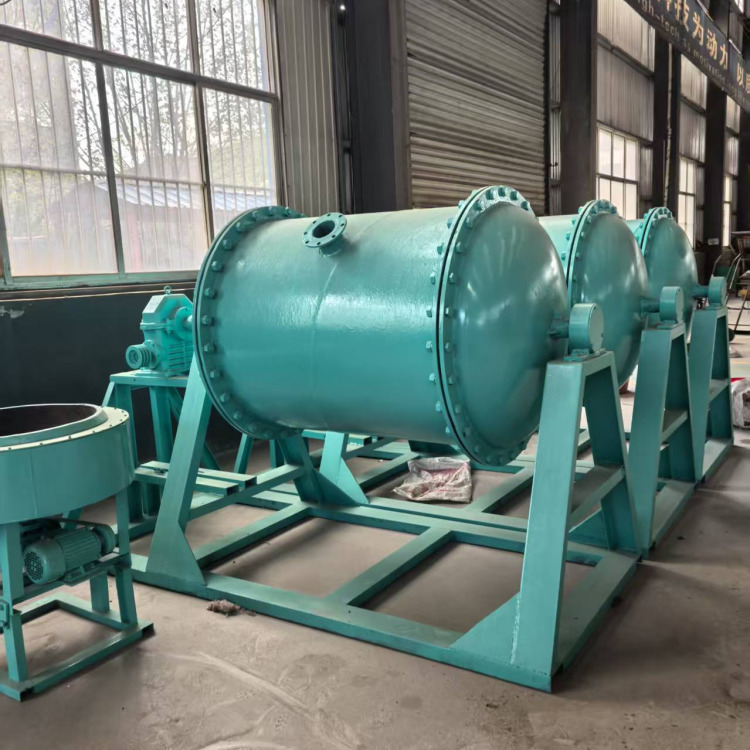
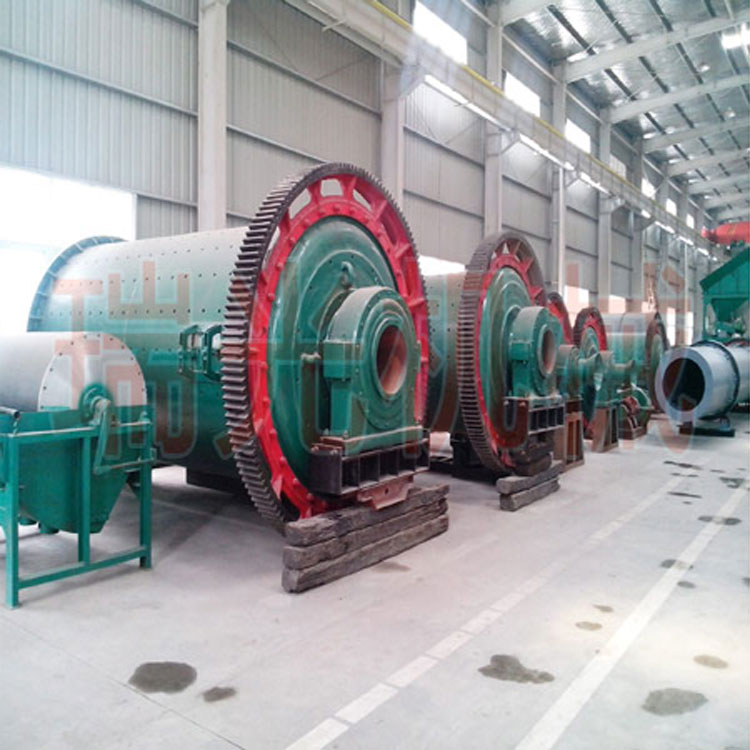
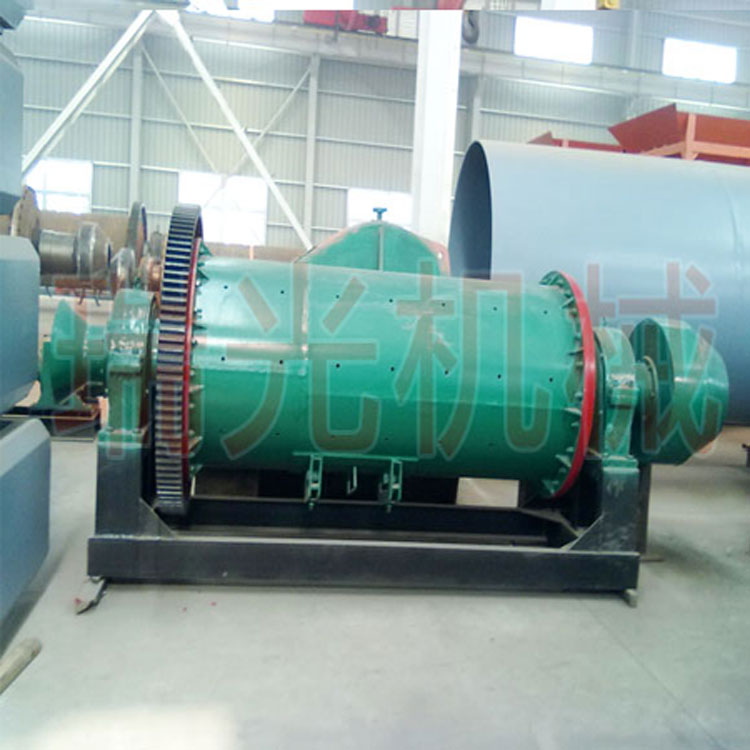
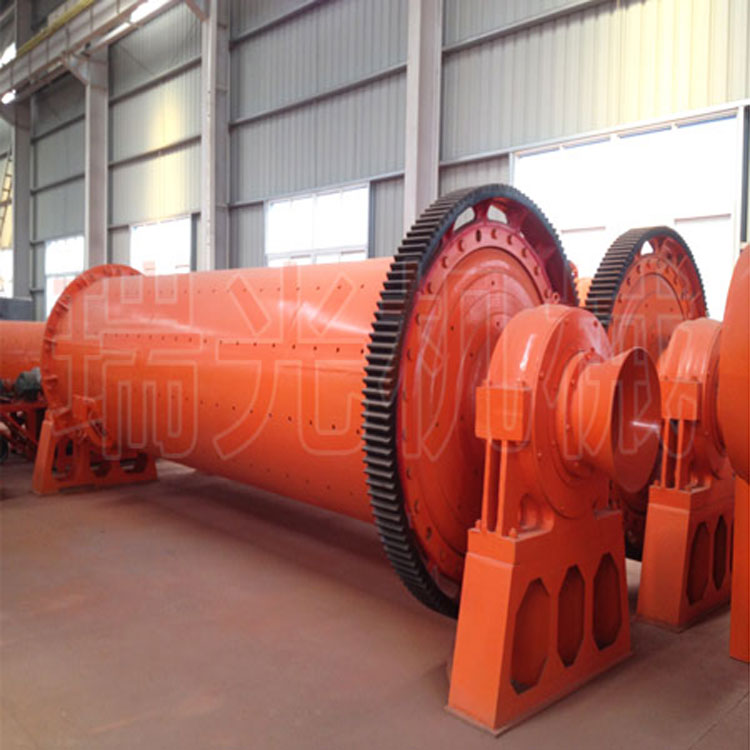
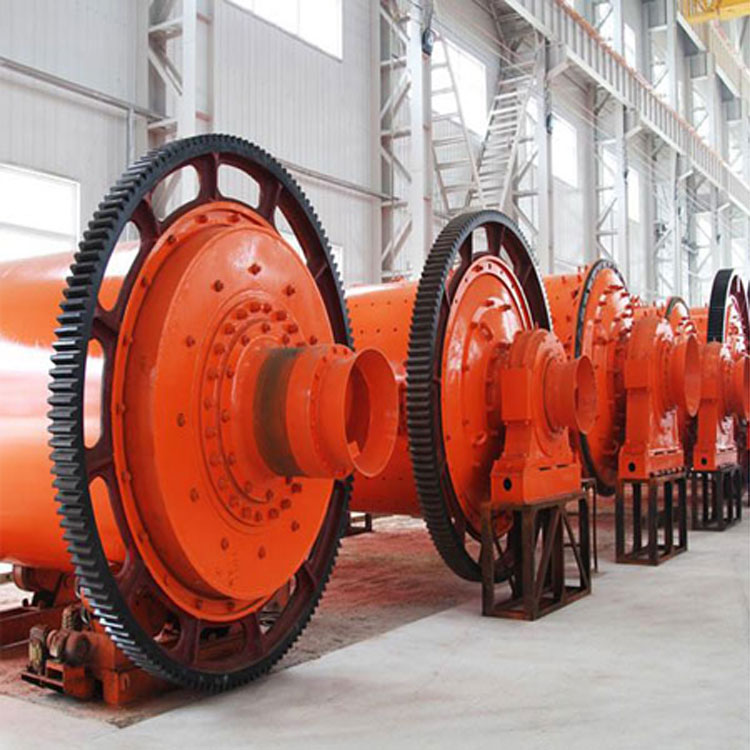
Ball Mill
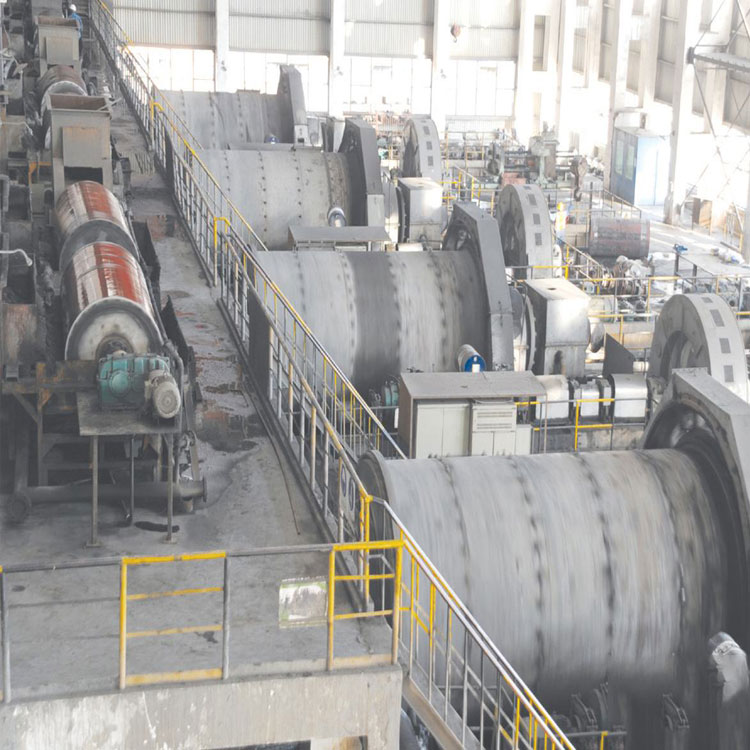
Ball mills are crucial equipment for crushing materials after they have been broken.
Ball mills are one of the widely used high-fine grinding machinery in industrial production.
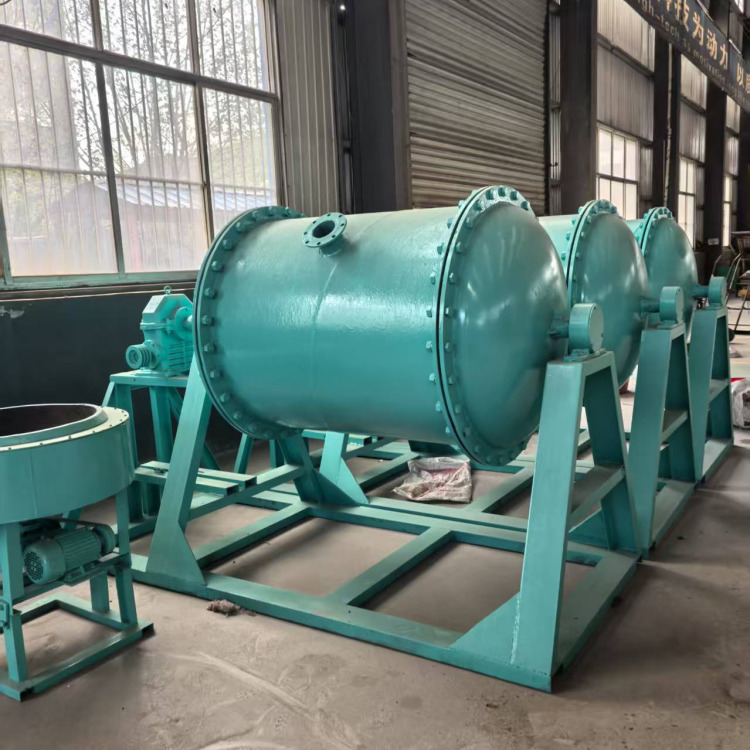
There are many types, such as hand ball mill, horizontal ball mill, ceramic ball mill, ball mill bearing, energy-saving ball mill, overflow ball mill, grid ball mill, and enamel-lined ball mill.
Ball mills are suitable for grinding various ores and other materials, widely used in mineral processing, building materials, and chemical industries. They come in two types of grinding methods: dry and wet. Depending on the discharge mode, they can be classified into grid type and overflow type.
Screw Classifier (Grading Machine) - The grading machine is widely used in mining plants for closed-loop circuits with ball mills to grade and分流 ore sands, or in gravity mining plants for grading sand and fine mud, as well as in the mineral processing of metals for particle grading of slurry and operations like desliming and dehydration in washing operations. The machine features a simple structure, reliable operation, and ease of use. It operates based on the principle that solid particles of different sizes and densities沉降 at different speeds in a liquid, with fine particles floating to the overflow and coarse particles settling at the bottom of the tank. The spiral pushes the coarse particles upwards for discharge, thereby achieving mechanical grading. It can grade the powder produced by the mill for filtration, then use the spiral blades to return the coarse material to the mill feed port, and discharge the filtered fine material through the overflow pipe. The machine's base is made of channel steel, and the body is welded from steel plates. The spiral shaft's water inlet and shaft head are fitted with cast iron sleeves for wear resistance and durability. The lifting device is available in both electric and manual options.
Magnetic separator
Magnetic separators can sort a wide range of minerals, such as magnetite, limonite, hematite, manganous siderite, ilmenite, tungsten ore, manganese ore, manganese carbonate, metallurgical manganese, manganese oxide, iron sand, kaolin, rare earth minerals, and more. The separation process is achieved within the magnetic field of the separator, utilizing the combined forces of magnetism and mechanical action on the mineral particles. Different magnetic particles move along distinct paths, thereby being sorted into two or more separate ore products.
The new electromagnetic high-gradient magnetic separator effectively addresses the issue of rising prices for permanent magnets and rare earth materials. This high-gradient magnetic separation equipment integrates the technology of large cavity installation of high-performance physical magnets.
New multi-pronged magnetizing and magnetic steel nonferrous material technology, solid-liquid-gas three-phase flow film sorting technology, high-power, low-voltage, high-current rectifying technology, PLC electric control technology, and flow, temperature, pressure, and other testing technologies.
High separation magnetic field (up to 2.2T), high magnetic field gradient, and the magnetic field size can be freely adjusted as needed.
Programmable control is utilized for the entire production process, ensuring full automation and ease in modifying the production flow.
The Electromagnetic High Gradient Magnetic Separator consists of placing a sorting drum containing a certain quantity of magnetizable stainless steel wool (or steel mesh) inside a coil wound pipeline. After energizing the coil, the magnetizable stainless steel wool becomes magnetized, creating a highly uneven magnetic field on its surface, i.e., a high gradient magnetic field. Paramagnetic materials passing through the steel wool in the sorting drum are subjected to a magnetic force proportional to the product of the applied magnetic field and the magnetic field gradient, thereby being adsorbed onto the surface of the steel wool. Non-magnetic materials pass directly through the magnetic field, through non-magnetic valves and pipelines, into the non-magnetic product tank. When the weakly magnetic materials captured by the steel wool reach a certain level (determined by the process requirements), mining is stopped. The excitation power is disconnected, and the magnetic materials are flushed. The magnetic materials then flow through the magnetic material valves and pipelines into the magnetic product tank. The operation is then repeated in this cycle.
鄂式Crusher
Jaw crushers are primarily used for medium particle size crushing of various ores and large pieces of materials. Great Wall Heavy Industry jaw crushers (Jaw Breakers) are widely used in industries such as mining, smelting, building materials, highways, railways, water conservancy, and chemical engineering. The crushed materials have a high compressive strength of 320Mpa.
Cone Crushers
Cone crushers are widely used in mining, construction materials, chemical industry, metallurgy, and other sectors. They are capable of medium to fine crushing operations for various ores and rocks with medium to high hardness.
Vibration Screen
The vibration sieve operates in a circular trajectory, featuring a circular motion, and is a multi-layered, new-type vibration sieve. The circular vibration sieve utilizes a cylindrical eccentric shaft exciter and eccentric block to adjust the amplitude, with a long material screening line and various screening specifications. It is specifically designed for stone screening in quarries and can also be used for product grading in mining, coal selection, mineral selection, building materials, power, and chemical industries. It boasts reliable structure, strong excitation force, high screening efficiency, low vibration noise, and sturdy durability.
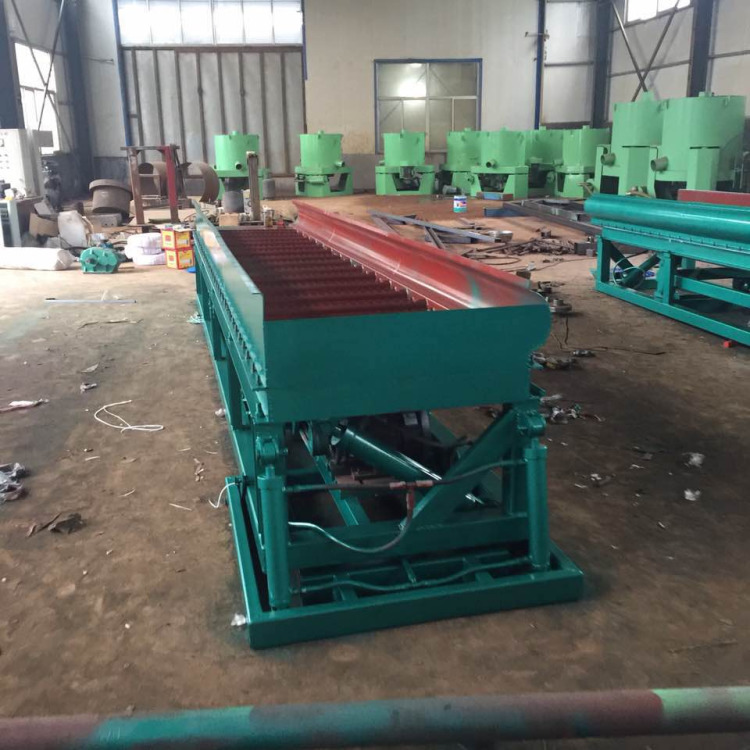
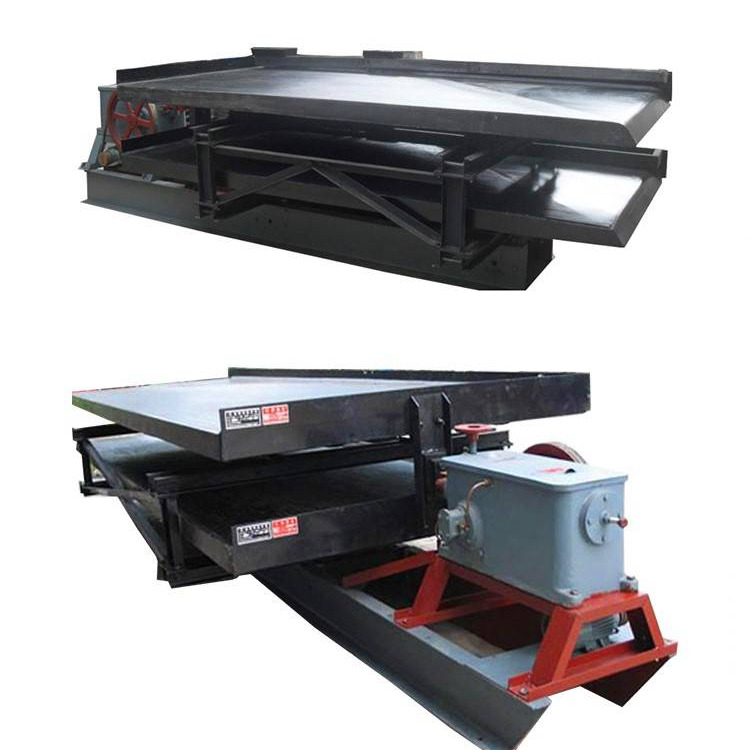
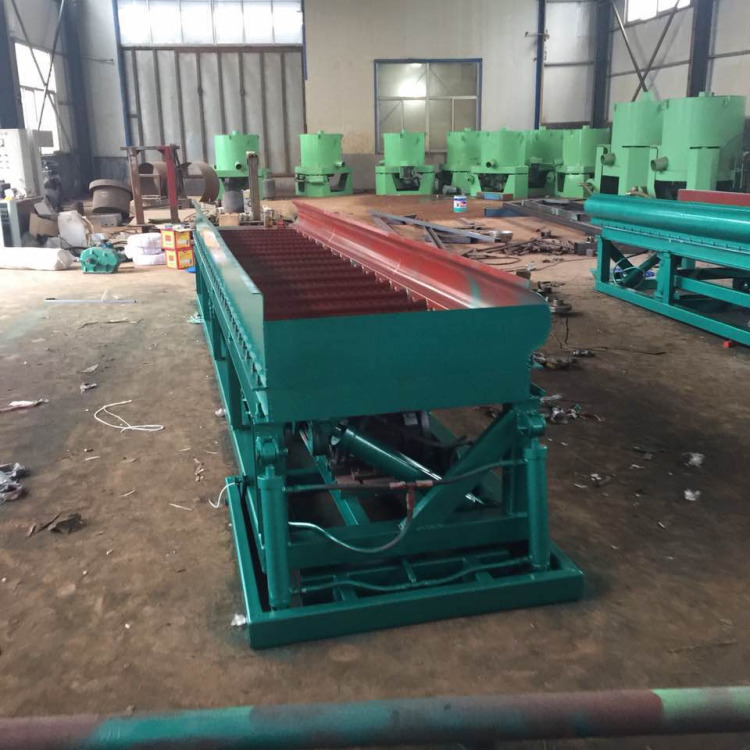
Rocking Bed
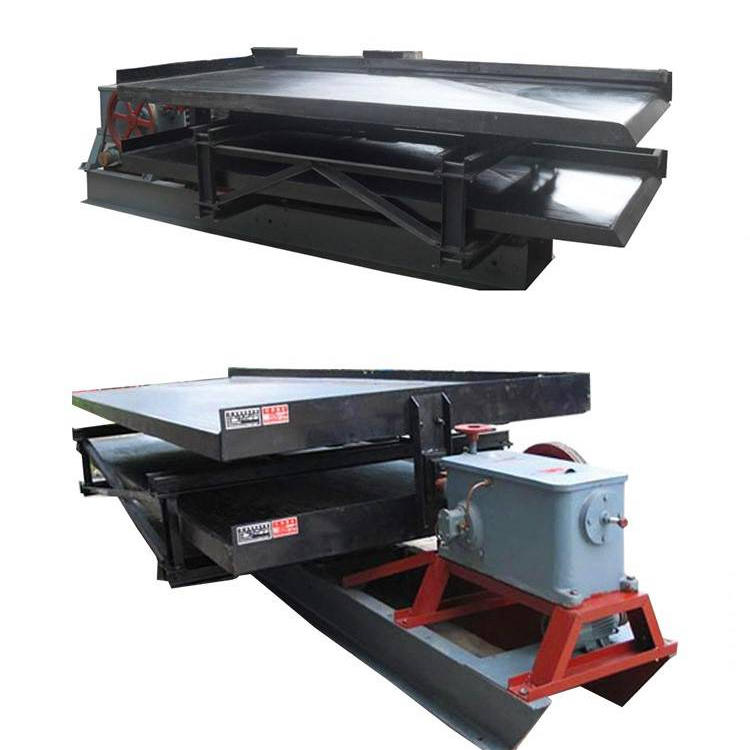
Shaking tables are gravity separation equipment used for sorting fine-grained materials, widely applied in the separation of tin, tungsten, gold, silver, lead, zinc, tantalum, niobium, iron, manganese, titanium iron, and coal, etc. Our factory has a long history of producing shaking tables and continues to innovate, evolving from the initial straight-ribbed bed surface shaking table (in the 1970s) to the single-curved wave bed surface shaking table, and then to the double-curved wave bed surface shaking table (in the 1990s), significantly improving the processing capacity, recovery rate, and concentration ratio of the shaking tables.
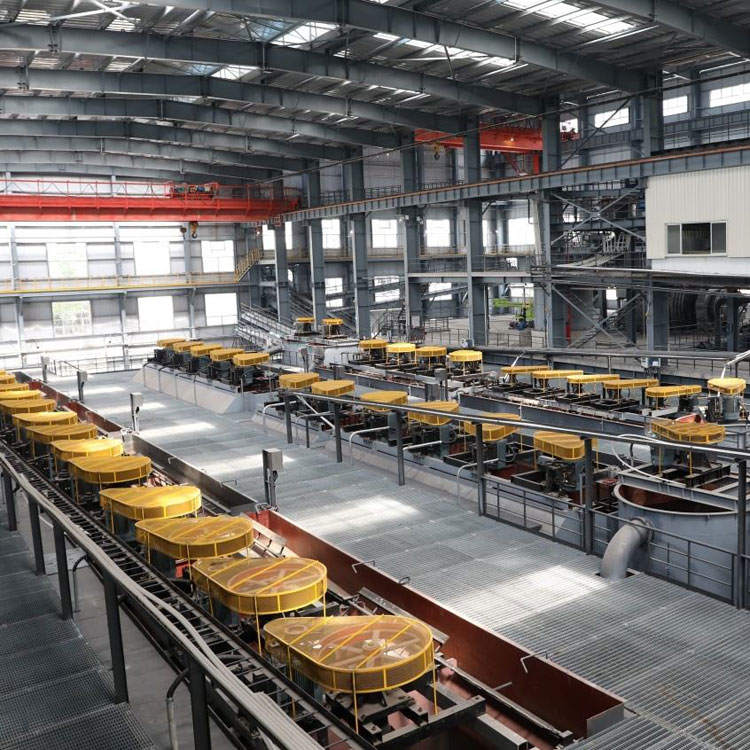
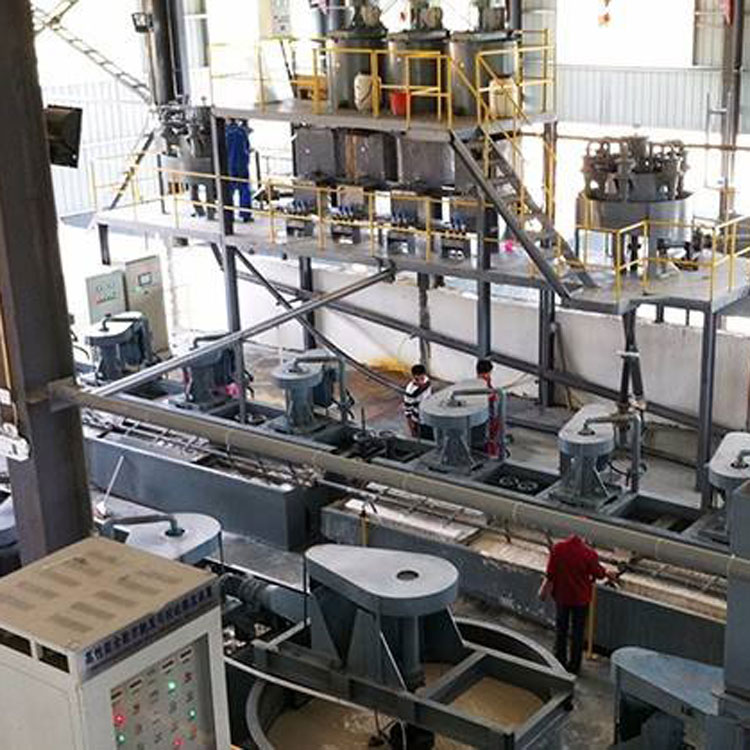
Flotation Machine
Flotation machines are suitable for separating ferrous and non-ferrous metals, as well as non-metals such as coal, fluorite, and talc. This flotation machine is driven by a motor with a triangle belt, causing the impeller to rotate and generate centrifugal force to form negative pressure. This allows for the simultaneous intake of sufficient air and mixing with slurry, as well as stirring the slurry and reagent mixture. It also refines the foam, causing minerals to adhere to the foam and float to the surface of the slurry, forming mineralized foam. The height of the regulating gate controls the liquid level, allowing the useful foam to be scraped out. All of these are important equipment in mineral processing, while the equipment listed below are auxiliary equipment for mineral processing. Therefore, an introduction to each is not provided.
Vibratory Feeder
The Vibrating Feeder, also known as the Vibrating Feeding Machine, evenly and continuously delivers lumped or granular materials from the storage bin to the receiving device in the production process. In sand and stone production lines, it can continuously and evenly feed破碎机械, and perform coarse screening on the materials. It is widely used in the combined crushing and screening equipment of industries such as metallurgy, coal mining, ore selection, building materials, chemicals, and abrasives.
Vibration feeders are used to uniformly or quantitatively supply materials from storage bins or other storage equipment to receiving equipment, and are essential for the implementation of automated assembly line operations. Vibration feeders come in two types: open and enclosed. Electric vibration feeders, feed hoppers, and conveyors can be produced according to requirements.
Vibration feeders are generally used in the mining industry and are a relatively new type of quantitative feeding equipment that can meet the demands of continuous production. As a result, they have been widely applied in industries such as mining, metallurgy, and coal.
Trough Feeding Machine
Trough feeders are mainly used for supplying materials to ball mills, installed at the discharge outlet below the material storage, and can evenly supply the incoming materials to the ball mill. They are suitable for particles and powdered materials with a size of 25mm or less.
Mining Mixing Drum
The agitator is used for slurry mixing prior to flotation operations, ensuring thorough mixing of the slurry with reagents, thus creating conditions for selective mineral processing.
The Working Principle and Application Range of the Mixing Drum:
This machine is driven by an electric motor via a triangle belt to rotate the impeller, effectively mixing and uniformly blending the medication and slurry, an essential device to enhance the reaction time and quality of the drug. It is suitable for the mining industry and can also be used for tank mixing in various chemical industries. The mixing drum is applicable for various metal ores, primarily used for mixing before flotation, ensuring thorough mixing of the reagents with the slurry, and can also be used for mixing non-metallic minerals. It is designed for use with concentrations not exceeding 30% (by weight) and fixed components with particle sizes less than 1mm. Its design features a flat-bottomed drum with a radial circular spiral impeller for mechanical stirring. **Instructions for Use:** Before operation, tighten the bolts on the pump body, check if the pump shaft drives the impeller smoothly, then start the machine. The operation is similar to that of a flotation machine. **Wear Items:** Impeller, Stator.
Drying Machine
Drying machines mainly include: rotary dryers, drum dryers, and industrial dryers.
Tunnel dryer
Drying Machines are primarily used for drying materials of specific humidity or particle size in industries such as mining, construction materials, metallurgy, chemical engineering, and printing. The rotary drying machines are highly adaptable to various materials and are known for their simple and reliable operation, making them widely adopted.
Indirect Heat Transfer Drying Machine, widely used in the building materials, metallurgy, chemical, and cement industries for drying slag, limestone, coal powder, slag, clay, and other materials. The machine is mainly composed of a rotating drum, feeding plates, transmission equipment, support devices, and sealing rings. It boasts advantages such as reasonable structure, fine craftsmanship, high output, low energy consumption, and easy operation.
Disc granulator
Concentrator: Designed for dewatering treatment of concentrate and tailings in mining plants, widely used in metallurgy, chemical industry, coal, non-metallic mineral processing, environmental protection, and other industries. The concentrator is not merely a sedimentation device but a new type of dewatering equipment that combines the filtering characteristics of mud layers.
The concentrator features include: (1) Adding flocculant to increase the particle size of settled solids, thereby accelerating the settling speed; (2) Installing inclined plates to shorten the settling distance of mineral particles, increasing the settling area; (3) Utilizing the flocculation, filtration, compression, and increased processing capacity of the slurry sedimentation dense layer; (4) Equipped with complete automatic control facilities.
Concentrator -> Concentrator -> Product Details:
Concentrators typically consist of components such as a concentration pond, a dewatering frame, a transmission unit, a lifting mechanism for the dewatering frame, feeding equipment, unloading equipment, and signal safety devices.
The main feature of the concentrator is to add a certain amount of flocculant to the pulp to be concentrated, causing the mineral particles in the pulp to form flocs, accelerating their settling rate, thereby enhancing the concentration efficiency.
Concentrators are widely used in metallurgy, mining, coal, chemical industry, building materials, and environmental protection sectors for the treatment of sludge, wastewater, and waste residue. They are crucial in enhancing the reuse rate of recycled water, improving the concentration of underflow conveyance, and protecting the environment.
Centrifuge Categories: Central Drive Centrifuge, Periphery Drive Centrifuge, Concentrating Centrifuge, Sludge Concentrator, Batch Centrifuge, Vertical Flow and Radial Flow Continuous Centrifuges.
Linear Vibrating Screen
The linear vibration screen is driven by a dual vibration motor. When the two vibration motors rotate synchronously in opposite directions, the excitation force generated by their eccentric blocks cancels out in the direction parallel to the motor shaft, and combines into a resultant force perpendicular to the motor shaft. Therefore, the screening machine's motion path is a straight line. The two motor shafts are tilted relative to the screen surface. Under the combined action of the excitation force and the gravitational force of the material, the material is thrown and jumps forward in a straight line on the screen, achieving the purpose of screening and grading. It can be used in assembly lines for automated operations. It features low energy consumption, high efficiency, simple structure, easy maintenance, and a fully enclosed design that prevents dust spillage. With a high screening mesh count of 325, it can separate 7 different particle sizes of materials.
Belt Conveyor
Belt conveyors feature large conveying capacity, simple structure, easy maintenance, and standardized components, and are widely used in industries such as mining, metallurgy, and coal, for transporting loose materials or packaged goods. They can be operated individually or in a series to form horizontal or inclined conveying systems, meeting the needs of various layout configurations. Suitable for conveying materials with a bulk density less than 1.67/t/m³, such as powdery, granular, and small-sized materials with low abrasiveness, as well as bagged materials like coal, gravel, sand, cement, fertilizer, and grain, among others. The temperature of the conveyed material should be less than 60°C. The length of the conveyor and its assembly can be determined according to customer requirements, with power transmission available via electric drums or a drive unit with a belt tensioner.
Rotary Kiln
A rotary kiln, also known as a spinning calcining kiln, is a type of building materials equipment. It can be categorized into cement kilns, metallurgical and chemical kilns, and lime kilns based on the material processed. In many production industries such as building materials, metallurgy, chemicals, and environmental protection, rotary kilns are widely used for mechanical, physical, or chemical treatment of solid materials. This type of equipment is referred to as a rotary kiln.
The application of the rotary kiln originated in cement production. In 1824, British cement worker J. Aspdin invented the intermittent operation of the earthen kiln. In 1883, German Dietz invented the continuous operation of the multi-layer vertical kiln. In 1885, Englishman E. Ransome invented the rotary kiln, obtained patents in the UK and the US, and put it into production, quickly achieving significant economic benefits. The invention of the rotary kiln led to the rapid development of the cement industry and also promoted research on its applications. The rotary kiln was soon widely used in many industrial fields, becoming an essential piece of equipment for the production of enterprises. Its technical performance and operational status largely determine the quality, output, and cost of the products. The folk song "As long as the big kiln turns, there are countless" vividly describes the importance of the rotary kiln in production. In the field of application of the rotary kiln, there are many in the cement industry. The entire cement production process can be summarized as "two grindings and one burning," where "one burning" refers to the process of calcining the raw materials after grinding and mixing under the high temperature of the rotary kiln to produce clinker. Therefore, the rotary kiln is the main equipment in cement production, often referred to as the "heart" of the cement factory. In the building materials industry, in addition to calcining cement clinker, the rotary kiln is also used for calcining clay, limestone, and for drying slag, among other processes. In refractory material production, the rotary kiln is used to calcine raw materials, making them dimensionally stable and increasing their strength before further processing. In non-ferrous and ferrous metallurgy, metals such as iron, aluminum, copper, zinc, tin, nickel, tungsten, chromium, and molybdenum are processed in rotary kilns, where they are sintered and roasted in ores, concentrates, and intermediates. For example, in aluminum production, it is used to roast alumina from aluminum hydroxide; in iron smelting, it produces sintered ore for blast furnace ironmaking; overseas "SL/RN method" and "Krupp method" use it for direct reduction of iron ore; chlorination volatilization roasting method uses it to extract tin and lead, among others. In the beneficiation process, the rotary kiln is used to magnetize roast lean iron ore, changing the ore's original weak magnetism to strong magnetism, which is beneficial for magnetic separation. In the chemical industry, the rotary kiln is used to produce soda, calcine phosphate fertilizers, barium sulfide, and more. In the 1960s, American LapPle and others invented a new process for producing phosphoric acid using the rotary kiln. This method has the advantages of low energy consumption, low electricity usage, no need for sulfuric acid, and the ability to utilize medium and low-grade phosphate ore, and was quickly promoted.
Additionally, in terms of environmental protection, developed countries around the world have been incinerating hazardous waste and garbage in cement kilns for over 20 years. This not only reduces and renders waste harmless but also utilizes waste as fuel, saving coal powder, and achieving resource utilization of waste.
Cement rotary kiln
There are mainly two types of cement kilns: one with a horizontal cylindrical body (slightly inclined) capable of rotational movement, known as a rotary kiln (also called a revolving kiln); the other with a vertical cylindrical body that does not rotate, referred to as a vertical kiln.
Types and characteristics of cement rotary kilns:
The cement industry has evolved with various production methods and different types of rotary kilns. These can be categorized into dry process and wet process production based on the preparation method of the raw materials. The corresponding rotary kilns are divided into dry process and wet process kilns. Due to the differences in the heat exchange devices at the kiln tail, further classifications into different types of kilns are made. The general classification of rotary kilns is as follows:
1. Types of Wet Process Kiln:
The cement kiln used in wet-process production is called a wet-process kiln. Wet-process production involves converting raw materials into a slurry with a water content of 32% to 40%. Due to the preparation of a fluid slurry, the raw materials are well-mixed, resulting in a uniform composition of raw materials, which in turn leads to high-quality clinker after firing. This is the main advantage of wet-process production.
2. Types of dry-process rotary kilns:
Dry-process rotary kilns have the opposite advantages and disadvantages compared to wet-process rotary kilns. Dry-process converts raw materials into dry powder, with moisture content generally less than 1%, thus reducing the heat required for evaporation. The hollow kiln has high exhaust gas temperatures, resulting in relatively high heat consumption. The dry-process production of raw materials into dry powder has poorer fluidity than slurry, leading to poor raw material mixing and uneven composition.
Cement tower kiln types and features: As of now, there are two types of tower kilns used in our country: the ordinary tower kiln and the mechanical tower kiln.
The conventional vertical kiln involves manual feeding and unloading or mechanical feeding with manual unloading; the mechanical vertical kiln features mechanical feeding and unloading. The mechanical vertical kiln operates continuously, boasting higher output, quality, and labor productivity compared to the conventional type. In accordance with the requirements of building materials technology policies, small cement plants should adopt mechanical vertical kilns, gradually replacing the conventional ones.
Hydrocyclone
Hydrocyclones have gained widespread application due to their simple structure and high processing capacity. Currently, the specifications of hydrocyclones are continuing to evolve towards two extremes. One is miniaturization; micro-tube hydrocyclones with an inner diameter of 10mm have been produced, suitable for ultra-fine sizing of kaolin at 2-35mm. The other direction is large-scale, with large-scale hydrocyclones in foreign countries having diameters ranging from 1000 to 1400mm, used as classification equipment for closed-circuit grinding in large ball mills. At the same time, to enhance the production capacity of individual units and reduce the footprint of the equipment, large-scale mining plants commonly use a group of hydrocyclones as classification equipment.