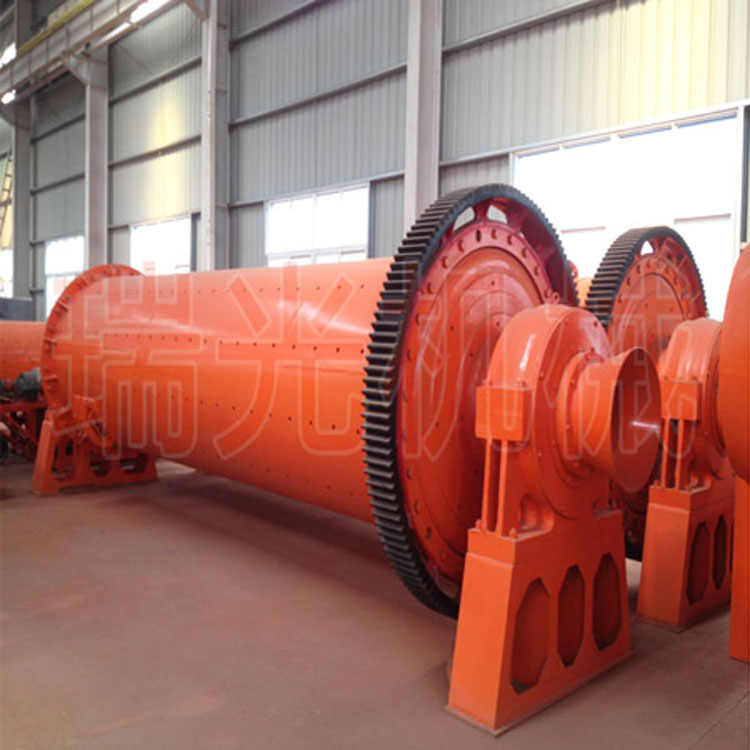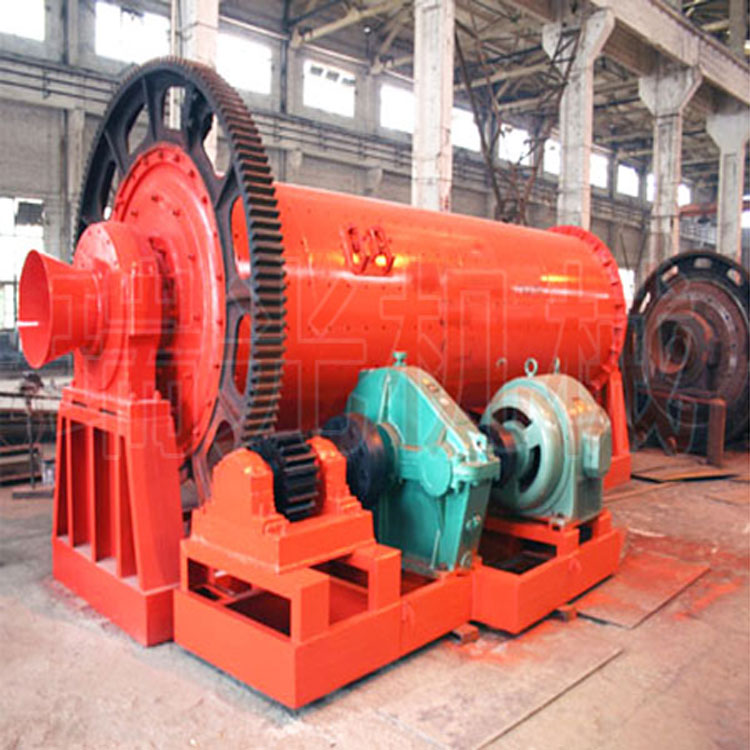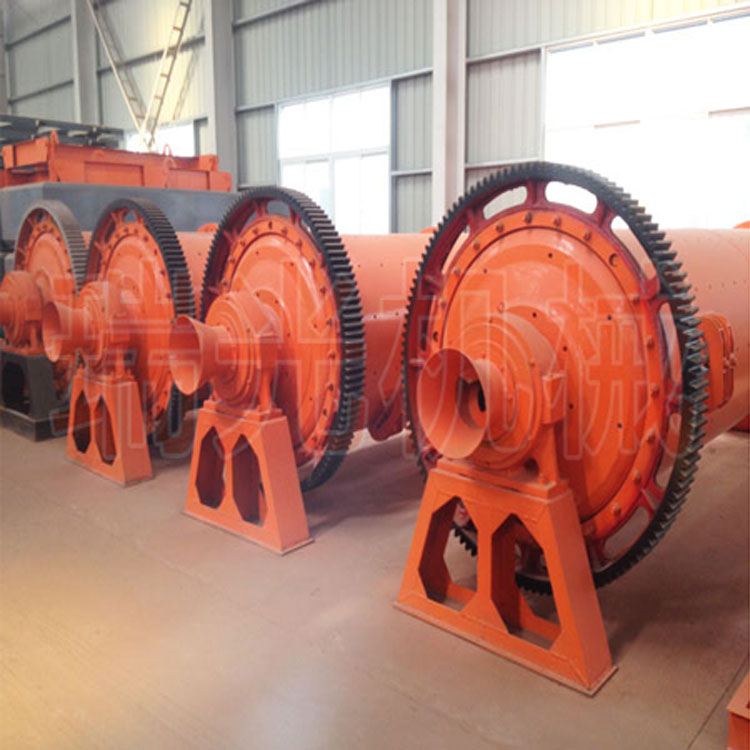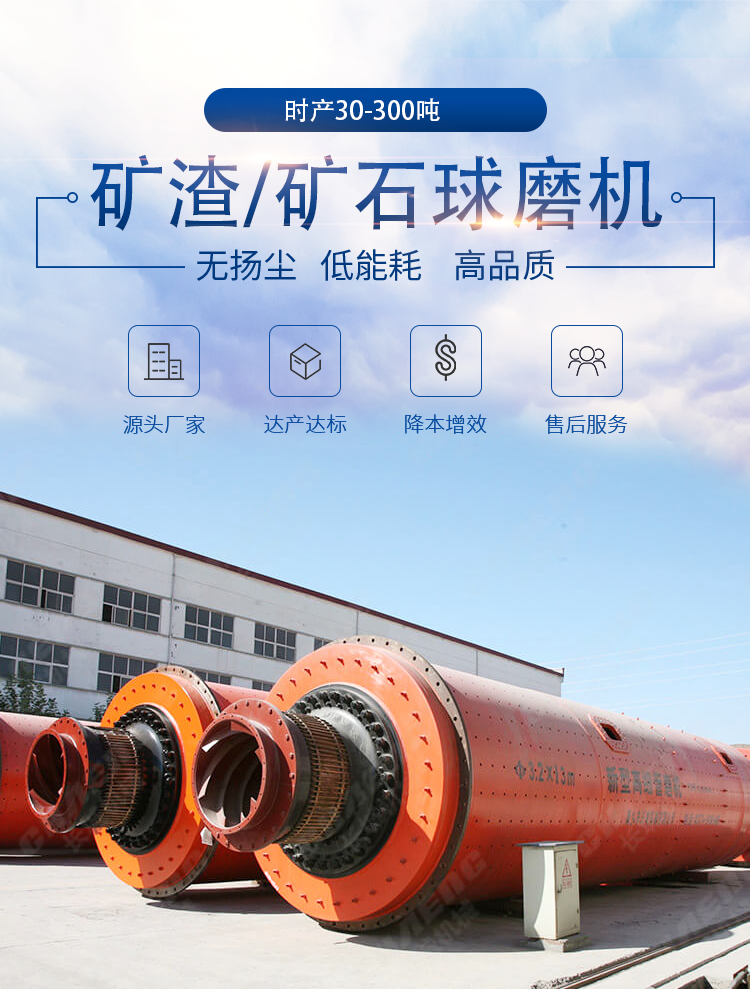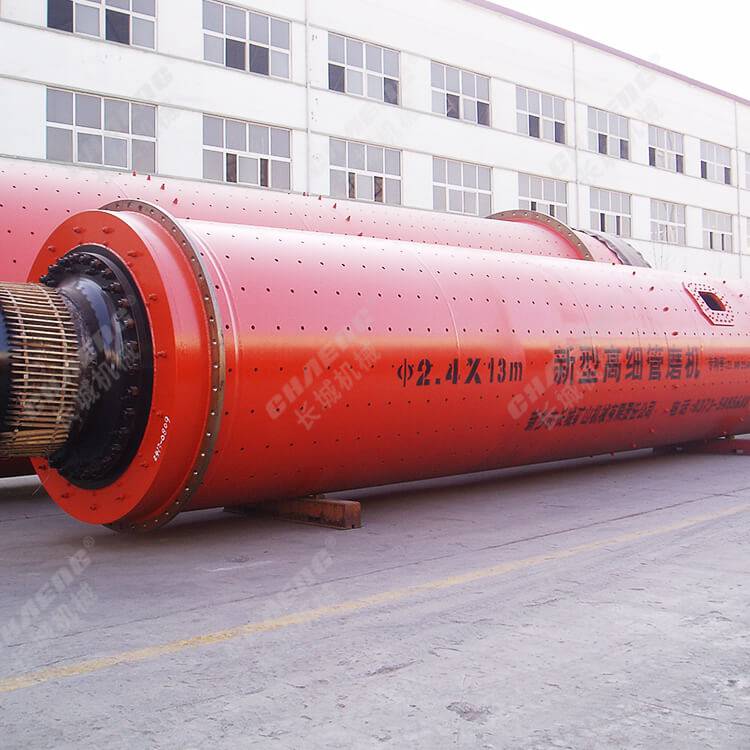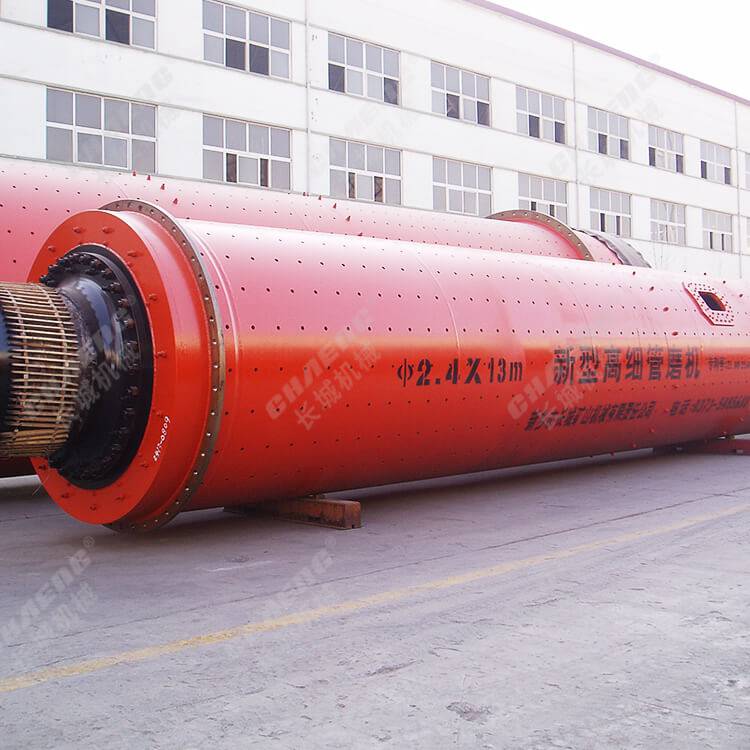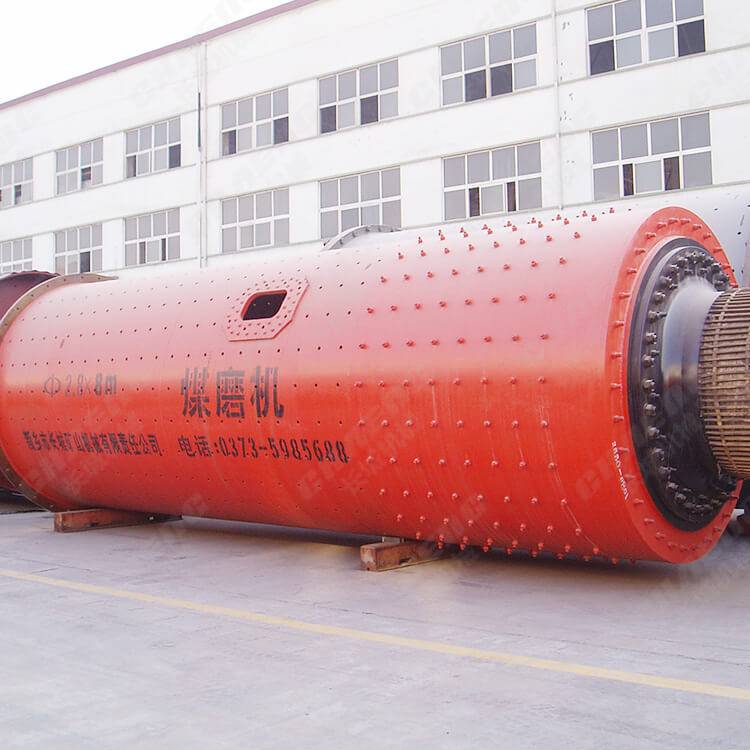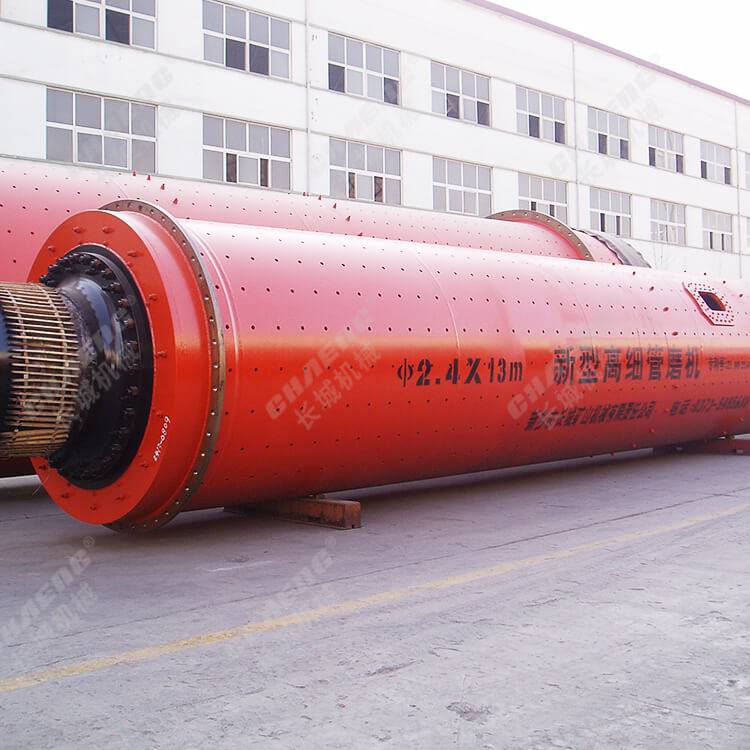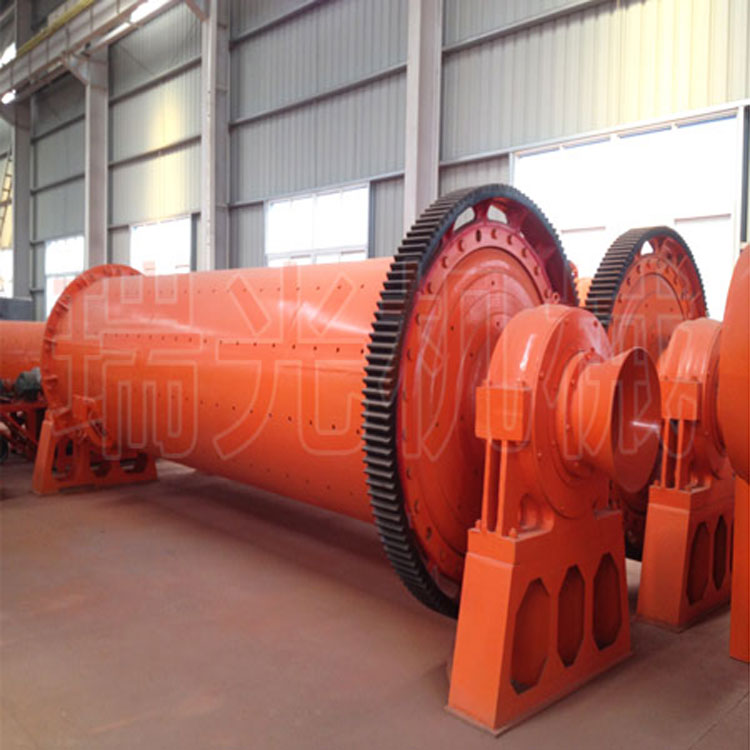

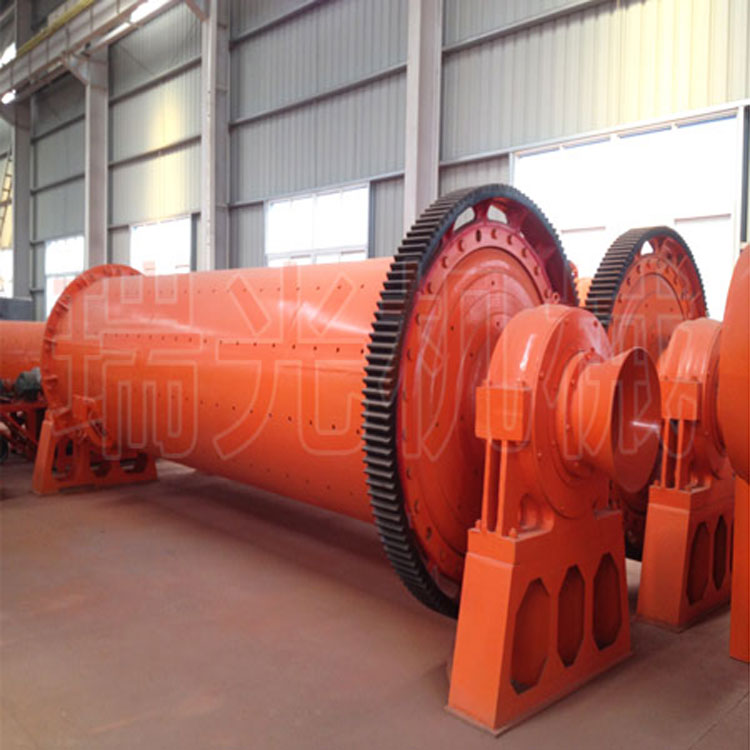
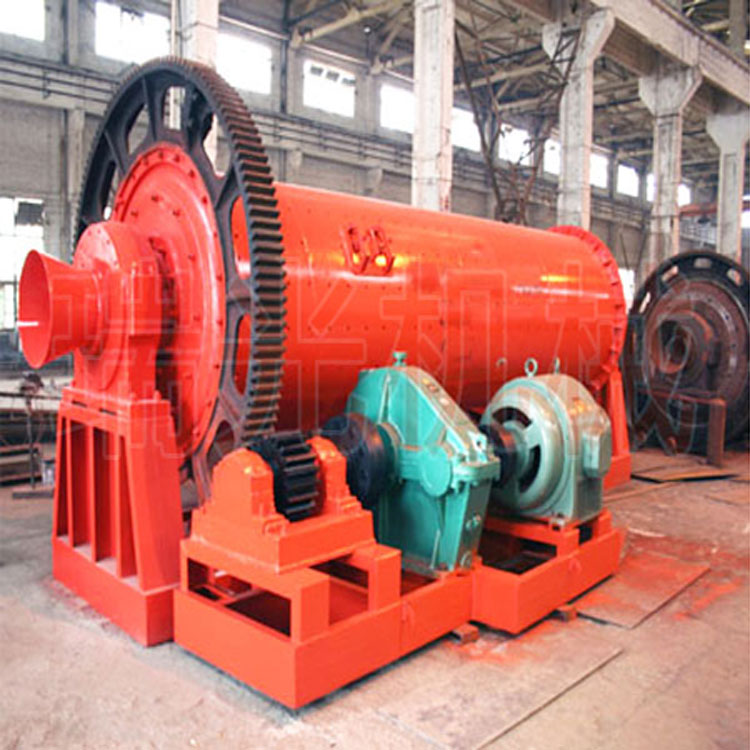
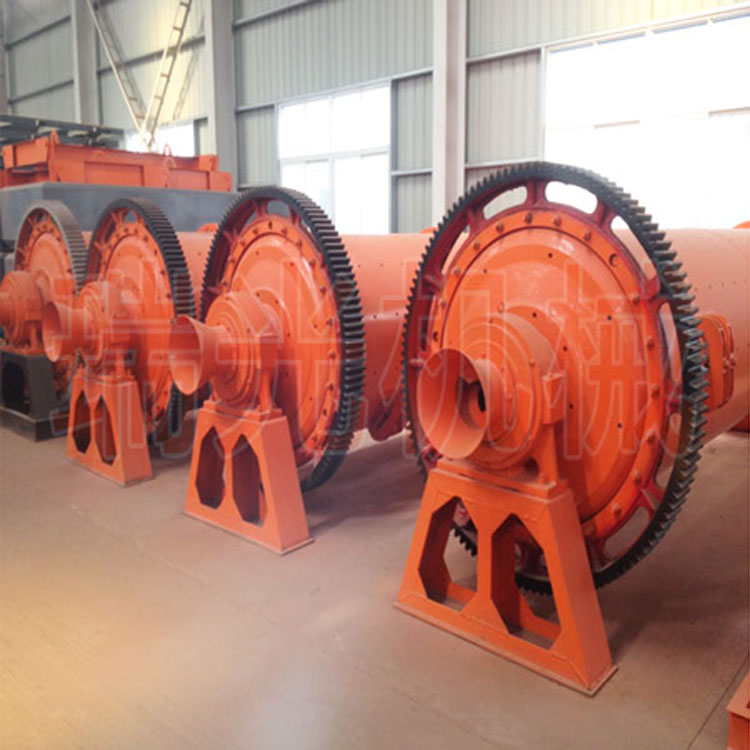


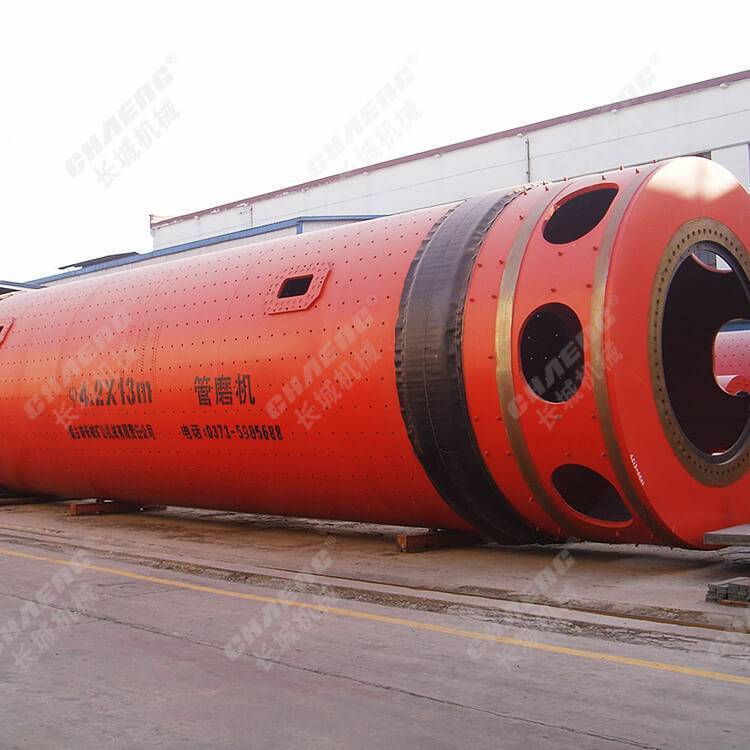
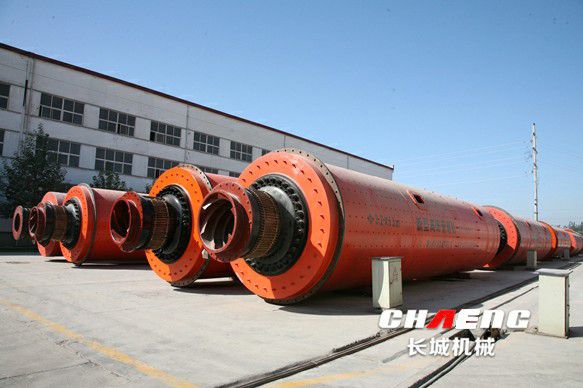
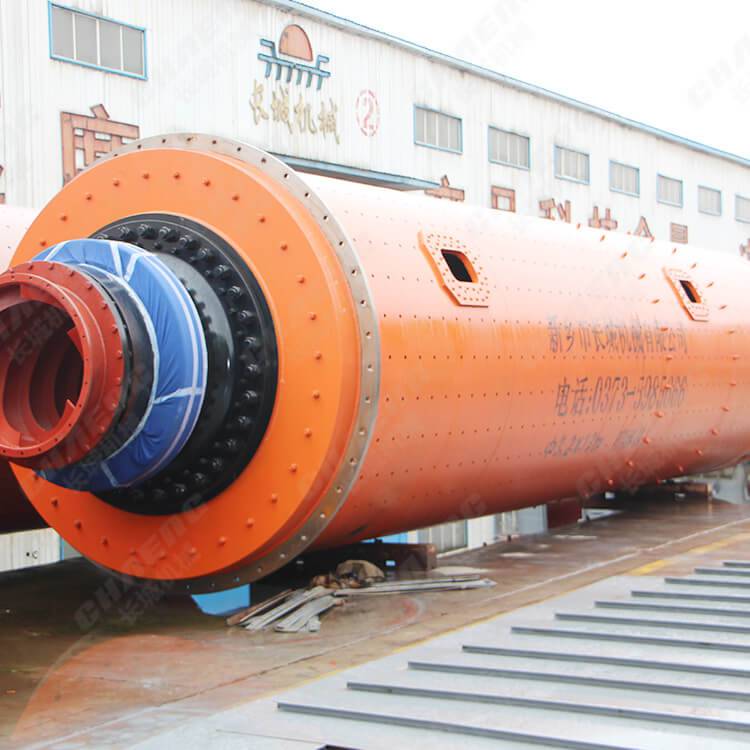
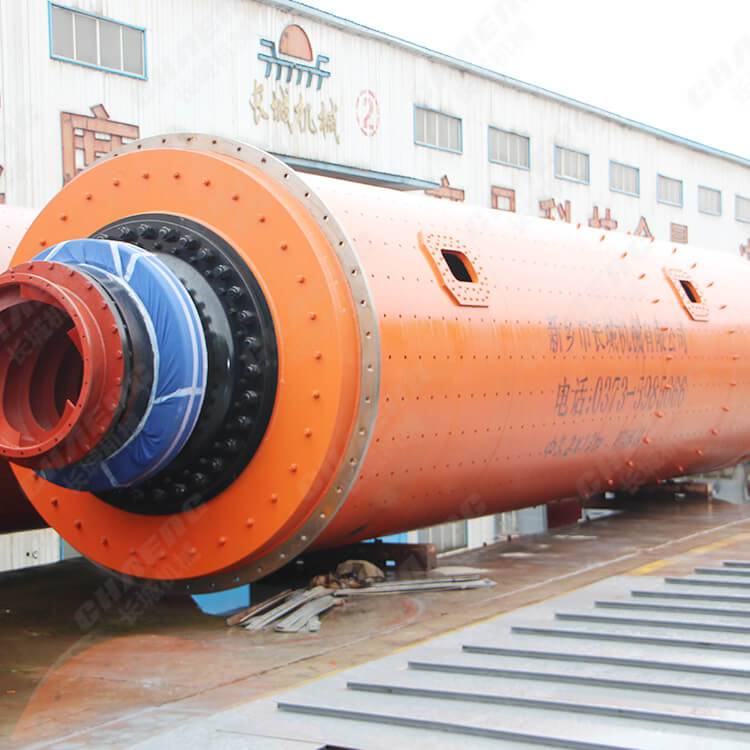






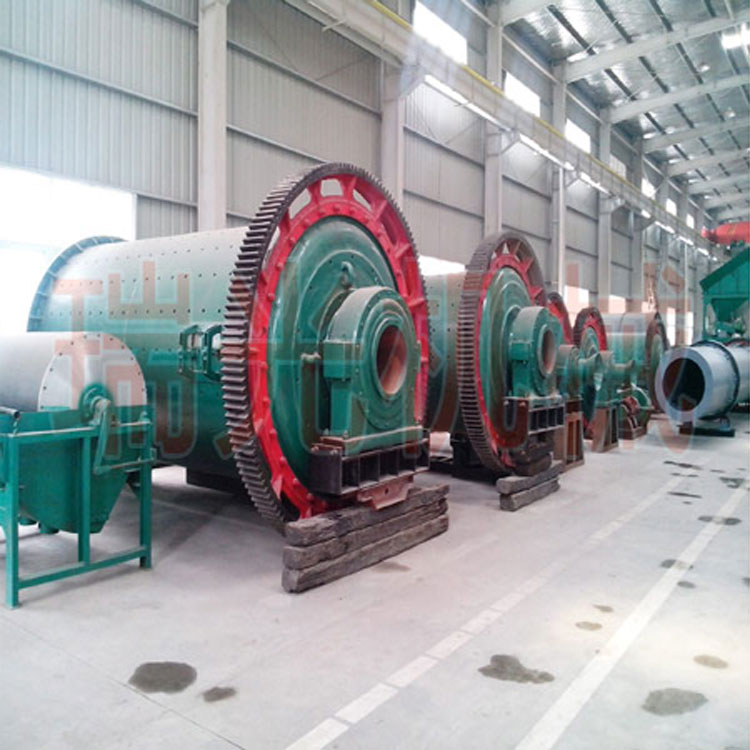
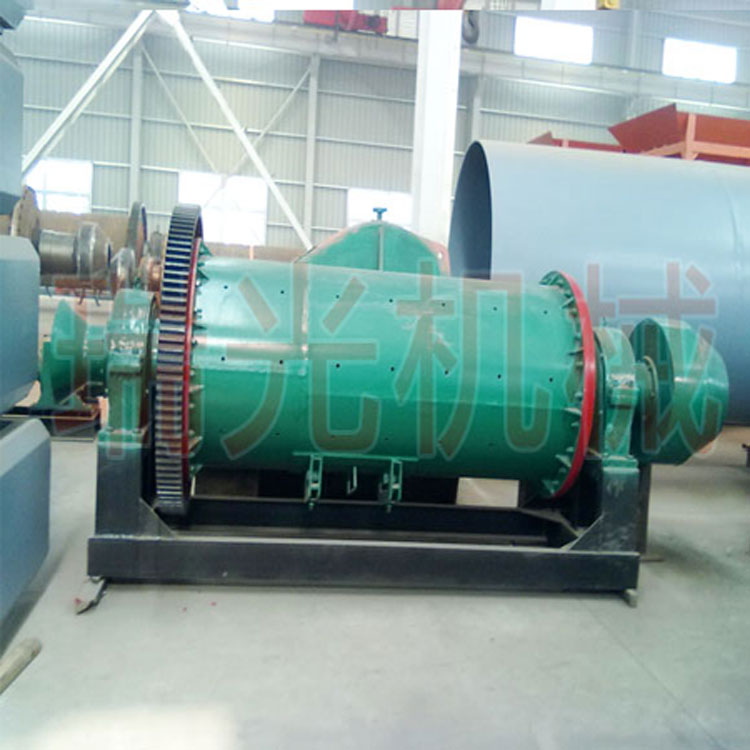
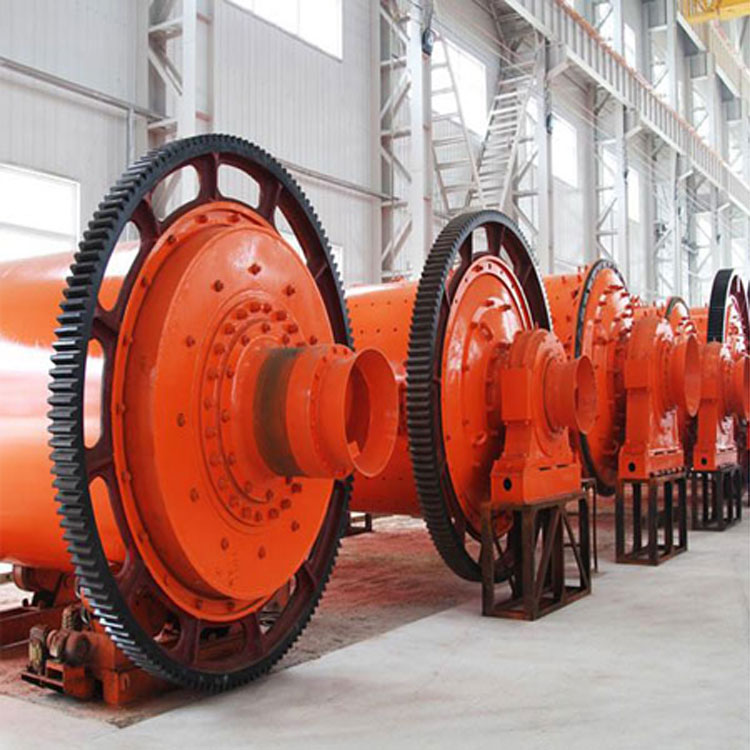
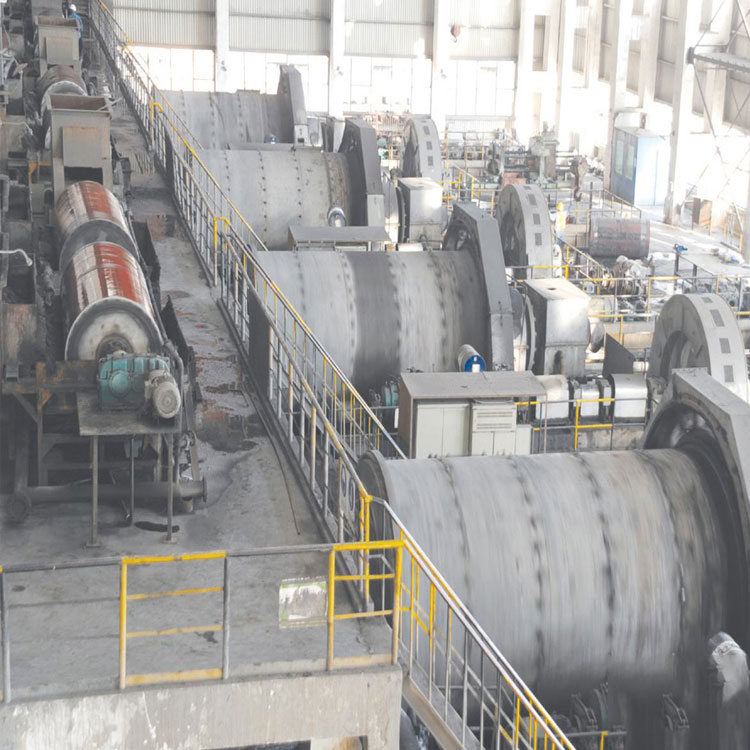
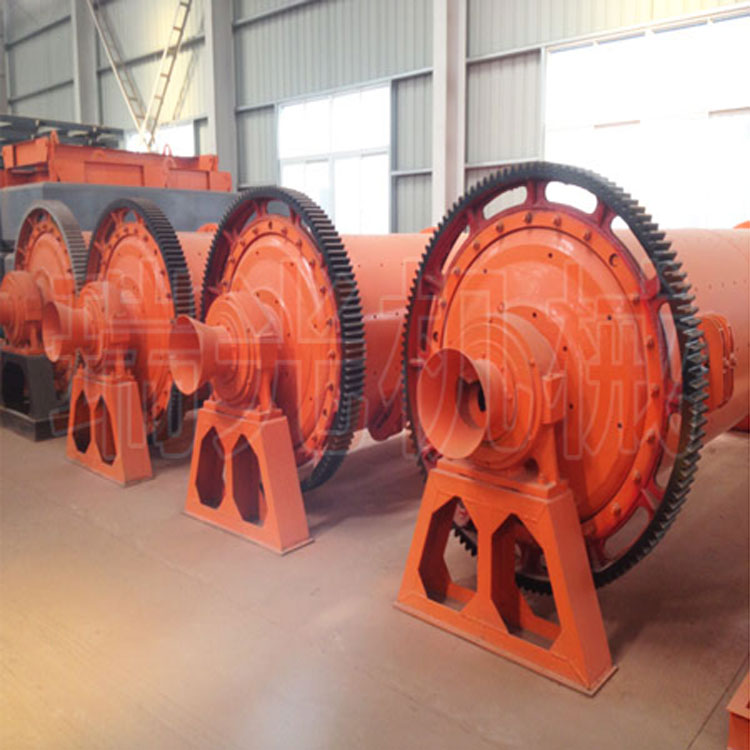
The ore ball mill is a crucial equipment that crushes material after it has been broken. It is widely used in the production of cement silicate products, new building materials, refractory materials, fertilizers, and in the beneficiation of ferrous and non-ferrous metals, as well as in glass and ceramics industries, for dry or wet grinding of various ores and other grindable materials.
Pure iron is silvery white, iron powder is black, which is an optical issue. Iron powder has a smaller specific surface area and lacks a fixed geometric shape, whereas the crystal structure of iron blocks is geometric. Therefore, iron blocks absorb some visible light and reflect the rest as a mirror, appearing white; however, the light not absorbed by iron powder is scattered, allowing less visible light to enter the human eye, hence the black color. Iron powder is used extensively in powder metallurgy production, accounting for about 85% of the total metal powder consumption. The main market for iron powder is the manufacturing of mechanical parts, with the required amount of iron powder accounting for about 80% of the total iron powder production.
Mining selectionBall mill working principle:
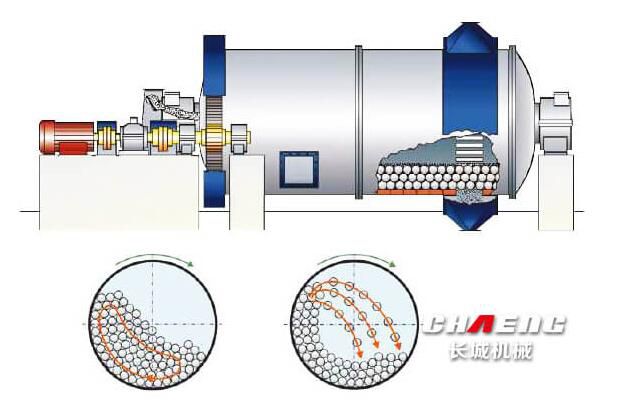
Mineral ProcessingBall mill is a horizontal cylindrical rotating device, driven by external gear, with two compartmented ball mills. Material is evenly fed into the mill chamber through the feeding device via a hollow shaft spiral, where it encounters stepped or corrugated liners. Different sizes of steel balls are inside, and as the drum rotates, centrifugal force elevates the balls to a certain height before they fall, impacting and grinding the material. After coarse grinding in the chamber, the material passes through a single-layer diaphragm plate into the next chamber, which is lined with flat liners and contains steel balls for further grinding. The powdered material is then discharged through a discharging grate, completing the powdering operation.
Mining selectionBall mill structural features:
This machine is composed of main parts such as the feeding department, discharging department, rotation department, and transmission department (reducer, small transmission gears, motor, and electrical control). The hollow shaft is made of cast steel, with a removable lining. The large rotation gears are cast and precision machined, featuring wear-resistant linings for excellent wear resistance.
Model | Tubular speed (r/min) | Higher ball loading capacity (t) | Material particle size (mm) | Material Particle Size (mm) | Output (t/h) | Power (kw) | Weight (t) |
YMQ750×1800 | 39 | 1.0 | 0-15 | 0.075-0.3 | 0.3-0.8 | 11 | 3.5 |
YMQ900×2100 | 37.8 | 1.5 | 0-15 | 0.075-0.3 | 0.8-2.1 | 15 | 5.2 |
YMQ1200×2800 | 37 | 5.2 | 0-20 | 0.075-0.3 | 1.2-6.2 | 30 | 10 |
YMQ1500×3500 | 29.7 | 8.0 | 0-25 | 0.075-0.3 | 2.8-9 | 75 | 17 |
YMQ1500×4500 | 29.7 | 9.5 | 0-25 | 0.075-0.3 | 2.8-10 | 90 | 20 |
YMQ1830×3600 | 25 | 11.5 | 0-25 | 0.075-0.3 | 5.2-25 | 130 | 28 |
YMQ1830×4500 | 25 | 16.5 | 0-25 | 0.075-0.3 | 5.2-30 | 155 | 32 |
YMQ2100×3600 | 24.6 | 17.4 | 0-25 | 0.075-0.3 | 6.5-40 | 180 | 41 |
YMQ2100×4500 | 24.6 | 22.5 | 0-25 | 0.075-0.3 | 6.5-42 | 210 | 46 |
YMQ2400×3600 | 22.4 | 23 | 0-25 | 0.075-0.3 | 7.2-92 | 210 | 65 |
YMQ2400×4500 | 22.4 | 28.5 | 0-25 | 0.075-0.3 | 7.2-95 | 245 | 72 |
YMQ2700×3600 | 20.7 | 40 | 0-25 | 0.075-0.3 | 12-145 | 320 | 80 |
YMQ2700×4500 | 20.7 | 50 | 0-25 | 0.075-0.3 | 12-155 | 380 | 90 |