

Product Details

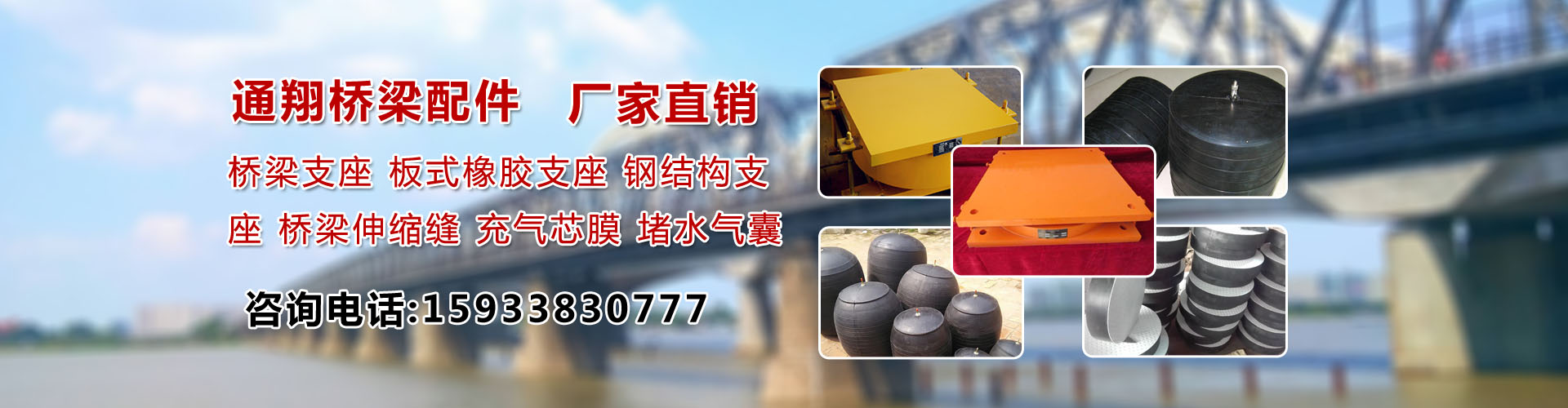
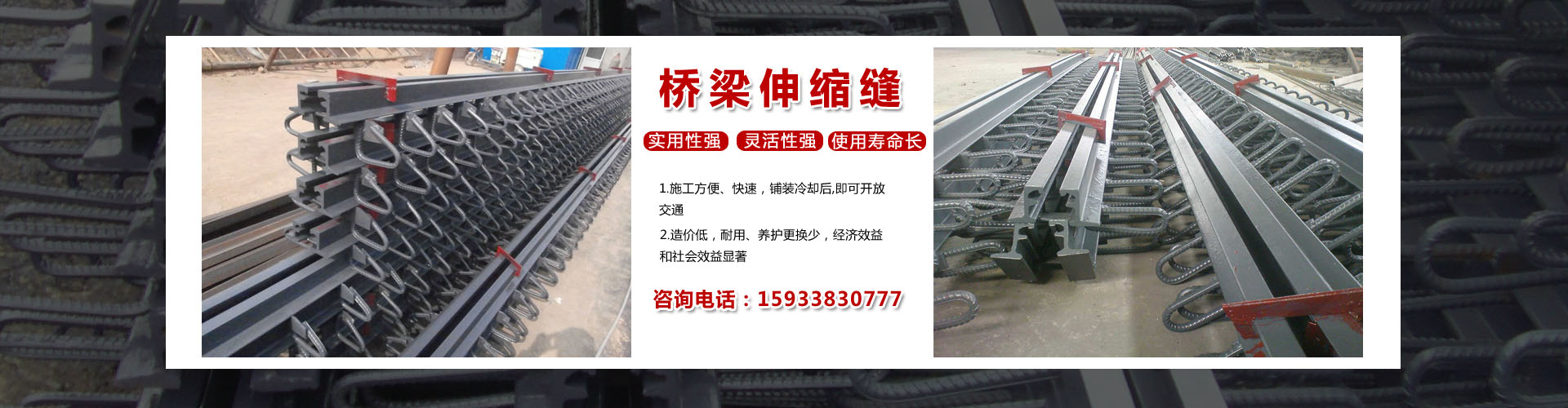
Pipe plug bladders, rubber supports, support steel plates, bowl-shaped supports, spherical supports, bridge expansion joints


价 格Negotiable
最小起订0 piece库存0 piece
 Business Card
Negotiable

Negotiable

Negotiable

Negotiable
 Web Frame Rubber Support
Negotiable
Web Frame Rubber Support
Negotiable
 Cast iron bridge support bracket
Negotiable
Cast iron bridge support bracket
Negotiable
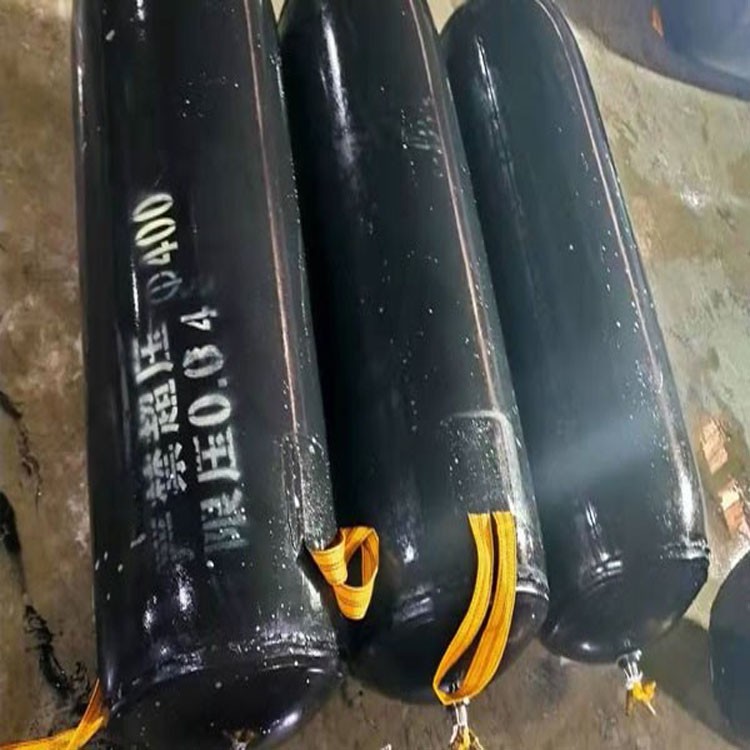 Deflateable堵头
Negotiable
Deflateable堵头
Negotiable
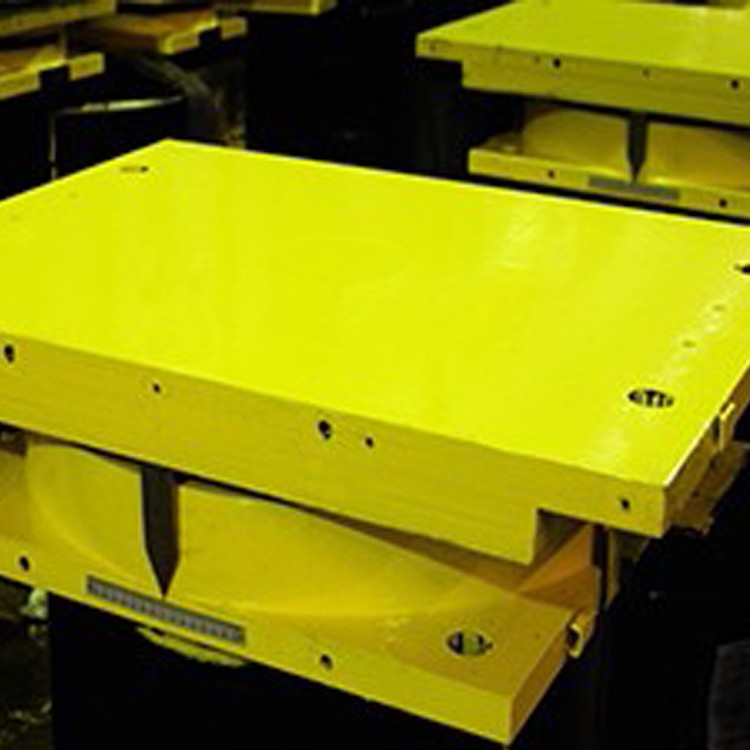 GPZ(2009) Series, GPZ(KZ) Series
Negotiable
GPZ(2009) Series, GPZ(KZ) Series
Negotiable
 Bridge guardrail bracket
Negotiable
Bridge guardrail bracket
Negotiable
 GPZ (Ⅲ) Series
Negotiable
GPZ (Ⅲ) Series
Negotiable
 QPZ Series
Negotiable
QPZ Series
Negotiable
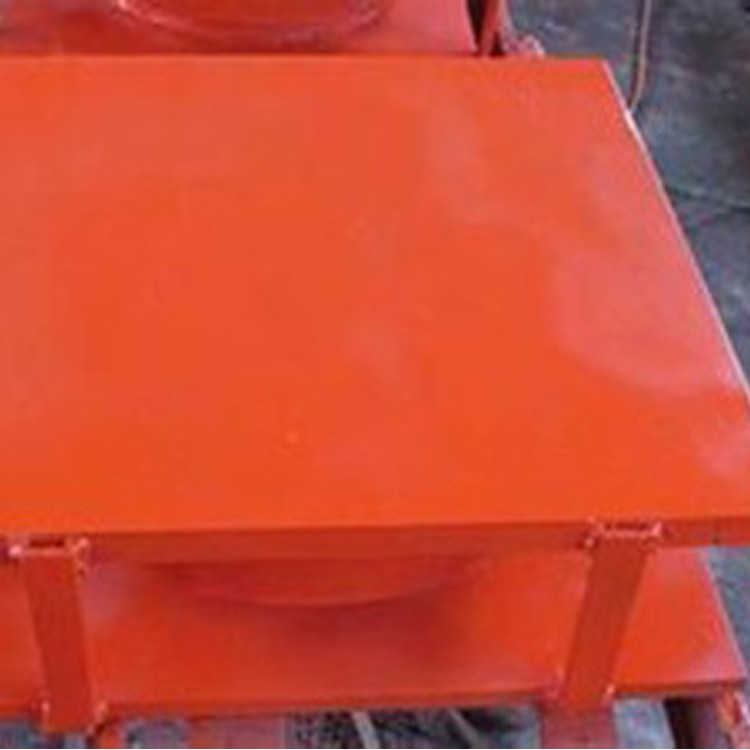 Fixed Bracket
Negotiable
Fixed Bracket
Negotiable
 GPZ Series, JPZ Series Basin-Type
Negotiable
GPZ Series, JPZ Series Basin-Type
Negotiable
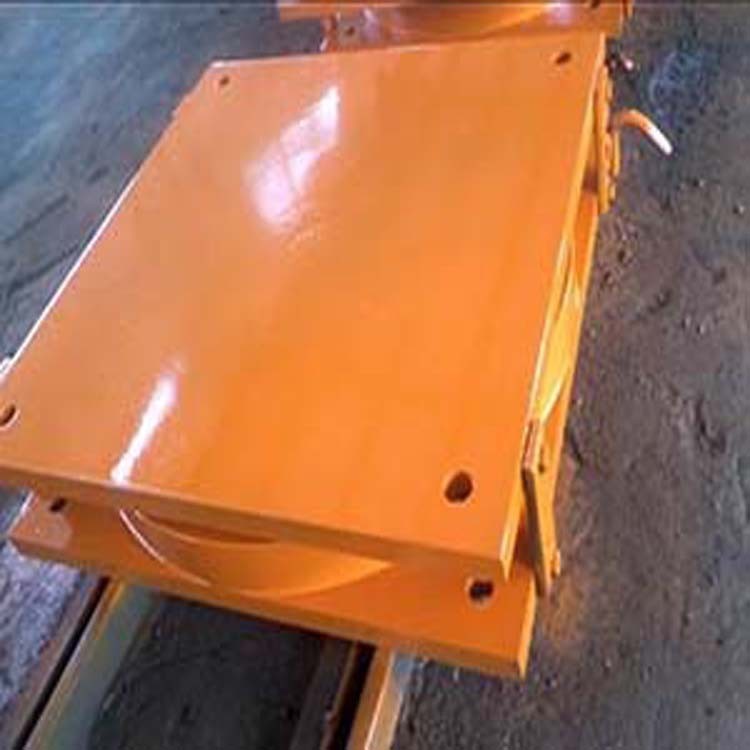 GPZ(Ⅱ) Series
Negotiable
GPZ(Ⅱ) Series
Negotiable
An inflatable core mold is a rubber inner mold that can be inflated with compressed air to achieve the required geometric shape for bridge construction. Due to the rapid development of domestic bridge construction in recent years, the inflatable core mold has gained widespread use for its simplicity, cost-effectiveness, durability, and low construction costs, as well as its fast construction progress. Since the inflatable core mold is made of rubber, it can be softly contracted and folded or bent for easy transportation when not inflated.
Our rubber inflation cores are made from high-strength canvas as the base material, coated with chloroprene and natural rubber on both sides, bonded after vulcanization, offering high burst strength, elasticity, and flexibility. The product can be used within a temperature range of -10℃ to 80℃, with no material change. After inflating with compressed air, it can replace traditional wooden, bamboo, and steel molds, and is reusable multiple times, serving as a cost-effective and time-saving concrete product accessory.
Rectangular inflatable inner molds are one of the commonly used types of inflatable molds, and they are often seen in bridge engineering for the casting of rectangular hollow components.
1. Molding
Apply a release agent evenly to the outer surface of the bladder mold.
B. Pull the气囊内模 through the reinforced steel cage at the bottom, which is filled with concrete, and ensure the inflation mouth is placed externally.
2. Inflatable
Open the intake valve to inflate, and use a pressure gauge to monitor the air pressure during inflation (the pressure gauge is placed vertically).
B. Close the intake valve when the air pressure reaches the operating pressure. (See the airbag operating pressure chart below)
C. Inflate the inner mold of the non-standard airbag alternately until it reaches the operating pressure.
D. Do not overinflate.
3. Fixed and poured concrete
A. During the vibration of concrete, the airbag formwork will float upwards. Therefore, it must be secured vertically, horizontally, and diagonally. Generally, the spacing of the rebar for a 250mm airbag formwork is 80mm. If the diameter increases, the spacing should be reduced accordingly.
B. The method of casting concrete is basically the same as for solid components. Pay attention to using a high-frequency insert or vibration rod to vibrate from both sides simultaneously to prevent lateral displacement of the气囊 mold. Do not let the tip of the vibration rod touch the气囊 mold.
4. Demolding
When concrete begins to set, open the valve to release air, and the bladder form can be pulled out. The demolding time can be determined by the cement grade.
5. Rinse capsules, perform pressure testing. Storage and maintenance of round inflatable core molds (airbag inner molds)
A. After use, clean the inner mold of the airbag with clean water, store it in a ventilated and dry place when not in use, and avoid contact with oils, acids, or alkalis.
B. Avoid contact with sharp, hard objects during on-site use.
C. After each demolding of the airbag mold, it should be immediately cleaned with a brush (nylon brush) and tap water to remove the concrete on the surface, maintaining the cleanliness of the airbag mold.
D. In case of air leakage in the airbag mold, if the sealing film falls off, sandpaper can be used to grind the area needing repair, then apply glue and cover the film for patching. For fiber tear-offs, cover and repair with adhesive tape.

Phone Consultation