

Product Details

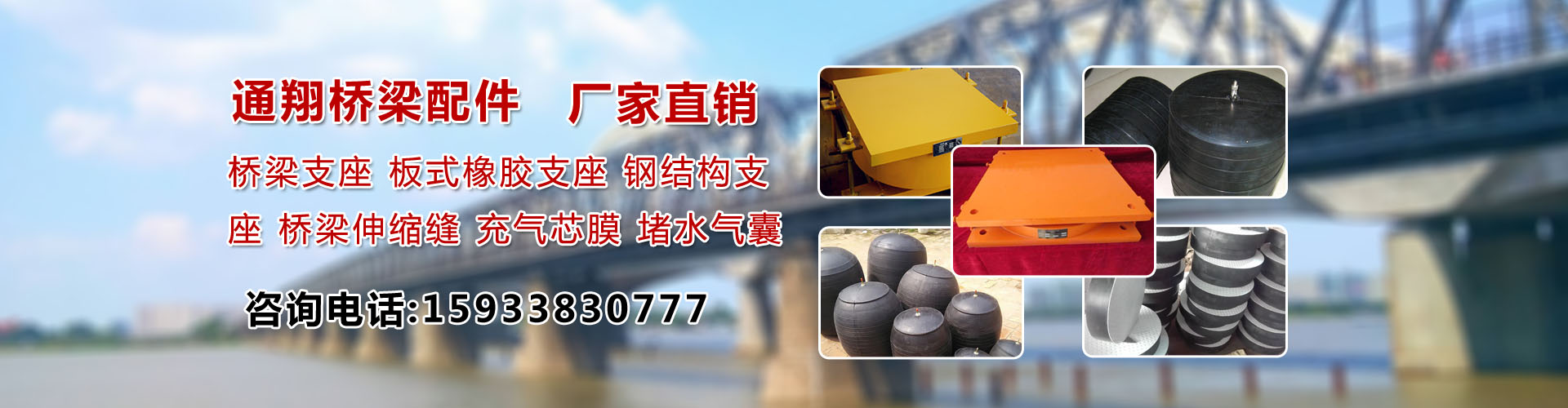
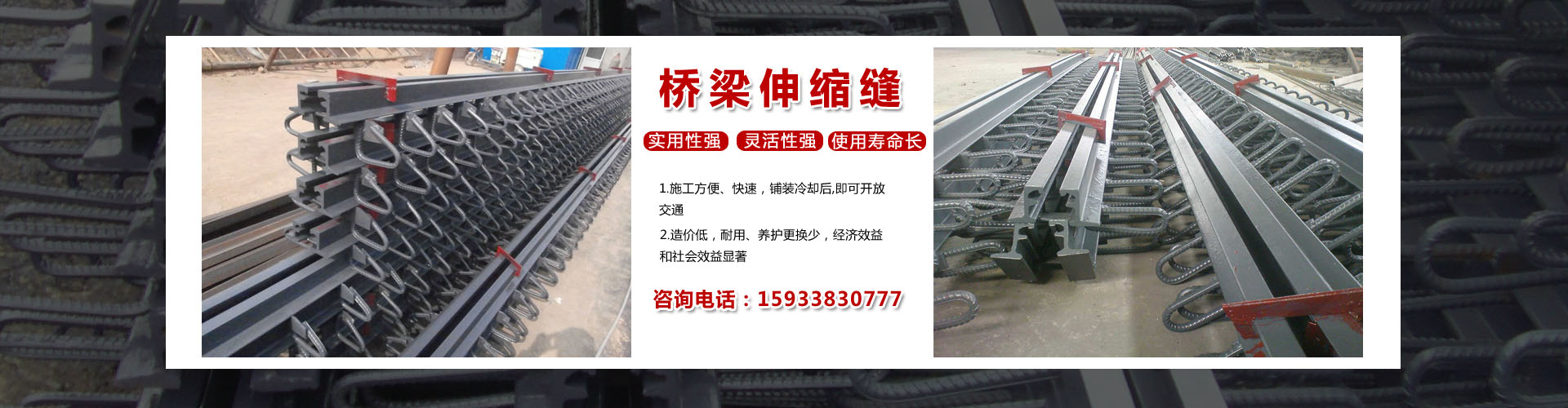
Pipe plug bladders, rubber supports, support steel plates, bowl-shaped supports, spherical supports, bridge expansion joints


价 格Negotiable
最小起订0 piece库存0 piece
 Business Card
Negotiable

Negotiable

Negotiable

Negotiable
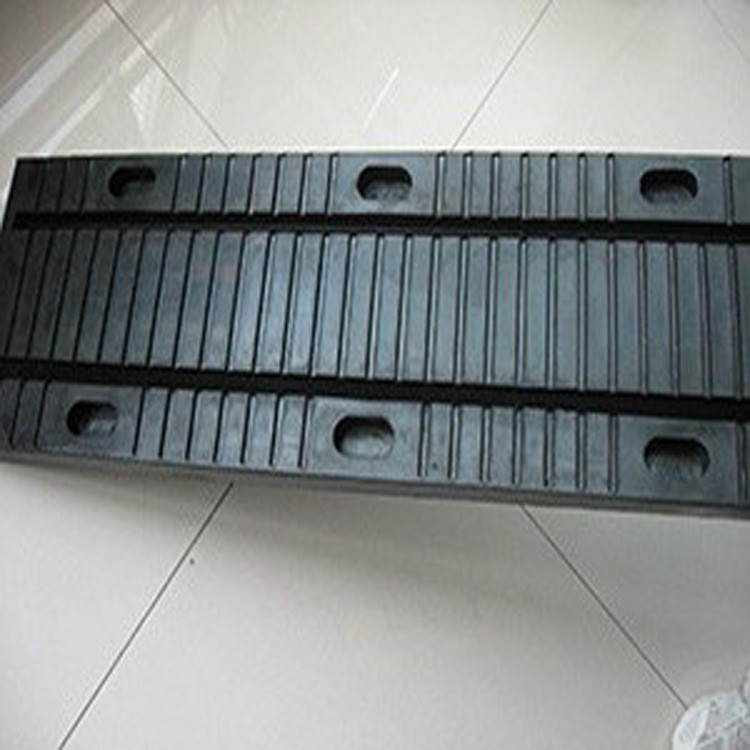 Rubber Expansion Joint Plates
Negotiable
Rubber Expansion Joint Plates
Negotiable
 GJZf4 Rectangular PTFE Plate Supp
Negotiable
GJZf4 Rectangular PTFE Plate Supp
Negotiable
 Cast iron bridge support bracket
Negotiable
Cast iron bridge support bracket
Negotiable
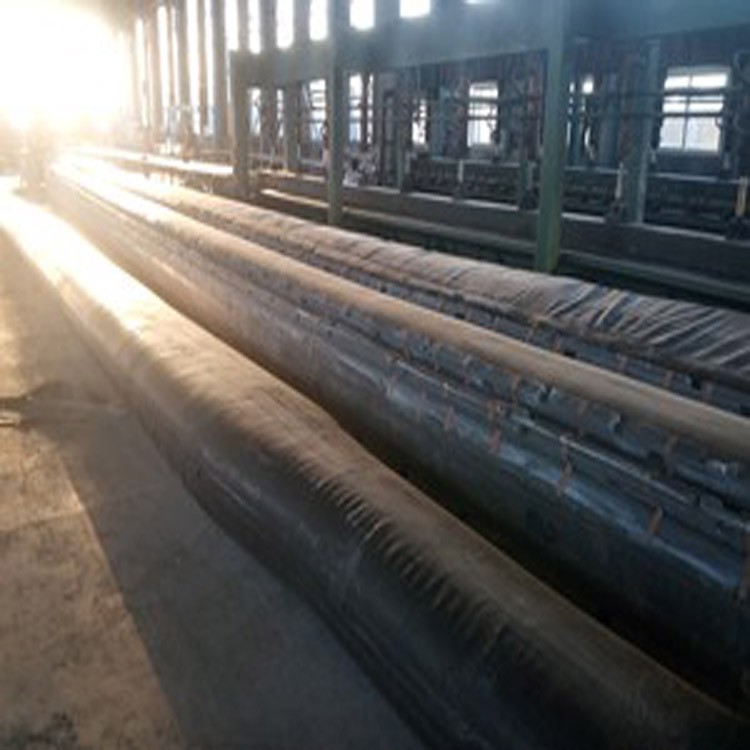 Rubber Inflatable Core Mold - 05
Negotiable
Rubber Inflatable Core Mold - 05
Negotiable
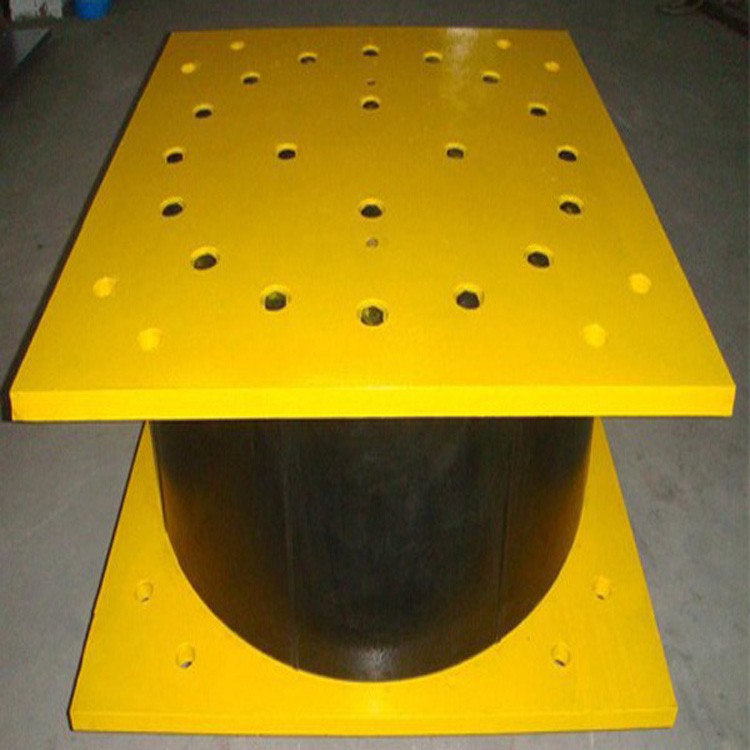 LNR抗震橡胶支座
Negotiable
LNR抗震橡胶支座
Negotiable
 QPZ Series
Negotiable
QPZ Series
Negotiable
 GQF-C40 60 80
Negotiable
GQF-C40 60 80
Negotiable
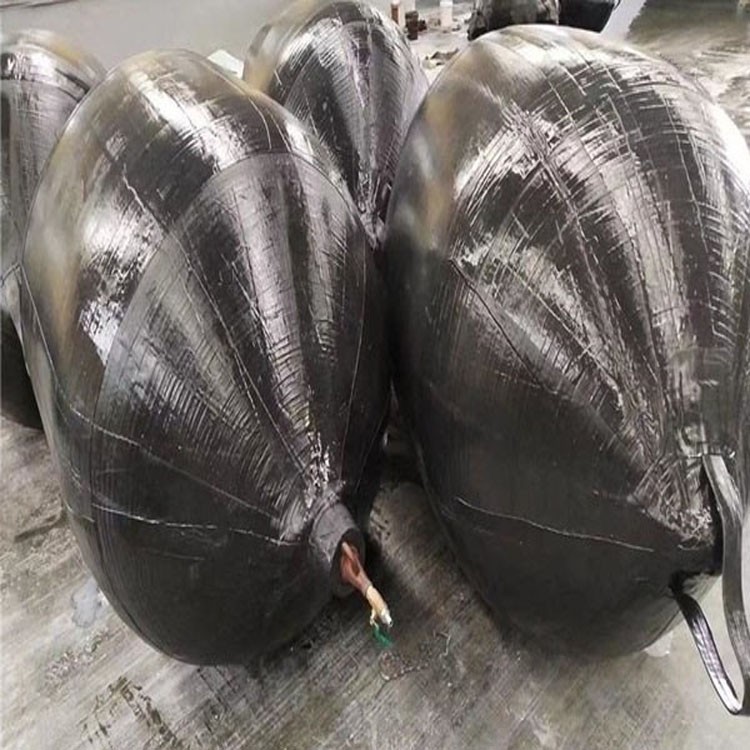 High-pressure water-blocking airb
Negotiable
High-pressure water-blocking airb
Negotiable
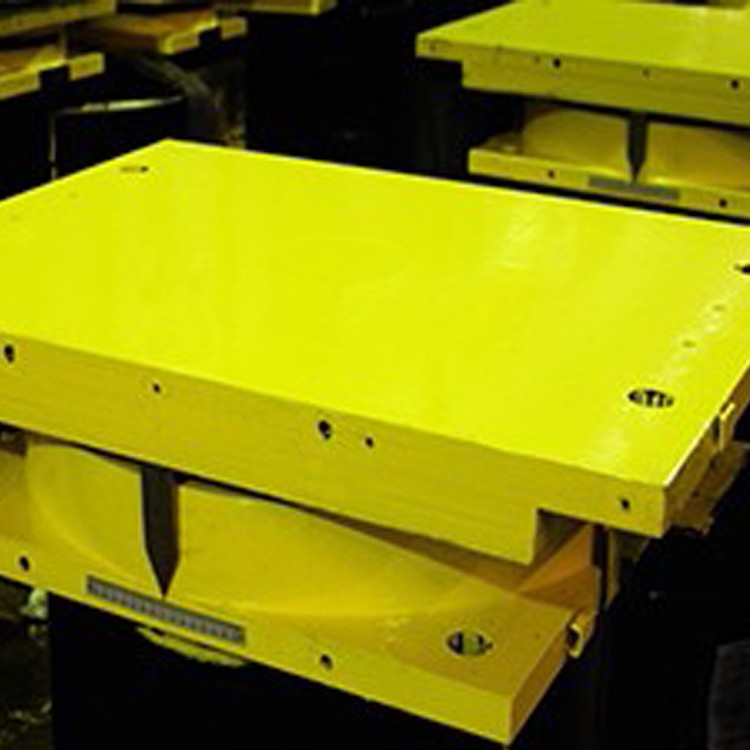 GPZ(2009) Series, GPZ(KZ) Series
Negotiable
GPZ(2009) Series, GPZ(KZ) Series
Negotiable
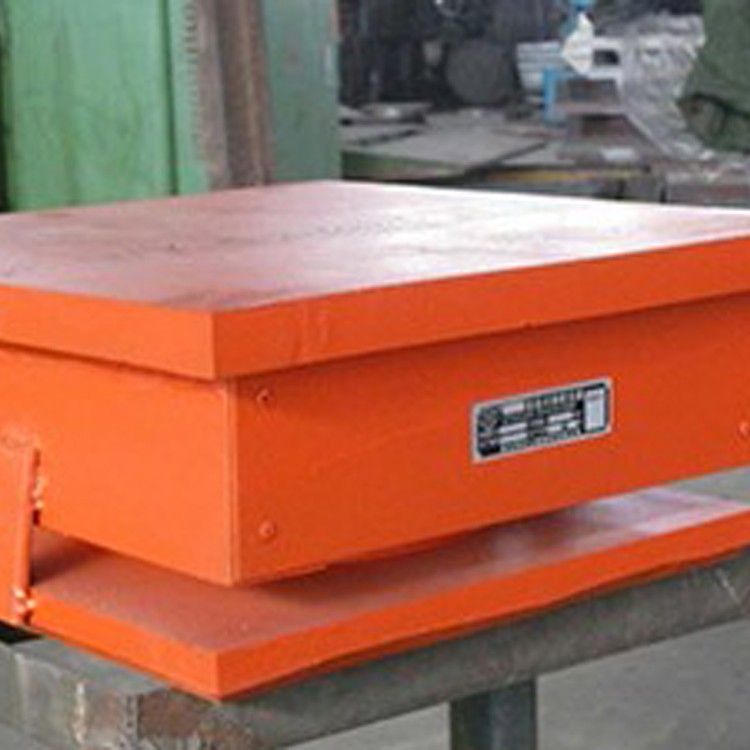 Ball and Socket Support, Basin Su
Negotiable
Ball and Socket Support, Basin Su
Negotiable
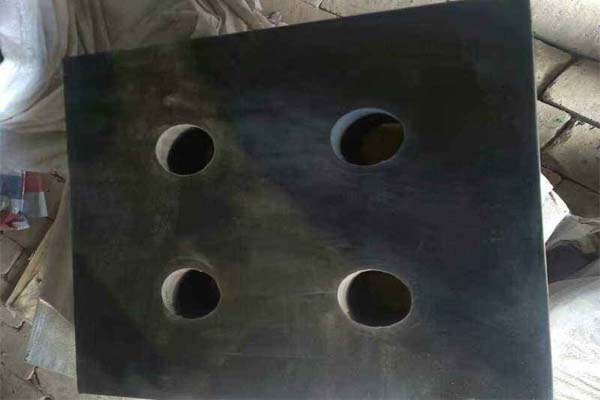
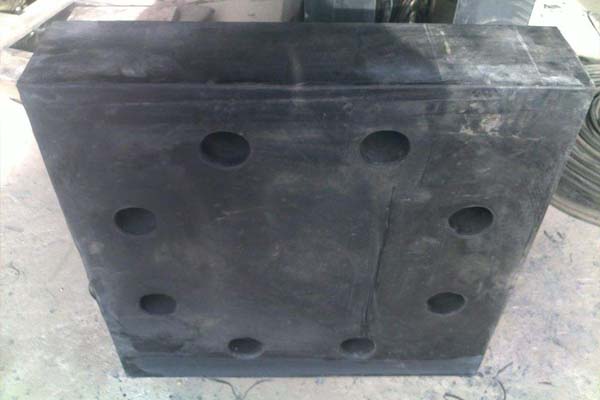
Performance of grid rubber pads:
1. This product is commonly used in nodes without the need for anti-pulling, featuring vertical load-bearing and the ability to withstand vertical rotation and resistance to horizontal shearing under external forces. The grid rubber pad is made by vulcanizing multiple rubber sheets and reinforced steel plates through heating and pressure, offering considerable vertical stiffness and load-bearing capacity, thereby supporting the loads imposed by the upper components. Under load, it serves as a shock-absorbing mechanism through the energy dissipation caused by local deformation of the support. The grid rubber pad is fixed through bolt holes, securing the upper and lower components with bolts. It also possesses a certain degree of vertical rotation functionality.
2. The grid rubber pad block does not have horizontal displacement; it primarily serves the function of vertical vibration reduction; due to bolt limitation, horizontal shear of the support is not considered.
3. Grid rubber pads are suitable for grid structures with a vertical bearing capacity not exceeding 4000KN.
4. The grid rubber pad block structure is simple, easy to install, replace, and maintain, with a low cost.
Introduction to Grid Rubber Support
Grid node damping rubber supports are made by vulcanizing rubber and metal frames. They are generally divided into three types: 1) Standard rubber supports; 2) Axial damping rubber supports; 3) Tension-compression rubber supports. Standard rubber supports are often used in nodes without anti-pull requirements, featuring vertical bearing, vertical rotation under external forces, and resistance to horizontal shear. They are usually directly used as standard bridge rubber supports or designed separately by the manufacturer according to engineering needs. In terms of applicability, rubber supports have the advantages of simple structure, low assembly height, easy installation, low cost, short production cycle, and timely supply, making them the preferred choice under conditions of moderate composite forces.
Rubber is a nonlinear high polymer elastic material that is nearly incompressible under sealed conditions. It can only be approximated as linear when the deformation is small, and its elastic modulus is closely related to hardness and the shape of the support. Only with reasonable design can there be good functionality. The design parameters, requirements, calculation methods, and manufacturing processes of the grid rubber bearing are strictly implemented in accordance with the standard GB20688.4-2007 "Part 4: General Rubber Bearings."
Performance selection of grid rubber support:
Netting building joint shock-absorbing rubber supports are divided into two types: normal temperature type and cold-resistant type, according to their material and applicable temperature range. The normal temperature type uses chloroprene rubber (CR), suitable for -25℃ to 60℃; the cold-resistant type uses natural rubber (NR), suitable for regions with a climate of -40℃ to 60℃. When selecting rubber supports, the inclination of the joint bottom plate should not exceed 1%, and the bearing capacity of the support should match the reaction force of the joint, with the allowable deviation preferably within ±1%.
Due to website page issues, not all products can be uploaded. Our company can refine the design of the support bases according to different technical requirements.
Please call for inquiries: Manager Ma: 15933830777

Phone Consultation