

Product Details

Pipe plug bladders, rubber supports, support steel plates, bowl-shaped supports, spherical supports, bridge expansion joints


价 格Negotiable
最小起订0 Piece库存0 Piece
 Business Card
Negotiable

Negotiable

Negotiable

Negotiable
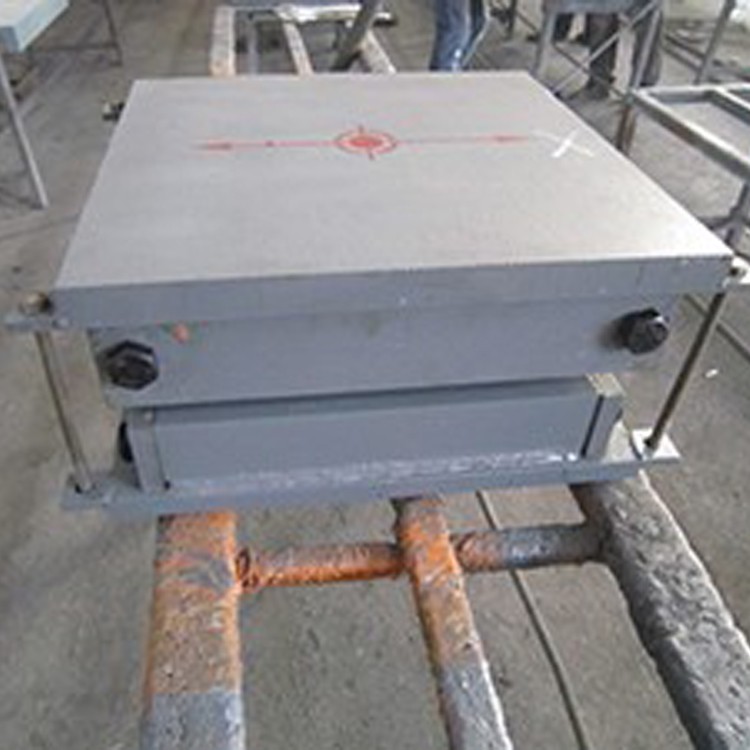 Anti-pull ball-type support (KBQZ
Negotiable
Anti-pull ball-type support (KBQZ
Negotiable
 Web Frame Rubber Support
Negotiable
Web Frame Rubber Support
Negotiable
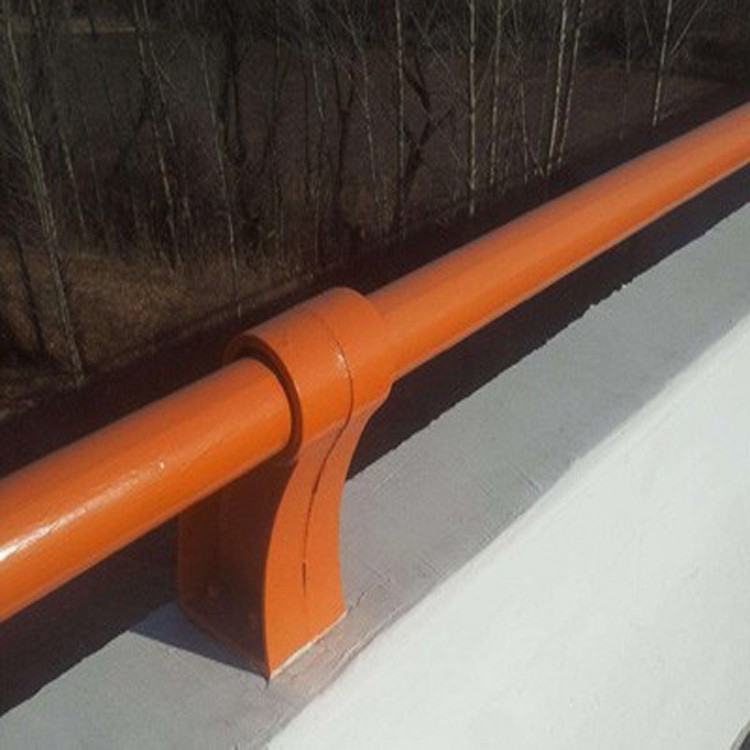 Red Bridge Guardrail Support
Negotiable
Red Bridge Guardrail Support
Negotiable
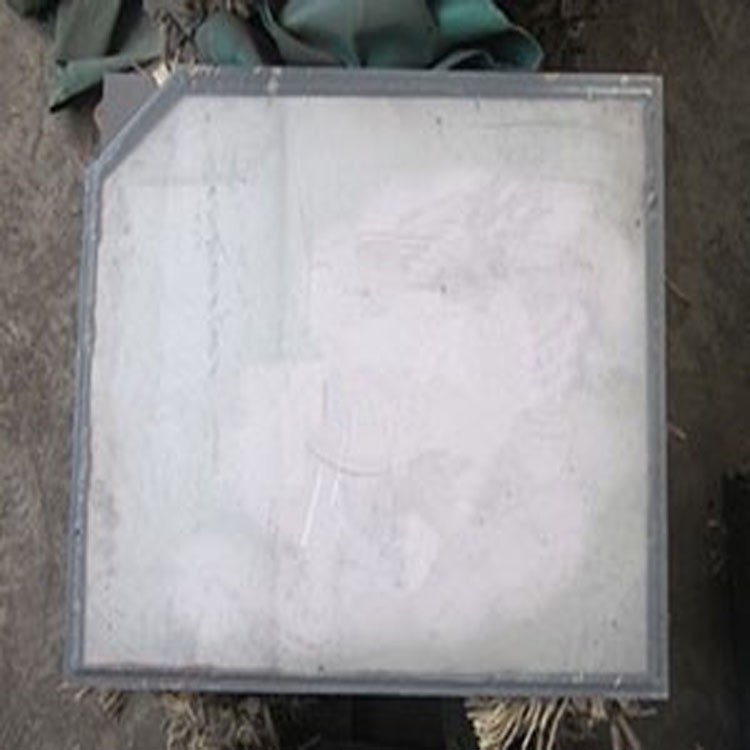 Steel plate on the bracket
Negotiable
Steel plate on the bracket
Negotiable
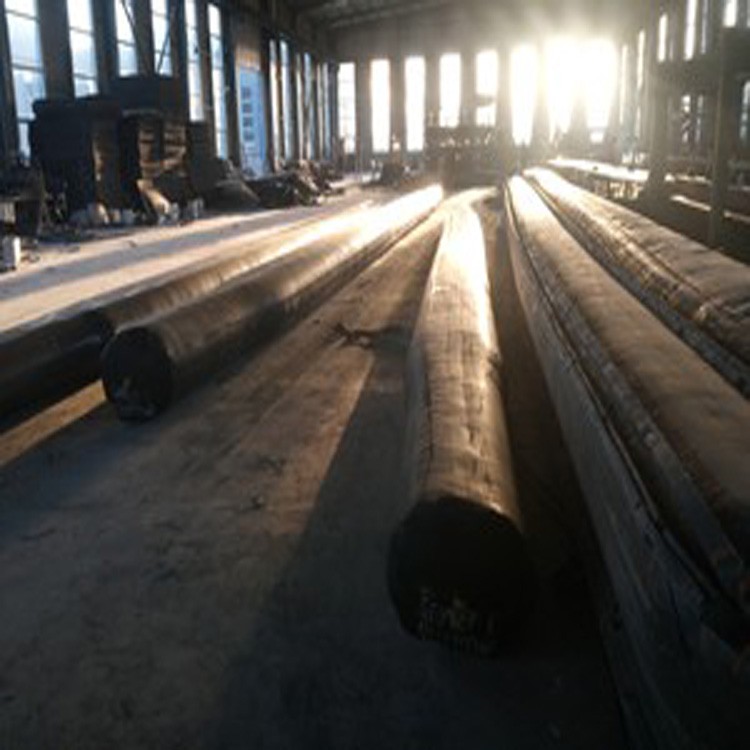 Octagonal rubber air core membran
Negotiable
Octagonal rubber air core membran
Negotiable
 GQF-C40 60 80
Negotiable
GQF-C40 60 80
Negotiable
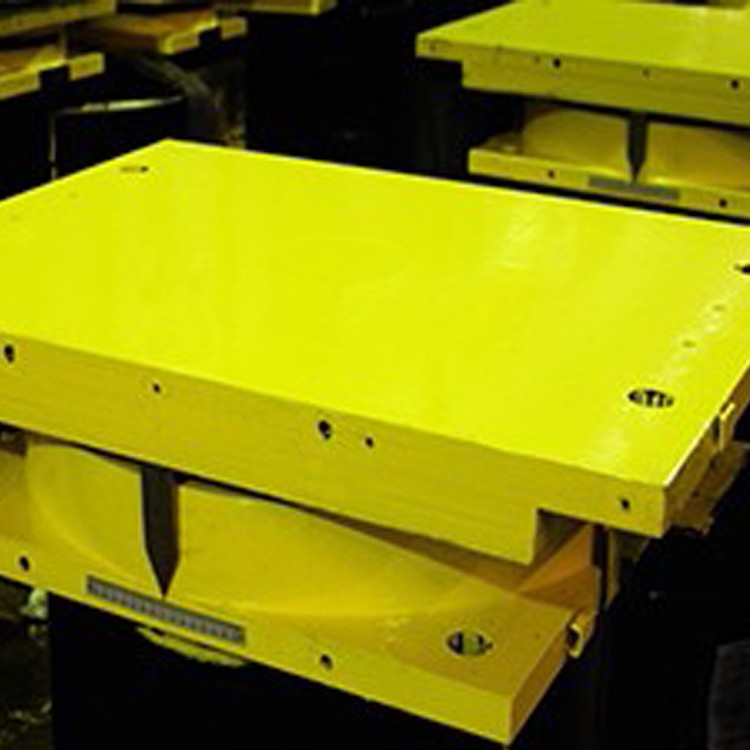 GPZ(2009) Series, GPZ(KZ) Series
Negotiable
GPZ(2009) Series, GPZ(KZ) Series
Negotiable
 GQF-MZL120, 160, 240, and 320 mod
Negotiable
GQF-MZL120, 160, 240, and 320 mod
Negotiable
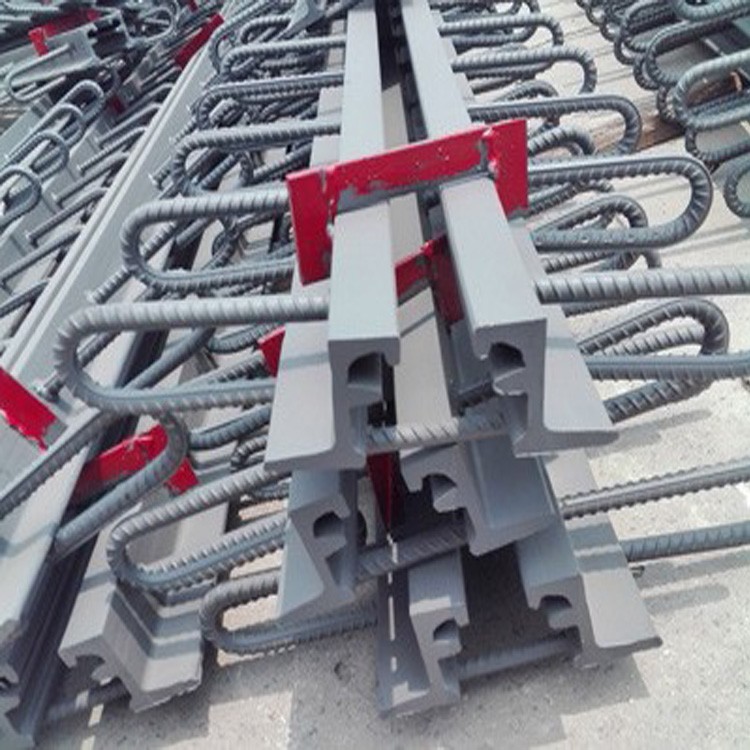 GQF-E40 60/80 Model
Negotiable
GQF-E40 60/80 Model
Negotiable
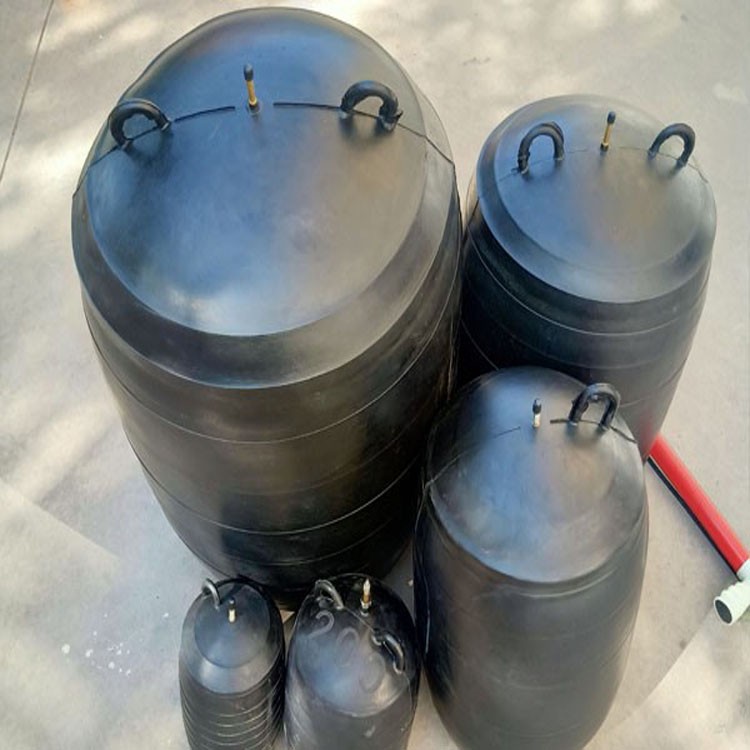 Leakproof Inflatable Bag
Negotiable
Leakproof Inflatable Bag
Negotiable
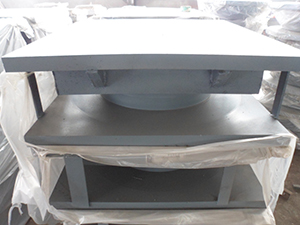
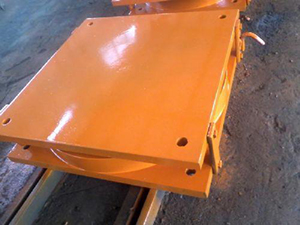
I. Briefly describe
The GPZ(KZ) series seismic basin-type rubber bearing is developed in accordance with the Chinese national traffic industry standard "Basin-type Rubber Bearings for Highway Bridges" (standard number JT391-1999) and the seismic design specifications for highway projects (JTJ004-89). It enhances energy dissipation and damping measures on the basis of the basin-type rubber bearing. This novel seismic basin-type bearing was designed by experts from the China Highway Planning and Design Institute, based on the test conclusions of multiple bearing vibration platforms conducted by the National Laboratory for Disaster Prevention of Civil Engineering.
The GPZ(KZ) series seismic bearing rubber pads include both fixed and single-axial movable types, along with a corresponding bi-axial movable pad. The specifications are divided into 31 grades according to the requirements of JT391-1999. The vertical design bearing capacity, bearing angle, friction coefficient, and displacement of the pads are all designed in accordance with standard requirements. The horizontal forces on the fixed pad in all directions and on the non-sliding direction of the single-axial movable pad are increased from 10% to 20% of the original bearing capacity of the pad. Currently, two seismic methods are adopted globally and domestically: rigid seismic resistance and flexible damping. Rigid seismic resistance requires increasing the size of the structure (including foundation and seismic bearing structure). The characteristic of flexible damping is good damping performance with relatively low stiffness, which may be destroyed under strong seismic waves. This series of pads adopts effective seismic measures such as the combination of rigidity and flexibility, enhancing the pad's energy dissipation capacity and improving its seismic performance. Consequently, during earthquakes, it can enhance the bridge's seismic resistance, limit the relative displacement between the upper and lower bridge structures, and reduce the amplification coefficient of seismic forces. Outside of seismic events, they are used as general basin-type rubber pads.
The shock-absorption principle primarily involves the energy dissipation plate beginning to slide when the horizontal force of the support exceeds 20% of the vertical load-bearing capacity of the support design, thereby achieving isolation from ground vibration. Subsequently, the damping ring generates damping effects, and the support serves as an earthquake-resistant element. When the seismic shock wave exceeds a certain limit, the rigid earthquake resistance of this series acts as the third line of defense.
Part II: Performance Usage
1. GPZ(KZ)GD Fixed Antivibration Basin Support: Features vertical load-bearing, vertical rotation, and seismic resistance.
2. GPZ(KZ)DX Single-direction Active Seismic Basin Support: Engineering featuring vertical bearing, vertical rotation, single-direction sliding, and seismic resistance.
3. GPZ(KZ)SX Bi-directional Active Seismic Base Mount: An engineering feature with vertical load-bearing, vertical rotation, bidirectional sliding, and seismic resistance.
Section 3: Technical Specifications
1. Vertical design bearing capacity:
This series of supports is designed with 31 load-bearing levels, ranging from 0.8 to 60 MN, including 0.8, 1, 1.25, 1.5, 2, 2.5, 3, 3.5, 4, 5, 6, 7, 8, 9, 10, 12.5, 15, 17.5, 20, 22.5, 25, 27.5, 30, 32.5, 35, 37.5, 40, 45, 50, 55, and 60 MN. The support's load-bearing capacity allows for an overload of 10%.
2. Support horizontal bearing capacity:
The horizontal bearing capacity of fixed rubber supports in all directions and non-sliding direction of single-direction sliding supports can bear 20% of the designed bearing capacity of the supports.
3. Support friction coefficient:
Single-way active seismic support, under silicone grease lubrication, standard temperature type support (-25℃ ~ +60℃) designed with a low friction coefficient μ=0.03, cold-resistant type support (-40℃ ~ +60℃) designed with a low friction coefficient μ=0.06.
4. Corner:
This series of rubber mounts features a rotation angle of 0.02 rad.
5. Displacement:
The seismic rubber bearing displacement of the activity is ±3mm in transverse direction, and the longitudinal direction displacement is listed in the following table.

Phone Consultation