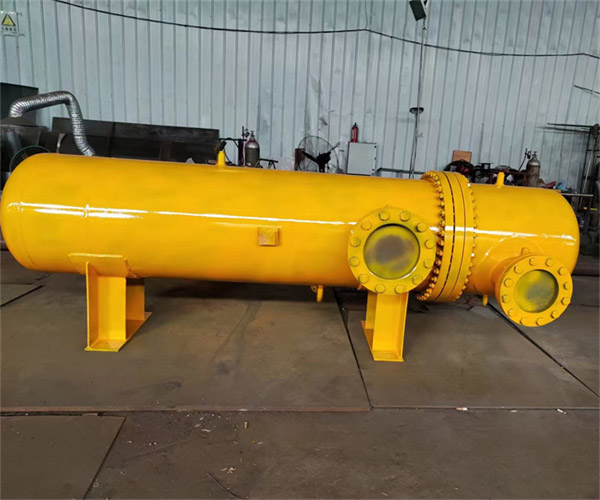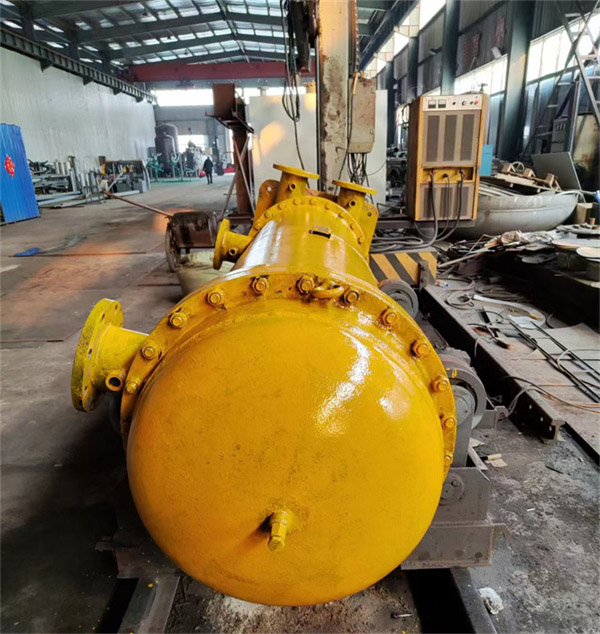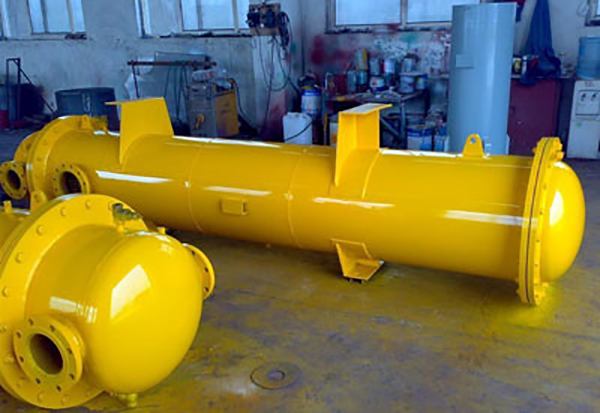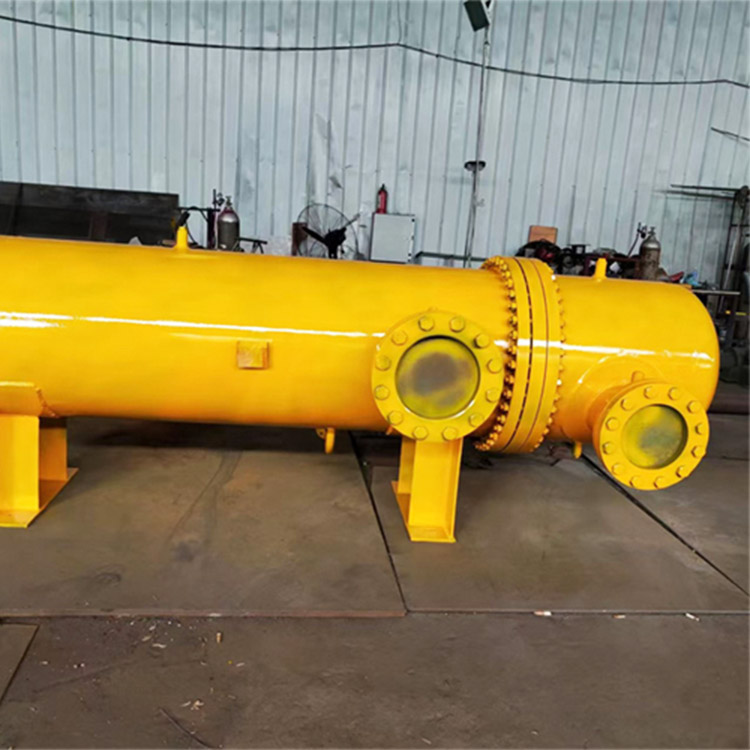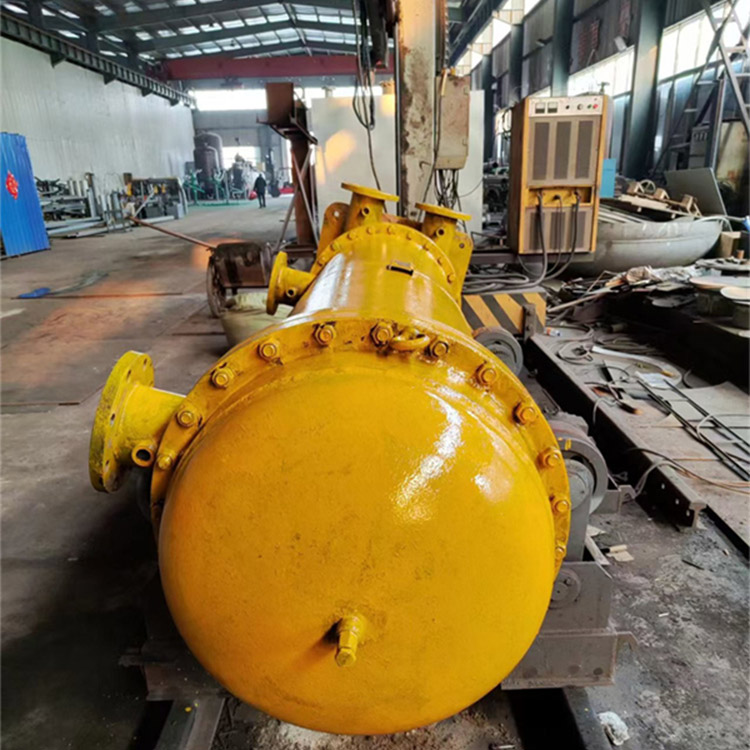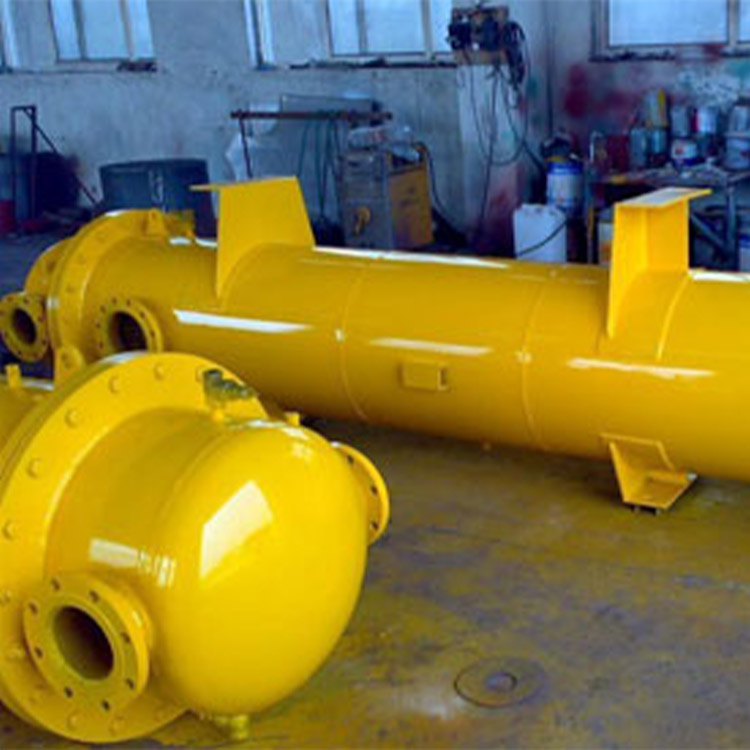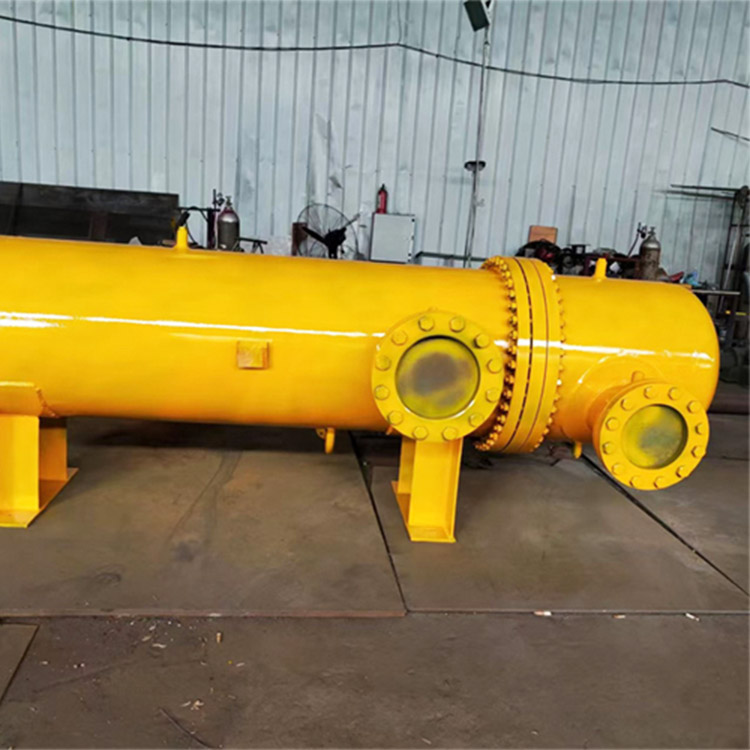

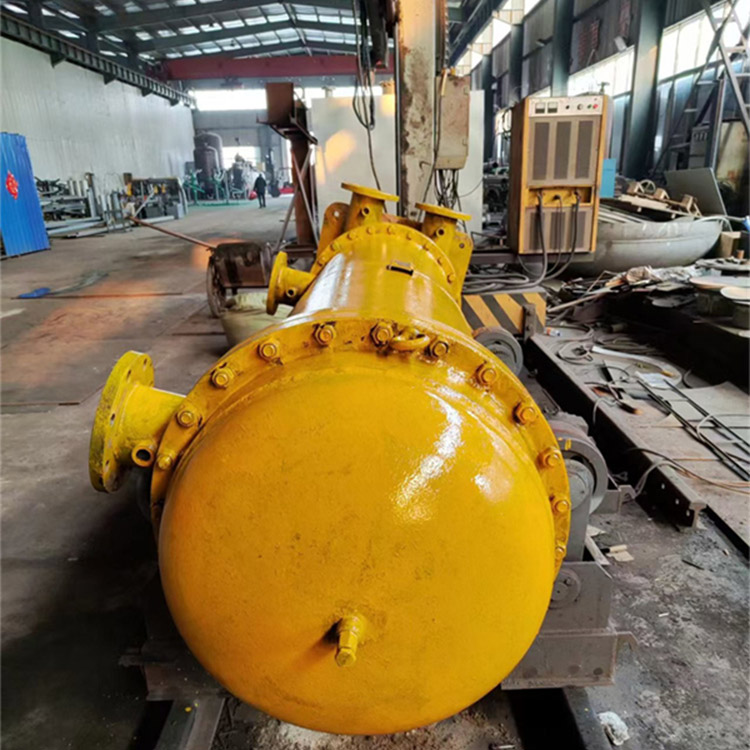
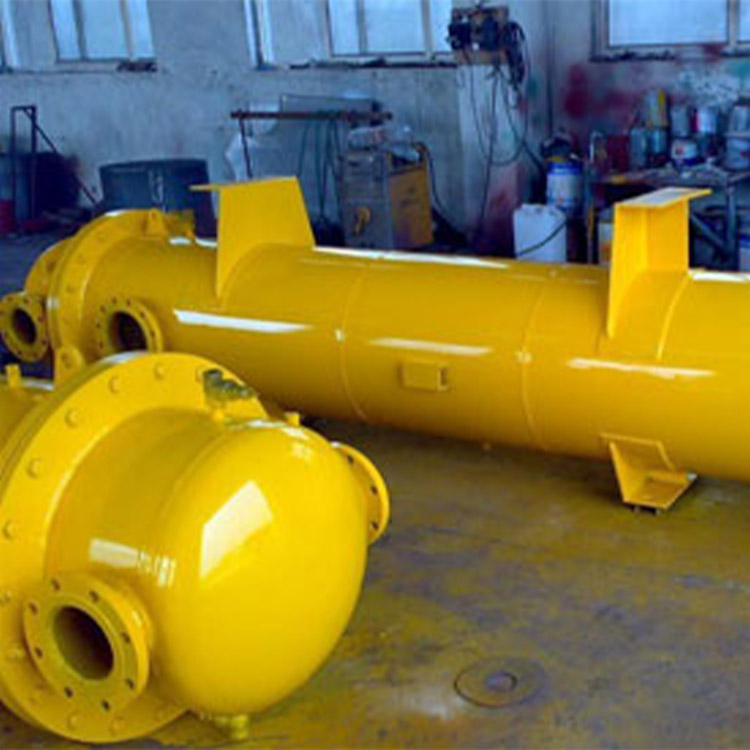












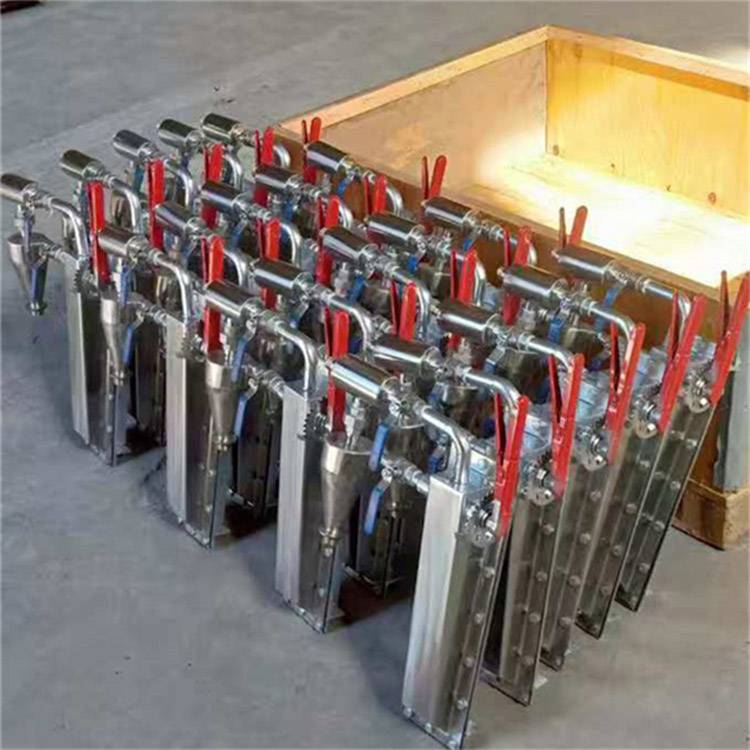
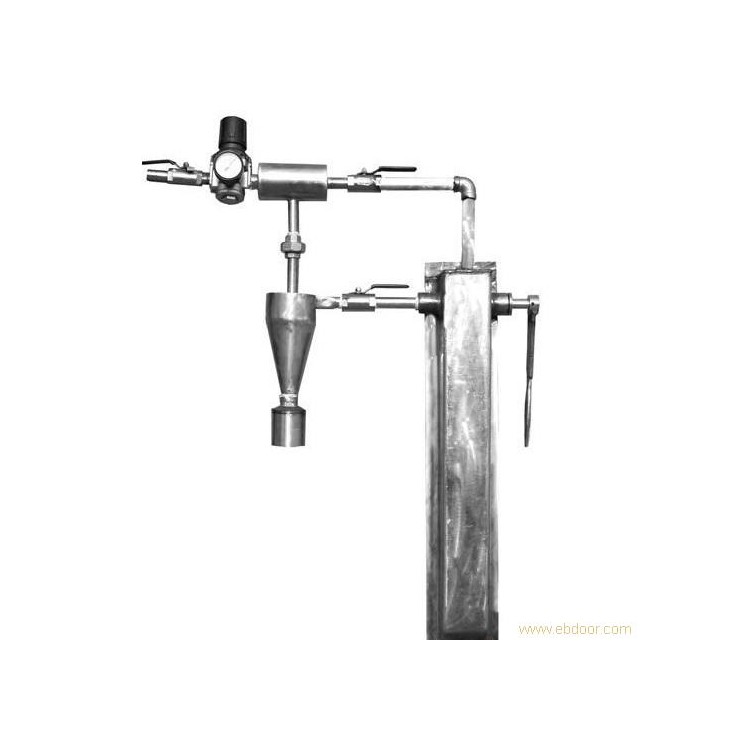
Cooling Oil Units, LY Type Cooling Oil Units, LY Type Dual Cooling Oil Units, Tubular Cooling Oil Units, Plate-type Cooling Oil Units
One. Tube-Type Cool Oil Unit Applications:
Turbines, fans, coal mills, pumps, and marine propulsion systems in industrial and mining enterprises all require oil coolers for their large and medium-sized mechanical equipment. Based on the advantages of similar products, our company has conducted extensive experiments on the disturbance of the oil-side laminar flow in the heat exchanger tubes, successfully developing the latest tube-type oil cooler.
Section 2: Tubular Cool Oil Cooler Product Structure and Working Principle:
The tubular oil cooler maintains its flow characteristic with oil flowing through the shell side and water through the tube side. The heat transfer coefficient on the oil side outside the tube is 1/10 to 1/20 of that inside the tube, with the thermal resistance primarily on the oil side. This equipment replaces the traditional arch baffles with swirl guide vanes, with the main principle being: the cooling oil flows through the shell side of the cooler, guided by the swirl guide vanes to rotate and move forward. As the oil rotates, it also cleans along the tube circumference. The structural parameters of the tube are the result of optimal selection through multiple comparative tests, offering excellent performance, safe operation, and reliable use, making it an ideal auxiliary equipment for steam turbine units.
Section 3: Features of Tubular Cool Oil Units:
The tubular cooler has the following advantages compared to other types of coolers:
High thermal efficiency is 2-3 times that of plate-type cool oilers.
2. Compact structure, with a compactness up to 1-2 times that of plate heat exchangers.
3. Low oil resistance: Due to the use of swirl guide plates, the oil enters in a tangential flow, which is beneficial for fluid operation.
4. Long service life, easy installation and inspection: The heat exchange tubes have minimal thermal expansion stress, thus avoiding common issues like tube expansion and leakage. Being still in a tube-shell structure, installation and maintenance are convenient.
Section 4: Performance and Technical Specifications of Tubular Oil Coolers Product Line
Condensing Turbine Coolant Performance and Specifications:
I: Overview
The LY type cool oiler is a turbo oil cooling equipment used in conjunction with steam turbines in the power system. This model cool oiler features a light tube surface design and utilizes circulating water as the medium for heat exchange, thereby ensuring the oil temperature at the bearing inlet reaches the specified value, guaranteeing the normal operation of the unit.
Section 2: Structural Form
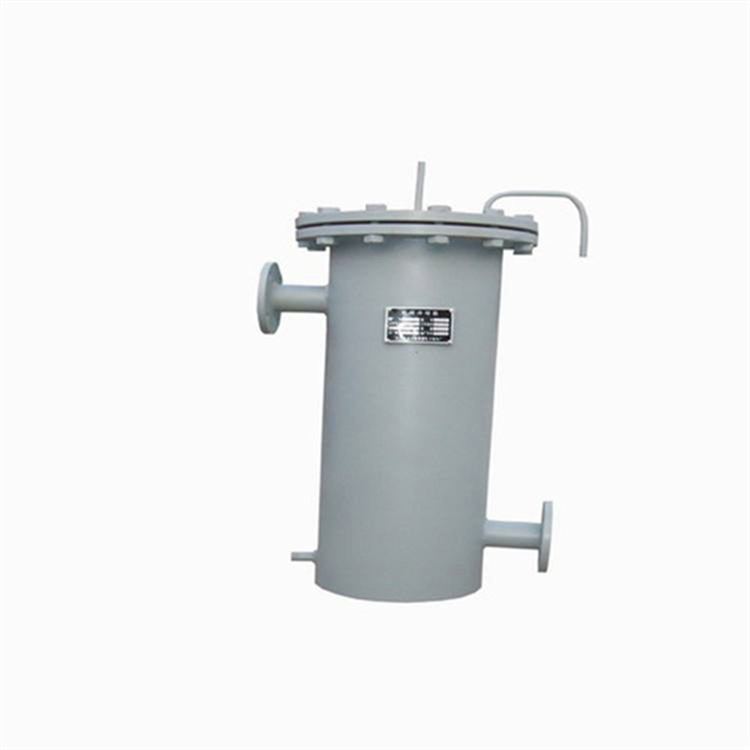
The LY type cooler's main components consist of upper and lower water chambers, shell tube systems, and oil-filled pipeline. The shell is equipped with inlets and outlets for water, oil, drainage, oil drainage, exhaust gas, and a temperature gauge holder.
The cooling water circuit is typically a dual circuit, with the cooler usually installed vertically, but can also be horizontal (select a horizontal cooler).
Three: The main features of the oil cooler are:
1. Utilizing copper tubes as heat exchange elements, featuring high thermal conductivity, large heat exchange area per unit length, and high heat transfer capacity.
2. Reasonably structured, capable of maintaining stable oil temperature across a wide temperature range, and offers excellent resistance to sudden temperature changes and vibrations.
3. The assembly structure is reliable, ensuring that cooling water will not enter the turbine unit.
4. Fin surfaces are smooth with no burrs or folds, resist dust and scale buildup, and offer low fluid resistance.
Four: Select
When selecting a cooler, please specify the cooling area. The cooling types include LY type tubular (commonly used) and LYC type finned. The heat exchange cooling tubes are generally made of purple copper, but can also be selected as stainless steel or brass as per customer requirements.
Advantages of Cold Oil Coolers
To ensure sufficient safety margin for the turbine oil cooling during the operation of steam turbines, our factory produces a dual-chambered cooler consisting of two identical-sized coolers and a three-way valve. One can operate while the other is on standby. In case of poor cooling effect due to high oil temperature or high incoming water temperature, both can be used simultaneously. Additionally, if cleaning or maintenance of the cooler is required during operation, the standby cooler can be activated without the need to shut down the machine.
Key features include:
1. Primarily utilizing brass tubes as heat exchange elements, offering high thermal conductivity, large heat exchange area per unit length, and high heat transfer capacity.
2. Reasonably structured, it maintains stable oiling temperature over a wide temperature range and offers excellent resistance to sudden temperature changes and vibrations.
3. Reliable structure to prevent cooling water from entering the turbine unit.
4. Fin surfaces are smooth with no burrs or folds, resistant to dust and scale buildup, and offer low fluid resistance.
Cooling oil unit (Oil cooler) is a widely used oil cooling equipment in power systems, and is also suitable for metallurgy, chemicals, mining, light industry, and heavy industry sectors. The unit allows for heat exchange between two liquid media with a certain temperature difference, thereby reducing oil temperature and ensuring the normal operation of power equipment. It is mainly used for cooling equipment lubricating oil, variable speed system oil, transformer oil, etc. Cooling oil units are divided into vertical and horizontal types according to installation methods, and into smooth tube and enhanced heat transfer tube types according to cooling tube forms. Technical features are achieved using vacuum brazing and gas shielded arc welding processes to adapt to different operating conditions. Special-sized cooling oil units can be customized according to customer requirements. This product features excellent true sealing, elimination of leaks, high heat exchange efficiency, easy maintenance, and long corrosion resistance life.
The cooler is mainly composed of six major components and is divided into two types based on the cooling tube design: smooth tube coolers and enhanced heat transfer tube coolers. Smooth tube coolers are known for their good pressure-bearing capacity, long service life, ease of cleaning, and simple maintenance. In contrast, enhanced heat transfer tube coolers feature a larger heat exchange area, faster heat transfer, smaller size, and the ability to self-clean, making them suitable for installation in confined spaces.
Cooling oil separators are categorized into vertical and horizontal types based on their installation methods. Vertical separators feature small installation area requirements and ease of installation. Horizontal separators offer lower pressure drop and strong resistance to water impact. Therefore, selecting the appropriate vertical or horizontal separator based on specific site conditions, space height, and performance requirements can better meet the needs of generators and other equipment.