







I. Core Principle
Utilizing elastic sponge rubber balls with a diameter 1-2 mm larger than the condenser cooling tube inner diameter (wet specific gravity 1.0-1.1), leveraging the pressure difference between the circulating water inlet and outlet, the balls are compressed through the tube bundle, scrubbing off scale, biological slime, and suspended matter from the tube walls. After cleaning, they are collected by a ball recovery net and then pumped back to the ball chamber for reuse in a closed-loop system; the entire process requires no shutdown or load reduction.
Section II: Main Components
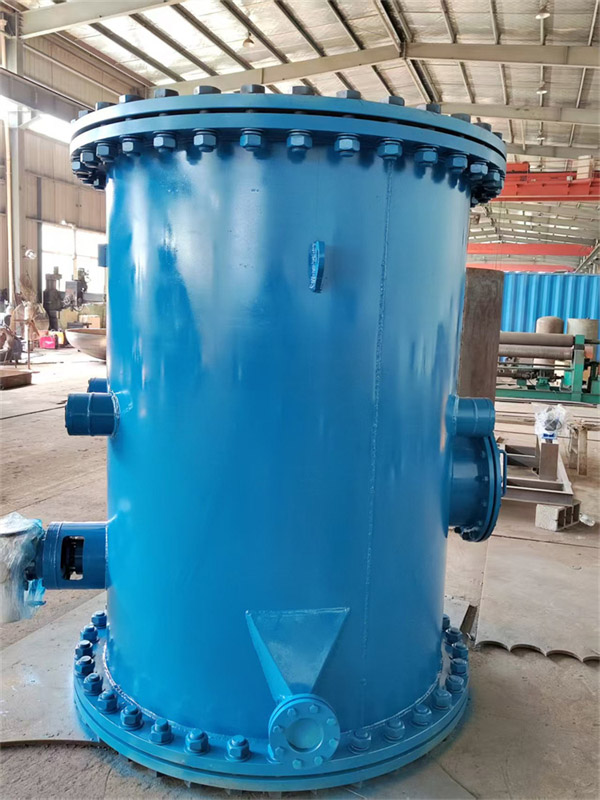
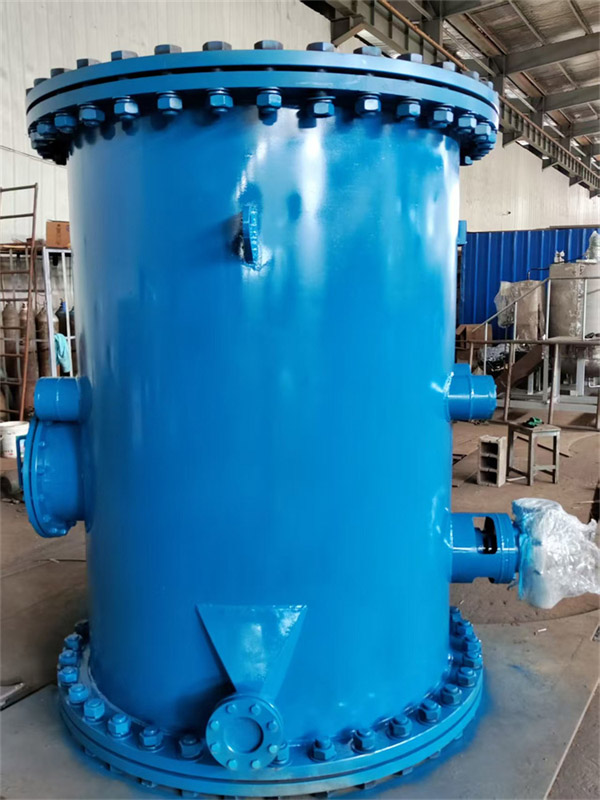
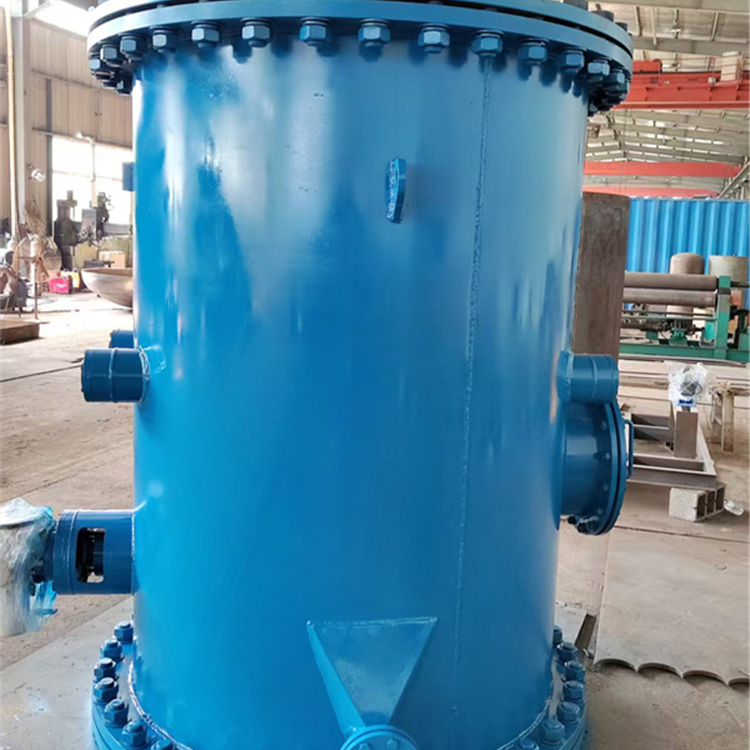
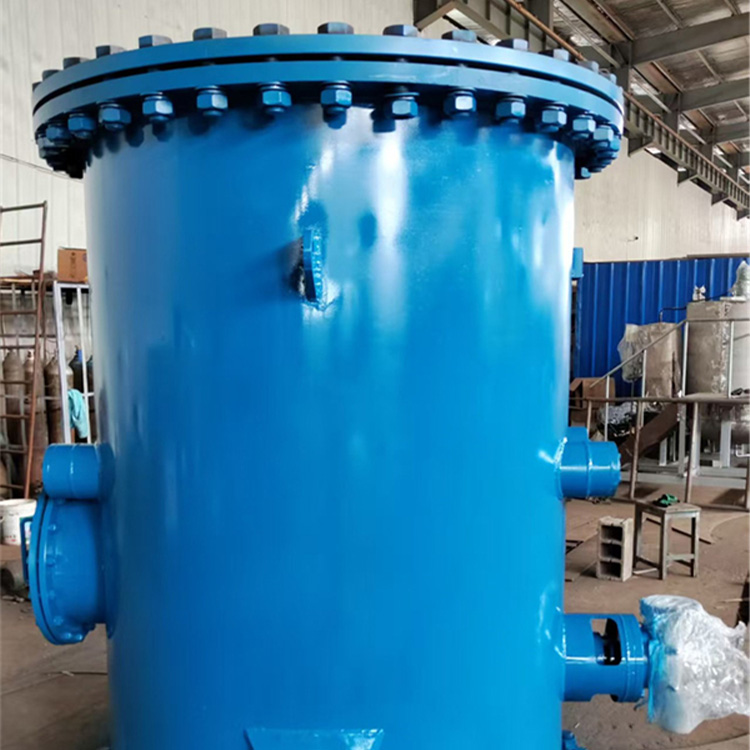
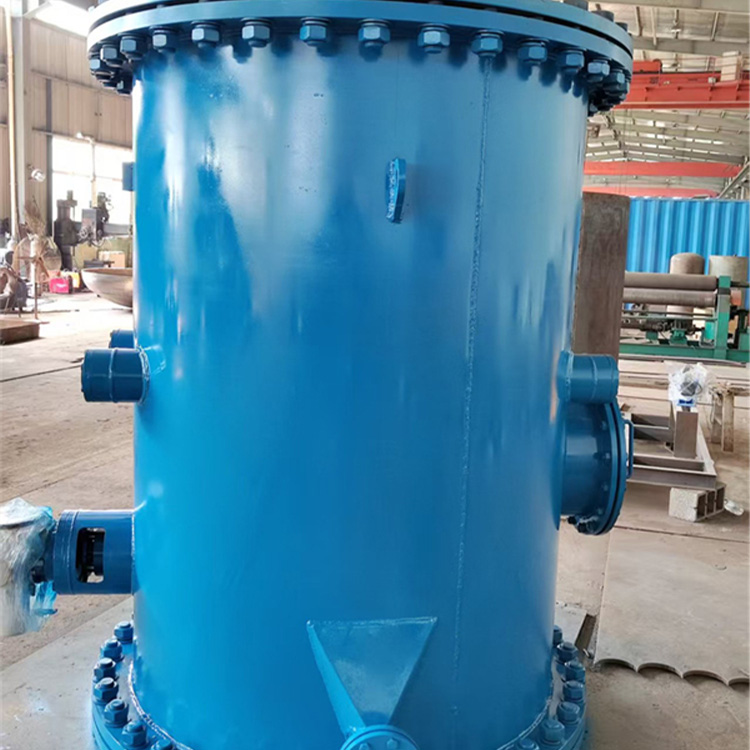
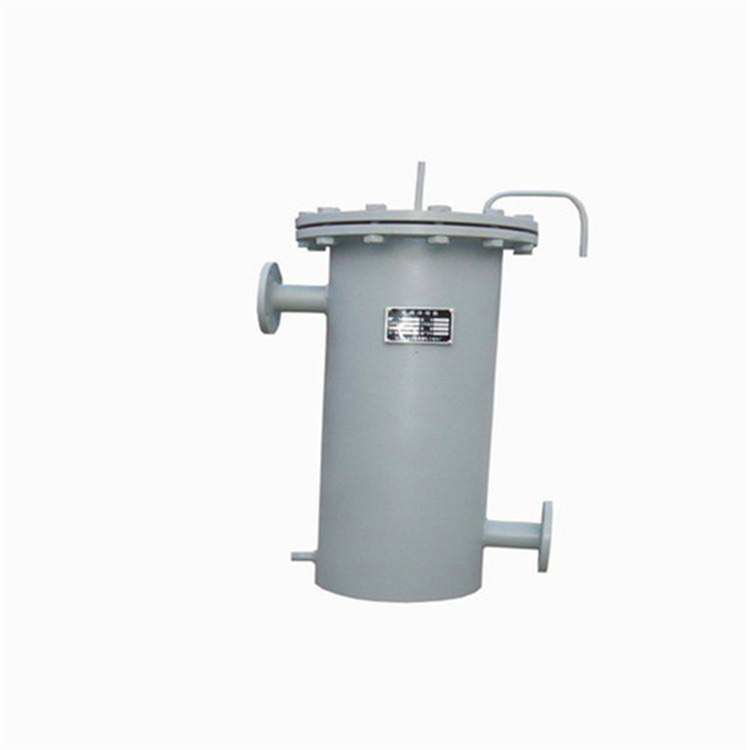
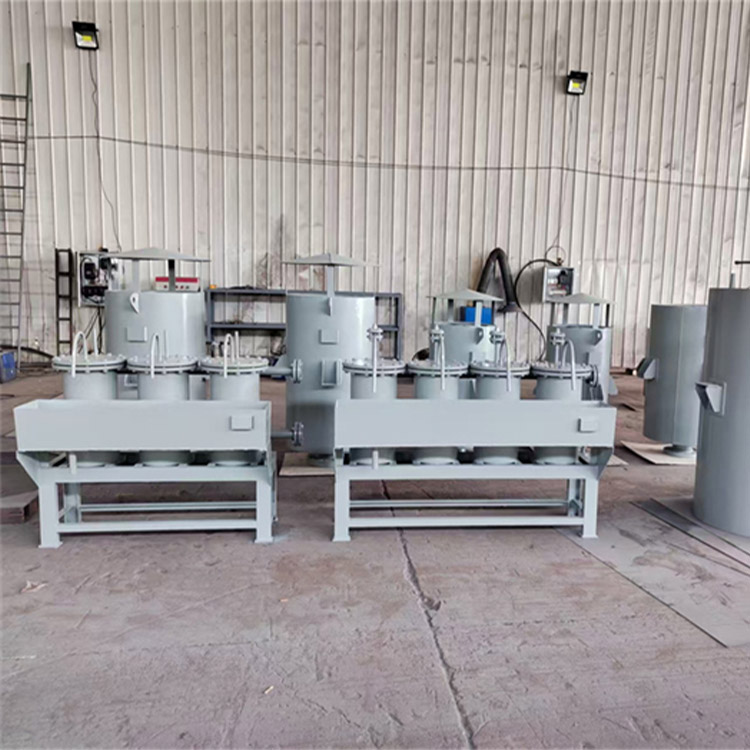
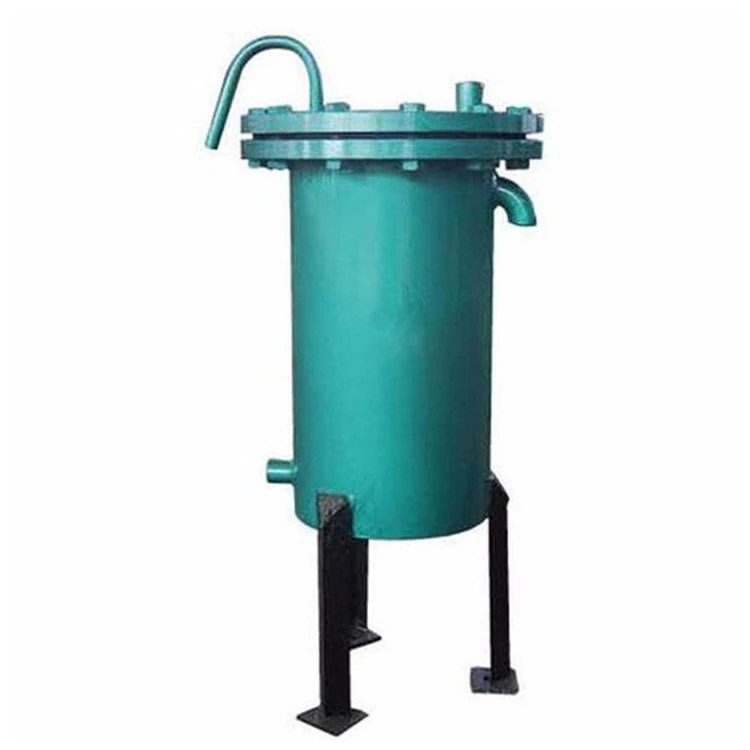
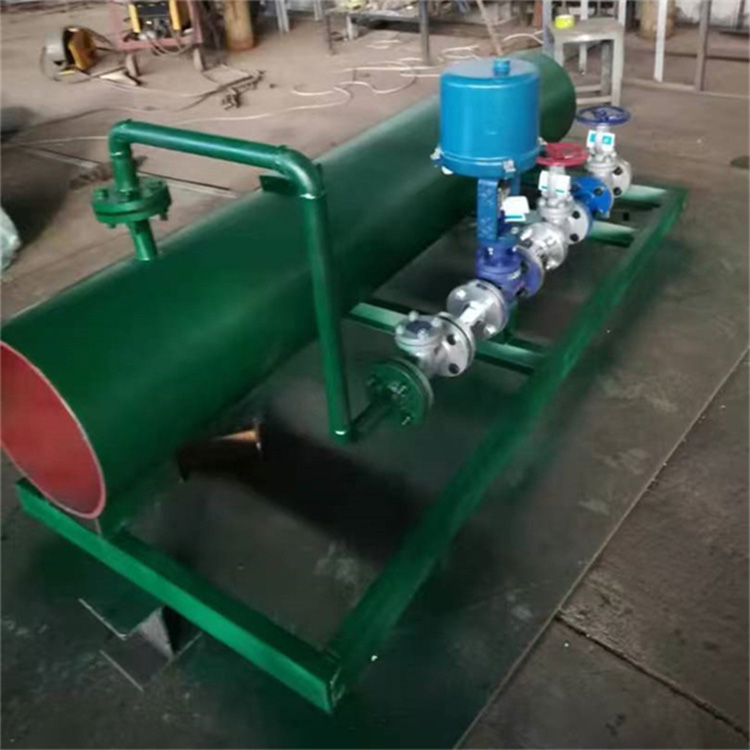
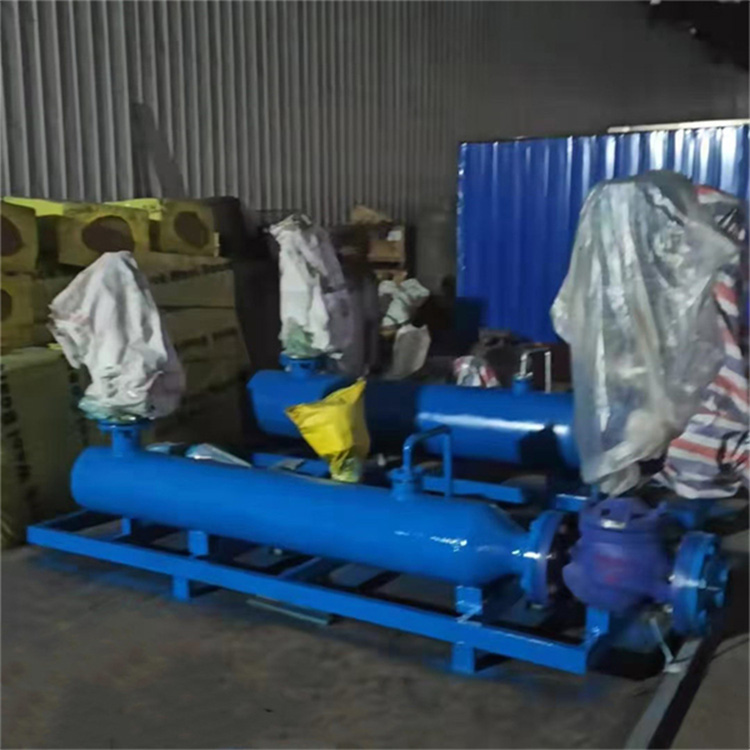
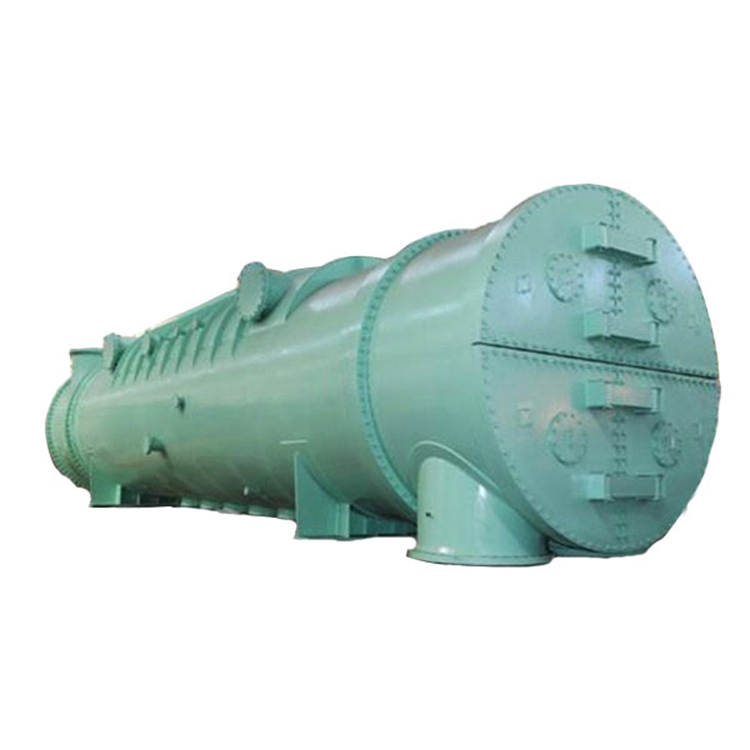
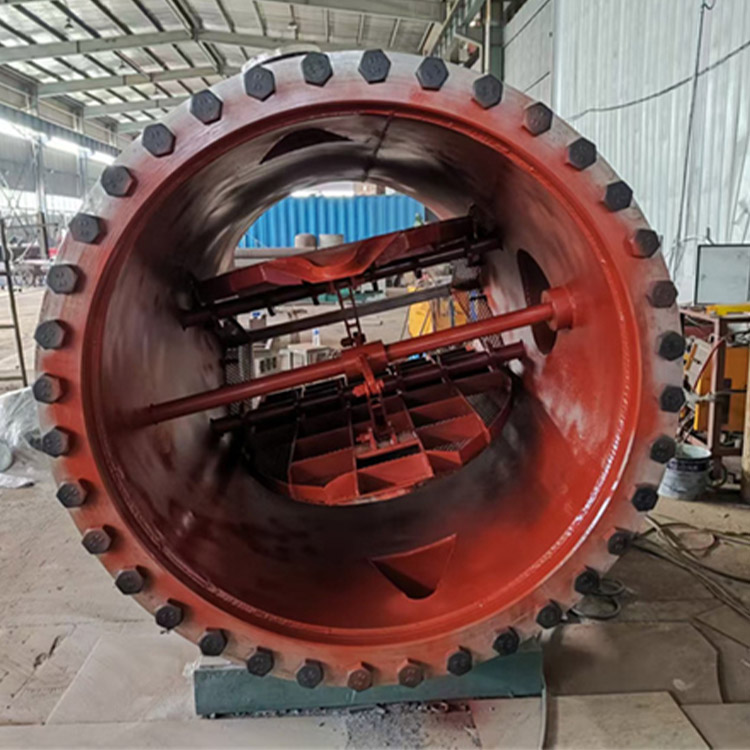
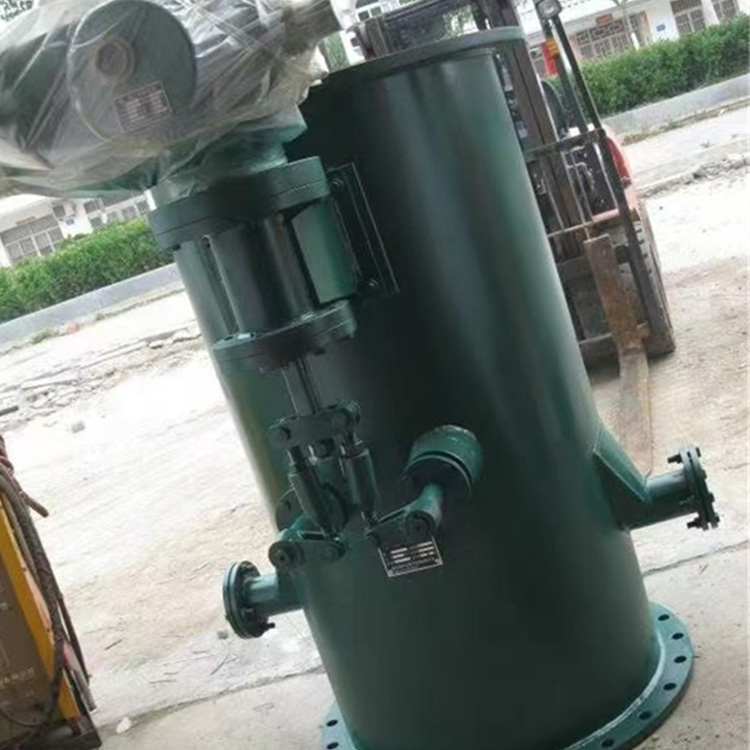
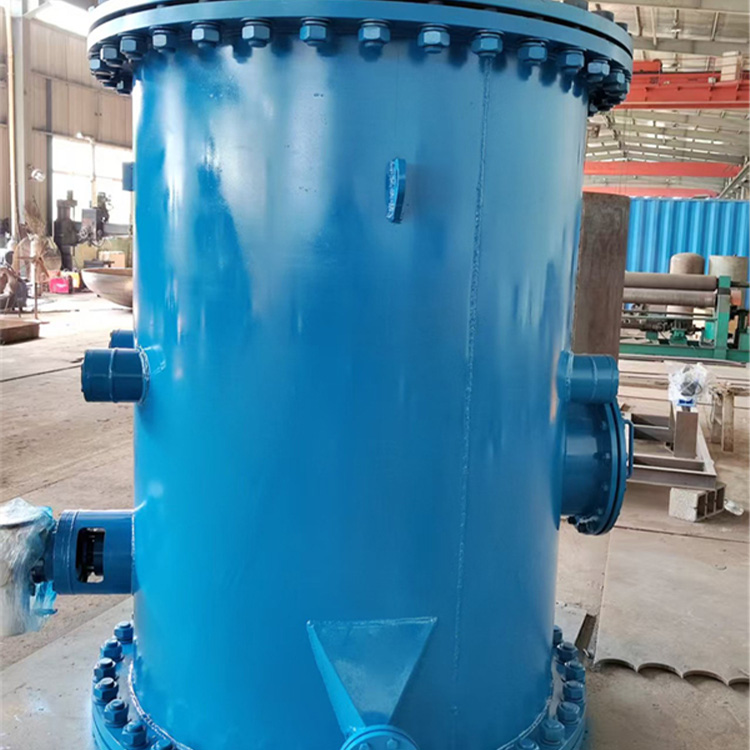
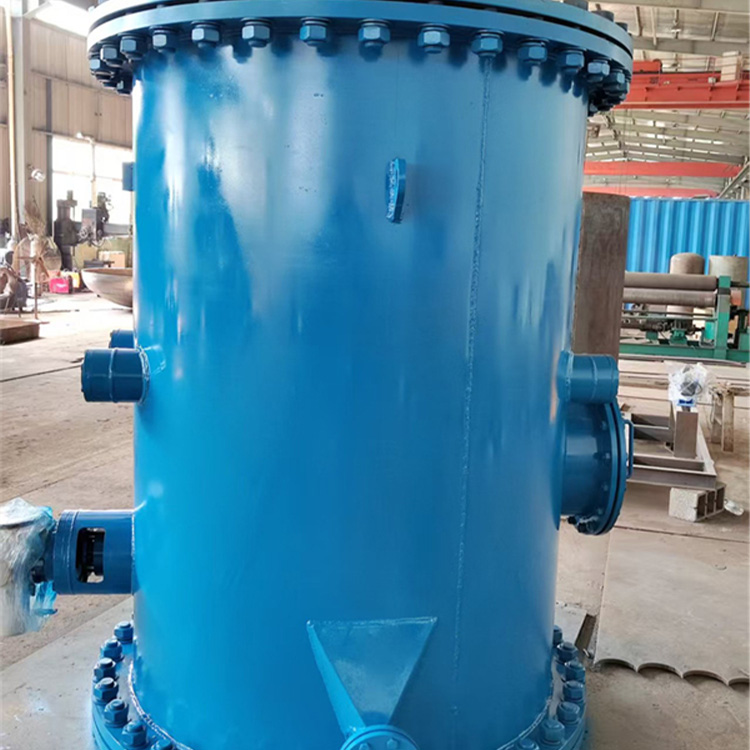
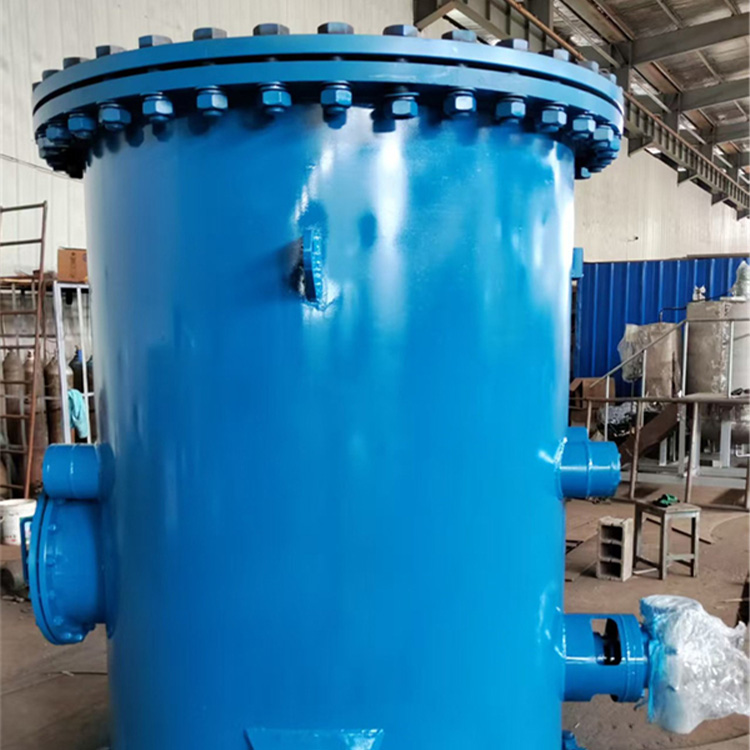
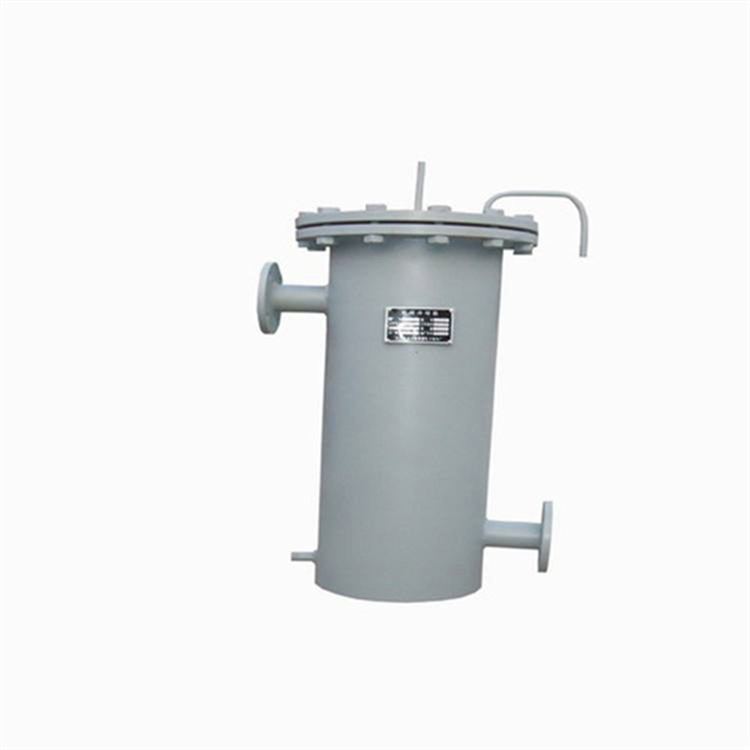
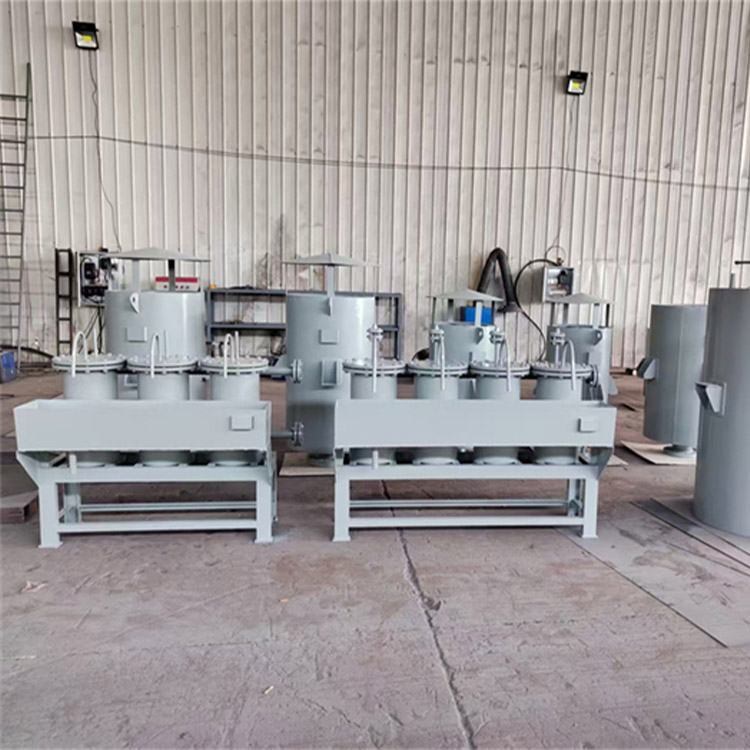
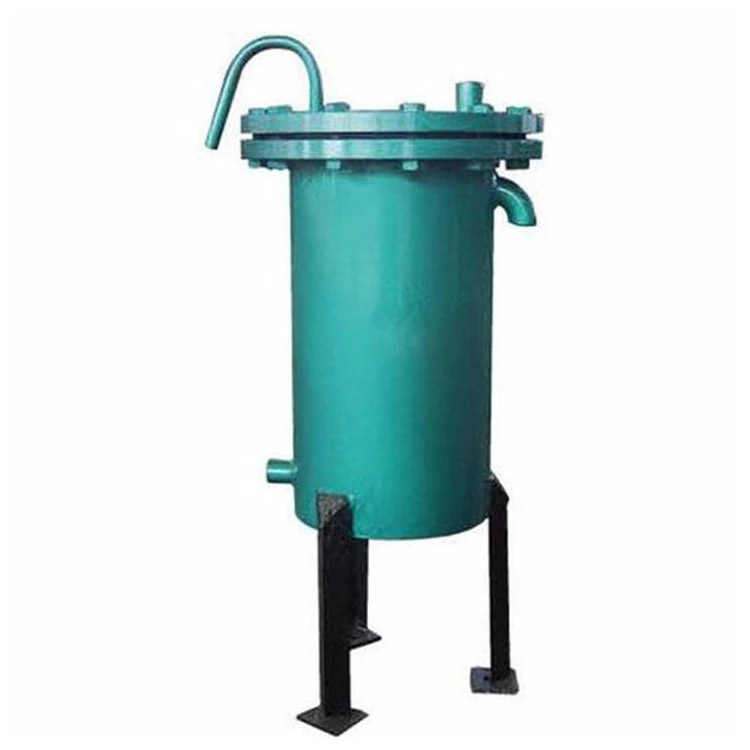
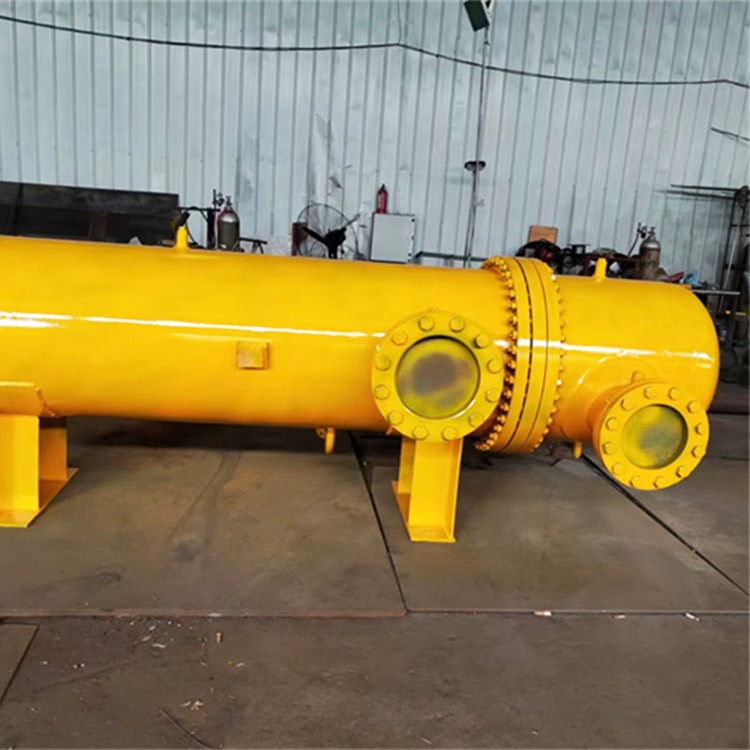
Ballroom: Operation unit for ball loading, collection, exchange, and observation, equipped with a changeover valve and an exhaust valve.
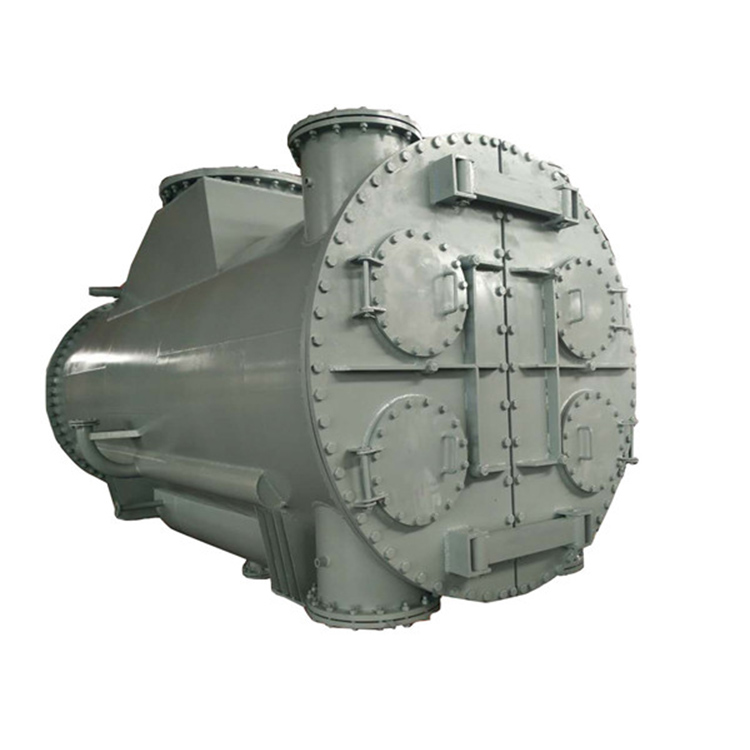
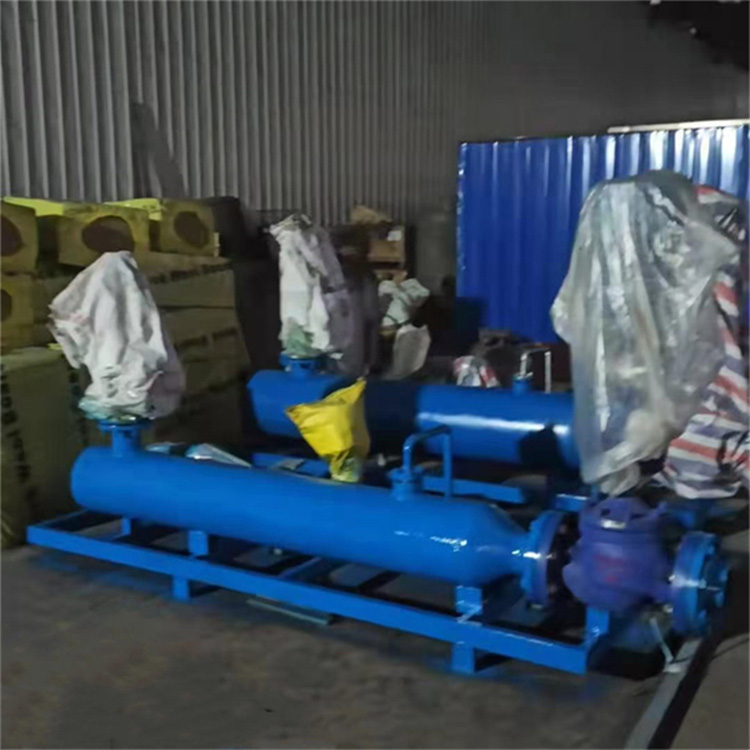
Suction Ball Screen: Installed on the condenser outlet side, it intercepts rubber balls and can switch to backwashing position for cleaning the screen surface. The collection rate requirement is ≥95%.
Secondary Filter: Removes large particles from cooling water, preventing pipe blockage and ball jamming.
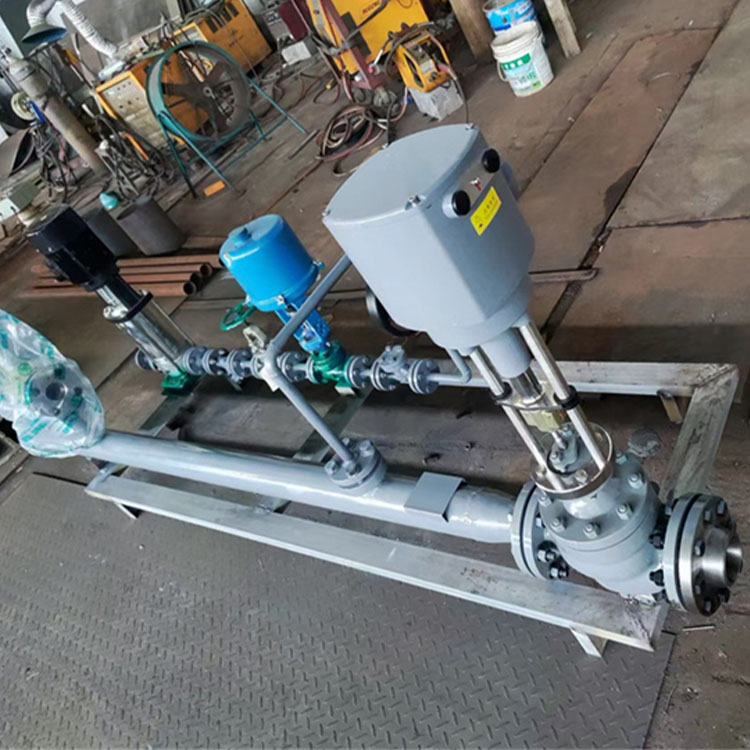
Rubber Ball Conveying Pump (Obstacle-Free Centrifugal Pump): Non-damaging to rubber balls, providing recirculation power.
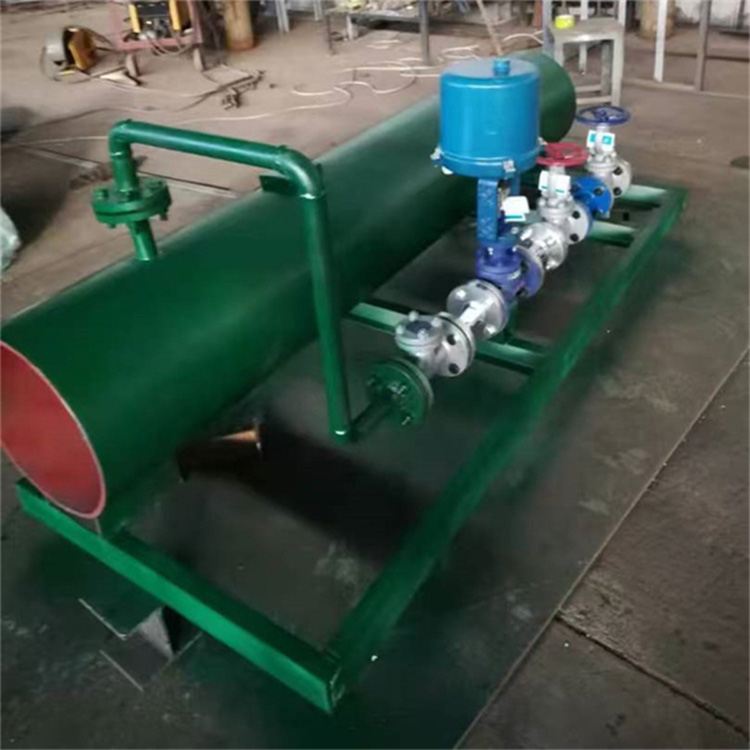
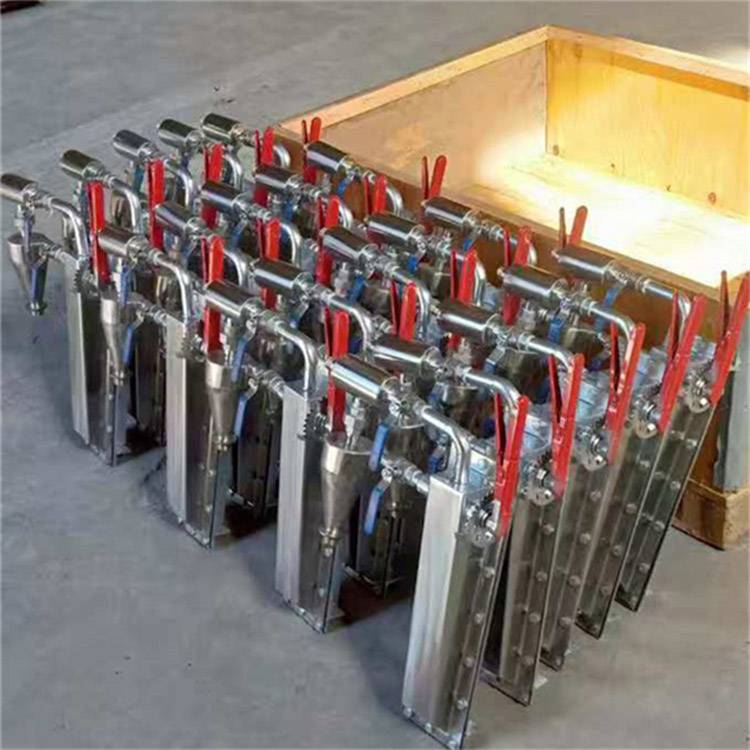
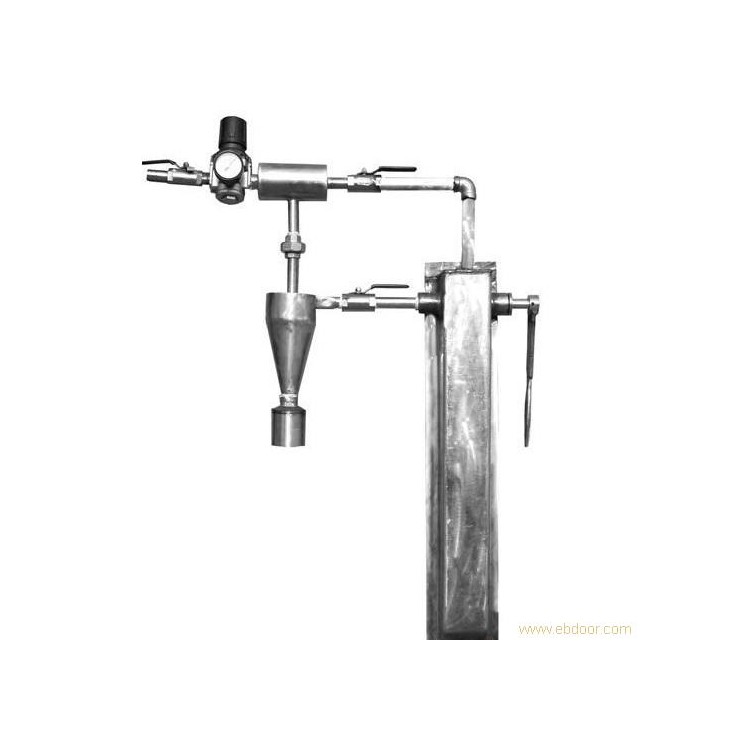
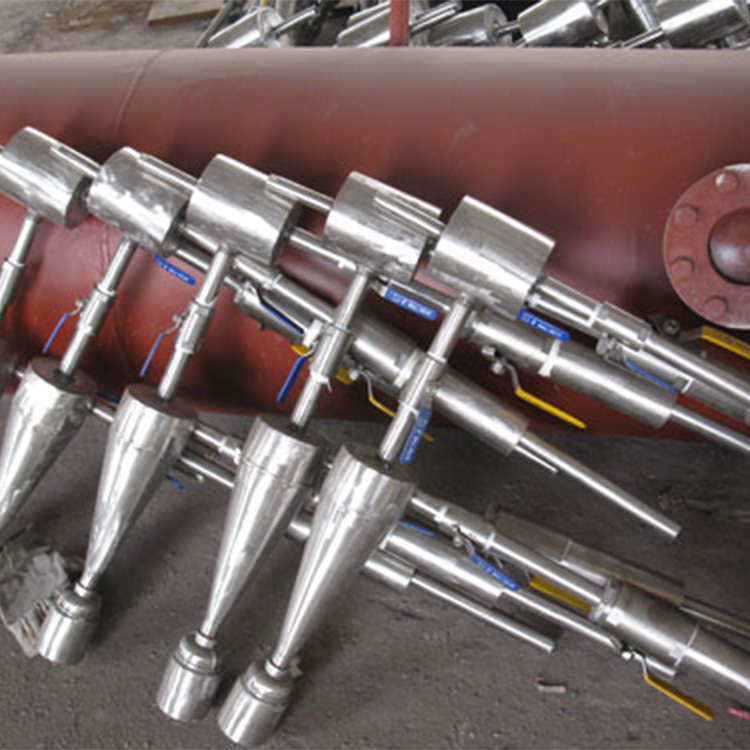
Divertor + Valve Pipeline: Evenly distributes rubber balls, switches process flow.
Electrical / PLC Control Cabinet: Achieves automatic ball insertion, timed cleaning, ball collection monitoring, and fault alarms.
III. Standard Workflow
Ball loading (usually around 10% of the number of cooling tubes), exhaust, and establish circulation pathways.
The ball collection net is moved to the collection position, and the ball pump is activated.
The rubber balls enter the circulating water intake from the ball room, are washed by the baffles, and then intercepted by the ball collection net.
The gel ball pump pulls the ball back into the ball chamber and repeats the cycle.
After cleaning, backwash the ball collection net, and recover all the rubber balls back to the ball storage room for standby.
Section 4: Application Scenarios & Advantages
Applicable to steam turbines with condensers (copper tubes/titanium tubes/stainless steel tubes) for thermal power plants, nuclear power plants, large-scale chemical industries, and iron and steel mills.
Advantages: Online operation without affecting turbine output; Physical cleaning, no chemical contamination; Significantly improves condenser vacuum and reduces coal consumption; Extends heat exchanger tube life and reduces the frequency of shutdown chemical cleaning.
Limitations: Limited effectiveness on hard or thick scales; requires chemical cleaning pretreatment. Ball collection rate is greatly affected by the mesh plate condition and aging of the rubber balls.
Section 5: Selection and Maintenance Key Points
Ball Selection: Standard Soft Rubber Balls (for daily scale prevention), Silicon Carbide Balls (for mild descaling); Regularly inspect ball diameter, elasticity; replace worn or damaged balls promptly.
Ball Catch Rate Management: Regular backwashing of the ball catch net and secondary filter to prevent debris from blocking; investigate if the ball catch rate falls below 90%.
Regular inspections: No abnormal vibration or noise from the ball pump; no leakage from valves; control cabinet parameters normal; perform system switching and function tests on a regular basis.
Anti-freezing and Anti-corrosion: Drain accumulated water before winter shutdown to prevent cracking; use high-corrosion-resistant stainless steel materials for marine service conditions.