







I. Features:
During the boiler start-up process, as the steam turbine warms up with steam entering, there will be more steam flowing into the condenser. If a certain vacuum is not established in the condenser, the entry of steam and water will cause positive pressure in the condenser, damaging the equipment. The establishment of vacuum in the condenser is an essential condition for the turbine to start up. In normal operation, the condenser and some low-pressure equipment (such as condensate pumps, drain pumps, and some low-pressure heaters) are in a vacuum state internally. Due to leaks in the pipes and casings, air will seep in, thereby破坏ing the condenser's vacuum, endangering the safe and economic operation of the turbine. Additionally, the increase in partial pressure of air in the condenser leads to an increase in dissolved oxygen content in the condensate, which intensifies corrosion on thermal equipment and pipes. The presence of air also increases the thermal resistance in the condenser, affecting the cooling of the turbine exhaust by the circulating cooling water, and increasing power consumption. Therefore, air must be continuously removed from the condenser during operation.
In summary, the function of the vacuum system is: ①To establish the condenser vacuum at the initial stage of the unit start-up; ②To maintain the condenser vacuum during normal operation, ensuring the safe and economic operation of the unit. The main vacuum equipment for the condenser includes vacuum pumps and steam ejectors. The water-jet vacuum system, due to its simplicity and reliability, is widely used on domestic large and medium-sized units.
Section II: Structure and Working Principle of Water Jet Vacuum Pump
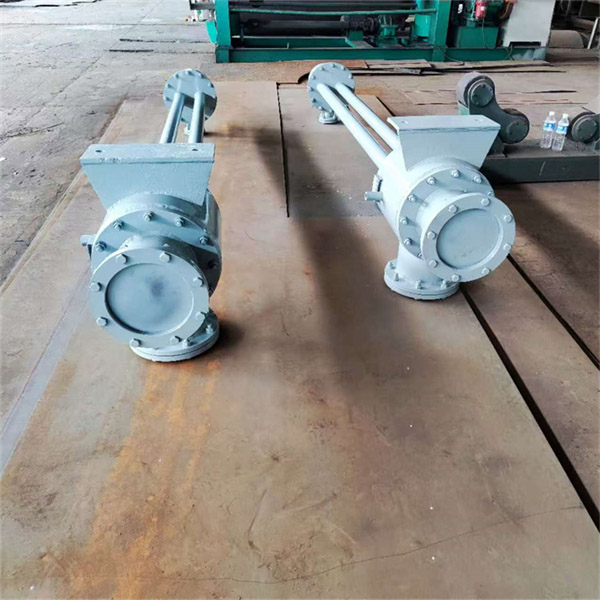
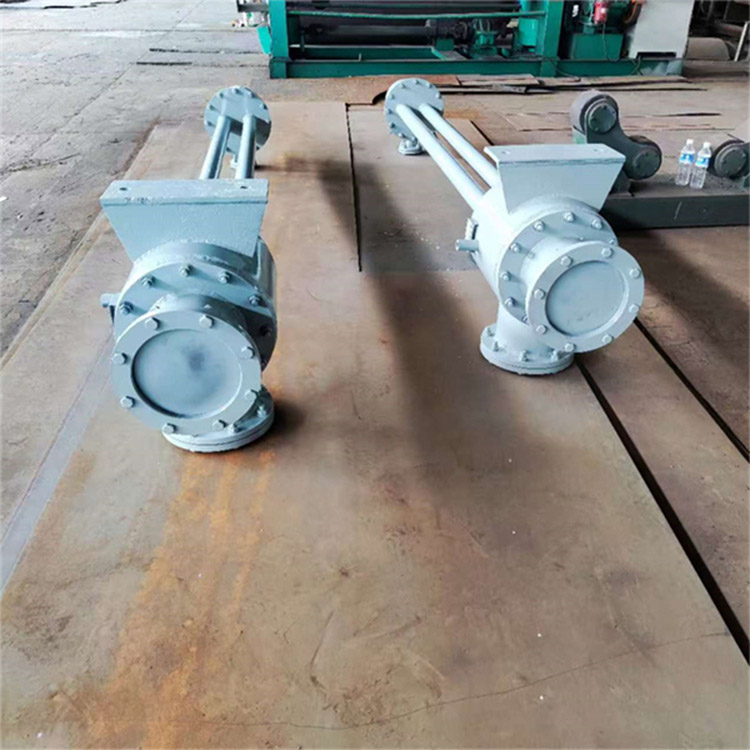
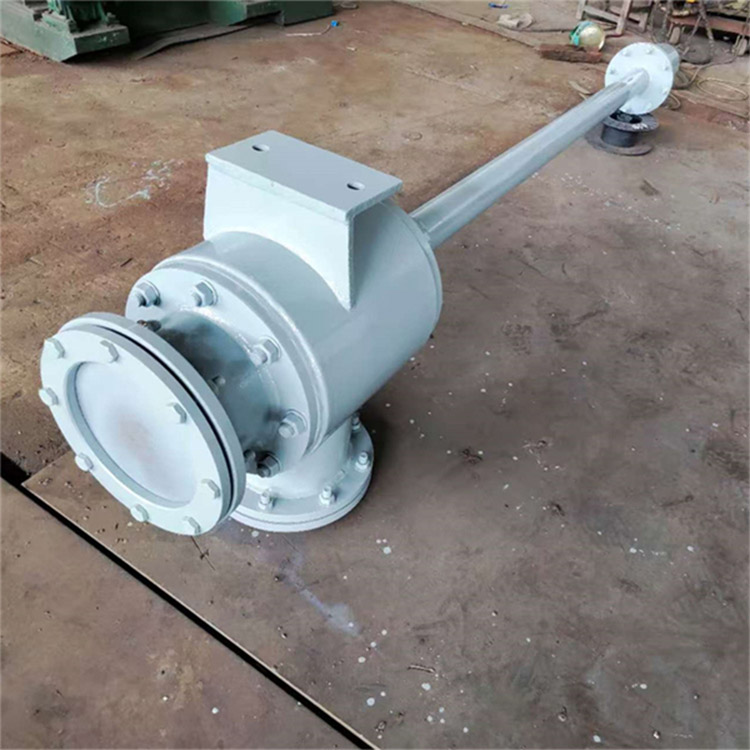
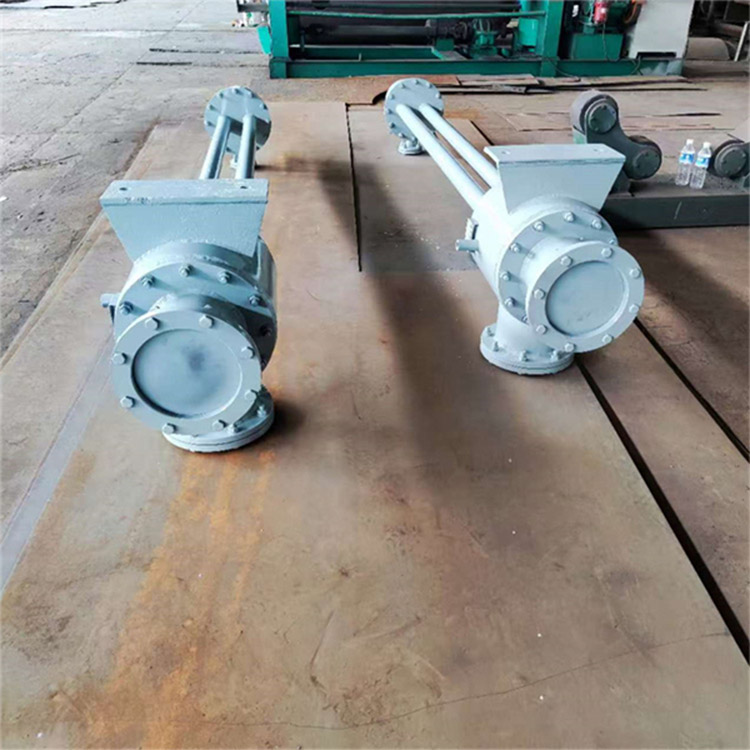
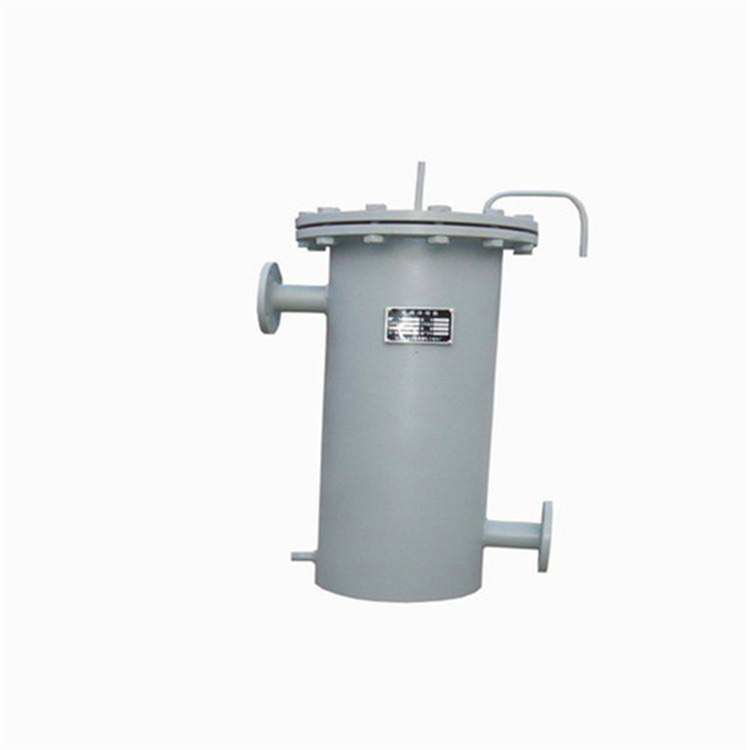
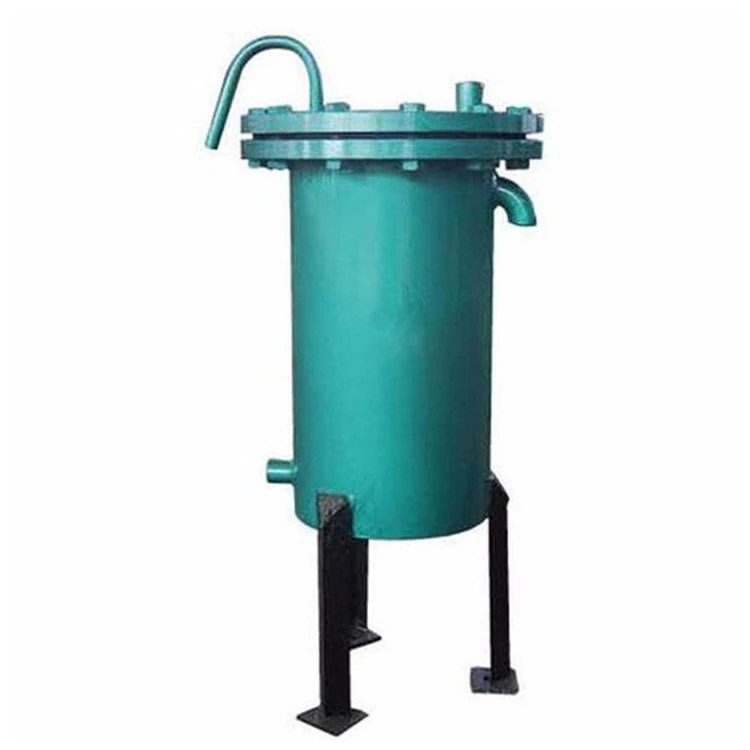
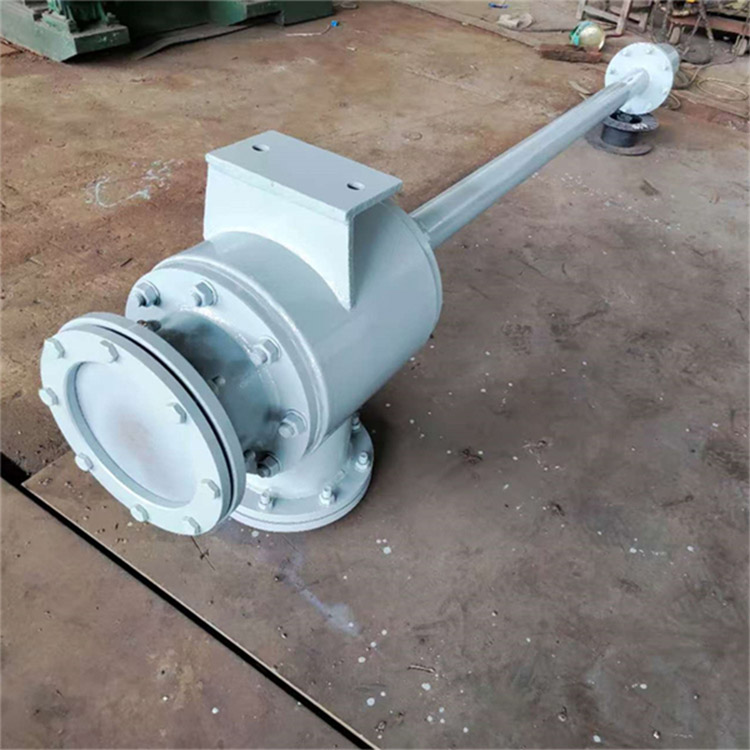
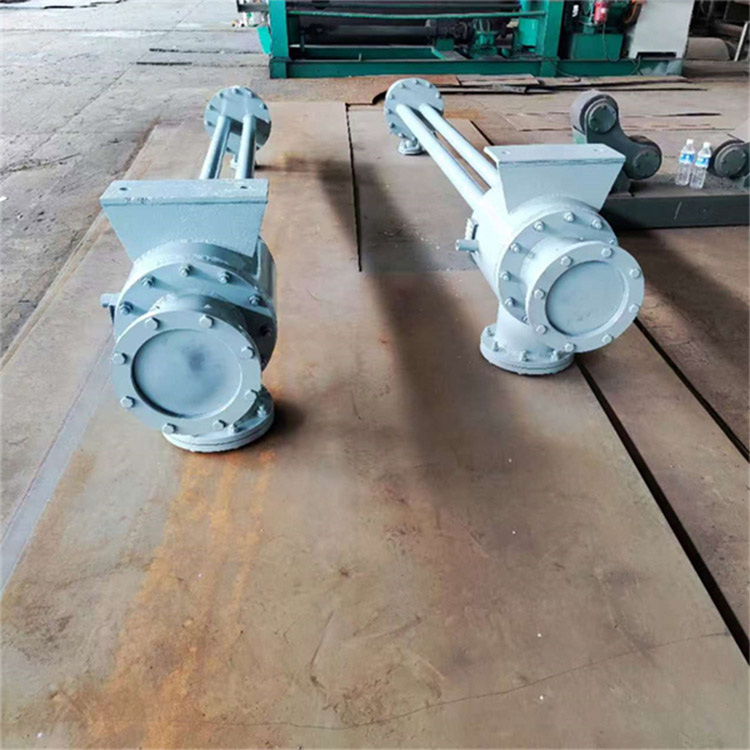
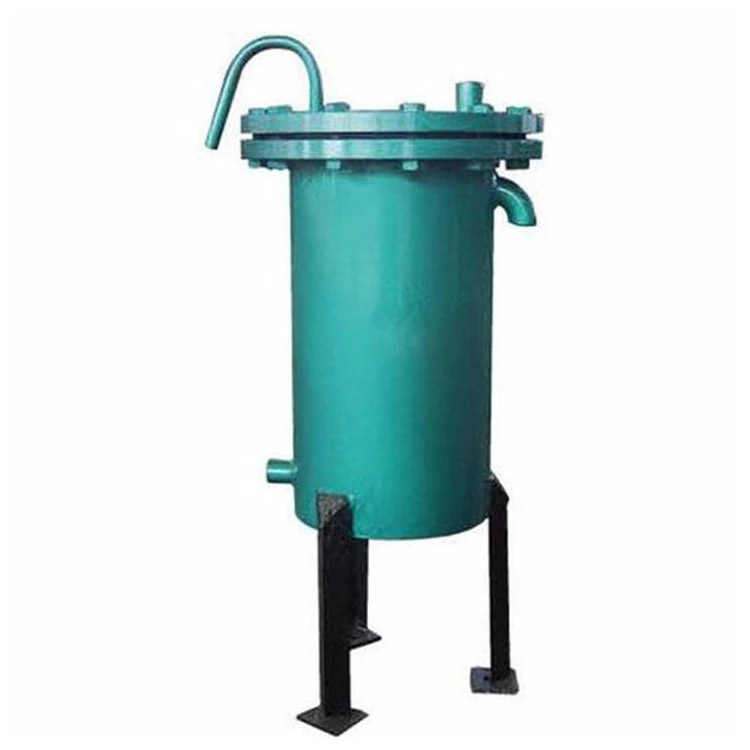
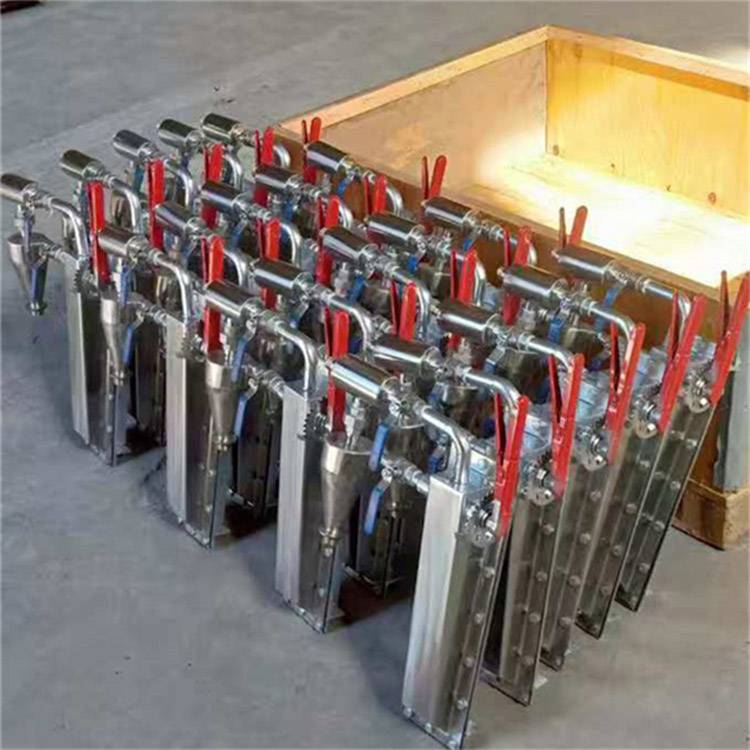
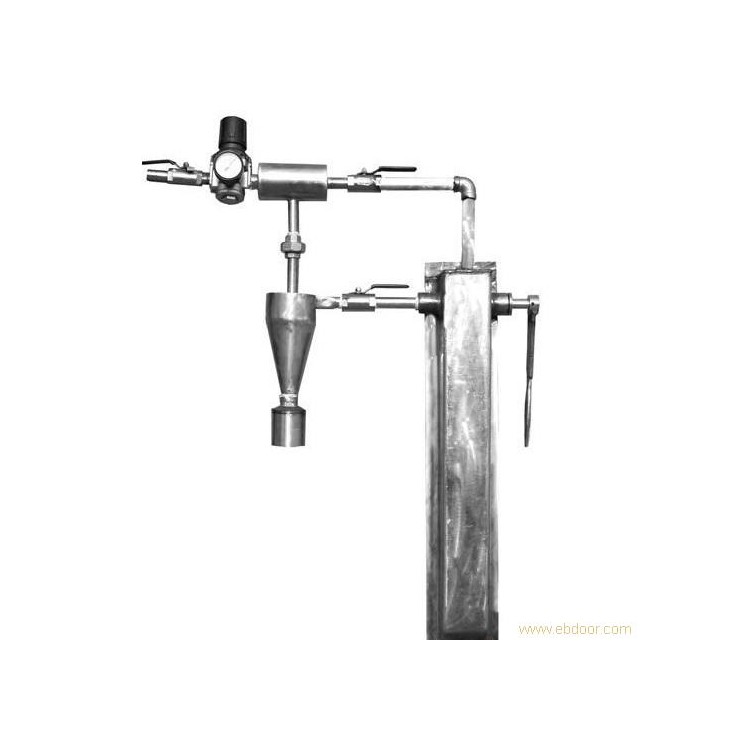
In modern power plants, the most widely used vacuum pump is the jet vacuum pump, which boasts compact layout, simple structure, easy maintenance, reliable operation, and the ability to establish the required vacuum quickly. Jet vacuum pumps can be divided into steam jet vacuum pumps and water jet vacuum pumps based on the working medium. The principles of these two types of pumps are essentially the same, differing only in the working medium. The working medium of a steam jet vacuum pump is pressurized steam, while for a water jet vacuum pump, it's pressurized water. Small capacity units typically use steam jet vacuum pumps. For high parameter, large capacity units, due to the use of slide parameter start-up methods, there is no possibility of sufficient steam supply for the steam jet vacuum pump before the unit starts up. Moreover, steam needs to be throttled from high pressure steam to 1.2~1.6MPa for the steam jet vacuum pump, which is clearly uneconomical. Additionally, a steam jet cooler must be installed to recover the working substance, complicating the thermal system. Therefore, large capacity units in China currently use water jet vacuum pumps, which are mainly composed of the working water inlet, working nozzle, mixing chamber, diffuser, and check valve.
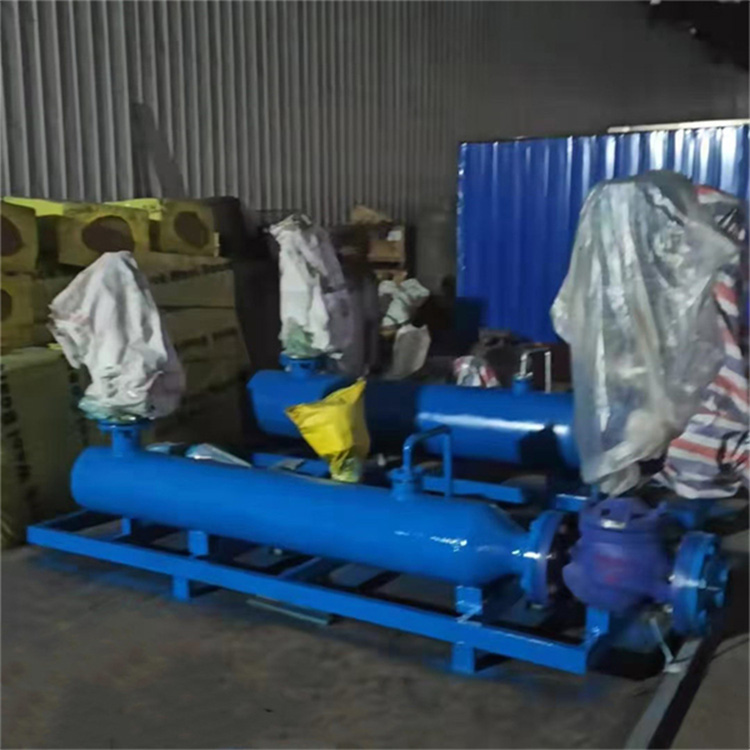
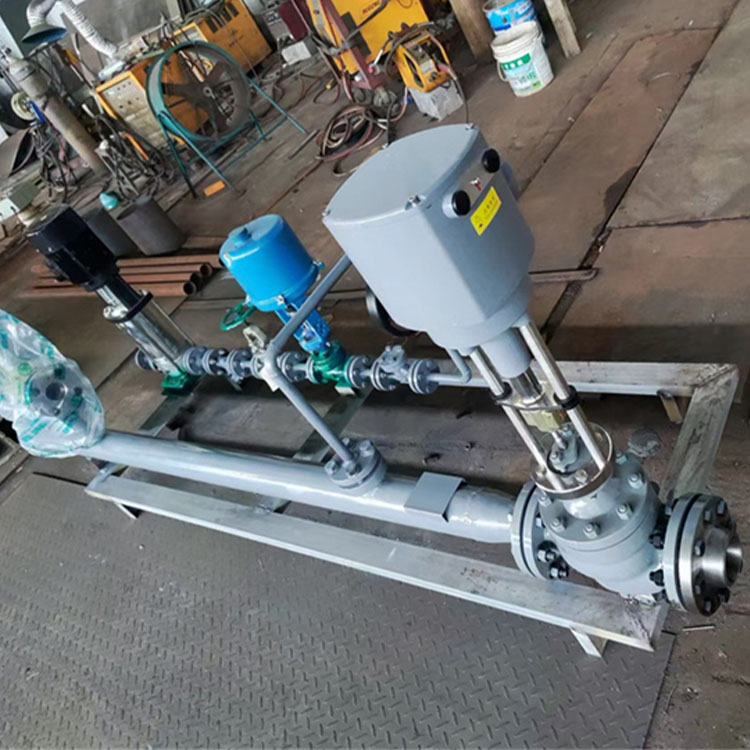
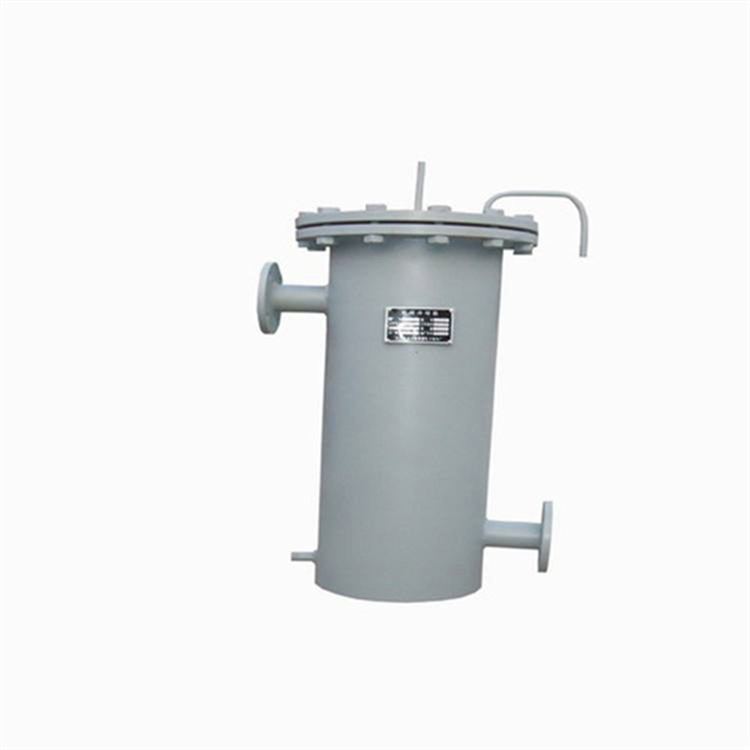
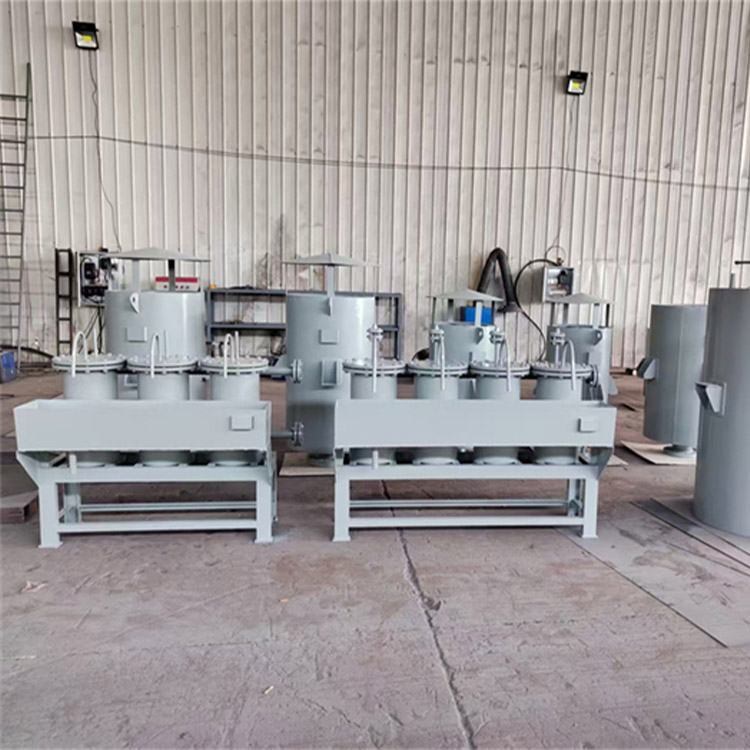
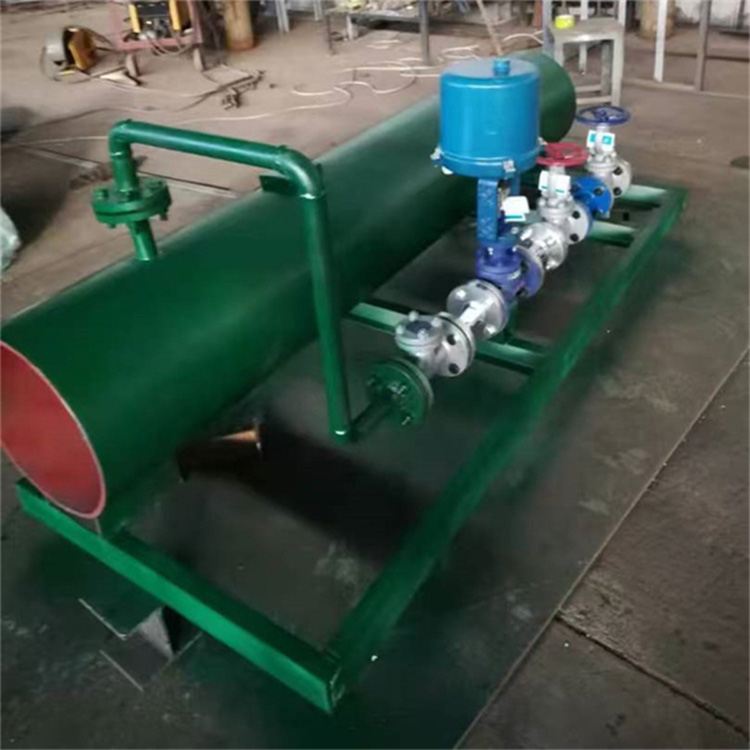
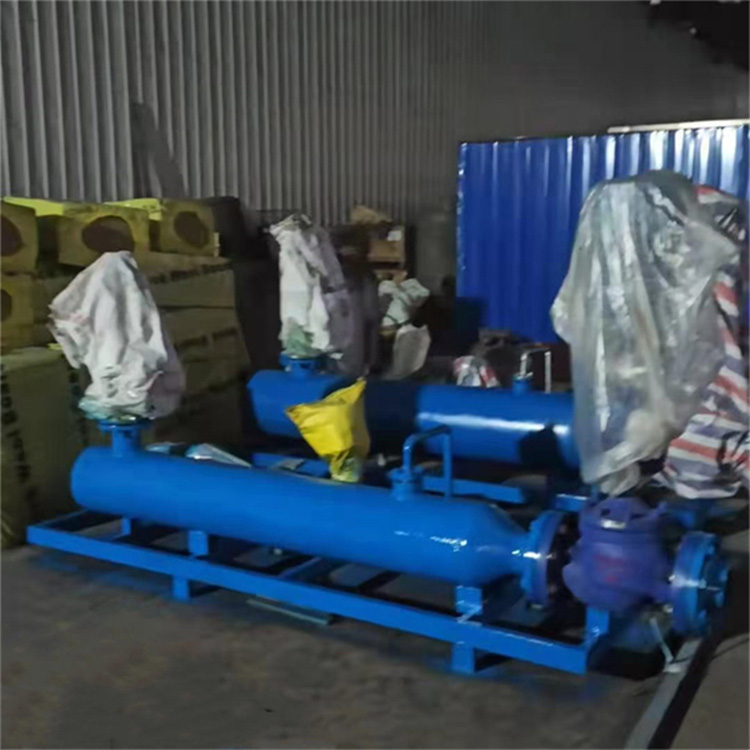
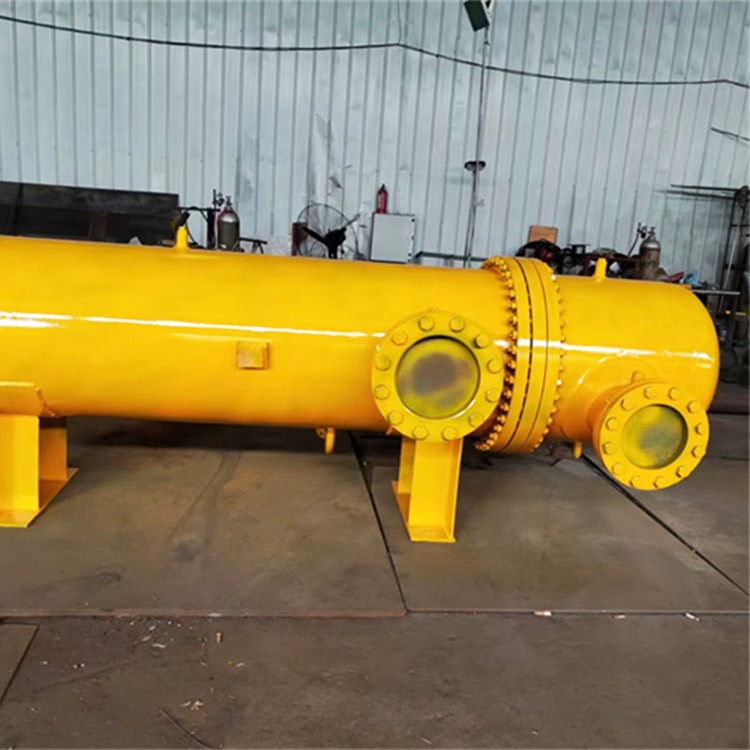
Water-jet vacuum pump system. It consists of a water-jet vacuum pump, water-jet pump, water-jet tank, and connecting pipes. The exhaust from each low-pressure heater, condensate pump, and bleed pump is collected through exhaust pipes and fed into the condenser, which is connected to the working chamber of the water-jet vacuum pump. Water from the circulating water system or deep well is pressurized by the water-jet pump (one in operation, one standby) and then injected into the water-jet vacuum pump. The high-speed water jet emitted from the nozzle in the pump creates a high vacuum in the working chamber, extracting the gas-vapor mixture from the condenser. This mixture, after expansion, returns to the water-jet tank.
Section 3: Installation and Precautions for Water Jet Vacuum Pumps
1. Two types of water supply methods for vacuum pumps
There are two water supply methods available for the vacuum jet pump.
Closed-loop system
This is the traditional arrangement, placing the water jet vacuum pump above the water jet tank, and using the water jet pump—vacuum pump—tank cycle to supply water. A certain amount of make-up water should be added to control the water temperature in the jet tank during summer use.
② Open-loop circulation
"Open-loop circulation" refers to the intake of the pump coming from the recirculation water line, with the drainage pipe connected to the trench. Its advantages include: a) During summer, it can lower the water temperature by 4~8°C, which can increase the vacuum by 7~15 mmHg; b) The addition of a turbo vacuum pump does not affect the water temperature; c) It avoids power loss caused by the compression of exhaust gases. The drawback is that it increases the consumption of recirculating water.
Before placing an order with our factory, it's best to pre-determine the type of recycling method to be used, or you can entrust our factory to determine and install the design for you.
2. Selection of water intake parameters
Selecting water pumps and motors in accordance with regulations for this series of energy-saving and environmentally friendly water jet vacuum pumps will yield low-consumption and high-efficiency performance. The intake parameters (flow rate, pressure) of the water jet vacuum pump are crucial for improving the internal efficiency of the jet and vacuum, and reducing energy consumption. This is because the design of the working water nozzle diameter and water pressure determines the velocity at the nozzle exit. The velocity is also related to factors such as the jet angle, throat distance, area ratio, and throat length. Inappropriately matched pumps and vacuum pumps can affect the performance.
3. Installation Precautions
The installation quality of the water jet vacuum pump is closely related to its suction capacity. Mainly attention should be paid to the following aspects:
①The vacuum pump should be installed vertically, with each section precisely centered during assembly, and the support brackets should be firmly secured.
②The vacuum pump should be installed at an appropriate height; for vacuum pumps using closed-loop systems, the exhaust port should be more than 1.5 meters above the water surface.
This energy-saving and environmentally friendly model, due to its relatively lower export speed, should not be buried too deeply in water. Otherwise, it may affect the suction capacity when the water pressure is low or the water temperature rises in summer. The recommended burial depth for the outlet pipe is 250-300mm. The supplementary cooling water for the vacuum pump should be added to the pump inlet to maximize its cooling effect.
③For vacuum pumps in closed-loop systems, during summer, it is not advisable to use the bottom-mounted vacuum pump. The structure of the jet tank should facilitate air exhaust. These measures all contribute to lowering the water temperature in the tank.
④ The vacuum pump body must undergo a hydrostatic test with 0.5 MPa pressure before installation, with no leakage for five minutes.
⑤ When only one exhaust fan is installed per unit, the air duct does not need to be excessively tall; when two exhaust fans are installed, to prevent water from flowing back into the condenser through the standby exhaust fan check valve, the air connection pipe height should be ≥11 meters.
⑥ The air intake pipe diameter of the vacuum pump is generally the same as the air outlet pipe of the condenser, and the length should be kept as short as possible to reduce resistance; on the pipeline, except for valves and equipment interfaces, flange connections are not used to minimize air leakage.