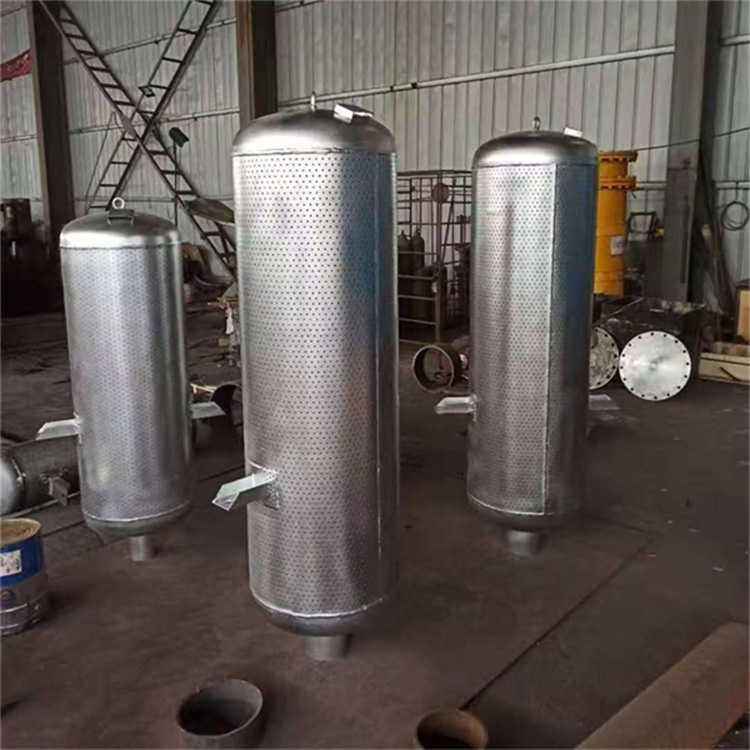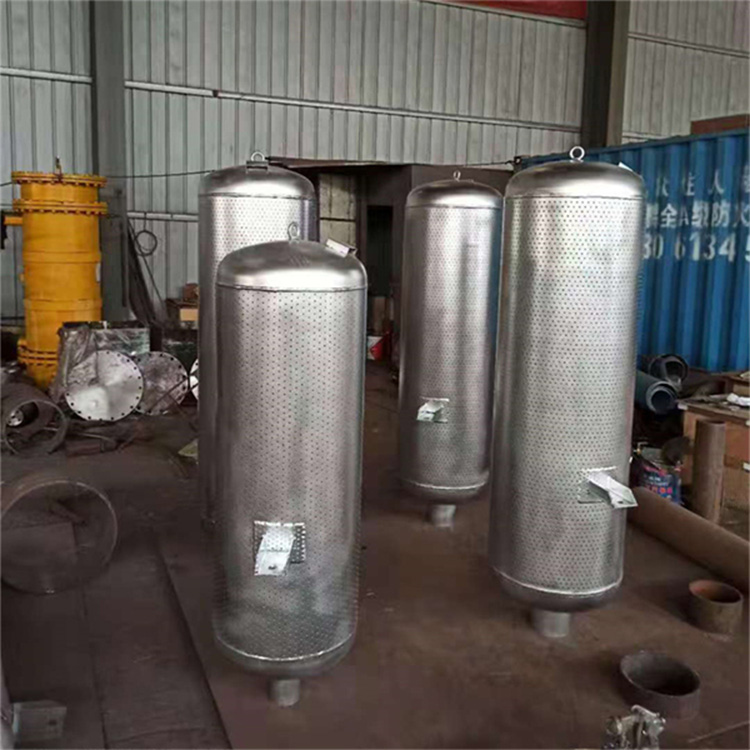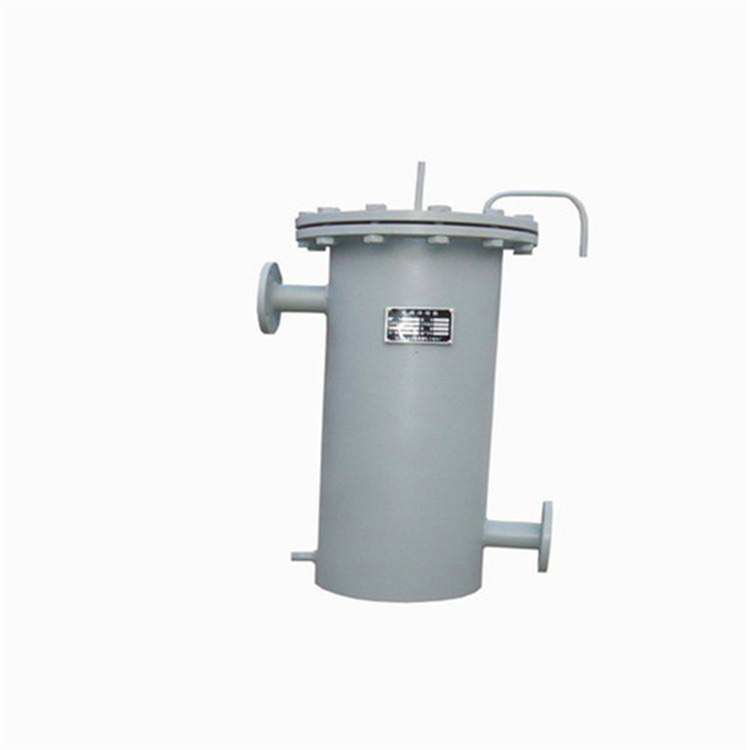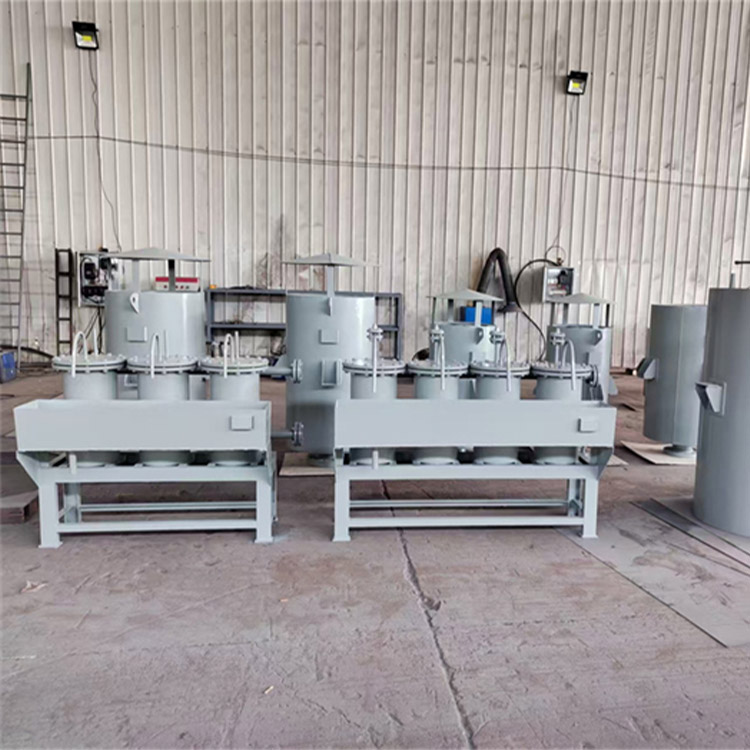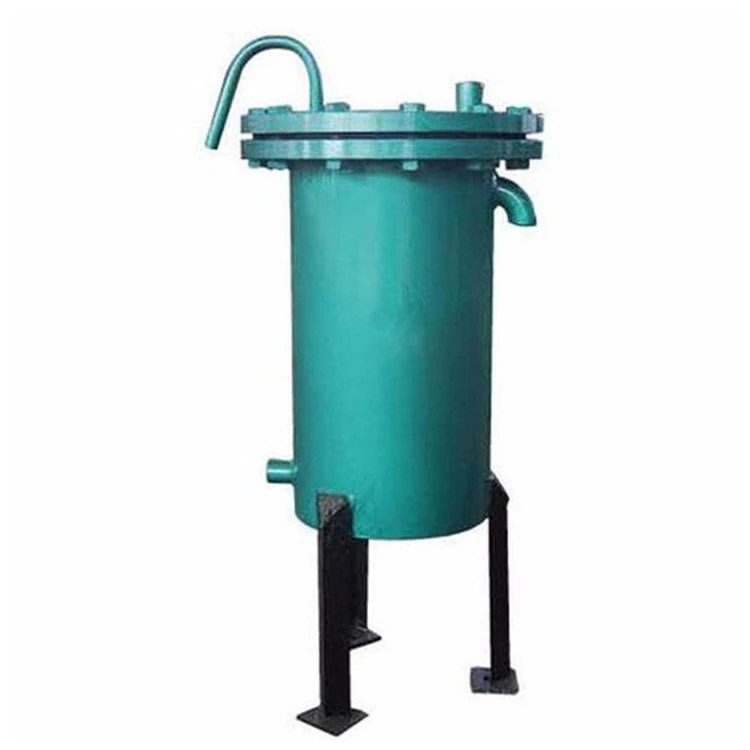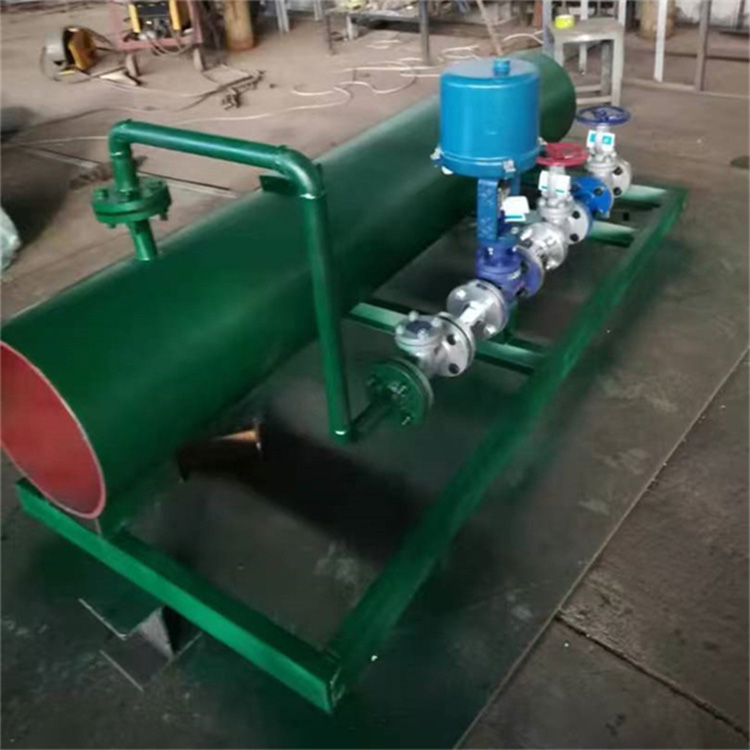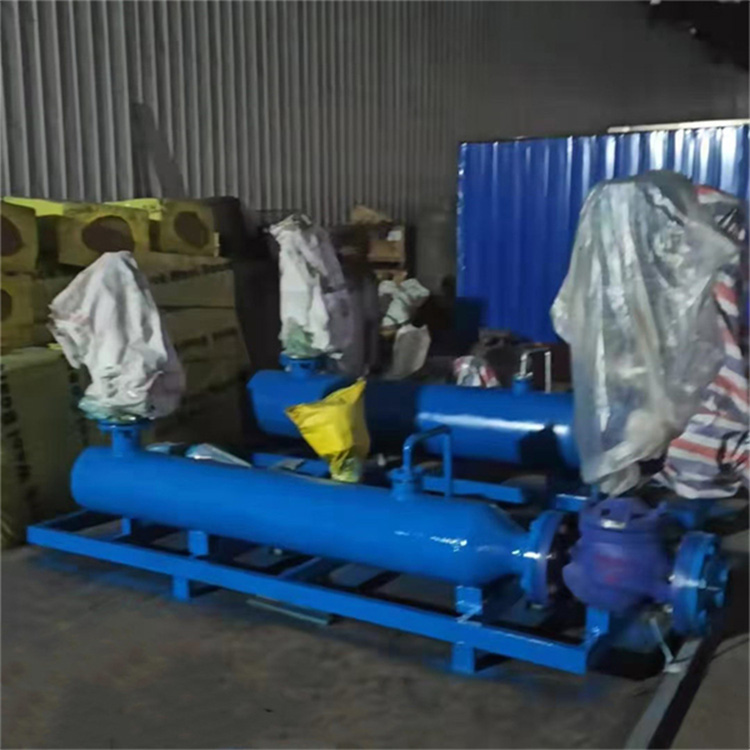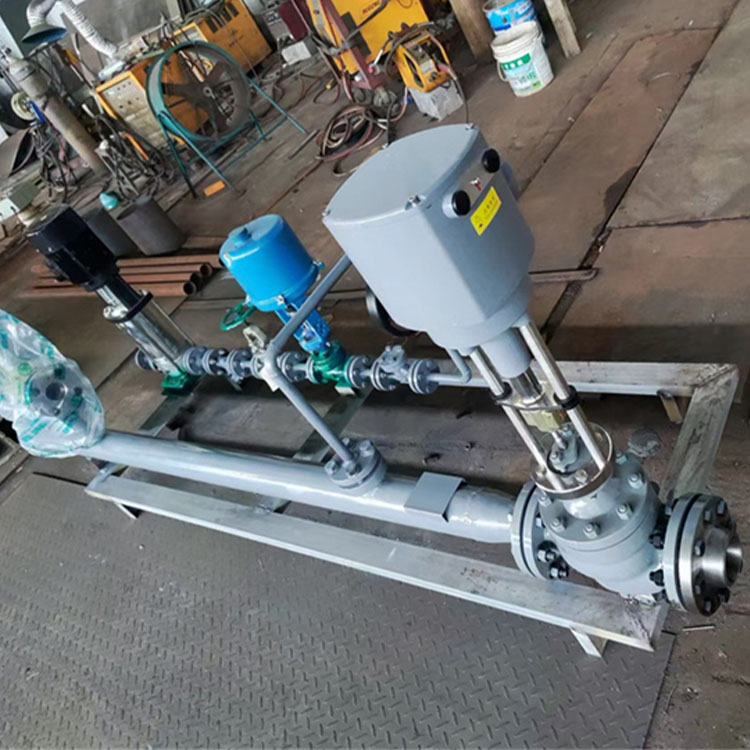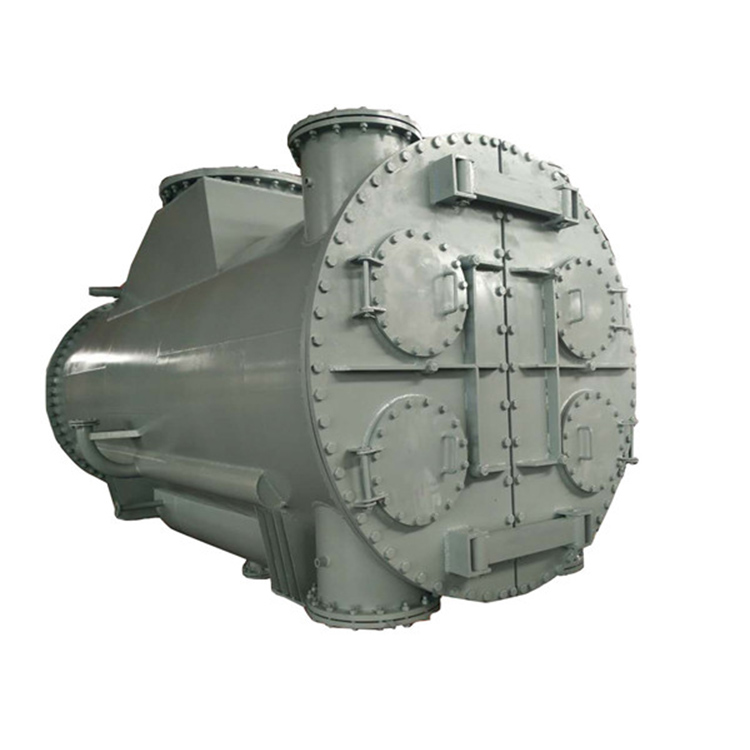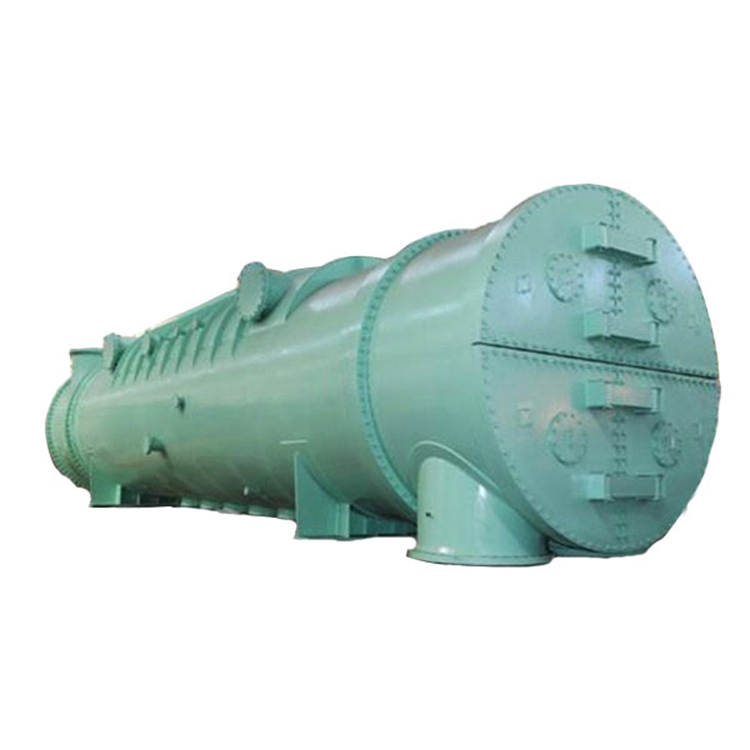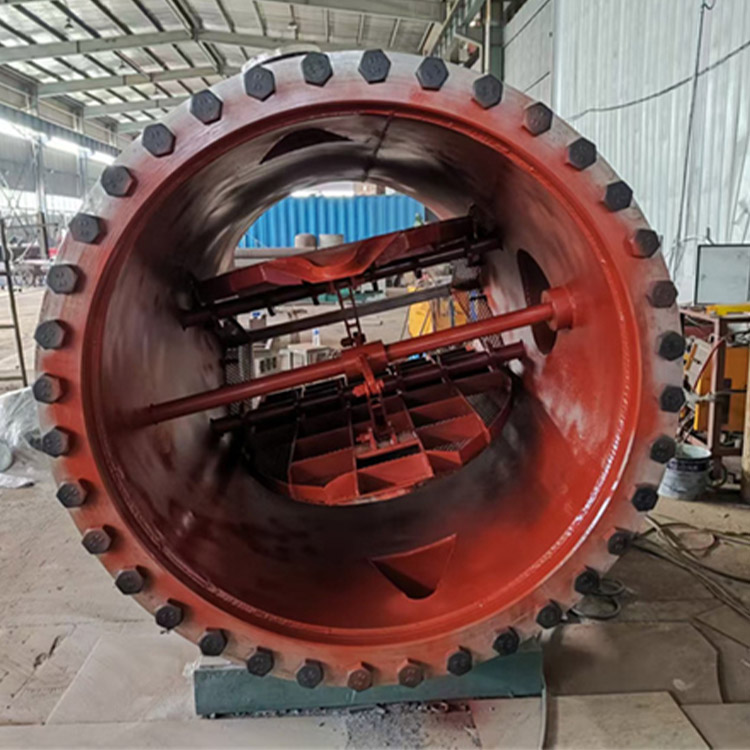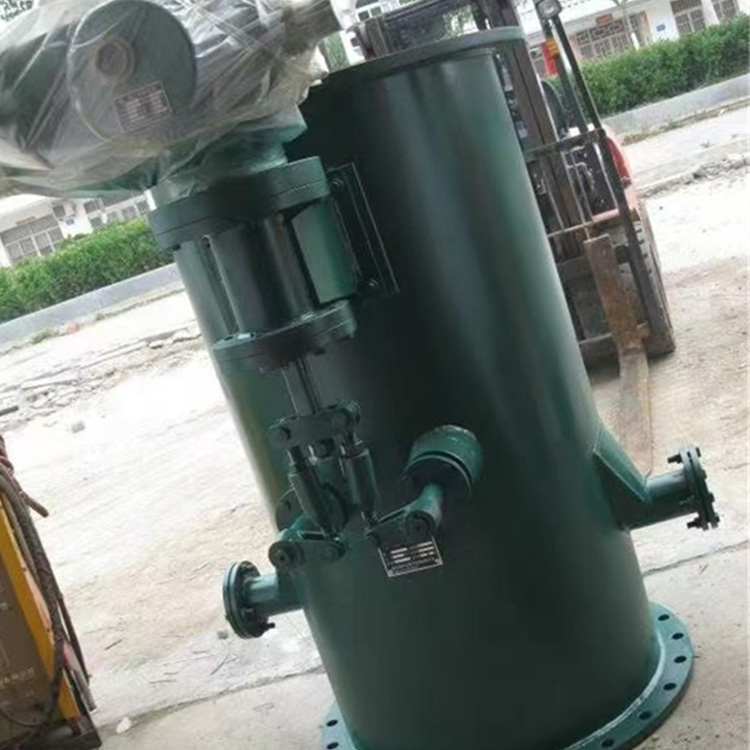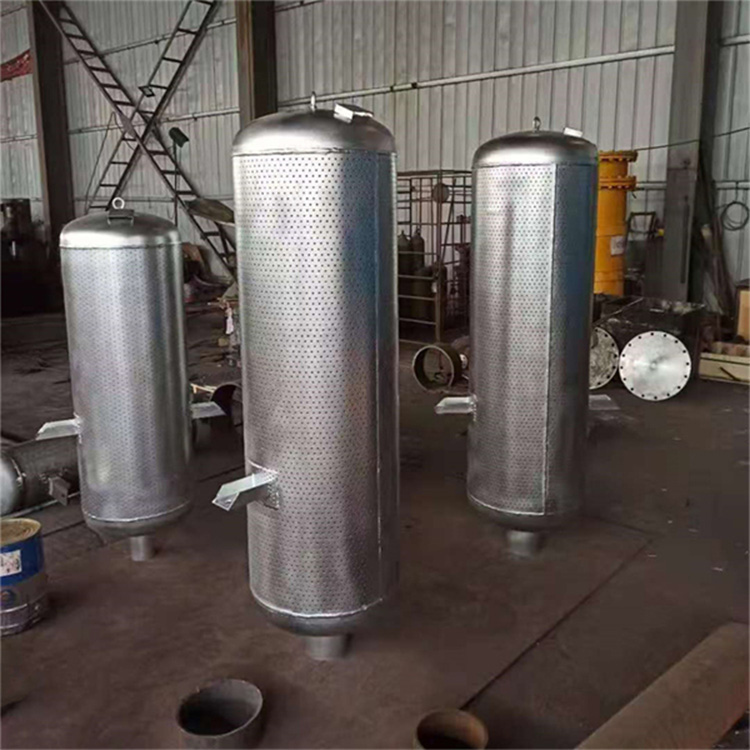
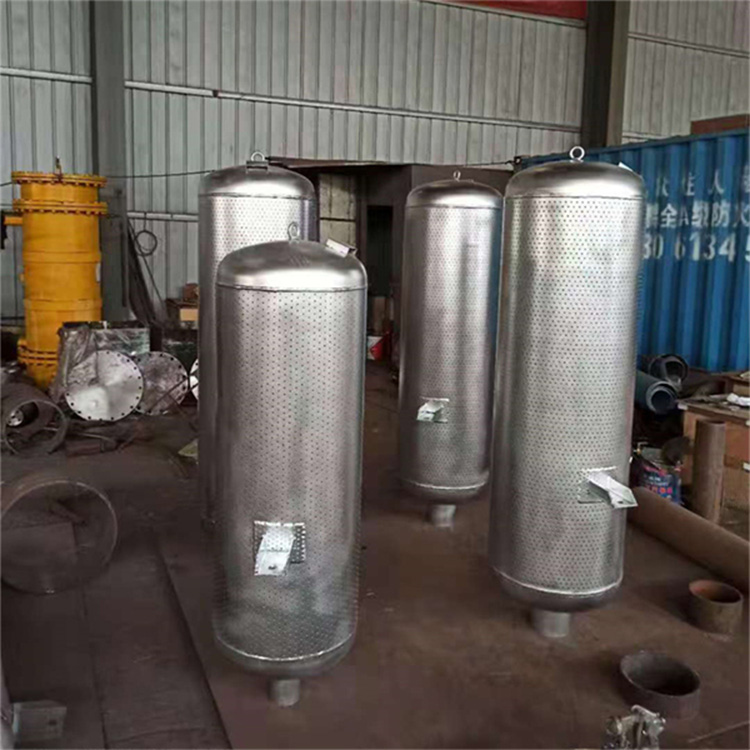
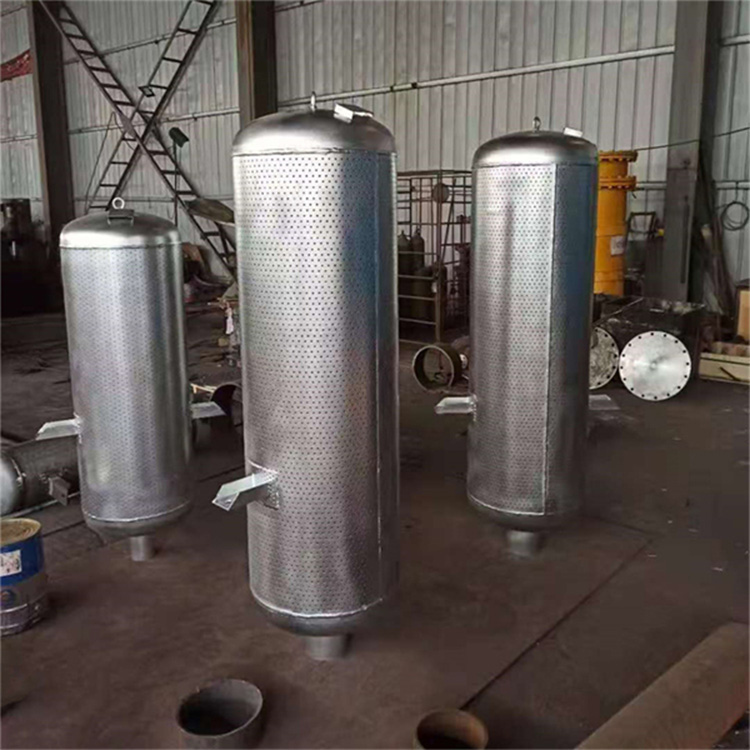


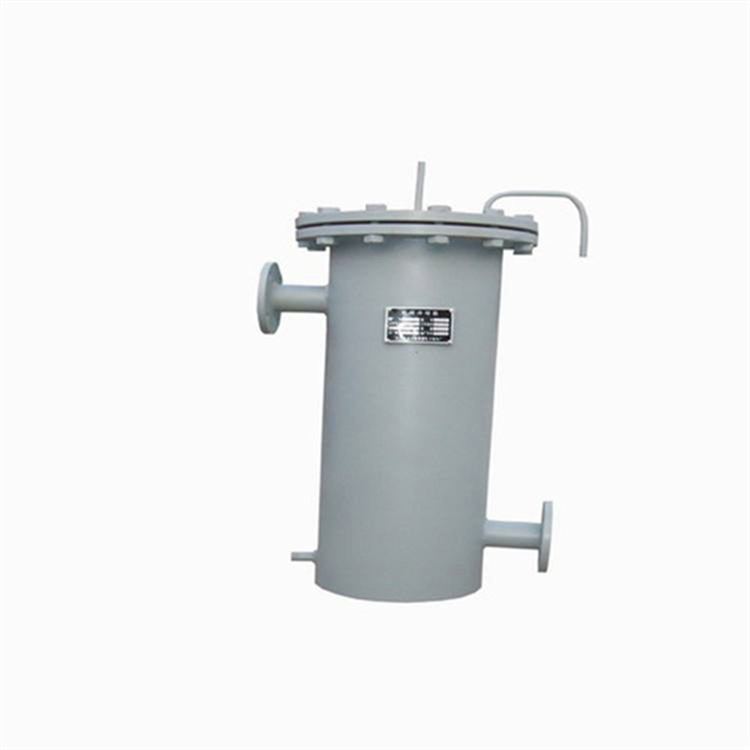
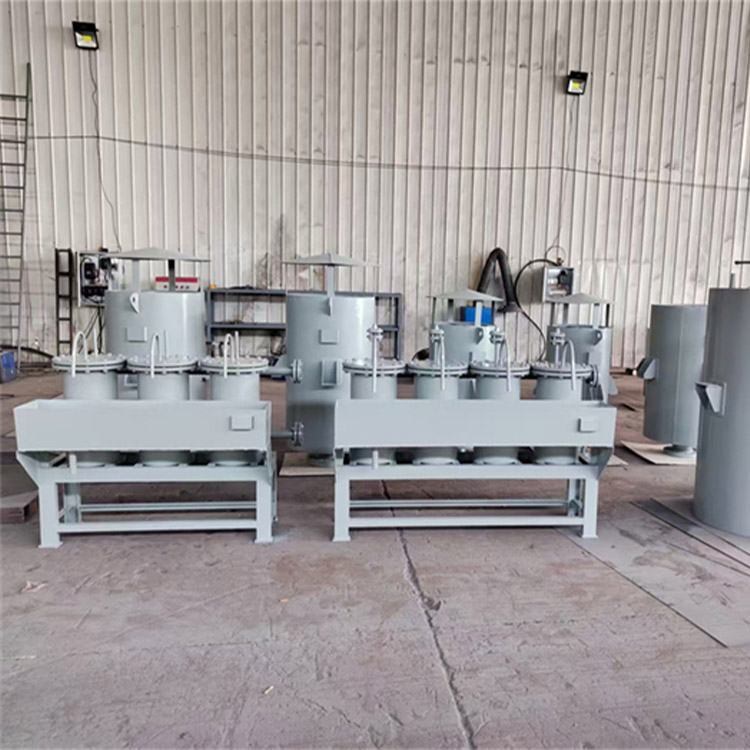
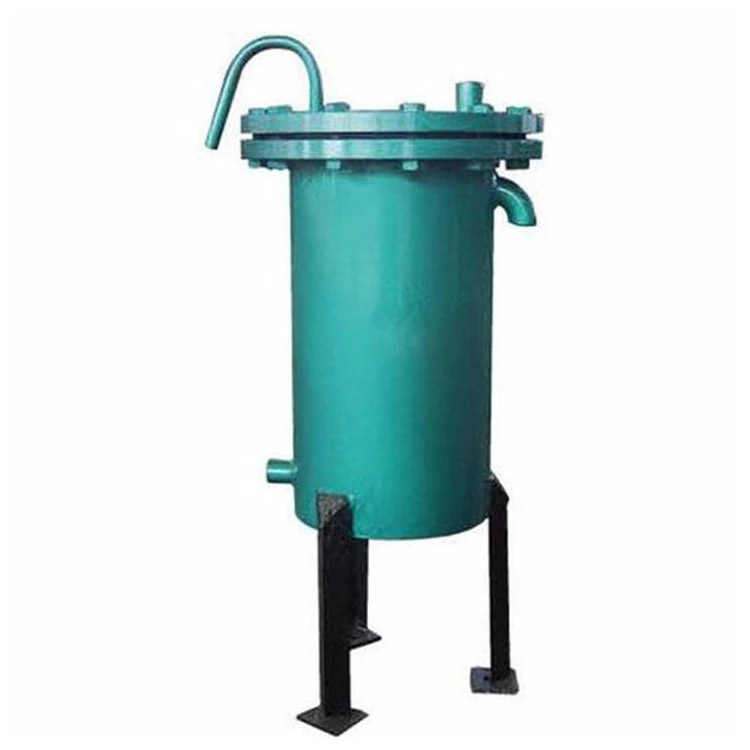
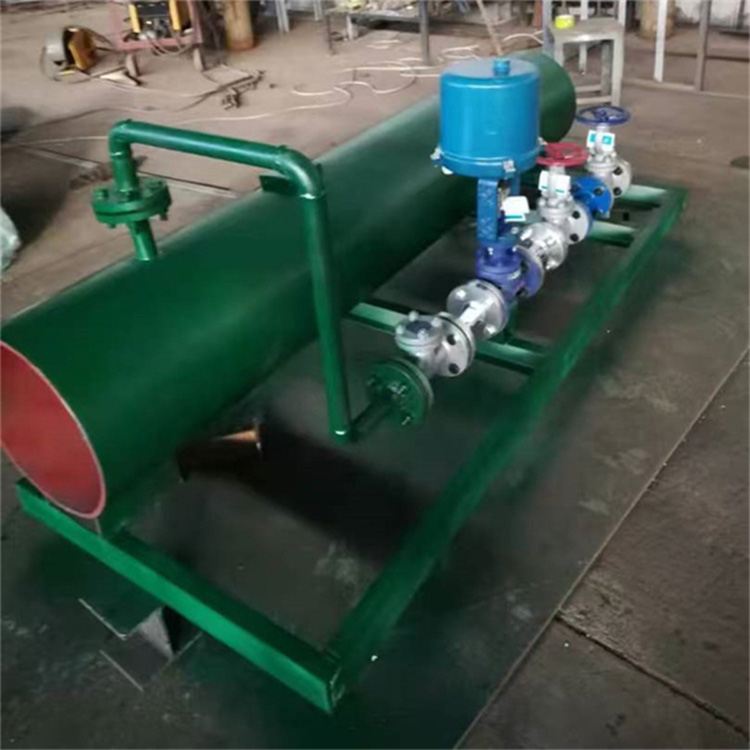
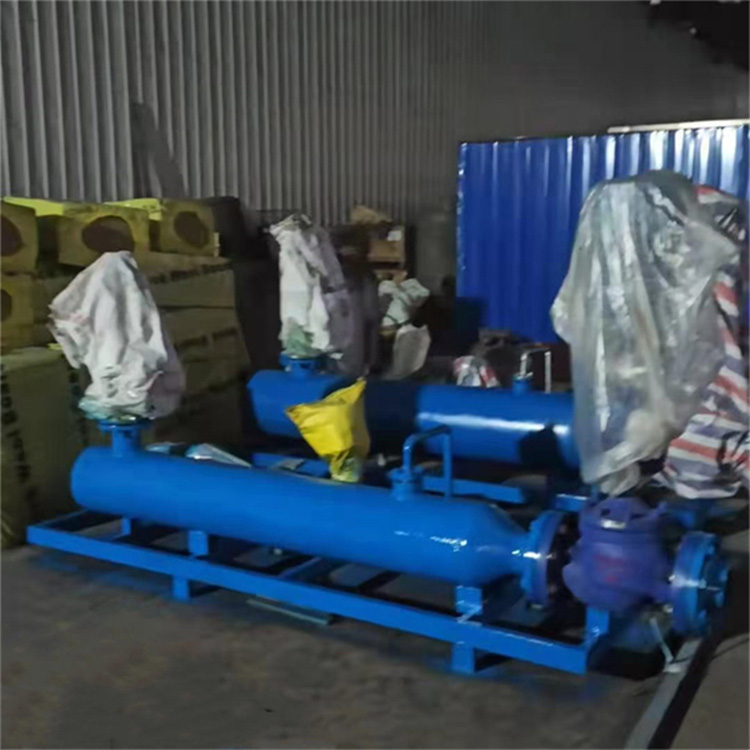





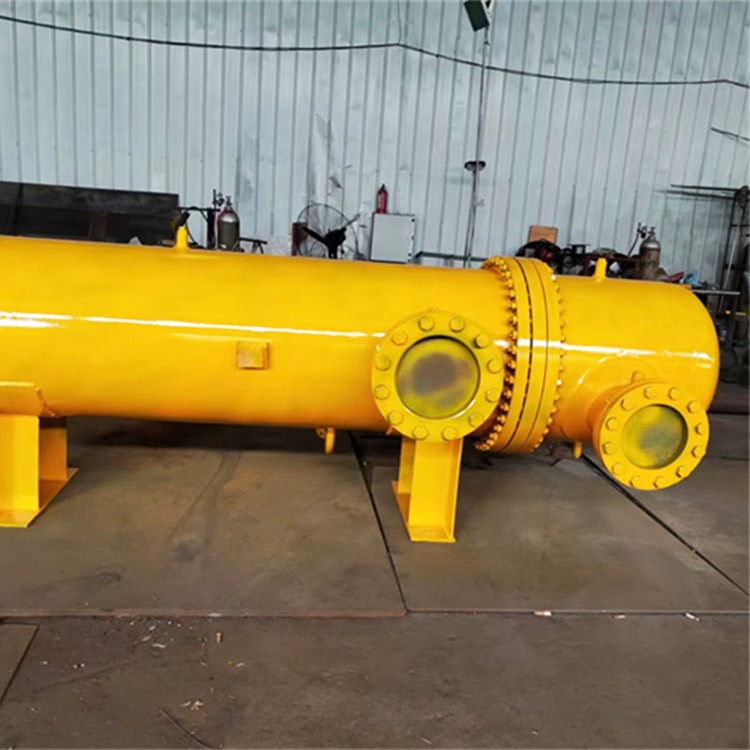
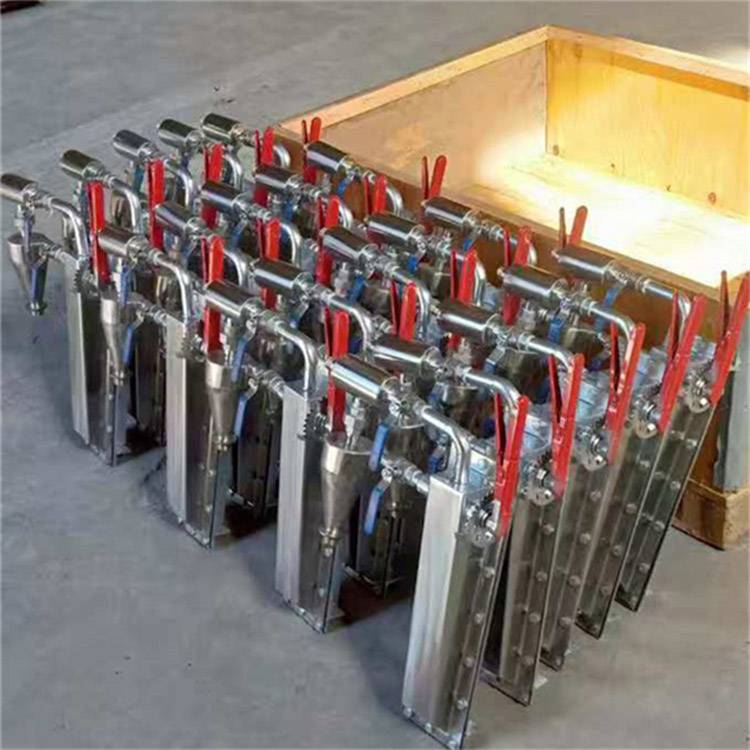
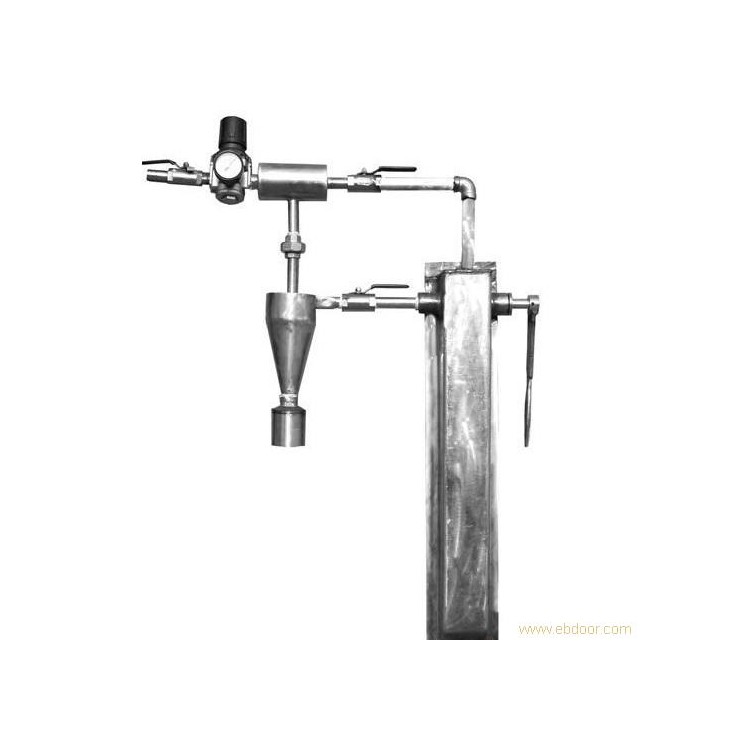
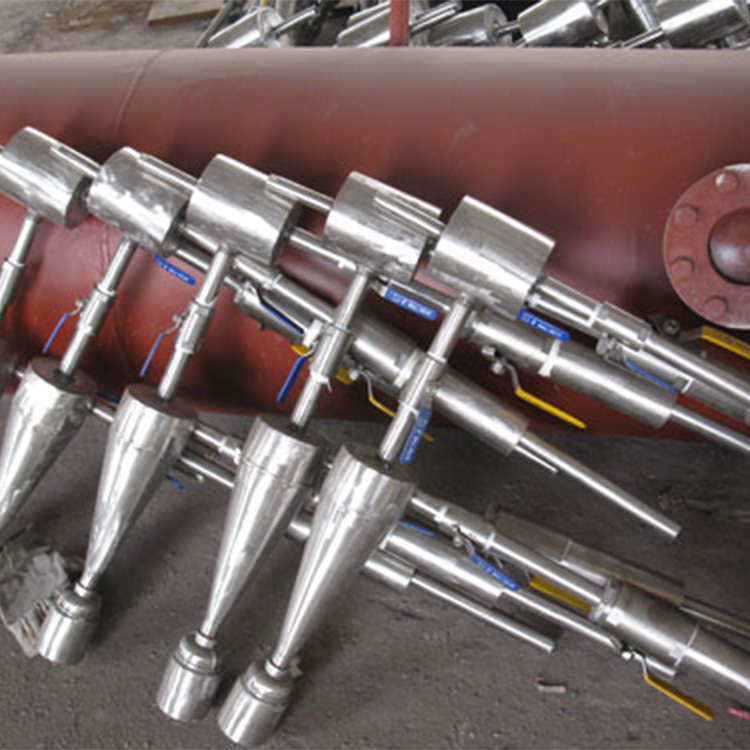
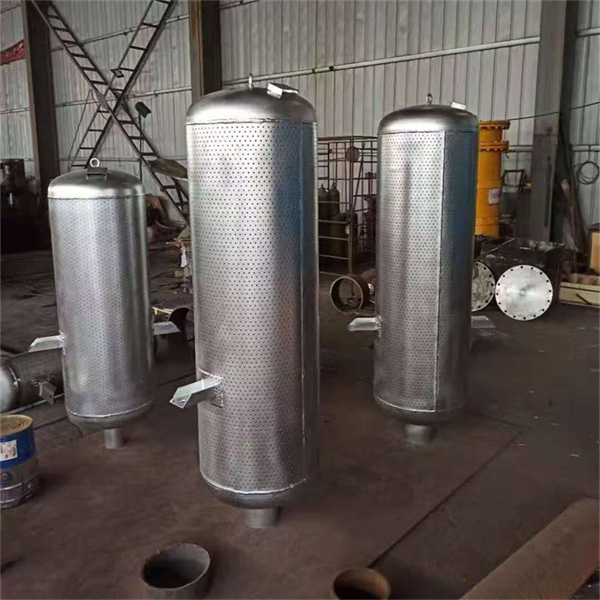
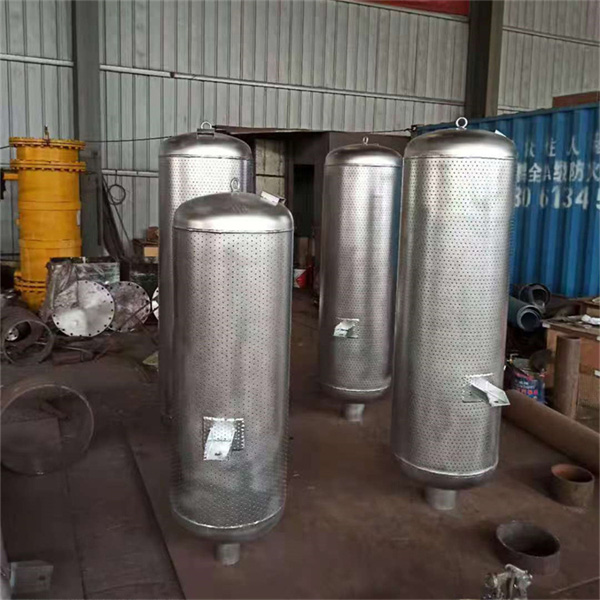
The small-hole silencer is a type of injection-resistant and damping composite silencing equipment, primarily designed for noise reduction in high-pressure gas high-speed discharge scenarios. It is a standard silencing product for boilers, safety valves, steam pipes, and air compressors in industries such as electricity, chemicals, petrochemicals, and metallurgy. It also belongs to the industrial mainstream category of silencers you mentioned earlier.
Core Working Principle
Utilizing micro-hole injection noise reduction theory:
Divide a single large-diameter high-pressure exhaust port into numerous tiny orifice injection units.
High-speed airflow passes through small holes, shifting the noise frequency to high or ultrahigh ranges, thus moving out of the sensitive audio frequency range for human ears.
With sound-absorbing materials and diffused structures, further attenuation of sound energy is achieved, with a conventional noise reduction level of up to 25~45dB (A).
Core Advantages
Highly targeted: Specifically designed to treat high-pressure gas venting and jet impact noise, ordinary resistive silencers cannot replace it.
High temperature and impact resistance: mainly made of 304/316 stainless steel, capable of withstanding high steam temperatures and instantaneous air flow impacts.
Low resistance loss: Small hole array design, does not affect equipment exhaust and pressure relief efficiency, no pressure buildup, does not hinder the operation of the safety valve.
Long lifespan with no maintenance: No moving parts, not prone to clog, core components can last up to 5~10 years under normal use.
Easy Installation: Flange or threaded connection, simply mount directly onto the existing exhaust outlet.
Key Selection Parameters
Medium: Steam/Air/Process Gas, temperature, pressure, displacement.
Exhaust Diameter: DN25/DN50/DN80/DN100/DN150, customizable.
Noise Reduction Target: Achievable dB (A) Value
Installation Method: Vertical/Lateral, Flange Standard (GB/HG/JB)
Corrosion Resistance Requirements: Standard / Material Selection for Chemical Corrosion Conditions.
Applicable Industry
Power: Thermal power plant, boiler exhaust from thermal power plants, noise reduction for safety valves
Petroleum & Chemical: High-pressure reactors, storage tanks, process pipeline venting
Metallurgy: Steelmaking, Ironmaking steam/gas emissions
Manufacturing: Air Compressor Station, Pressure Vessel Workshop Exhaust Noise Reduction
Municipal: Thermal pipeline, heat exchange station steam vent