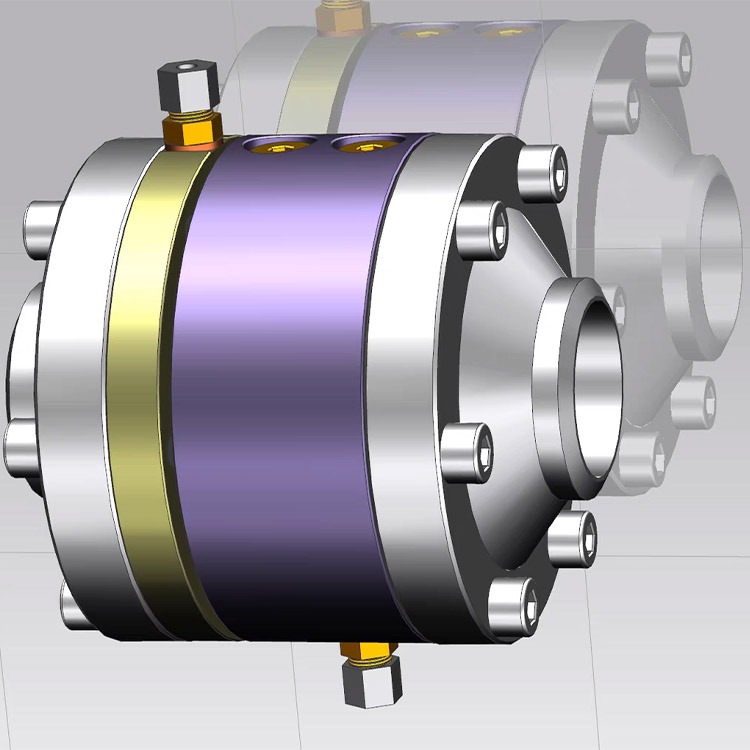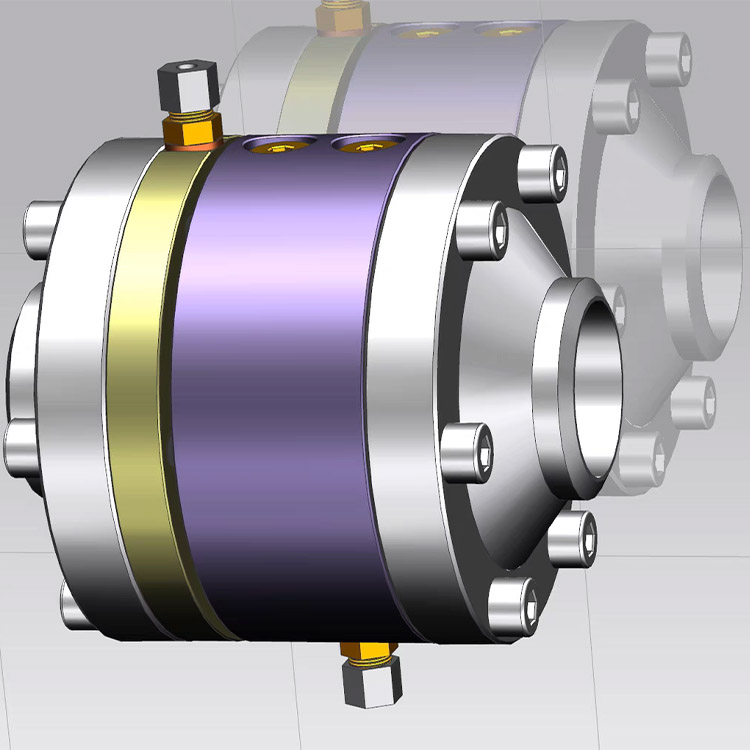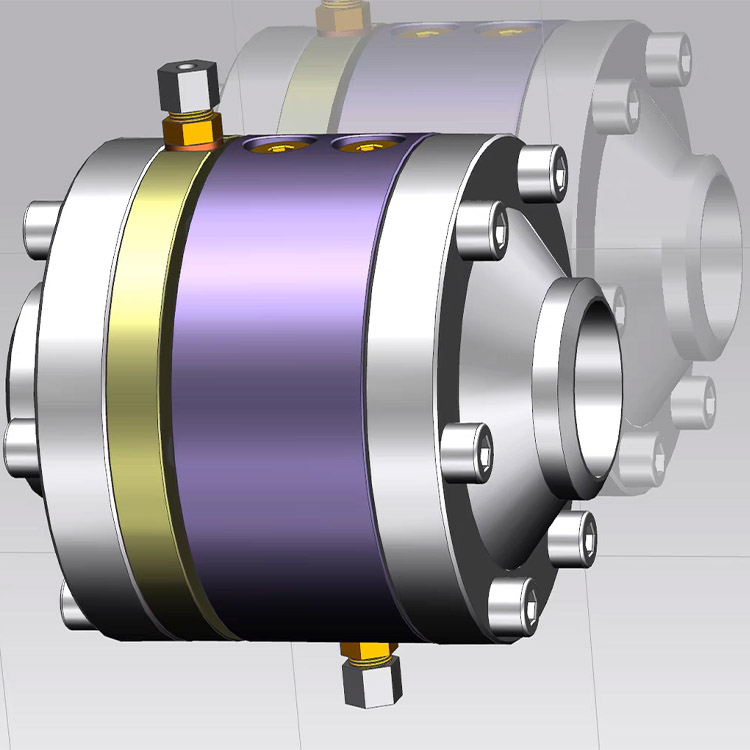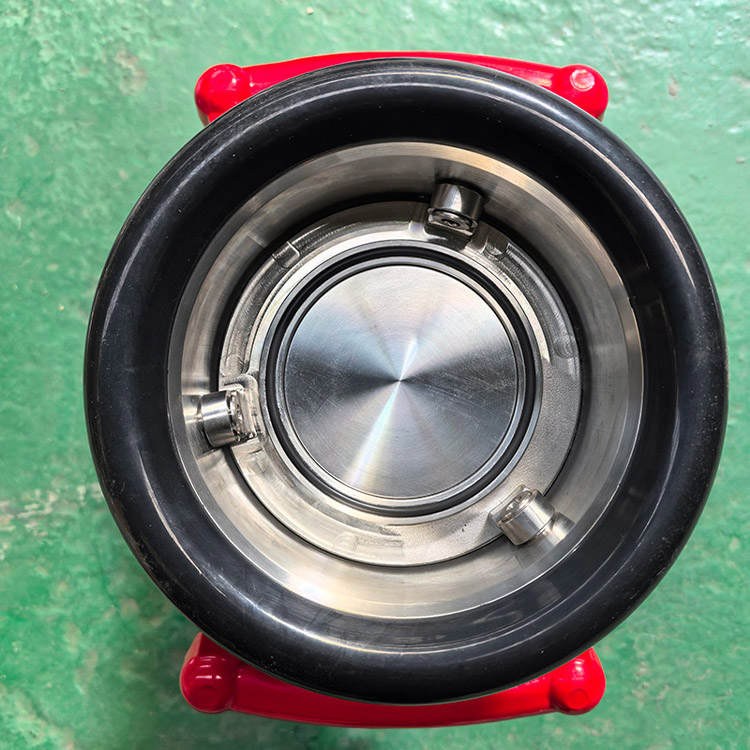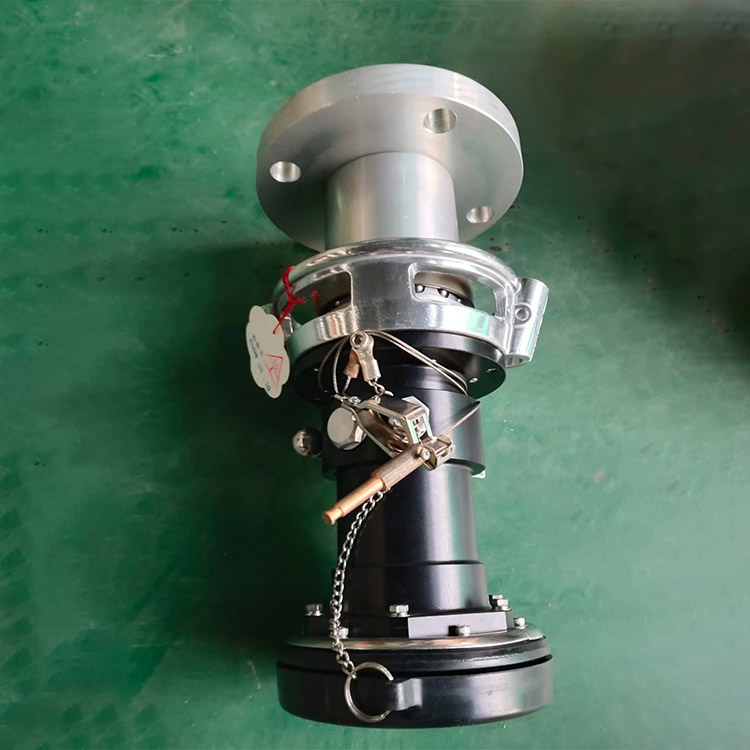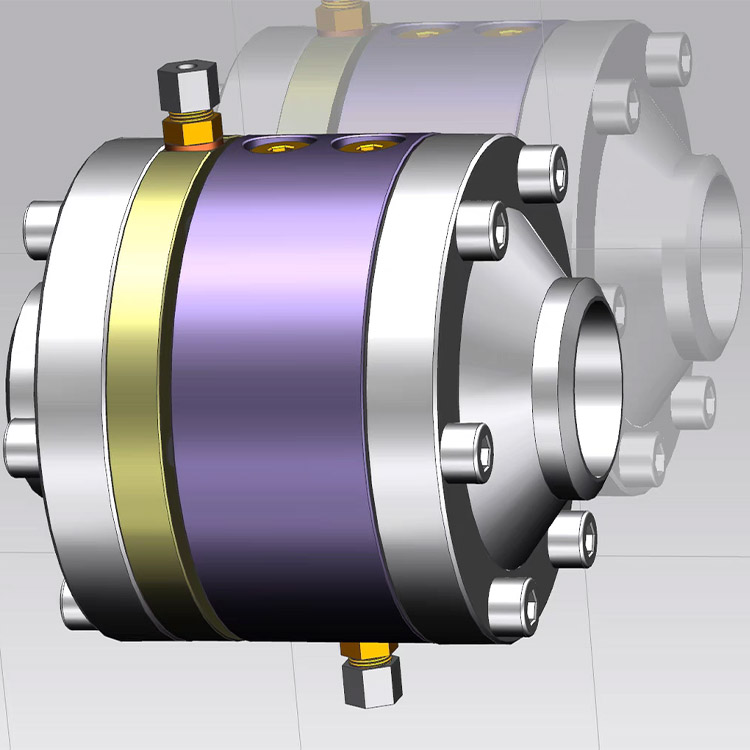
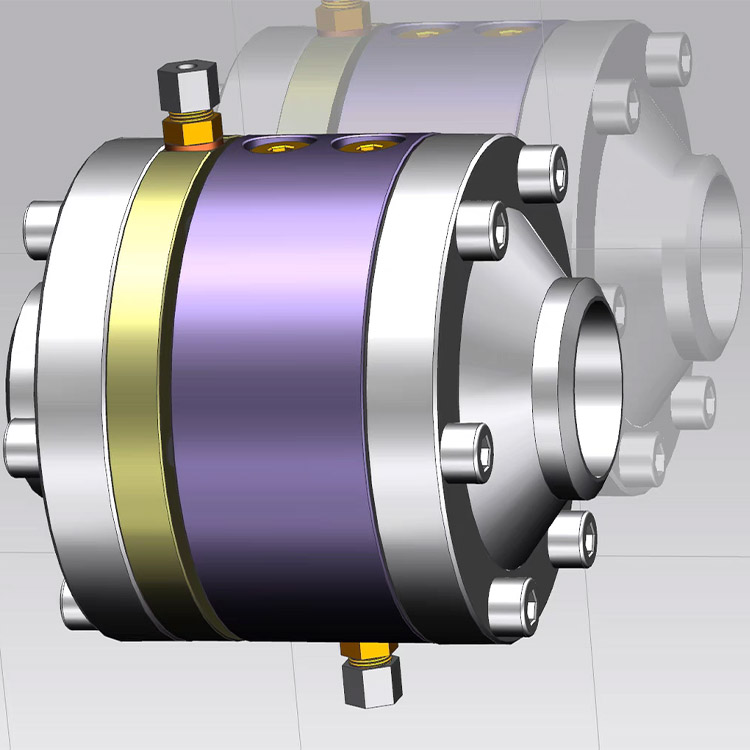


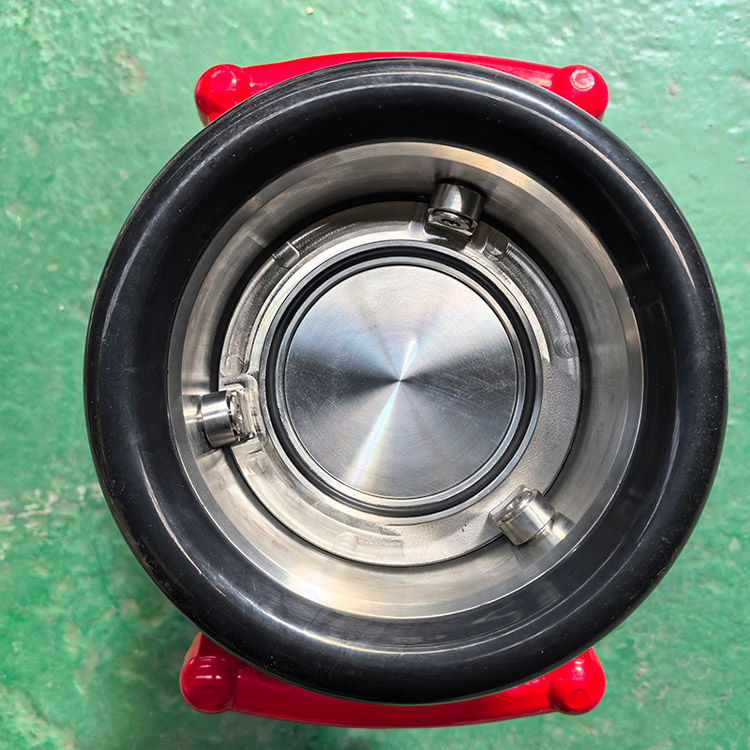
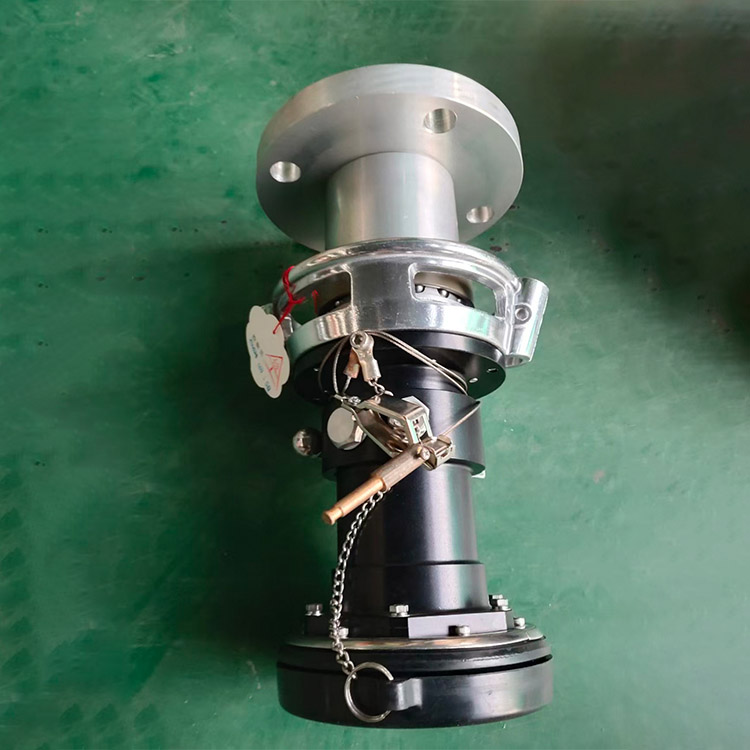
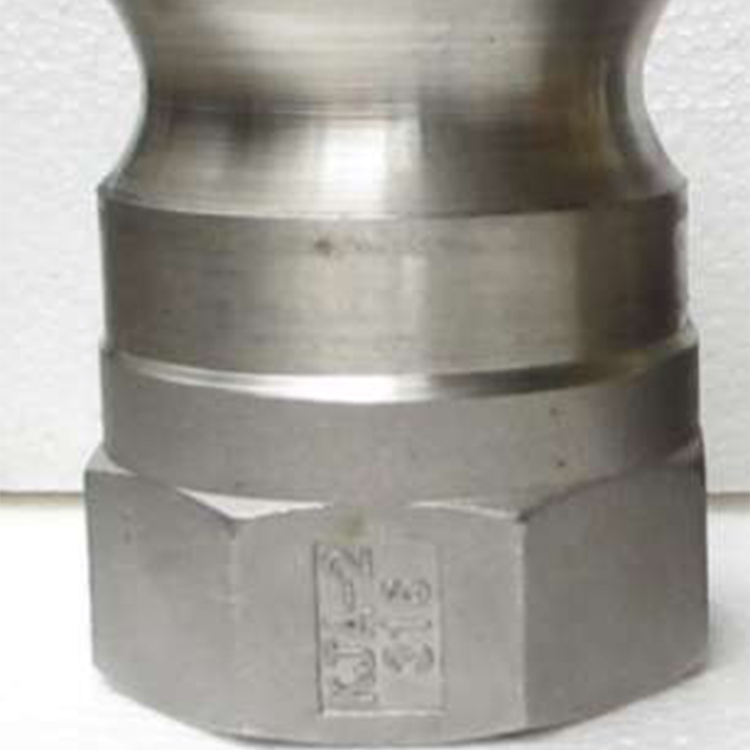
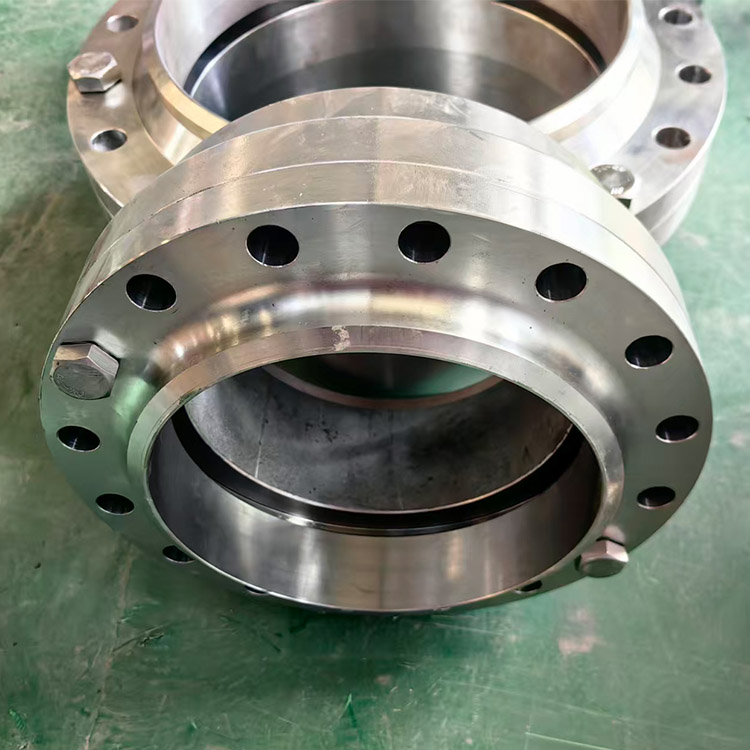





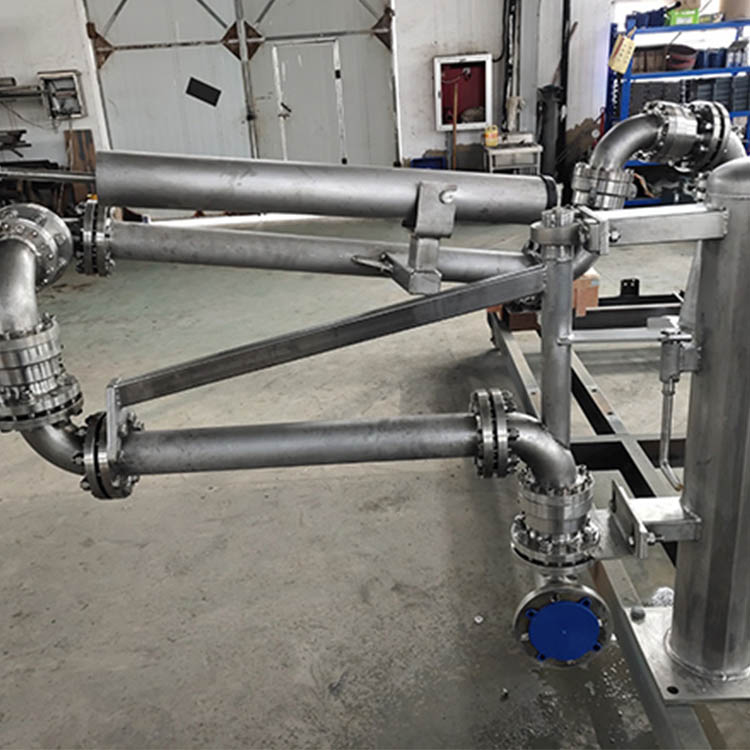
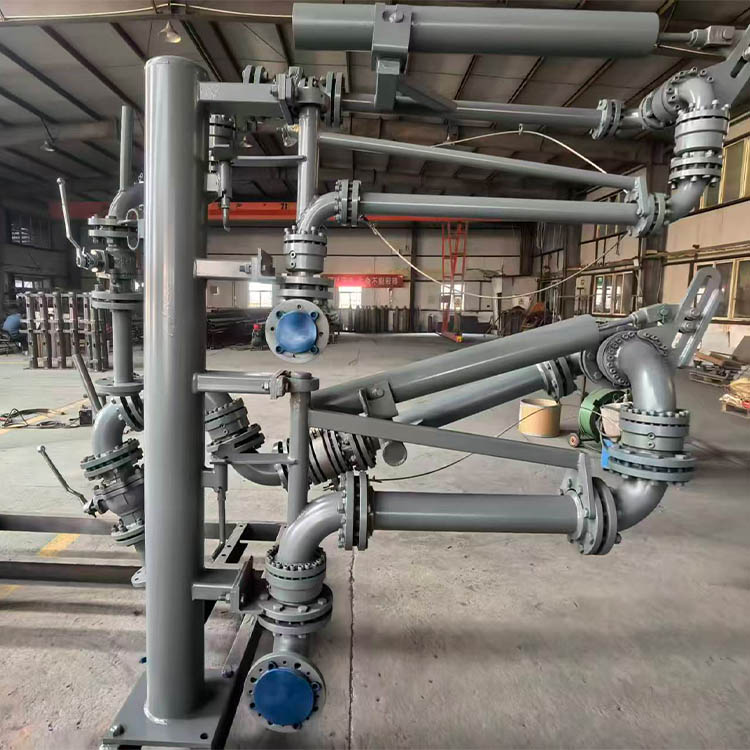
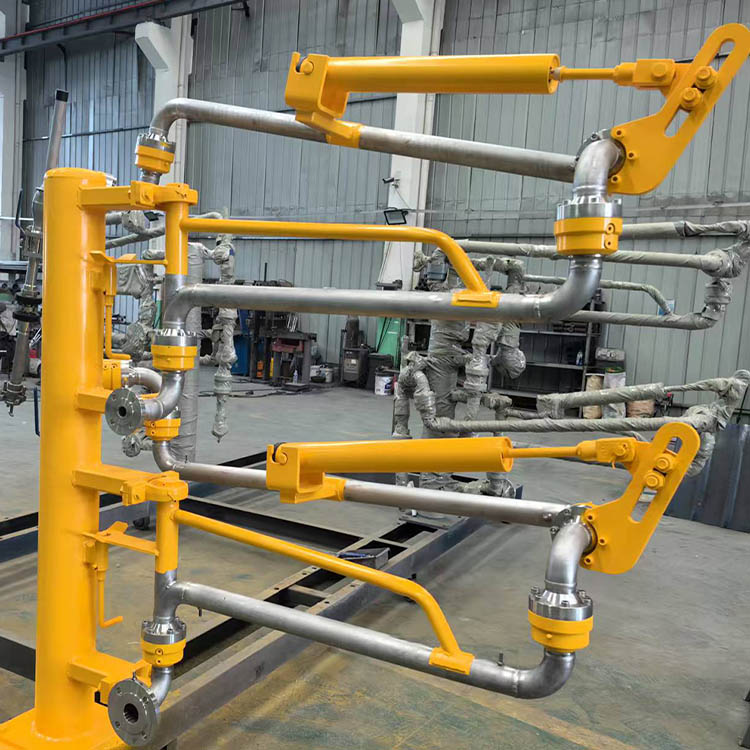
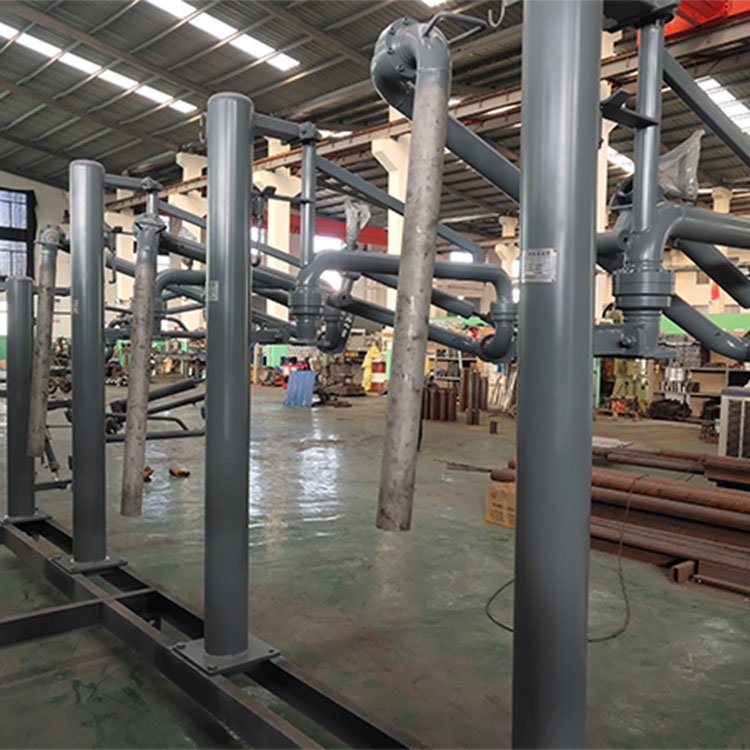
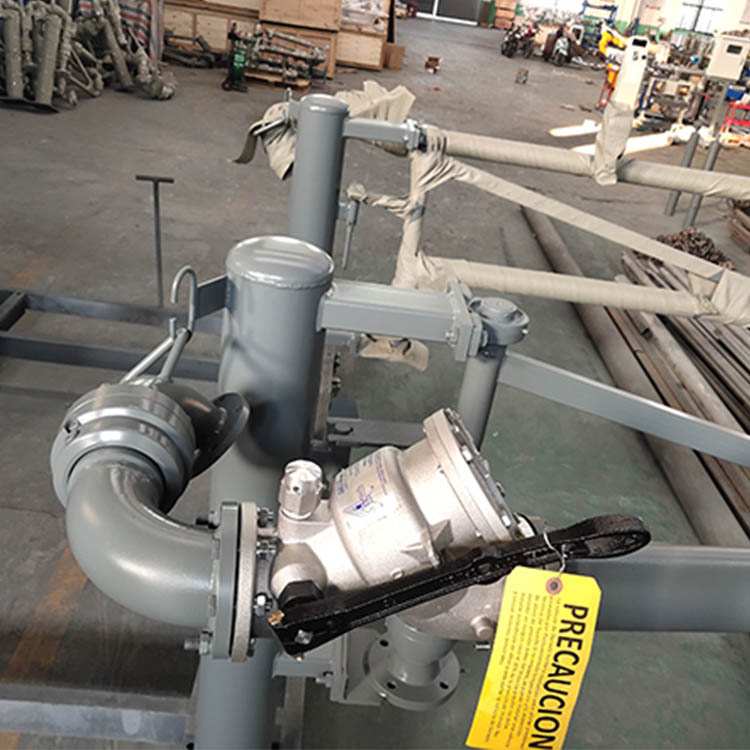
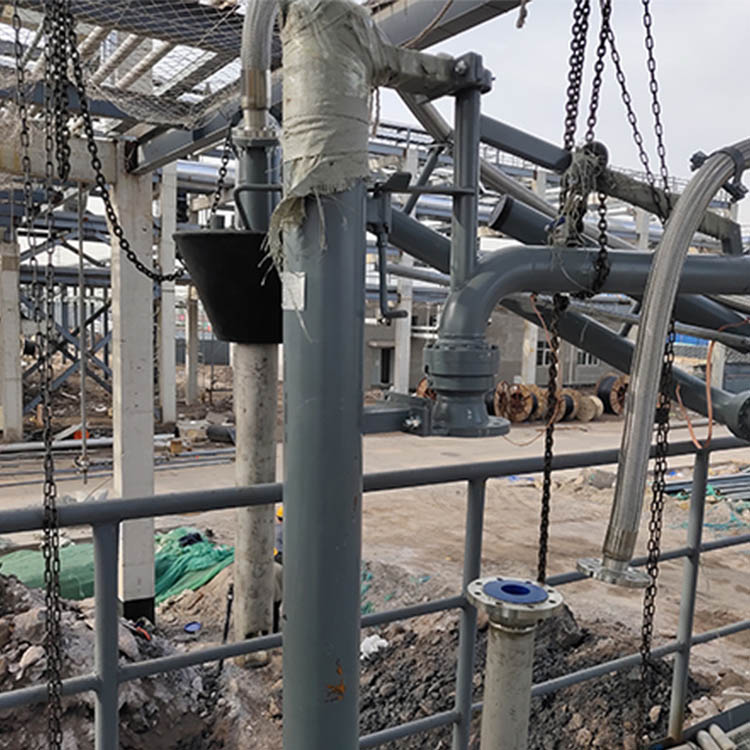
Low-temperature rotating joints are key components specifically designed for low-temperature conveying systems, primarily used to connect fixed piping with rotating equipment, ensuring that low-temperature fluids do not leak during transmission and can rotate flexibly. The following is a detailed introduction:
Structural Features
Sealed Structure: Generally utilizes special sealing ring materials, such as ultra-high molecular weight polyethylene (UHMW-PE), which offers excellent low-temperature performance and wear resistance. It maintains elasticity in low-temperature environments, ensuring reliable sealing. Some low-temperature rotating joints also employ combined sealing, floating seal structures, and are equipped with spring compensation to effectively address ice and frost issues.
Bearing Structure: The bearing section is completely separated from the sealing section, such as the SAC817 type low-temperature rotating union. It features a special ball track design, which allows for a significantly higher load capacity than conventional models. Moreover, in the event of a leak, the transmission medium will not enter the ball track.
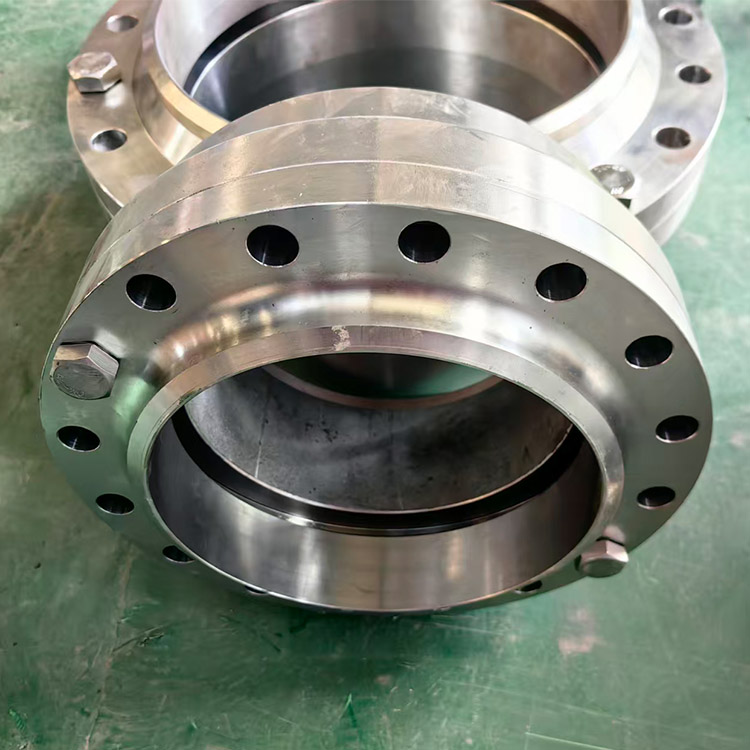
Split-Type Design: Certain low-temperature rotating joints feature a shell separation structure, such as the shell separation anti-freezing low-temperature fluid rotating joint. The outer shell and rotating sealing flange are separable for ease of manufacturing and maintenance. All bearings are housed within a sealed cavity, preventing rolling elements from freezing and eliminating the need for a nitrogen blow-off system.
Replaceable Sealing Ring Design: Some swivel joint designs facilitate the replacement of sealing rings, such as by simply opening the flange to change the sealing ring, without removing the ball bearing from the joint.
Main Parameters
Temperature Range: Generally operates within a temperature range of -195℃ to +70℃.
Maximum Pressure: The maximum pressure of low-temperature swivel joints varies by model, with the SAC817 model reaching up to 120bar.
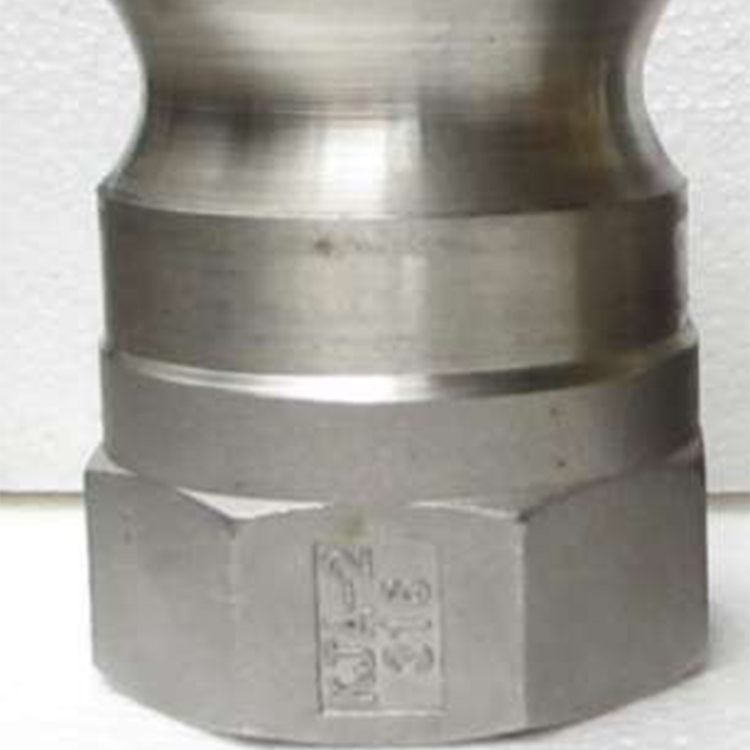
Material: The flange, outer body, and inner body are typically made of Austenitic stainless steel, such as AISI 304, which offers excellent low-temperature toughness and corrosion resistance.
Application Fields
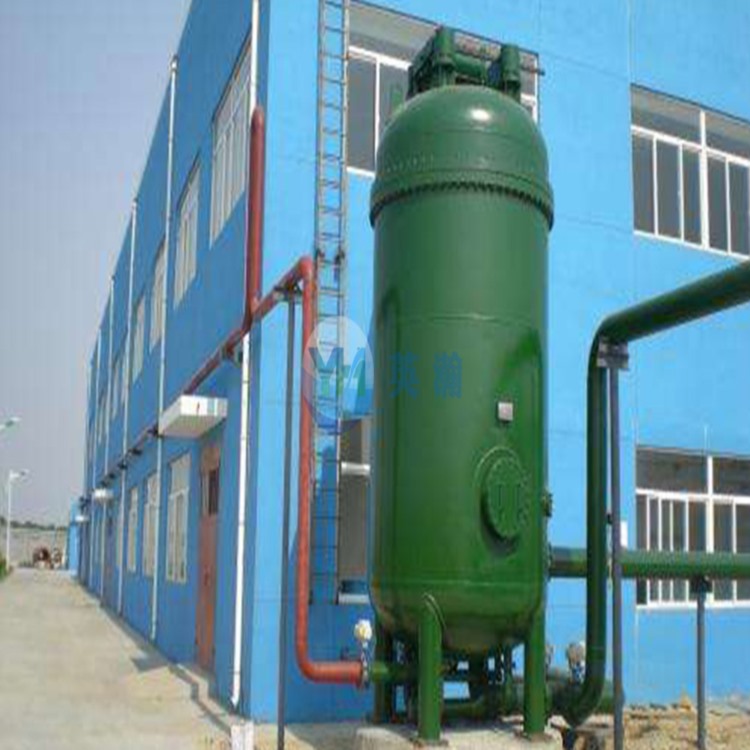
Low-temperature rotating joints are widely used in situations requiring the conveyance of low-temperature media. For instance, in the industrial gas sector, they are used for the transportation of liquid nitrogen, liquid oxygen, and others; in the power generation industry, they can connect low-temperature pipelines with related equipment; in ship operations, they are suitable for the loading and unloading of low-temperature liquids; and in the aerospace field, they have their application scenarios, such as the transmission of low-temperature propellants.
Advantages
Ensure sealing performance: Maintain excellent sealing under low-temperature conditions, prevent leakage of low-temperature mediums, and avoid safety hazards and medium waste caused by leakage.
Ensure Rotational Flexibility: A special structural design allows the swivel joint to rotate freely even at low temperatures, meeting the equipment's rotational movement requirements.
Extend Service Life: Utilizing materials with low-temperature resistance and abrasion resistance, along with reasonable structural design, the service life of the rotating joint is enhanced, while maintenance costs are reduced.