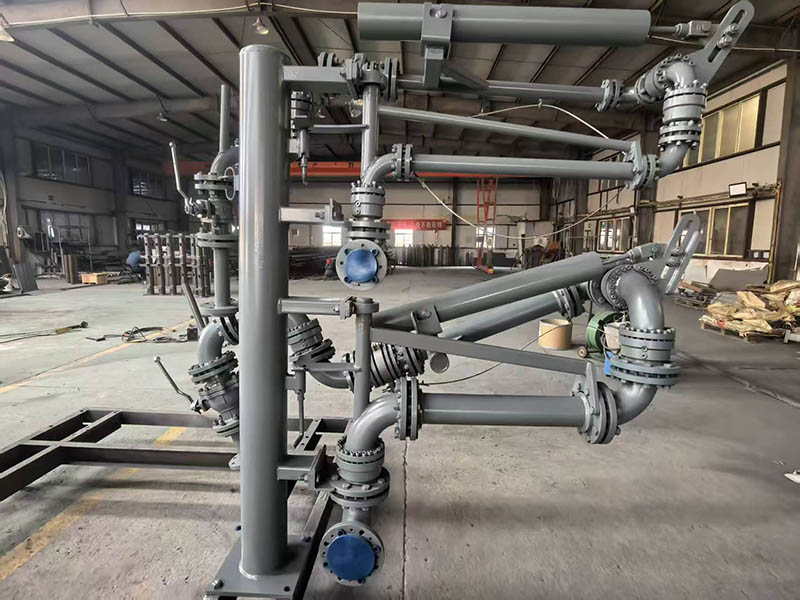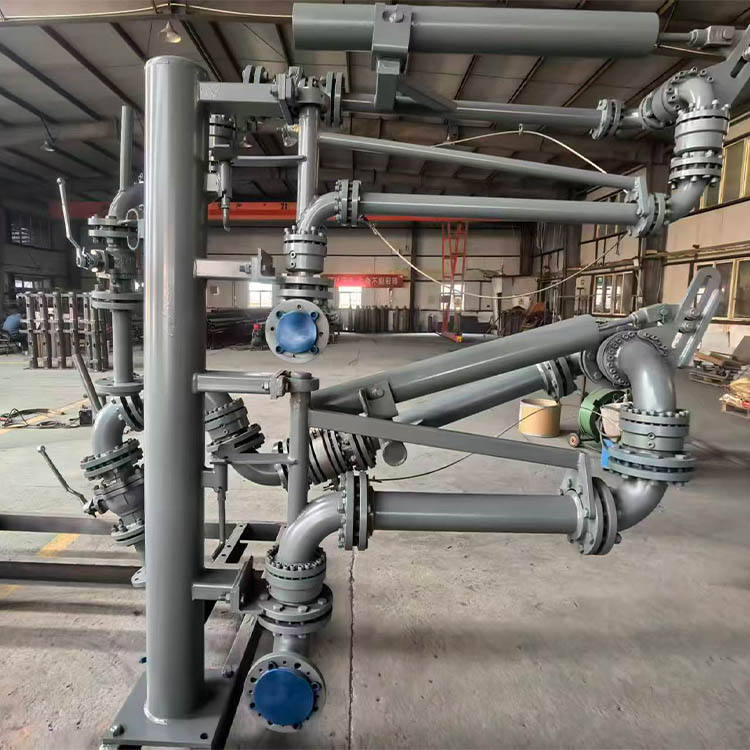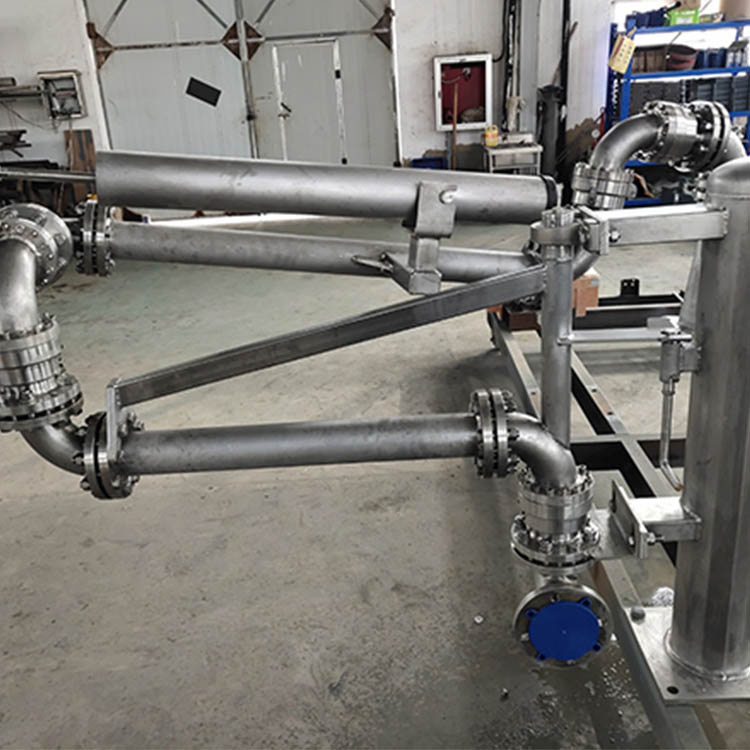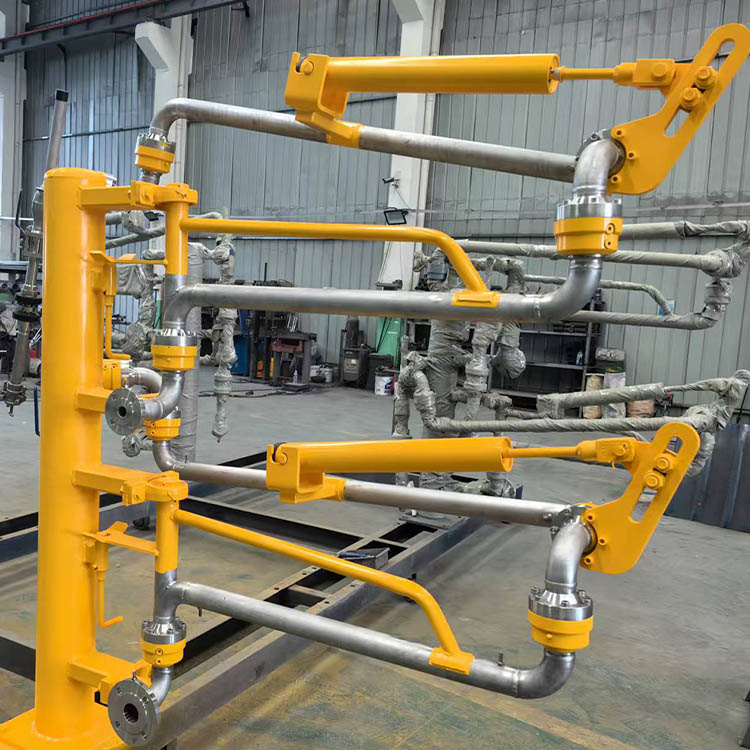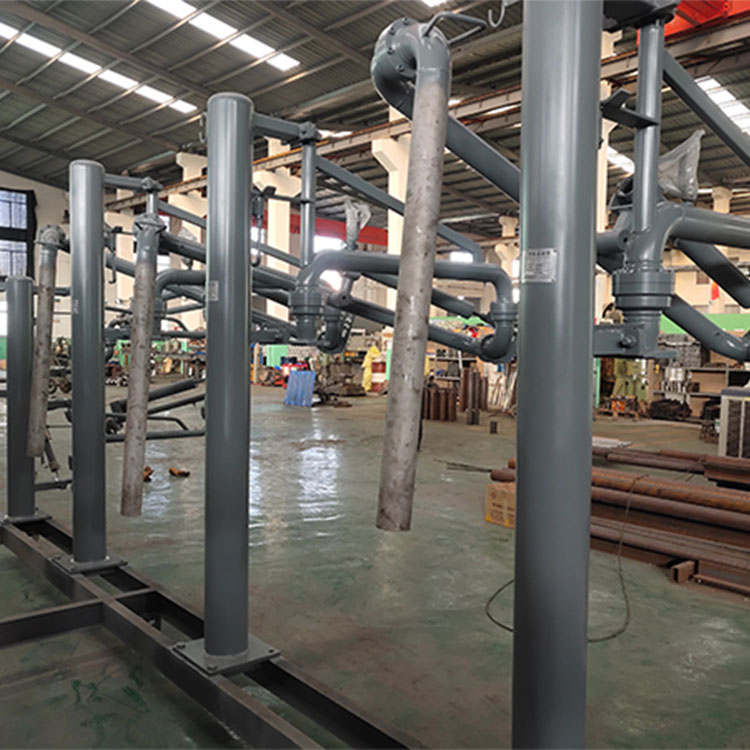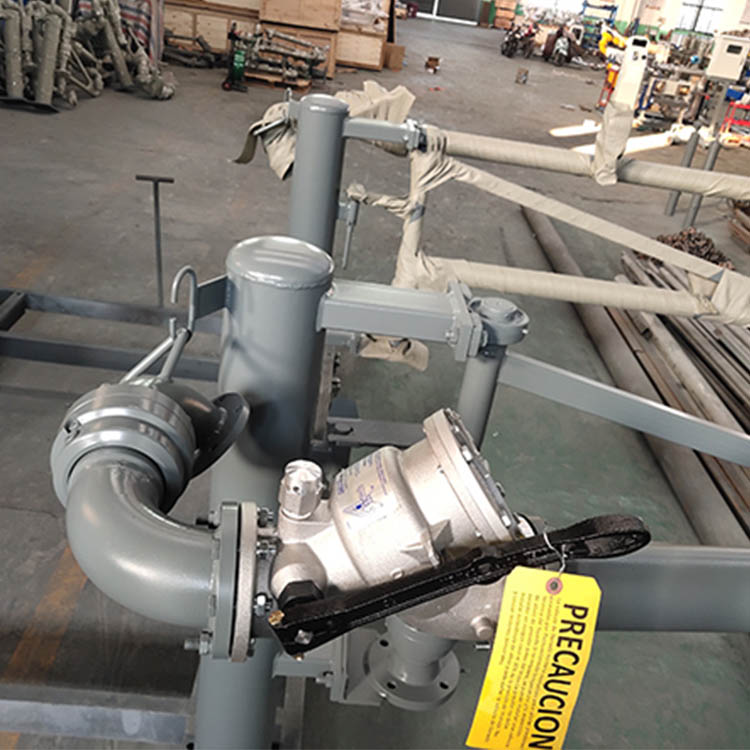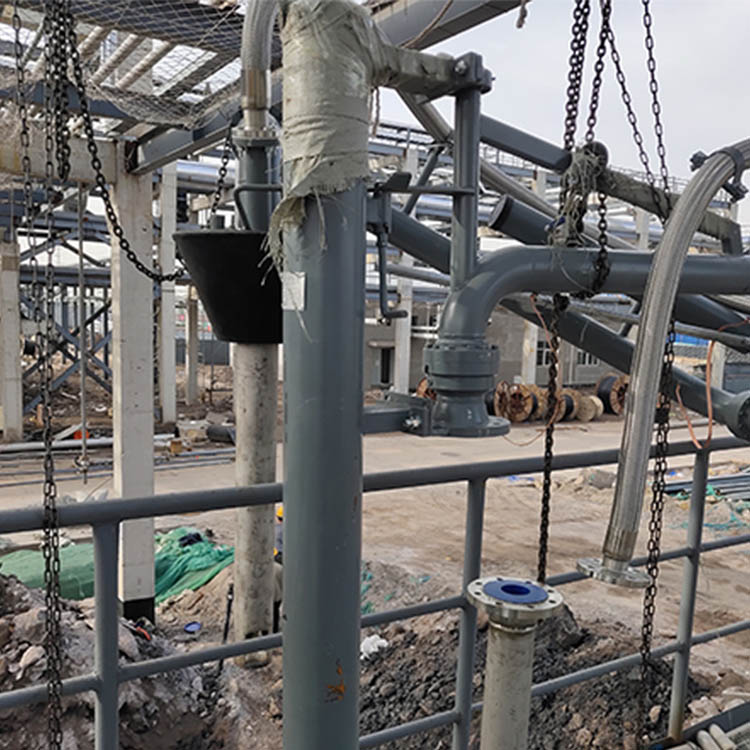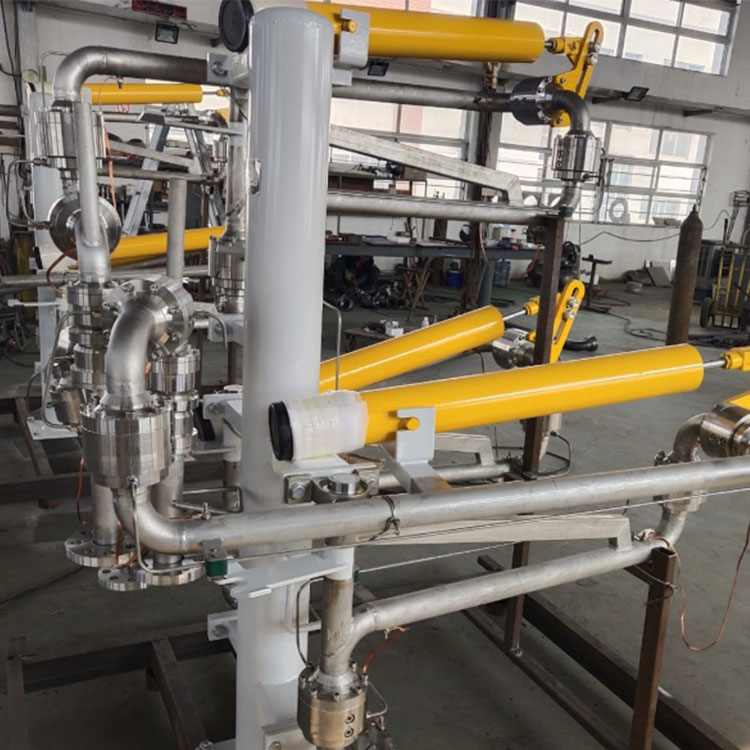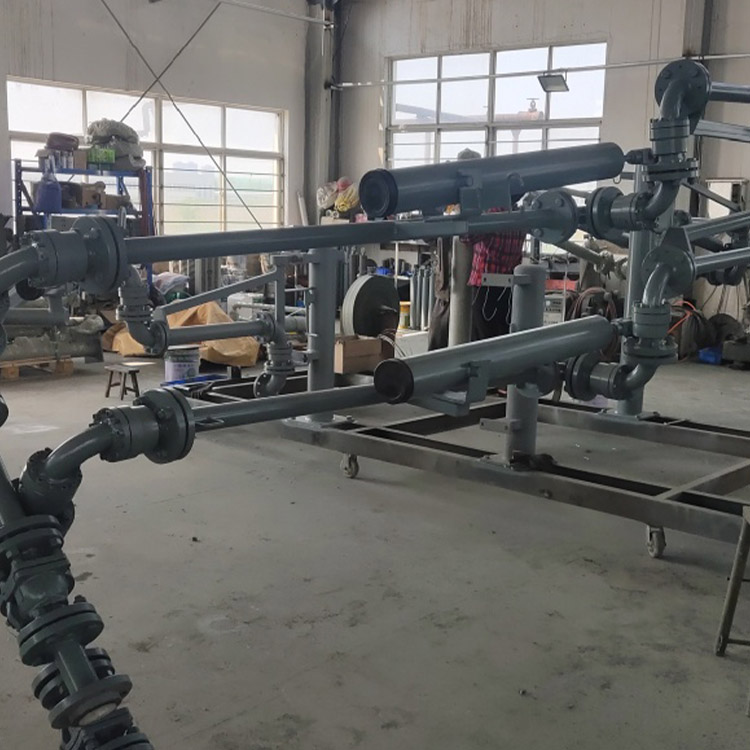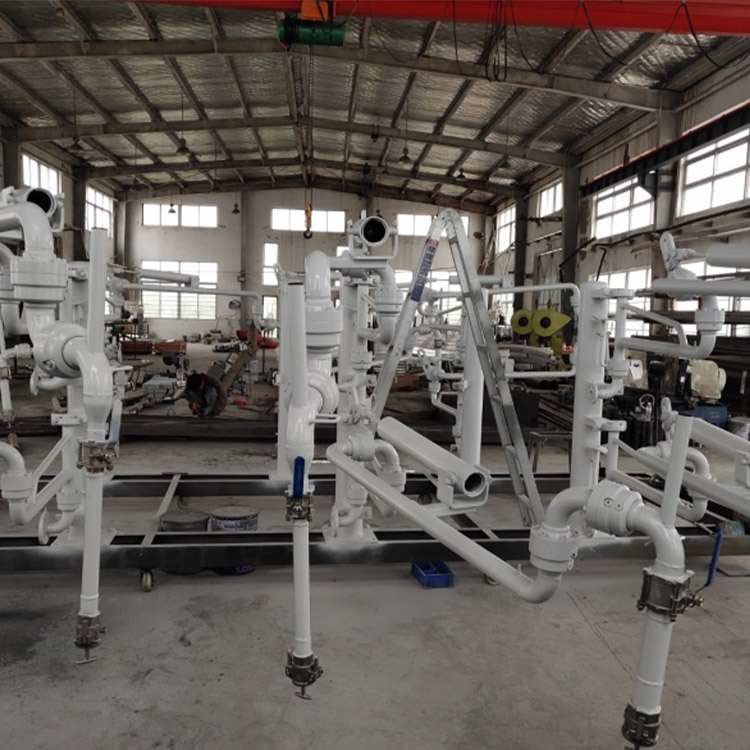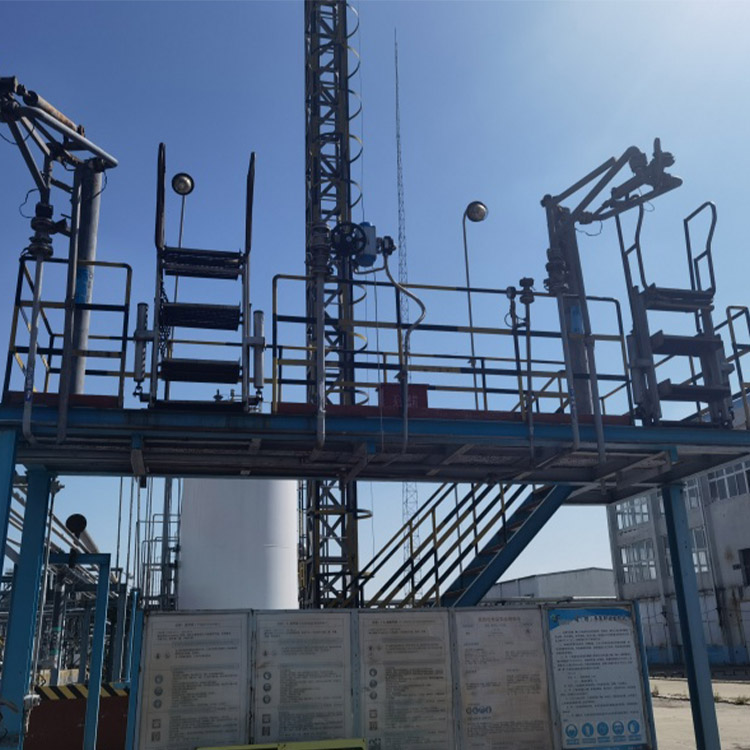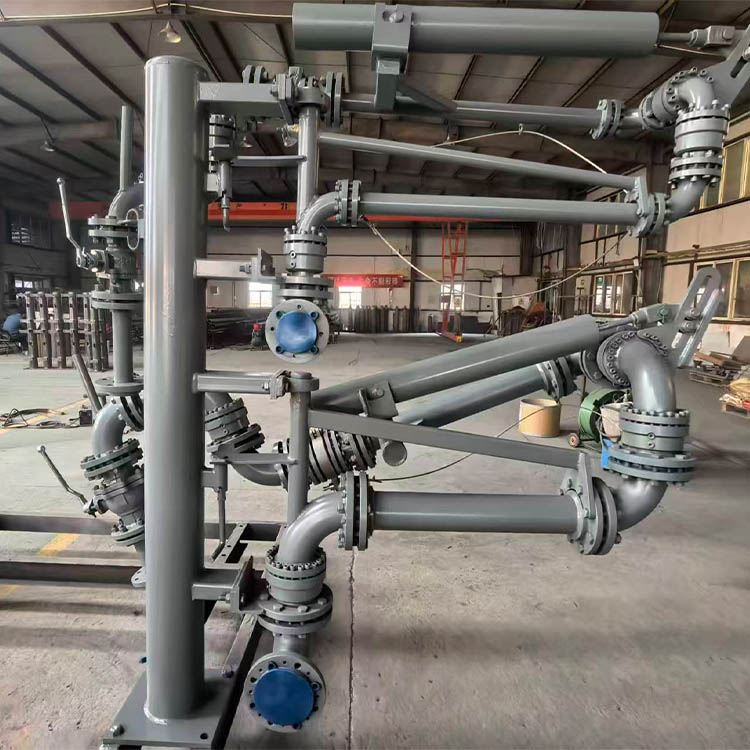

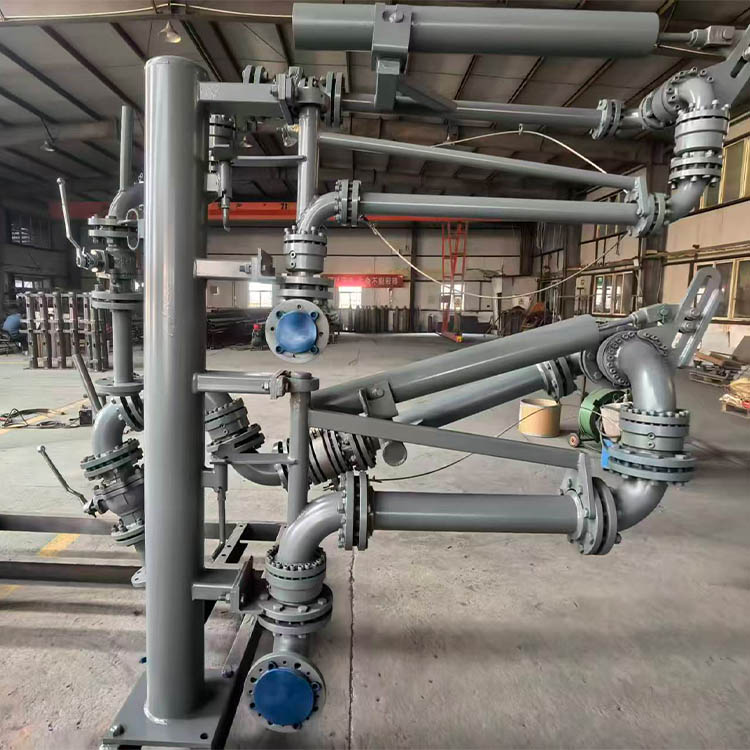
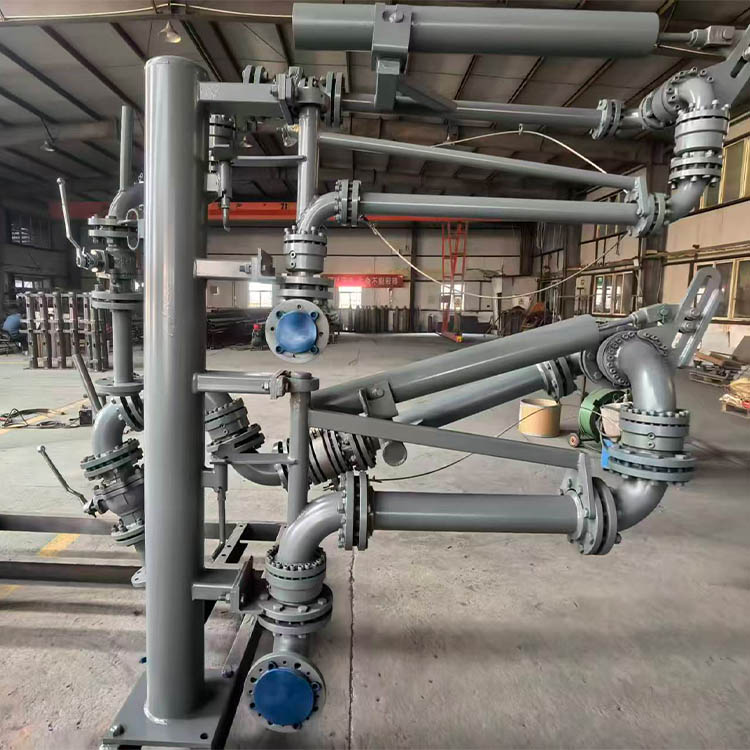
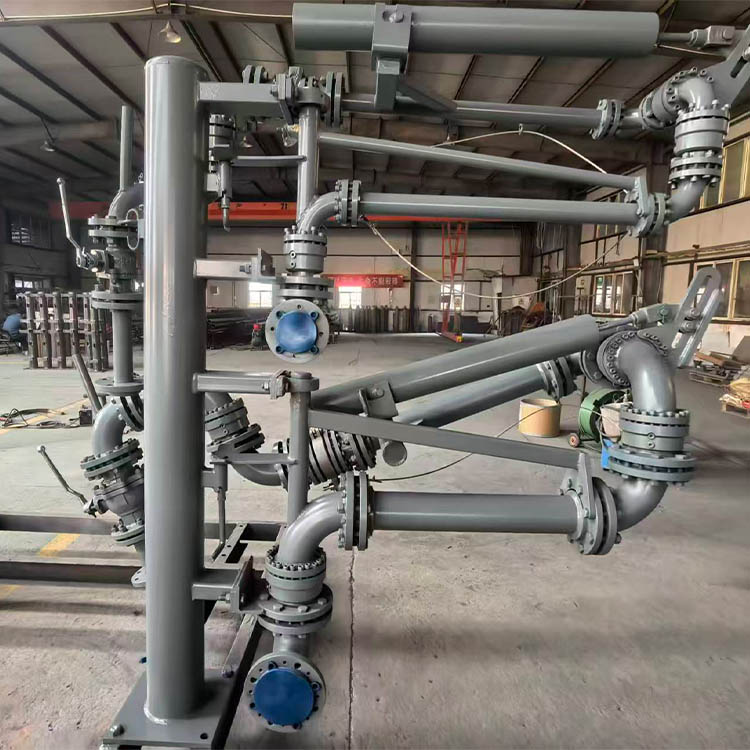


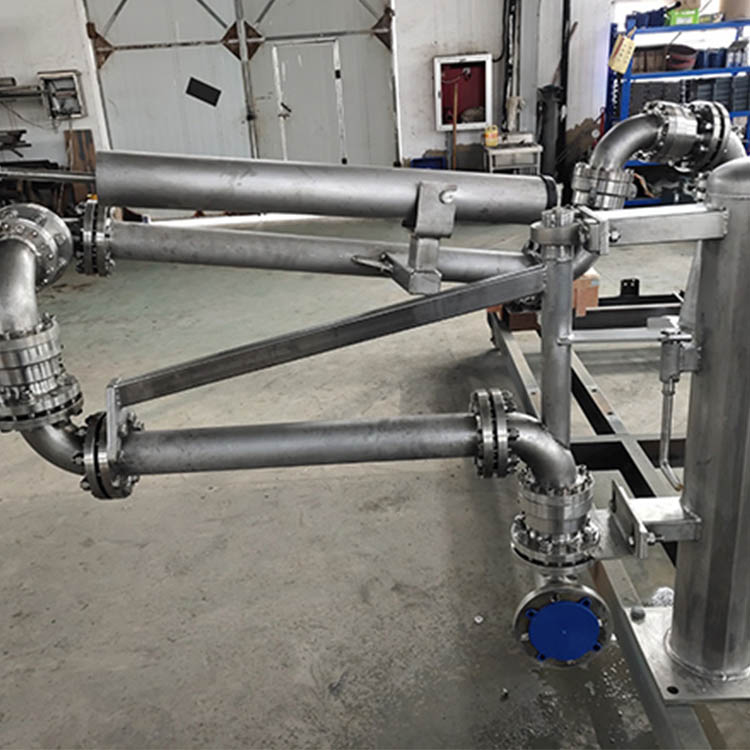
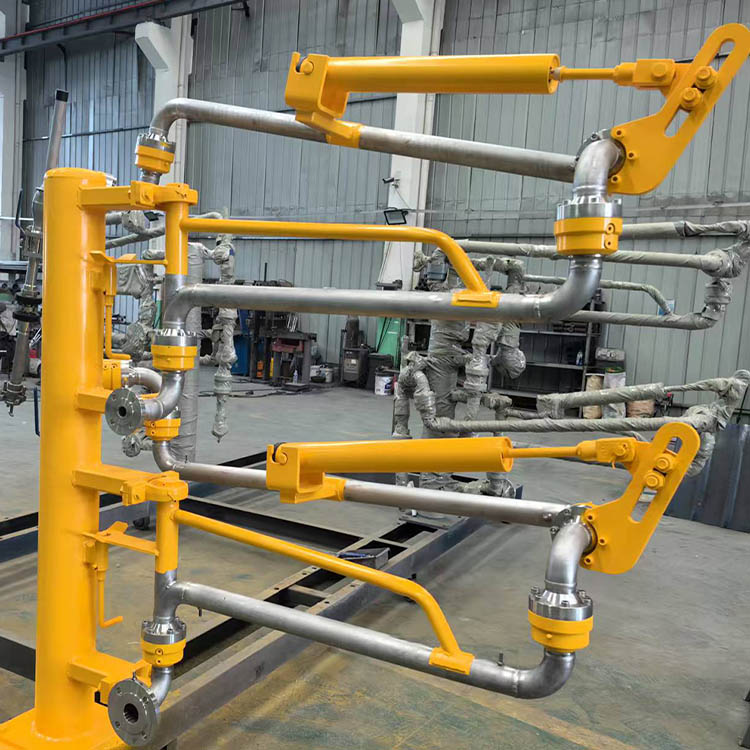
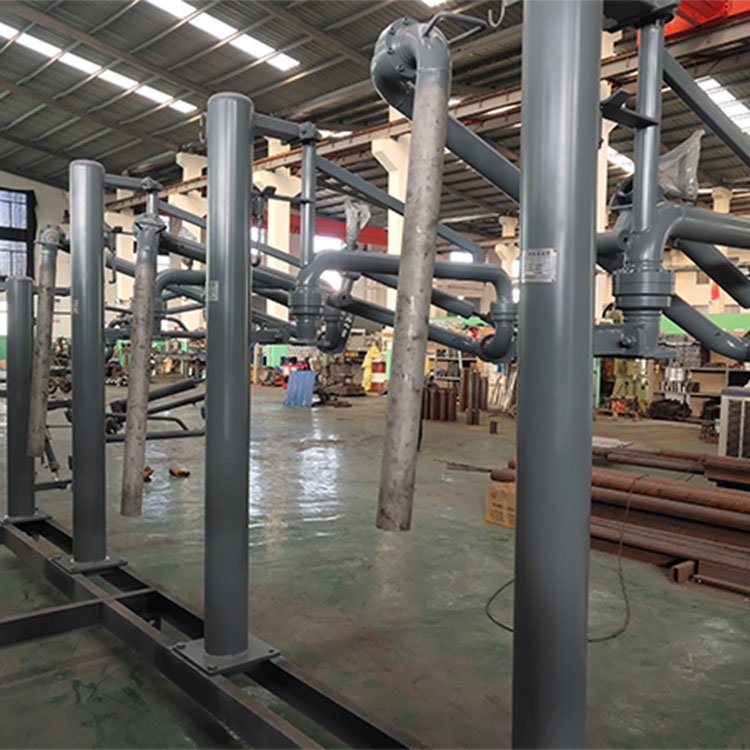
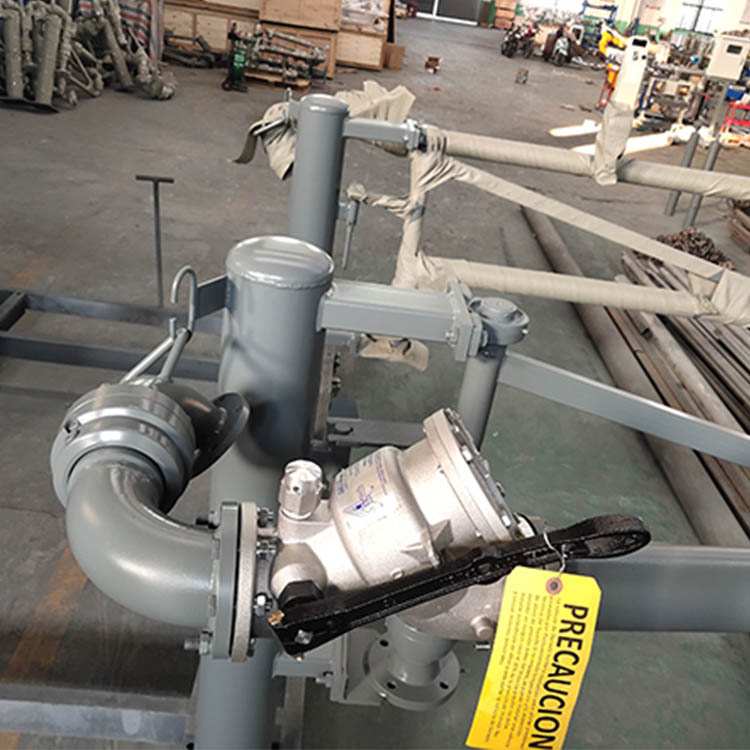





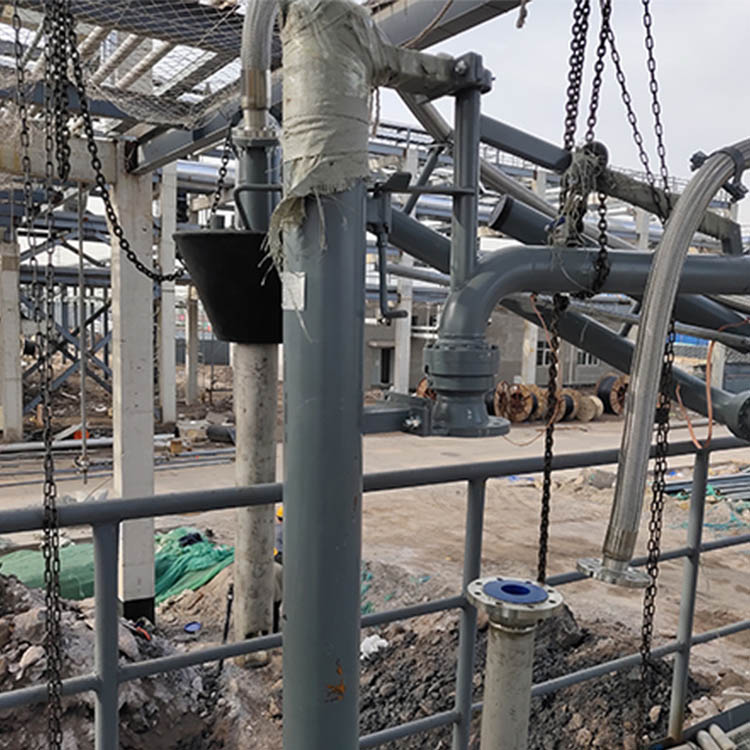
A steel-lined swan neck pipe is a conveying pipeline with a specific material lined on its inner wall, combining the mechanical strength of steel with the corrosion and wear resistance of the lining material. It is primarily used for loading and unloading operations at the top or bottom of tank trucks.
Structural Features: Steel-lined Herringbone pipes use steel as the frame and undergo a lining treatment with high-strength, corrosion-resistant materials on the inner wall. The steel provides pressure-bearing and shock resistance, while the lining ensures corrosion and wear resistance. The lining material is typically selected based on the medium properties of the customer, with common options including PTFE (Teflon), rubber, or glass fiber reinforced plastic (GFRP).
Working Pressure: The working pressure of general steel-lined flexible hoses typically ranges from -0.08 MPa to 2.5 MPa, capable of meeting the medium transportation needs under various operating conditions.
Applicable Medium: Steel-lined鹤管 is suitable for transporting strong corrosive media such as strong acids and alkalis, and is widely used in industries like oil, chemicals, and ports.
Technical Advantages
High mechanical strength: The outer steel pipe bears the main mechanical load, ensuring the structural safety of the pipeline and its ability to withstand certain pressures and impacts.
Excellent corrosion resistance: The inner lining effectively resists medium corrosion, significantly extending the service life compared to the crane pipe made from traditional ordinary steel pipes.
Low maintenance costs: Its corrosion and wear resistance characteristics reduce the need for frequent replacement and repairs, thereby lowering operational costs.
Wide Environmental Adaptability: Suitable for various harsh industrial environments such as marine, petrochemical, and chemical industries.
Safety Assurance: Some steel-lined flexible hoses are equipped with a bursting disc that automatically breaks under abnormal tension, effectively preventing pipeline damage or liquid leakage risks, establishing a dual protection system.