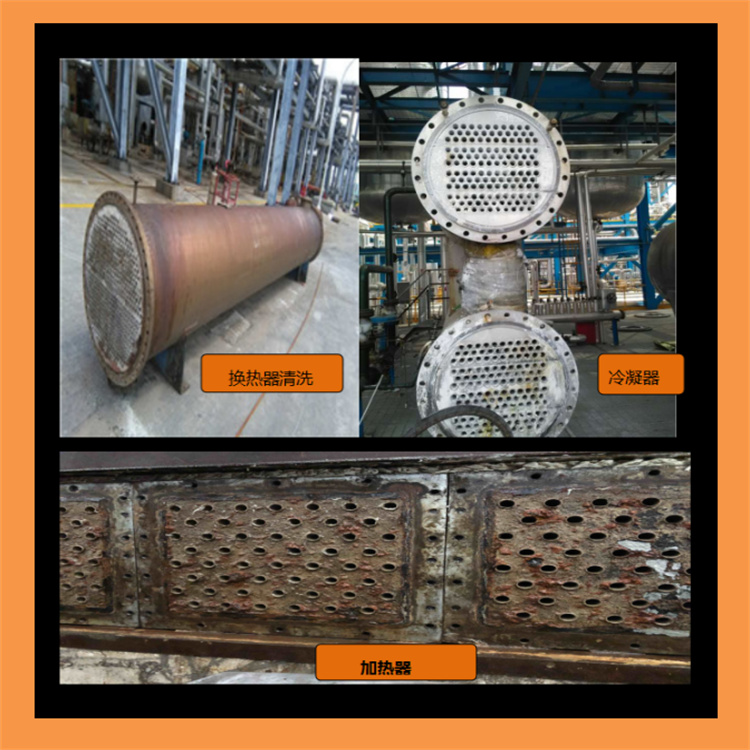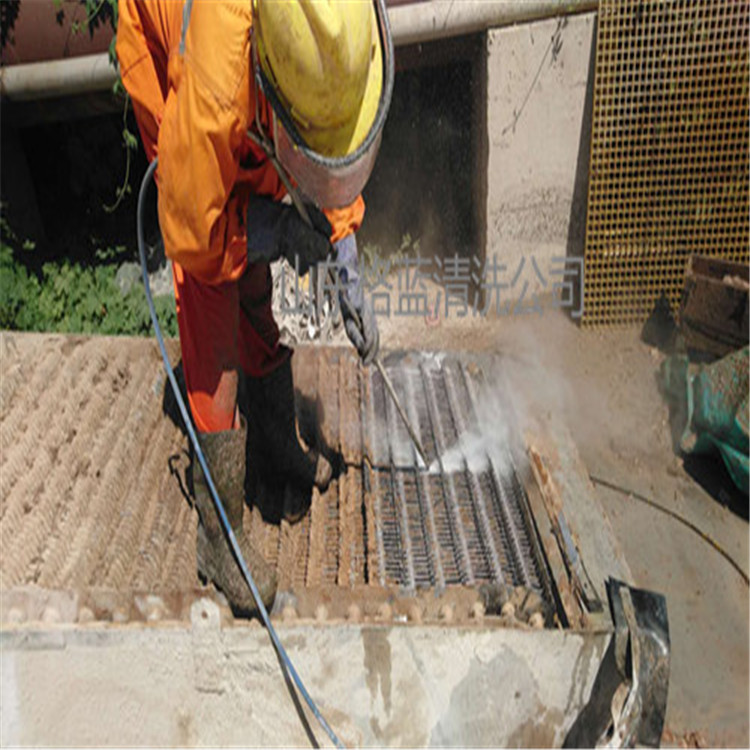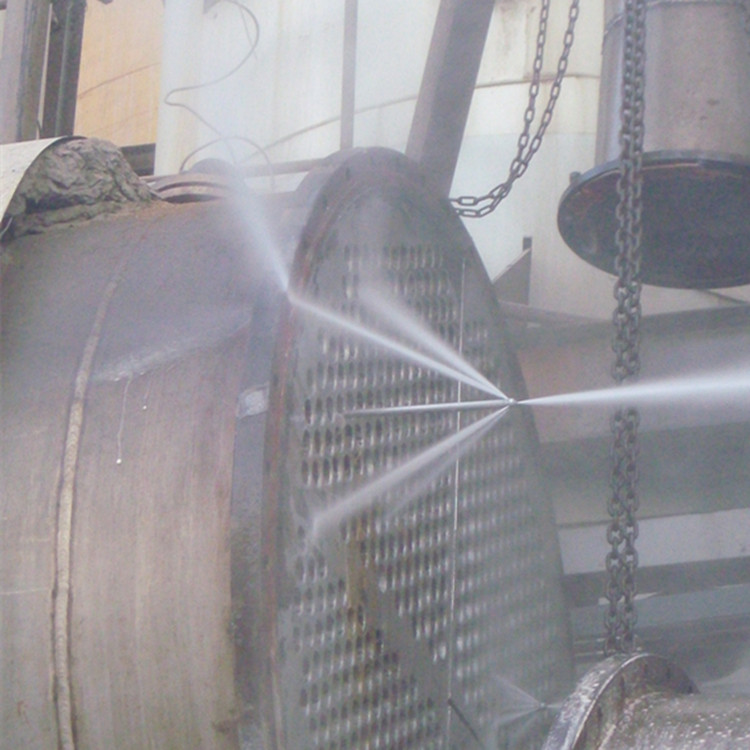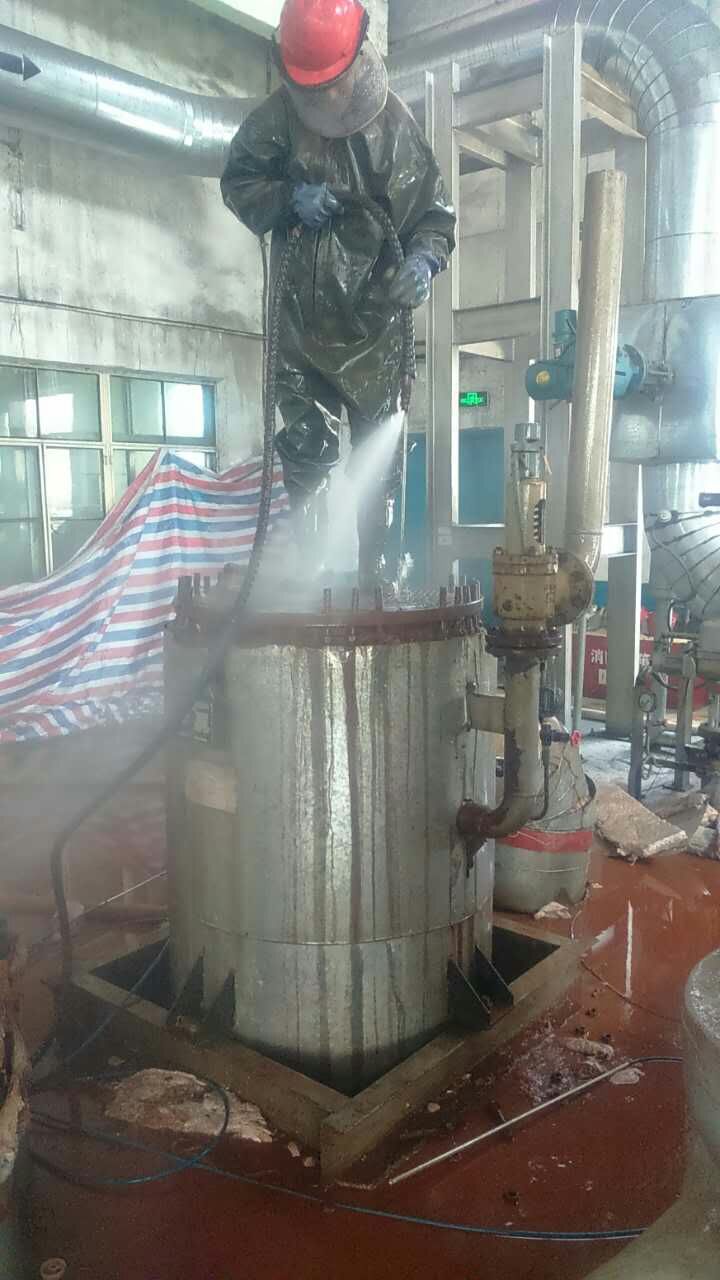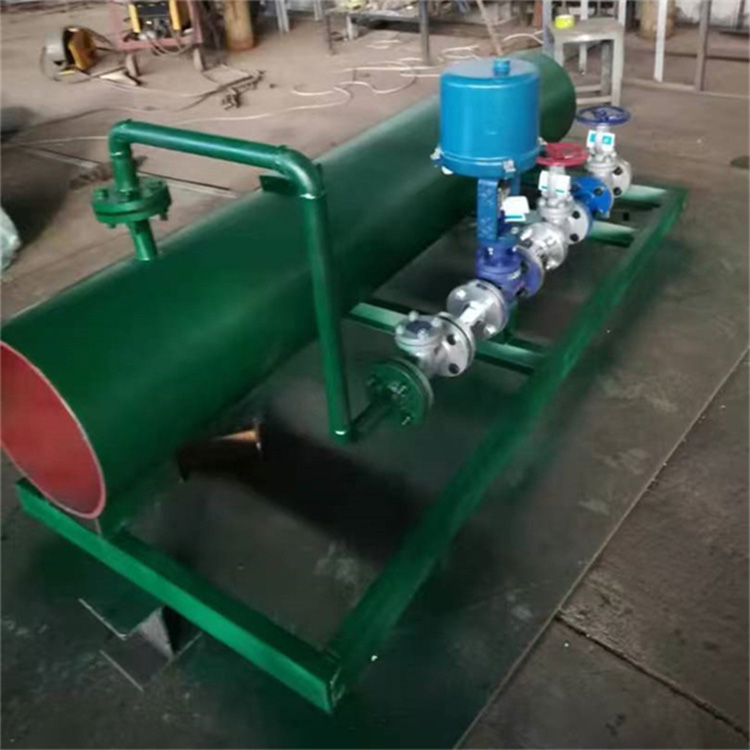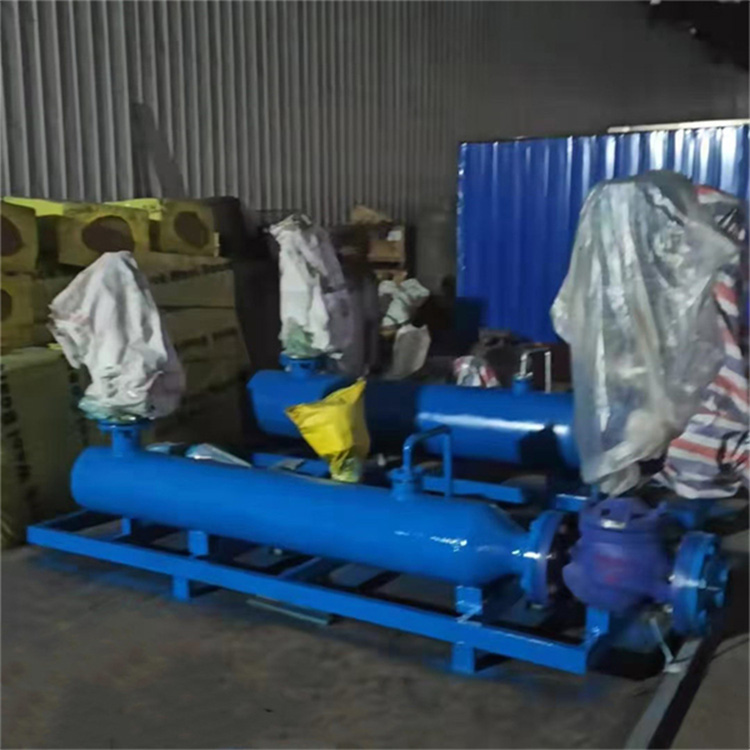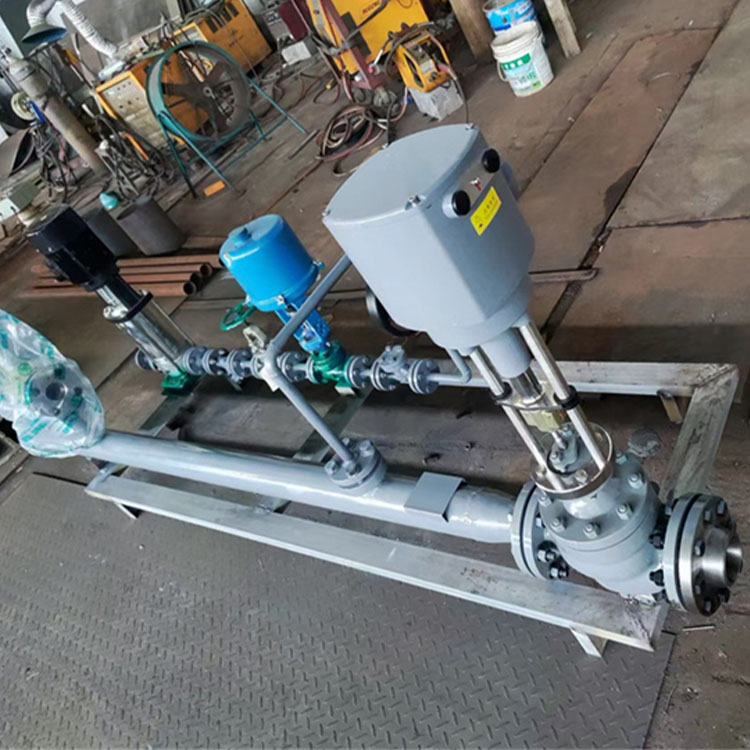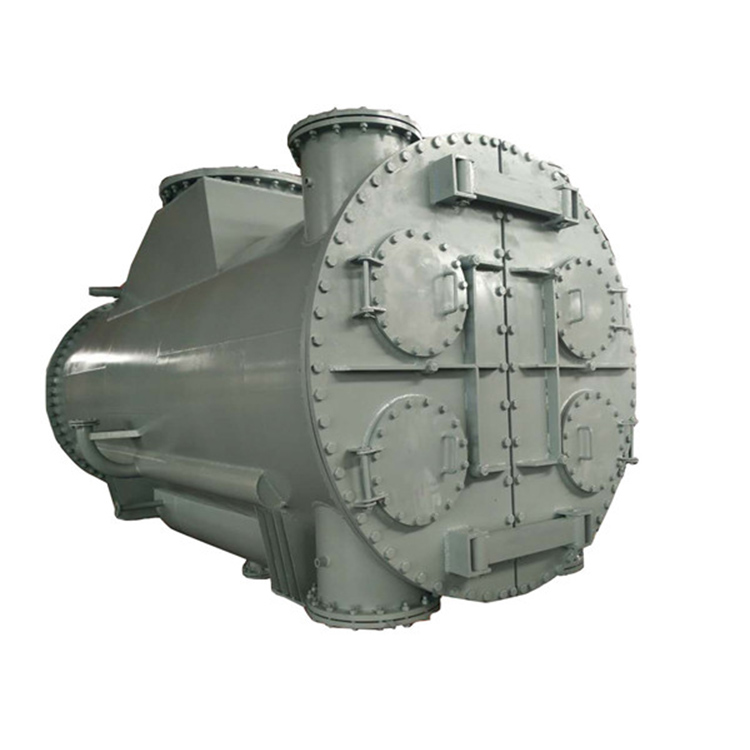


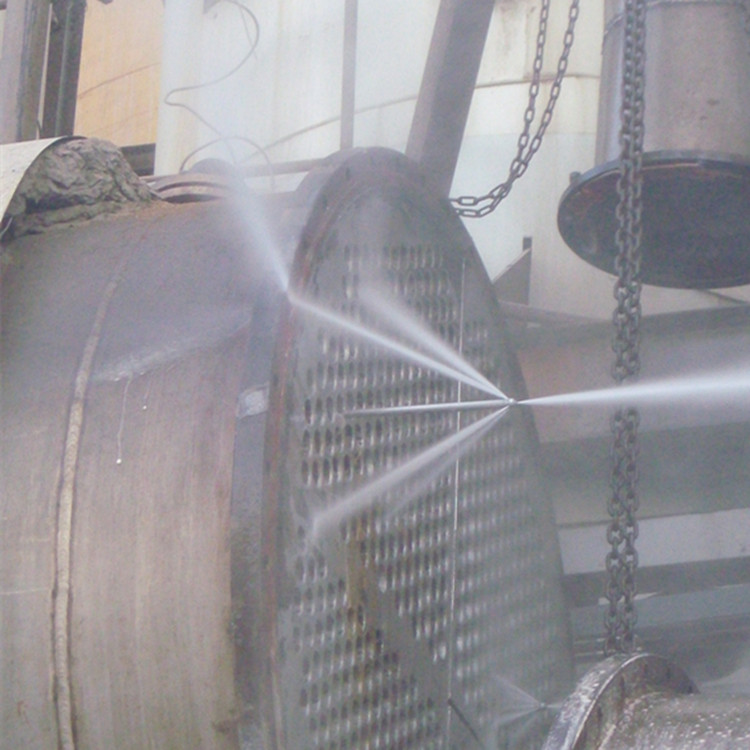
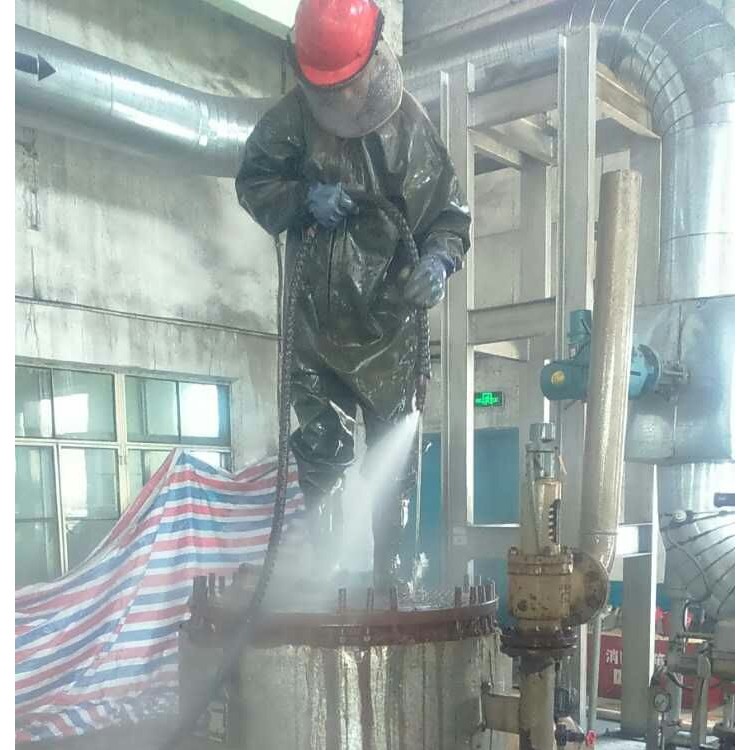


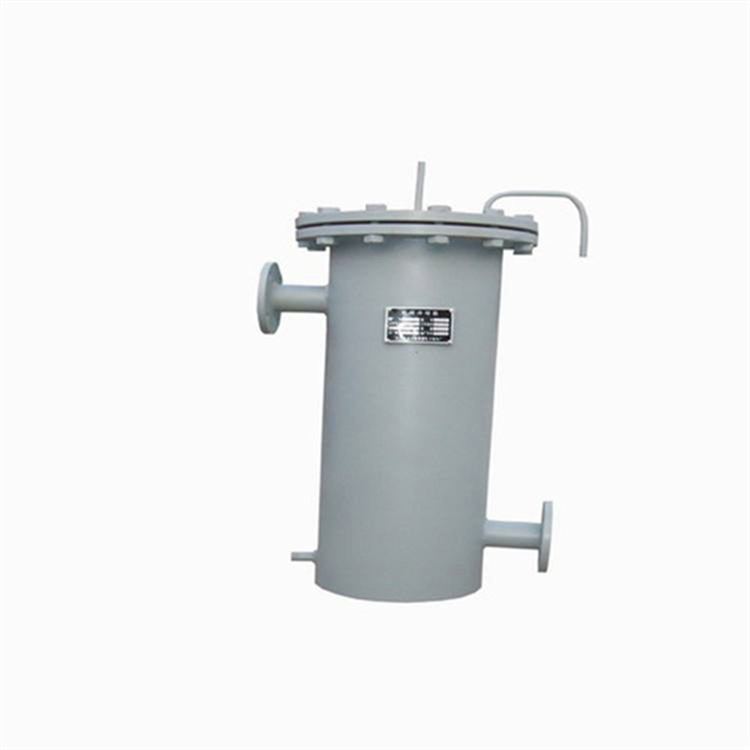
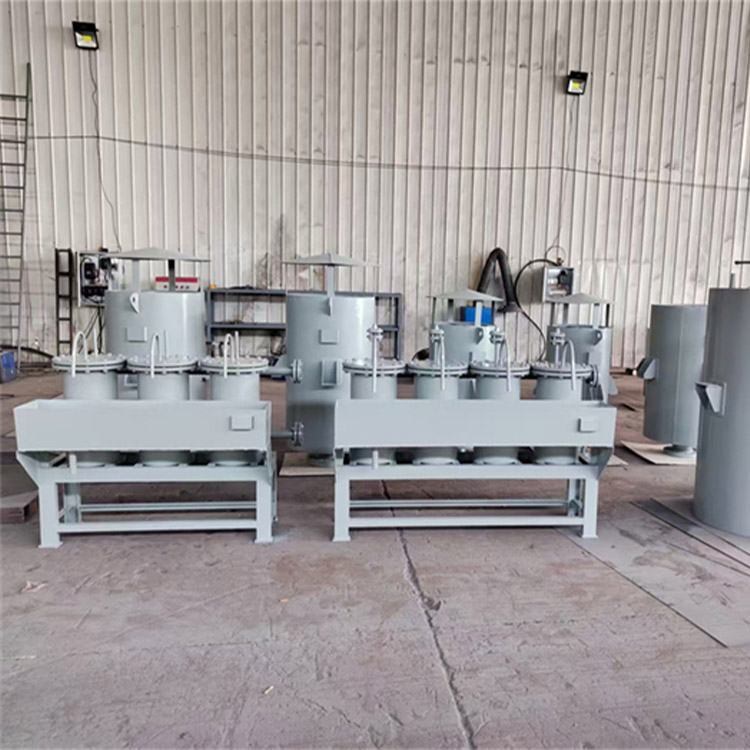





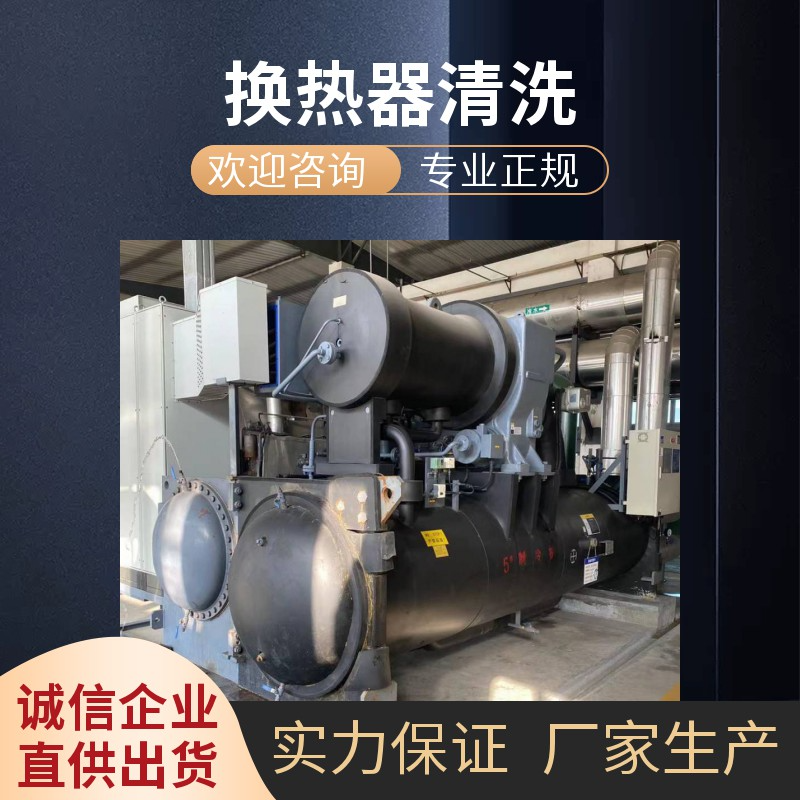
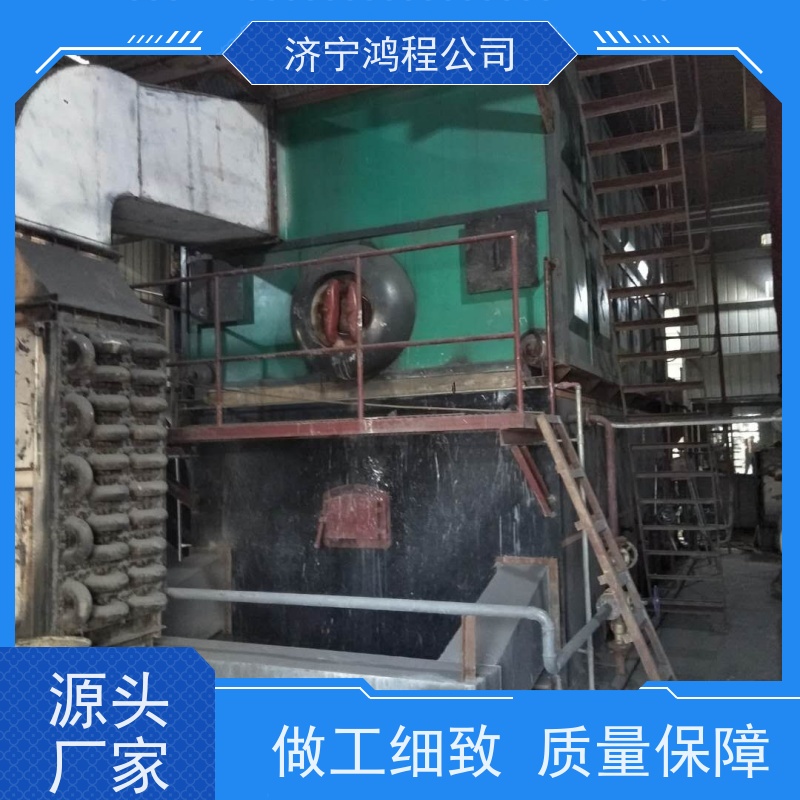
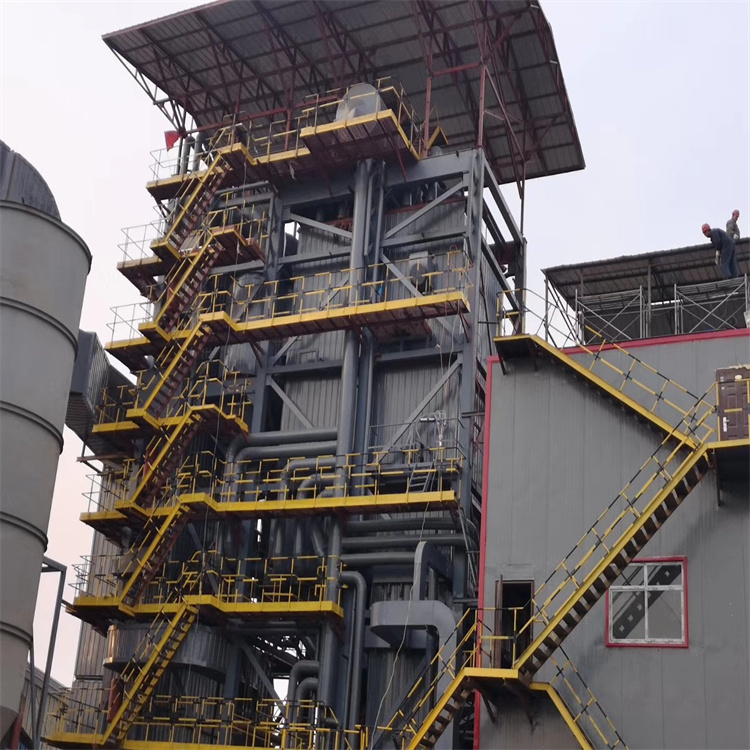

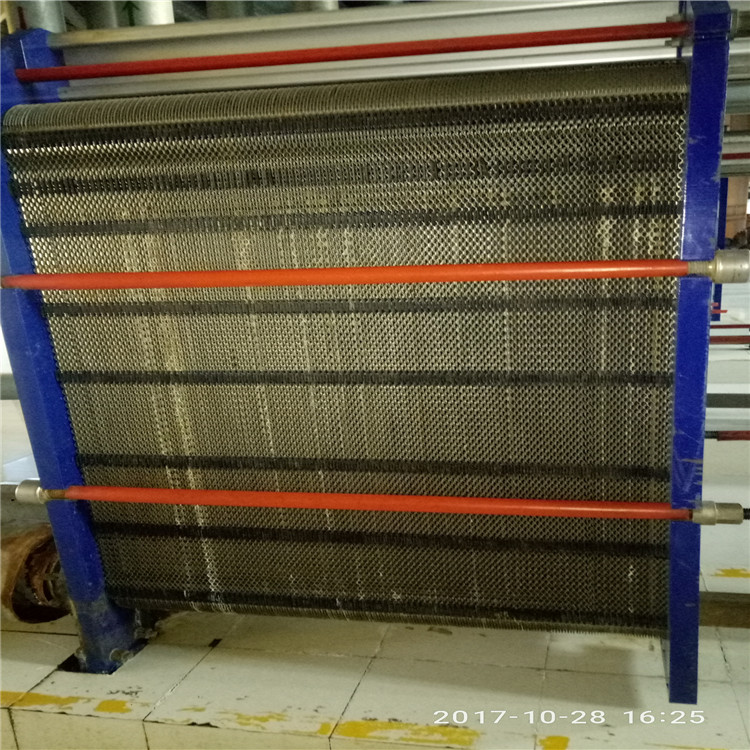
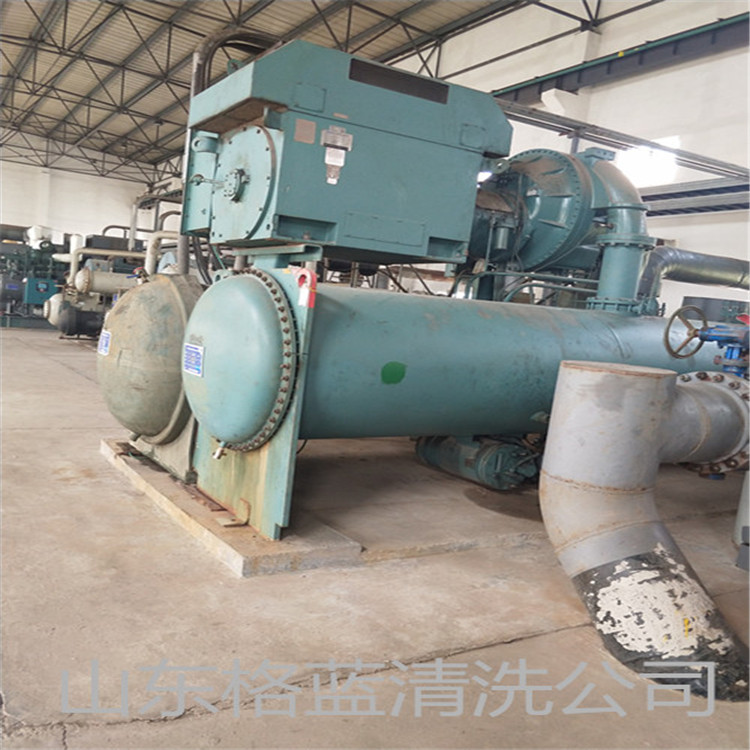
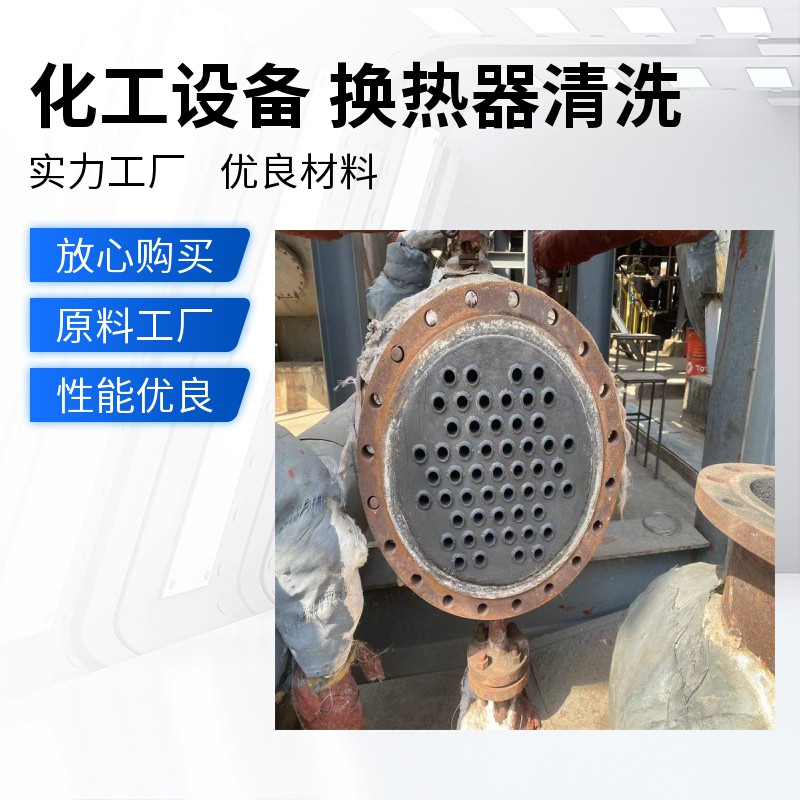
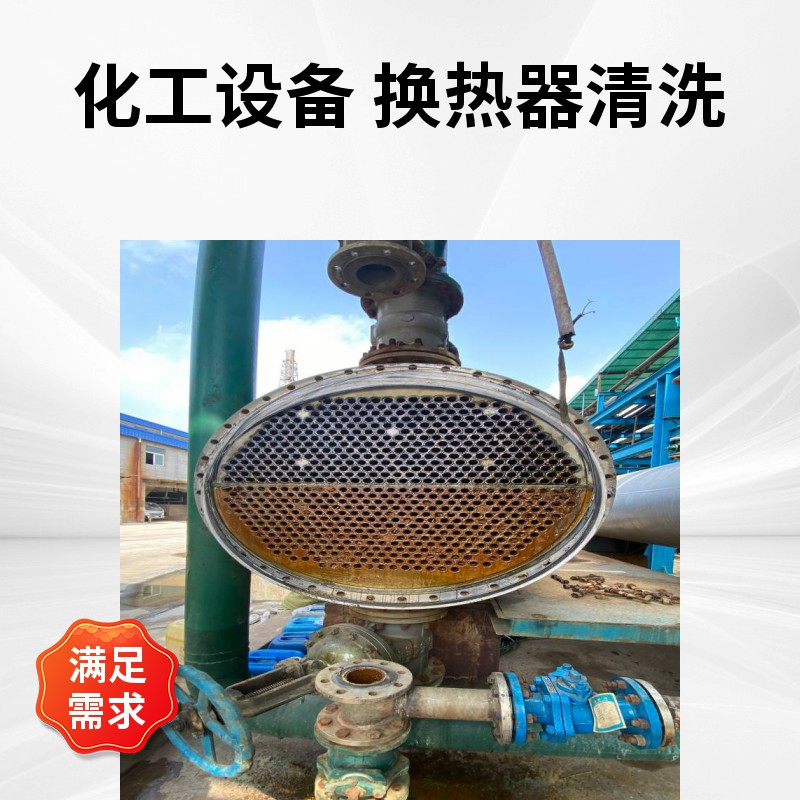
Due to traditional thinking patterns, as well as the scarcity and lack of cleaning technology resources, most companies and individuals still view the impact and removal process of fouling in heat exchangers through traditional "destructive" methods and concepts such as mechanical cleaning, high-pressure water, and chemical acid washing. Moreover, they simply believe that equipment cleaning is only considered when it significantly affects production, unaware that the formation of scale continuously impacts a company's energy consumption and eats into their profits. Furthermore, to merely reduce cleaning costs, they opt for cleaning methods that damage and corrode equipment, leading to equipment scrapping and production halt, incurring costs hundreds to even thousands of times higher than those of the cleaning agents.
Scale formation:
The crystallization of inorganic salts dissolved in the pipeline forms scale on the heat exchanger surface, such as condensers, reducing the heat exchange efficiency and cooling performance, which can drop by up to 30% in severe cases. Simultaneously, the increase in hard scale leads to an increase in electricity consumption, up to 35% in severe cases. Biological slime: Due to the formation of sediment and silt in water, along with organic matter, and the slime formed by bacteria, algae, and other microorganisms and their secretions, severe cases can lead to pipeline blockages. Moreover, scale and slime can affect heat exchange efficiency, consume more electricity, causing high-pressure operation, and in severe cases, leading to shutdown due to overpressure. All these factors severely impact the normal operation of heat exchangers. Therefore, issues like scale, corrosion, sediment, bacteria, and algae in the heat exchanger system directly lead to reduced heat exchange capacity, shortened lifespan, decreased operational reliability, and increased energy consumption, resulting in higher operating costs. To run the heat exchanger system in a chemically stable state, it is necessary to subject the cooling and chilled water systems to specialized chemical treatment: removing scale, corrosion, slime, sterilization, and anti-corrosion treatments, which is significant for: energy conservation and cost reduction. During the heat exchange process in the evaporator and condenser of the heat exchanger, scale directly affects heat transfer efficiency and equipment operation. Heat exchanger operation results show that after a period of operation without cleaning, electricity consumption will increase by 10-30%, extending the lifespan, reducing equipment depreciation costs.