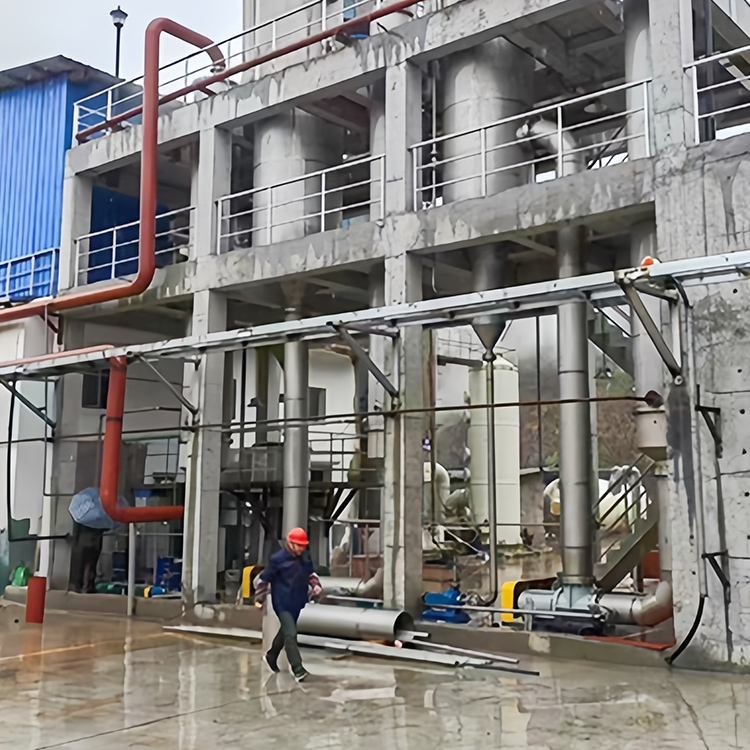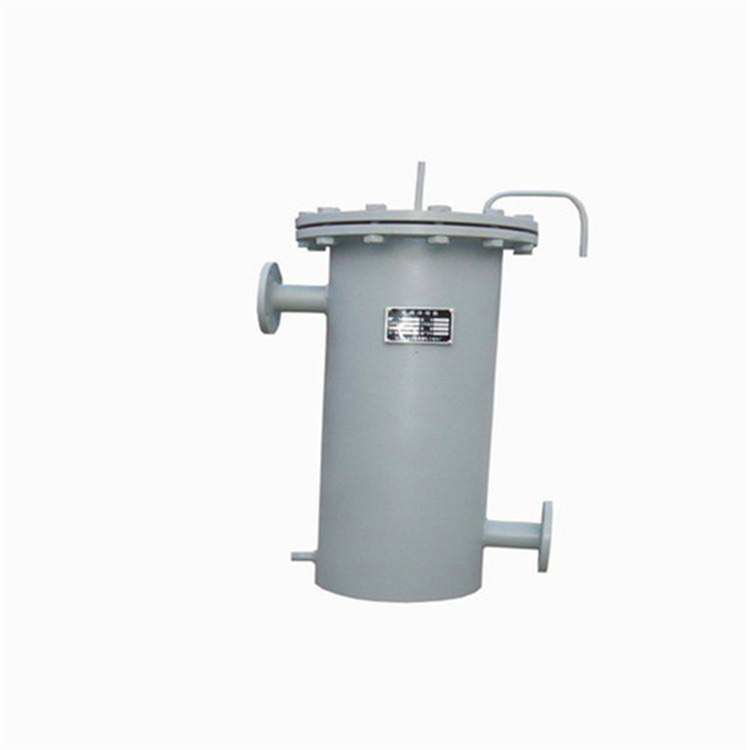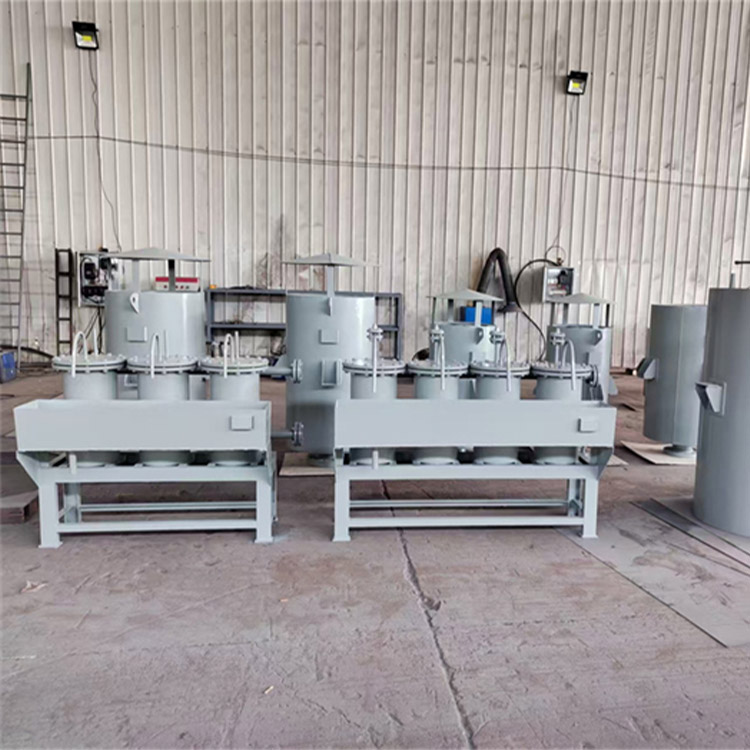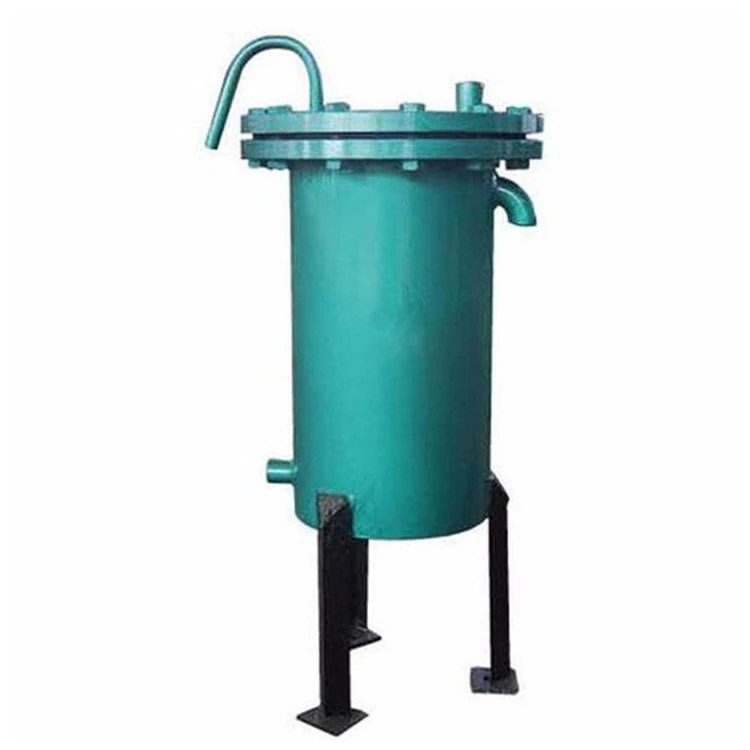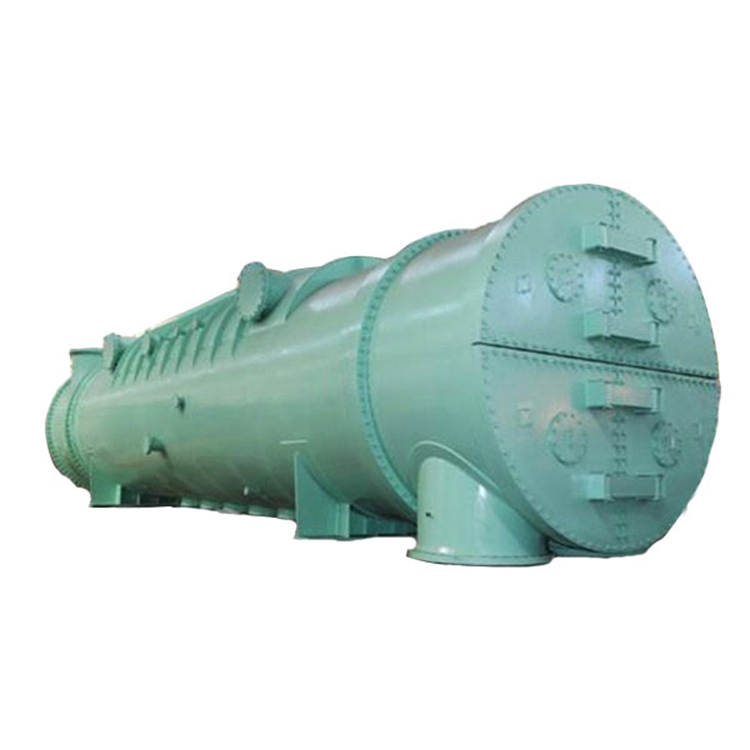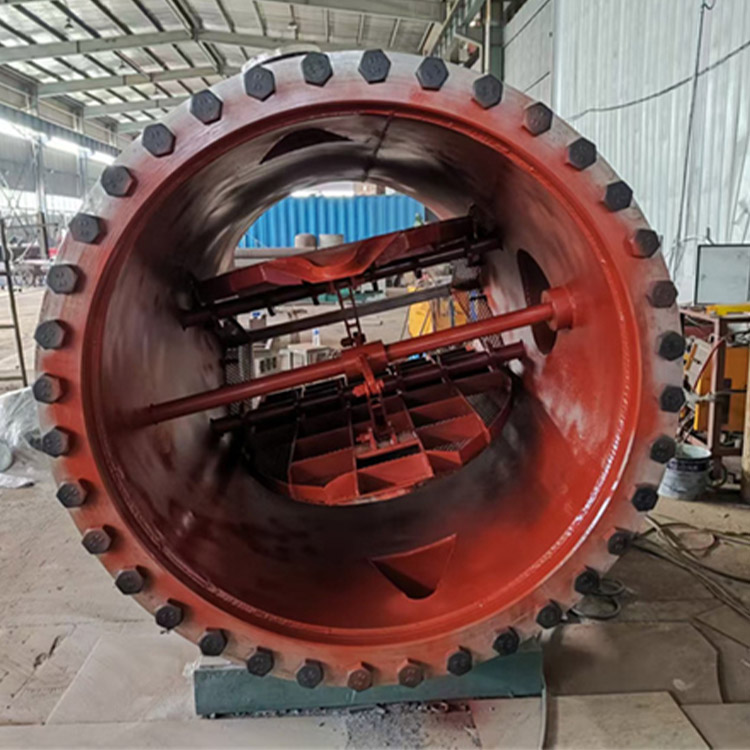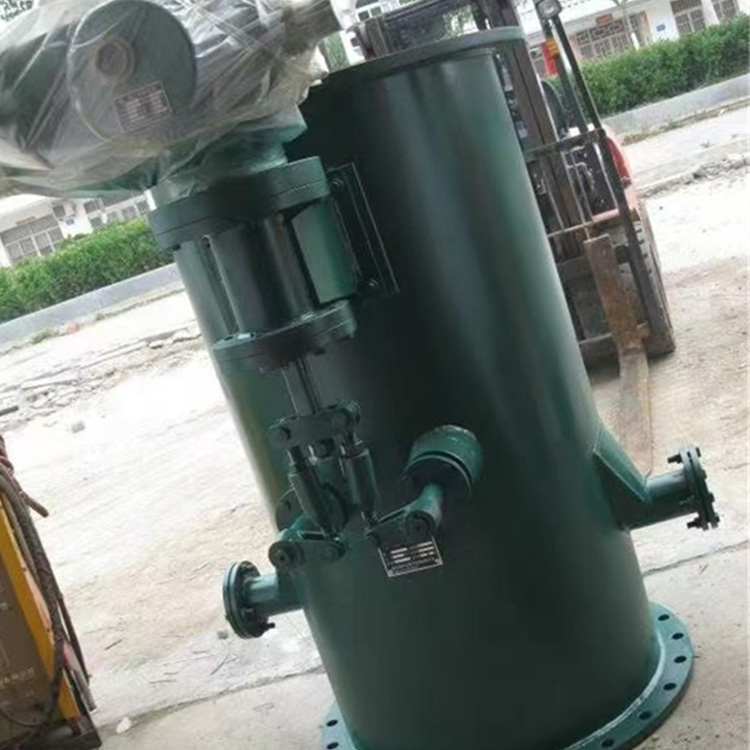

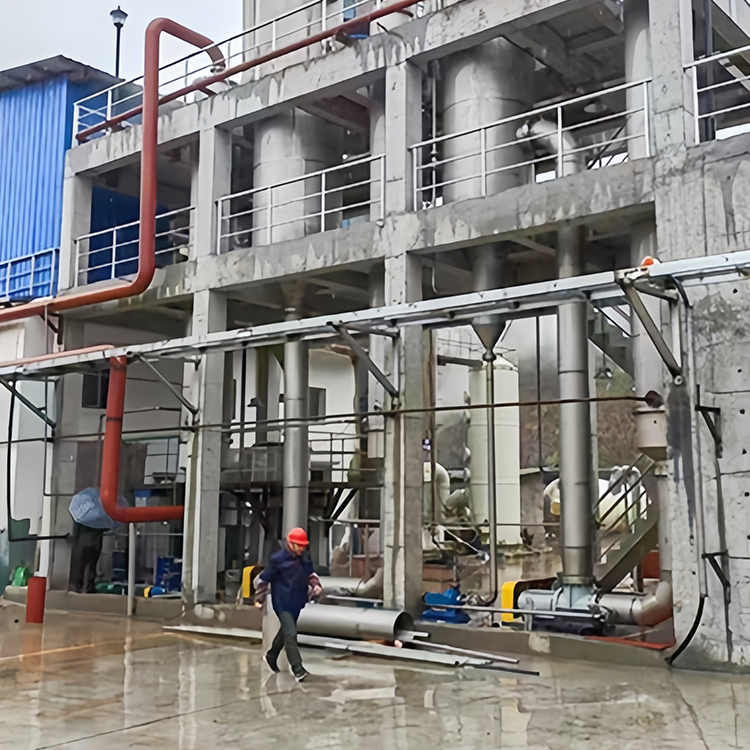

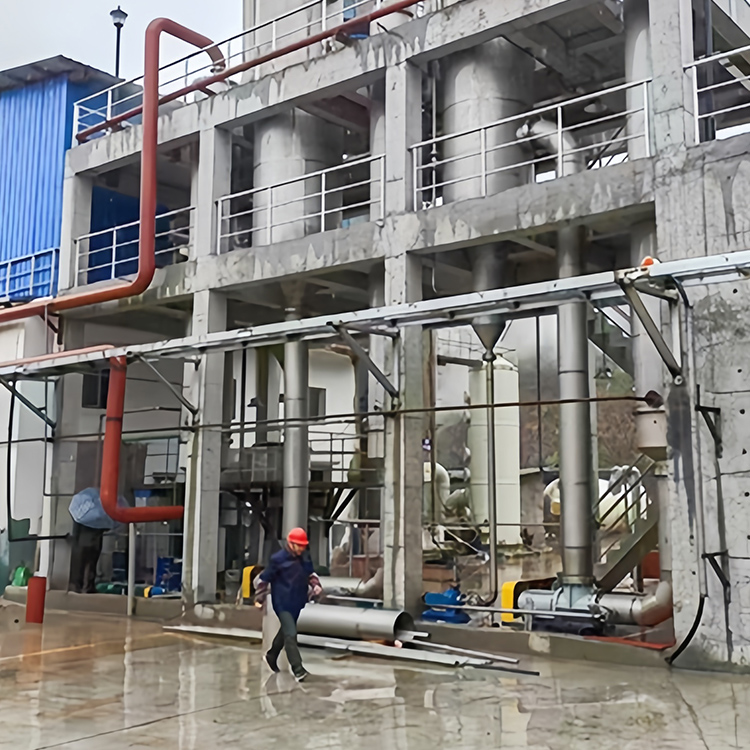


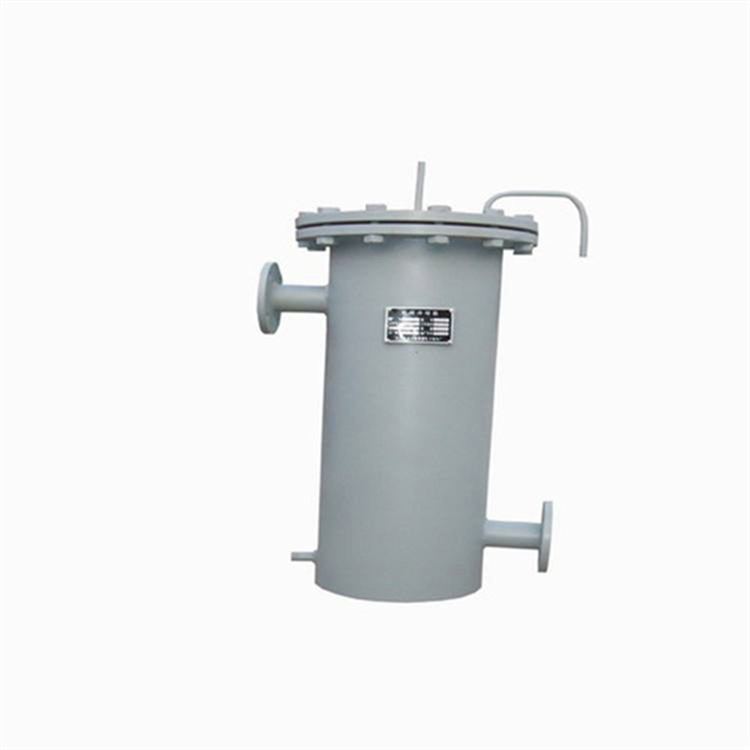
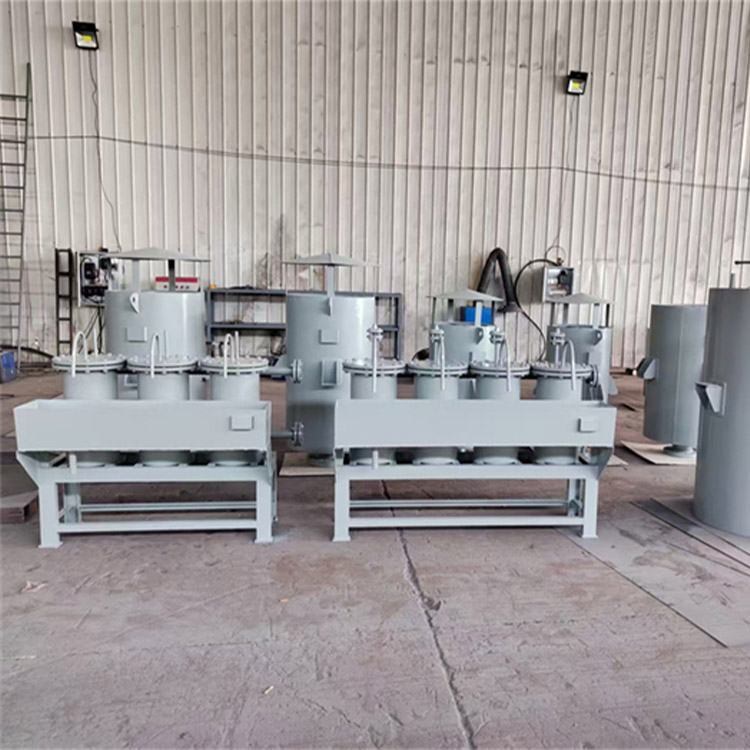





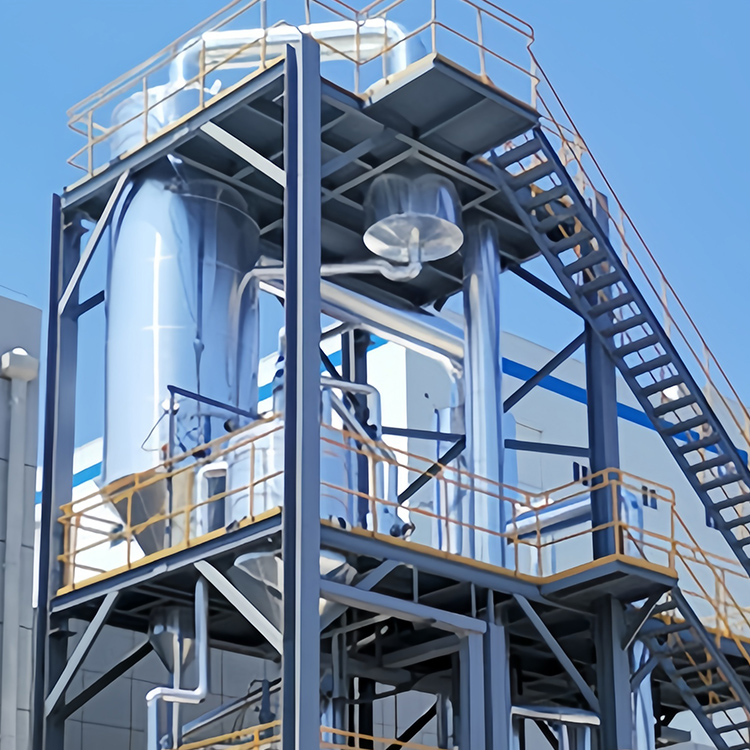
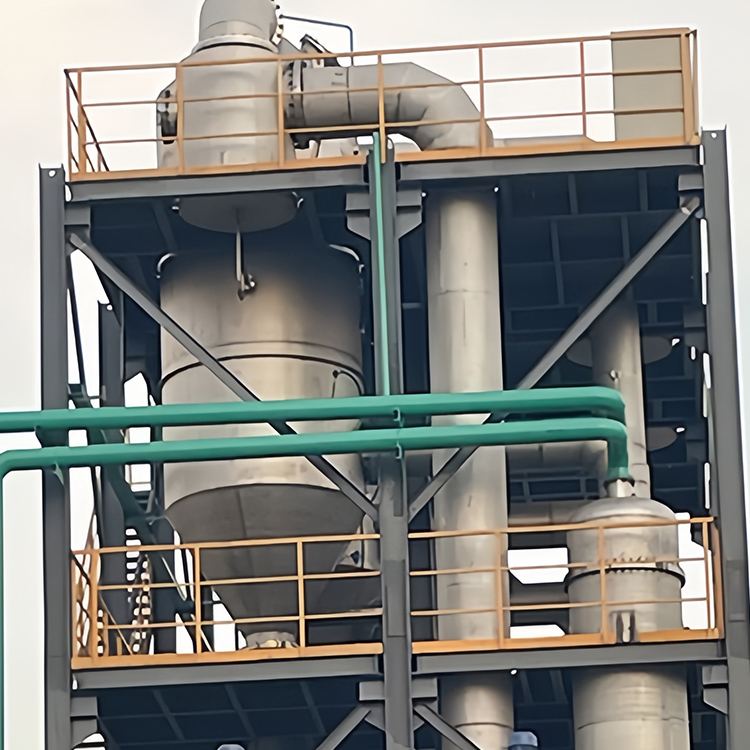
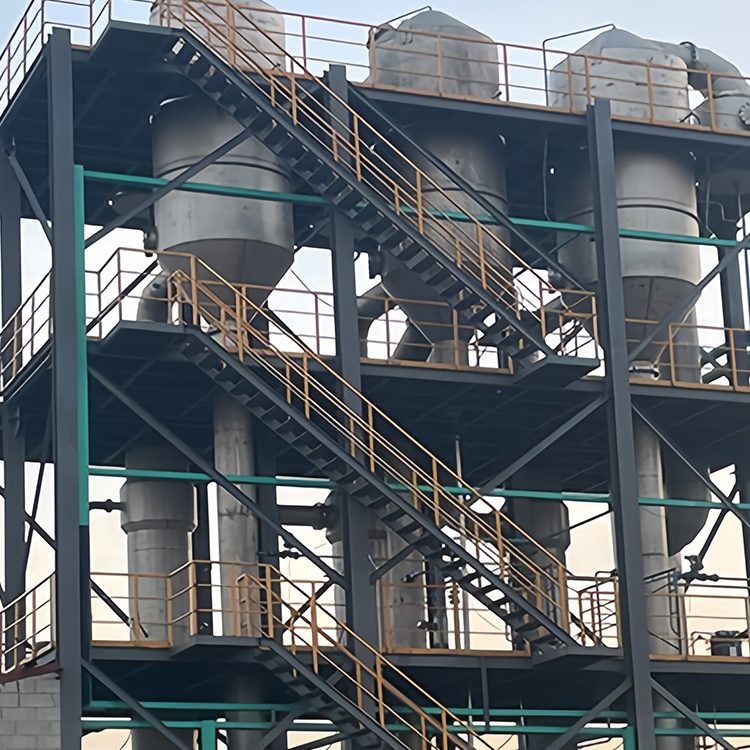
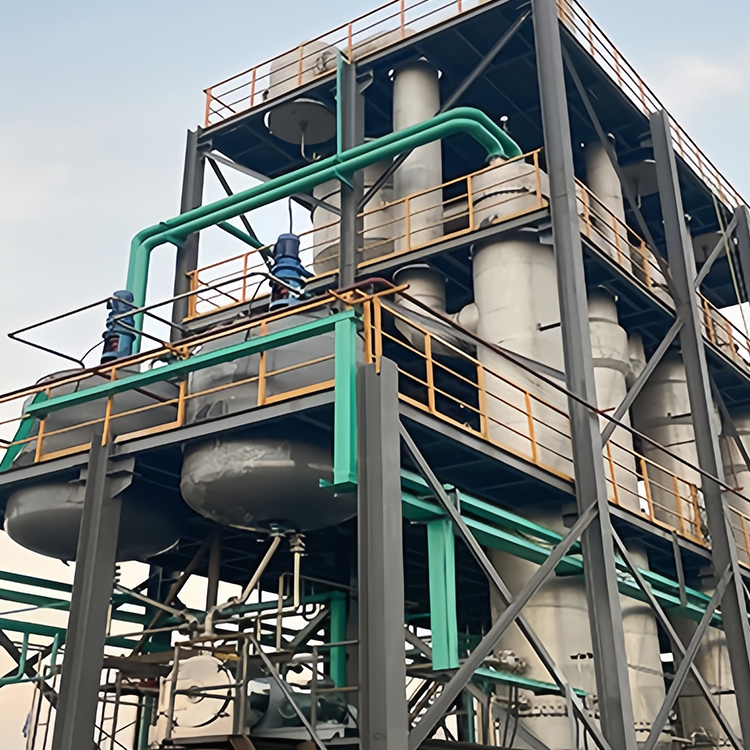
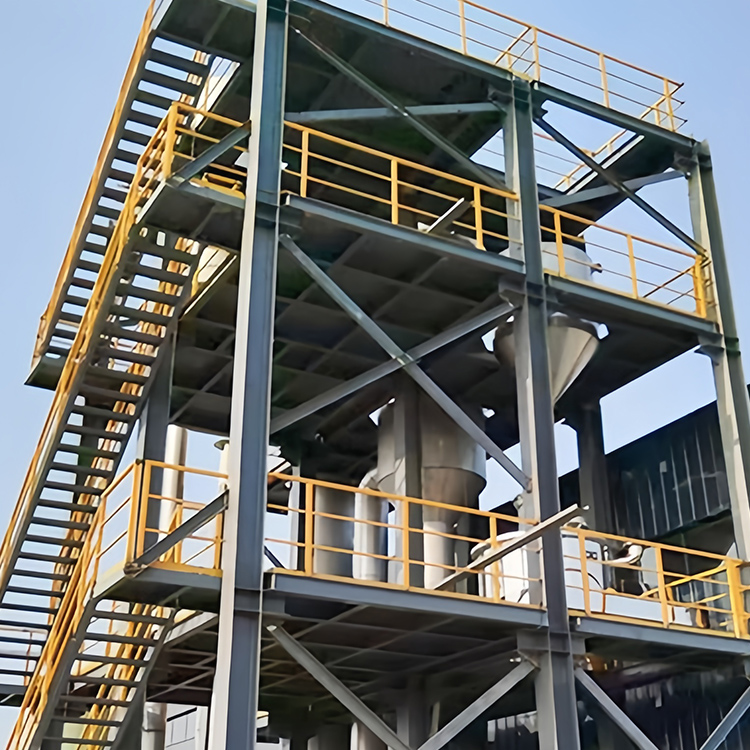
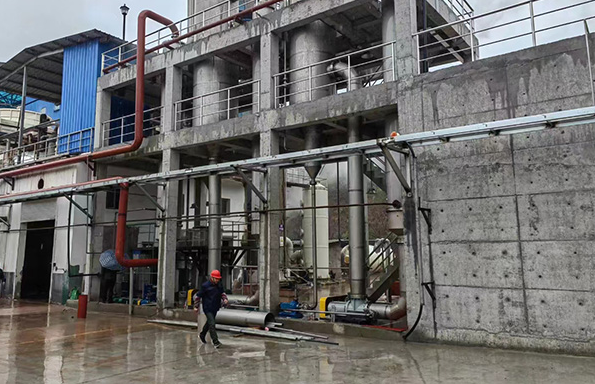
The three-effect evaporator plays a crucial role in the production and processing of chlorine and alkali, mainly encompassing the following points:
I. Concentrated and Recycled Liquids
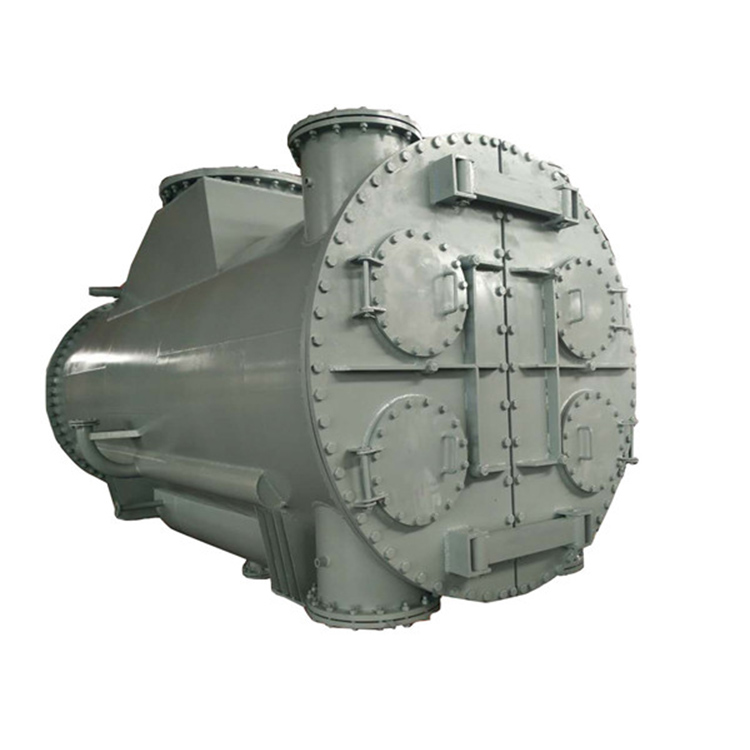
The evaporator is a core equipment used in the chlor-alkali production process for concentrating and recycling brine, sodium hydroxide, and other large volumes of liquids. Through the evaporation process, water in the solution can be effectively removed, resulting in highly concentrated products. This concentration not only enhances the purity of the products but also reduces transportation and storage costs.
Section II: Enhance Production Efficiency
The evaporator employs efficient evaporation technology, such as three-effect countercurrent evaporation, making the evaporation process faster and more effective. This means more raw materials can be processed in the same amount of time, thereby enhancing production efficiency. For the chlor-alkali industry, increased production efficiency translates to meeting market demand more quickly and strengthening market competitiveness.
Section 3: Energy Conservation and Consumption Reduction
The evaporator design takes full consideration of energy-saving factors. For instance, by utilizing multi-effect evaporation technology, it effectively makes use of the heat energy of steam, reducing energy consumption. Furthermore, the evaporator can recover a large amount of water, further reducing water resource waste. These energy-saving and cost-reduction measures help lower production costs and enhance economic benefits.
IV. Environmental Protection and Sustainability
Evaporators produce minimal waste during operation and are easy to dispose of. Additionally, by recycling and utilizing valuable components from wastewater, environmental pollution is reduced. This aligns with the current trend of environmentally friendly and sustainable development, contributing to the green production of the chlor-alkali industry.
V. Easy Operation and Maintenance
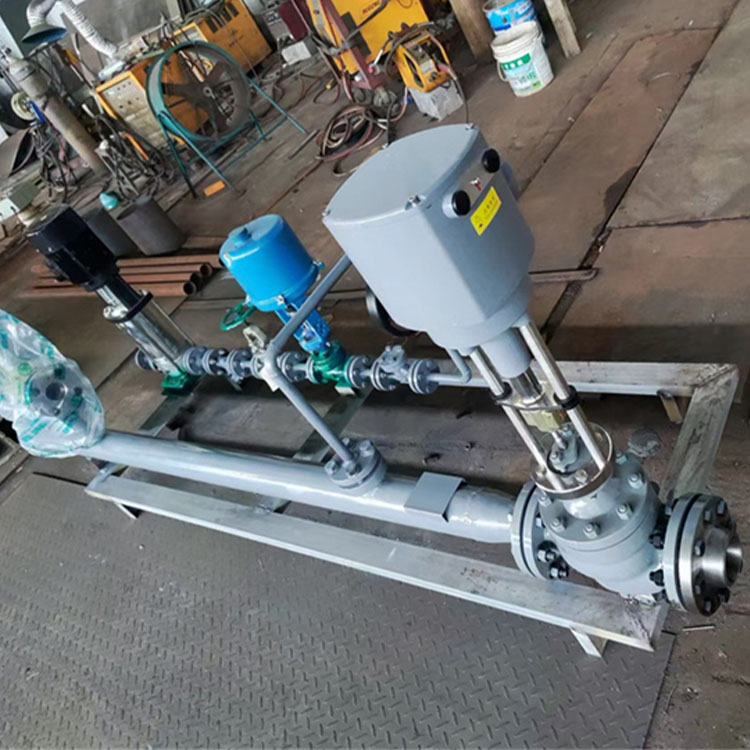
Modern evaporators are typically equipped with automated control systems, making the operation process simpler. Additionally, the structural design of the evaporator is rational, facilitating daily maintenance and upkeep. This reduces labor costs and the rate of equipment failures, ensuring the stable operation of chlor-alkali production.
In summary, the evaporator plays multiple roles in the production and processing of chlor-alkali, including concentrating and recycling liquids, enhancing production efficiency, energy conservation and cost reduction, environmental sustainability, as well as ease of operation and maintenance. These functions collectively promote the sustainable development of the chlor-alkali industry.