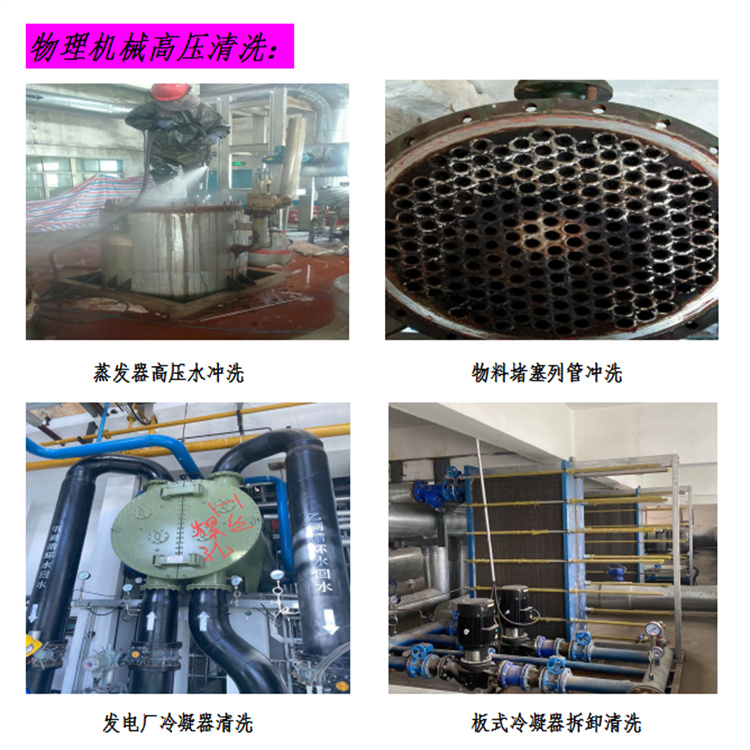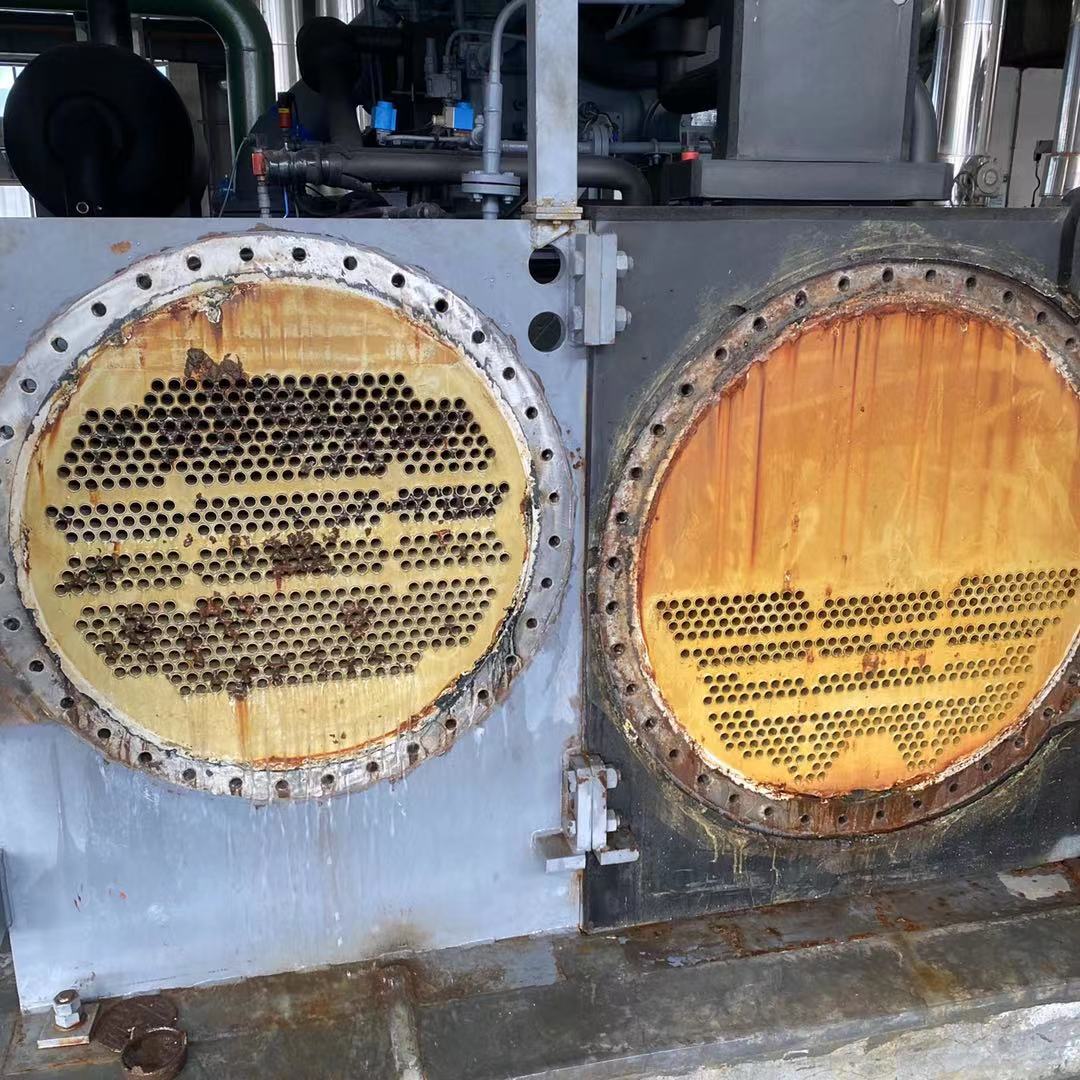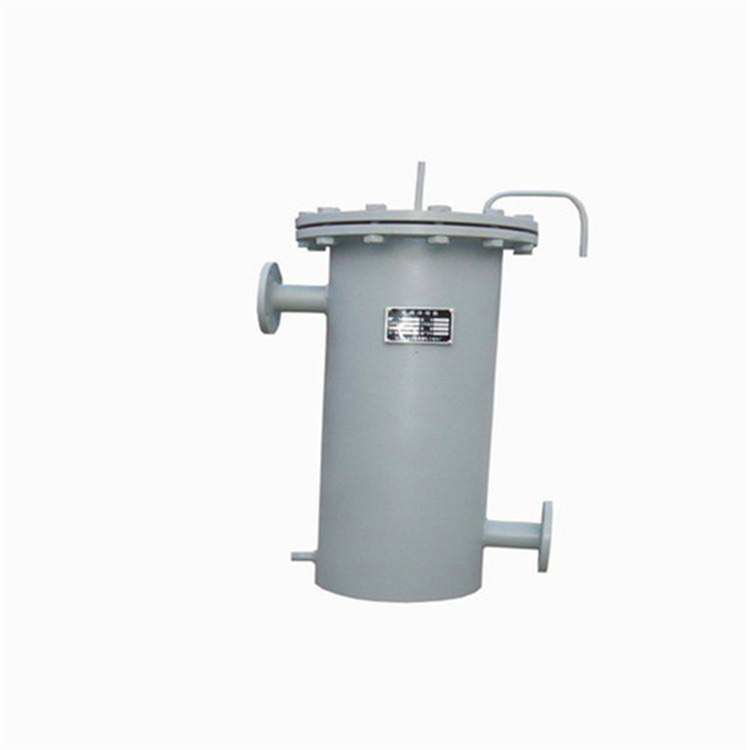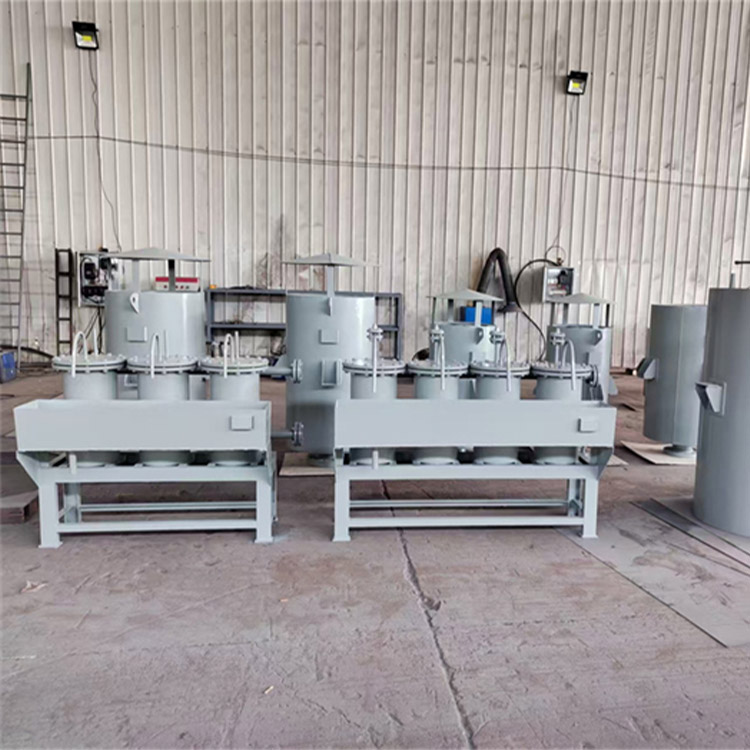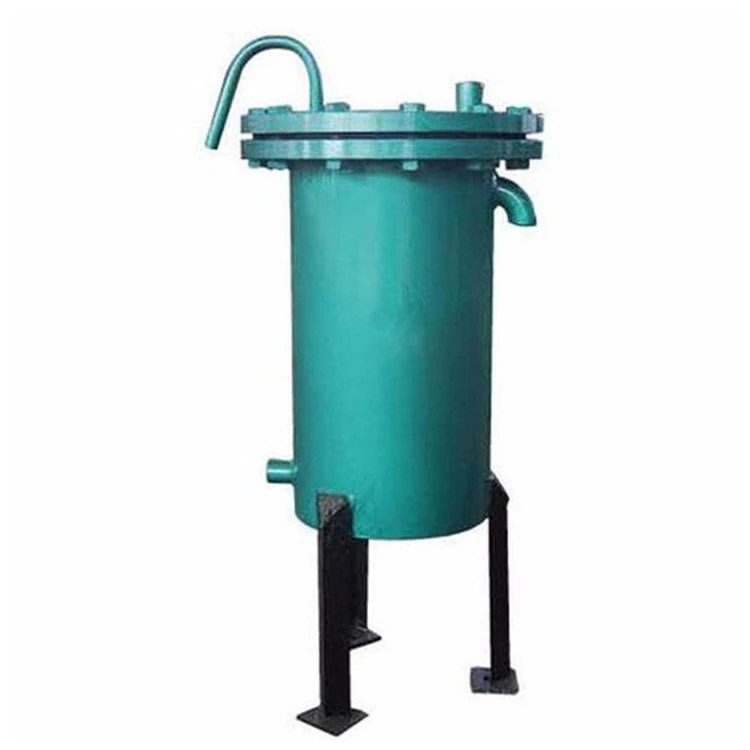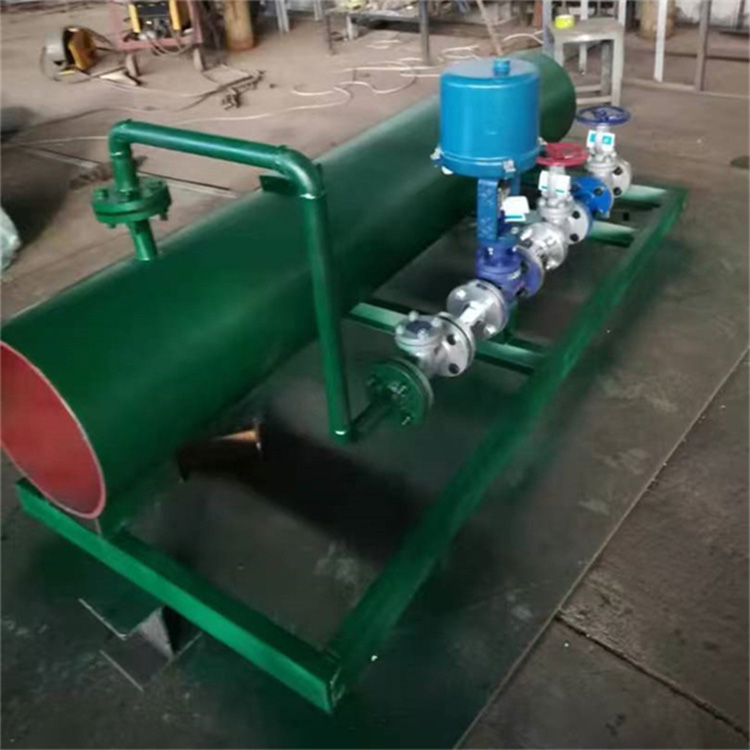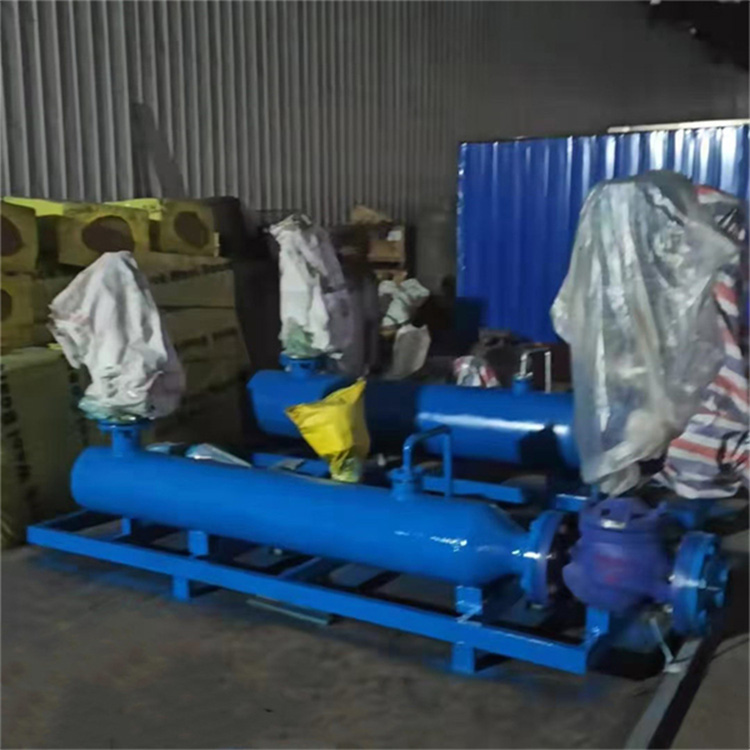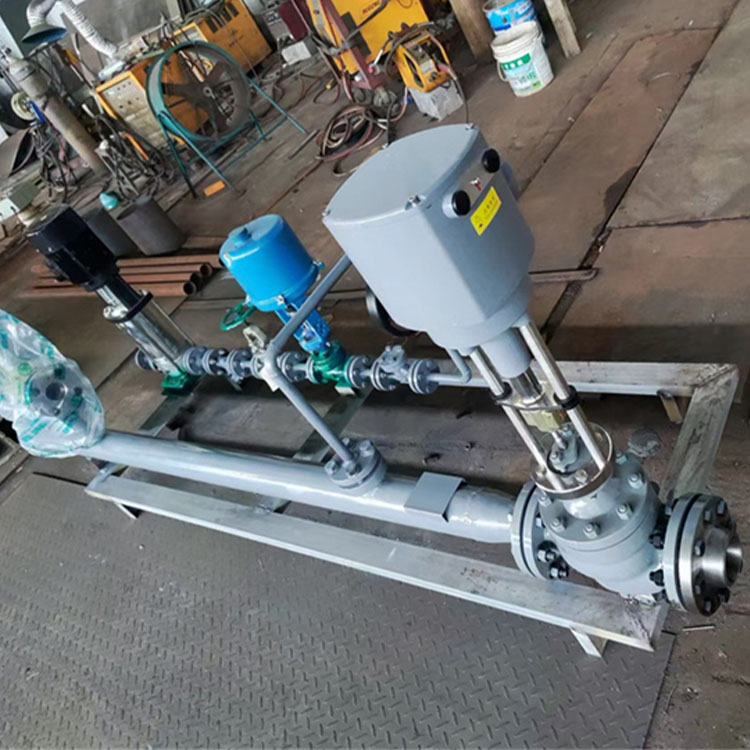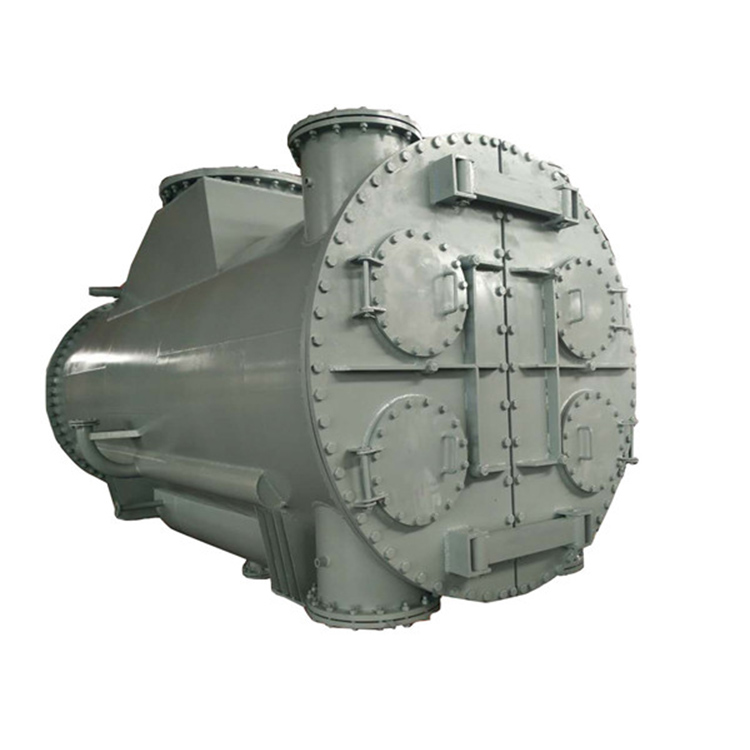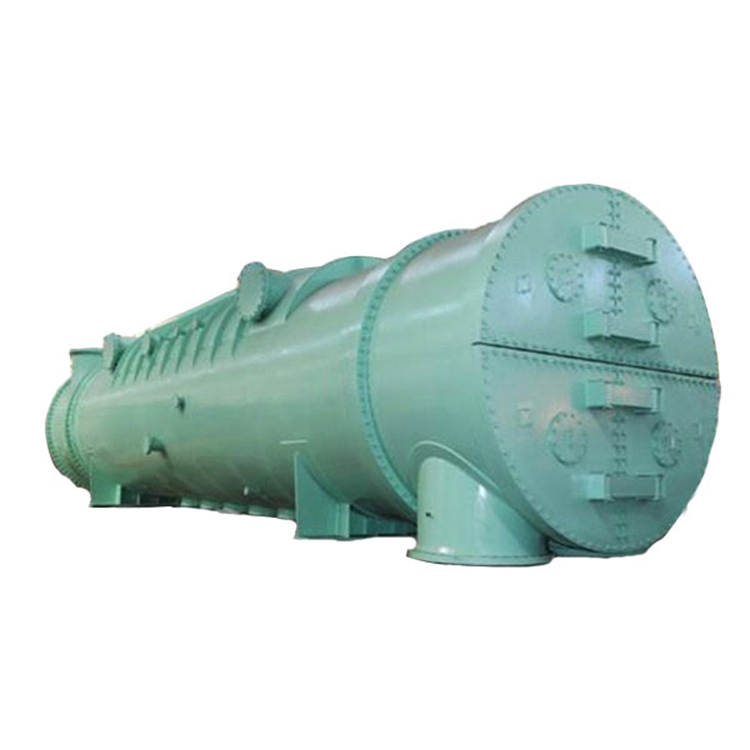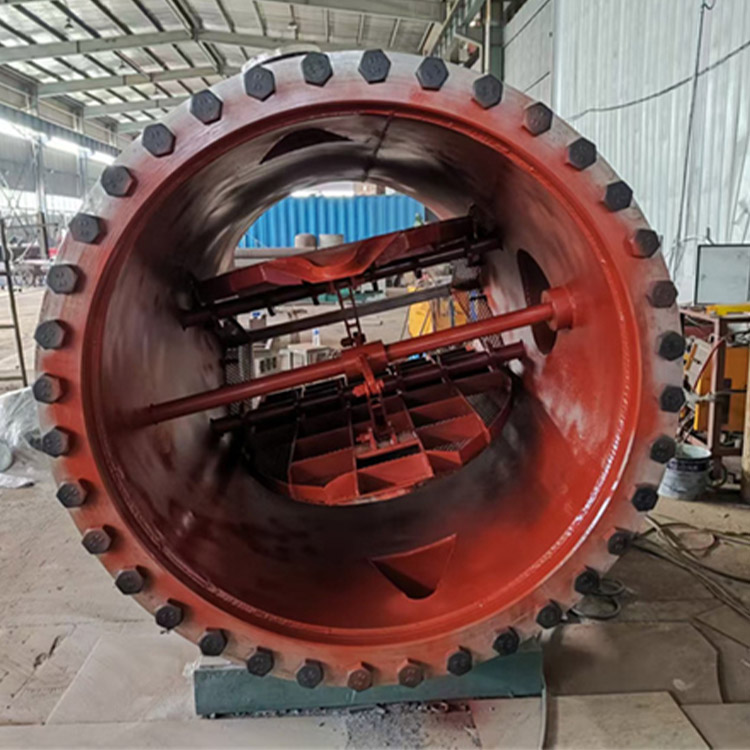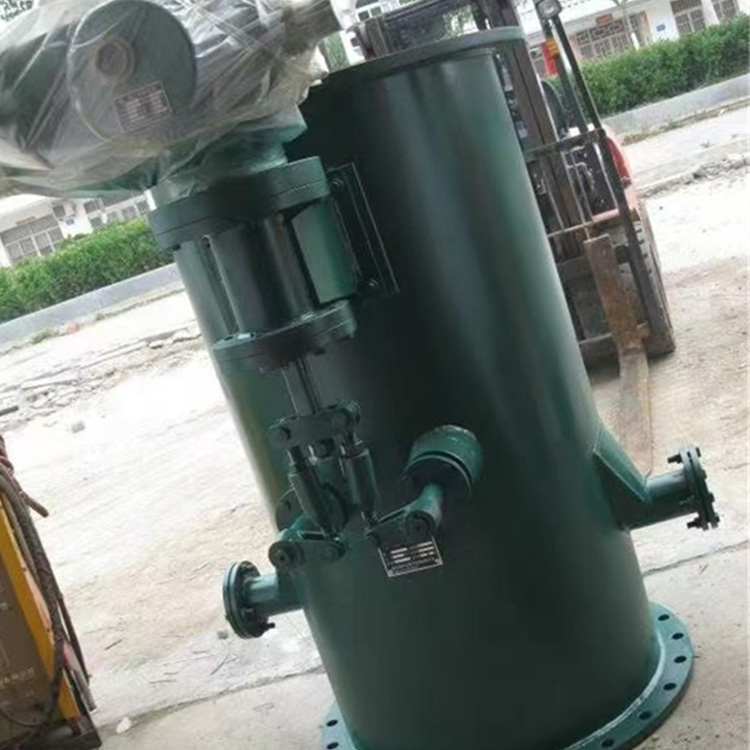
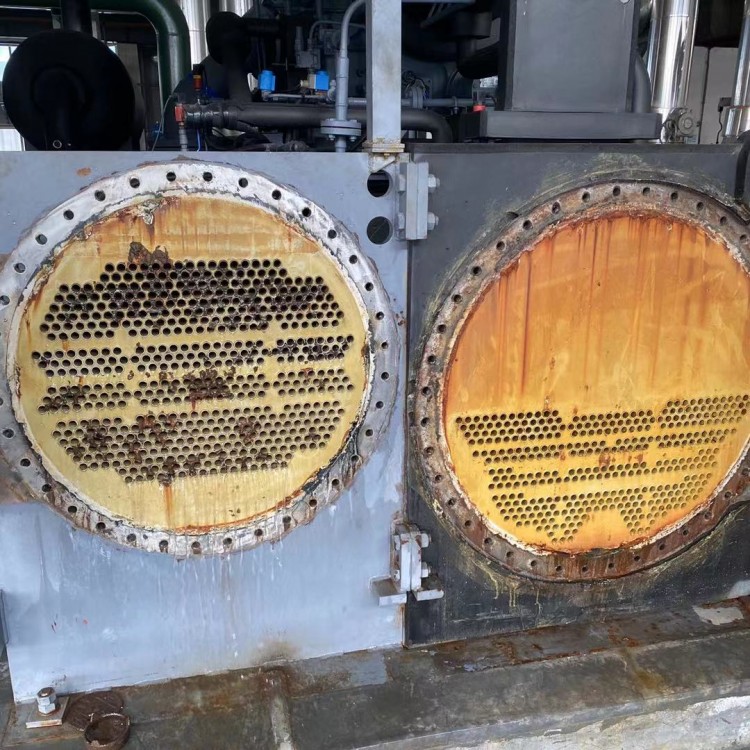

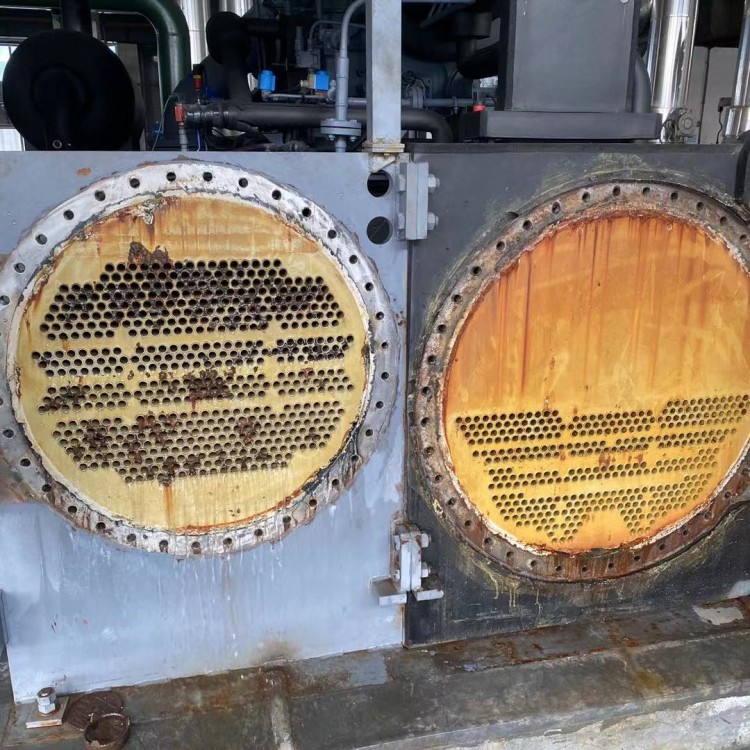
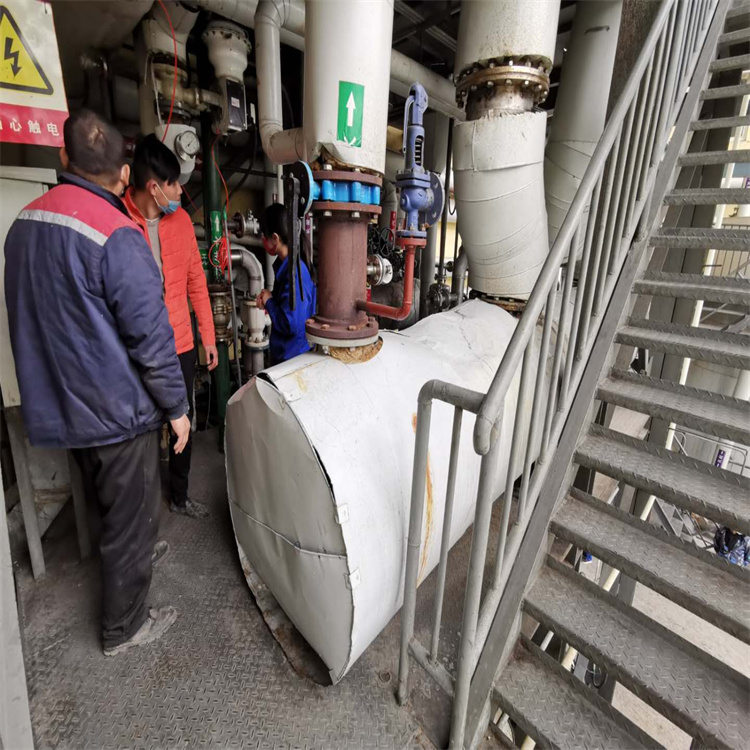
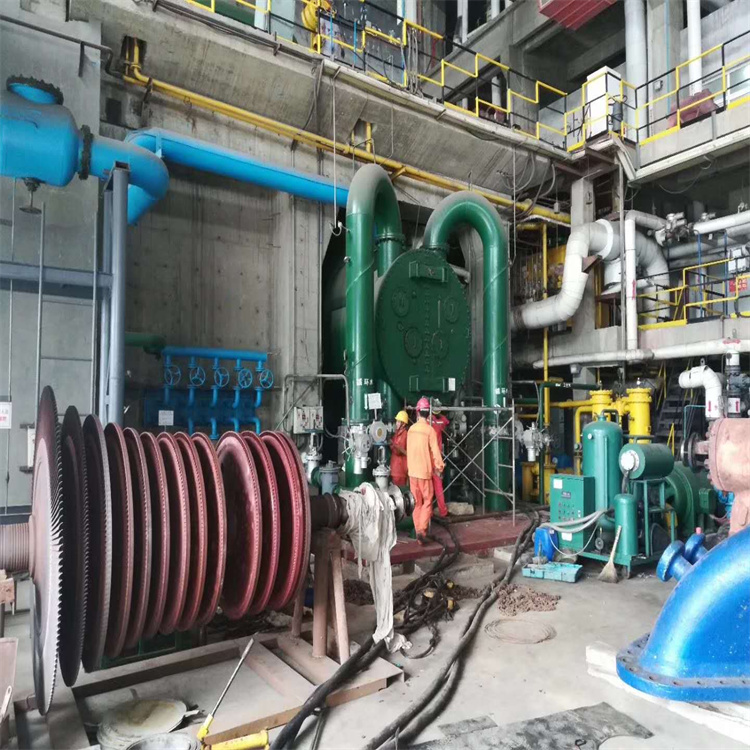


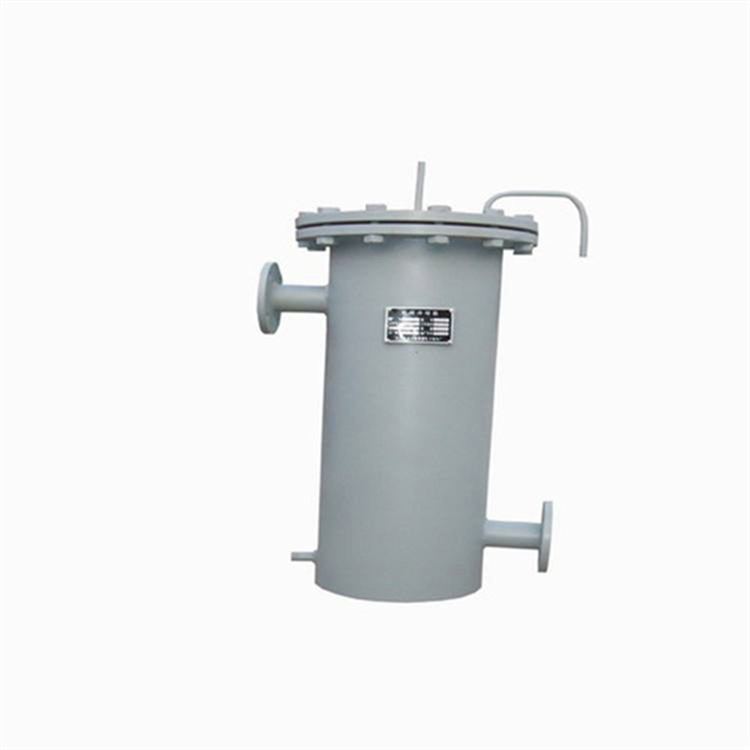
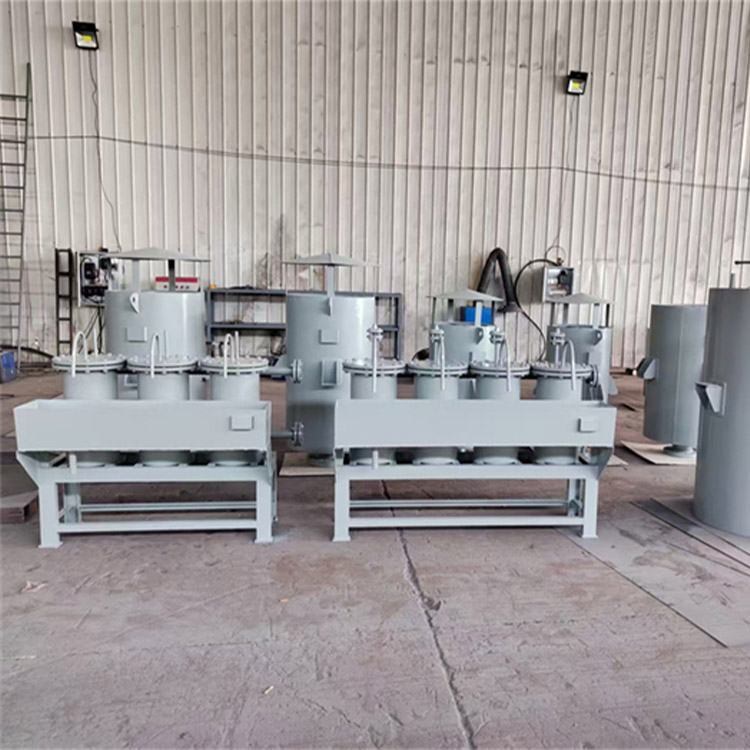
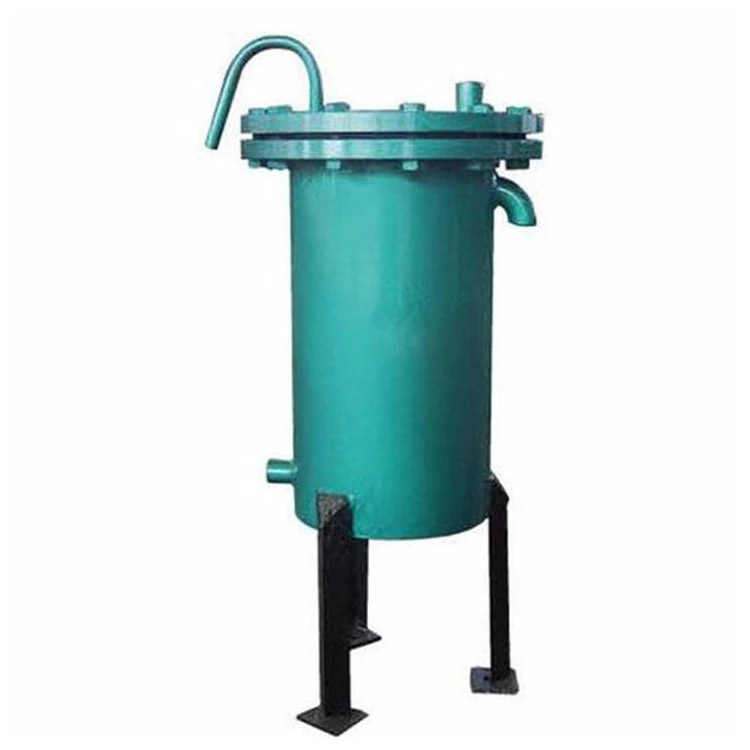
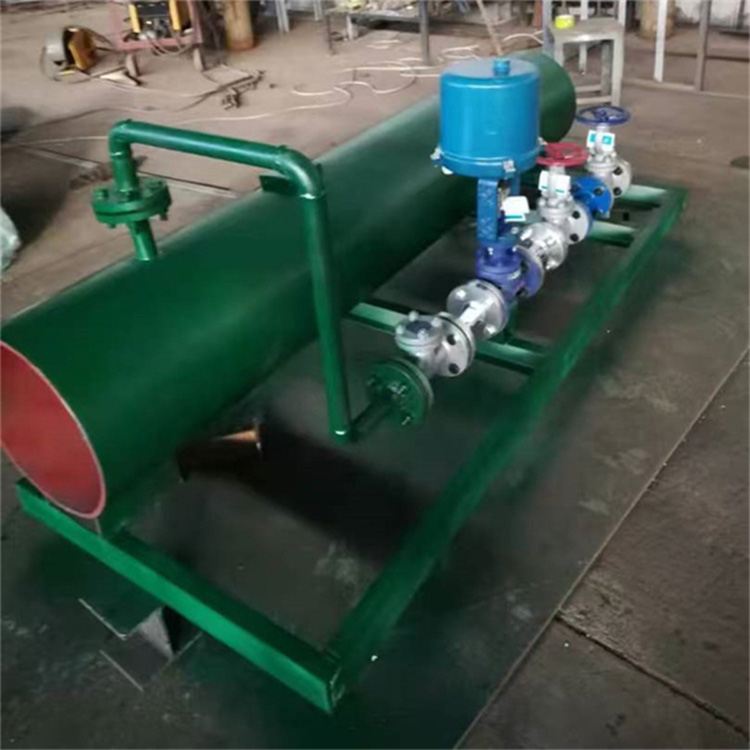
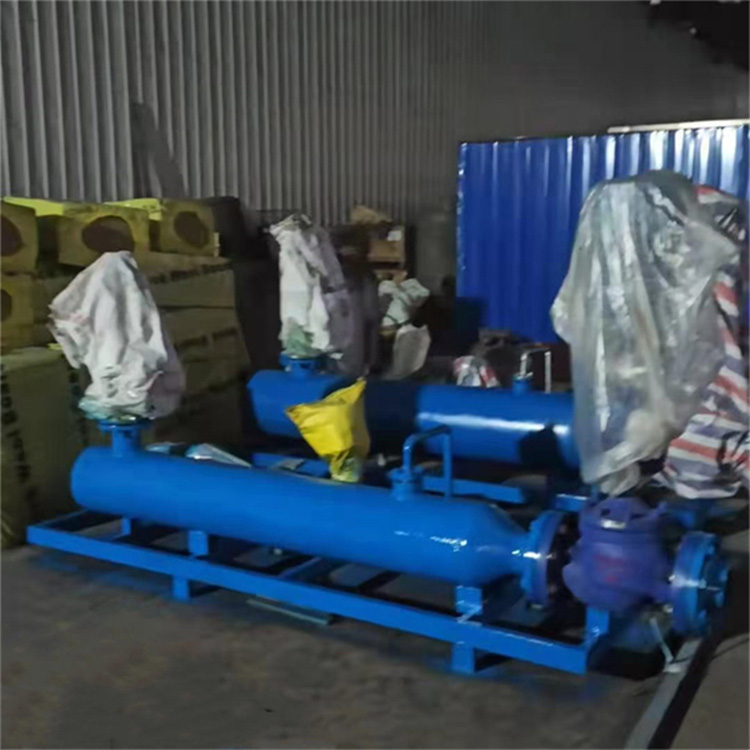





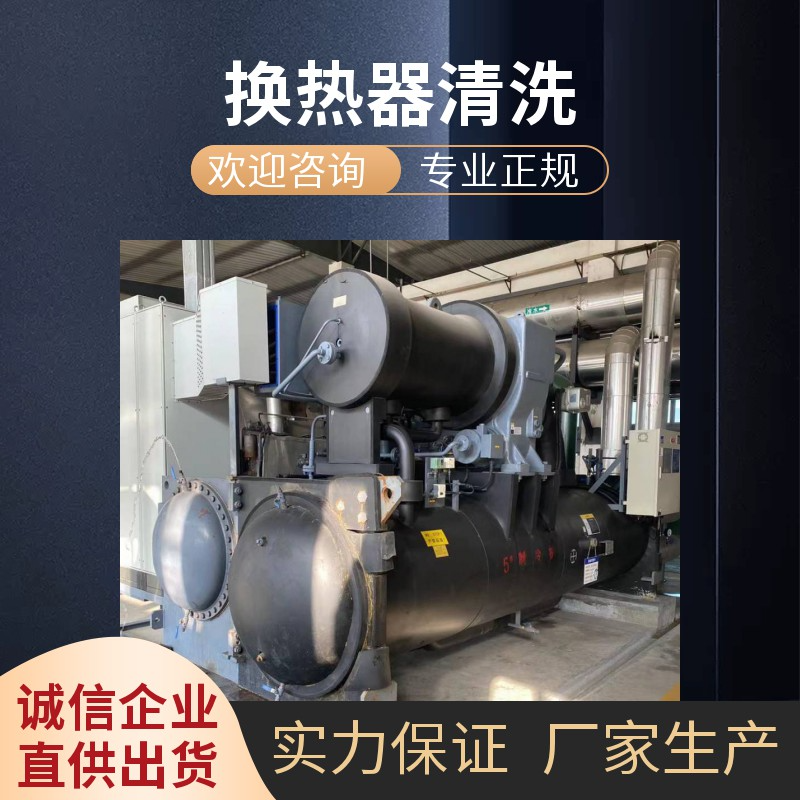
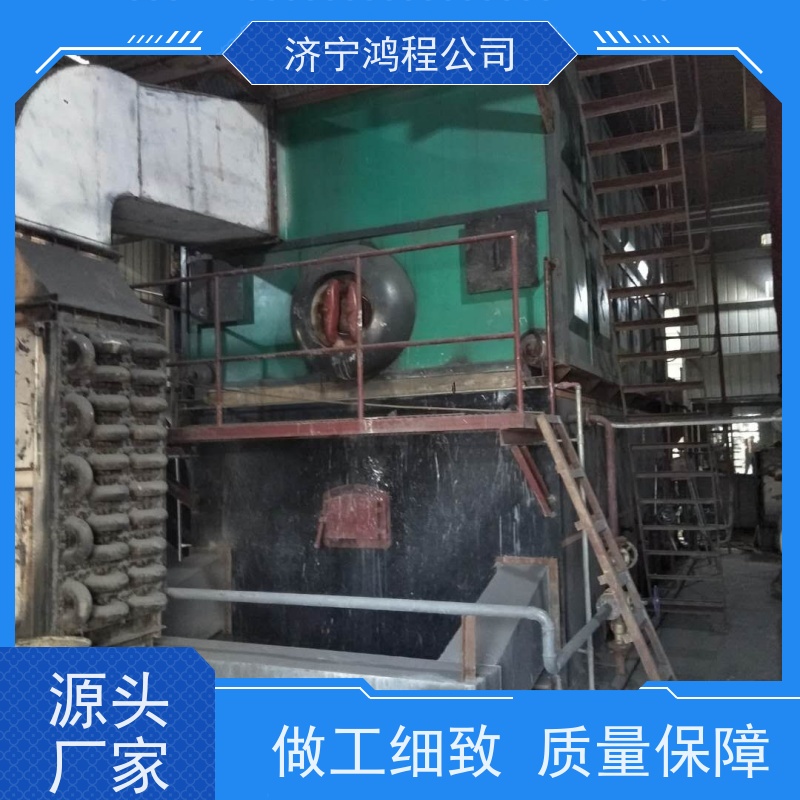
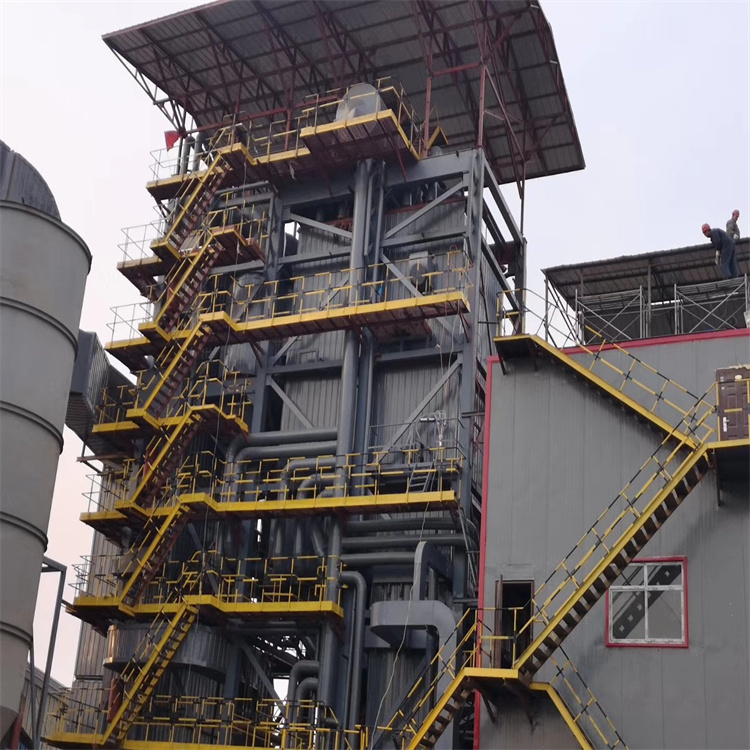

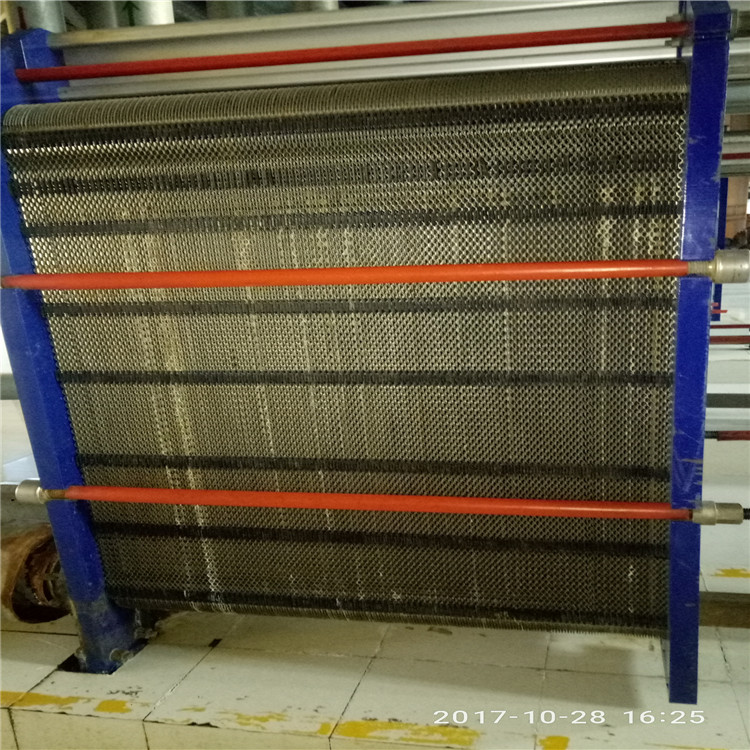
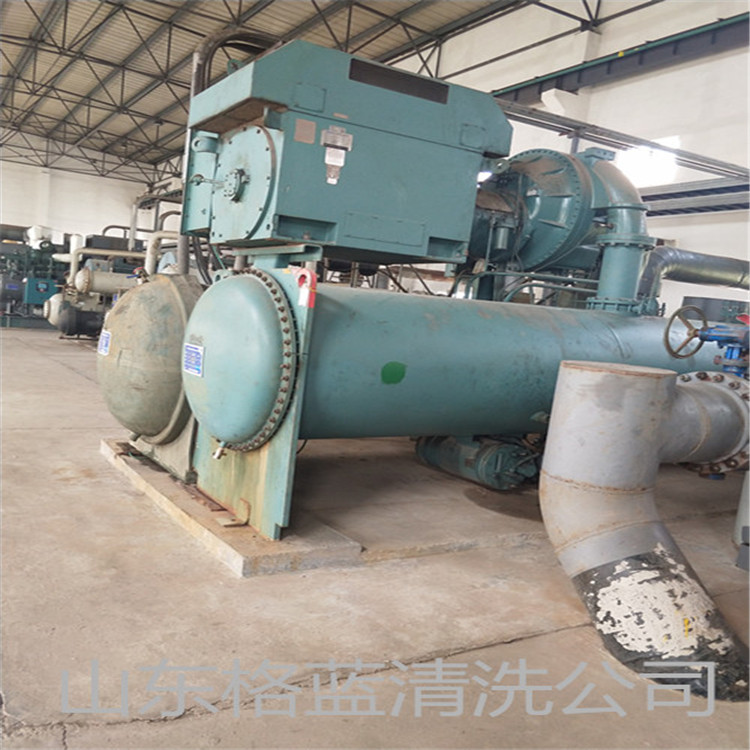
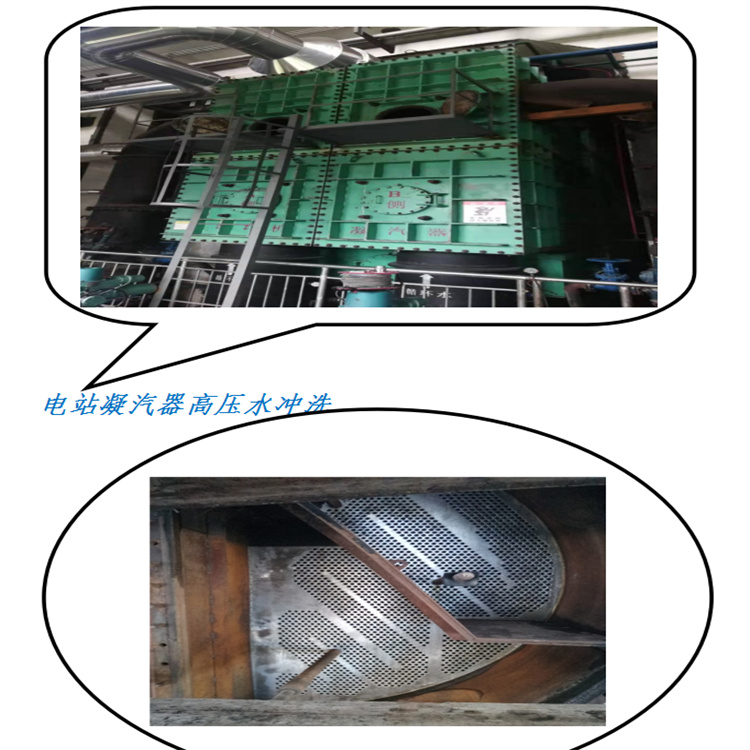
Jining Gelin Chemical Cleaning Co., Ltd. provides on-site repair and cleaning services for condensers, using both physical high-pressure water cleaning and chemical cleaning agents for condensers, heat exchangers, refrigeration equipment, and for scaling and material deposits in high-pressure flush tube-type condensers.
2. When cleaning the condenser, be cautious not to splash the cleaning solution onto any part of the air conditioner outside of it, especially the sensitive electrical board area inside. Avoid cleaning it to prevent short-circuiting the board, which may lead to malfunctions and affect usage.Prepare containers for cleaning agents based on the condenser's pipeline volume; ensure they meet the circulation requirements, with the inner surface of the containers being clean and free of oxidation.Layered or containers made of non-metallic materials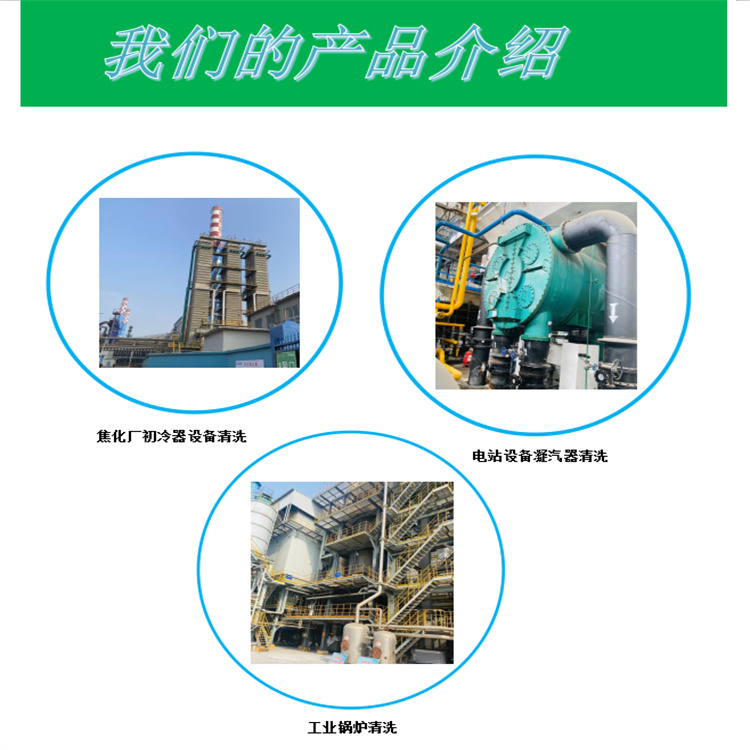
3. Prepare industrial centrifugal pumps (pressure not less than 3 kg) available for circulation, according to the internal circulation pressure requirements of the condenser.Heat ExchangerAnd the pipeline for container connections, with flange connections made as necessary.
4. Isolate the equipment system and drain all water from the condenser.
5. After using high-pressure water cleaning to remove sediments, algae, and other impurities from the pipeline, hang the corresponding test pieces in the system according to the company's requirements to observe the dynamic corrosion rate, and then seal the system.
6. Install ball valves (not less than DN25) between the isolation valve and the exchanger. Both the inlet and outlet ports should be fitted, connect the transport pump and the connecting conduit, to pump the cleaning agent from the bottom of the condenser and allow it to discharge from the top.
7. Begin pumping the required cleaning agent into the condenser (the ratio can be adjusted according to specific circumstances).
8. Continue to circulate and clean for the recommended duration. As the circulation progresses and the sediment dissolves, the gas produced during the reaction will increase. It is essential to periodically release excess air through the vent valve. As air is released, the space within the condenser will expand, allowing for the addition of water. Avoid adding a large amount of water at once, as it may cause overflow.