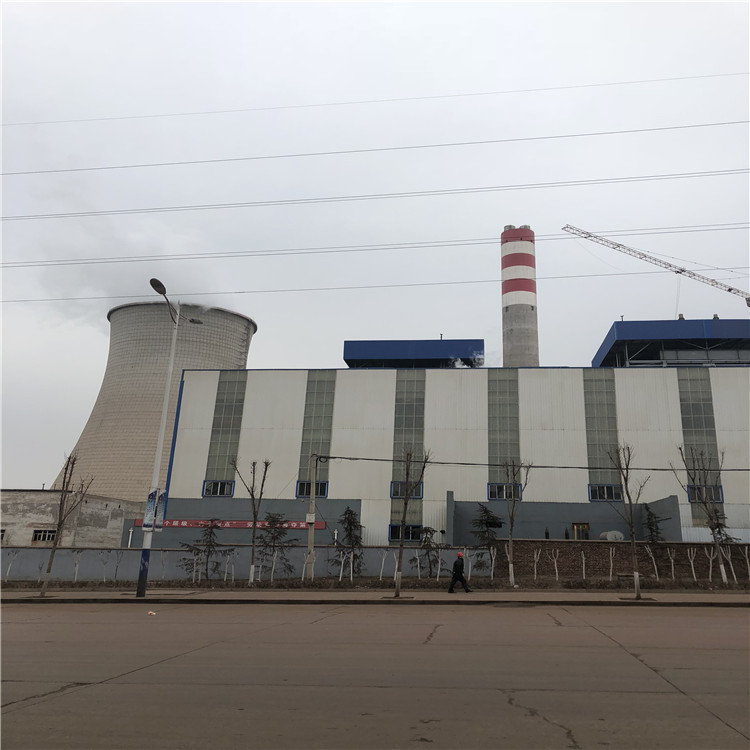

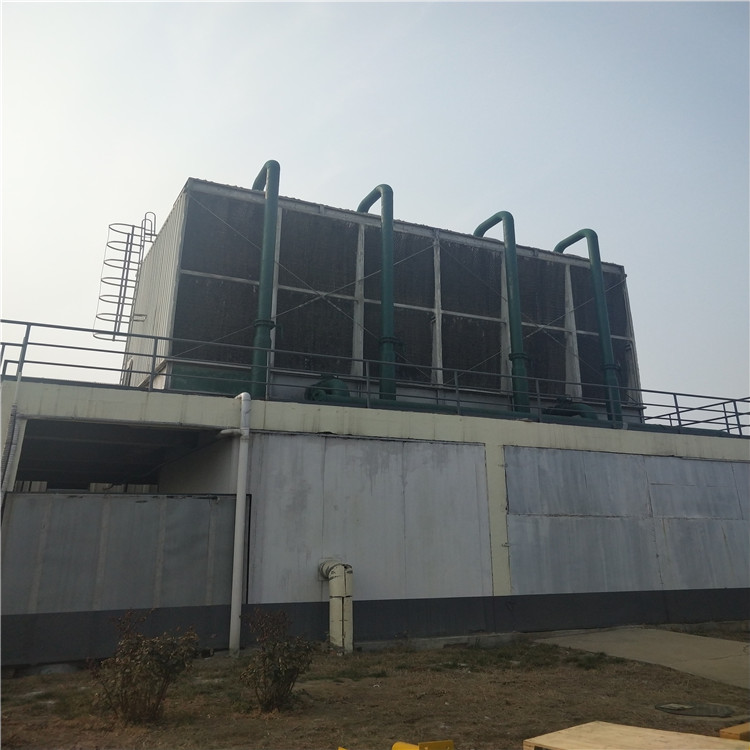
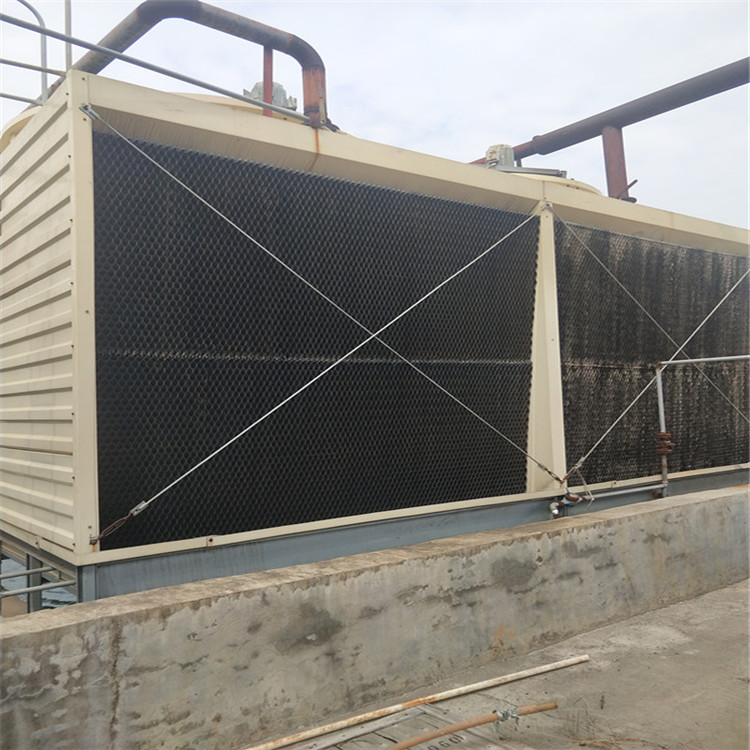









Cooling towers dissipate heat by utilizing the contact between water and air, through the process of evaporation.IndustrialA device that recovers waste heat generated in upper or refrigeration air conditioning systems. The basic principle is: drying(Low enthalpy value)The air, after being drawn by the fan, enters the cooling tower through the inlet mesh; the high-temperature water molecules with a high saturated steam partial pressure flow towards the lower-pressure air; humid and hot(High enthalpy)Water from the self-irrigation system is sprayed into the tower.
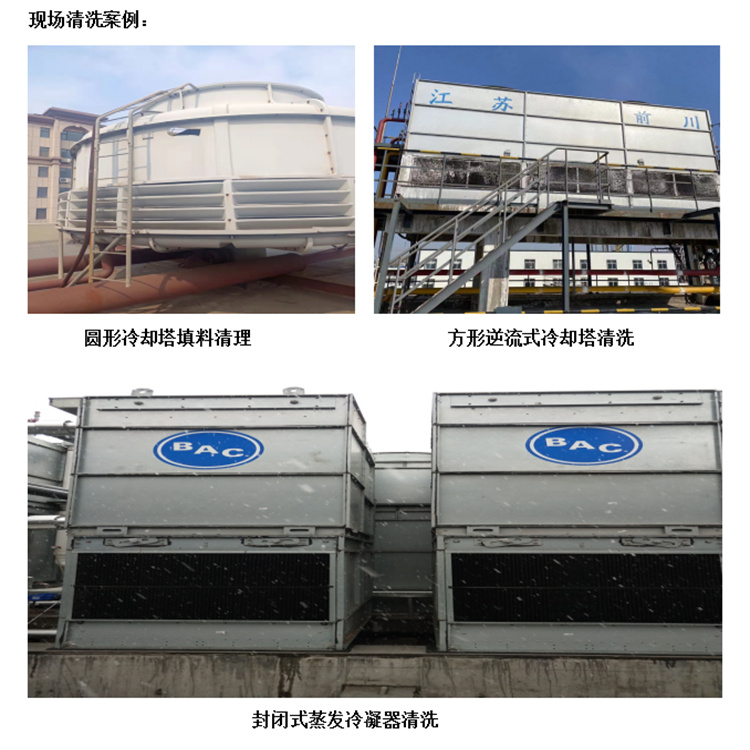
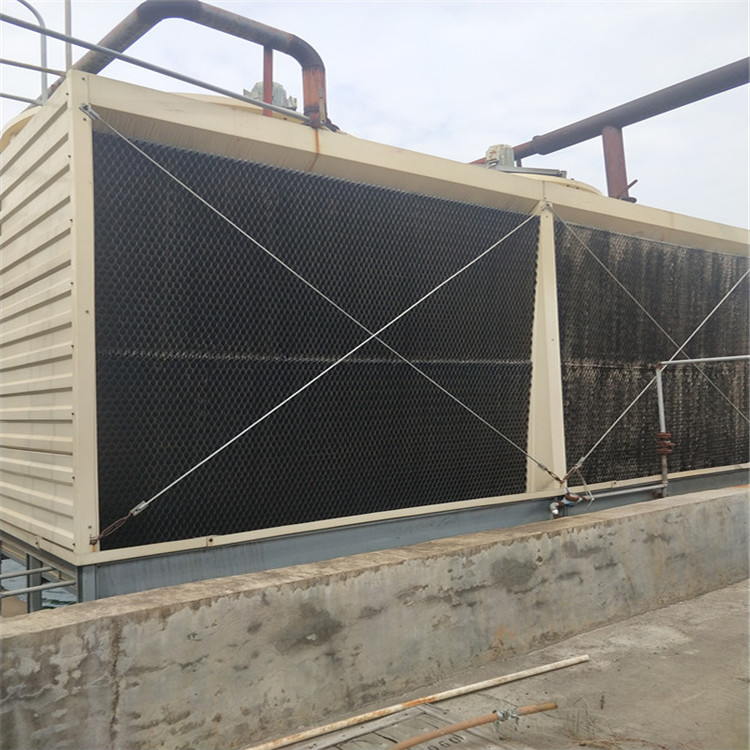
When water droplets come into contact with air, on one hand, due to the direct heat transfer between air and water, and on the other hand, because of the pressure difference between the water vapor surface and the air, evaporation occurs under the action of pressure. This current evaporation latent heat carries away the heat in the water, which is the heat transfer by evaporation, achieving the purpose of cooling. The working process of a cooling tower: taking a circular counterflow cooling tower as an example: hot water is pumped from the machine room to the cooling tower's spray system at a certain pressure through pipes, lateral throats, curved throats, and the central throat; water is evenly sprayed onto the fill material through small holes in the spray pipes. Dry, low-enthalpy air enters the tower from the bottom wind screen under the action of the fan; as the hot water flows over the fill material, it forms a water film that exchanges heat with the air; the high-humidity, high-enthalpy hot air is extracted from the top. The cooled water drips into the basin at the bottom and then flows into the main unit through the outlet pipe.