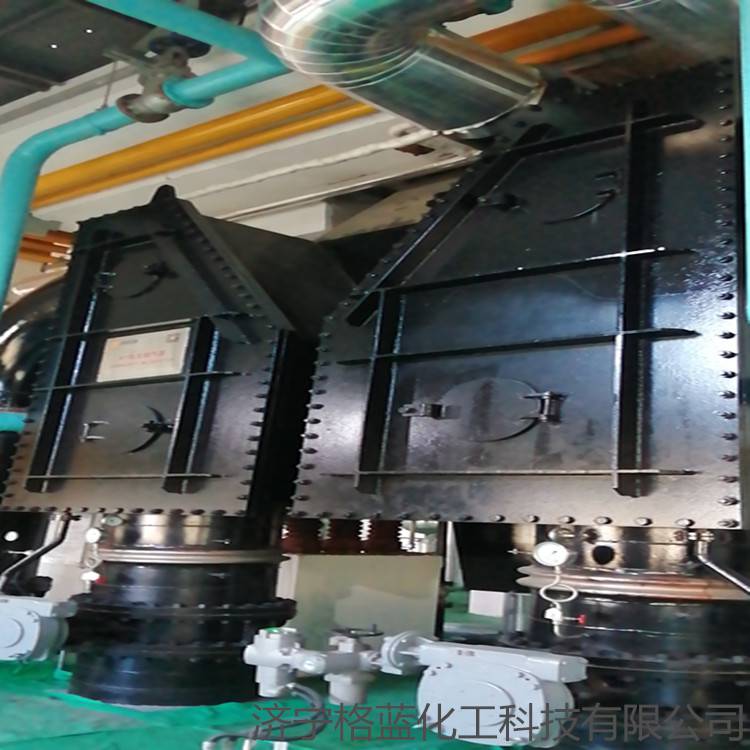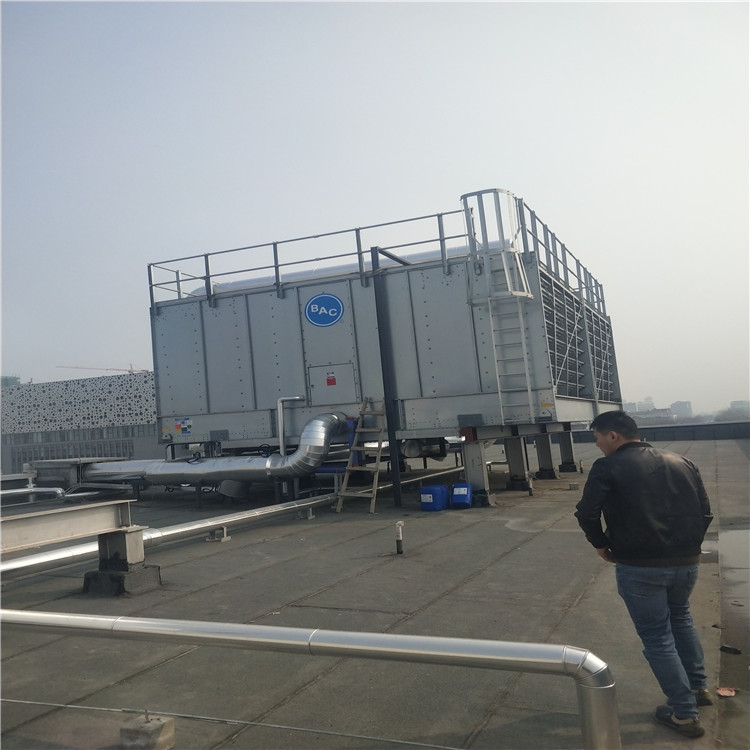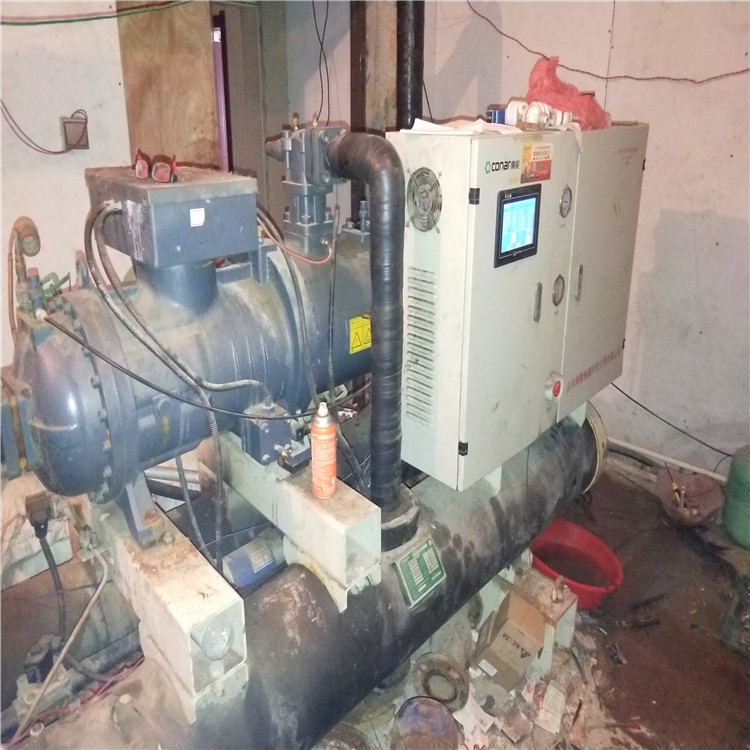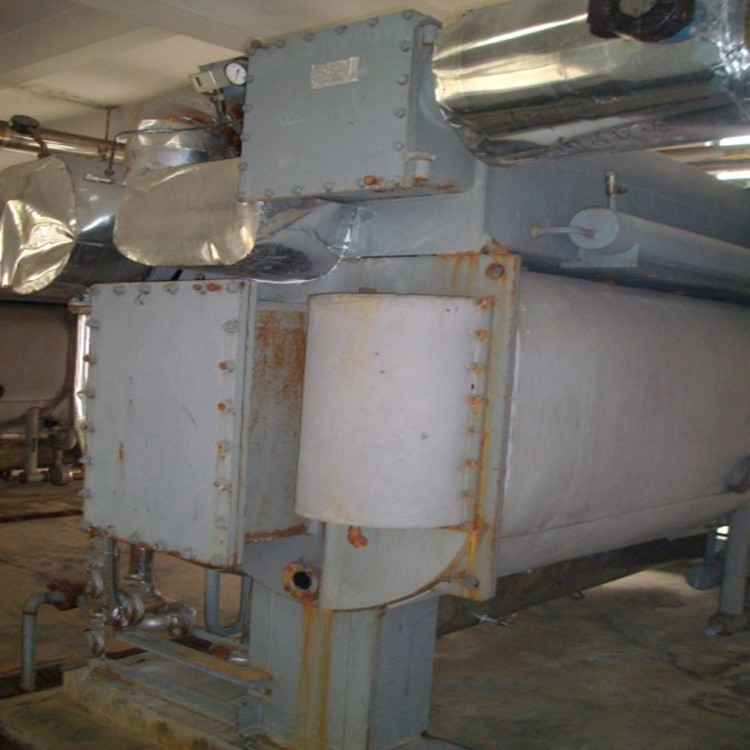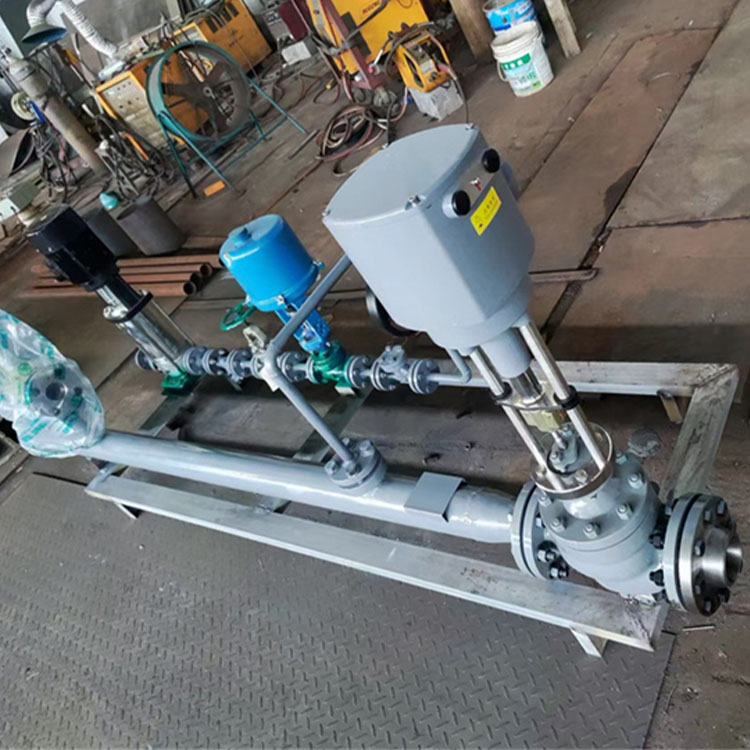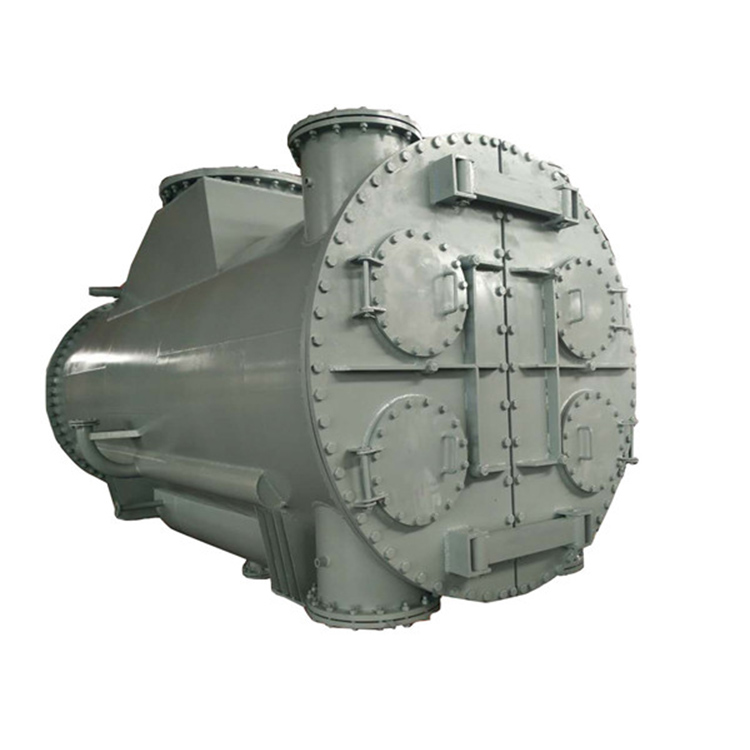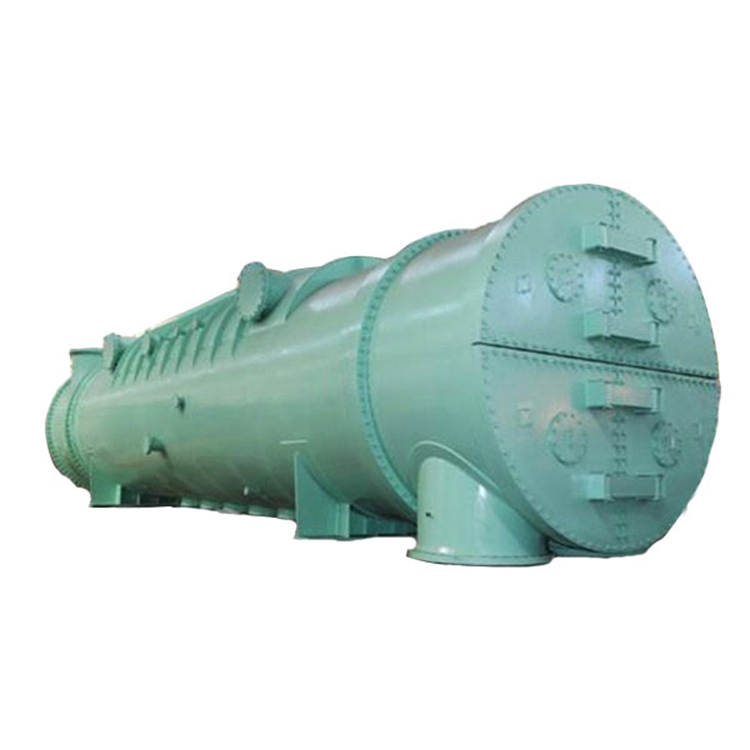

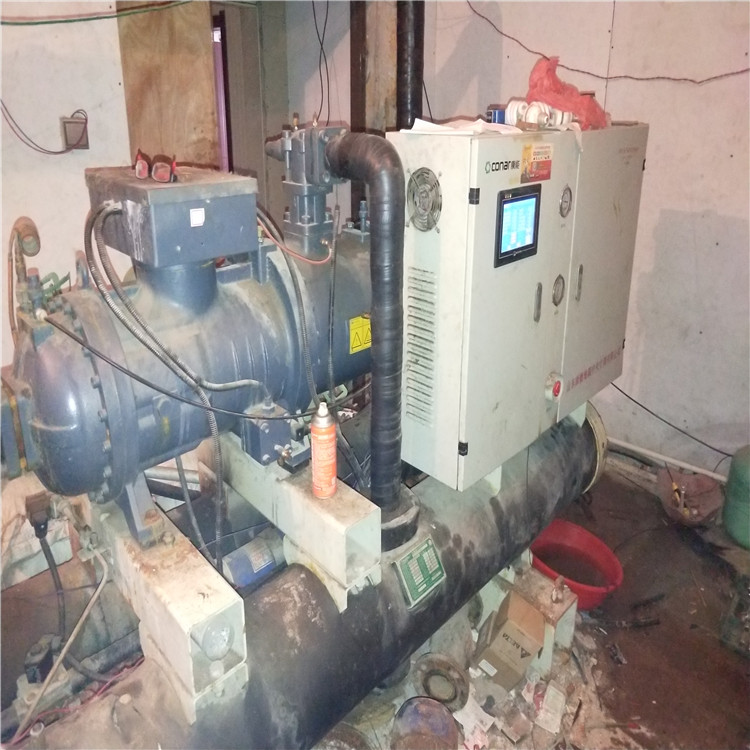
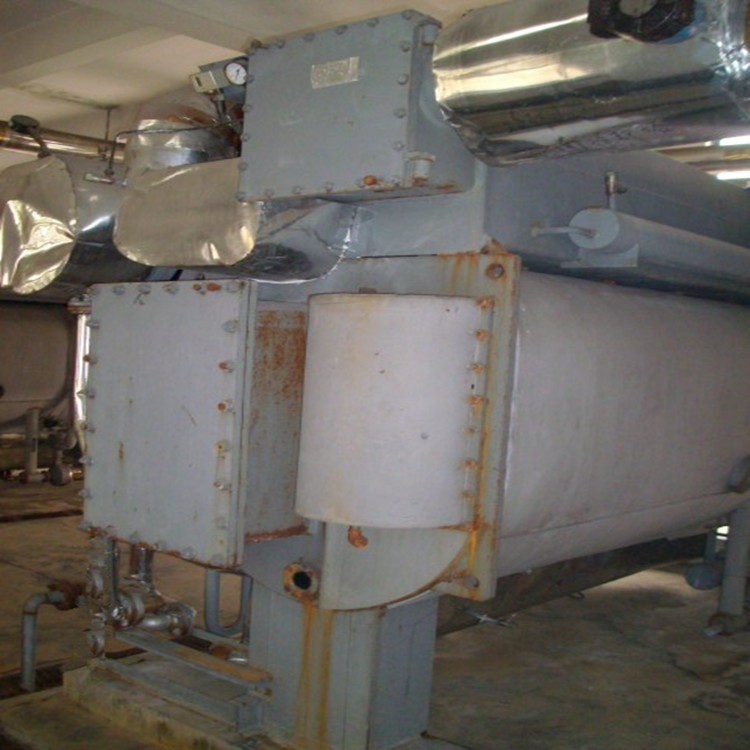







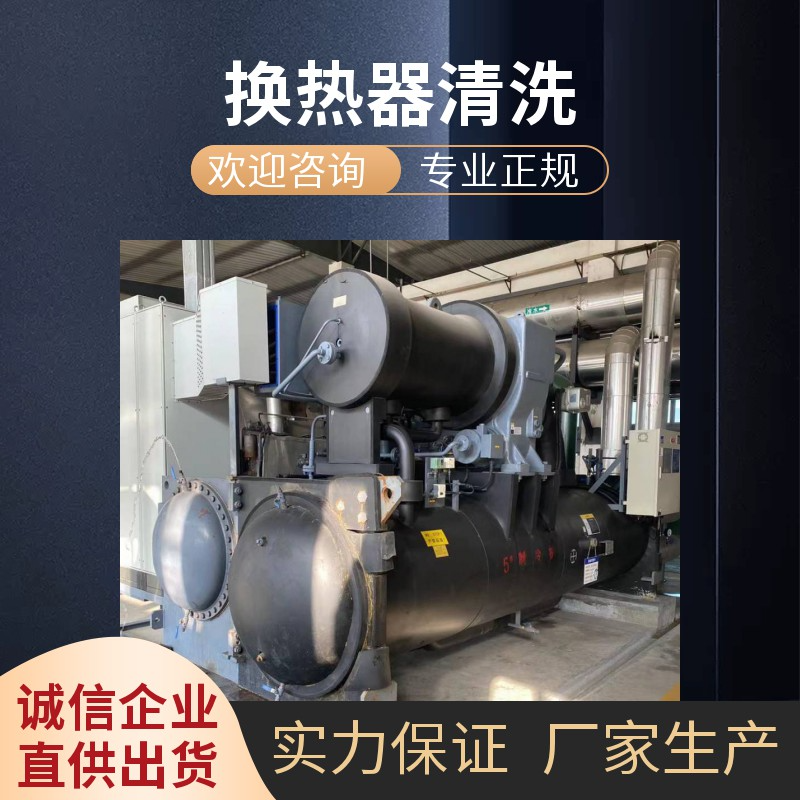
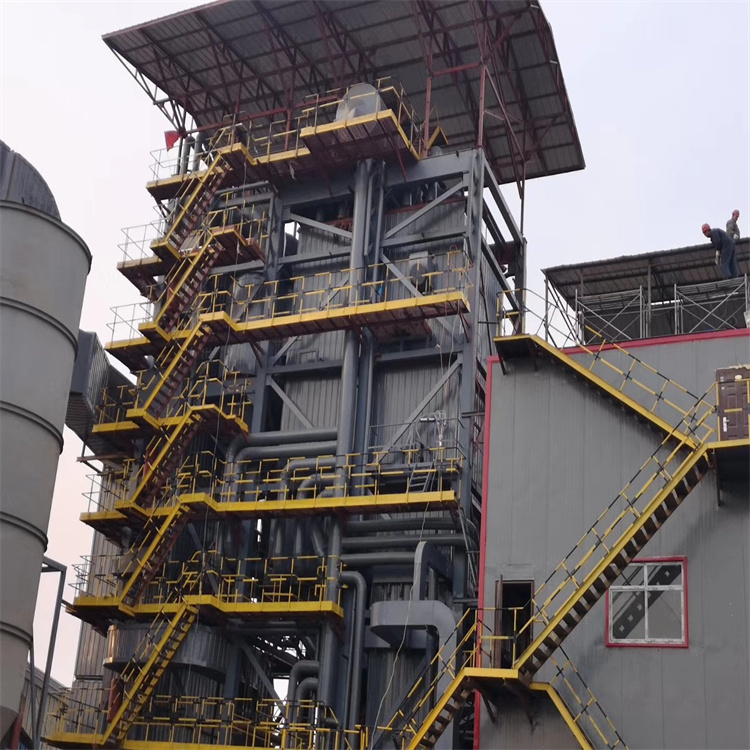

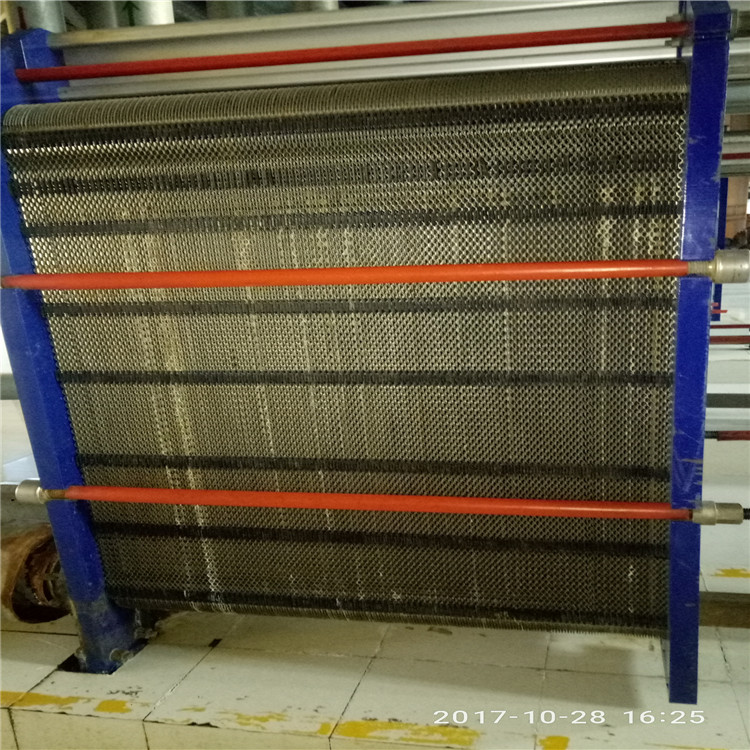
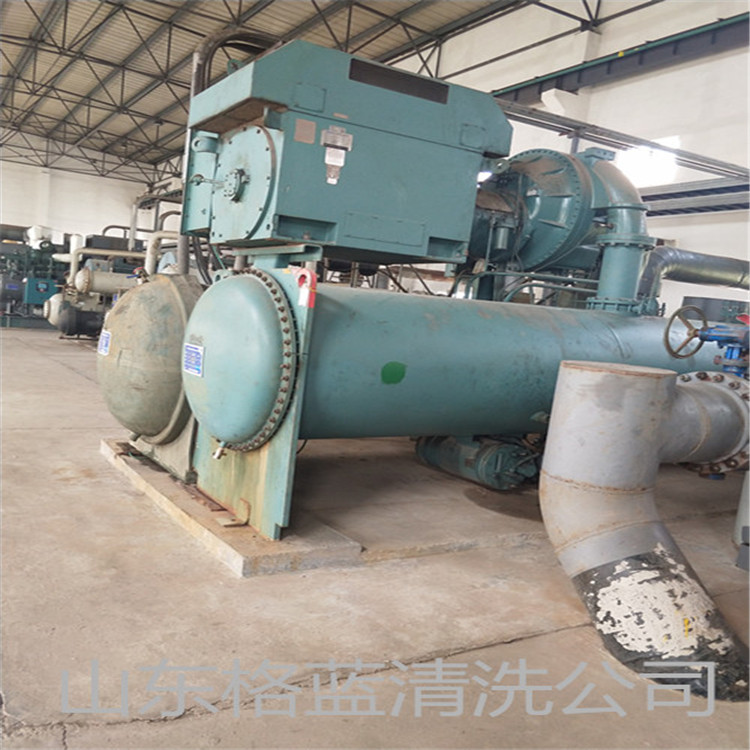
A lithium bromide absorption refrigeration unit is primarily composed of several components, including the generator, condenser, evaporator, absorber, heat exchanger, and circulating pump. During the operation of the lithium bromide absorption refrigeration unit, as the lithium bromide aqueous solution is heated by the steam in the generator, the water within the solution continuously vaporizes. With the ongoing vaporization of water, the concentration of the lithium bromide aqueous solution in the generator gradually increases and enters the absorber. The water vapor then enters the condenser, where it is cooled by the cooling water inside and condenses into high-pressure, low-temperature liquid water. When the water in the condenser passes through a throttle valve into the steam generator, it rapidly expands and vaporizes, absorbing a significant amount of heat from the refrigerant water in the evaporator during the vaporization process, thereby achieving the cooling and refrigeration effect. During this process, the low-temperature water vapor enters the absorber, where it is absorbed by the lithium bromide aqueous solution, causing the solution concentration to gradually decrease. The solution is then returned to the generator by the circulating pump, completing the entire cycle.。
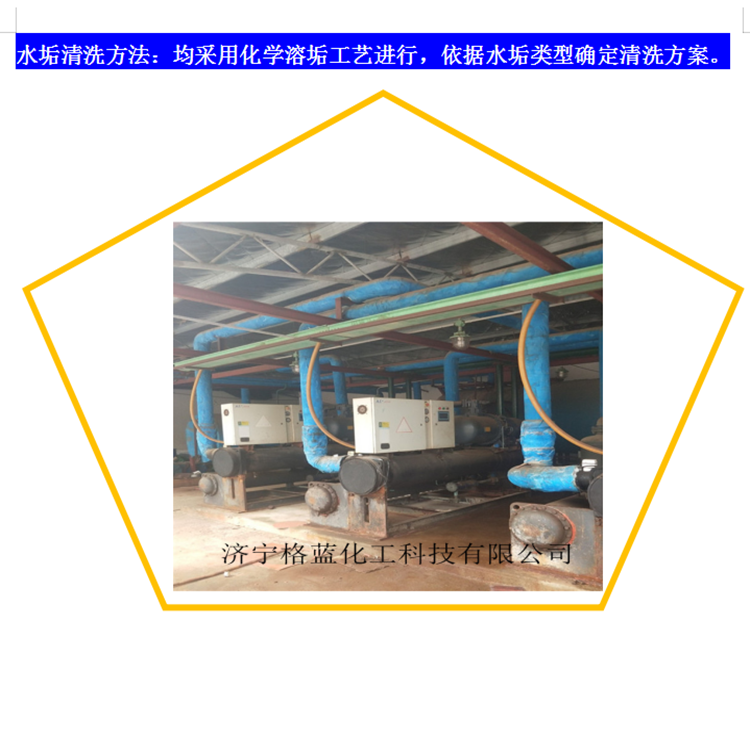
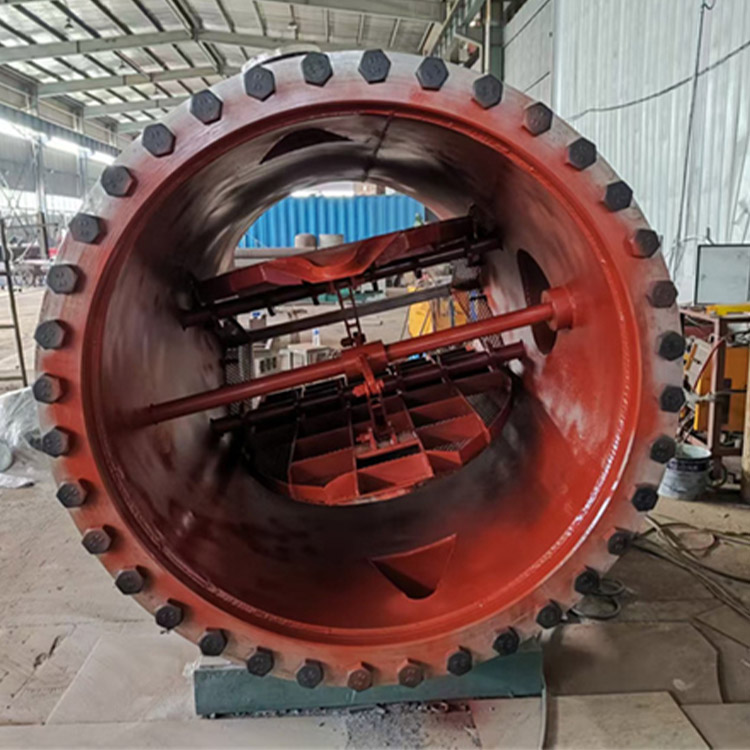
The cleanliness of the interior cavity is crucial to the quality and performance of the refrigerant—lithium bromide solution, thereby affecting the refrigeration effect. The lithium bromide solution used in brine chillers is expensive, and its quality must meet reagent-grade standards. Unqualified solutions not only lead to a decrease in refrigeration capacity but also shorten the lifespan of the unit. Contaminated cavities with impurities can block the pump filter mesh, causing malfunctions; they can also block the absorber, evaporator nozzles, or spray holes, reducing absorption and evaporation efficiency, and decreasing refrigeration capacity; and they can form scale in the high-pressure generator, evaporator, absorber, condenser tube side, and high/low-temperature heat exchanger tube side and shell side, affecting heat exchange efficiency. Therefore, maintaining the cleanliness of the brine chiller's interior cavity and ensuring the nozzles are unobstructed is an important aspect of brine chiller maintenance.