









Pipe Scale
(1) Classified by chemical composition, it includes carbonate scale, sulfate scale, silicate scale, and mixed scale, etc. The main components of carbonate scale are calcium carbonate and magnesium carbonate; the main components of sulfate scale and silicate scale are calcium sulfate and silicate compounds, respectively.
(2) Classified by physical properties, there are two types: a hard scale that firmly adheres to the pot and pipe walls, and a loosely textured sediment that is easy to detach.
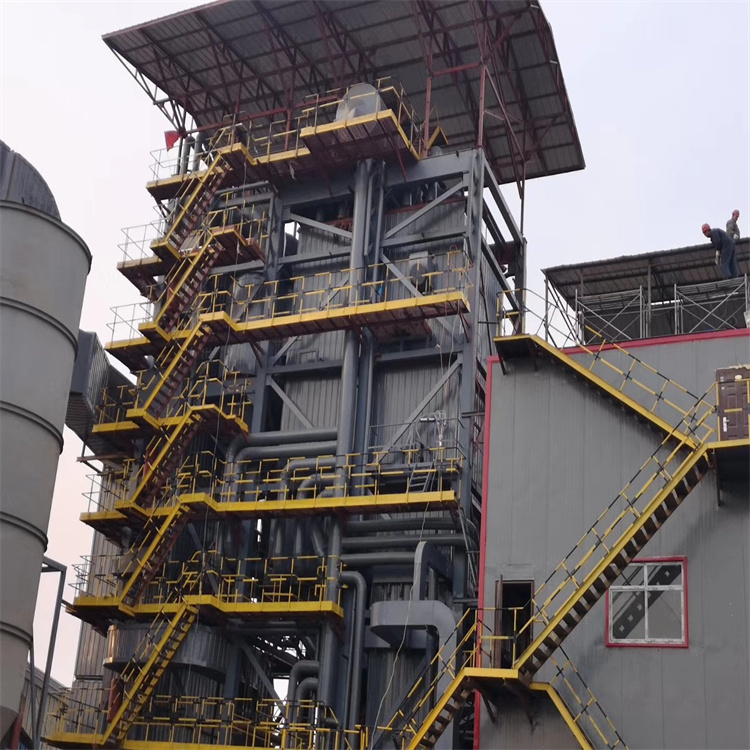
Lime scale primarily forms due to the salts of calcium and magnesium present in the boiler feed water, which precipitate and adhere to the metal surface upon heating. Lime scale has a very low thermal conductivity, about 2 to 5 times that of ordinary steel. When lime scale accumulates on the boiler's heating surface, it severely degrades heat transfer efficiency, affecting the boiler's performance; it can also cause metal materials to burn due to localized overheating, potentially leading to tube bursting accidents; it accelerates galvanic corrosion, causing pipeline lime scale corrosion, and speeds up the deterioration of the heating surface. Once lime scale forms, it should be promptly removed using mechanical or chemical methods.
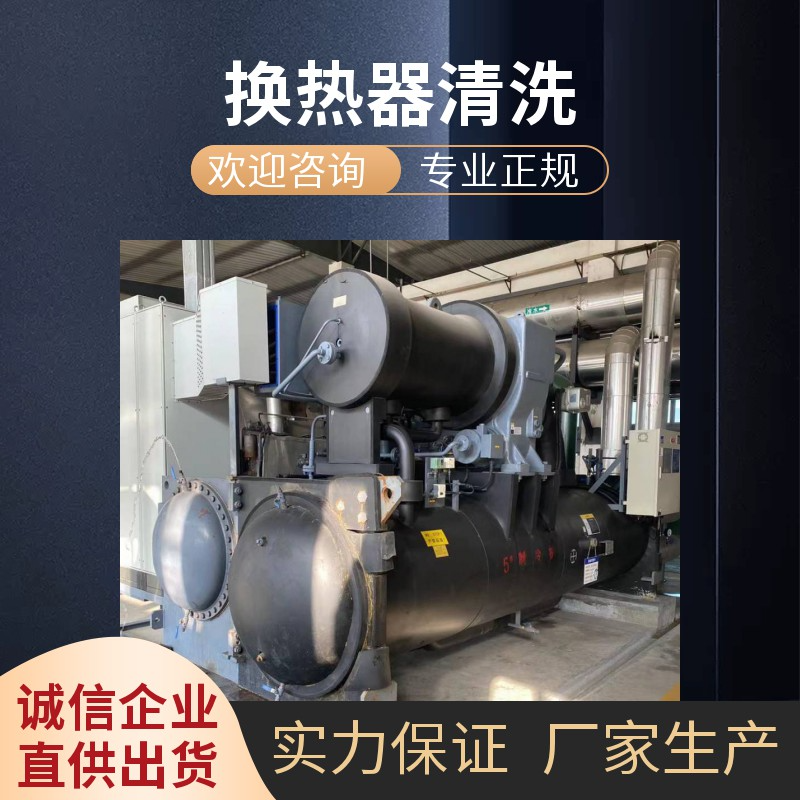
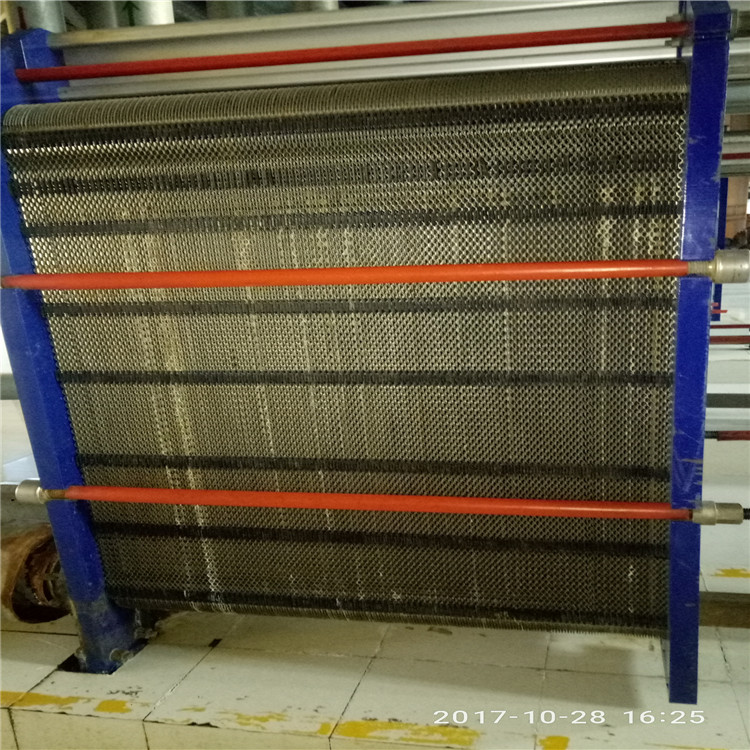
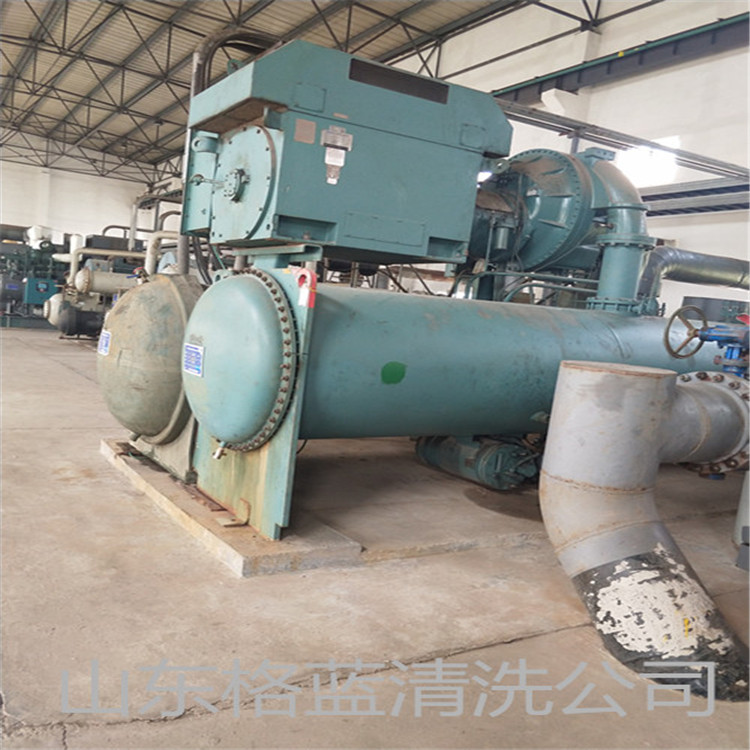
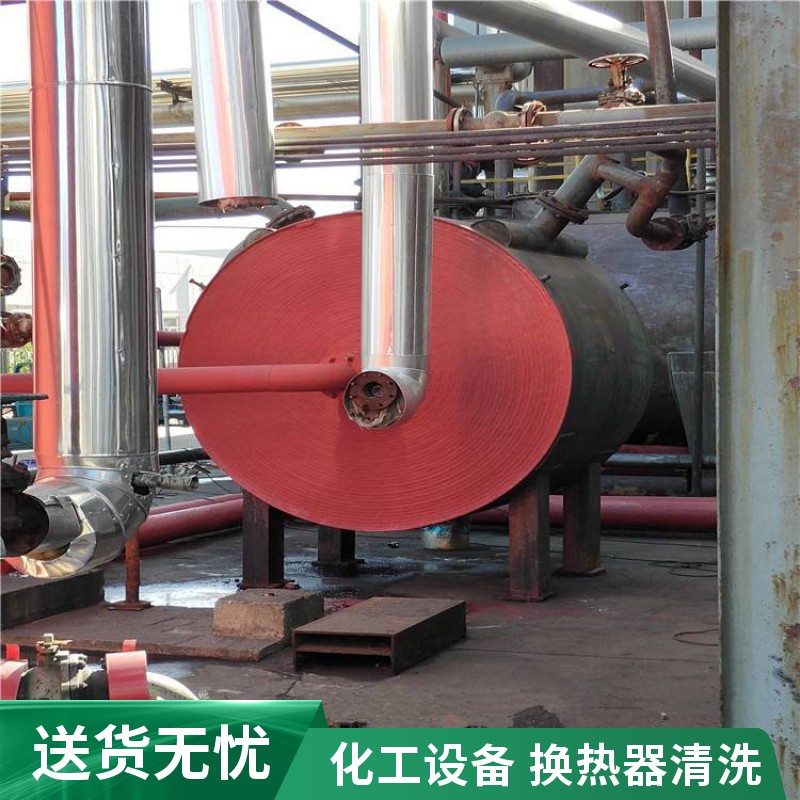
Heat Exchanger & Refrigeration Equipment Cleaning - Choose Green Chemicals for Confidence