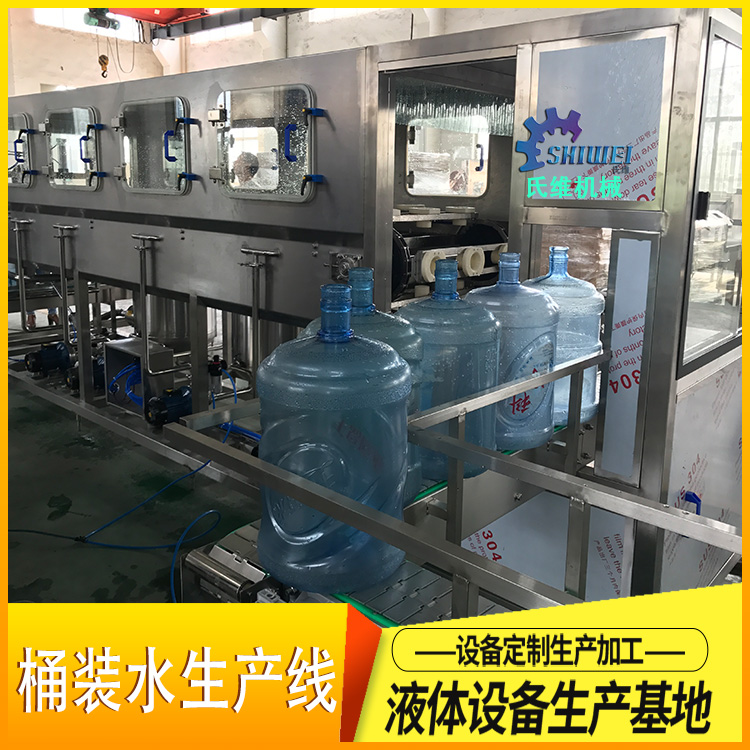







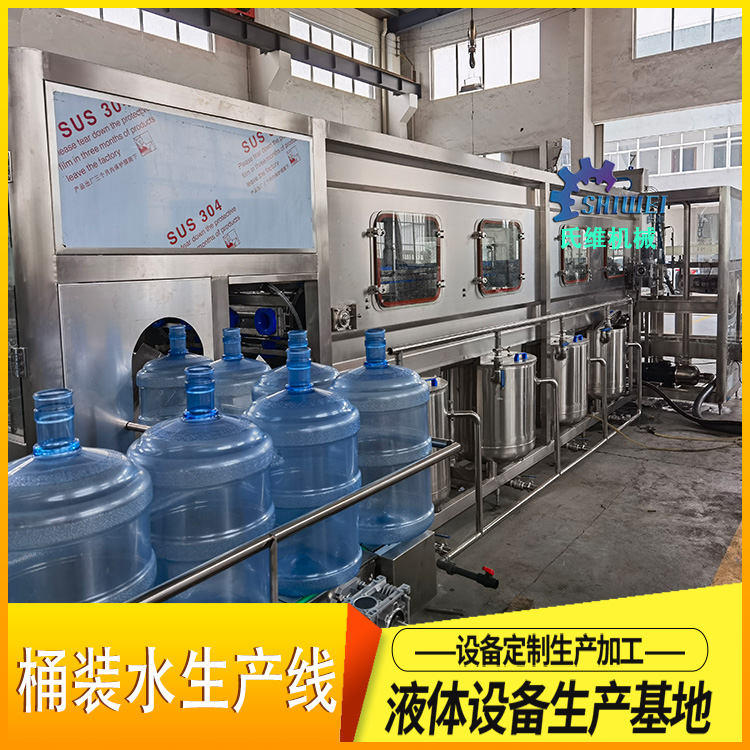
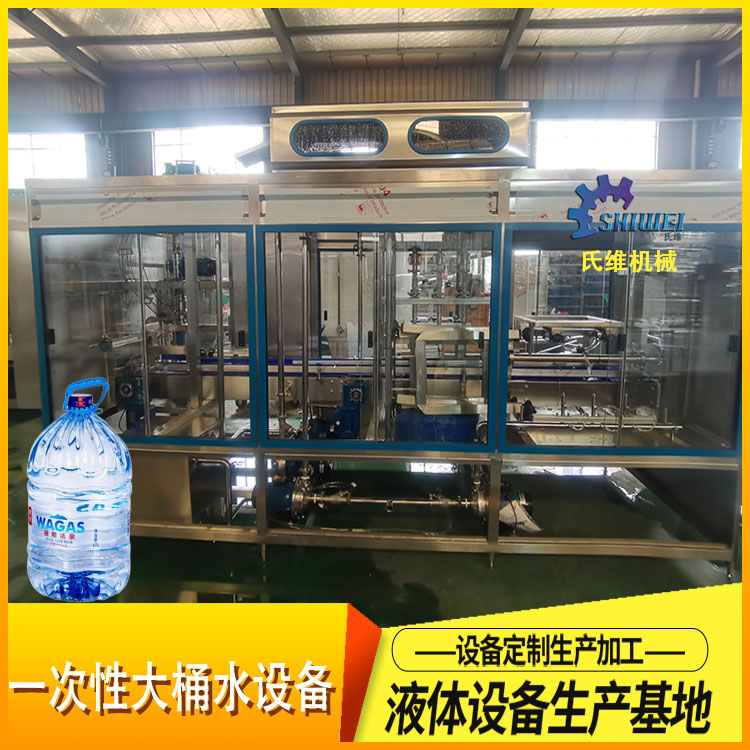
Bottled water is a common product on the market, with many using 4-5 gallon large containers for packaged drinking water. The water bottles are made from PC material and are reusable, making them a preferred choice. Due to the reusable nature of the bottled water containers, they require a series of treatments after each collection.
Recovered PC drums are not just externally dirty; internally, they may contain other foreign objects. Previously, using an internal brush cleaning method with bristles, over time, it's prone to shedding bristles, which poses a significant隐患. To address the issue of bristles shedding from internal brushes, the equipment has been improved. Now, it employs internal high-pressure flushing, utilizing high-pressure water jets to thoroughly clean the inside of the drum, with multiple high-pressure water pumps connected externally. Each day, these pumps provide strong high-pressure output, linked together. They are responsible for the vertical cleaning at each washing station, without any interference. The flushing pressure can be adjusted via the control system. The standard pressure is a high-pressure water jet of 30-90 kg.
Empty drums are recycled, and the lids are single-use consumables. Each time, the lids need to be removed, utilizing an automatic lid-pulling machine to save labor. With photoelectric detection, the lids are automatically pulled off when drums are present, and the machine does not operate without drums, improving efficiency.
Bottled water production requires multiple rinsing steps for the barrels prior to filling, primarily including hot alkaline water rinsing, recirculating water rinsing, and sterile filtration water rinsing. The bottling line can be customized with additional rinsing stages according to customer requirements. Equipment can also be tailored to customer specifications, featuring automatic empty barrel lifting and positioning during rinsing to ensure stable horizontal alignment. Imported chains are used for various medium to large-scale production needs. The bottling process employs a non-contact method to maintain cleanliness in the filling environment, thereby enhancing overall hygiene standards.
The water factory needs to record the production time for each product before it hits the market. Generally, the spray time for bottled water is directly marked at the opening of the barrel. Currently, most customers are using laser coding machines, which have the advantage of being耗材-free, with a long service life, and once calibrated, they require no manual checking. The height of the product can be adjusted accordingly.
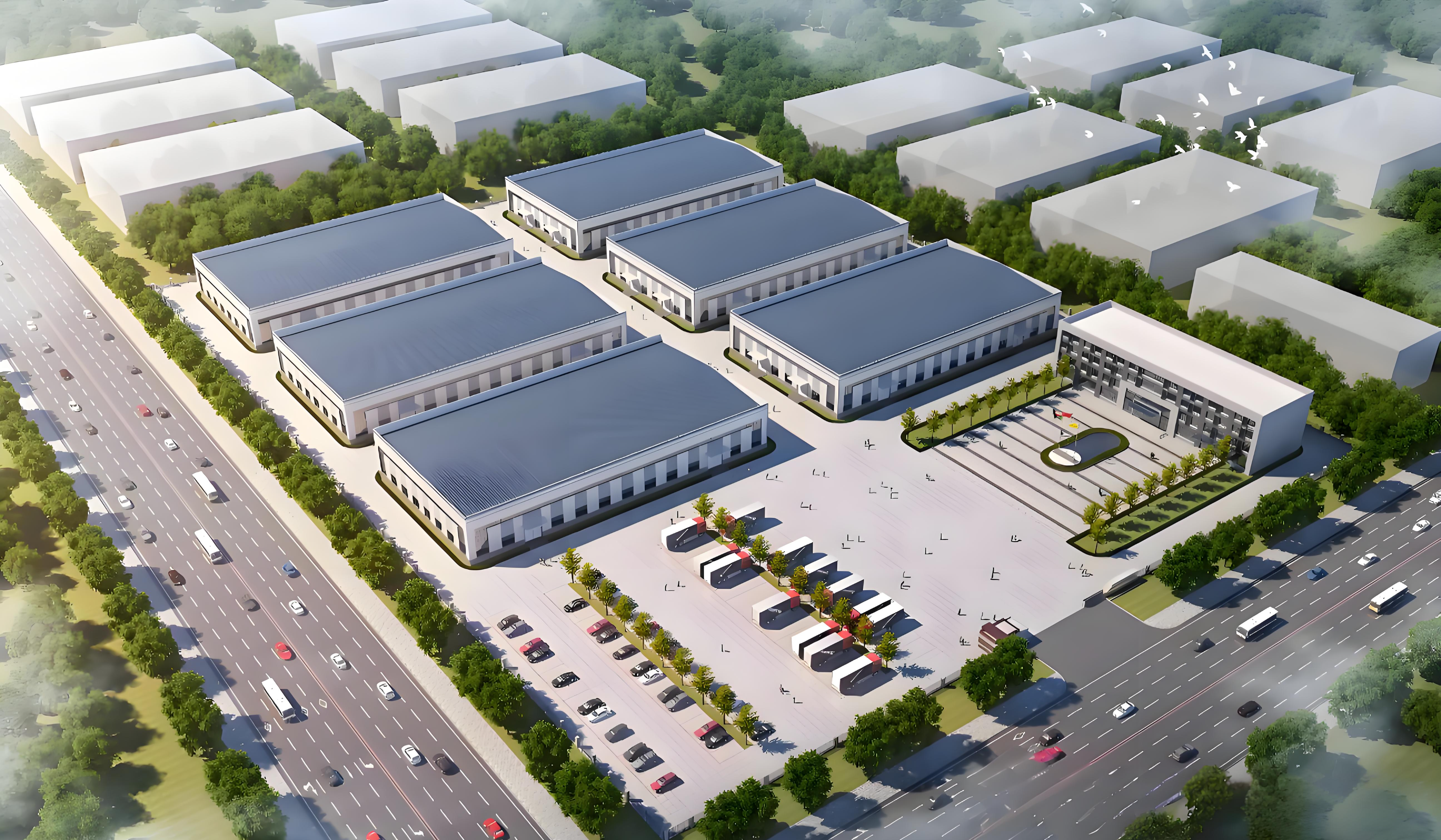
For cost savings, construction of barrel water production lines often utilizes steel structures. The benefits of steel structures include low investment and rapid construction, making them suitable for clients needing quick factory establishment. The walls are typically lined with fire-retardant materials. In northern facilities, attention should be given to frost prevention and insulation.
WeChat Official Account

Scan to follow Official Account