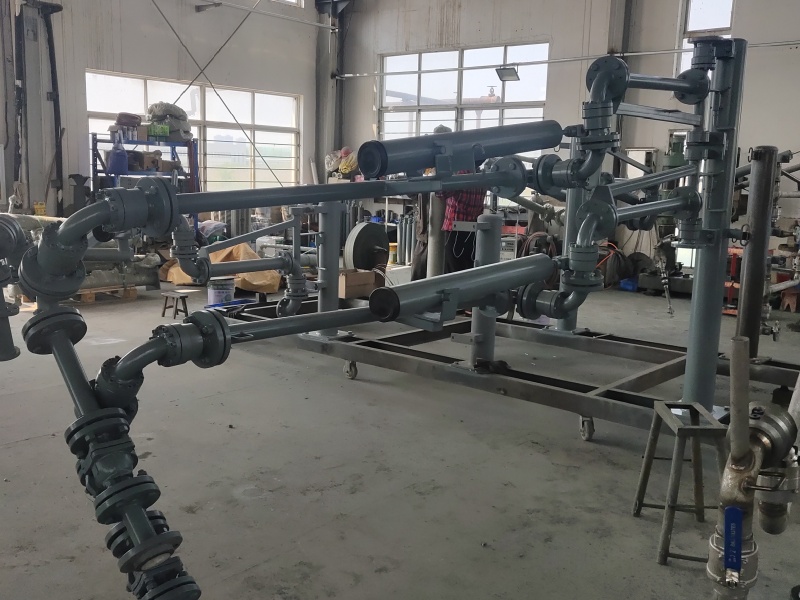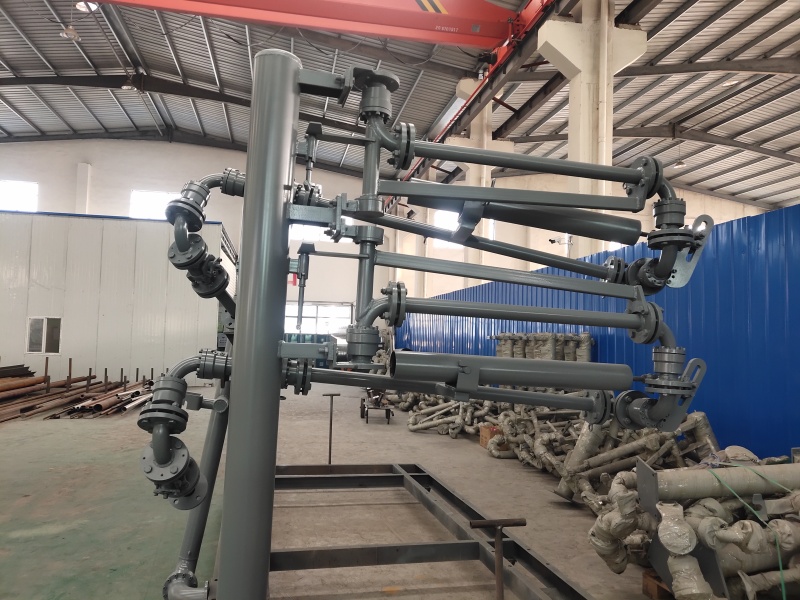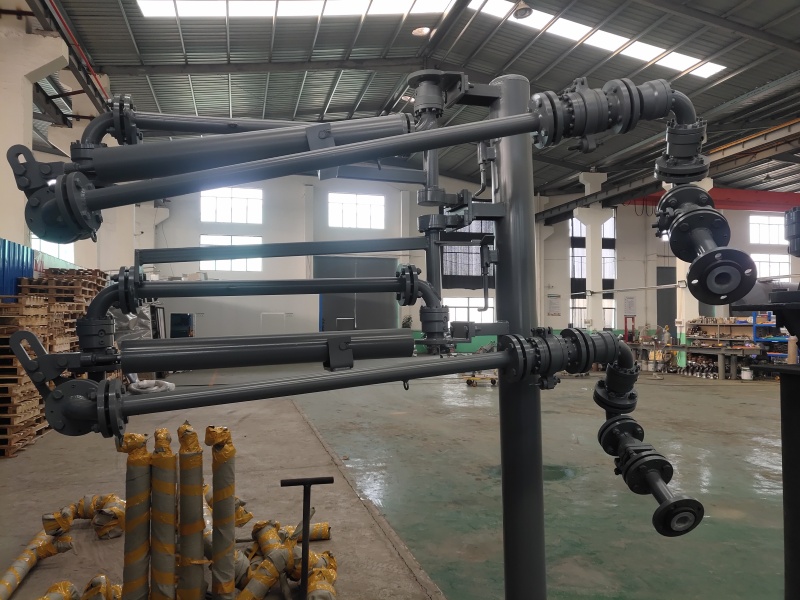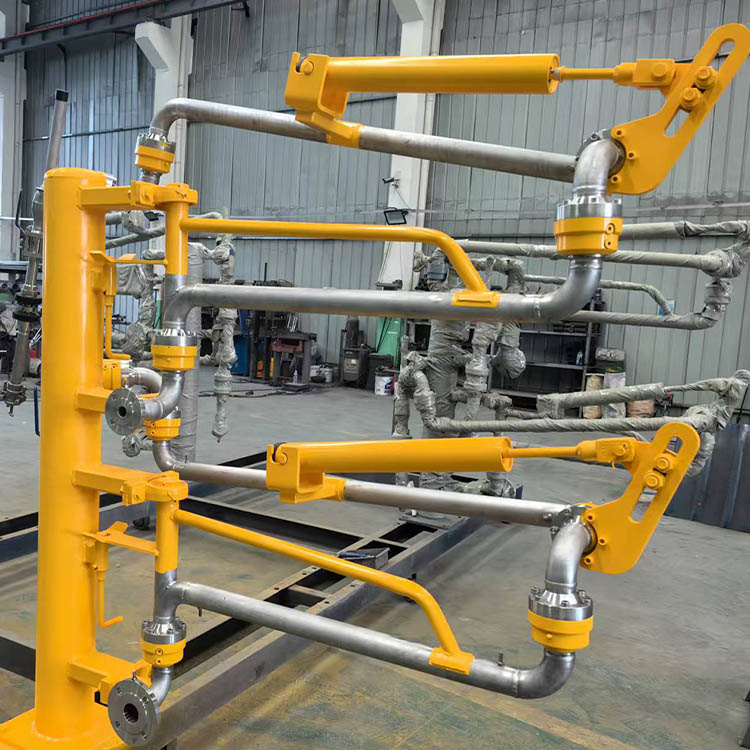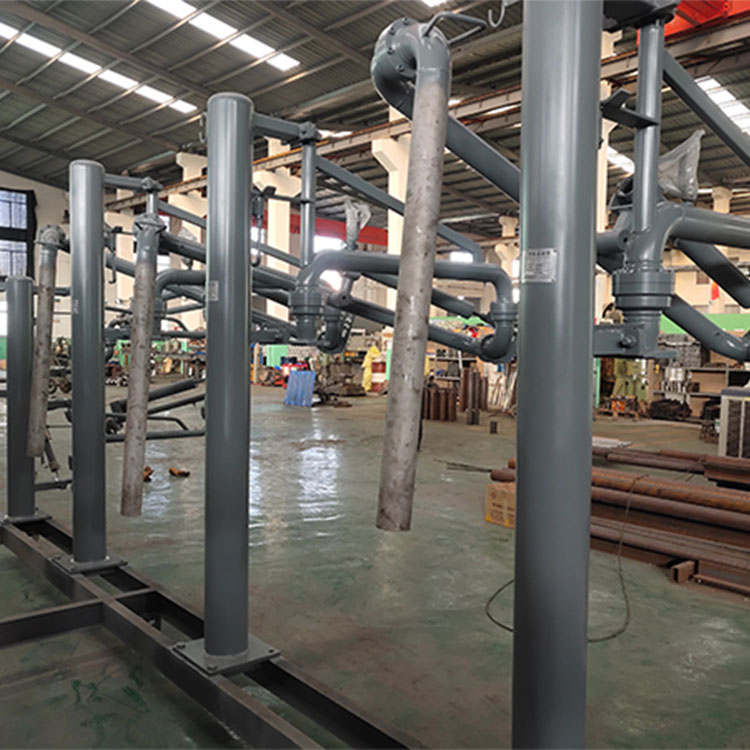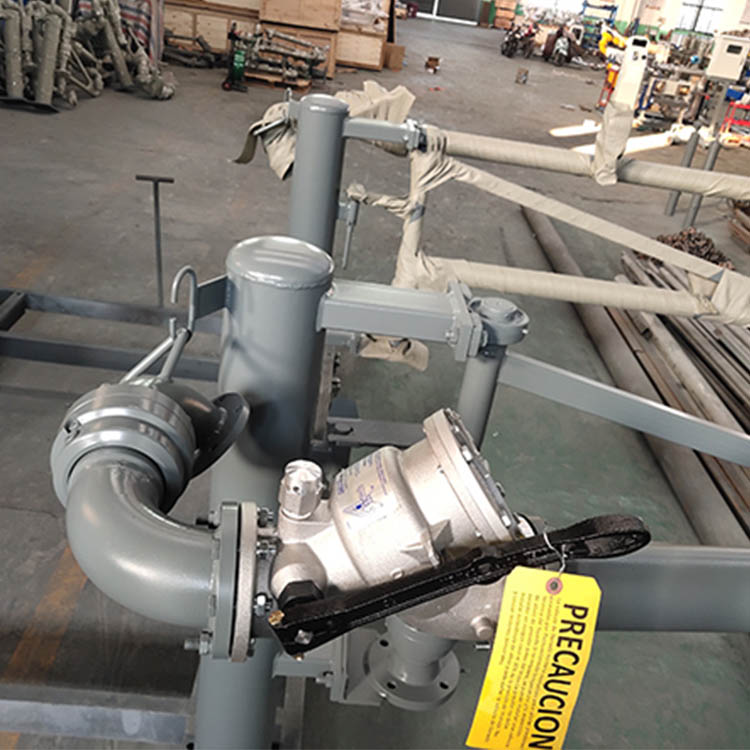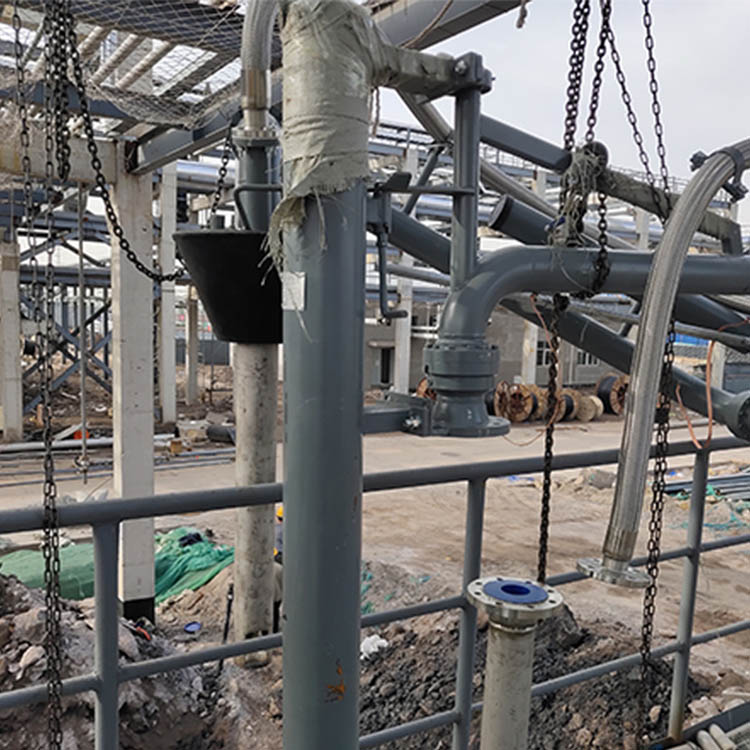







I. Material Characteristics and Core Advantages
Chemical Resistance
PTFE is nearly inert to all chemicals and solvents, resistant to strong acids (such as sulfuric acid), strong bases, and organic solvents.
Wide temperature range adaptability
Wide temperature range applicable, with high temperature up to 250°C and low temperature down to -196°C, maintaining 5% elongation even at extreme low temperatures.
Low Friction and Non-Adhesive
Surface is smooth with extremely low friction coefficient, reducing fluid resistance while not adhering to substances, making it easy to clean.
Sealing and Pressure Resistance Performance
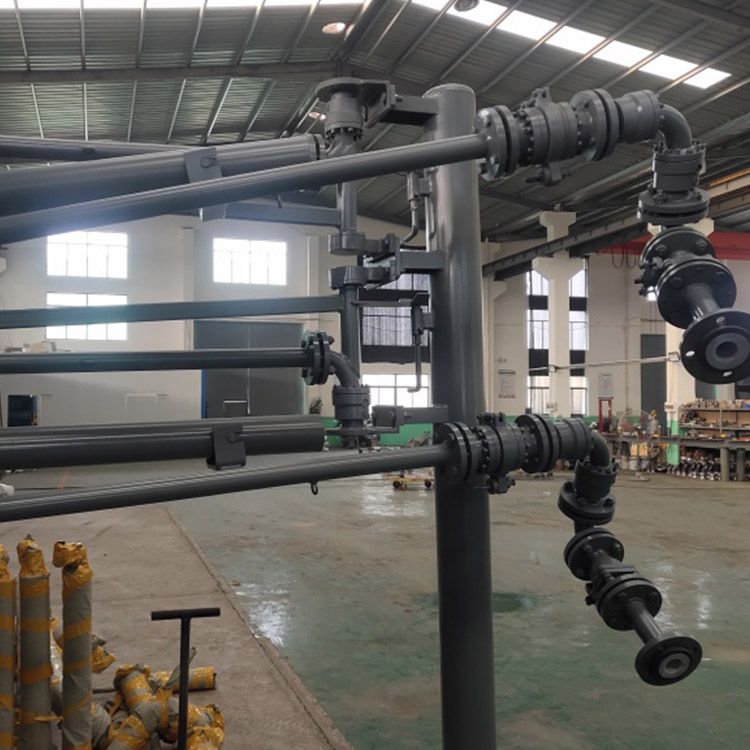
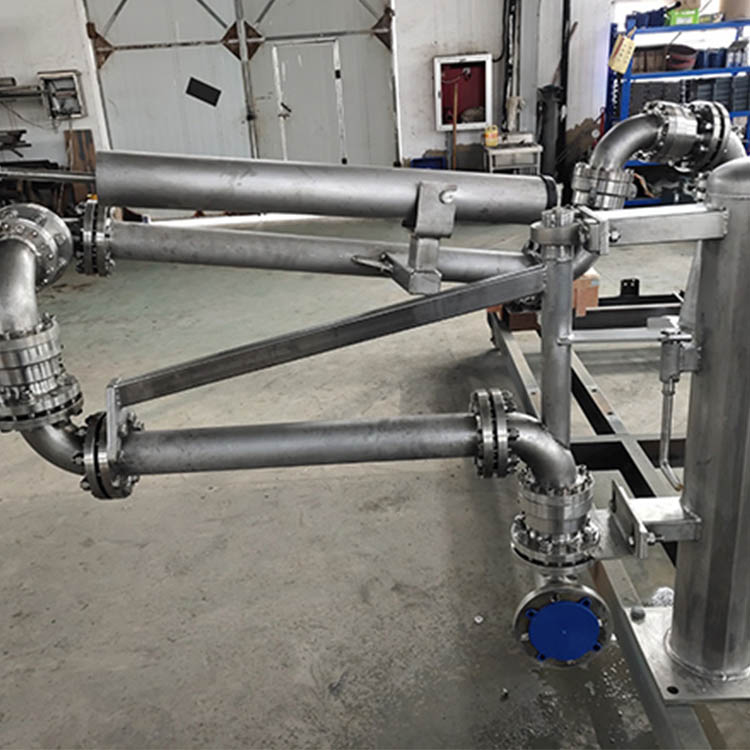
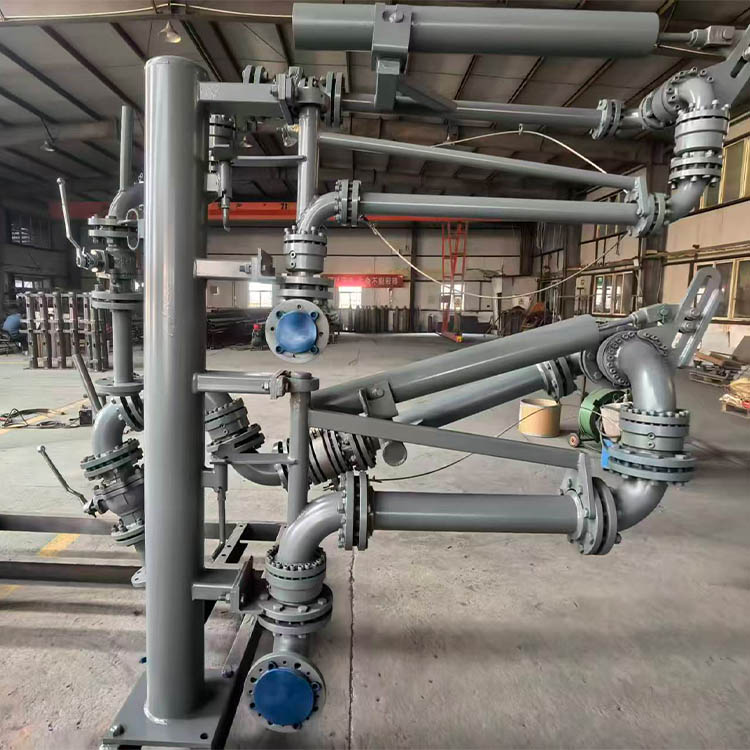
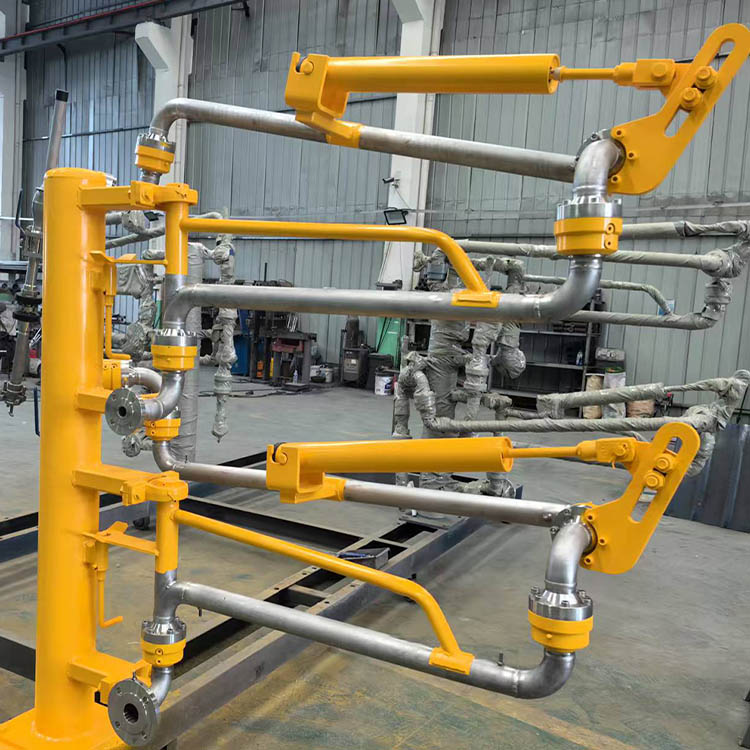
Through the molding integral forming process, the sealing surface is flat and seamless, capable of withstanding 3MPa high pressure and vacuum conditions, effectively preventing leakage.
Section II: Main Application Industries
Chemical Industry: Handling highly corrosive media (sulfuric acid, etc.).
Petroleum Industry: High-temperature, high-pressure oil and gas transportation.
Pharmaceutical and Food Industry: Meets high purity requirements, ensuring medium purity and safety.
Environmental Industry: Treat corrosive wastewater and emissions, reduce environmental pollution.
Metallurgy Industry: Transporting molten metals and other high-temperature corrosive liquids.
III. Analysis of Advantages and Disadvantages
Advantages Disadvantages
✅ Corrosion-resistant medium ✖ Prone to aging and hardening with long-term use, may develop cracks
Wide temperature range (-196℃~250℃) ✖ Susceptible to deformation or scorching at extreme high temperatures (over 250℃)
Sealed well, high resistance to penetration; Poor bending performance, requires larger installation space
Low friction coefficient, improves conveying efficiency; ✖ Complex production process, higher cost.
Four: Corrosion Prevention Measures
Multi-layered Structure Design
Insulation and Thermal Barrier: Filled with insulating materials like asbestos between carbon steel pipes and Teflon layers to minimize temperature fluctuation impact.
Regular Maintenance: Inspect pipe damage and worn-out seals; promptly replace damaged parts
V. Selection and Usage Recommendations
Selection Criteria: Choose PTFE lining thickness and flange type based on medium corrosivity and temperature-pressure parameters
Installation Notice: Avoid sharp bends; use flexible connections to reduce stress.
Maintenance Cycle: Recommend a comprehensive check of seal integrity and liner integrity annually; shorten maintenance intervals in high-temperature environments.