
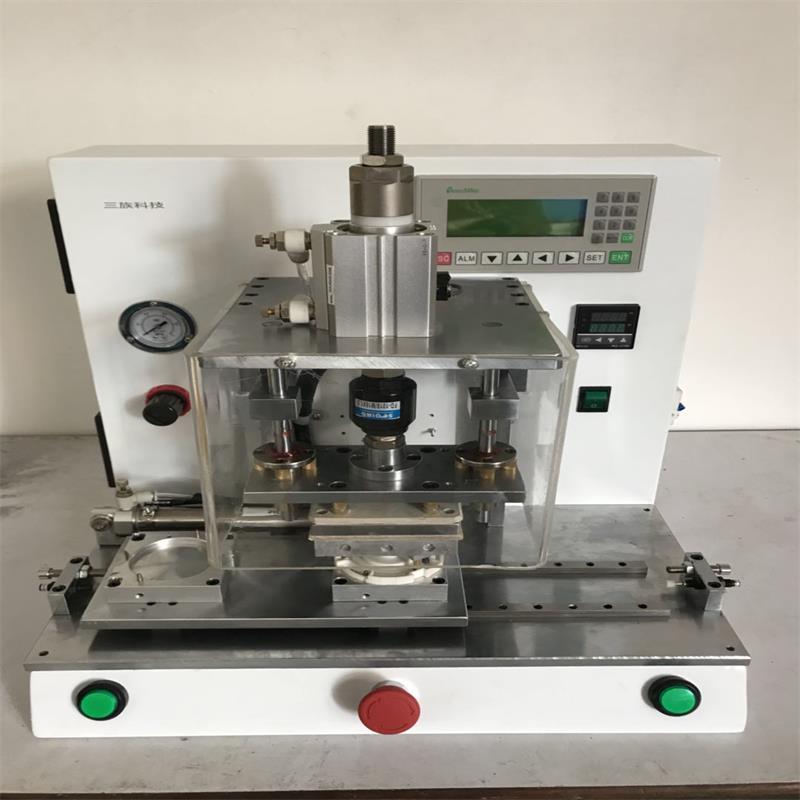







Advantages:
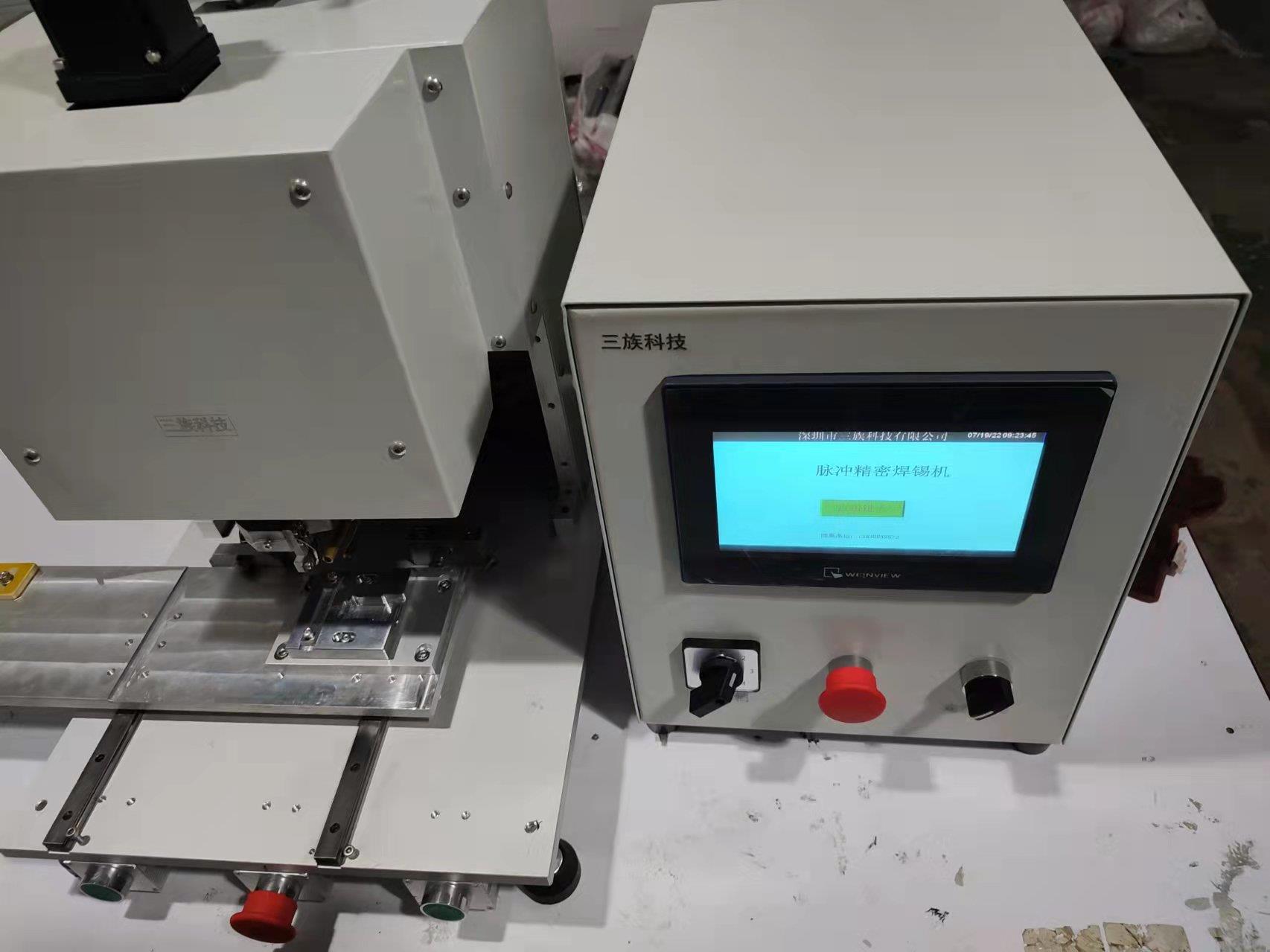
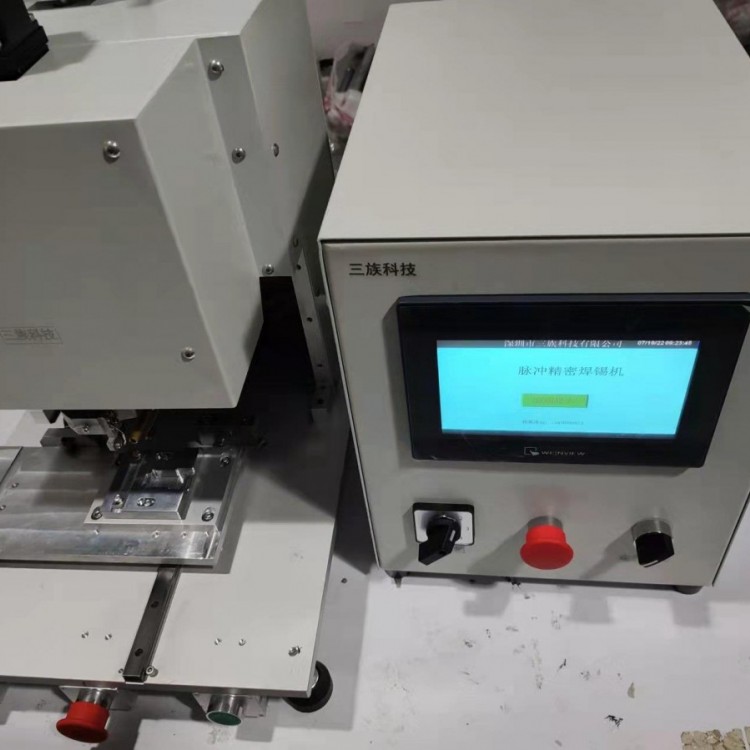
Pulse heat press machines can reach the desired temperature instantaneously upon power-up, and can return to room temperature almost instantly once the voltage is removed from both ends of the welding head. Additionally, the flatness of the welding head ensures that the appearance of the焊接 products is consistent and smooth, with minimal occurrences of poor solder joints.
Usage:
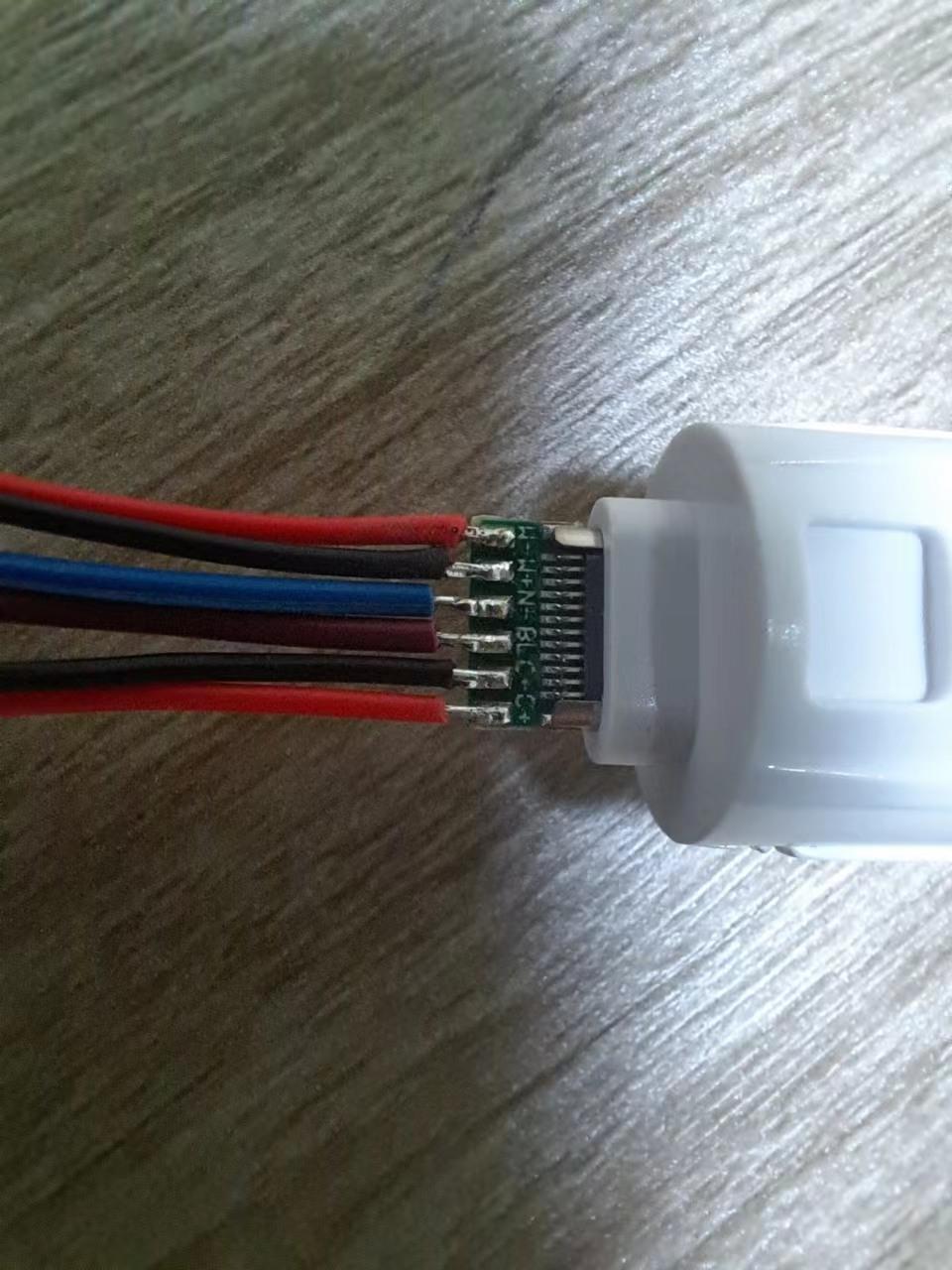
The pulse hot pressing machine is applied in the production processes of the following products: USB cable welding, soft cable FFC and flexible printed circuit board FPC or rigid printed circuit board PCB welding, welding between TCP and PCB or soft printed circuit board FPC, and welding between flexible printed circuit board FPC and PCB.
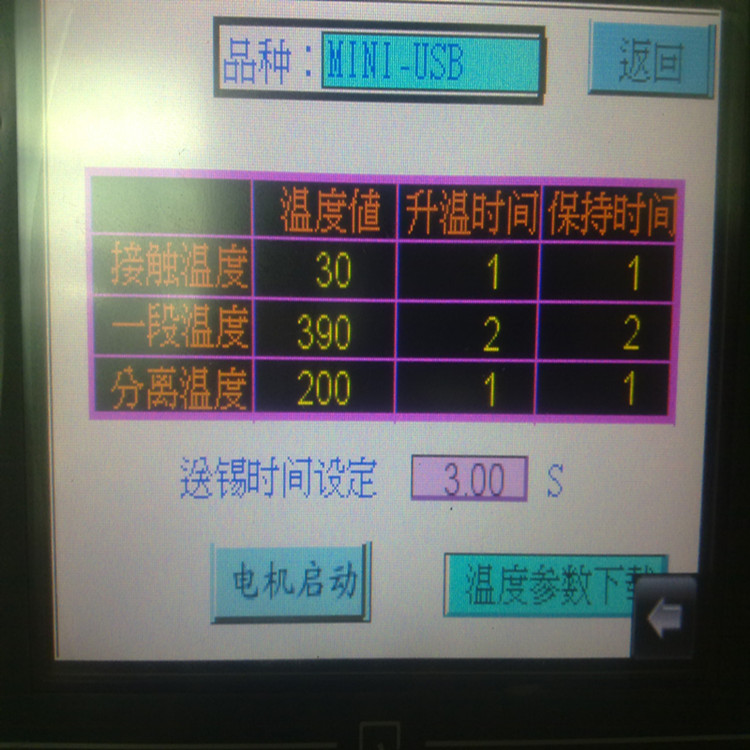
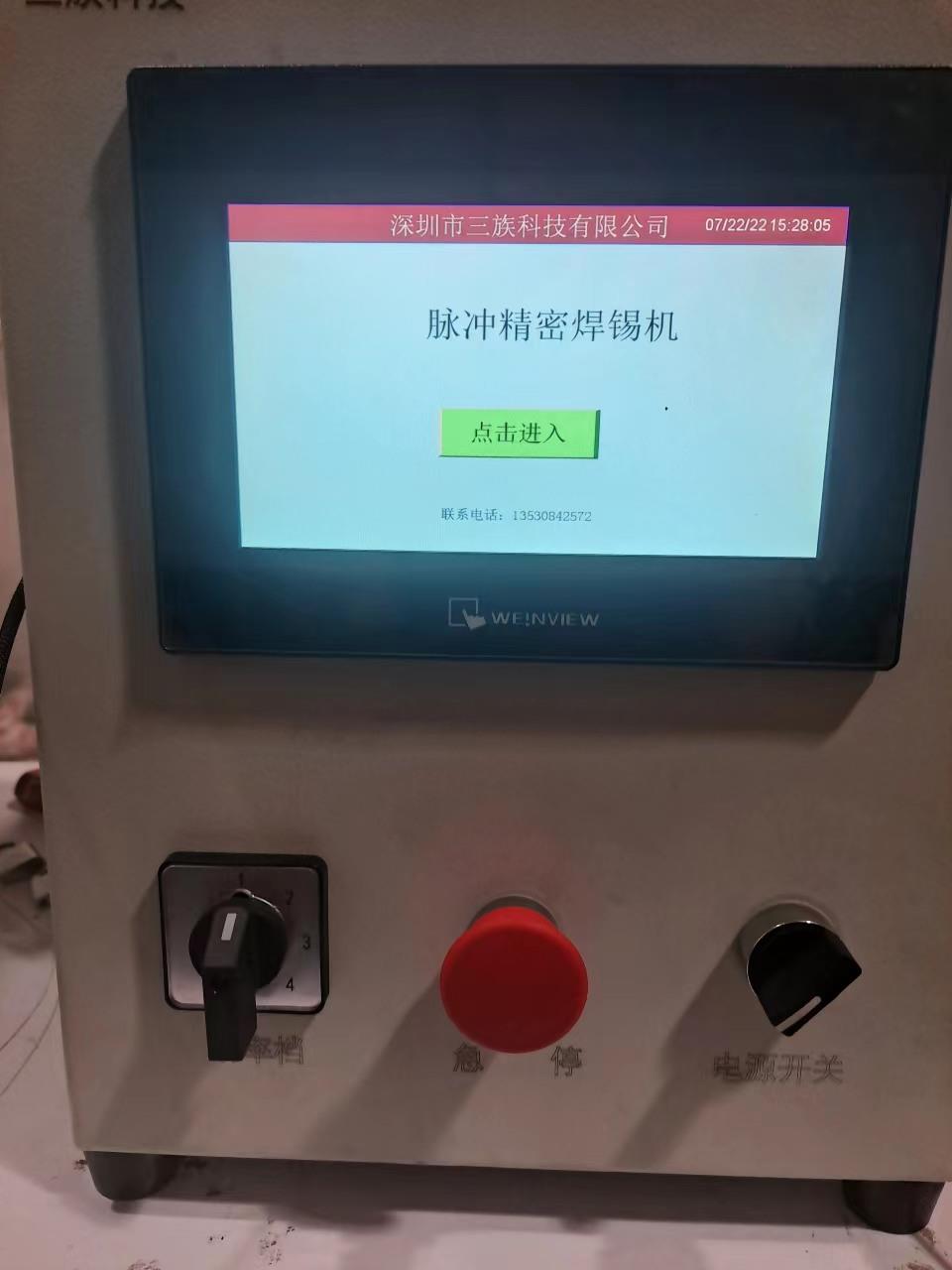
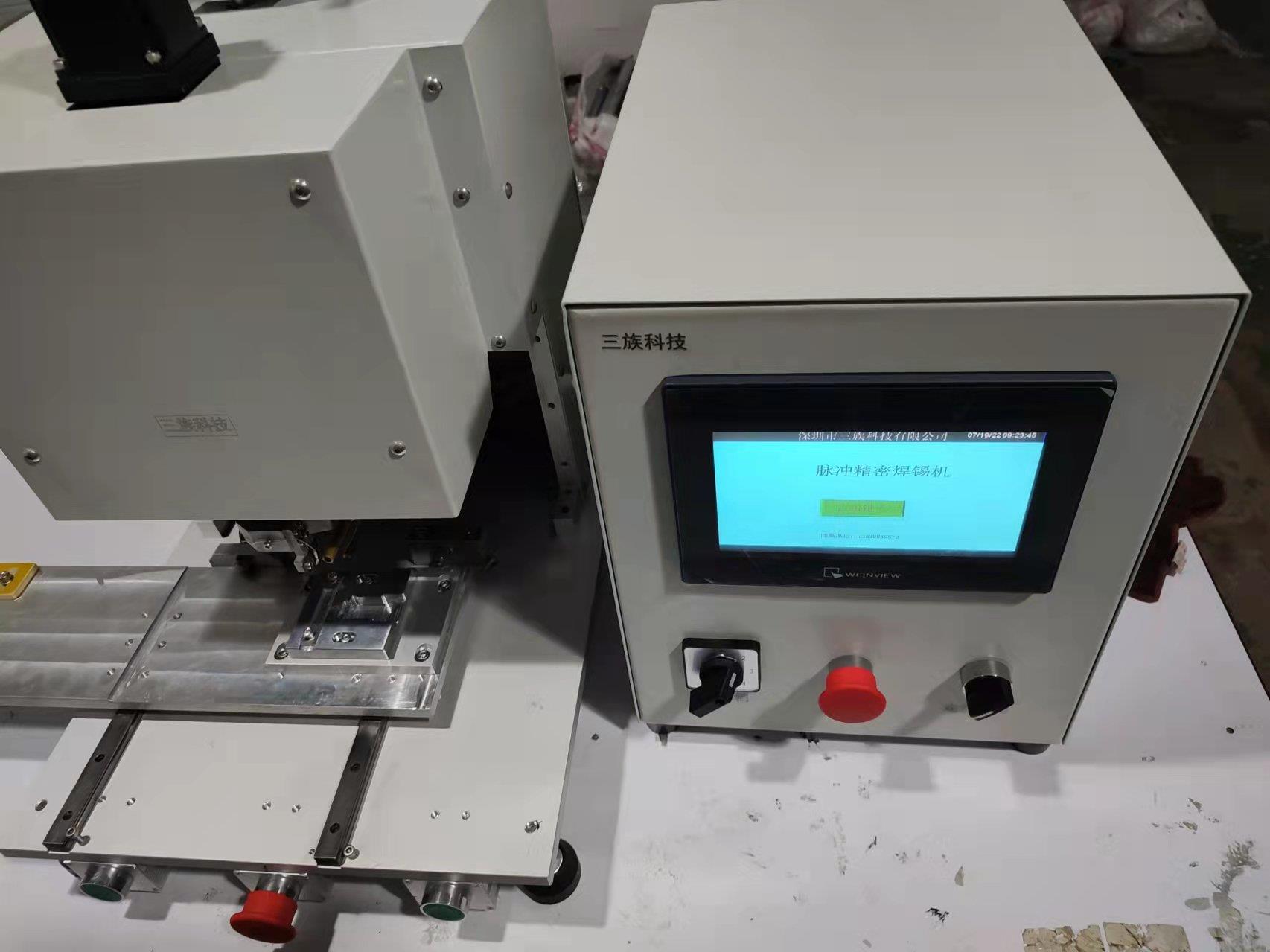
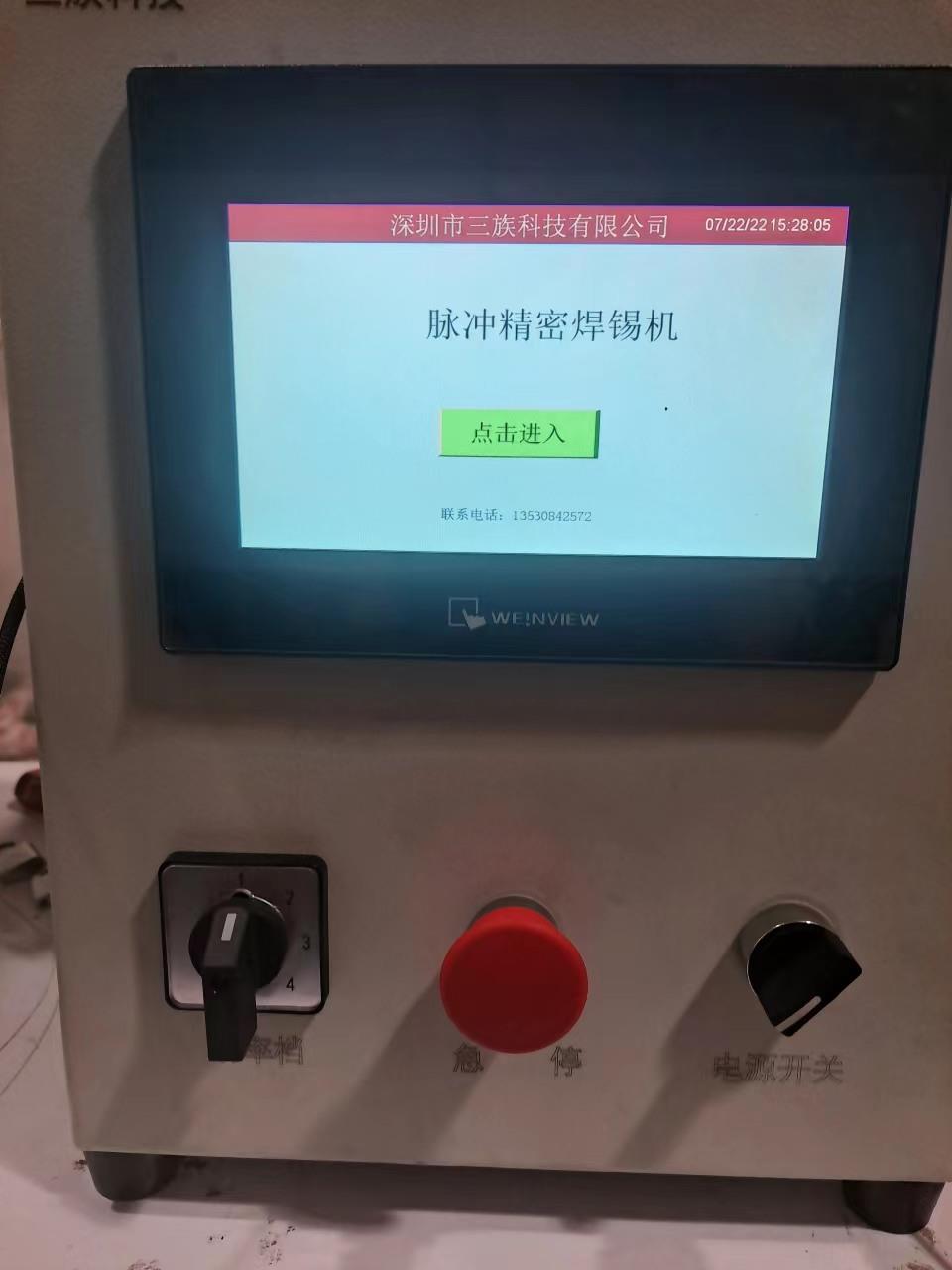
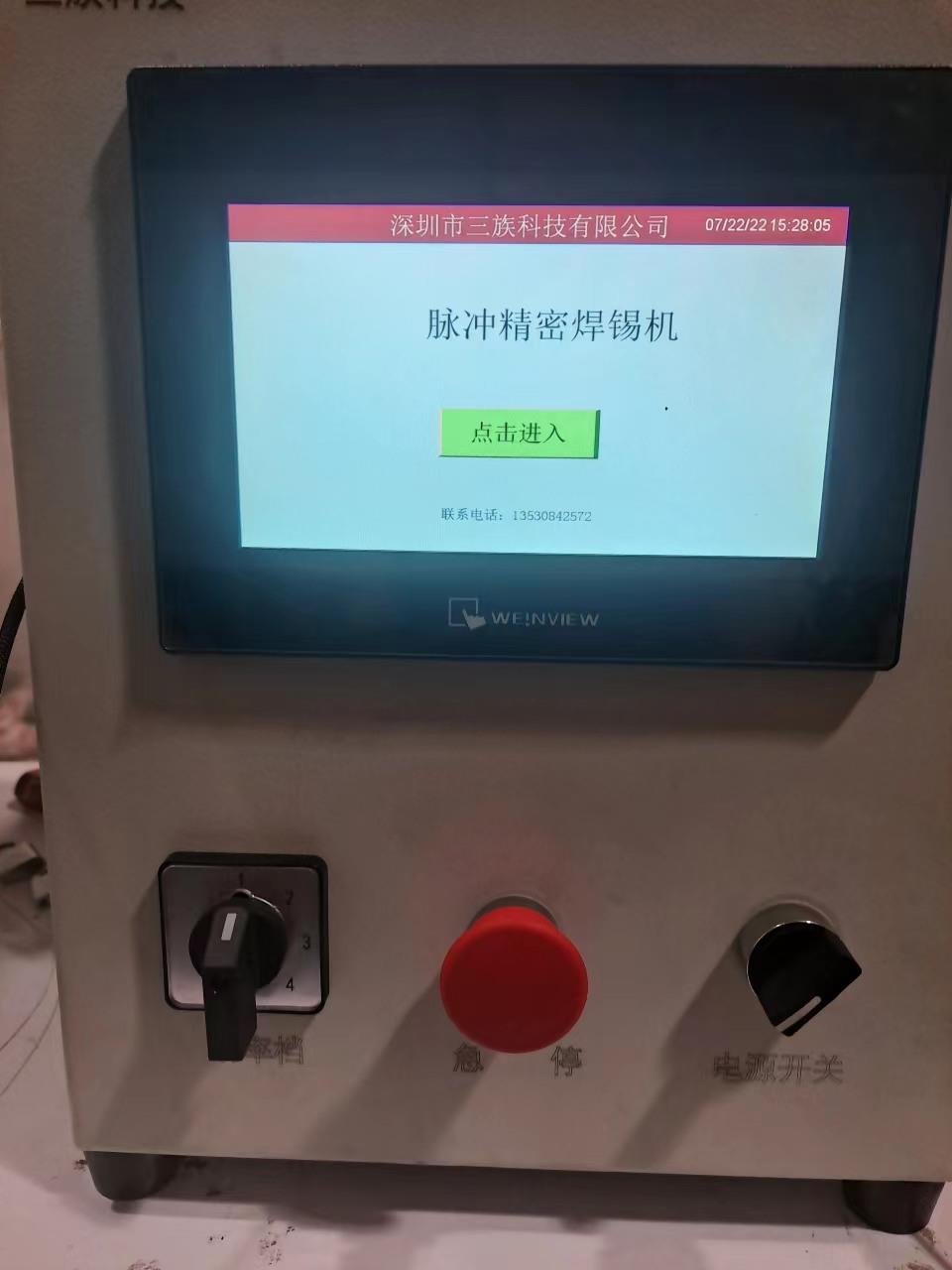
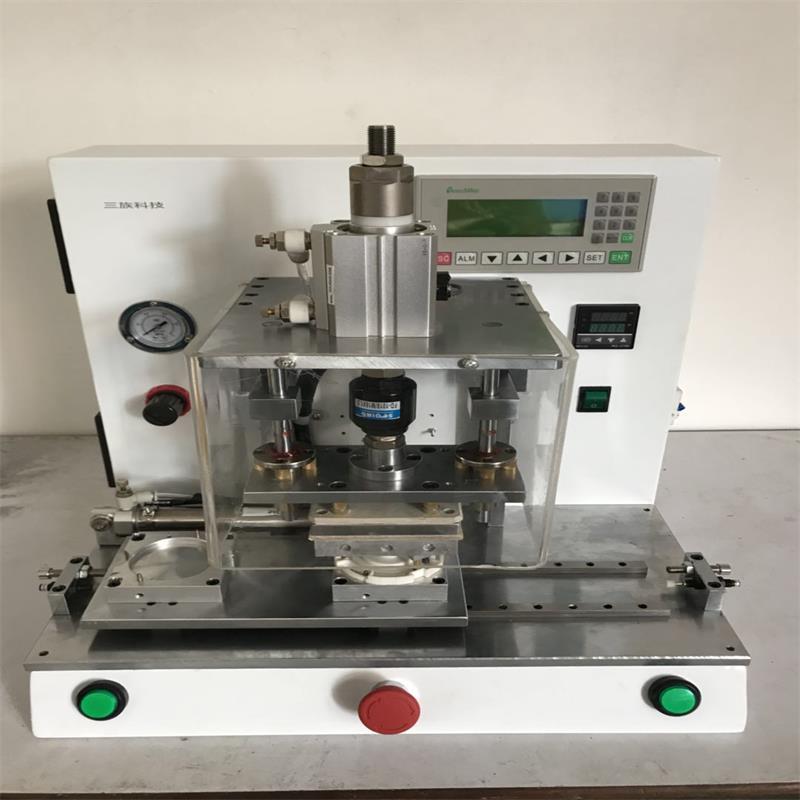
1. This machine is suitable for TYPE-C, USB enamel wire, miniDP, HDMI, miniSAS, extremely thin coaxial cables, medical wires, FPC, FFC, and fine wires with many pins for welding, ensuring even solder points without bridging, meeting high-frequency transmission requirements. 2. Equipped with a Japanese temperature control system and a Weilin touch screen, offering stable performance and precise temperature control. 3. The operation interface features a user-friendly design for convenient and quick operation. 4. Real-time temperature monitoring function with a liquid crystal display showing the temperature curve during the welding process. 5. Automatic blowing and cooling of the welding tip. 6. Easy and quick mold and machine adjustment with automatic system detection and fault alarm functions. 7. Assistance with process introduction and technical support.

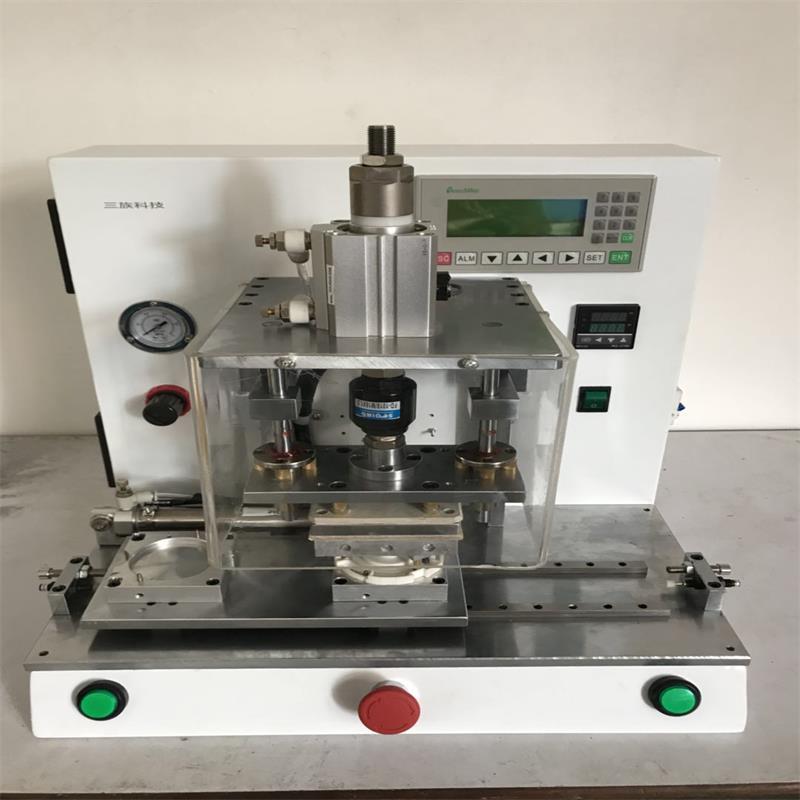
The pulse heat press machine generates a high current at low voltage using a transformer, which is then rapidly heated through the welding head. The larger the pulse current output, the faster the welding head heats up. Place the workpiece in the fixture, lower the fixture under the welding head, press the start button, and the welding head presses down on the workpiece, initiating the heating process. The temperature rises quickly and maintains a precise constant value. At this point, solder refows, blows air for cooling, the welding head rises, the solder points are even, there's no bridging, and the welding is complete.