




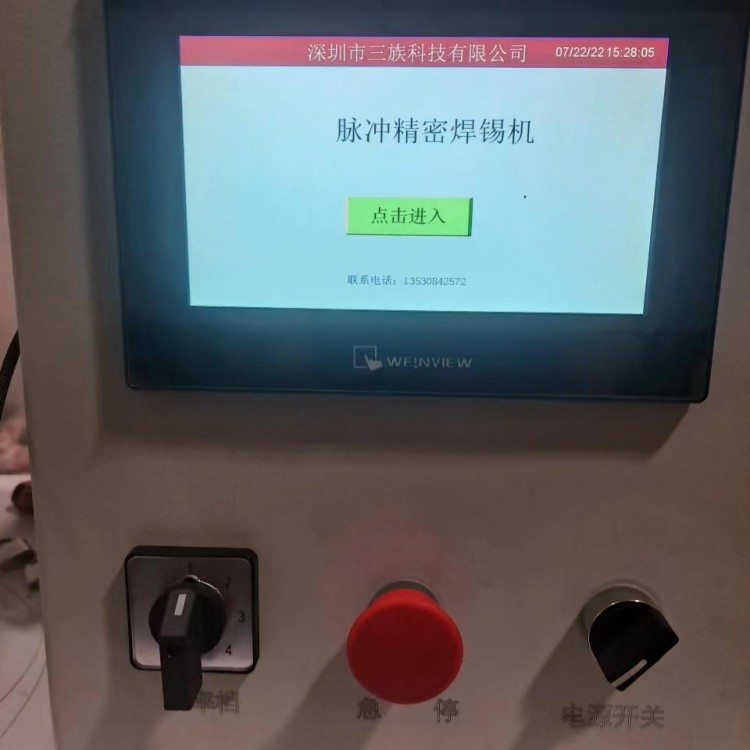
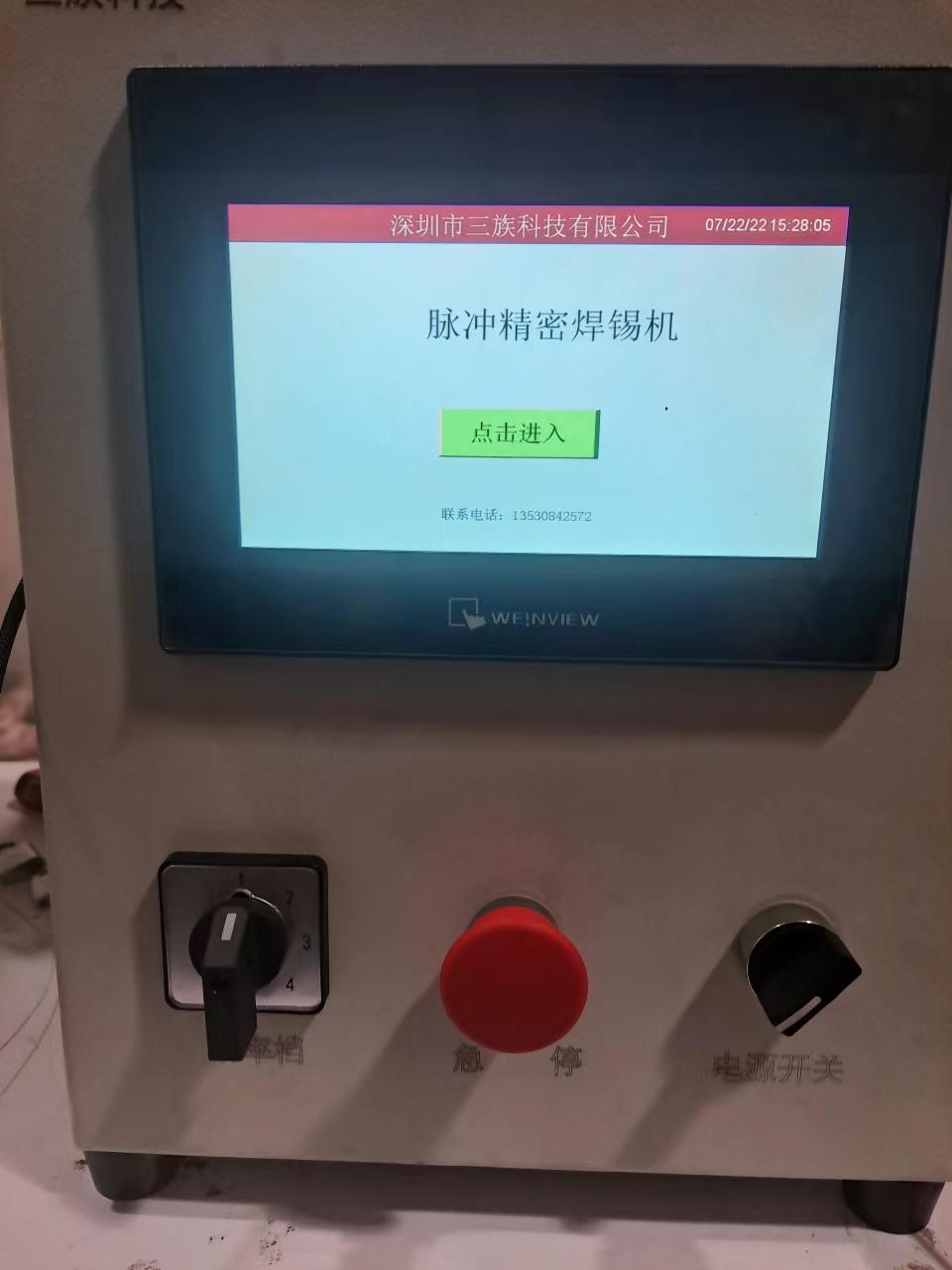
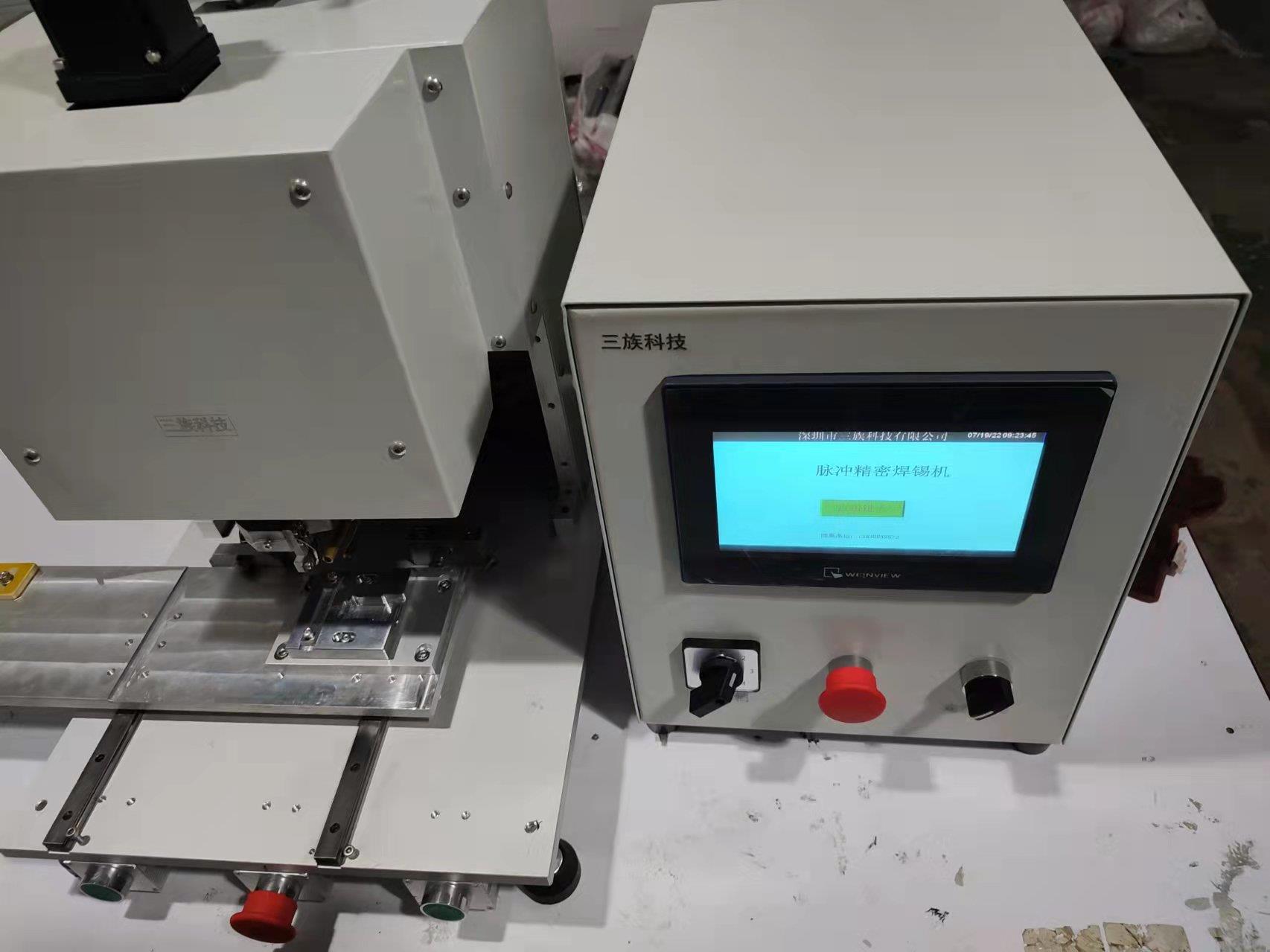
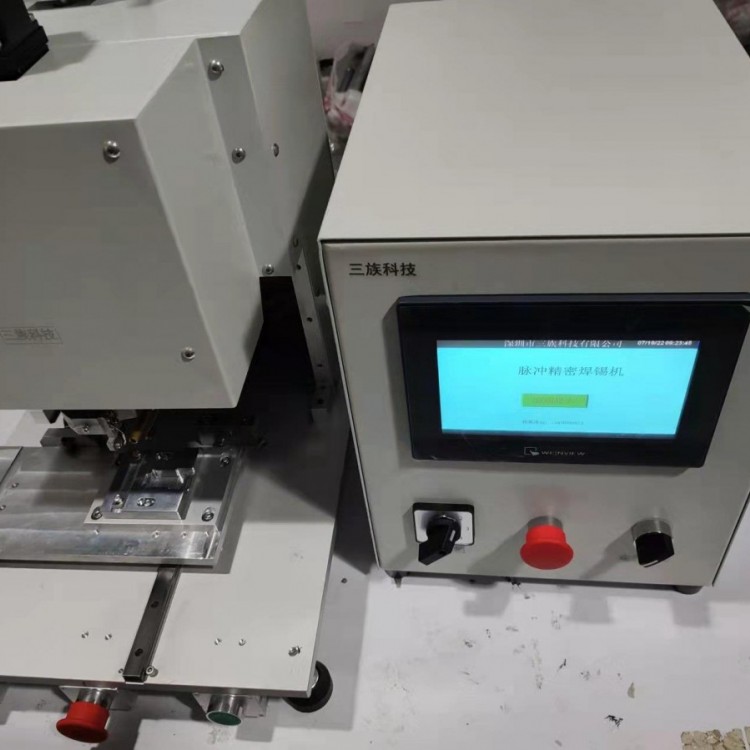
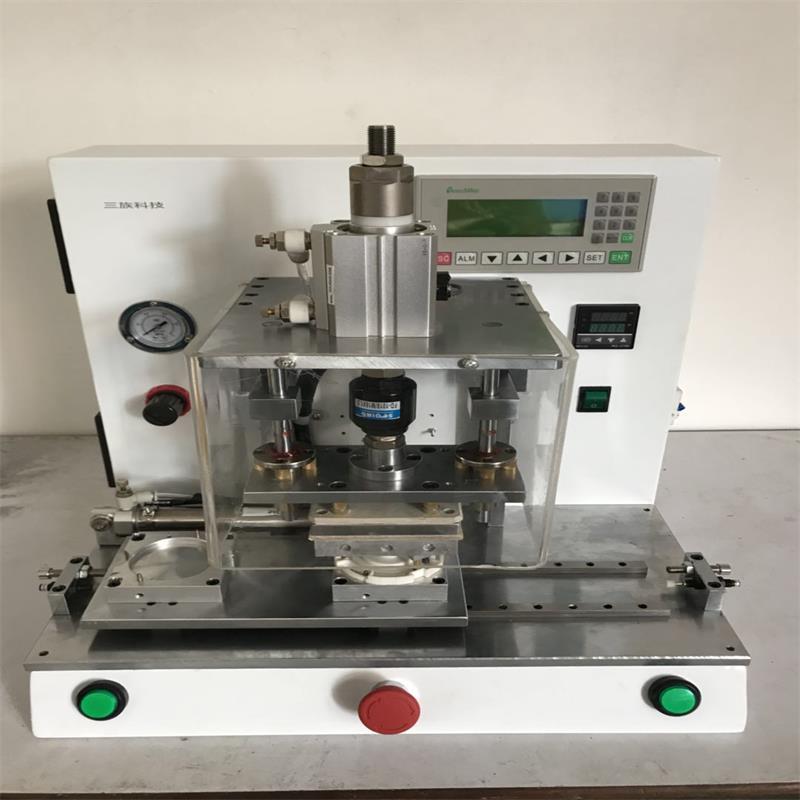





1. Usage:
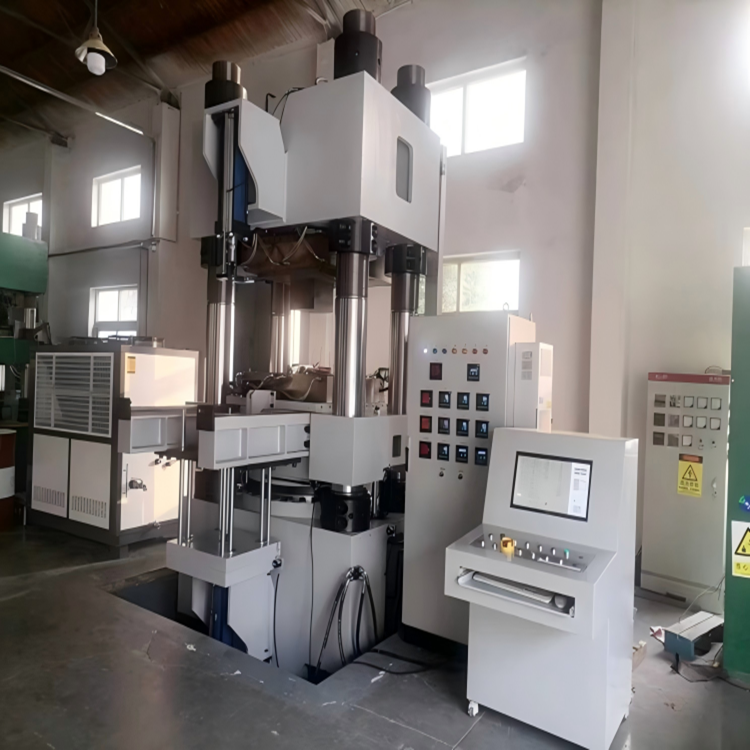
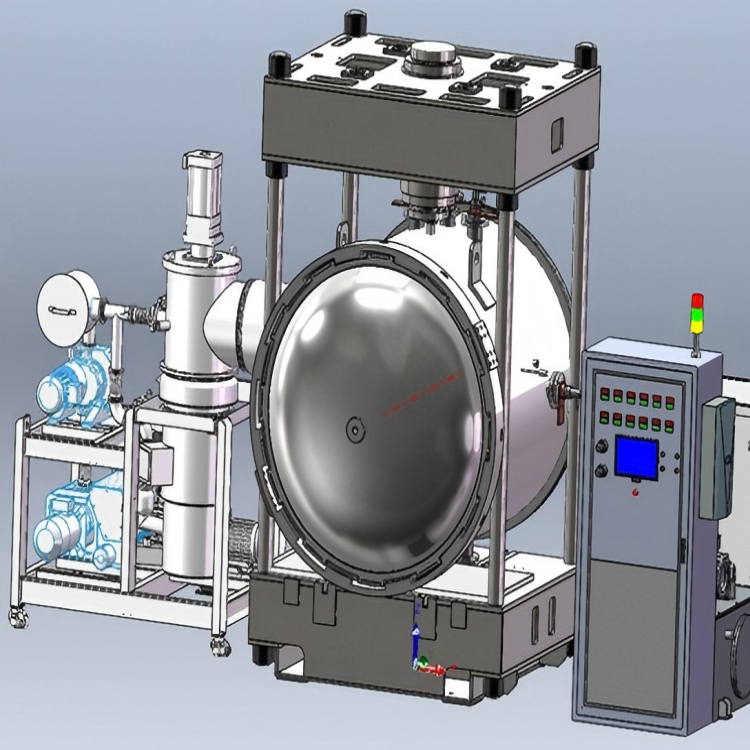
High-temperature hot forming/superalloy forming technology is a forming technique that utilizes the workability of materials under high temperature and pressure to manufacture complex-shaped parts.
Especially, the composite process (SPF/DB) associated with diffusion bonding is a critical manufacturing technique for producing integral structural components in the aerospace, high-speed rail, and automotive industries, as well as a technology for lightweighting key components.
2. Main Specifications and Parameters:
Key Parameters of Hyperplastic Hot Forming

Equipment Features:
l The hot plate temperature control employs zonal control.
l Hot plate temperature for long-term use600-1100Stable operation at °C.
l Thermal insulation and airtight performance ensure stable heat retention, keeping the equipment surface temperature at50Within 1 degree Celsius.
l Thermal board insulation utilizes heat-resistant ceramics and materials, ensuring optimal thermal loss protection.
l The control system employs German Siemens control systems, featuring temperature plane monitoring and detection of heat pipe damage location.
l Equipment control utilizes a human-machine interface and manual/automatic operation.
l All process parameters are retained with long-term records.
l Equipped with an automatic mold locking device.
l Equipped with an automatic mold changing mechanism.
l Automatic feeding and unloading device with robotic arms
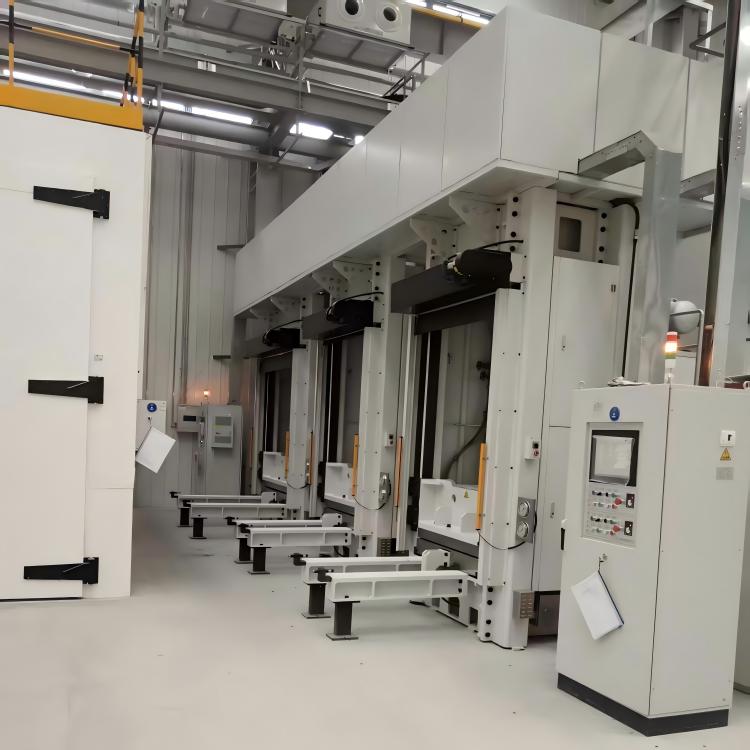
Main Parameters of High-Temperature Hot Stamping Machine

Equipment Features:
l Stable performance under both high and low temperatures.
l Zone-controlled temperature control for hot plates.
l Hot plate temperature for long-term use50-600℃Stable employment.
l Superior thermal insulation properties with stable performance and low heat loss.
l The control system utilizes German Siemens Omron control systems, featuring temperature plane monitoring and thermal pipe damage location detection.
l Control via human-machine interface and manual/automatic operation.
l All process parameters are maintained with long-term records.
l Features a removable and reversible workbench.
l Automated material handling with robotic arm system
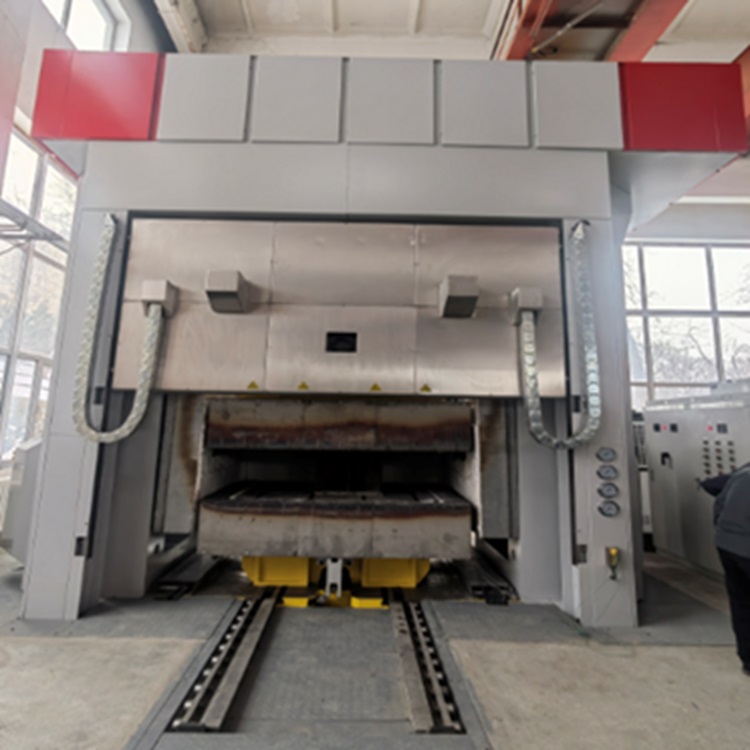
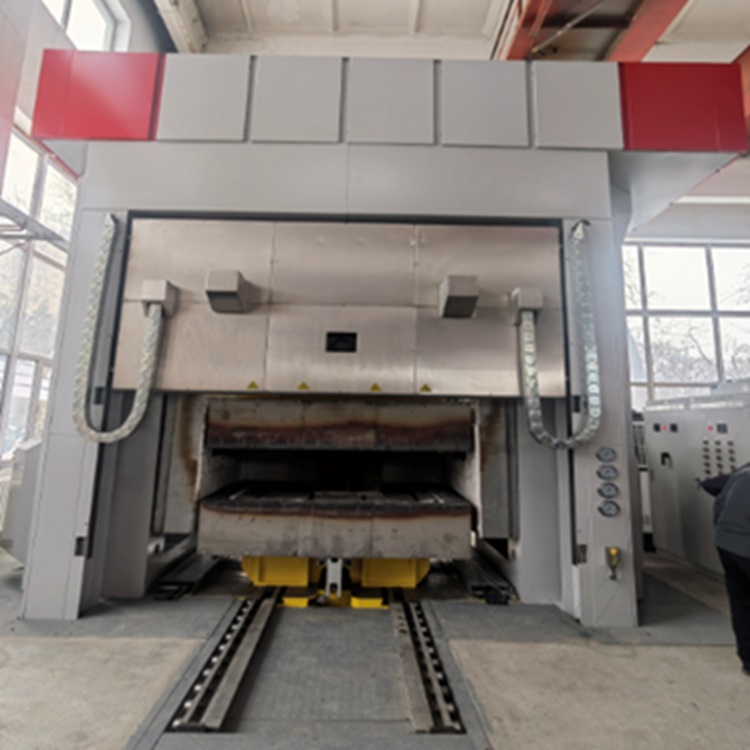
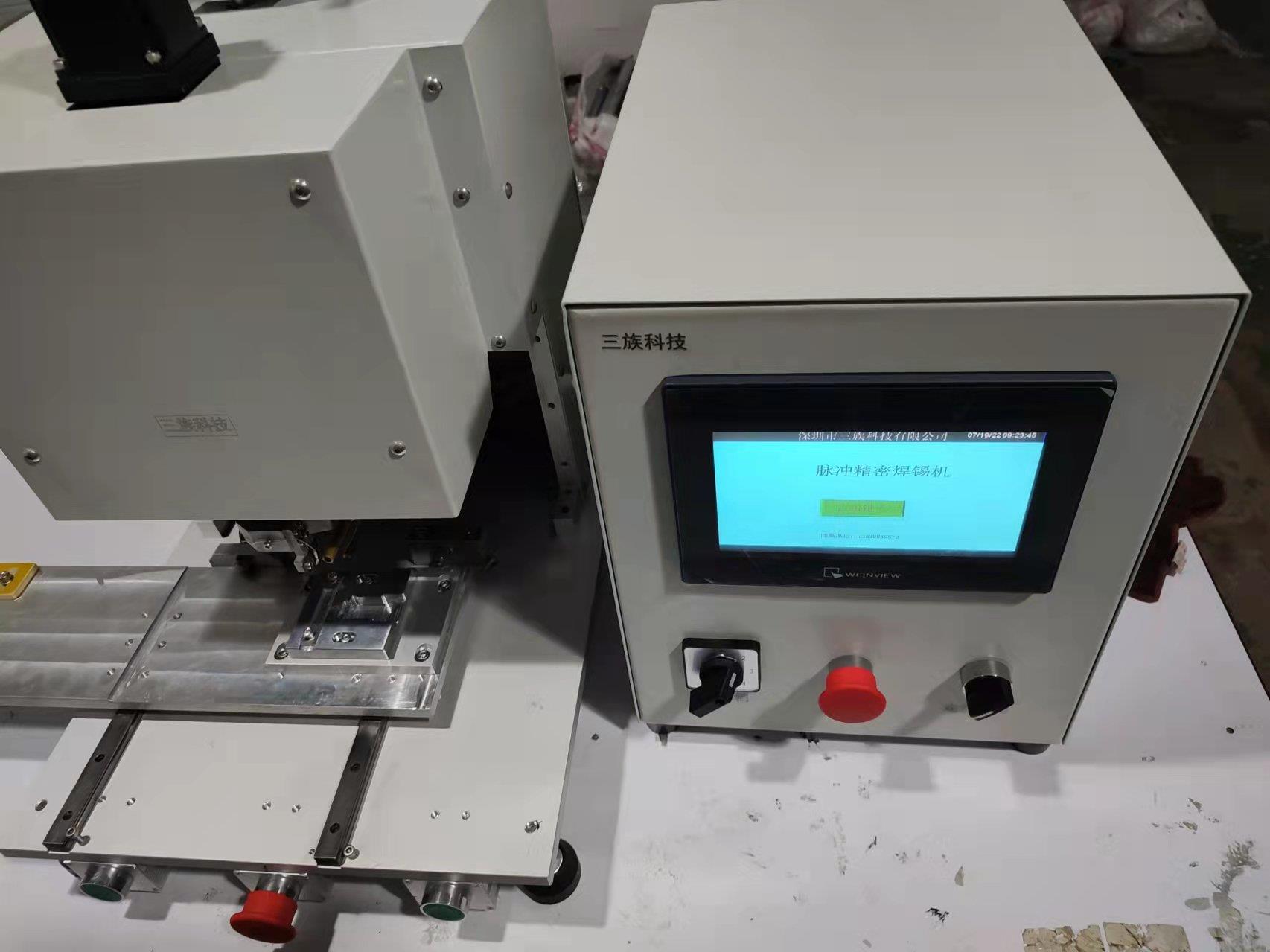
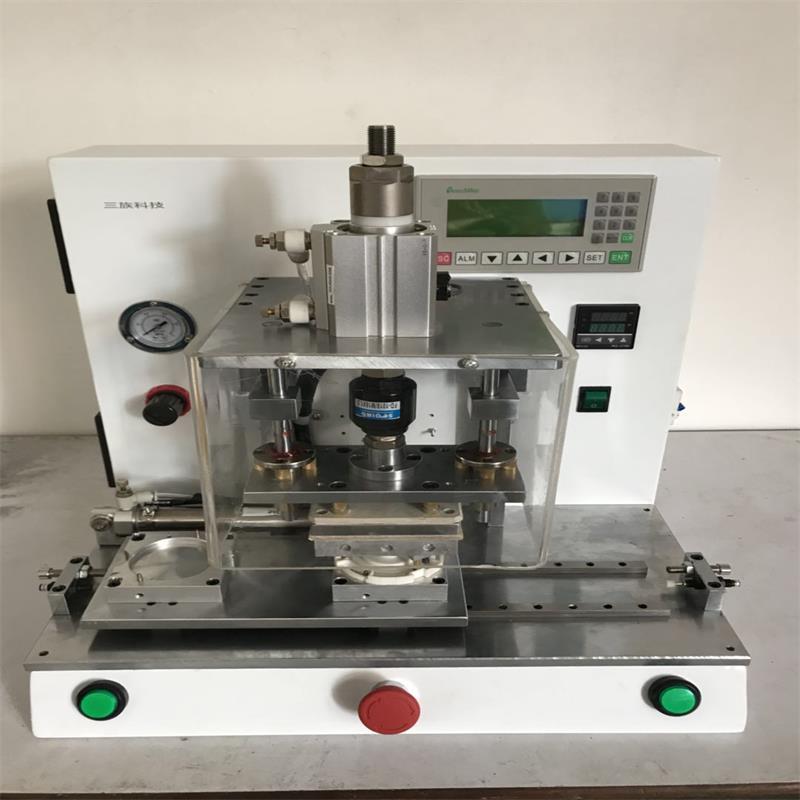
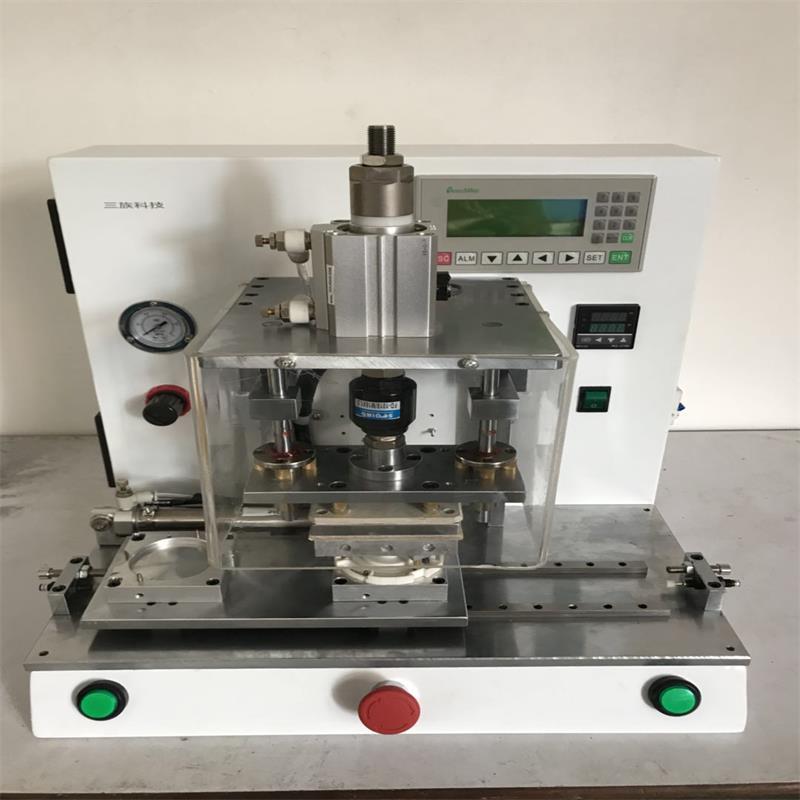
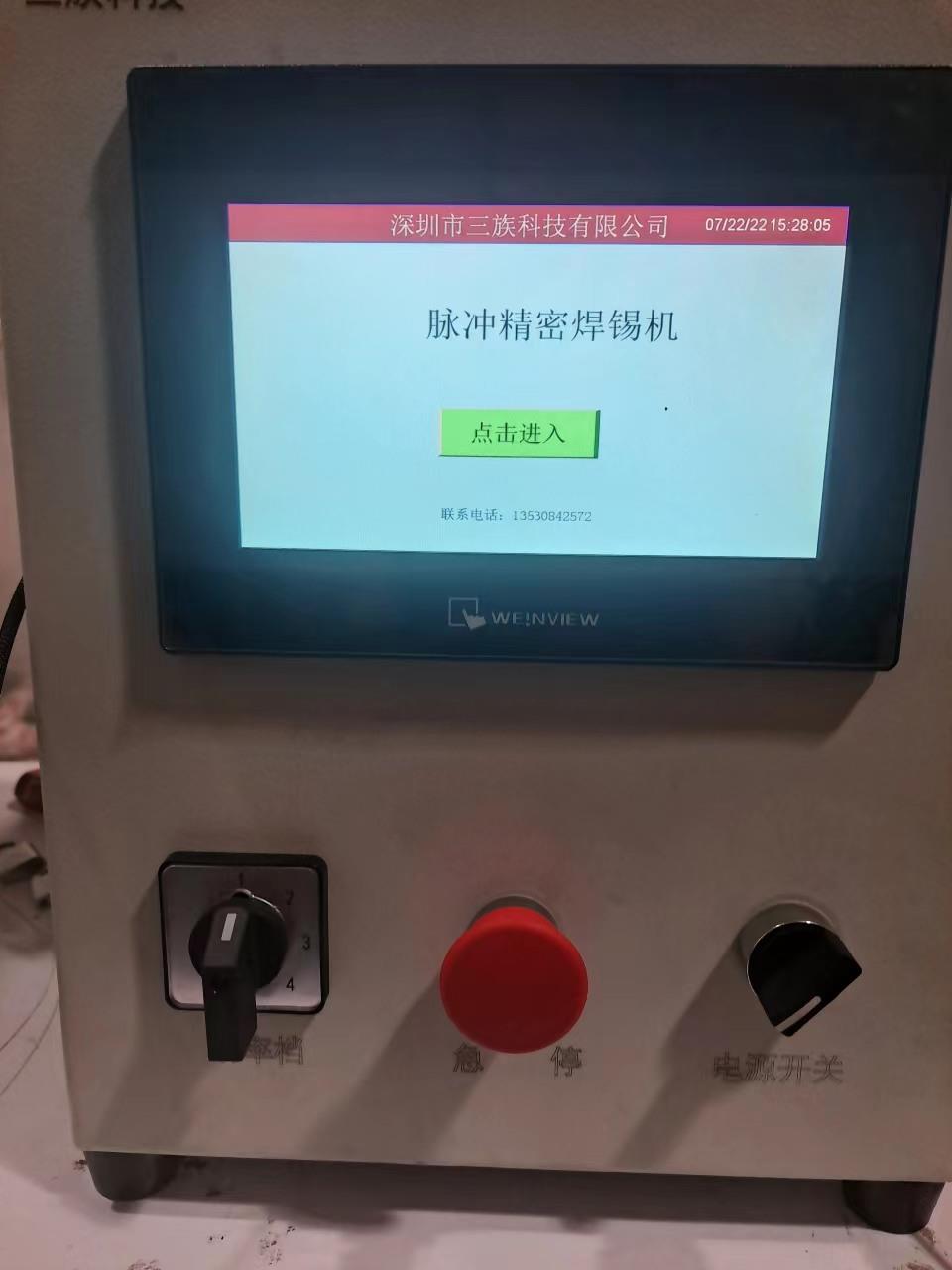
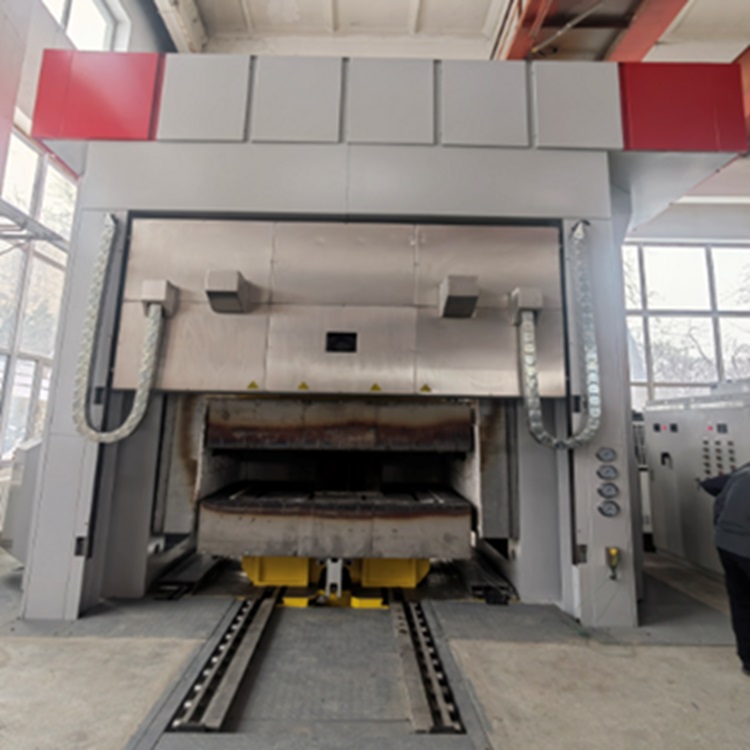
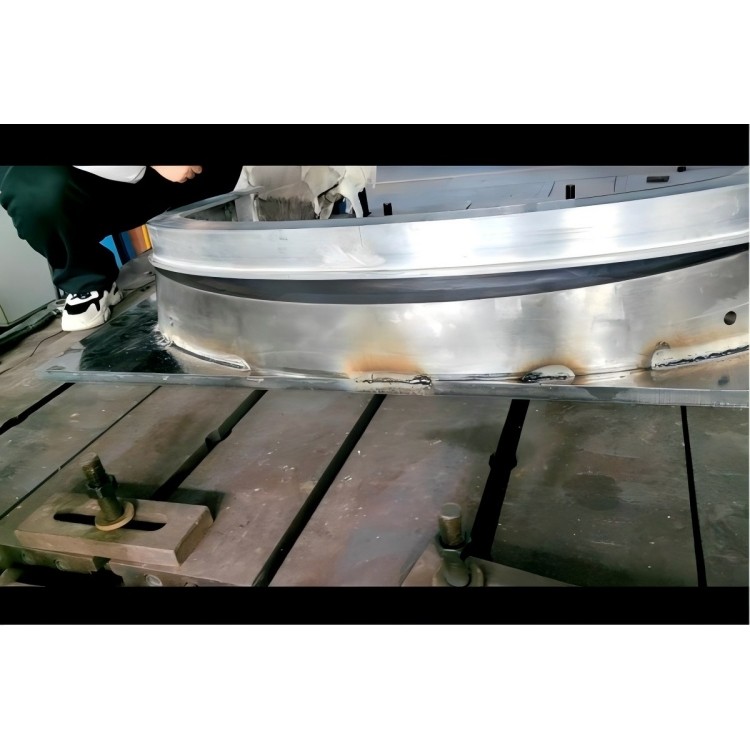
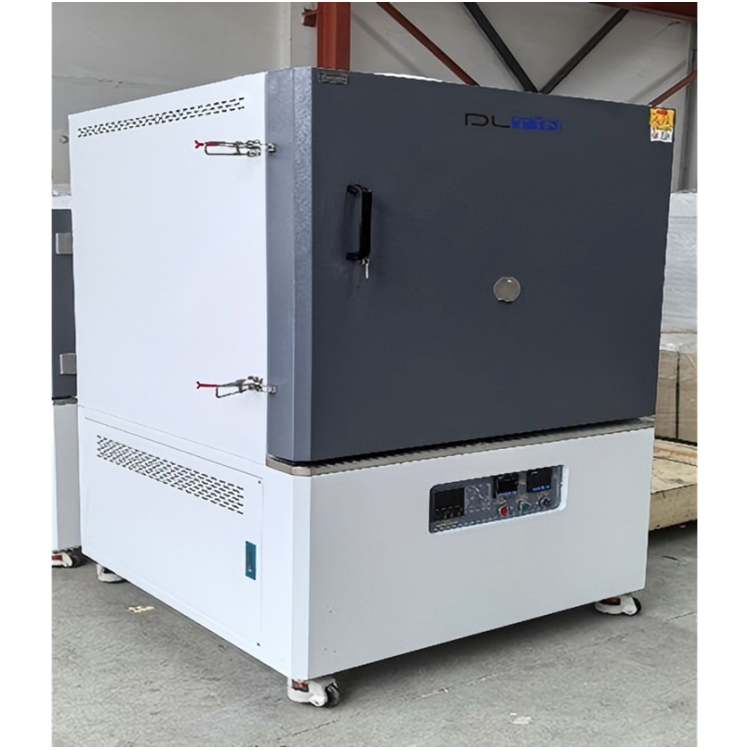
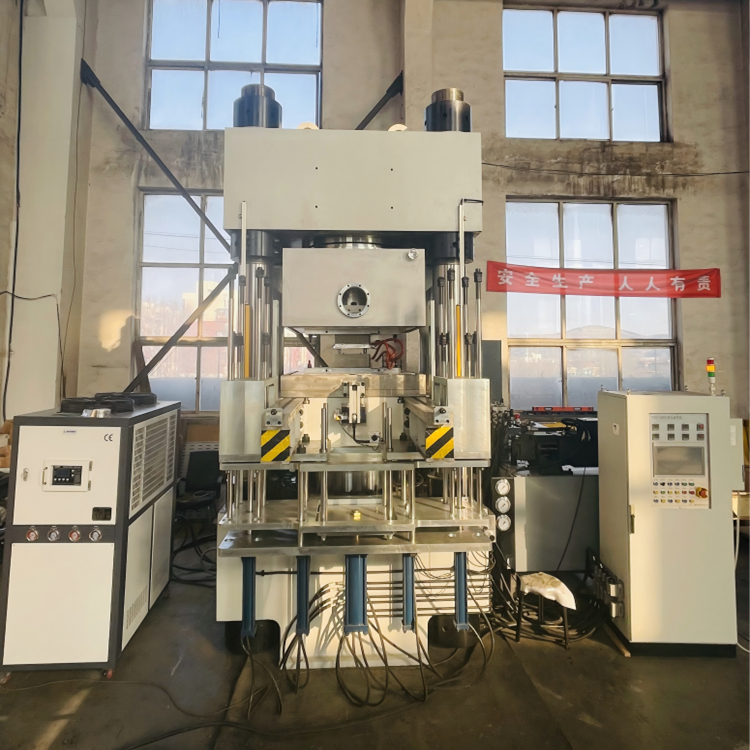
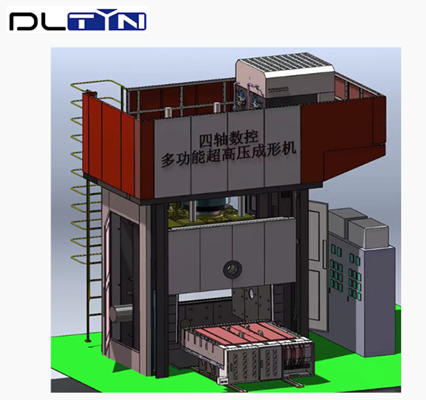
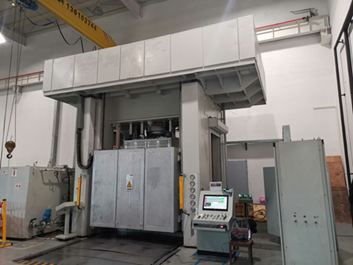
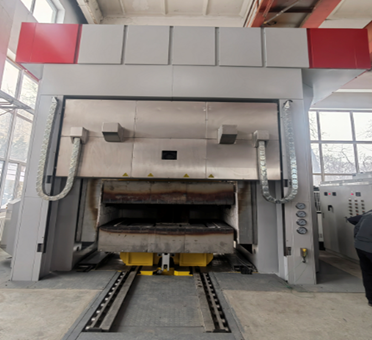
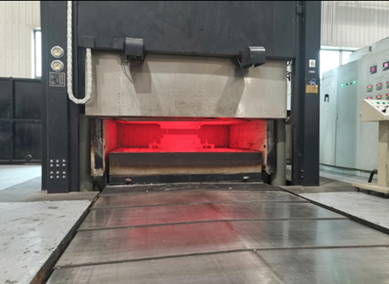
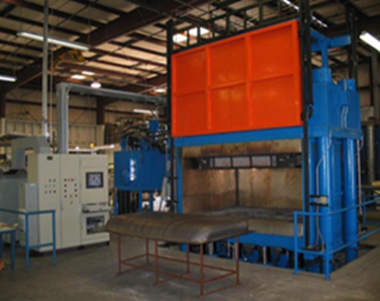
3.Enclosed equipment images:
4. Technology:
High-temperature hot forming equipment for titanium alloys, magnesium alloys, high-temperature alloys, and other high-strength materials.During the thermoforming process, both the mold and the blank are heated to a high temperature of up to 950°C for shaping. The semi-finished product is then sent into the thermoforming machine, where it is re-shaped under the action of heat energy, characterized by improved plasticity and elongation properties of the material.
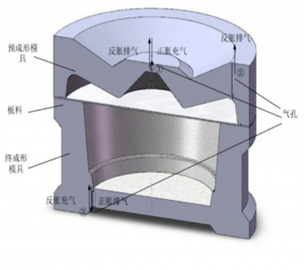
(2) Superplastic forming, based on the TSPF process, has unique characteristics. TSPF combines extreme temperatures with argon to form high-strength alloys in a single step, creating complex shapes. During the cycle, the heated material is sandwiched between cavities and plates. Then, by injecting argon into the forming chamber, the material is pressed into the cavity. The temperature for superplastic forming typically ranges from 700°C to 1000°C, which places special requirements on the mold material's properties, such as high high-temperature strength, good thermal stability, low thermal expansion coefficient, affordable material cost, and processing aspects.
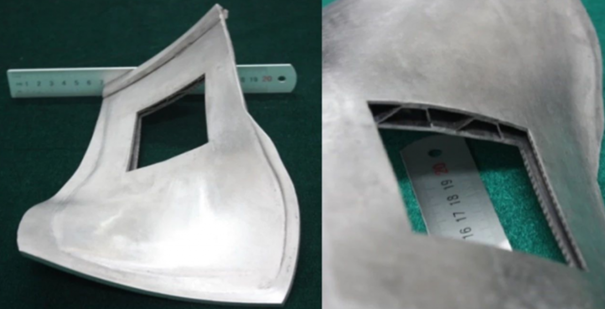
(3) As shown in the following image: Item a
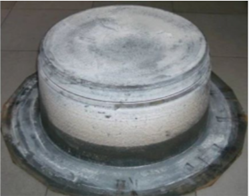
Deep-drawn part: This part requires a large depth and high uniformity in forming thickness. The equipment, in conjunction with the pre-forming mold, achieves the shaping requirements of the part through different process specifications and varying friction coefficients at different locations.
bPiece
Titanium alloy multi-layered engine blades: Composite process using stamping/molding technology, superplastic forming, and diffusion welding connection achieves one-piece forming of titanium alloy complex multi-layer components.