








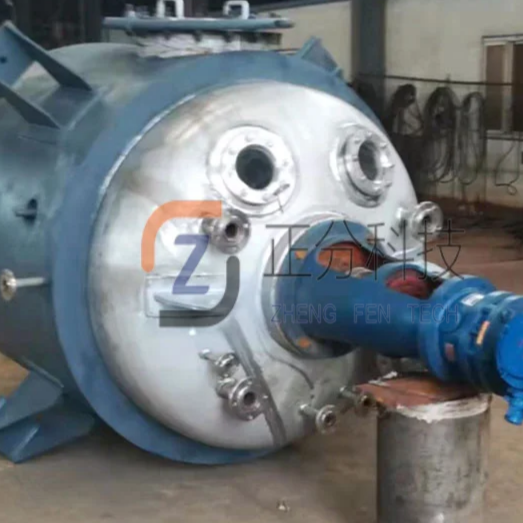
Multi-functional Dynamic Blender
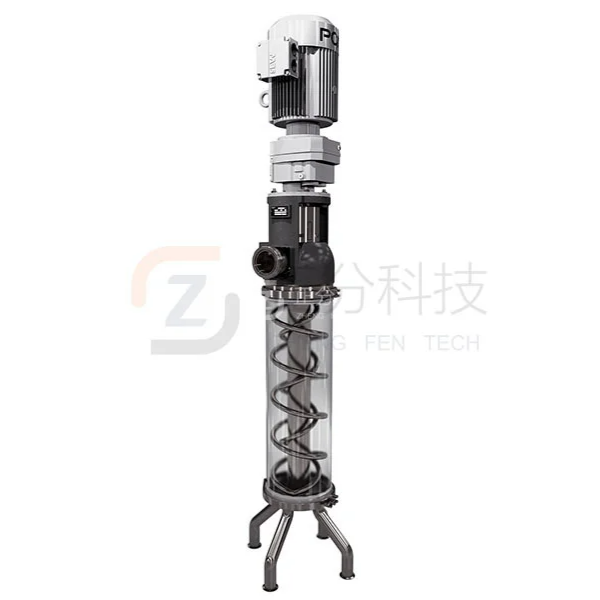
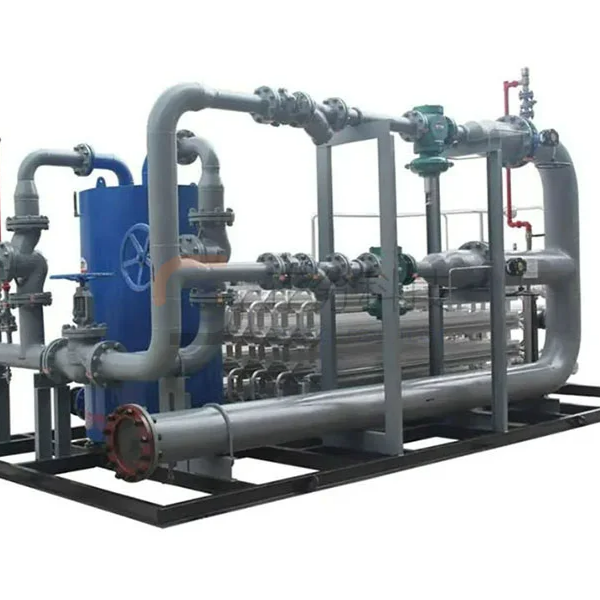
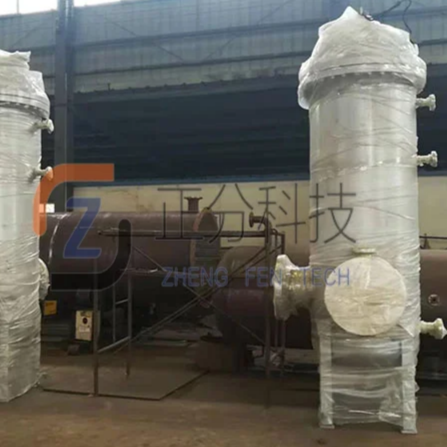
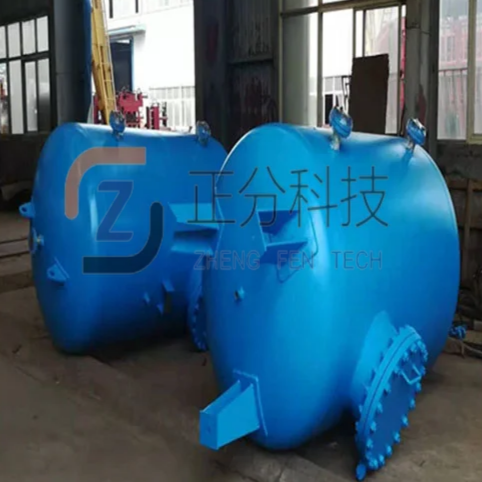
The multi-effect mixer is an innovative design of a continuous double-chamber unit, based on the absorption of multi-layer high-speed mixing technology. The upper chamber is a dispersion chamber, while the lower chamber is a mixing chamber. Both the dispersion and mixing chambers are integrated into one design, allowing for continuous and simultaneous dispersion and mixing. The multi-effect mixer is primarily designed to refine droplets of the dispersed phase during the mixing of immiscible media, achieving a uniform dispersion and increasing the interfacial contact area. This lays the foundation for subsequent separation, extraction, or chemical reactions.
Broadly applied in industries such as grain and oil products, medicine, pesticides, petrochemicals, and water treatment.
Equipment Introduction
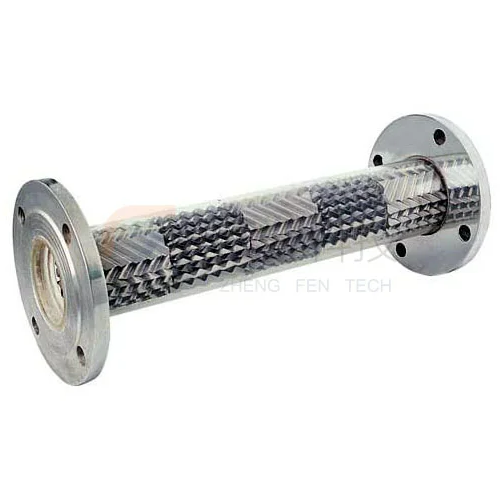
The multi-effect mixer's agitator blades are of the propulsion type, rotating under the drive of the agitator shaft. They exert work on the fluid within the blade area, causing the fluid to generate a certain head pressure due to the push from the blades. Due to the baffles around the tank, the liquid forms an axial up-and-down circulation flow. To achieve strong mixing, the multi-effect mixer is designed with a multi-layered agitator structure. The different directional arrangements of the agitator blades in each layer create a highly turbulent mixing zone around the blades.


Mixed effect
The multi-functional mixer features an integrated upper and lower chamber design, with the upper chamber serving as the dispersion chamber and the lower chamber as the mixing chamber. The mixed liquid entering the dispersion chamber is propelled in a radial and axial circulation by the counter-directional movement of the two impeller blades. Due to the influence of the baffles within the chamber, a strong turbulent flow is generated in the mixing zone, which reduces the size of the liquid droplets and continually expands the contact surfaces between the mixed components. This increases the rate of molecular diffusion, resulting in uniformly dispersed droplets of the mixed liquid. The degree of dispersion allows the droplets to be spread between 0.5-2µm, with an even distribution, fully achieving the desired dispersion and mixing effect. This is the micro-mixing required by mixing theory.
The mixed liquid, processed through micro-mixing, continuously enters the lower mixing chamber. In this chamber, to achieve macroscopic mixing with a complete circulation without dead spots, the mixing chamber impeller is designed with a three-layer structure and arranged with opposite directions. Under the impeller's propulsion, the upward, downward, left, and right flows, radial and axial flows, create a strong overall circulation in the mixed liquid, with a mixing unevenness coefficient of ≤1-5%.
The entire process achieves the effective mixing objectives of both macro and micro blending.