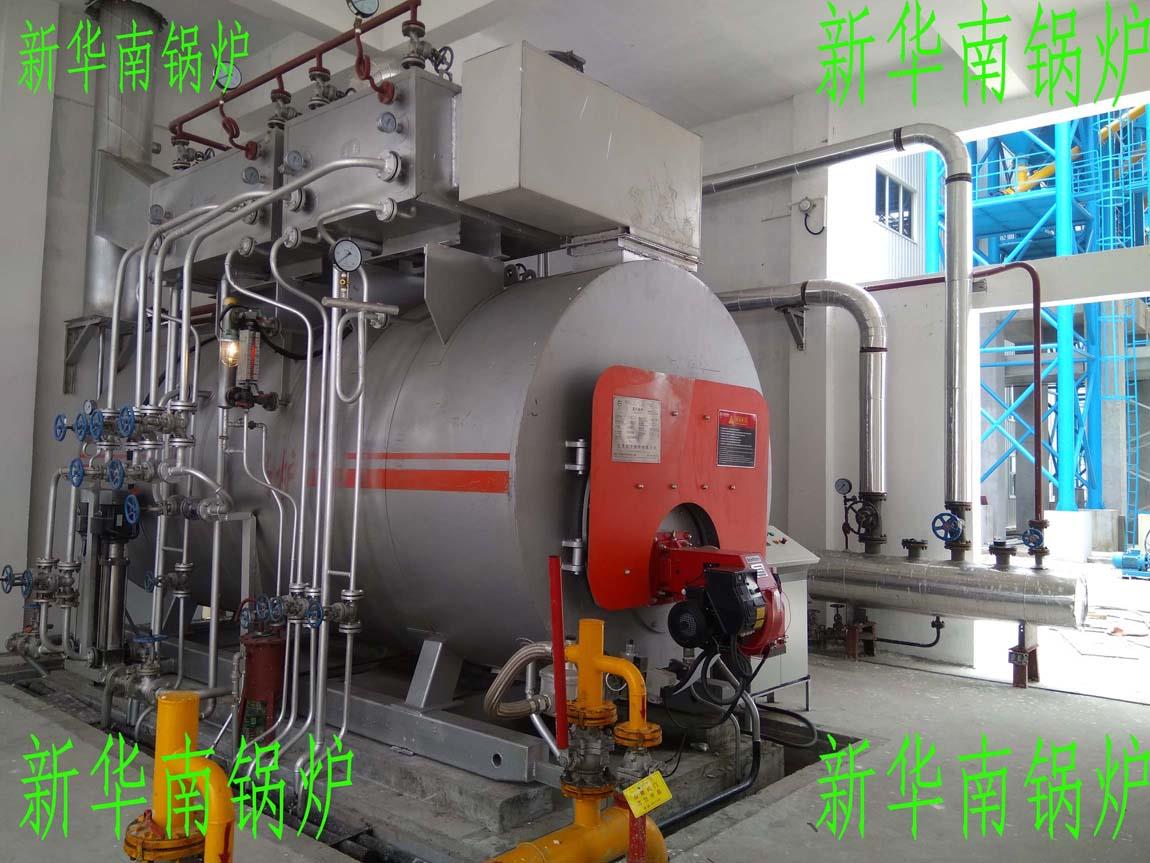









The construction of the gas burner consists of the following 5 systems:
1. Air Supply System. The function of the air supply system is to deliver air of a certain wind speed and volume into the combustion chamber. Its main components include: housing, fan motor, fan impeller, air gun flame tube, air door controller, air door baffle, cam adjustment mechanism, and diffuser disk.
2. Ignition System. The function of the ignition system is to ignite the mixture of air and fuel, with its main components including: ignition transformer, ignition electrode, and high-voltage electrical cable. A relatively safe type of ignition system is the electronic pulse igniter, widely used by manufacturers like Zhaoyi Energy-Saving for gas boilers. It is convenient and time-saving, requiring only a finger press to operate, and boasts high safety. It prevents accidents caused by accidental extinguishing, as the control system can promptly close the solenoid valve and shut off the gas supply in case of a flame-out.
3. Monitoring System. Its function is to ensure the safe and stable operation of the burner, with main components including flame monitor, pressure monitor, temperature monitor, etc.
4. Fuel System. The function of the fuel system is to ensure the fuel required for the burner's combustion. The fuel system of oil burners mainly includes: fuel pipes and connectors, fuel pumps, solenoid valves, nozzles, heavy oil preheaters. Gas burners primarily have filters, regulators, solenoid valve groups, ignition solenoid valve groups, and fuel butterfly valves.
5. Electric Control System. The electric control system serves as the command and coordination center for the aforementioned systems, primarily controlled by programmable controllers. Different programmable controllers are available for various burners, with common types including the LFL series, LAL series, LOA series, and LGB series. The main difference lies in the varying time intervals of the program steps.