


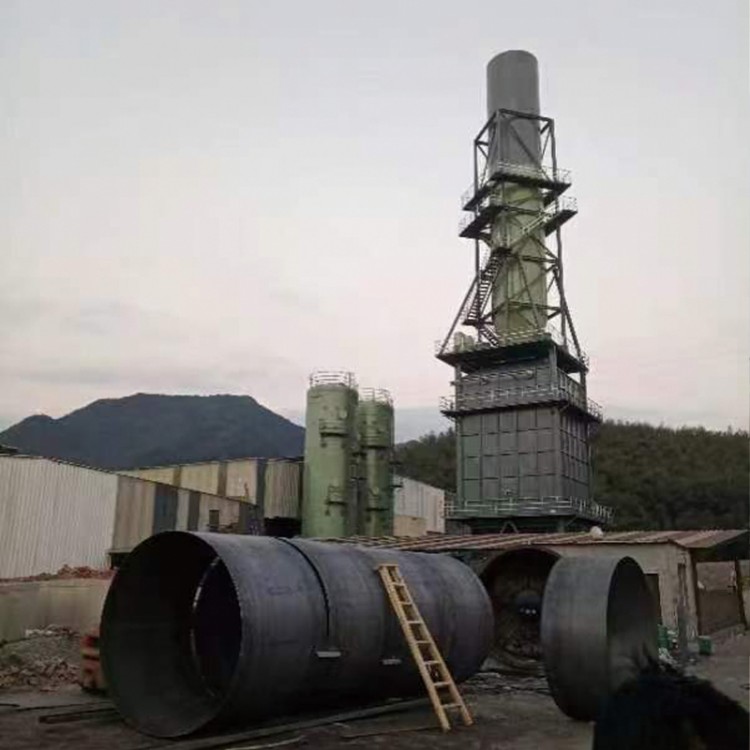
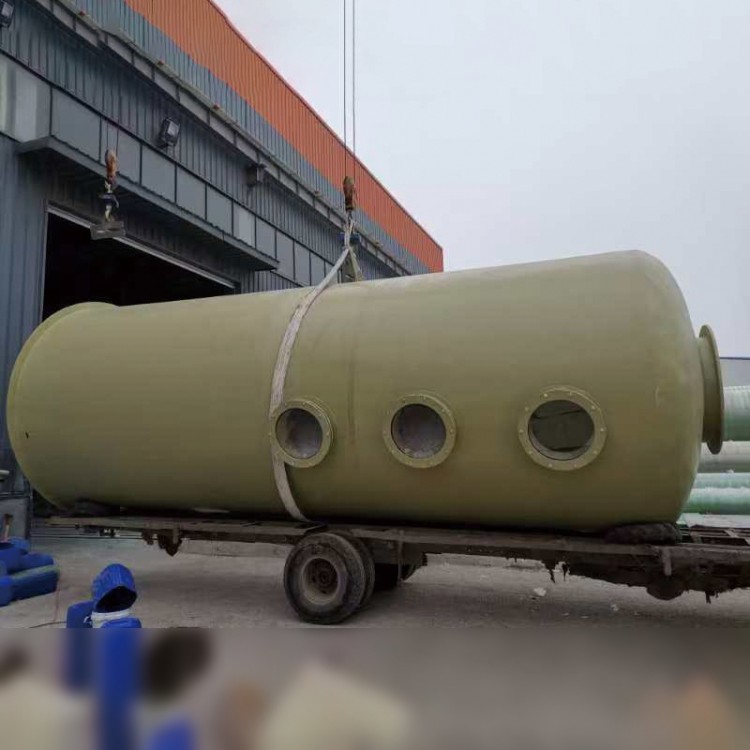


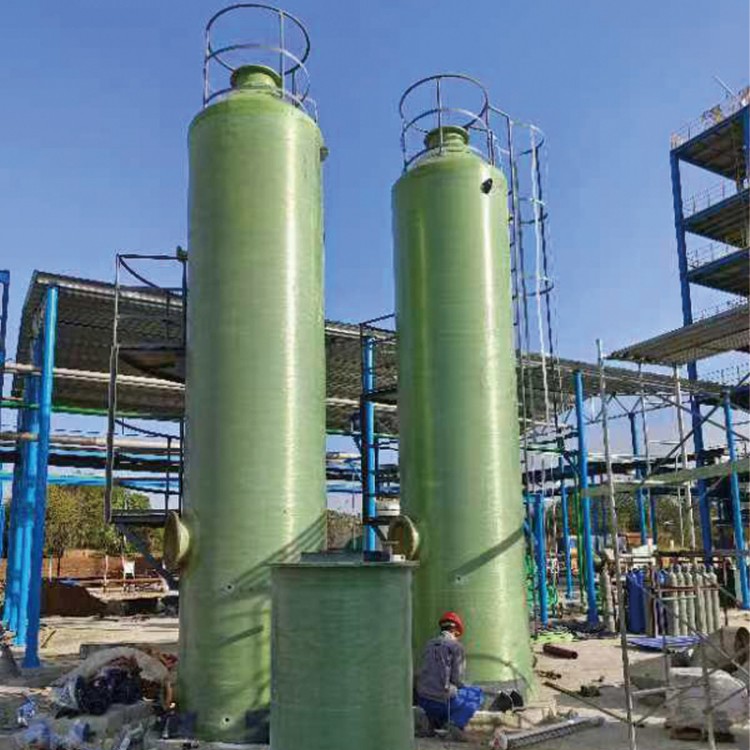







Steam generators are widely used in various industries and fields. The following are some common application areas:
1. Power Plant: Steam generators are common equipment in power plants, providing the driving force for turbine generators. Common types of steam generators include circulating fluidized bed boilers, coal-fired boilers, and gas-fired power generation boilers.
2. Industrial Production: Steam generators are widely used in various industrial sectors such as chemicals, textiles, food processing, pulp and paper manufacturing, etc. Steam is utilized for heating, drying, and sterilization processes in the production process.
3. Building Heating: Steam generators can be used for heating buildings and supplying hot water. Steam is transported through pipes to various rooms and equipment for heating or hot water supply.
4. Facilities: Steam generators are used for sterilization and cleaning processes in laboratories and other facilities. The high temperature and humidity of steam effectively kill bacteria and viruses.
5. Greenhouse Cultivation: Steam generators can be used for humidification and temperature control in greenhouses. By introducing steam into the greenhouse, it increases the humidity in the air, promoting the growth and development of plants.
6. Car Wash Industry: Steam generators can be used in the car wash industry to clean vehicle surfaces with high-pressure, high-temperature steam, providing deep cleaning and maintenance for the car's appearance.
Additionally, steam generators are widely used in various fields such as shipbuilding, oil and gas extraction, food processing, textile dyeing and printing, plastic processing, and cosmetic production, playing a crucial role in the production and activities of these industries.
Steam generators are devices that produce large quantities of steam, primarily by heating water and converting it into steam. They are widely used in various fields:
1. Industrial Applications: Steam generators are used as a heat source in many industrial processes. They provide thermal energy for factories, used to heat equipment or facilitate chemical reactions in the production process.
2. Power Generation: Steam generators are crucial components in power plants, particularly in thermal power plants and nuclear power stations. They produce high-pressure steam by heating water, which then drives a steam turbine to generate electricity.
3. Heating and Air Conditioning Systems: Steam generators can be used as part of a heating system, providing hot water and steam heating for buildings or industrial facilities. Additionally, they can also be utilized for humidification and process in air conditioning systems.
4. Field: Steam generators are used for sterilization in facilities. High-temperature, high-pressure steam effectively eliminates pathogens and bacteria, ensuring the cleanliness of equipment and work environments.
In summary, the function of a steam generator is to heat water and convert it into steam, which is used to meet various needs such as providing heat energy, generating electricity, heating, and sterilization.
The function of a steam generator is to convert liquid (usually water) into steam, playing a role in heating, cleaning, and power generation during industrial production, heating, and power generation processes. The main functions of a steam generator are as follows:
Heating: Steam generators can provide high-temperature steam to heat liquid or solid materials in industrial processes, such as boiling, refining, sterilizing, and cooking, etc.
2. Cleaning: The high-temperature steam from the steam generator can be used for cleaning, effectively removing dirt and bacteria. It is particularly suitable for environments requiring high-level cleaning in industrial production, such as food processing plants, facilities, and laboratories.
3. Power Generation: Steam generators can also be used for power generation, driving turbines to rotate generators with steam, converting thermal energy into electrical energy, achieving sustainable energy supply.
4. Hot Water Supply: Steam generators produce high-temperature and high-pressure steam, which can be transferred to water through heat exchangers to provide hot water heating or industrial water supply.
5. Heat Recovery: Steam generators can recover heat during the steam production process, utilizing waste heat for other production processes, thereby enhancing energy efficiency.
In summary, the function of a steam generator is to convert liquid into steam and provide high-temperature, high-pressure steam for uses such as heating, cleaning, and power generation.
Steam generators are primarily used to produce high-pressure steam. Their functions include:
1. Power Generation: Steam generators are typically used to supply steam to steam turbines, which then drive generators to produce electricity.
2. Heating: Steam generators can be used for heating mediums in industrial production processes, such as heating and heating chemical raw materials.
3. Heating and Supply: Steam generators can transfer thermal energy to the heating system via a heat exchanger, used for heating and hot water production.
4. Pressure Testing: Steam generators can be used for pressure testing, such as measuring the pressure resistance of pipes and valves.
5. Cleaning and Disinfection: Steam generators can be used for cleaning and disinfection, with high-temperature steam effectively eliminating bacteria and viruses.
The function of steam generators depends on their design and application, and can be customized and adjusted according to actual needs.
A steam generator is a device used for heating water to produce steam. Its features include:
Efficiency: Steam generators boast high heating efficiency, rapidly boiling water to produce substantial amounts of steam.
2. Safety: The steam generator is equipped with safety valves, overheat protection devices, and other safety measures to ensure the safety during operation.
3. Automation Control: Steam generators are typically equipped with an automated control system that can automatically adjust the heating power and water volume based on set parameters such as temperature and pressure, achieving automatic control.
4. Flexibility: Steam generators can adjust steam output and pressure as needed, catering to the requirements of various industrial production processes.
5. Energy Efficiency: The steam generator employs an efficient heating method, which, compared to traditional boilers, can save on energy consumption.
6. Environmental Friendliness: The exhaust produced during the combustion process of steam generators is typically treated for purification, reducing environmental pollution.
7. Easy Maintenance: The steam generator has a relatively simple structure, making it convenient for maintenance and repair.
In summary, steam generators feature high efficiency, safety, and automated control, and are widely used in industrial production processes such as heating, evaporation, and drying.
Steam generators are suitable for the following scenarios:
Industrial Heating: Steam generators are widely used in the heating processes of industrial production, such as in the automotive manufacturing, food processing, chemical engineering, and textile industries.
2. HVAC: Steam generators can be used in heating systems for radiators, steam heaters, etc., to provide heat for buildings or offices.
3. Greenhouse Cultivation: Steam generators can provide stable temperature and humidity conditions in greenhouses, promoting the growth and development of plants.
4. Hotel and Bath Center: Steam generators are suitable for steam rooms in hotel rooms, providing a comfortable steam experience.
6. Field: Steam generators are suitable for sterilization equipment and the cleaning and disinfection of operating rooms.
In summary, steam generators are suitable for situations requiring large amounts of heat and steam, whether in industrial production or commercial service sectors.
WeChat Official Account

Scan to follow Official Account













