








Four Manufacturing Techniques to Prevent Adhesion in Stainless Steel Reactors
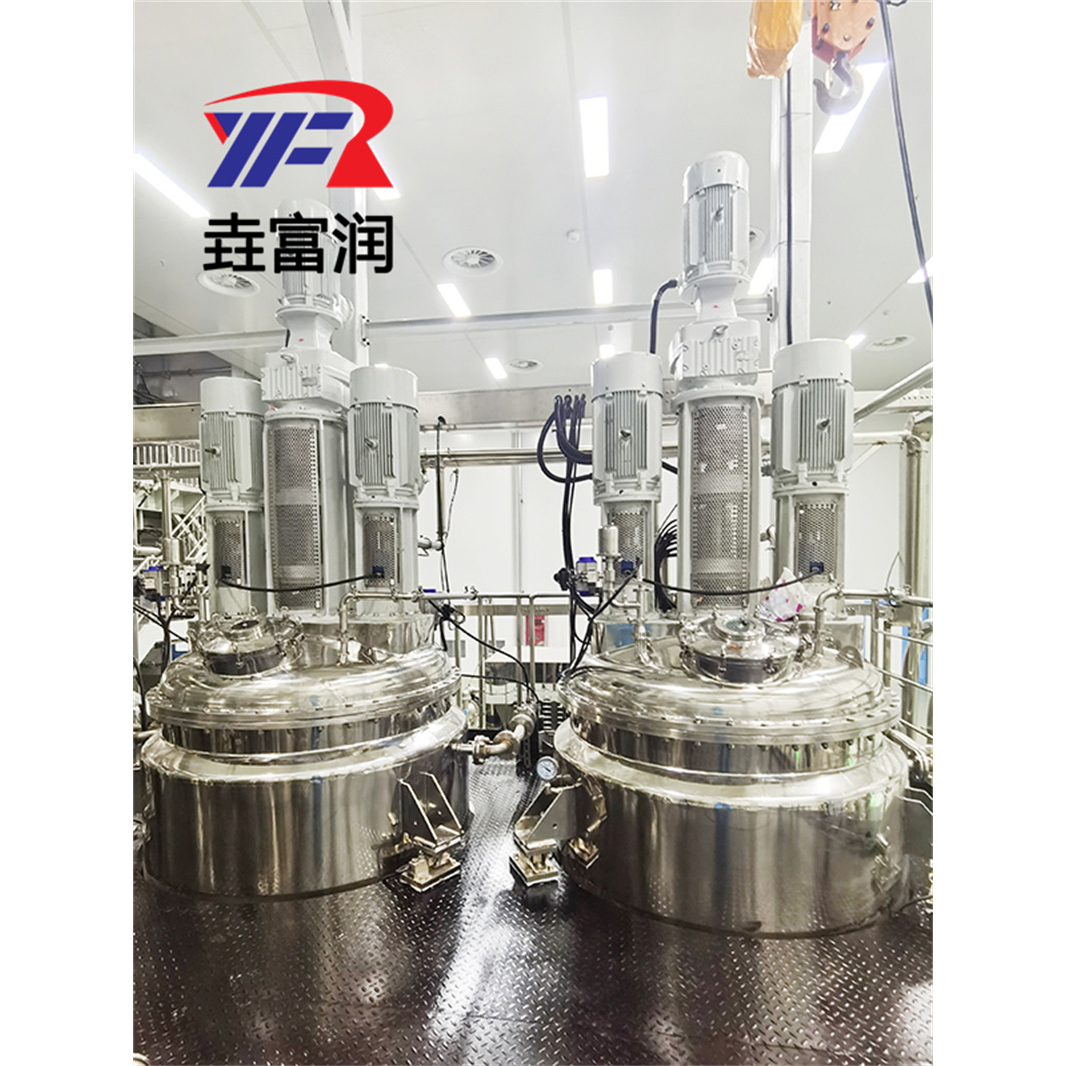
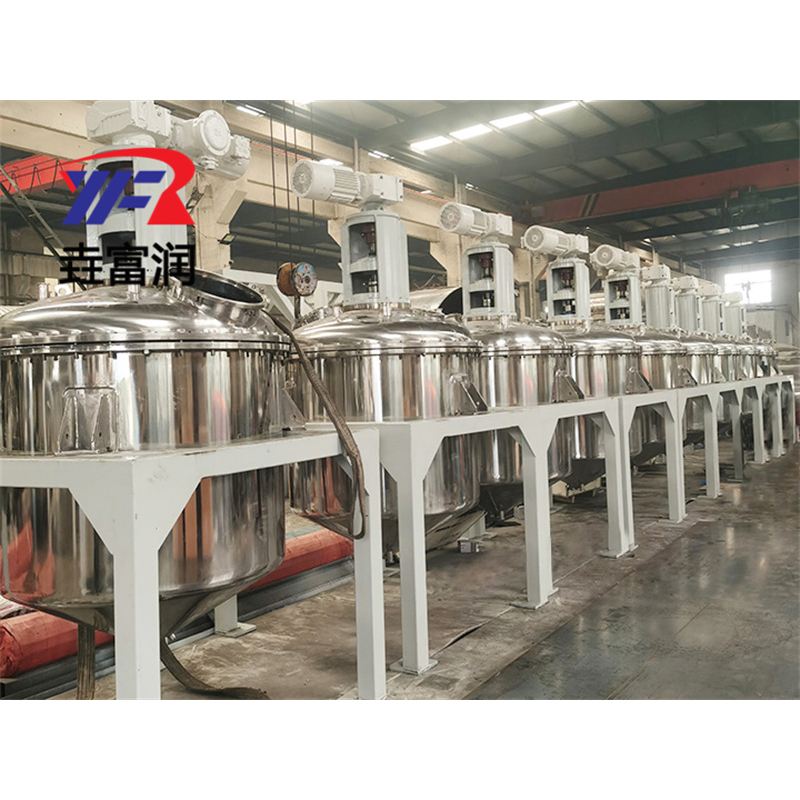
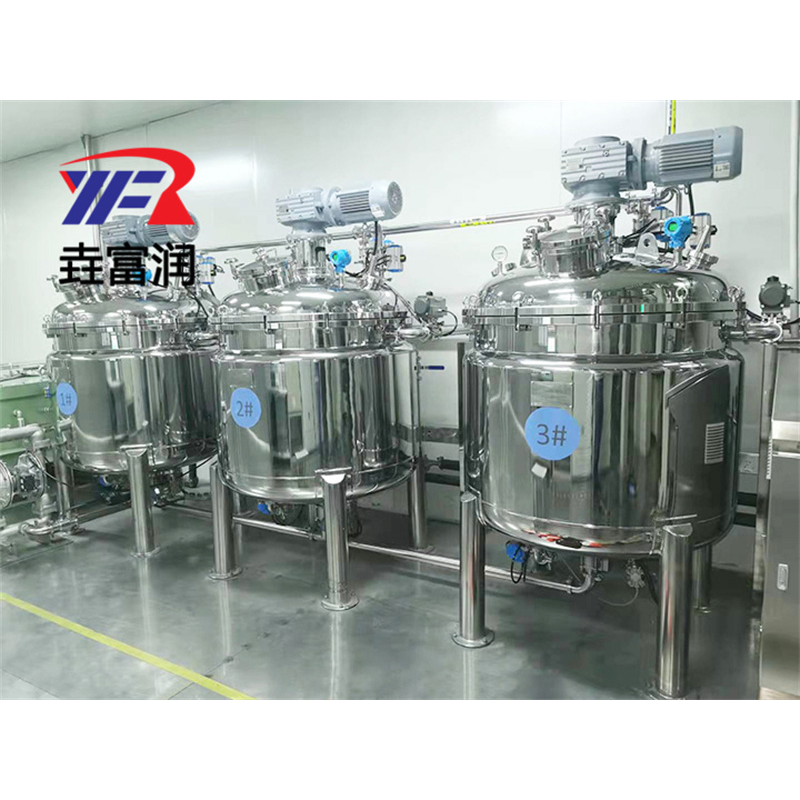
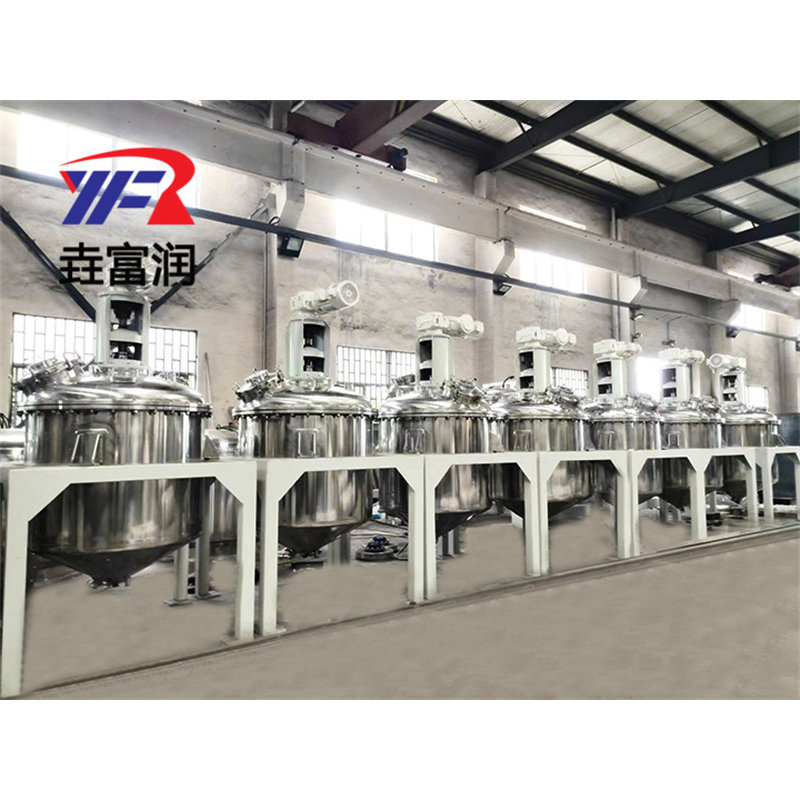
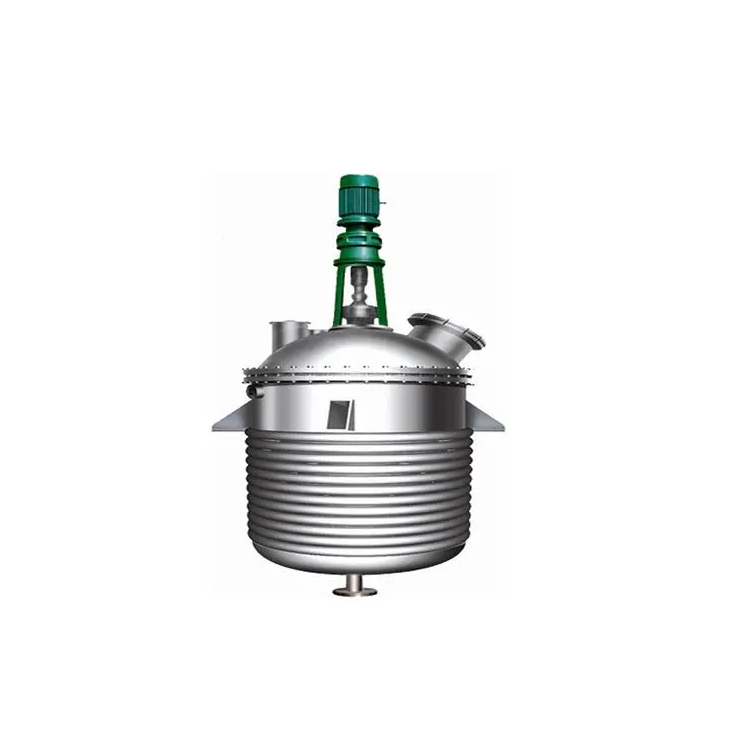
Users of stainless steel reactors are well aware that the worst-case scenario is the reactor sticking to the wall. Once sticking occurs in a stainless steel reactor, it reduces the efficiency of the nutrient reaction. Therefore, our Wanyang Chemical's product instructions for stainless steel reactors specifically mention that users must operate the reactors correctly to avoid sticking and other issues. However, some sticking is difficult to avoid due to process factors.
Section 1: Reason of Reaction Materials
Due to the high sulfate content in urea, adding it to the resin polymerization reaction at the final stage is akin to adding a hardener, which accelerates the resin to cross-link into a network structure. If not handled promptly, the resin may solidify within the reactor. In production, it is essential to use standard industrial urea as the raw material, keeping the sulfate content of the urea below 0.02%.
II. Degree of Balance During Operation
When pressure, temperature, and other胶粘剂 manufacturing process indicators are unstable or fluctuate excessively, the resin polymerization reaction is uneven, which is prone to cause adhesion to the wall. Therefore, in the production operation, the pressure and temperature should be increased slowly. Generally, introduce about 0.16Mpa of steam and maintain for 3 to 6 minutes before slowly increasing pressure and temperature. The ideal rate of increase is 0.2 to 0.15Mpa per minute.
Section 3: Working Temperature Difference on the Reactor Wall Interior
Low cooling medium temperature or sudden drop in temperature can cause a significant temperature difference between the inner wall of the reaction kettle and the material, leading to adhesive residue on the kettle wall in contact with stainless steel. Both heating and cooling should be conducted within a reasonable temperature difference range. Typically, the steam usage temperature should be less than 185°C, the temperature difference shock should be less than 125°C, and the cooling shock should be less than 92°C. At the same time, it is important to determine the appropriate inlet and outlet temperatures of the cooling medium to maintain balanced operation.
IV. Medium Reaction Temperature and Reaction Time
When the reaction liquid temperature is below 80°C, if ammonium chloride is used as a catalyst, due to its rapid reaction speed, the pH value does not show up. As the temperature increases, the pH value drops rapidly, the reaction speed accelerates, and the condensation reaction becomes too intense, causing gelation and sticking to the walls. Additionally, if the condensation reaction time is too long, the resin has a large molecular weight and high viscosity, which also tends to cause sticking to the walls. Therefore, it is necessary to properly control the temperature and time of the condensation reaction during operation and to terminate the reaction in a timely manner. It is advisable to keep the temperature of the reaction medium within ~95°C.