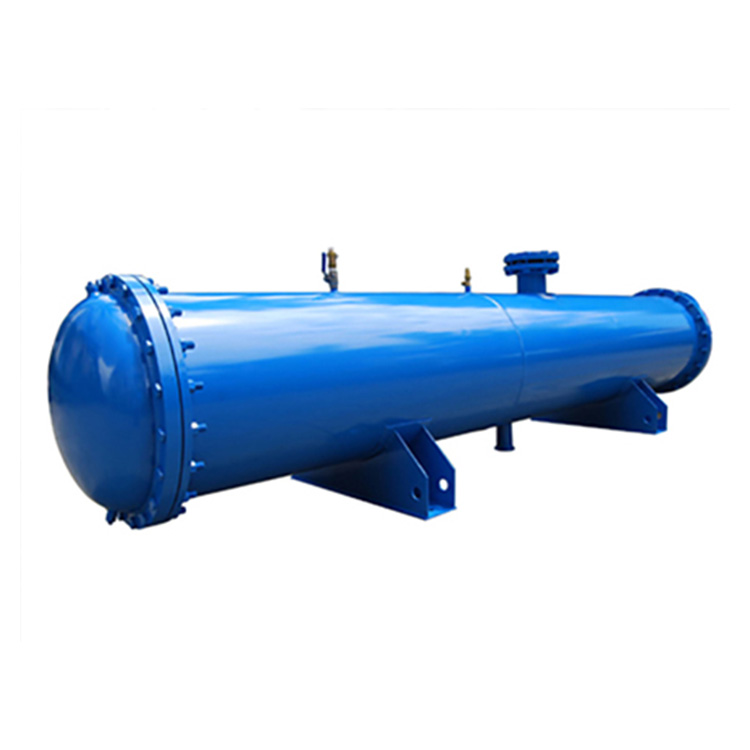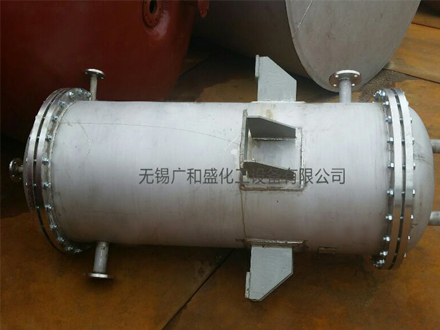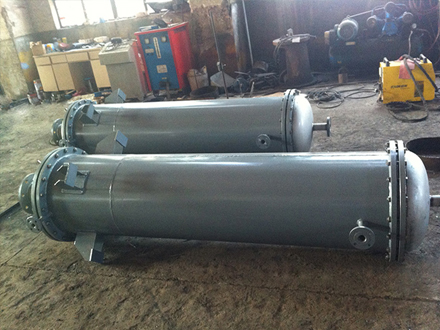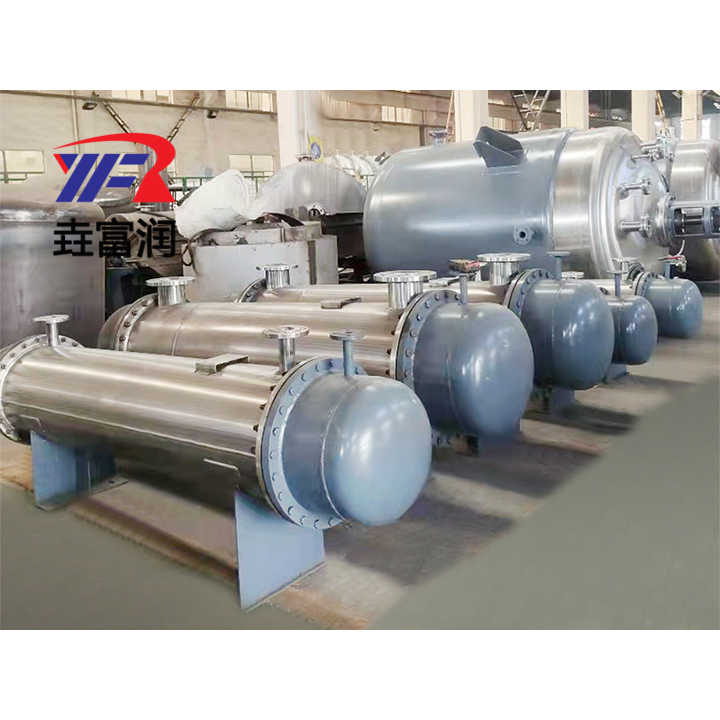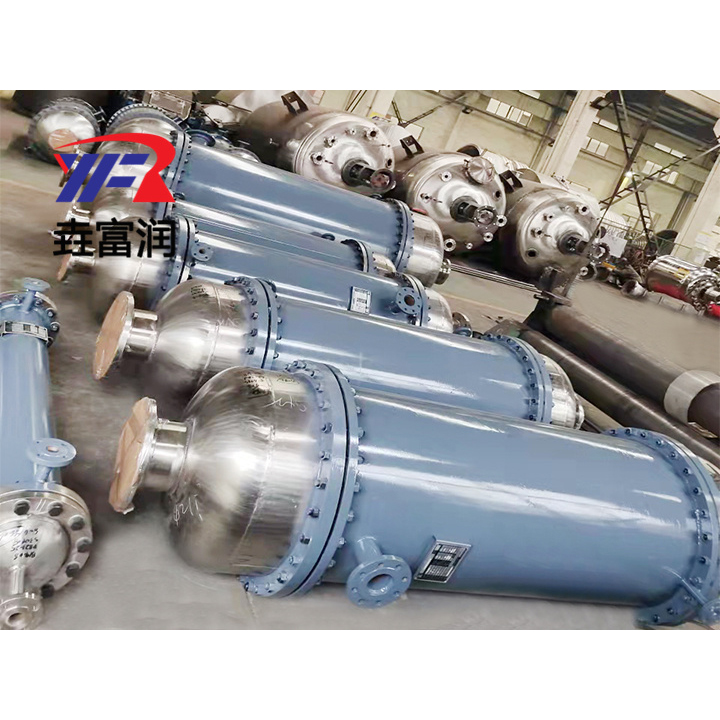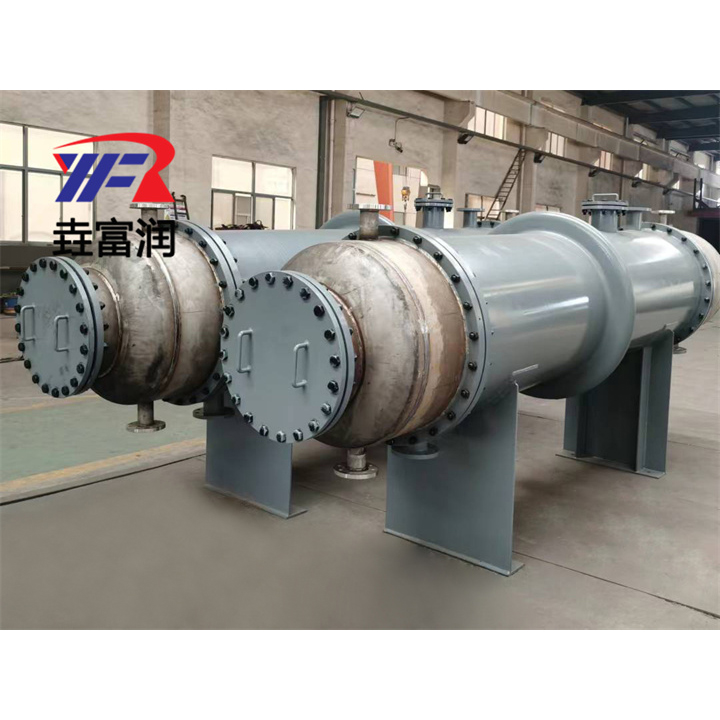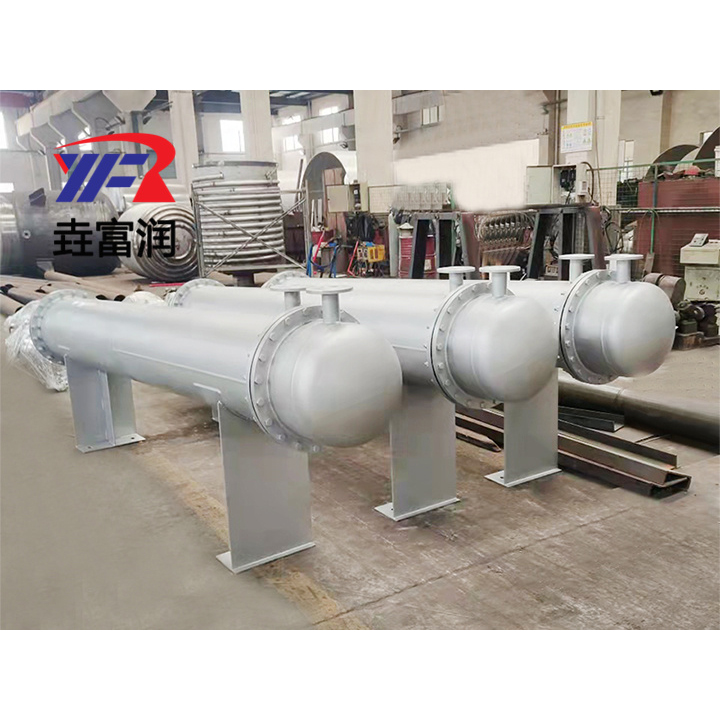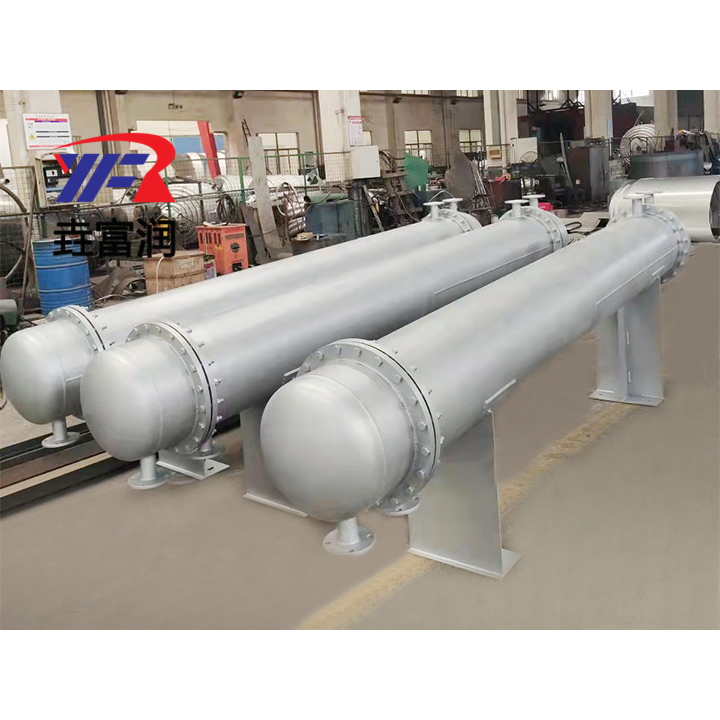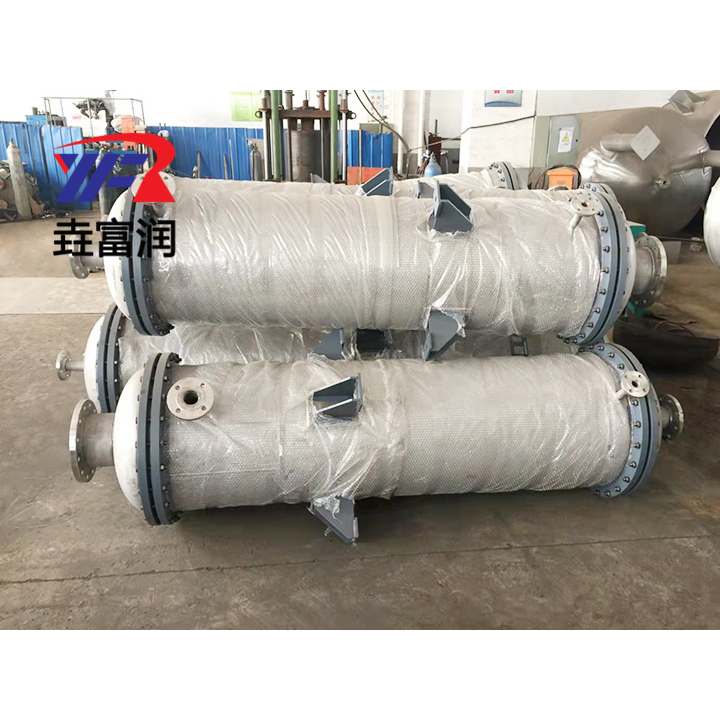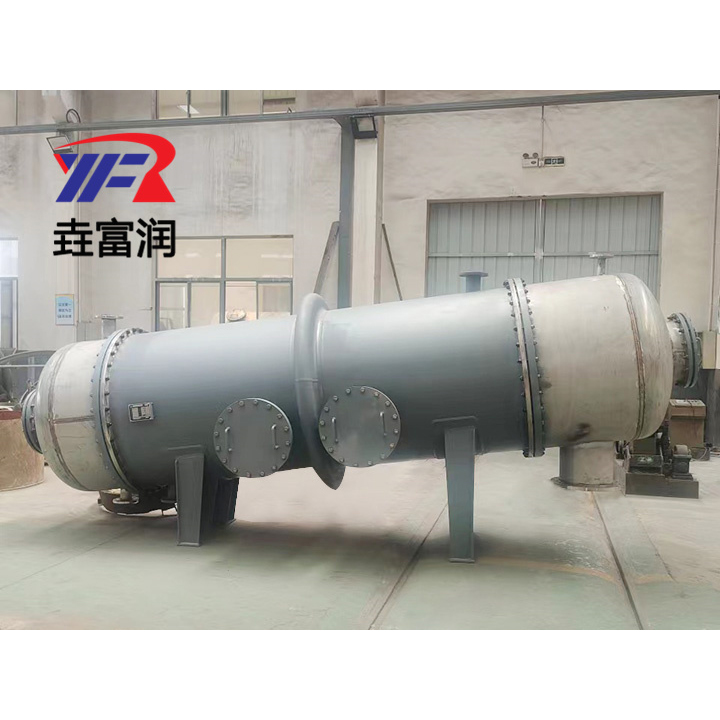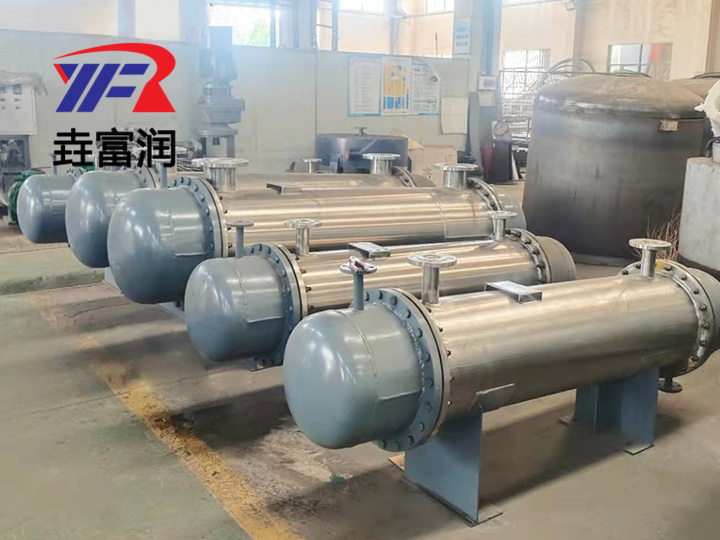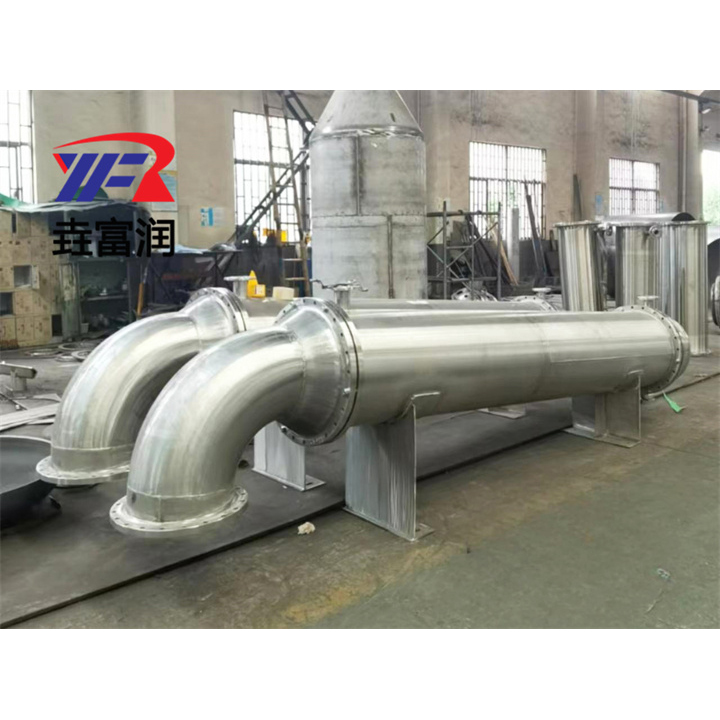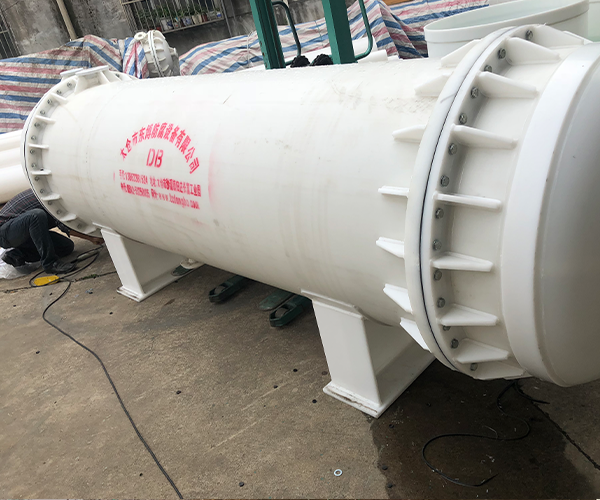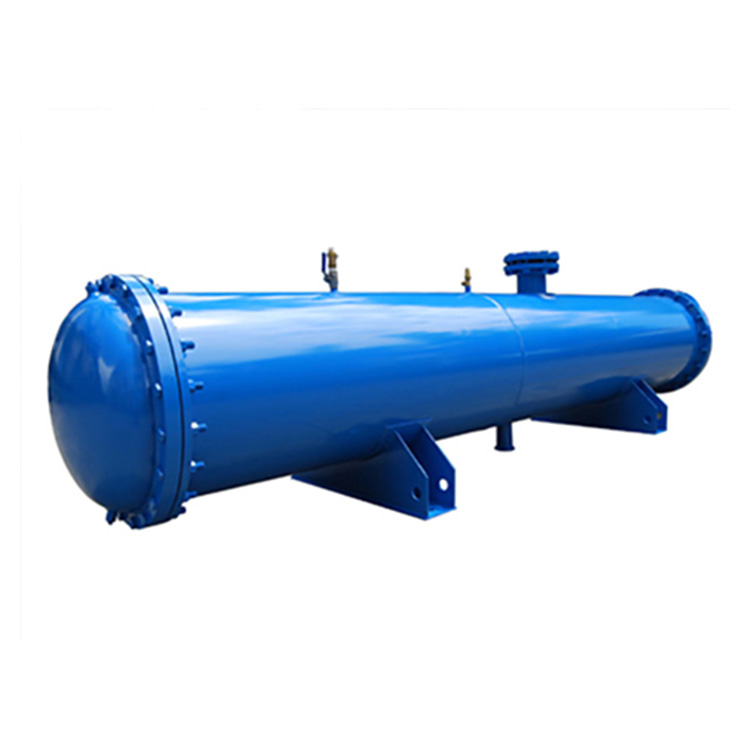
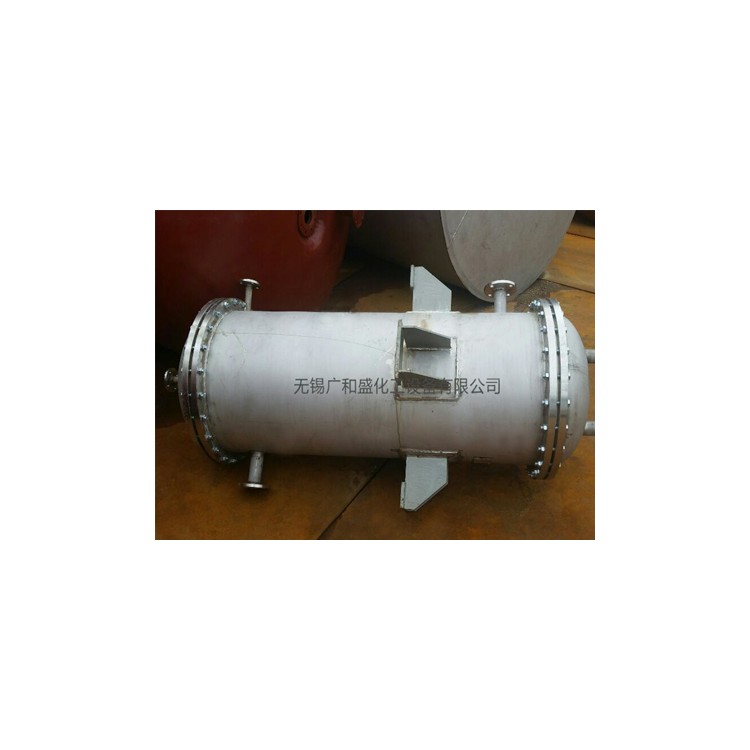
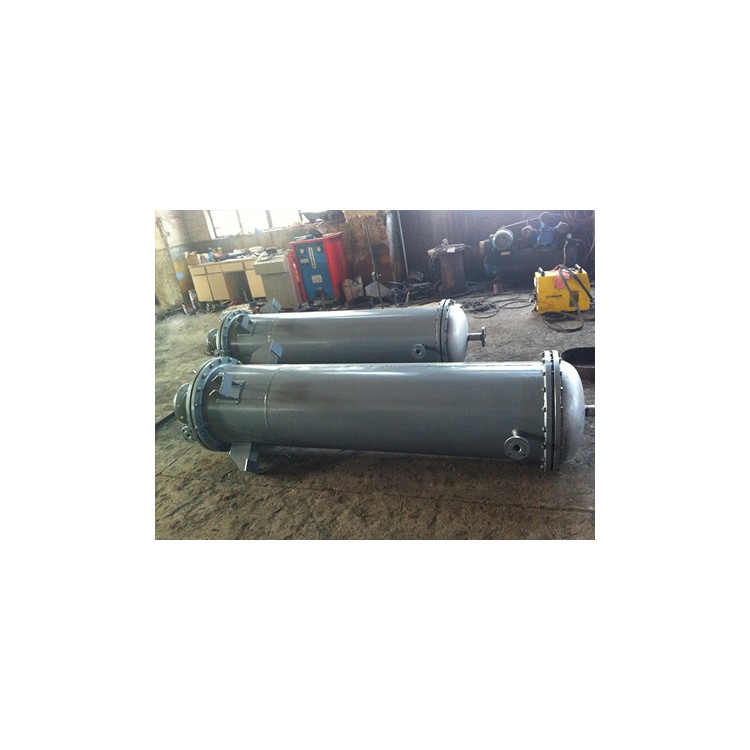


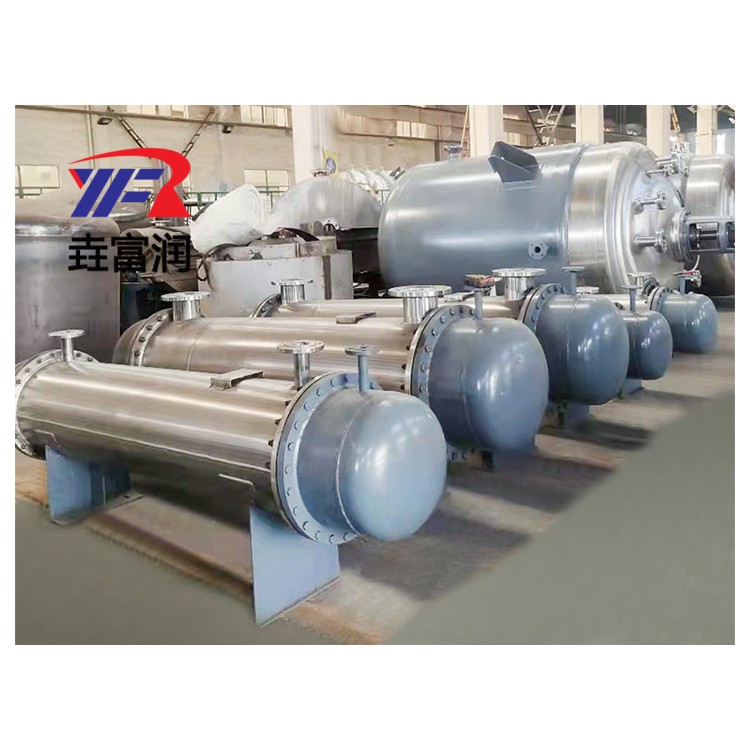
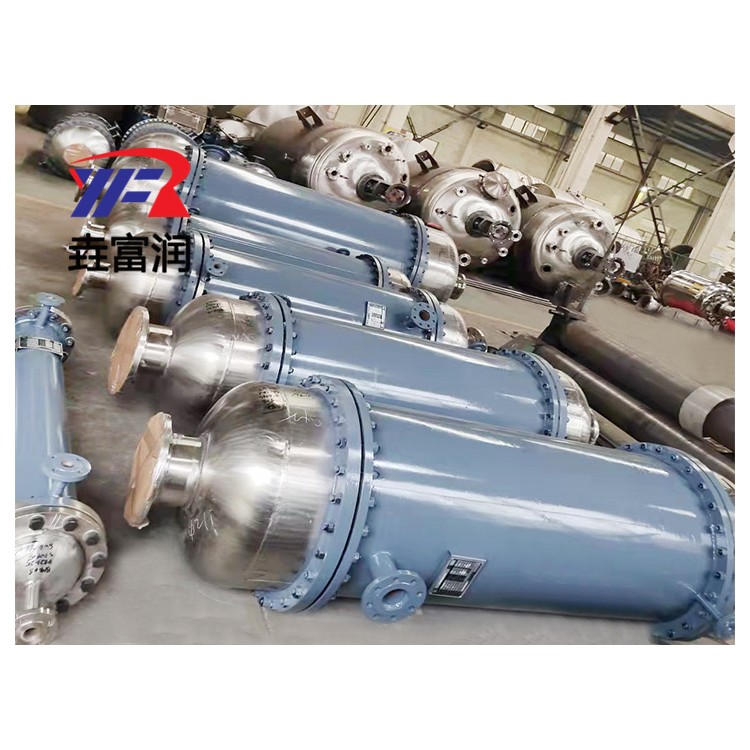
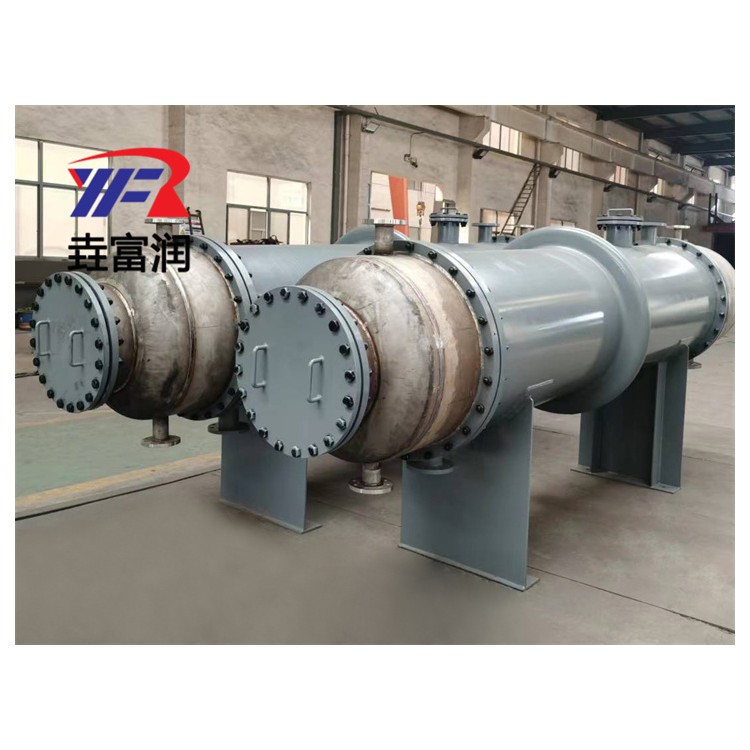
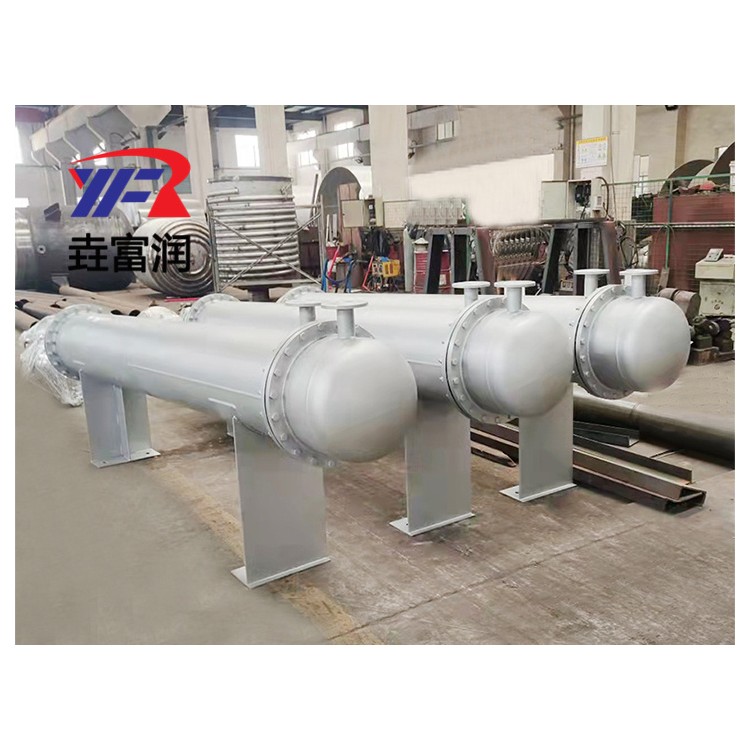
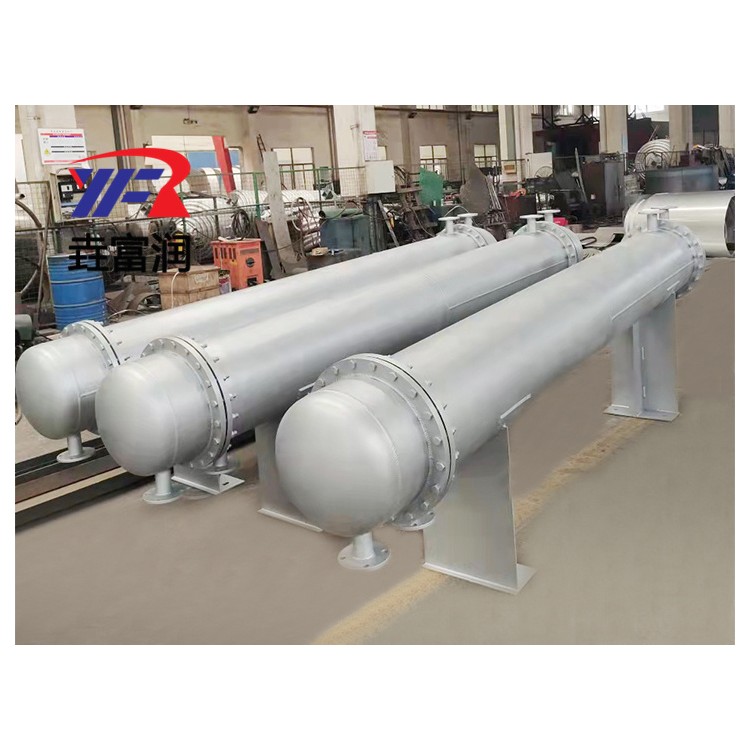





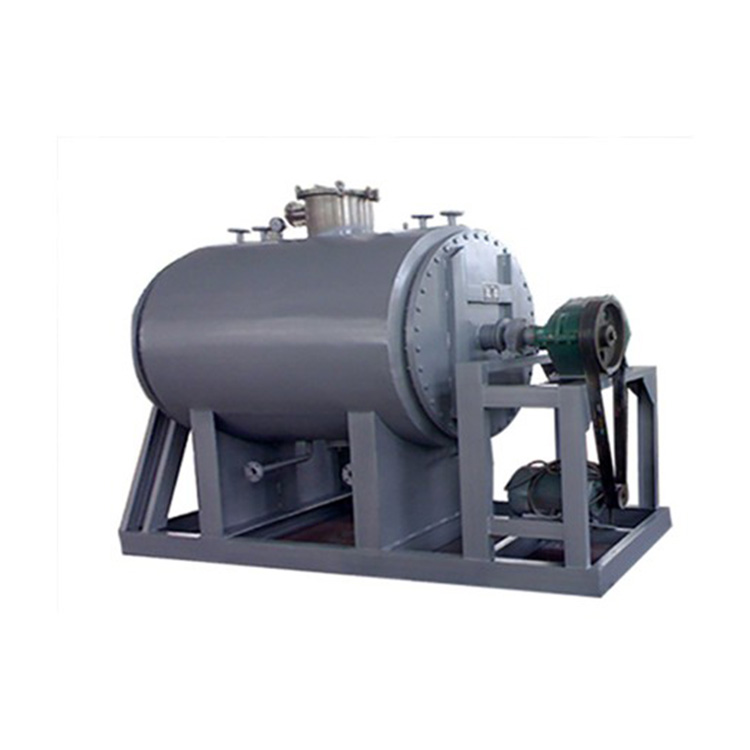
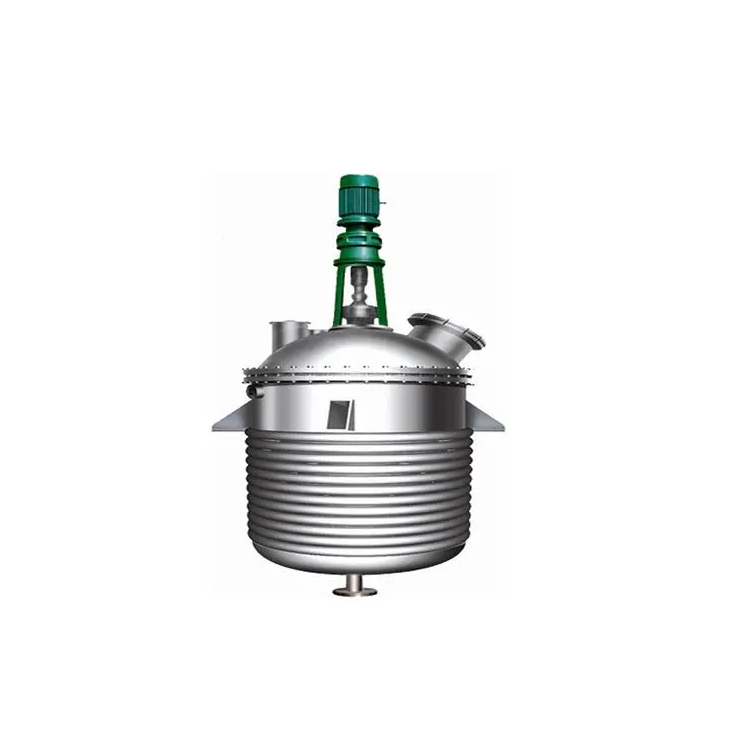

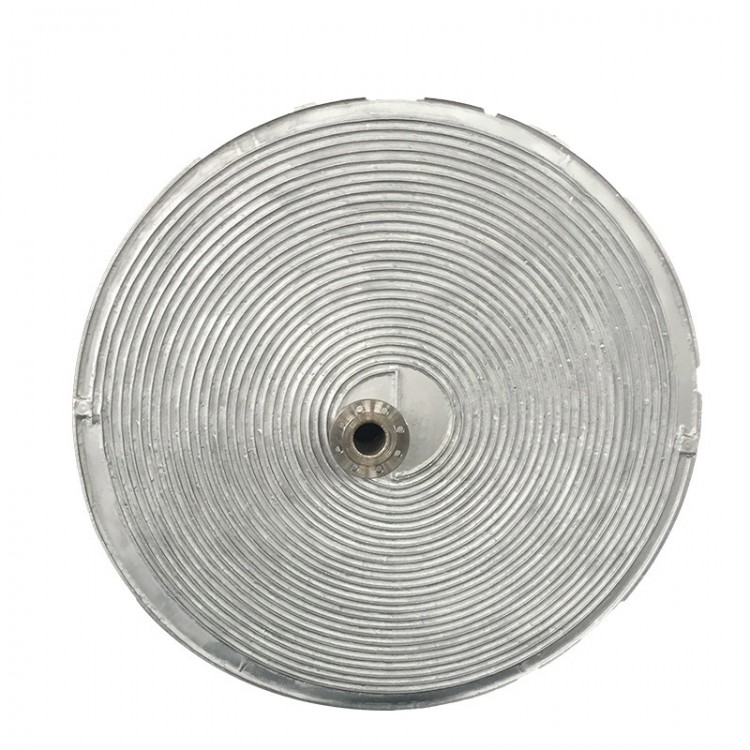
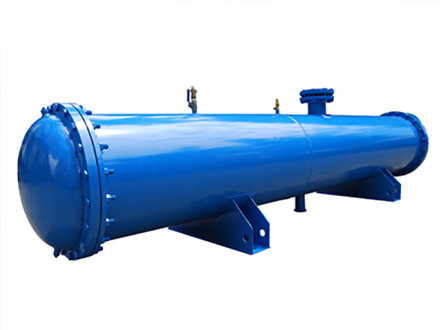
Tube-in-tube condensers, categorized by material into carbon steel tube-in-tube condensers, stainless steel tube-in-tube condensers, and mixed carbon steel and stainless steel tube-in-tube condensers; by type, into fixed tube sheet, floating head, and U-tube heat exchangers; and by structure, into single-pass, double-pass, and multi-pass designs. Heat transfer area ranges from 0.5 to 500 m², customizable to meet customer requirements.
Construction Principle and Features of Shell and Tube Condensers:
Tube-in-tube condensers, categorized by material into carbon steel tube-in-tube condensers, stainless steel tube-in-tube condensers, and mixed carbon steel and stainless steel tube-in-tube condensers; by type, into fixed tube sheet, floating head, and U-tube heat exchangers; and by structure, into single-pass, double-pass, and multi-pass designs. Heat transfer area ranges from 0.5 to 500 m², customizable to meet customer requirements.
Key Features of Tube-in-Tube Condenser:
Tubular condensers mainly include tube bundle condensers, spray-drain condensers, plate heat exchangers, and square box easy-cleaning condensers. Available in materials such as carbon steel, stainless steel, and aluminum alloy, these condensers range in condensing area from 2m² to 500m². Tube bundle condensers are further categorized by type into fixed tube sheet, floating head, and U-tube heat exchangers, and by structure into single-pass, double-pass, and multi-pass.
Tube-in-tube condenser boasts excellent condensation performance, long service life, low cost, light weight, and high recyclability.