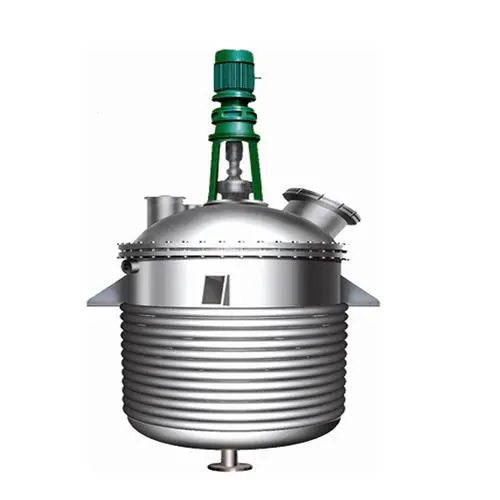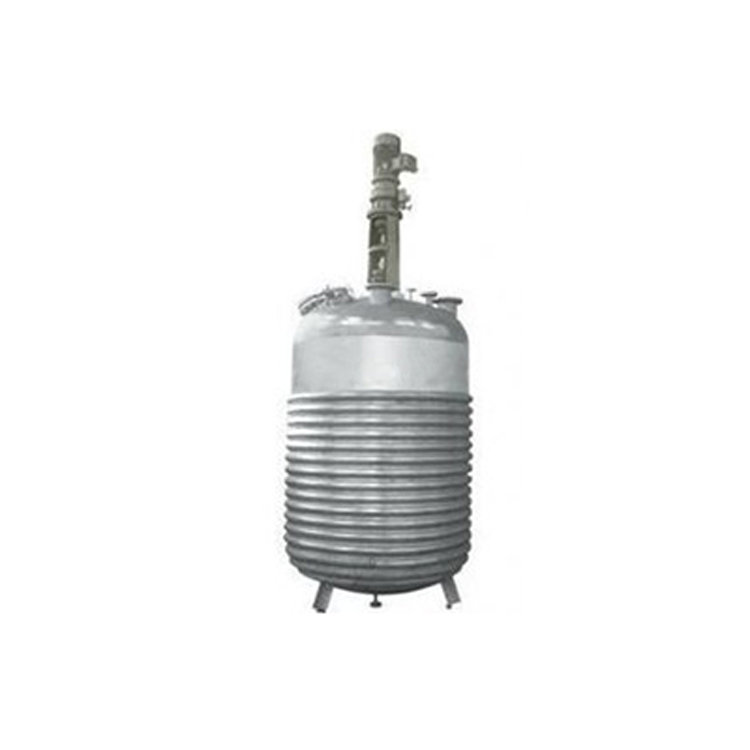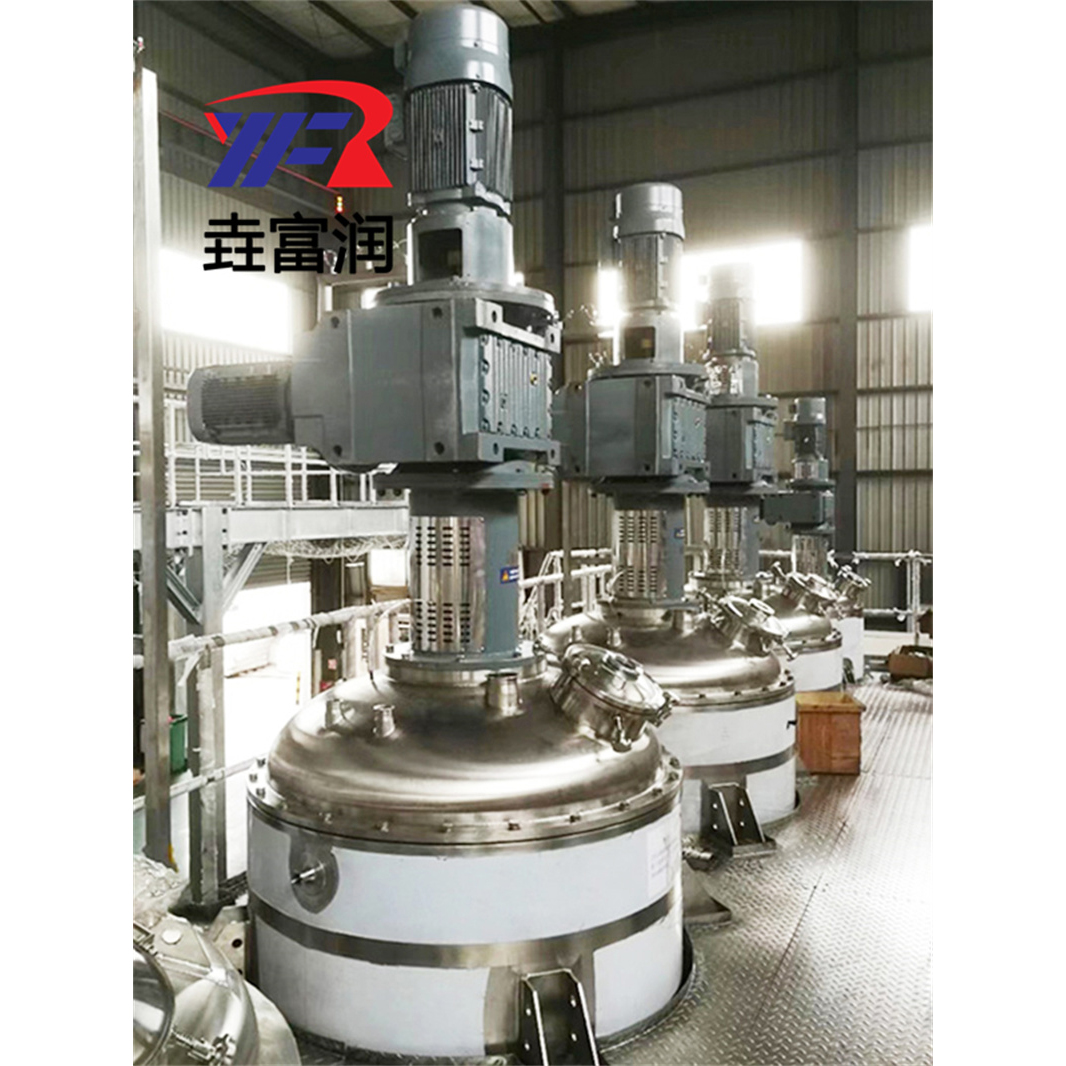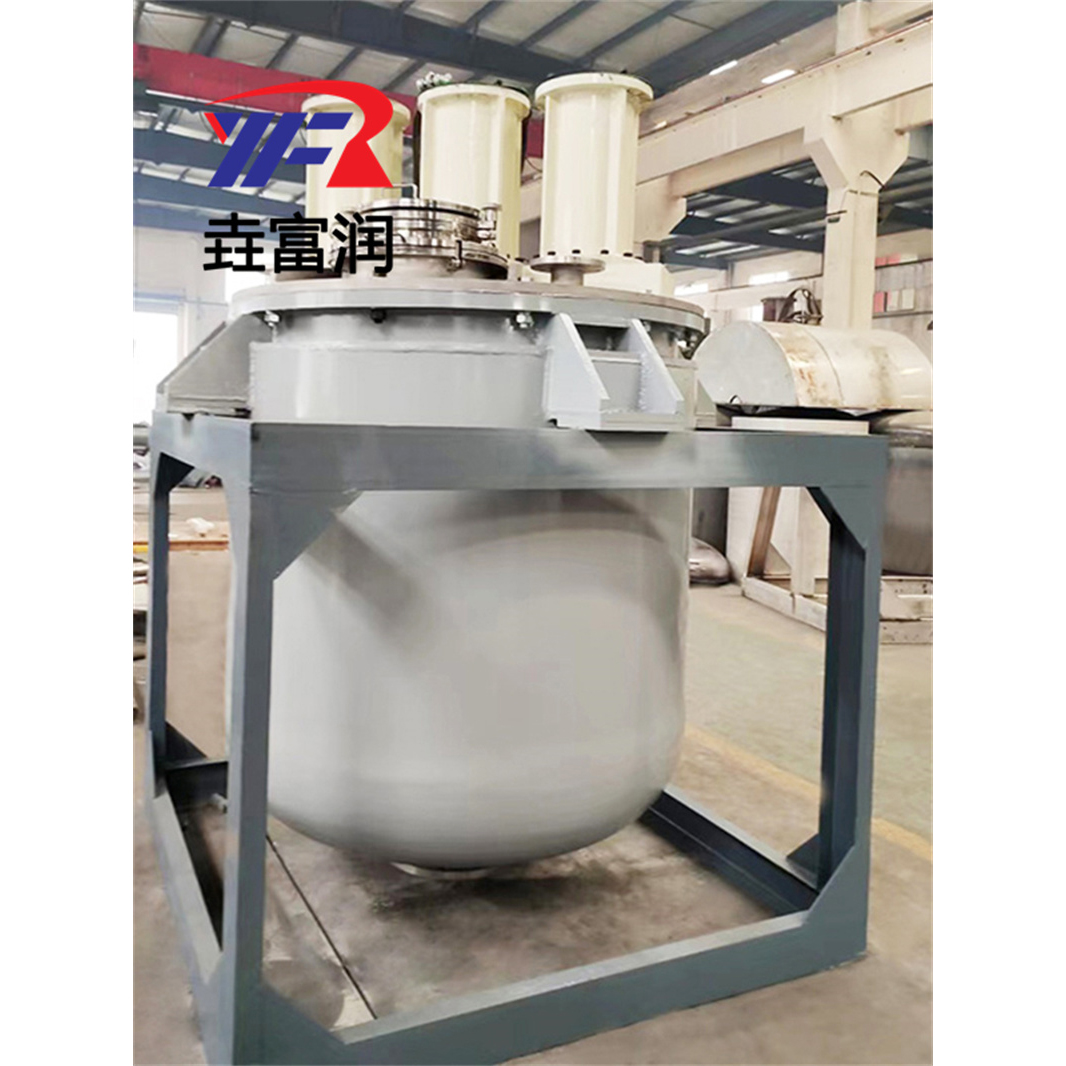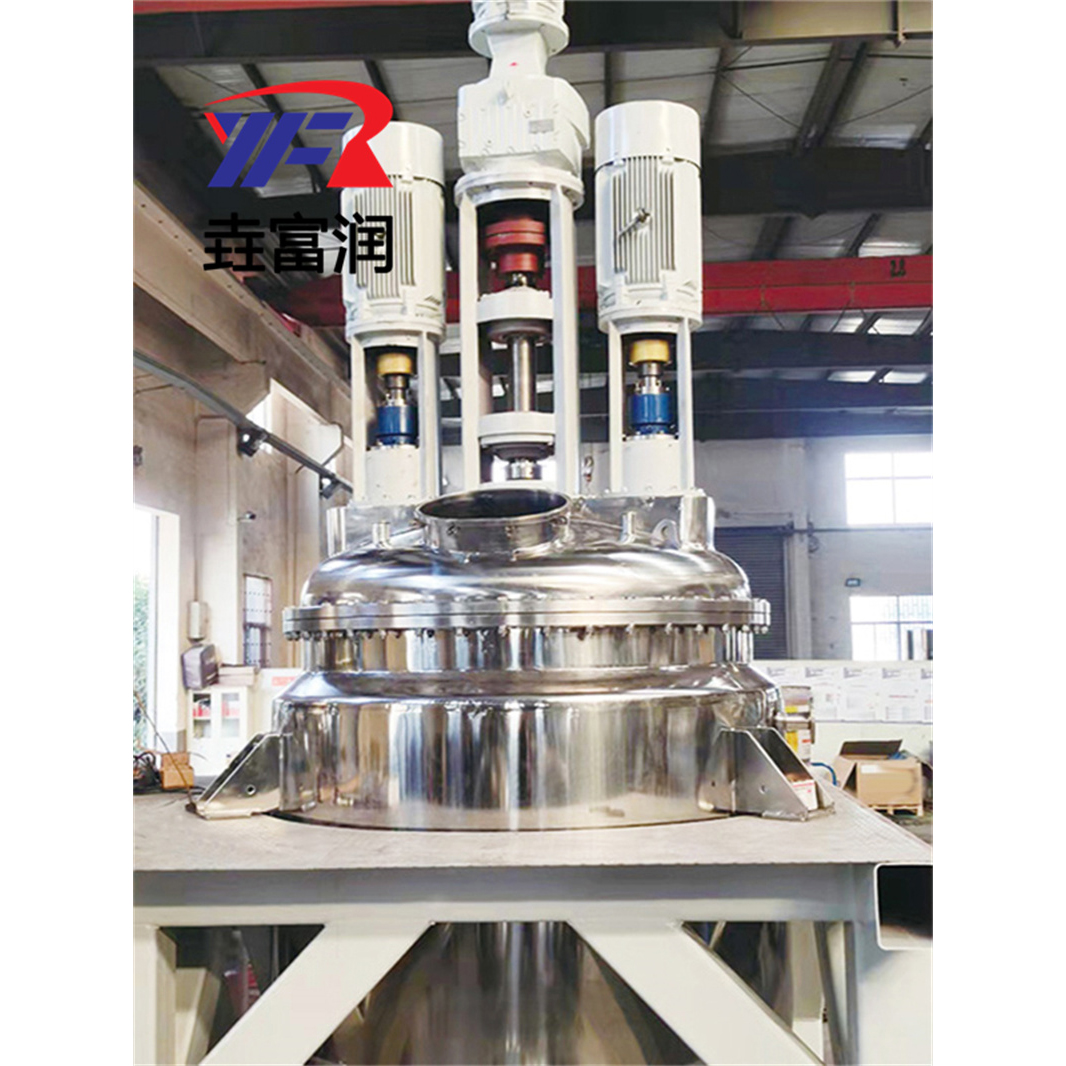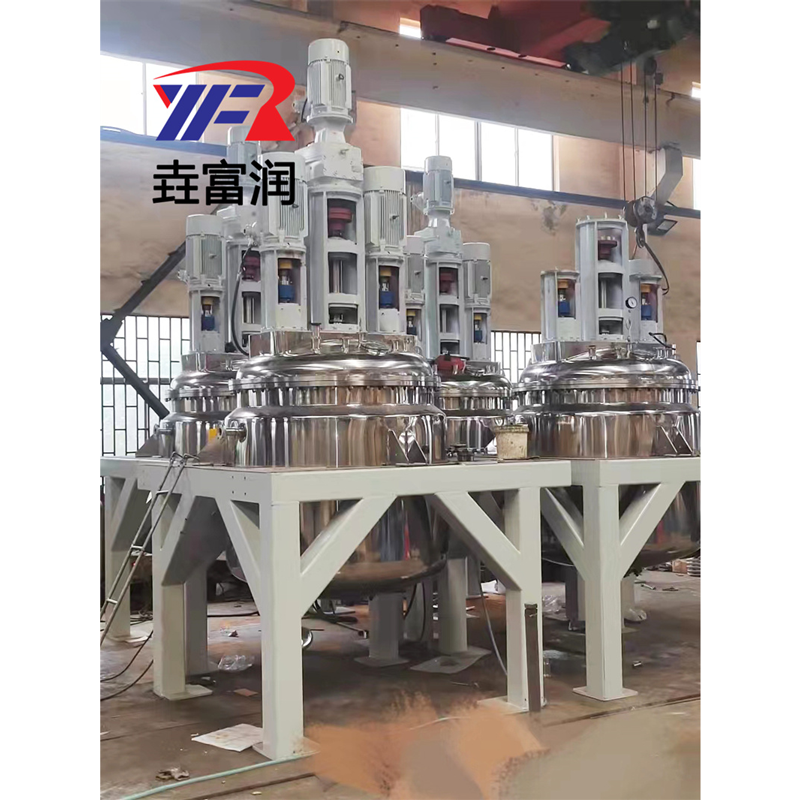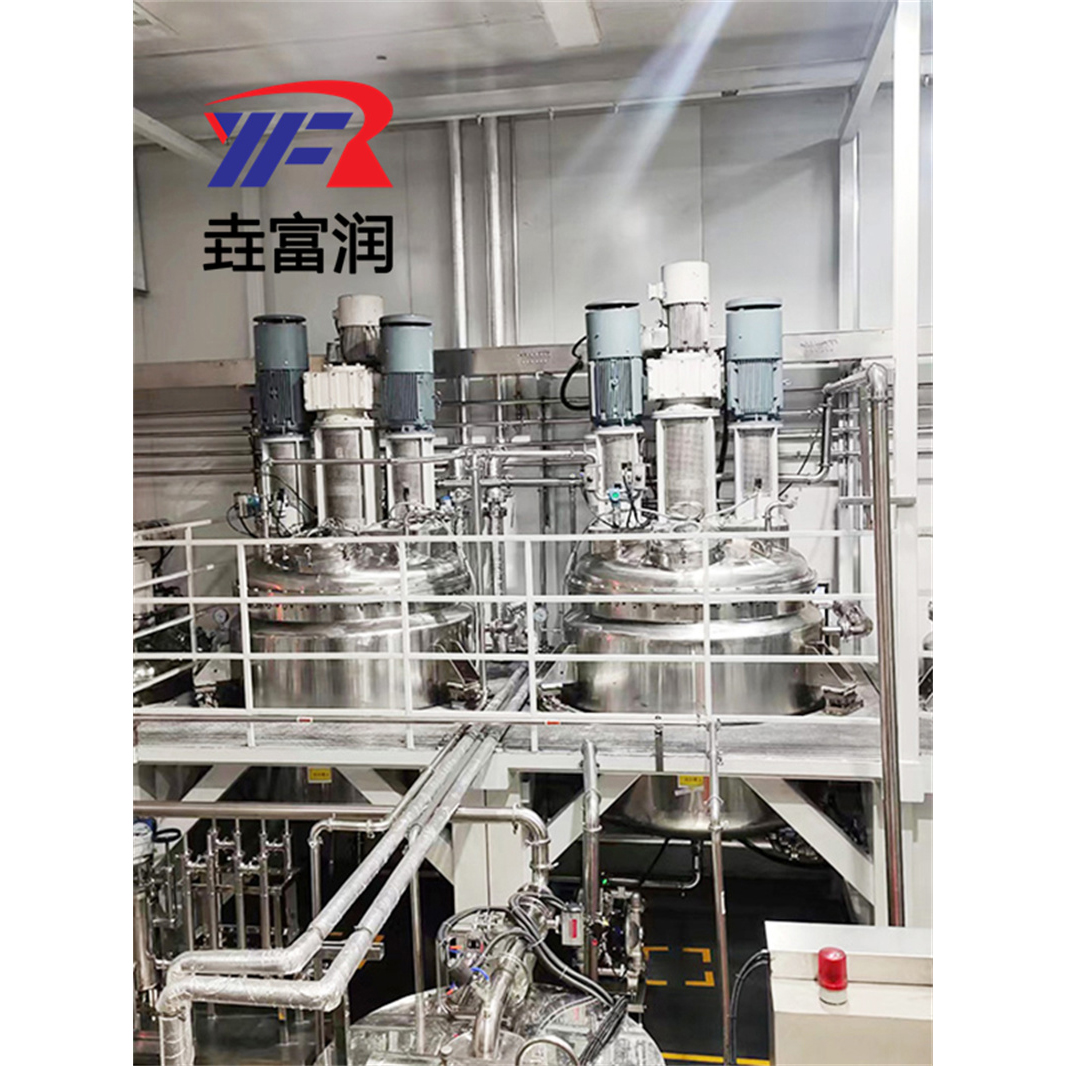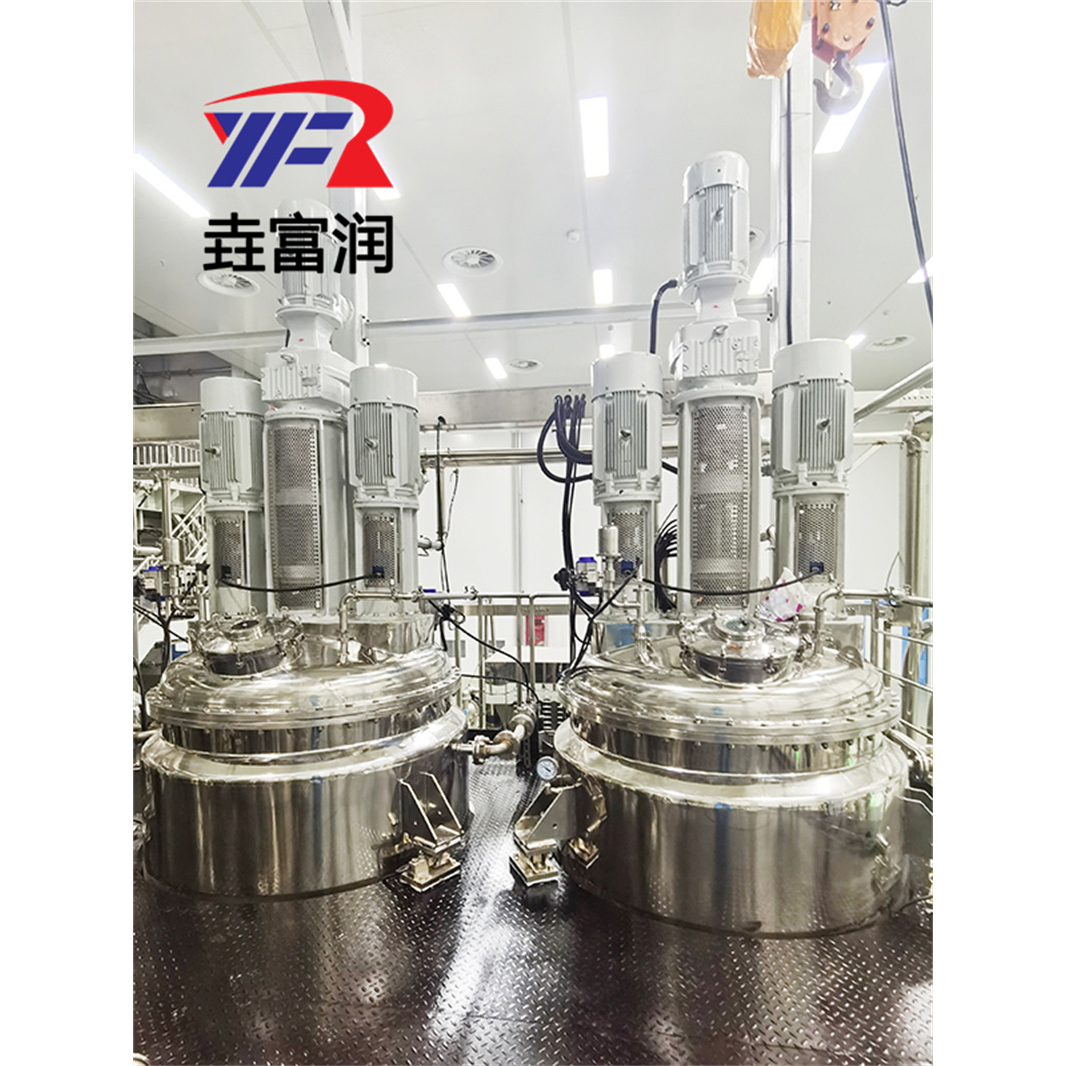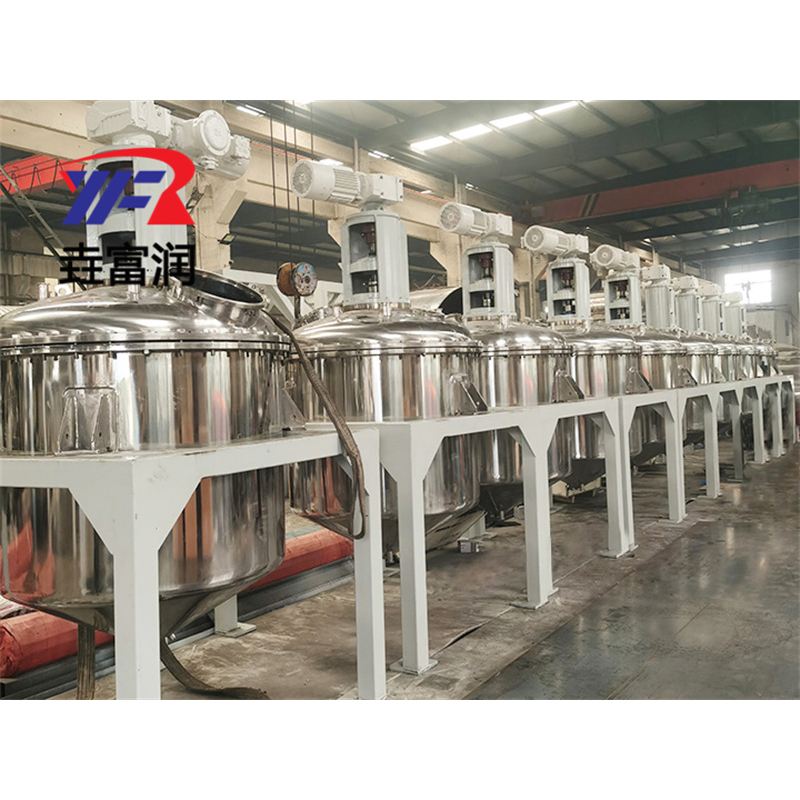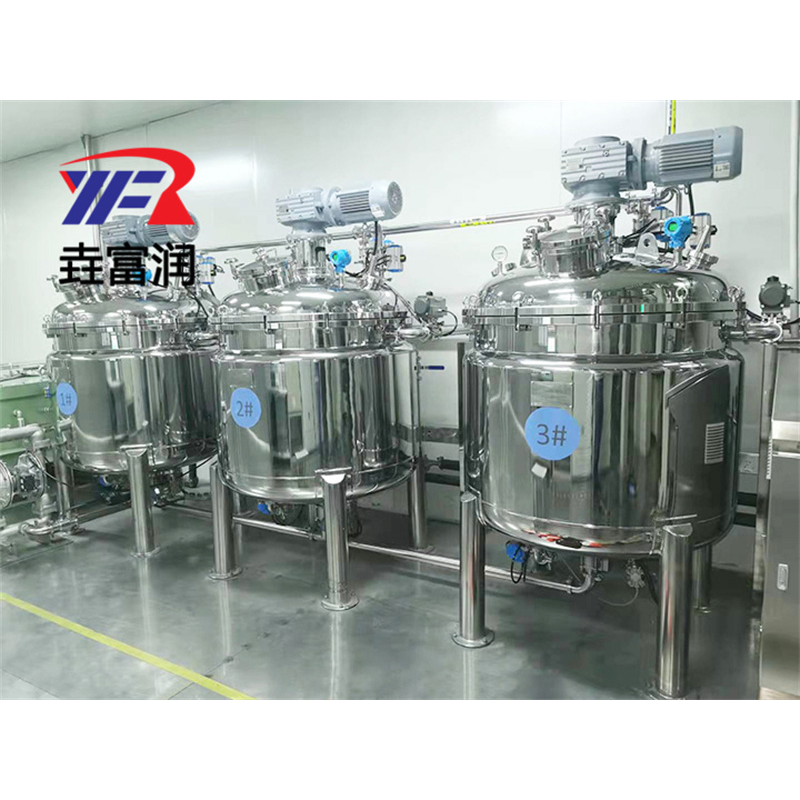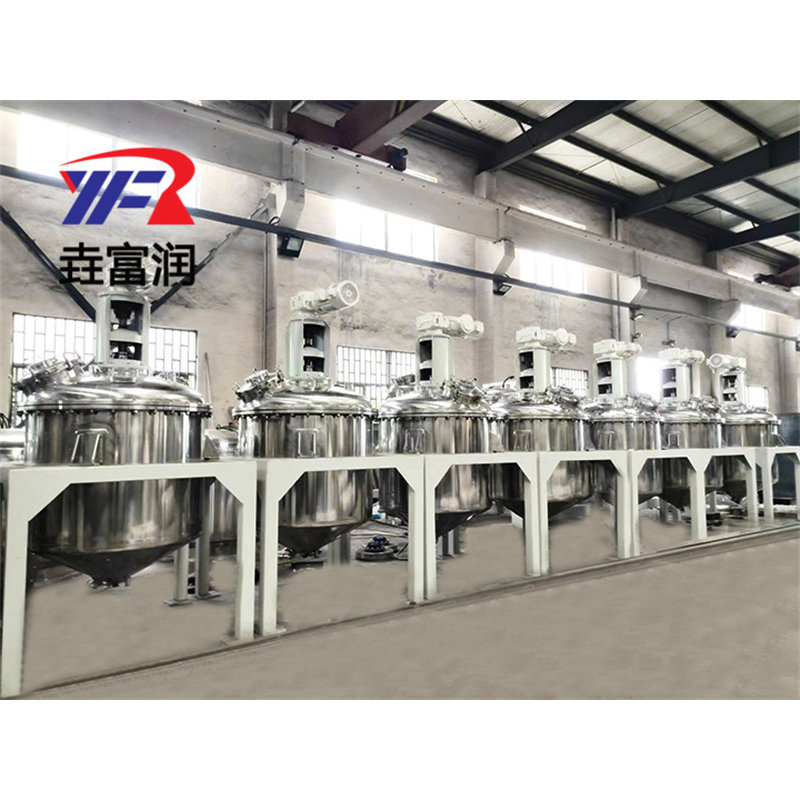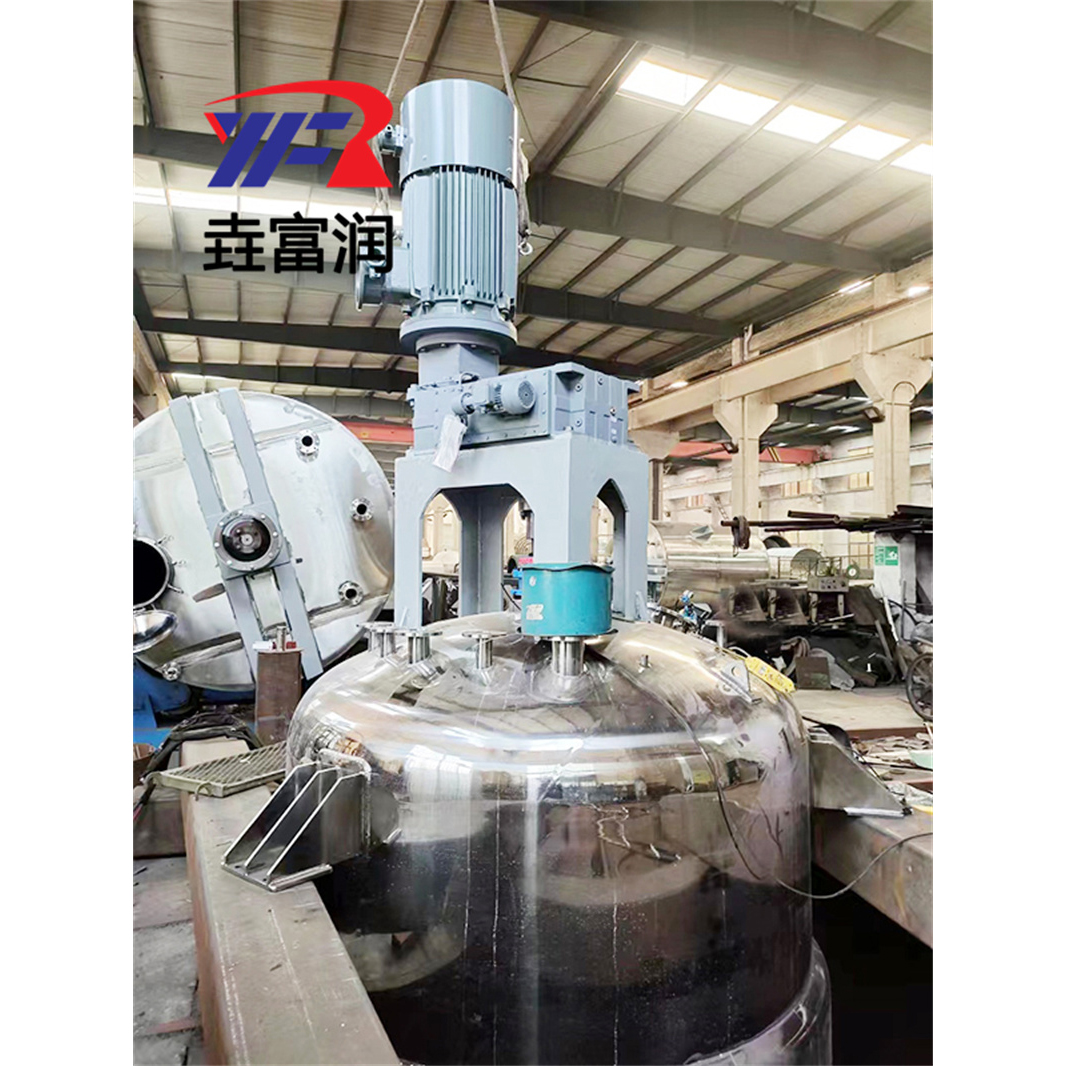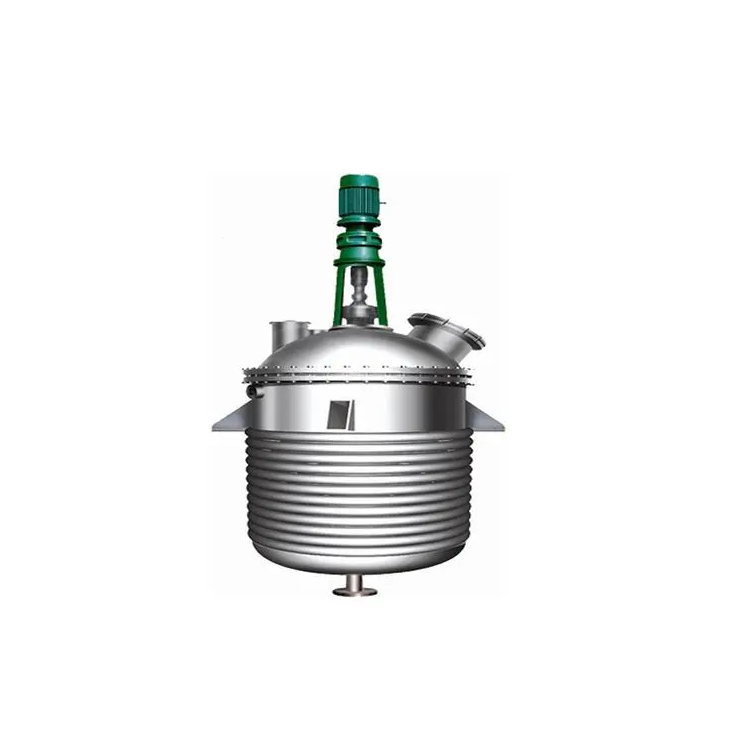

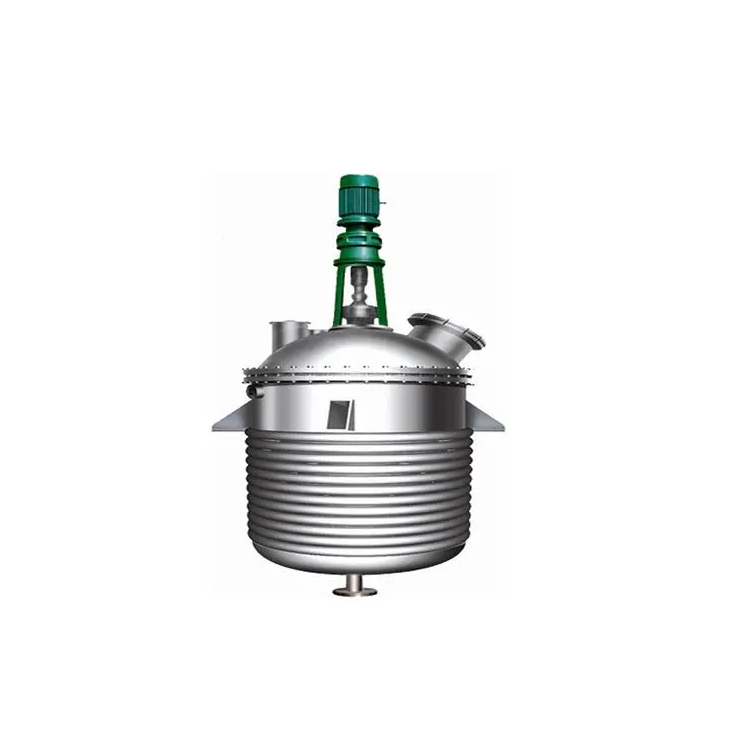
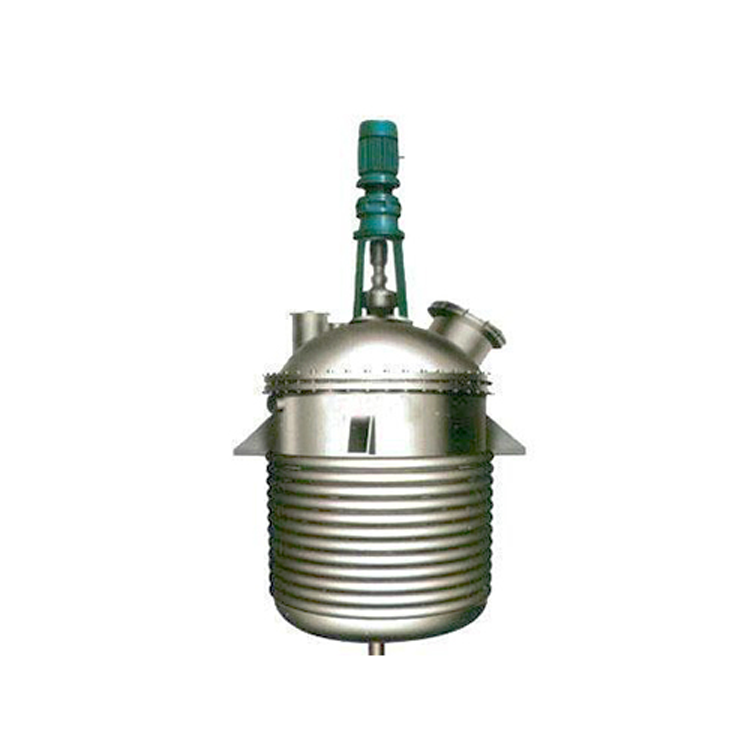
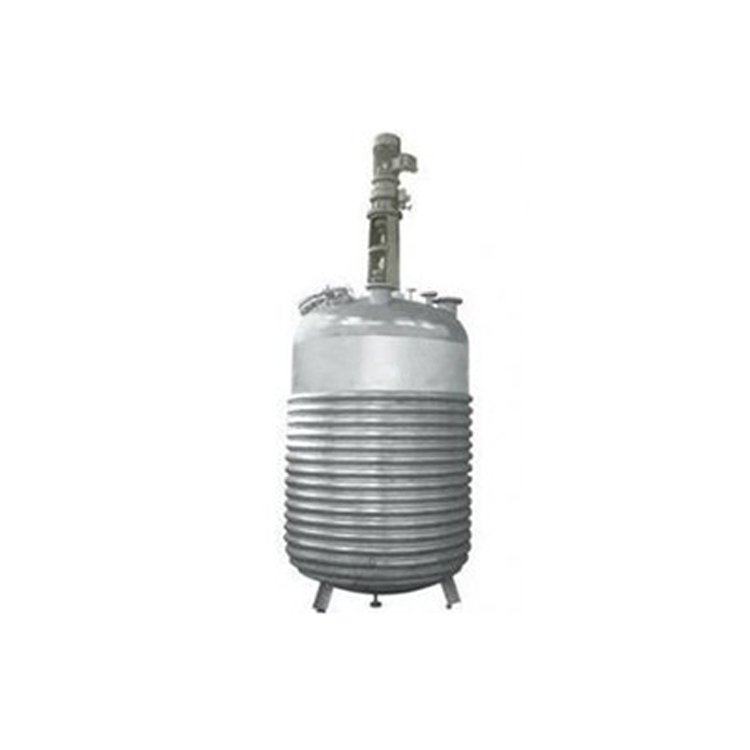


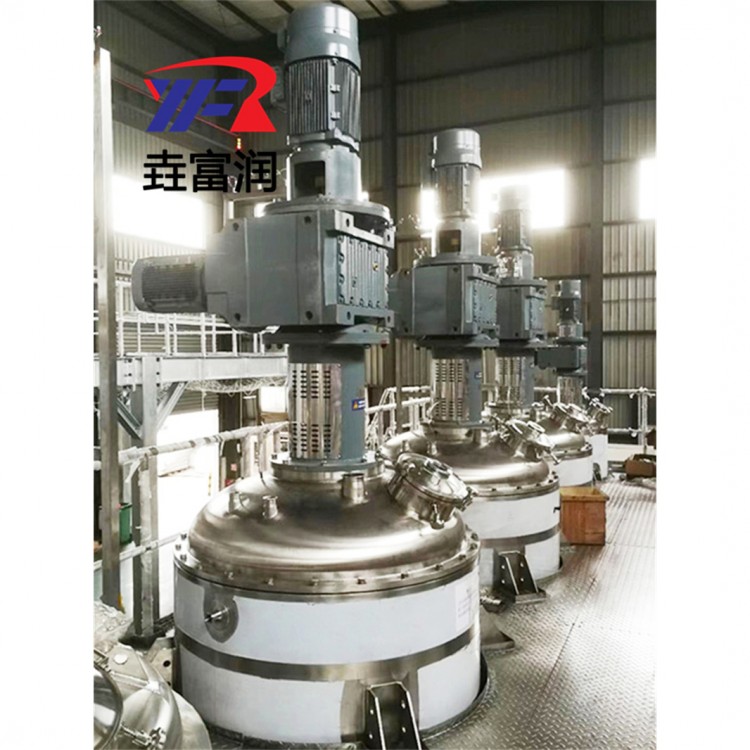
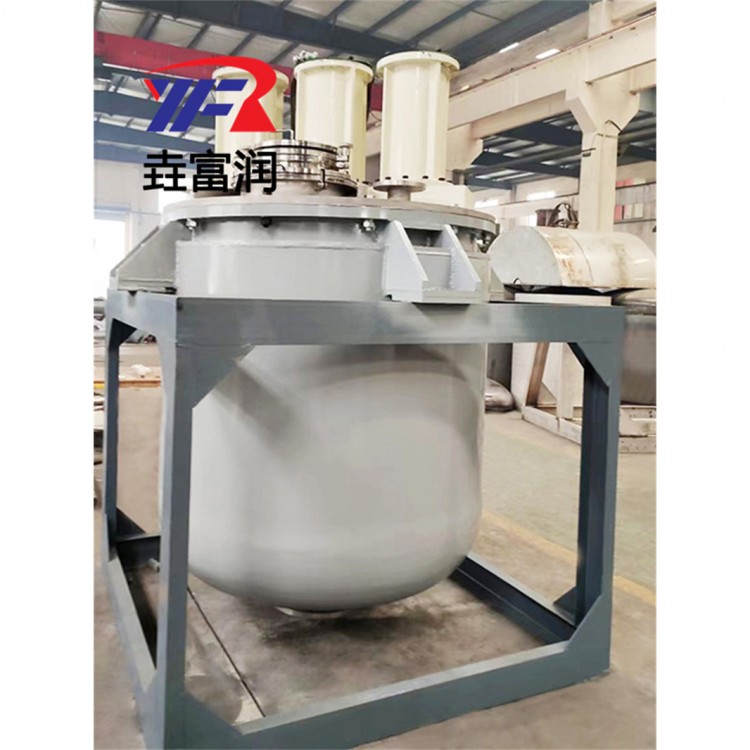
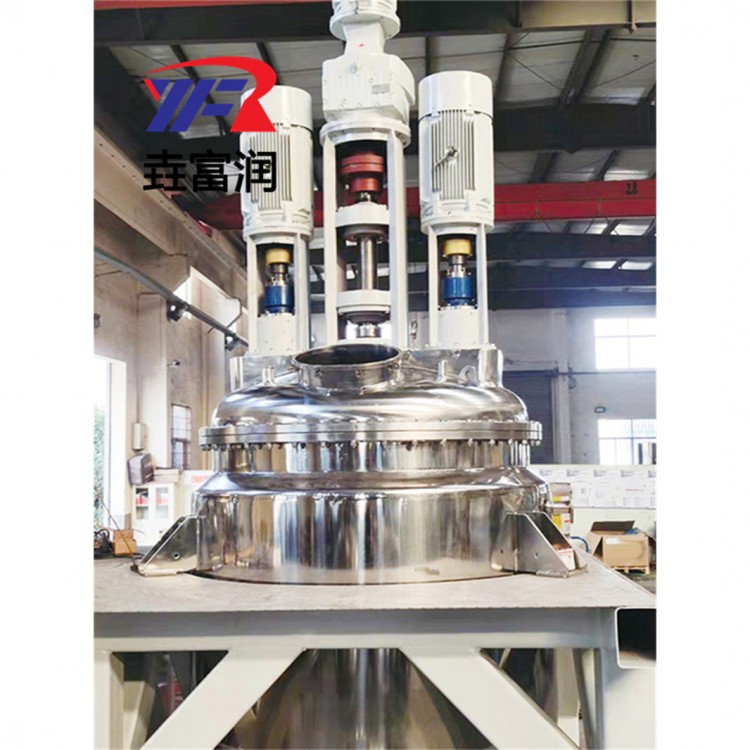
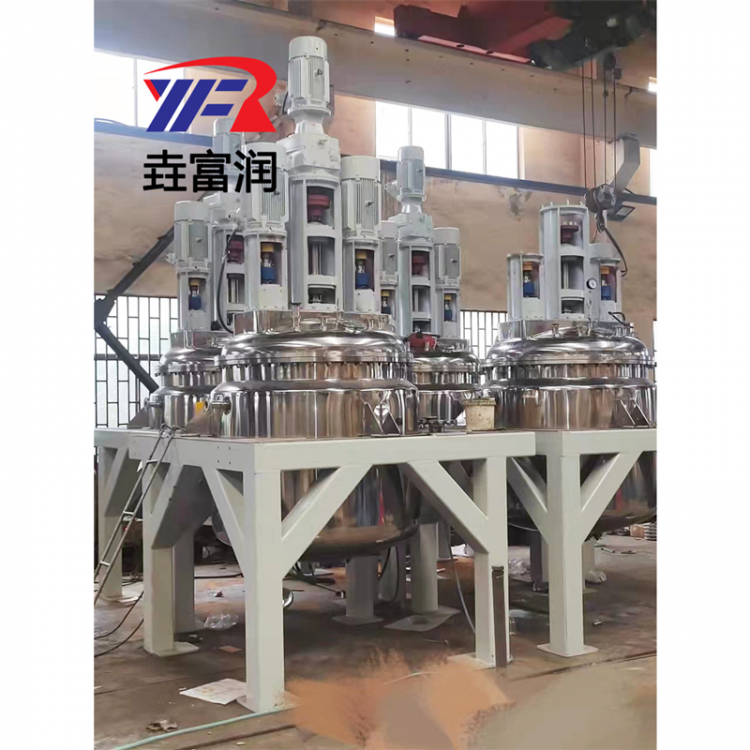
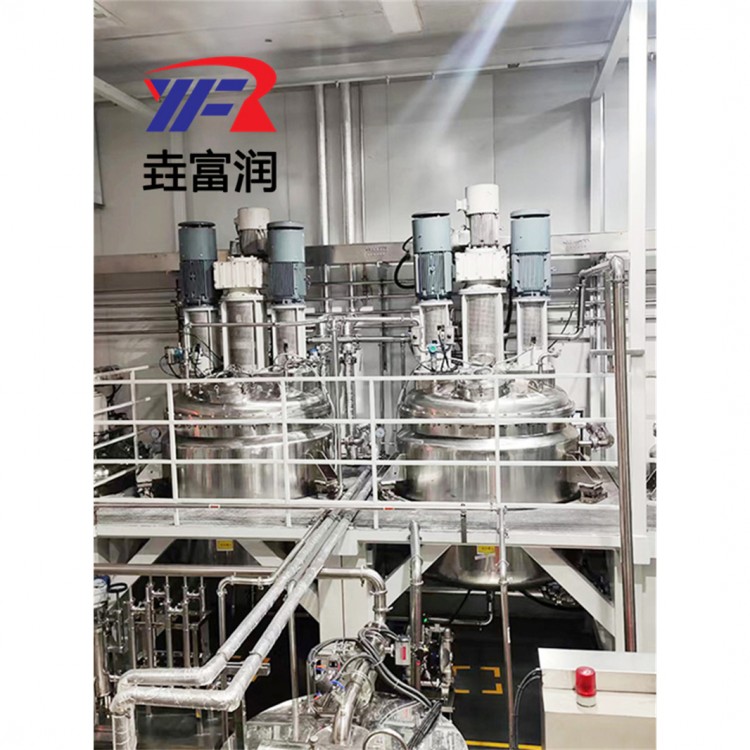





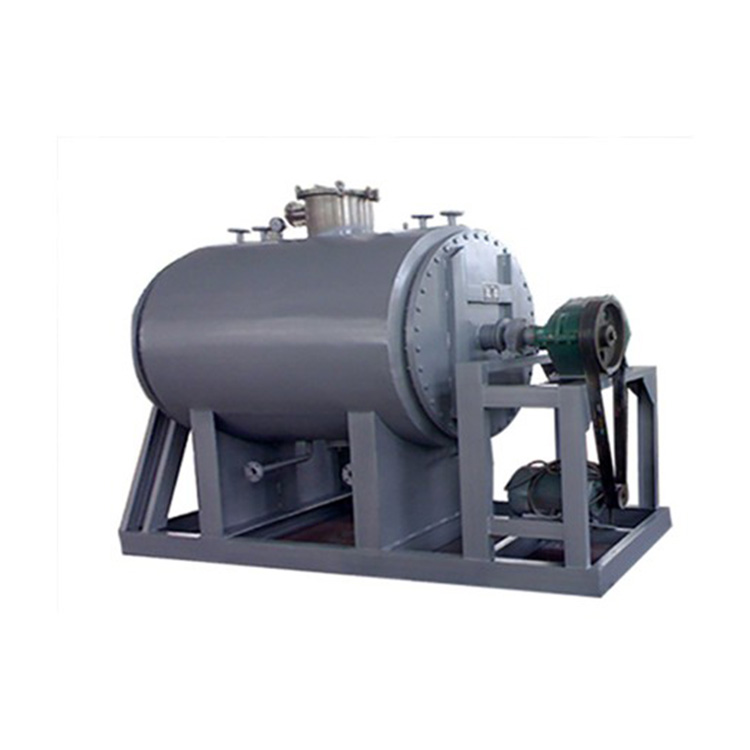
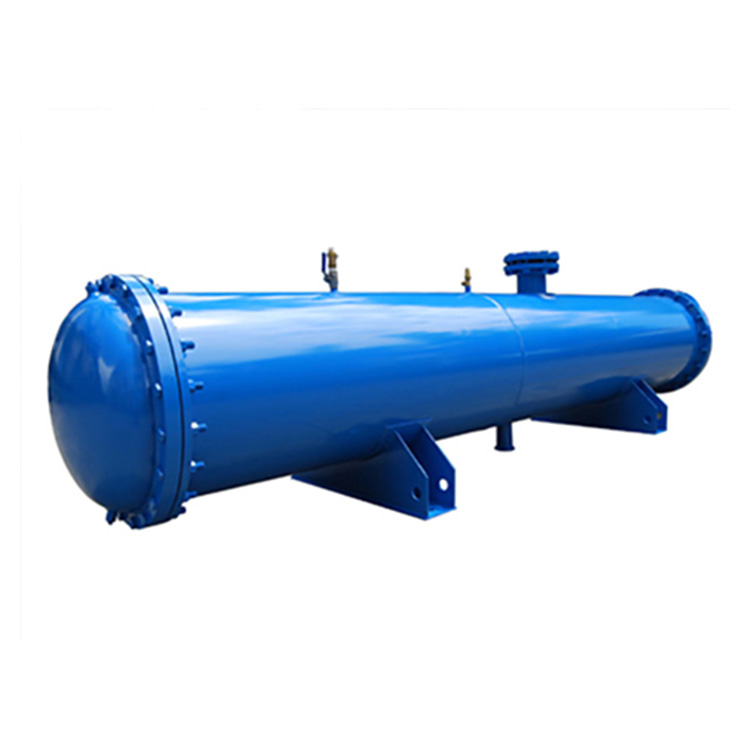

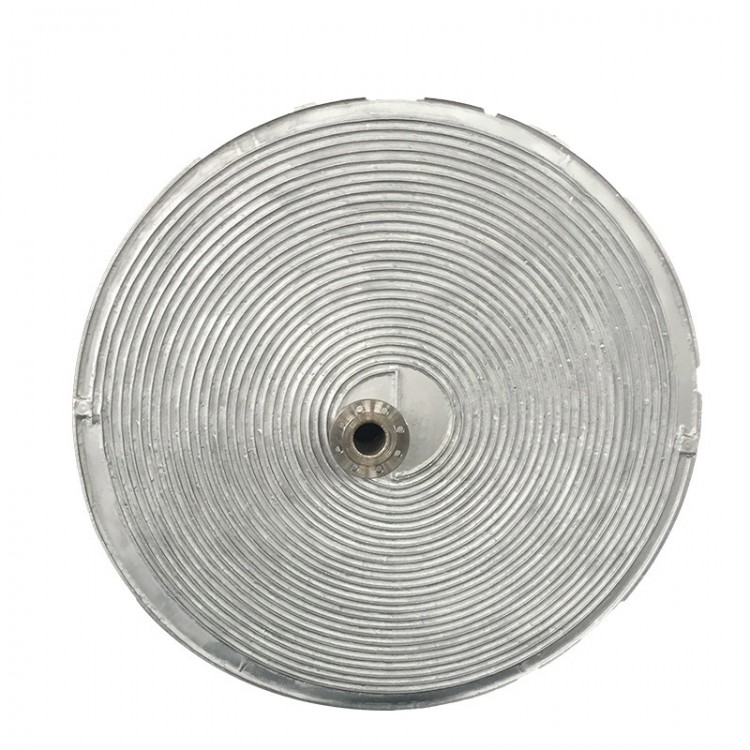
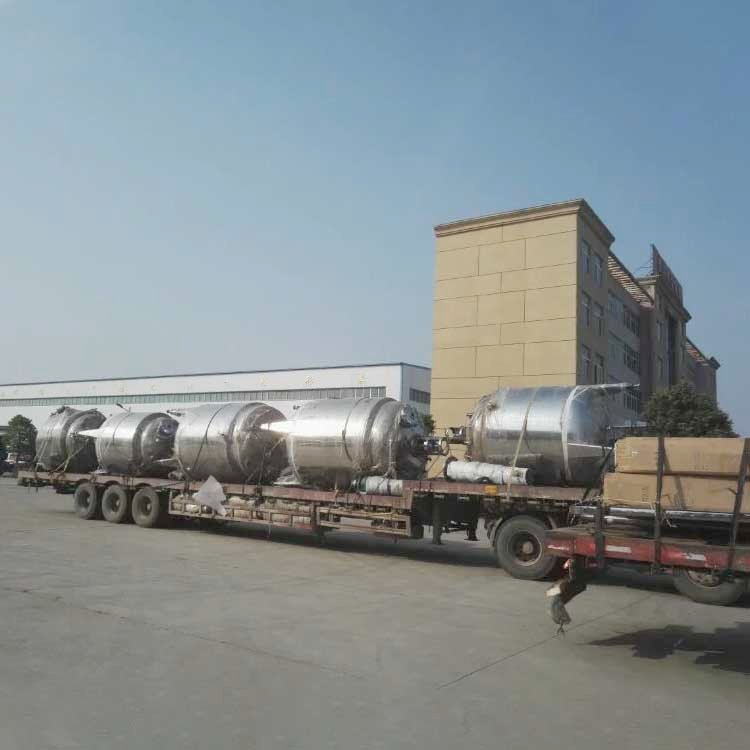
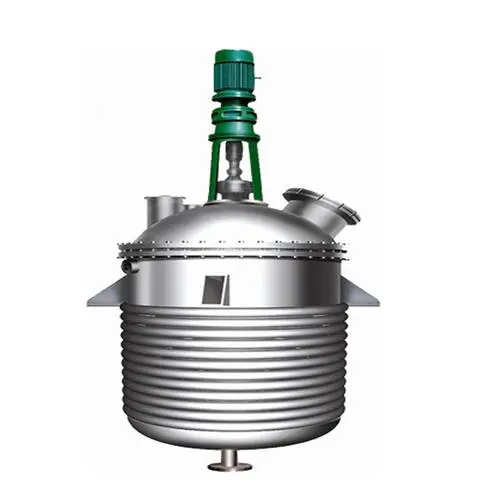
The half-tube heating stainless steel reactor from the foreign market offers numerous advantages compared to the commonly used conventional jacketed reactors in China.
1. Reduce the thickness of the kettle wall to enhance the kettle's load-bearing capacity.
2. Enhances heat transfer efficiency (boosts heat supply systems and reduces thermal resistance).
3. Energy conservation (reduction in jacket volume to half-tube volume ratio decreases investment) - Reduces the overall diameter of the kettle body, benefiting workshop layout.
4. Save on steel.
Operating Temperature: The reactor operates at high temperatures. Typically, chemical reactions require specific temperature conditions to take place, so the reactor withstands both pressure and temperature. Methods to achieve high temperatures usually include:
1. Water heating can be used when the required temperature is not high. The heating system comes in two types: open and closed. The open system is simpler, consisting of a circulating pump, water tank, pipes, and a regulator for controlling valves. When high-pressure water is used, the equipment must meet high mechanical strength requirements. The external surface of the reactor is fitted with a coil, which has a gap with the reactor wall, increasing thermal resistance and reducing heat transfer efficiency.
2. When the heating temperature of the steam heating is below 100°C, steam at a pressure below one atmosphere can be used for heating; within the range of 100~180°C, use saturated steam; and for higher temperatures, high-pressure superheated steam can be employed.
3. If the process requires operation at high temperatures or to avoid a high-pressure heating system, other mediums can be used instead of water and steam, such as mineral oil (275-300°C), biphenyl ether blend (boiling point 258°C), molten salt (140-540°C), liquid lead (melting point 327°C), etc.
4. Electric heating involves wrapping resistance wires around the insulating layer of the reactor vessel or installing them on specially designed insulators at a certain distance from the reactor, thus creating a small gap between the resistance wires and the reactor body. The first three methods to achieve high temperatures require the addition of a jacket on the reactor body, which, due to the large temperature fluctuations, causes differential pressure from the temperature changes in the jacket and the shell. Electric heating is lighter and simpler, with easier temperature control, and does not require pumps, furnaces, chimneys, etc., making it easy to start up with low risk and lower costs. However, the operating costs are higher than other heating methods, and the thermal efficiency is below 85%, making it suitable for heating temperatures below 400°C and areas with lower electricity prices.