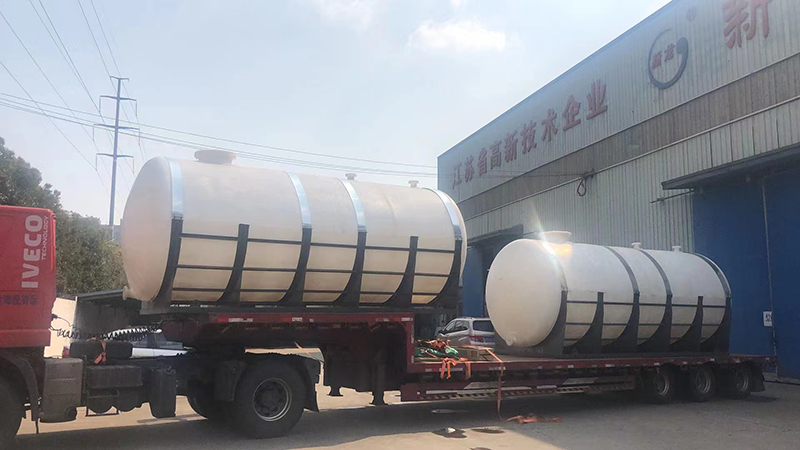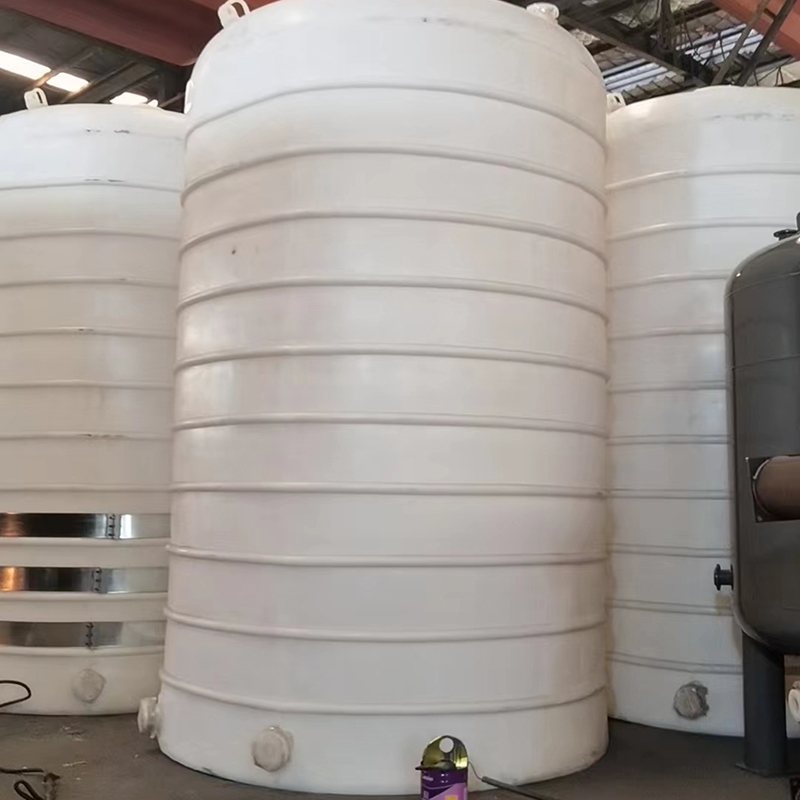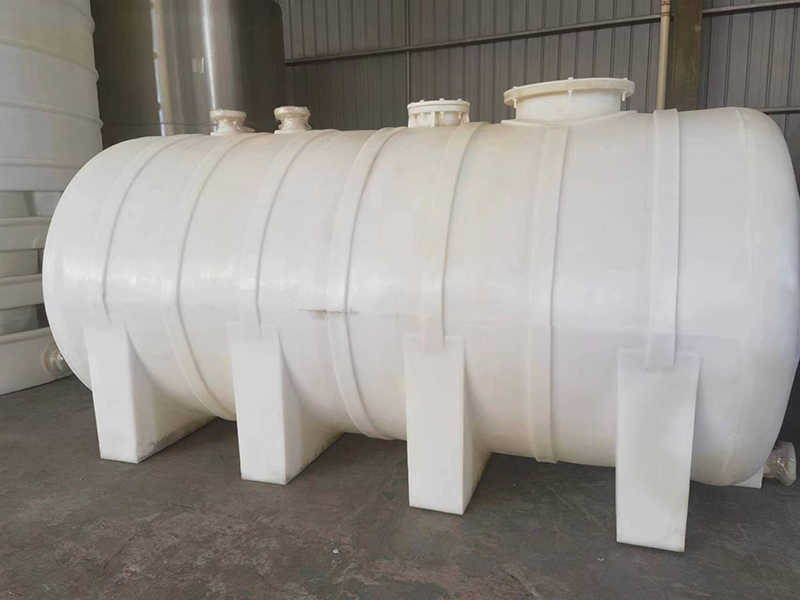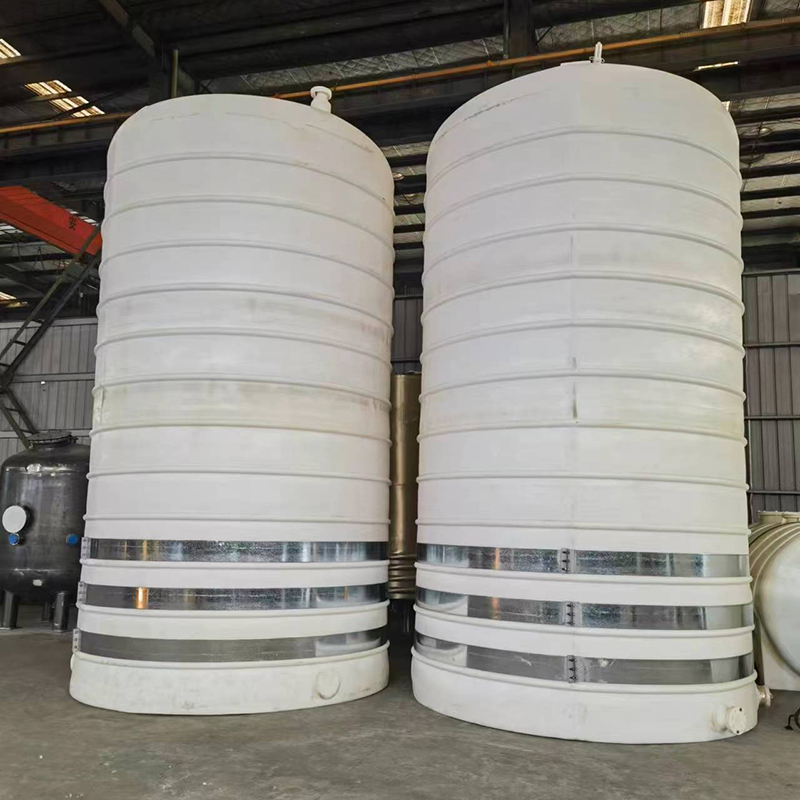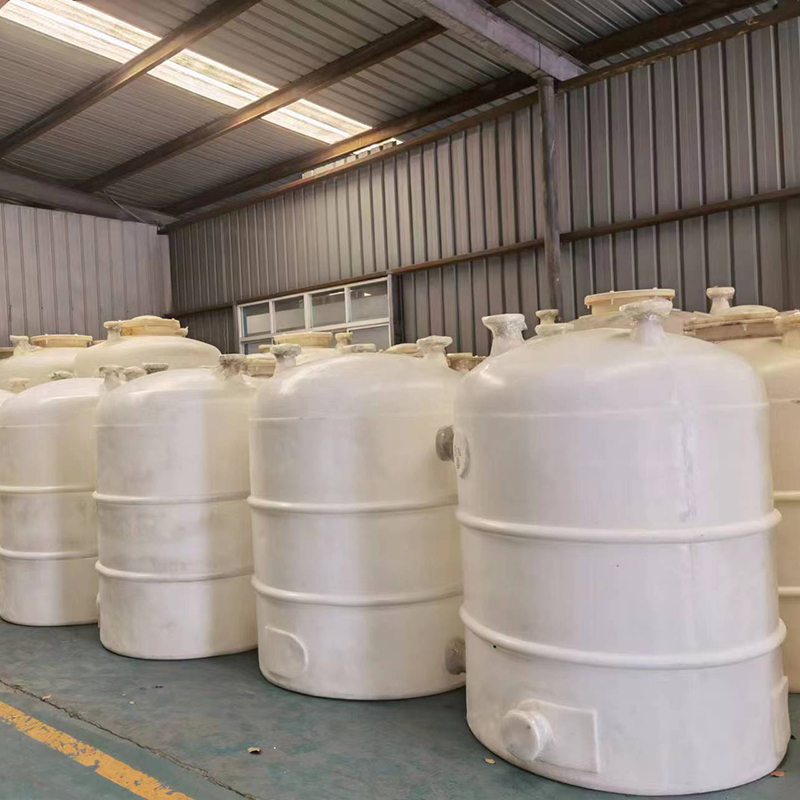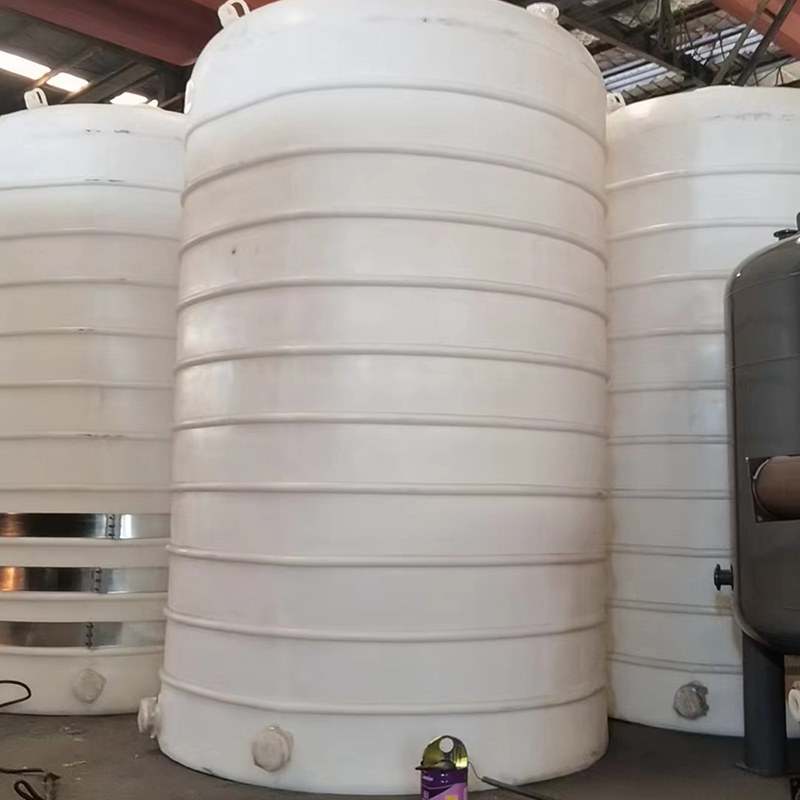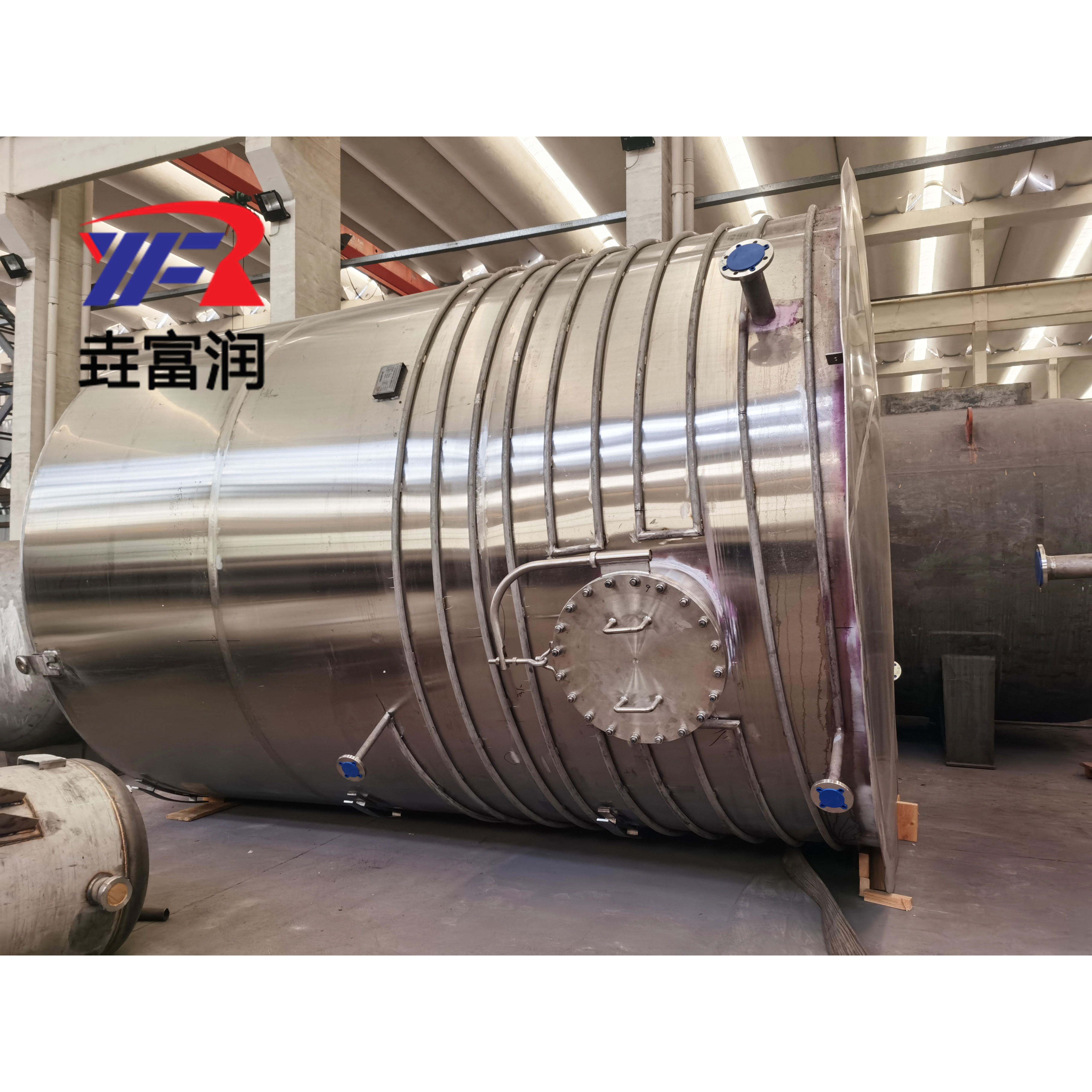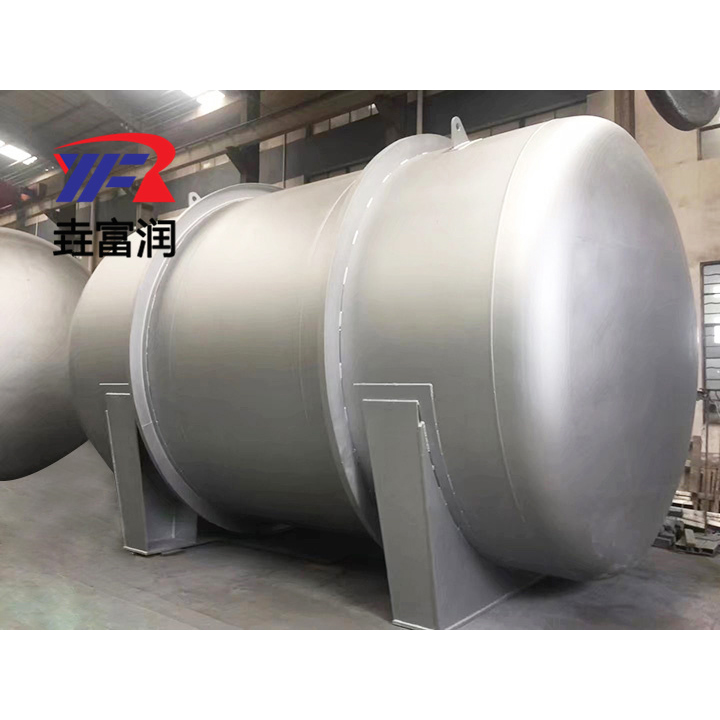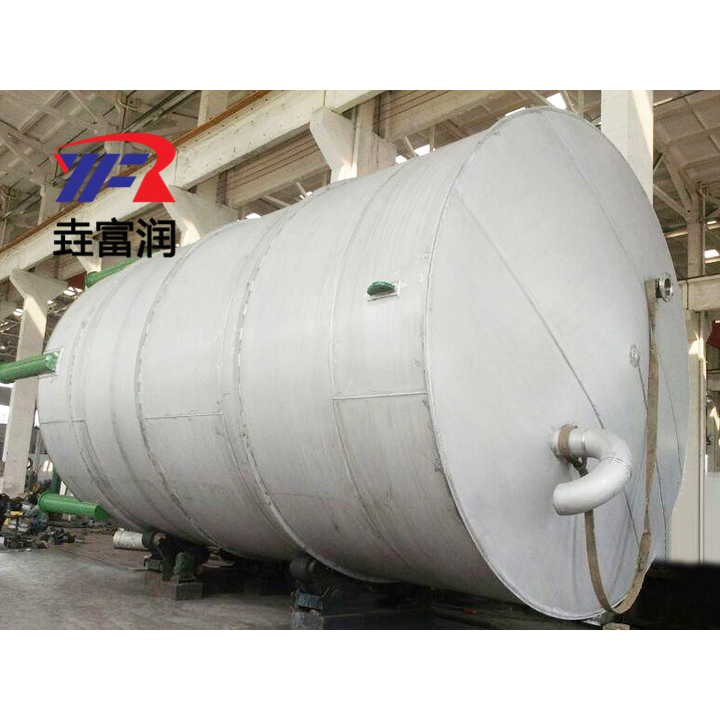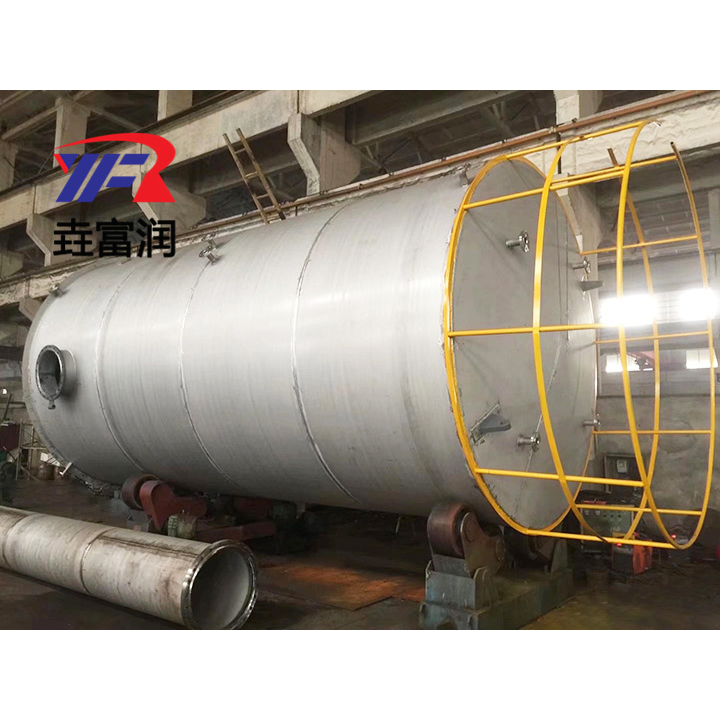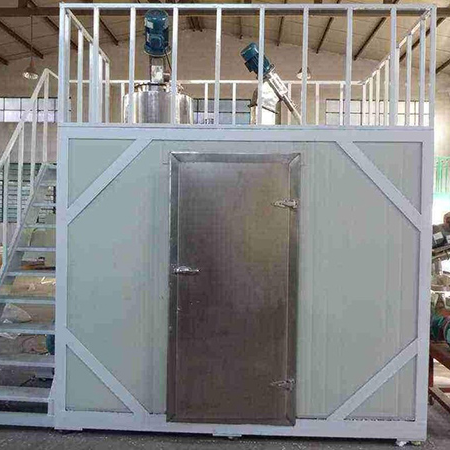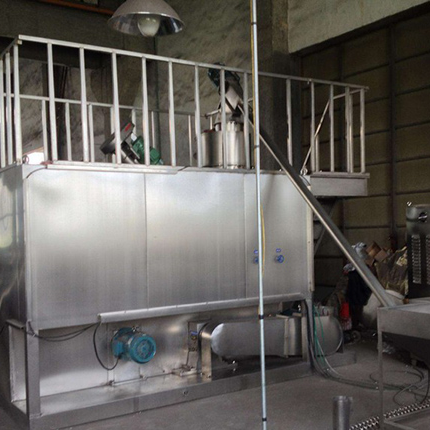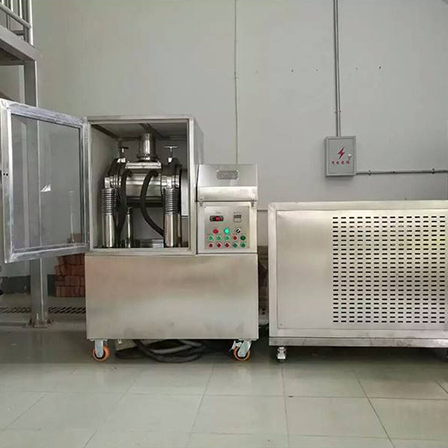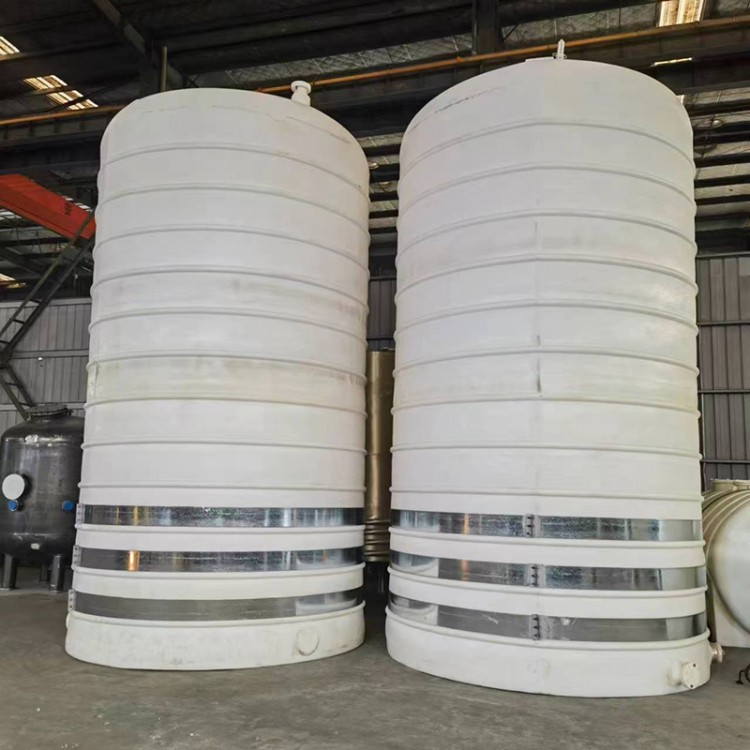


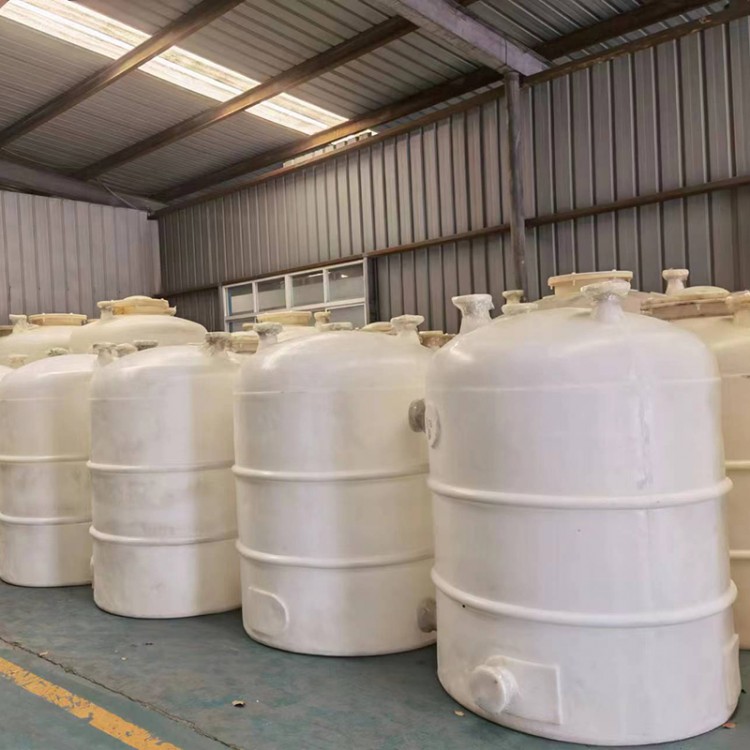
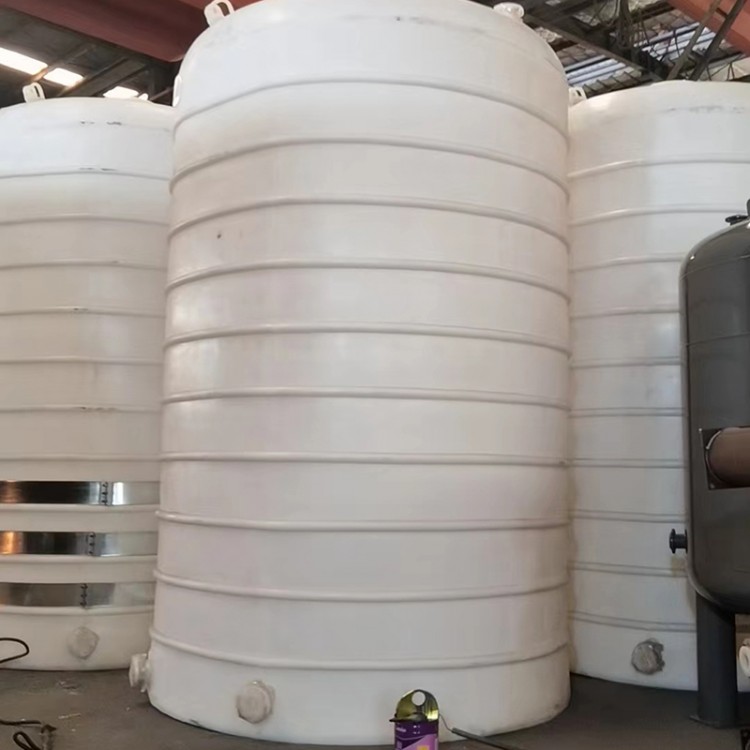


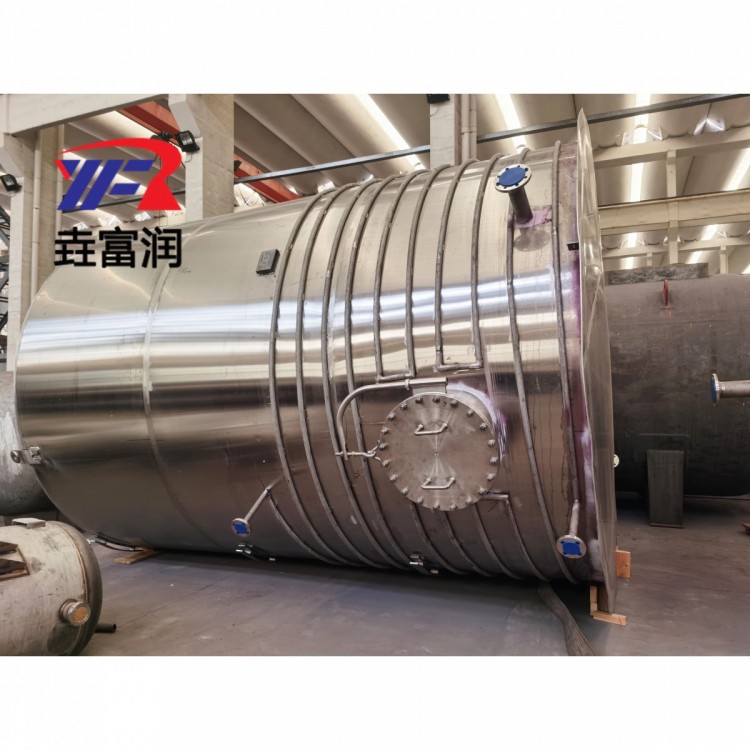
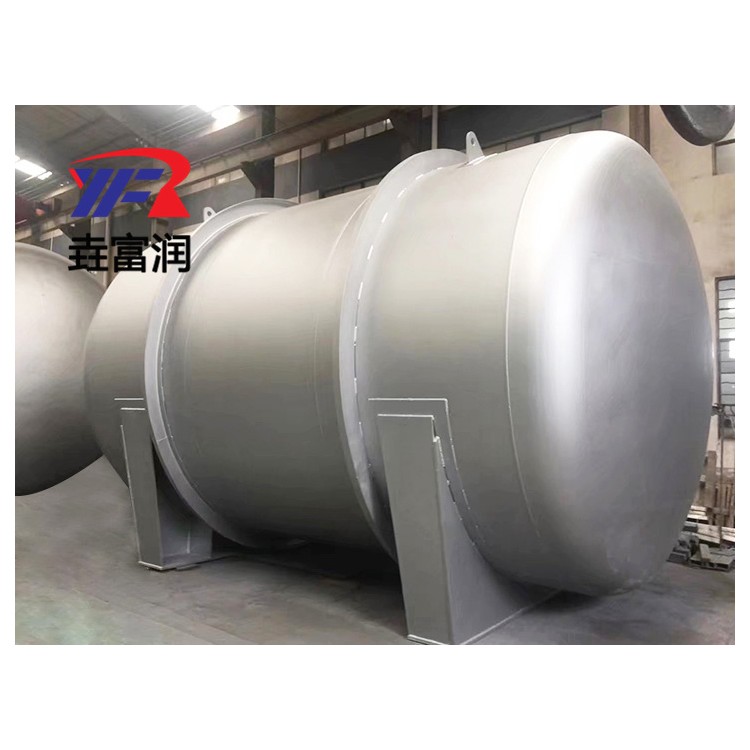
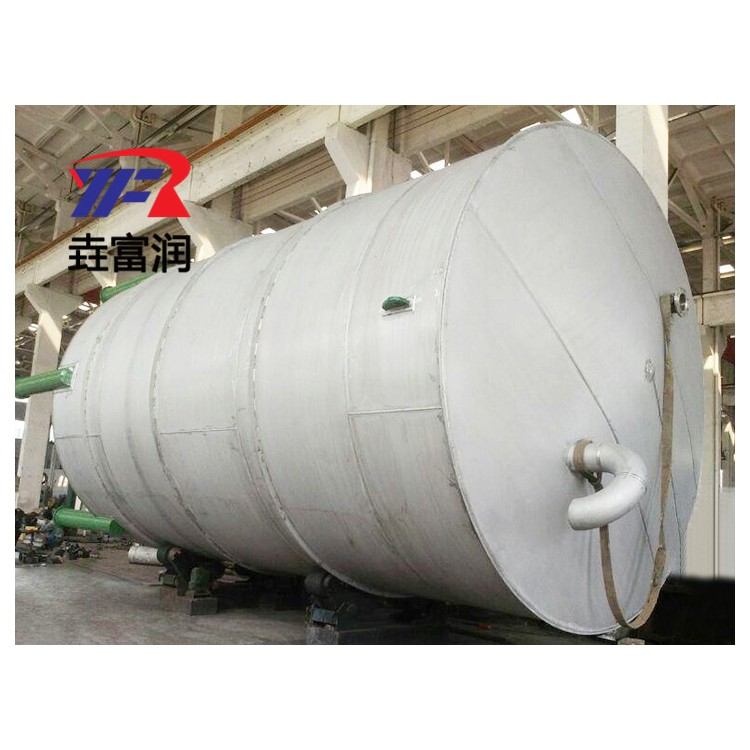
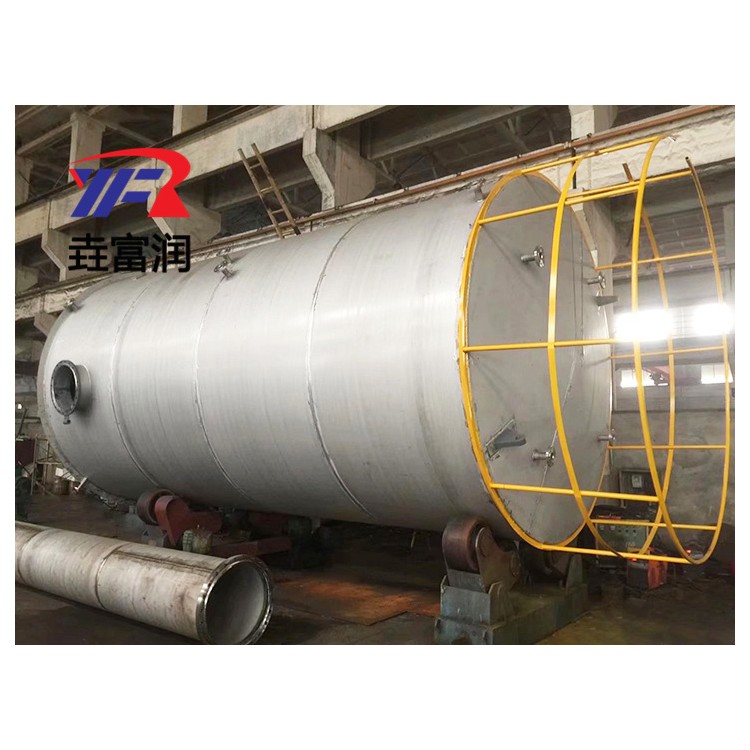







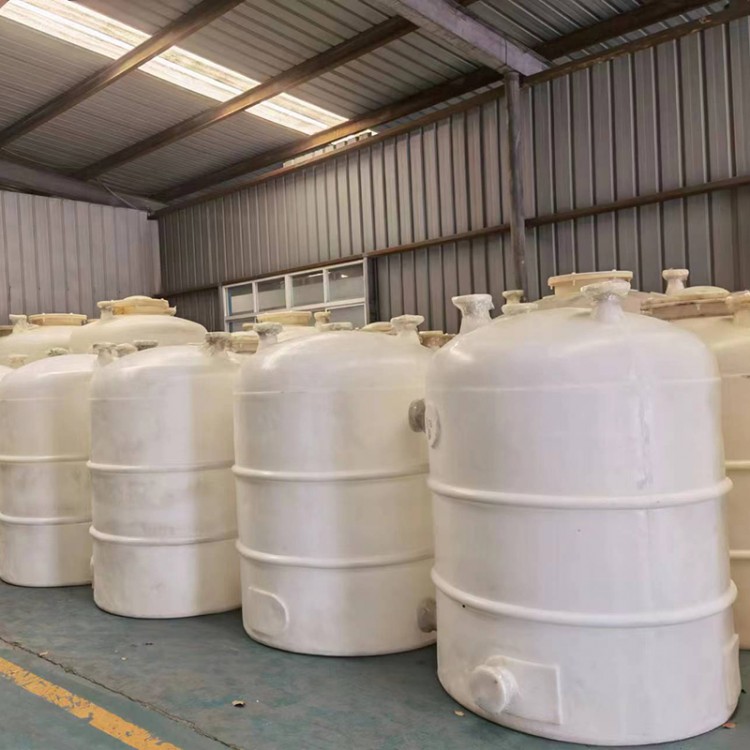

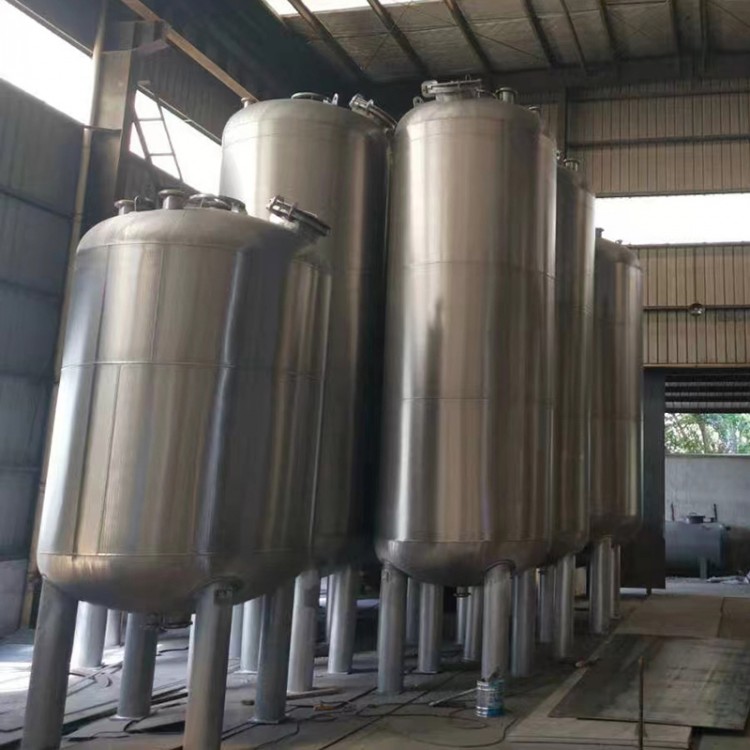
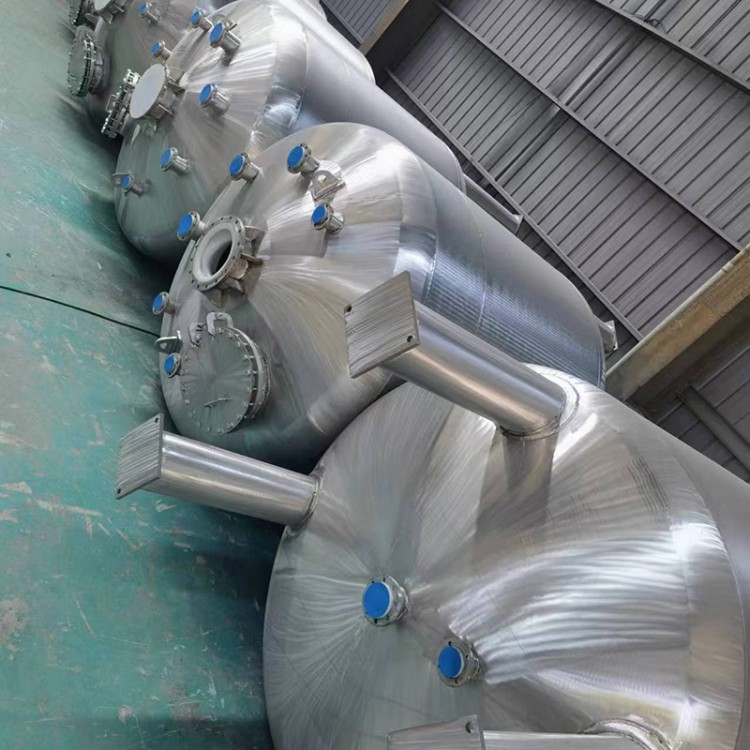

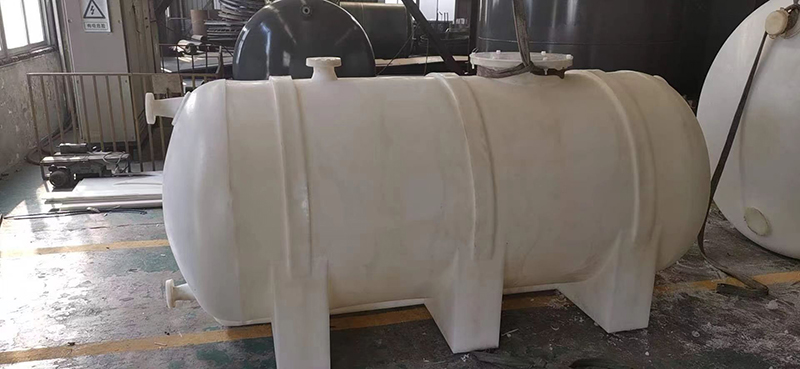
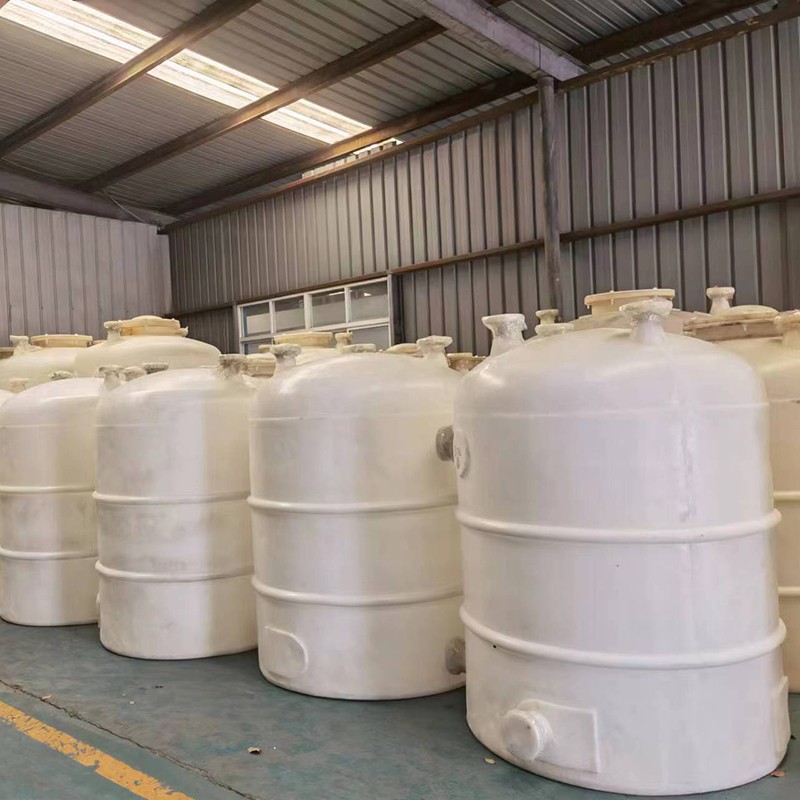
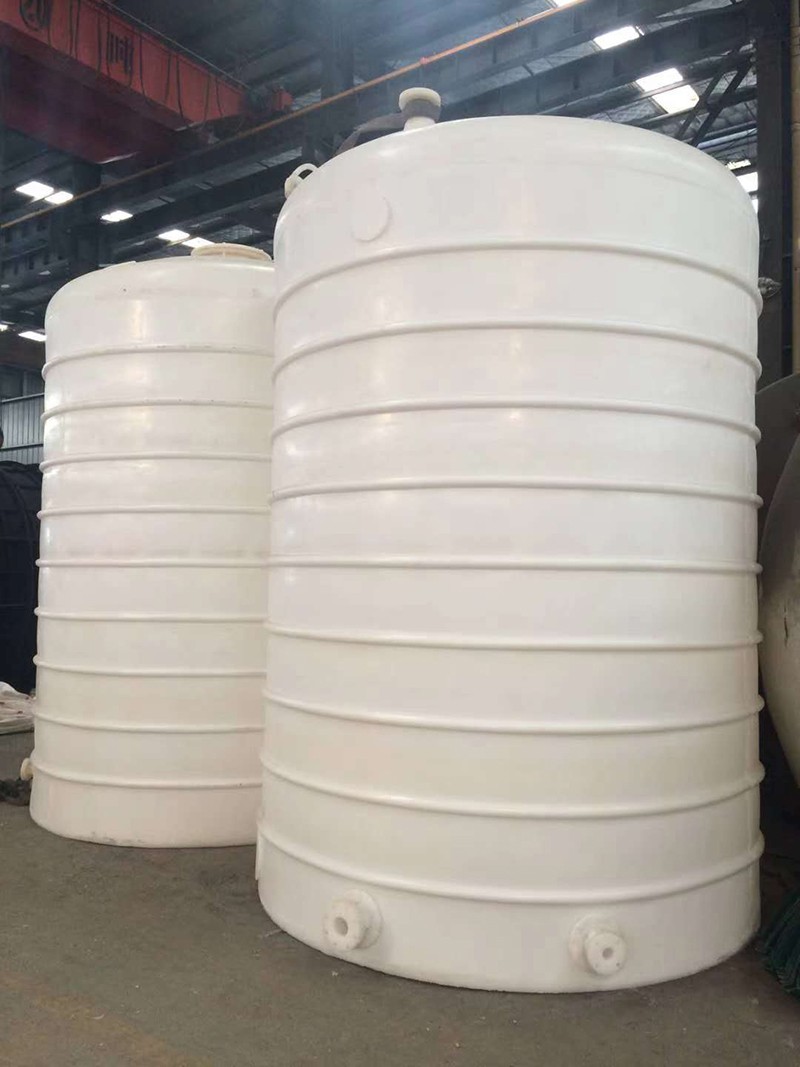
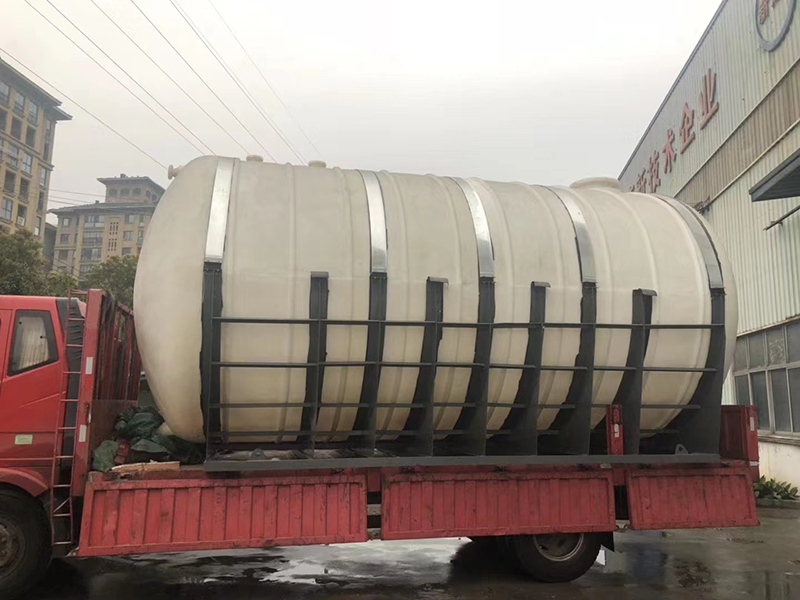
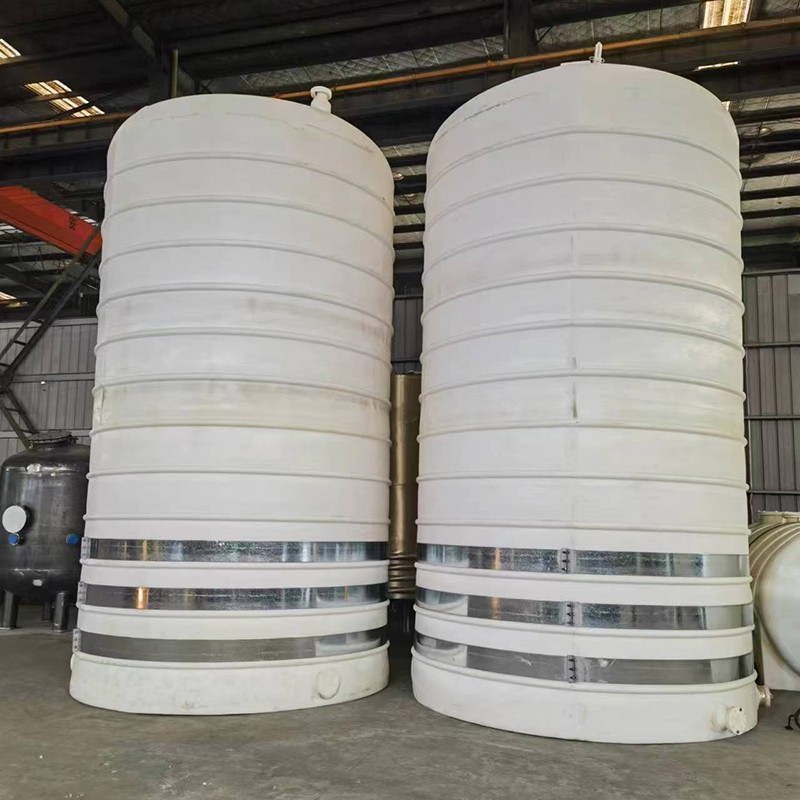
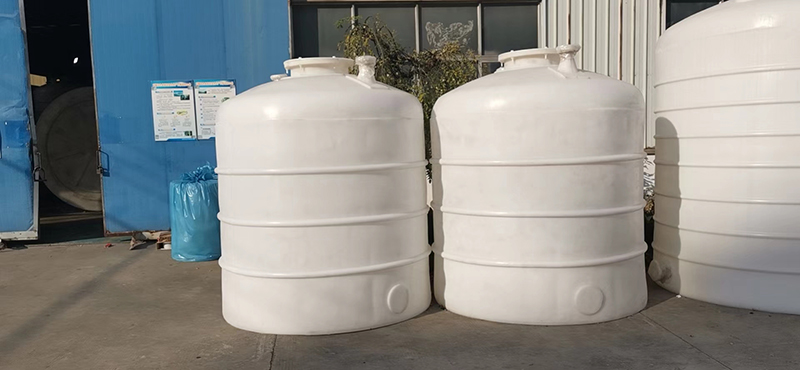
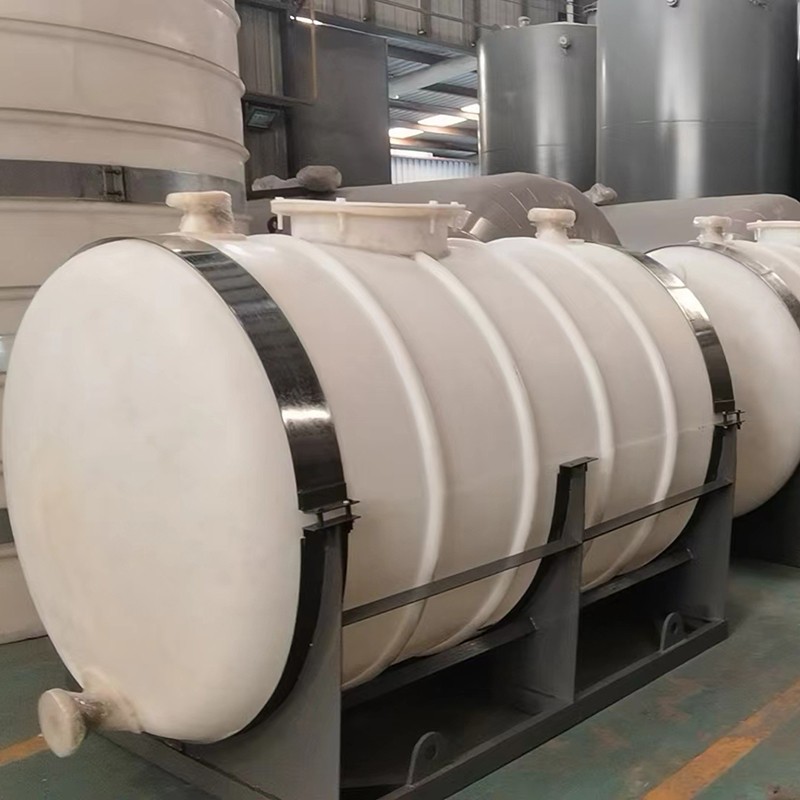
Steel-lined plastic chemical equipment and storage tanks are indispensable and important basic equipment in industries such as petrochemicals, grain and oil, food, fire protection, transportation, metallurgy, and more. They are always a vital part of our economic life.
Cannot do without various sizes of anti-corrosion storage tanks, chemical storage tanks, which play an indispensable role in the development of the national economy. The products are widely applicable in chemical, biological, dye, metallurgical,
Rare earths, machinery, electricity, electronics, environmental protection, textiles, brewing, food, aviation, water supply, and drainage industries.
Important Precautions for Using Steel-Lined Plastic Chemical Equipment:
1. When storing high-resistance organic solvents in anti-corrosion tanks (storage tanks), static-dissipation equipment should be installed.
2. Anti-corrosion storage tanks should prevent intense impacts and collisions on the equipment's body during the manufacturing process.
3. Full plastic flanges, being softer than steel plates, require users to check the sealing function of the storage tank equipment before use. Adding liquid can be used to investigate for any leaks. Storage tanks (vessels) for containing chemical liquids
First, perform a water leak test to prevent any losses.
4. Corrosion-resistant tanks are at normal temperature and pressure. The steel-plastic composite tanks are used at temperatures of -40℃ to 98℃, while the polyethylene full plastic tanks are used at temperatures of -40℃ to 60℃.
5. Tanks (storage tanks) must be clearly labeled when storing chemicals. There should be a drainage trench and dilution equipment nearby the storage area.
6. It is necessary to open the vent on the equipment to prevent pressure damage during filling and discharge.
7. Equipment should be operated in an environment far from the source of vibration and prevent contact with open flames.
8. If there are pipes with joints or flanges at the bottom of the storage tank (reserve tank), they must be vertical to the barrel wall. Soft joints should be used to prevent uneven expansion of the barrel wall from top to bottom after the tank is filled with liquid, which could damage the joints.
Leakage can lead to severe damage to the joints and drum body.
9. When the liquid inlet is high above the tank bottom, the inlet should bend towards the tank wall to allow the liquid to flow down along the wall, reducing the impact on the bottom.
10. Piping and accessories connecting to equipment should prevent their weight from directly acting on the equipment. During lifting, receiving points and manholes on the equipment must not be used as force points.
11. Select acid-resistant gaskets for sealing on the equipment and replace them promptly.
12. Equipment installation, operation, and protection should comply with national regulations.

.jpg)