








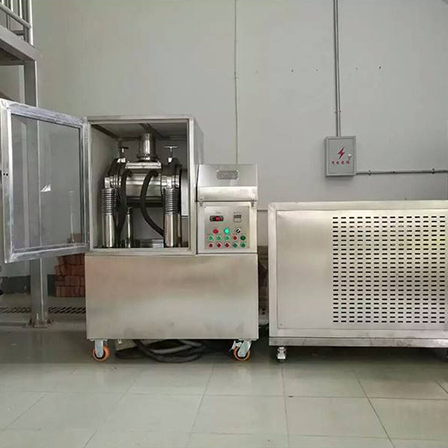
Deep-freeze crushing machine introduction:
I. Working Principle and Features
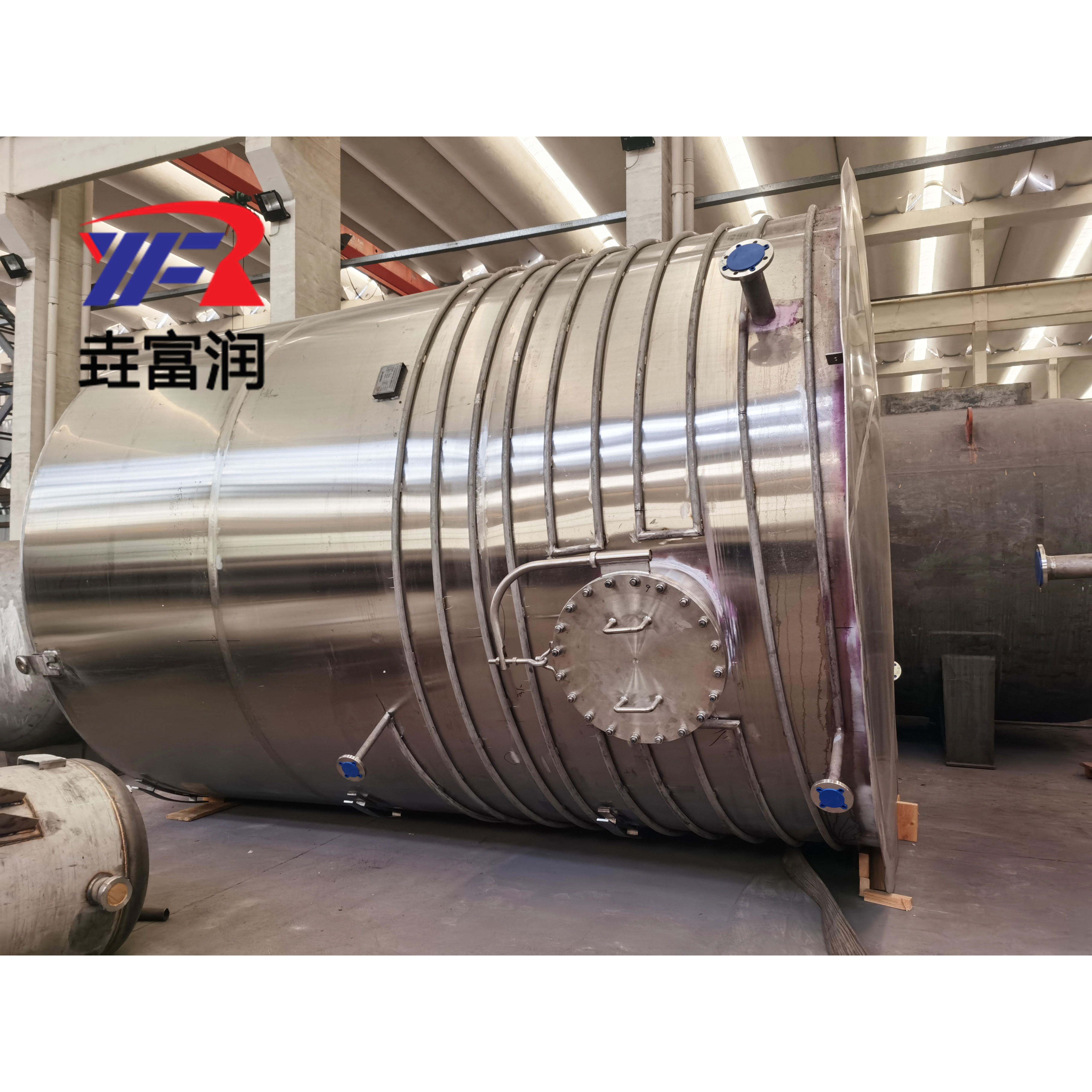
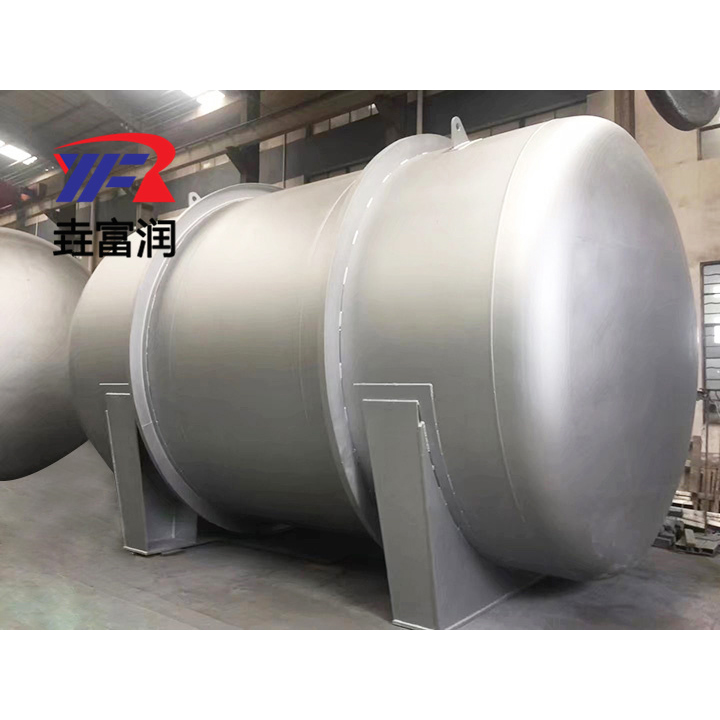
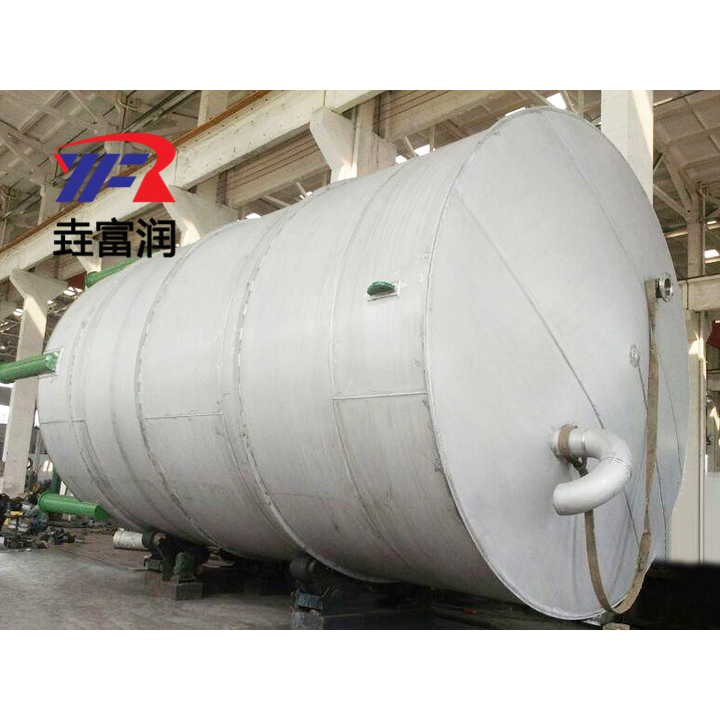
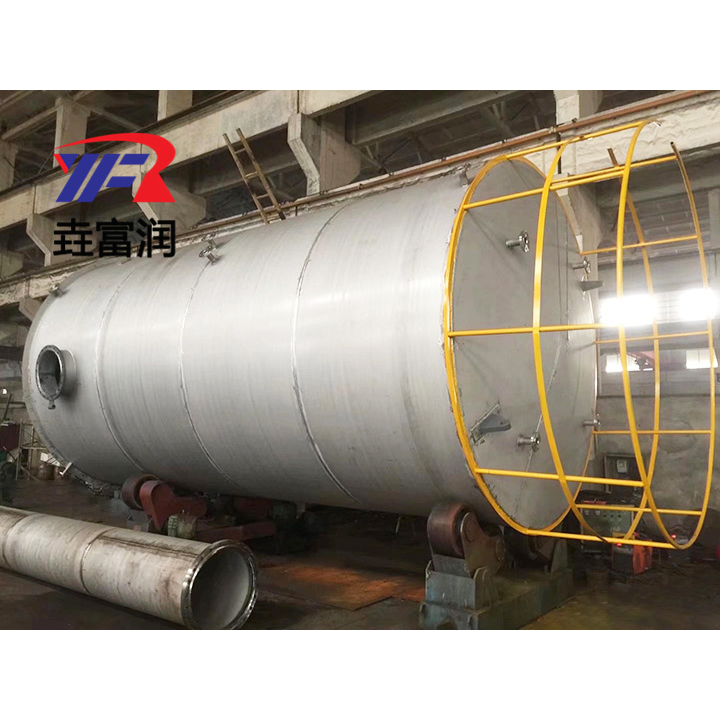
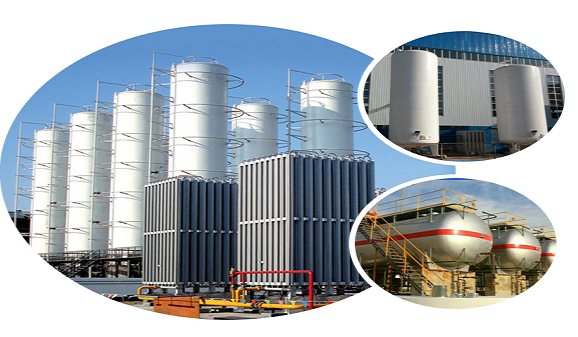
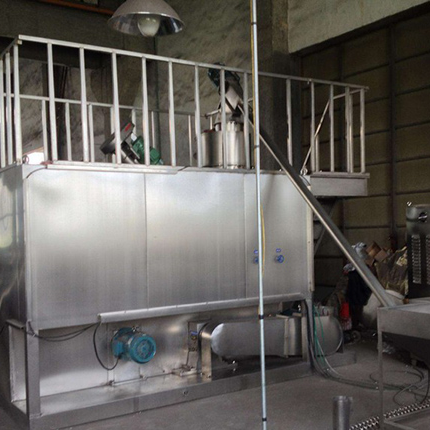
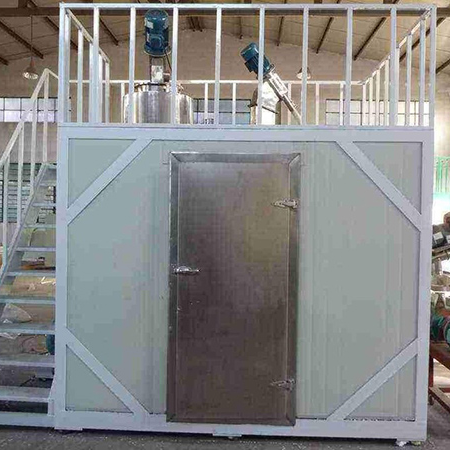
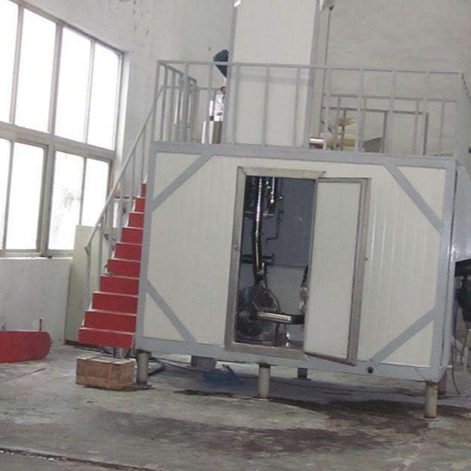
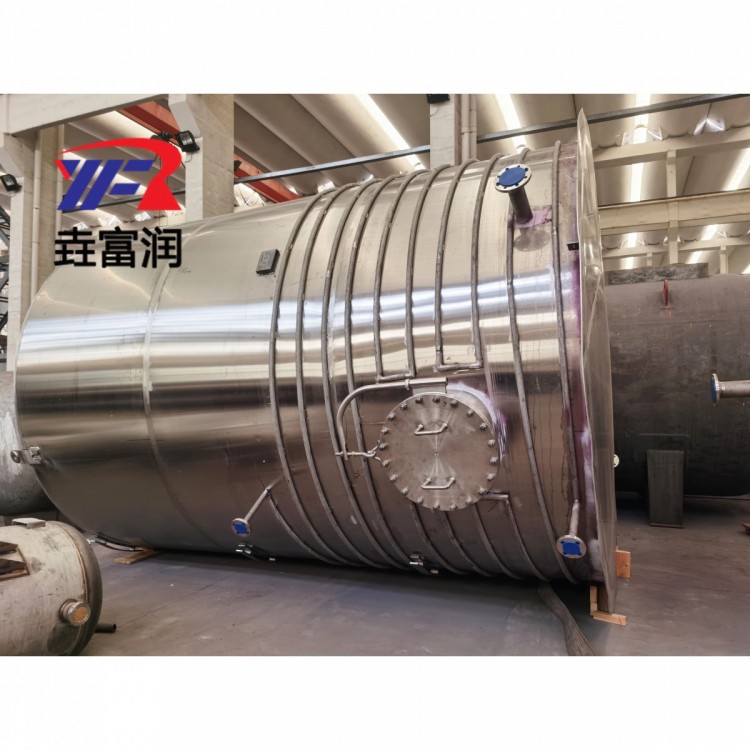
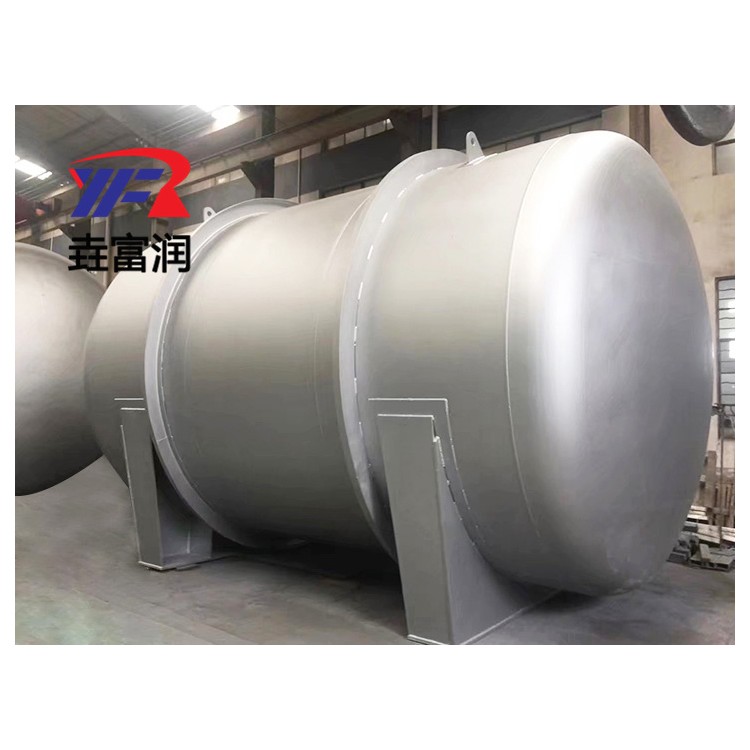
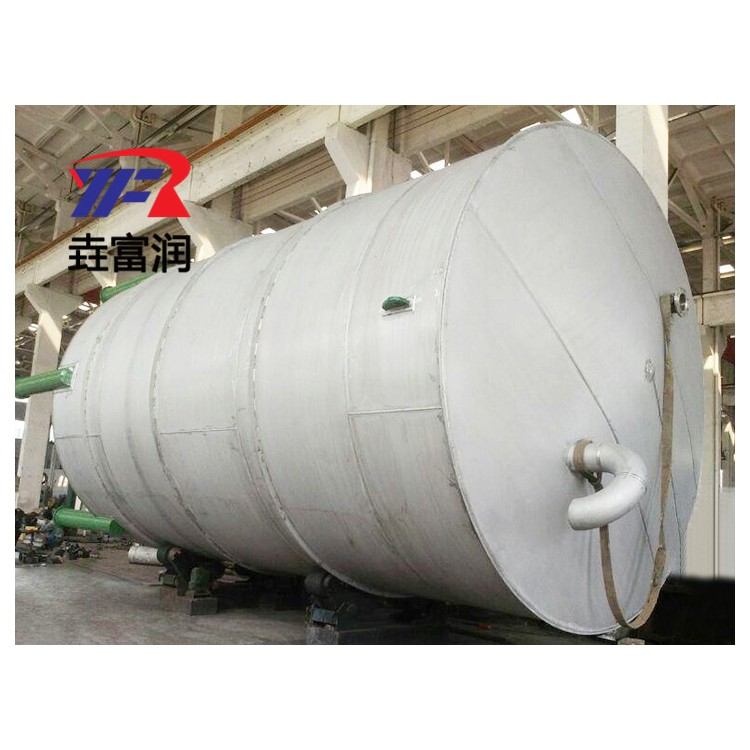
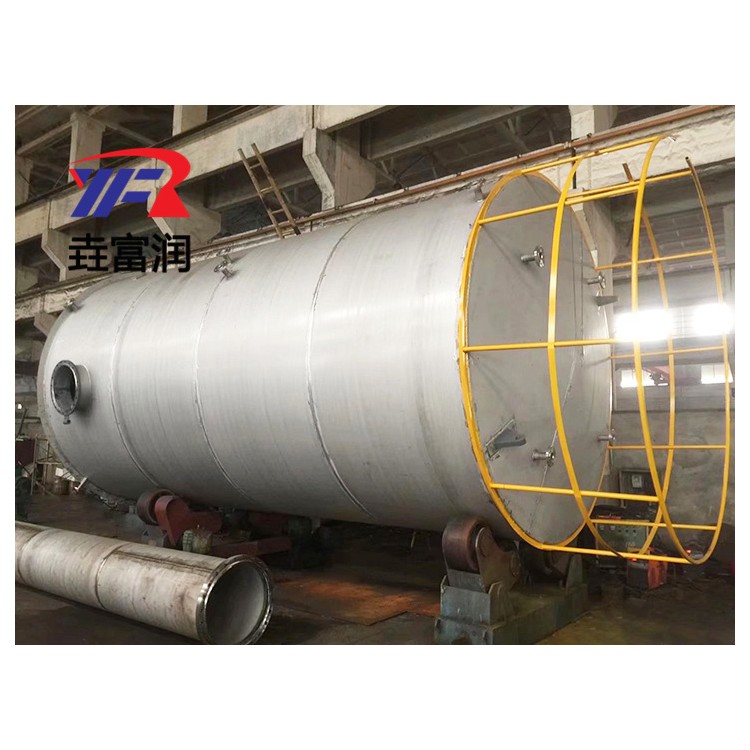
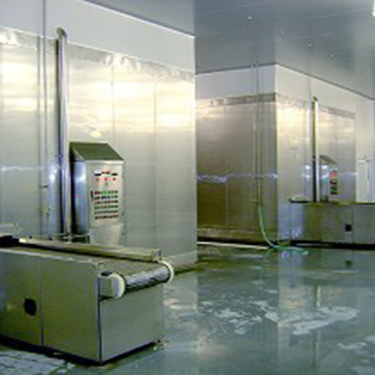
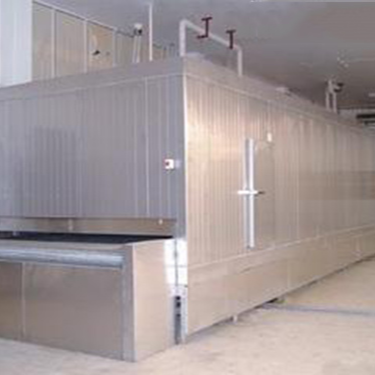
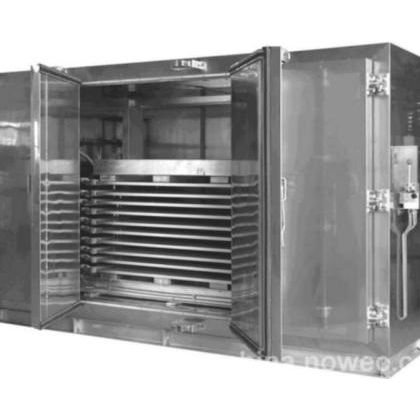
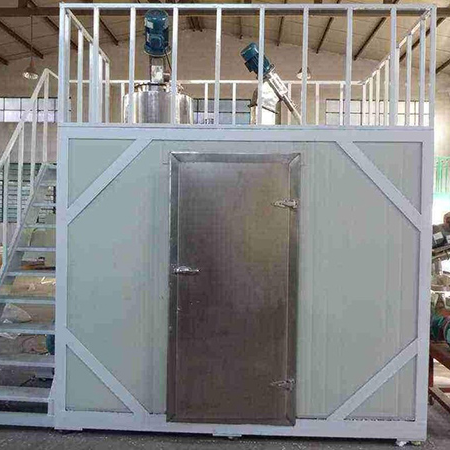
This complete deep-freeze crushing system includes a storage bin, mechanical crusher, induced draft fan, cyclone separator, vibration screen, liquid nitrogen tank, and more.
(1) Working Principle
The cryogenic crushing system uses liquid nitrogen as the cooling source. The material to be crushed is cooled to achieve a脆 and easily crushable state at low temperatures, then enters the crushing chamber of the mechanical crusher where it is subjected to high-speed rotation of the impeller. Through the combined actions of repeated impacts, collisions, shearing, and friction between the material and the blades, the disk, and between materials themselves, the crushing effect is achieved, with most of the cold air returned to the storage bin for recycling.
(2) Features
The deep-freeze crushing system features a closed-loop cooling system during the material crushing process, maximizing energy use and saving energy consumption: the cooling temperature for crushing can be reduced to -196 degrees Celsius. The temperature is adjustable during the crushing process based on the material's脆化点temperature, allowing for energy-efficient temperature selection. The fineness of the crushed material can reach between 10 mesh to 1000 mesh, even down to the micron (μ) level. Liquid nitrogen is used as the grinding medium to achieve ultra-low temperature crushing, providing comprehensive effects such as explosion prevention and oxidation resistance for the material.
Section II: Application Range
The cryogenic crushing system is used for materials that cannot be crushed at normal temperatures and is widely applied in the following fields, etc.:
Chemical Industry, Coating Sector:
Metallic Wall Coating Field: Fluoropolymers, PA, PC, PU, PP, PE coated powders; adhesive coatings, high bond coatings; soundproof coatings: elastomers, nano sound-absorbing coatings; anti-corrosion coatings; microwave-absorbing coatings, etc., use ultra-fine powder raw materials. Low Density Polyethylene (LDPE), clothing hot melt adhesives, PVA (Polyvinyl Alcohol), decorative powder coatings, Nylon 11, copolymers (EVA), PPT, PET, TPU, ABS, functional anti-corrosion powder coatings, linear low density polyethylene (LLDPE), etc. Engineering Plastics: General engineering plastics (PA, PA6, PA66, PA11, PA12, PC, POM, PBT, PET, PPO, PMMA), etc.; Special engineering plastics (PPS, PI, PSF, PEEK, PCTFE, LCP, PTFE, PES, PAI, PAR), etc.; Modified Plastics: General plastic engineering modified products (modified ABS, PP, PVC, PC); Modified engineering plastics (PPO, PA, POM, PC, PBT(PET), PSU); Modified special engineering plastics (PPS, PEEK, PEI, PSF, LCP); Plastic rubber raw materials, various masterbatches and color masterbatches: such as white masterbatch, other color masterbatches, etc.; Functional masterbatches, colored granules masterbatches, pigments, thermoplastic elastomers, engineering plastics, etc., all require ultra-fine powder processing.
2. Food, Sector:
Fruit of plants, extracts from animals and plants, traditional Chinese medicine, natural and synthetic elements, all can be milled to ensure that their original elements are not lost during the crushing and drying process. Widely used in the crushing of various food and industrial materials, such as pepper, black pepper, white pepper, green Sichuan pepper powder, cinnamon powder, cumin powder, star anise powder, Sichuan pepper powder, cassia powder, red bean curd powder, cardamom powder, Sichuan pepper powder, garlic powder, star anise powder, amomum powder, bay leaf powder, cardamom powder, amomum powder, amomum fruit powder, turmeric powder, ginger powder, galangal powder, five-spice powder, fresh ginger powder, curry powder, ginger powder, scallion powder, onion powder, mustard powder, tangerine powder, white芷 powder, scallion powder, fennel powder, spice powder, five-spice powder, eight-treasure powder, and many more.
3. Biotechnology Industry:
Cellular Disruption: Currently, we know that cryopreservation technology can ensure the viability of cells, and similarly, using freezing technology to crush medication is a viable option. The low-temperature deep-freezing mill first undergoes low-temperature freezing treatment of the medication, freezing the medication we need to crush using liquid nitrogen freezing methods, directly lowering the temperature of the medication to a state of cellular hibernation. It then crushes the medication using the mill, but it is necessary to avoid the localized high temperatures produced during the crushing process that could awaken the viable cells.
(2) Crushing Spores, Saponins: Plants containing saponins also experience molecular rearrangement during the normal temperature crushing process. Local high temperatures can degrade ginsenosides into other substances, and the same is true for the use of normal temperature cell wall disruption methods in breaking down fungal spores, which can also damage the original components of the spores.
(3) Protein & Vitamins: In various animals and plants, specific protein and vitamin elements naturally exist in room or low temperatures. Typically, we use standard crushing methods, but this can lead to the destruction of what we need. By employing low-temperature deep-freezing technology for crushing, we can ensure that the original element content is not lost.
4. Plastic Recycling Industry:
Low-melting point plastics, high self-lubricating materials, waste rubber, and raw natural rubber cold crushing methods. Applied to high polymer materials such as polypropylene, polyethylene, polycarbonate, polyamide, ABS, elastomers, raw rubber, rubber, phenolic, polyester, etc., crushed to 10 mesh to 1000 mesh.
5. Grinding of high moisture content materials such as: plant and animal extracts, traditional Chinese medicine, synthetic fibers, algae extracts, etc.; strong fiber materials, animal placental extracts, honeycombs, and special bodily fluid materials. The application of oral capsules containing sheep placental extract is a significant breakthrough.
6. Anti-oxidation Grinding: Zinc, tin, aluminum, and other metal micro-powder technologies.
7. Chemical Industry: Low-temperature ultra-fine pulverization technology, etc.
8. Chinese and Western medicine industries.
9. Research and education.
Air-temperature type vaporizer, pressure regulating valve set, low-temperature pump, booster pump, filling and draining system, busbar, remote monitoring and control system, leakage alarm device, etc.
24/7 Sales and Service Hotline:18905302631