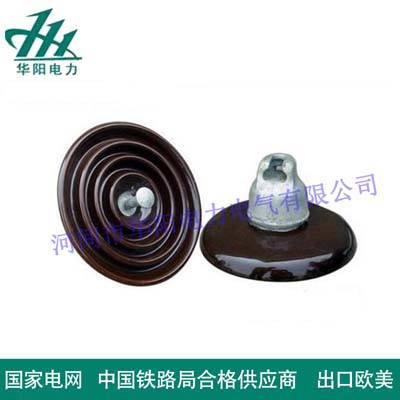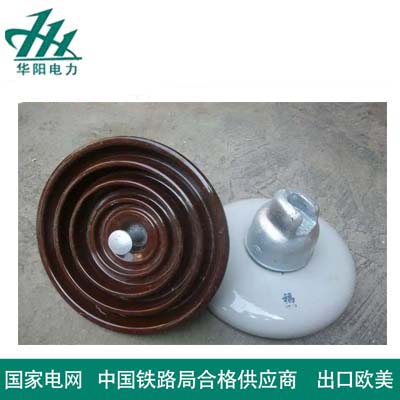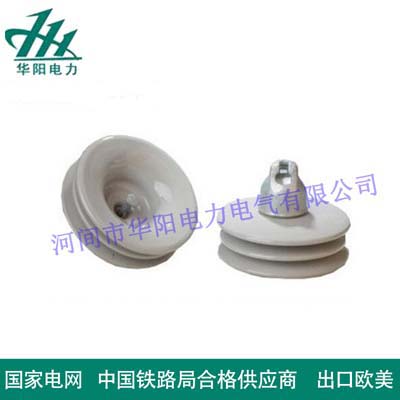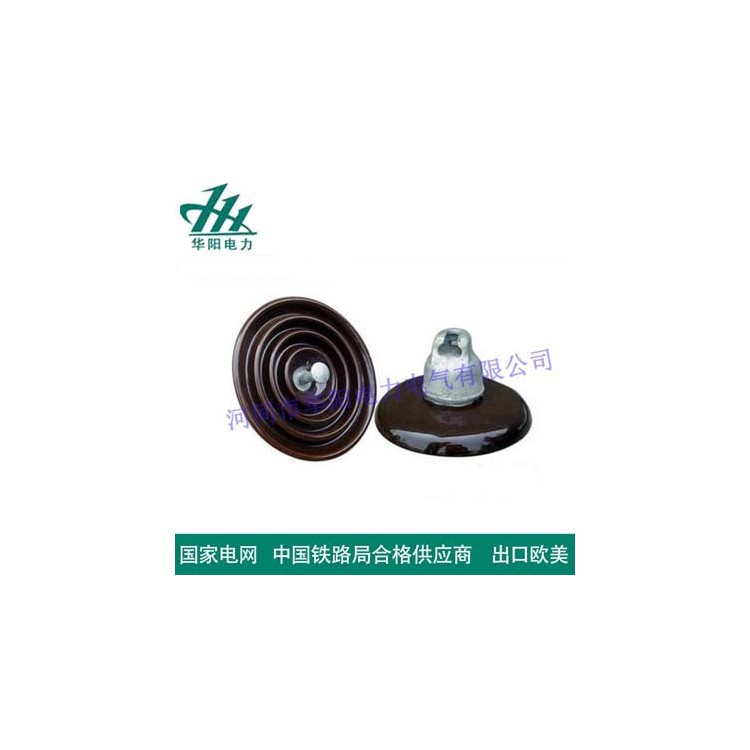

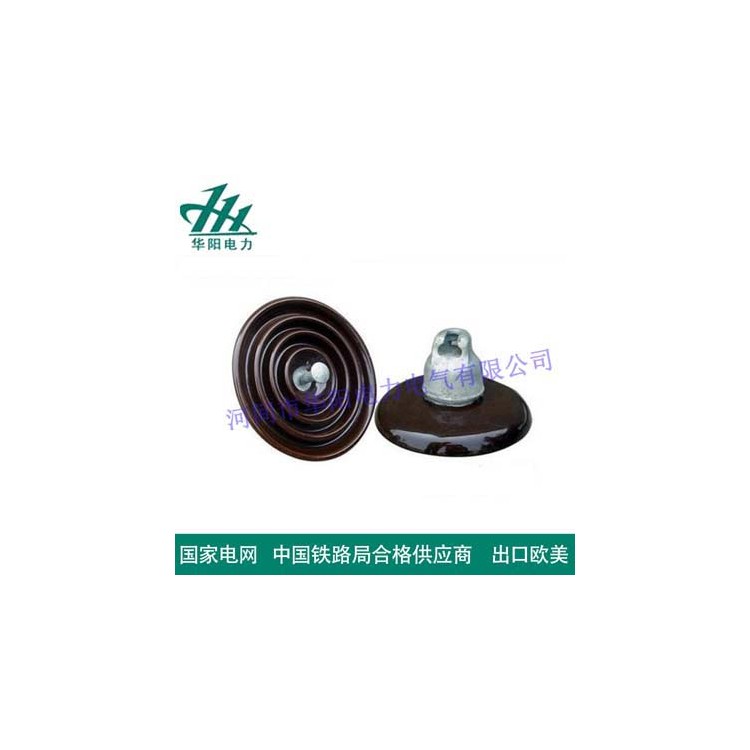
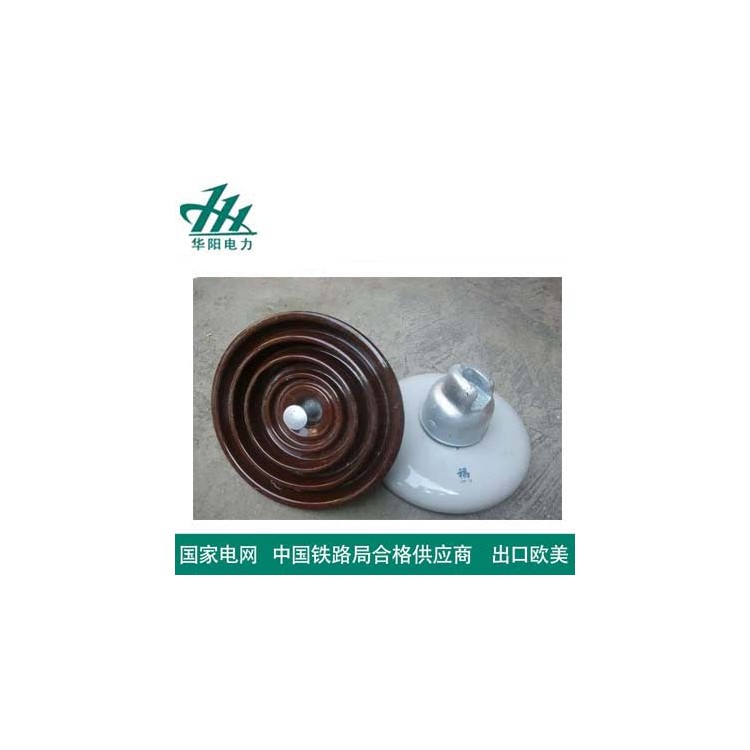
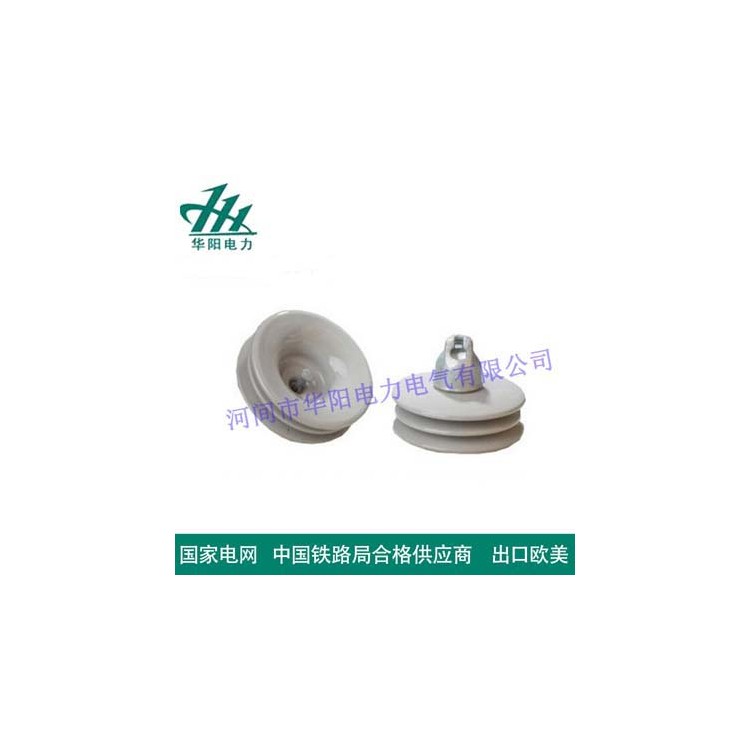







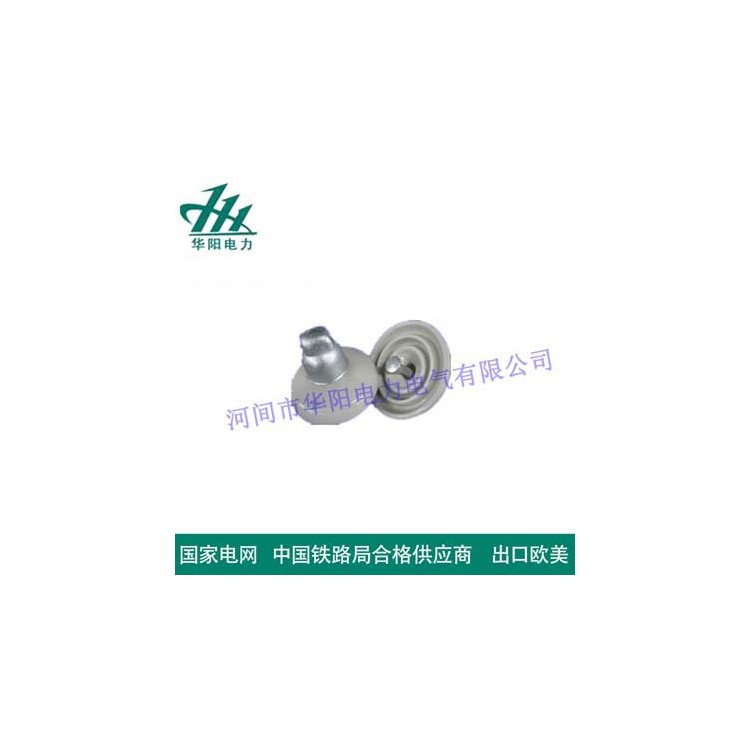
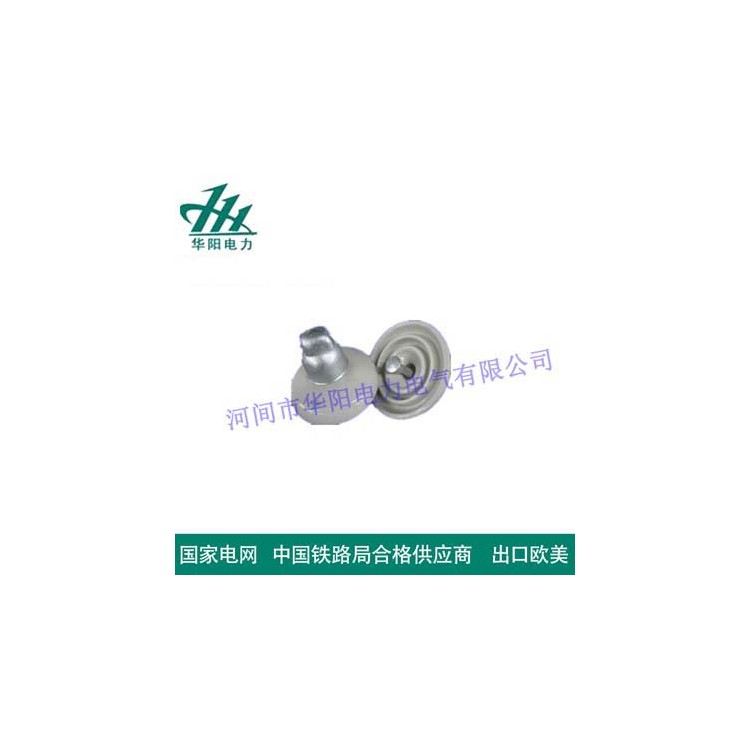
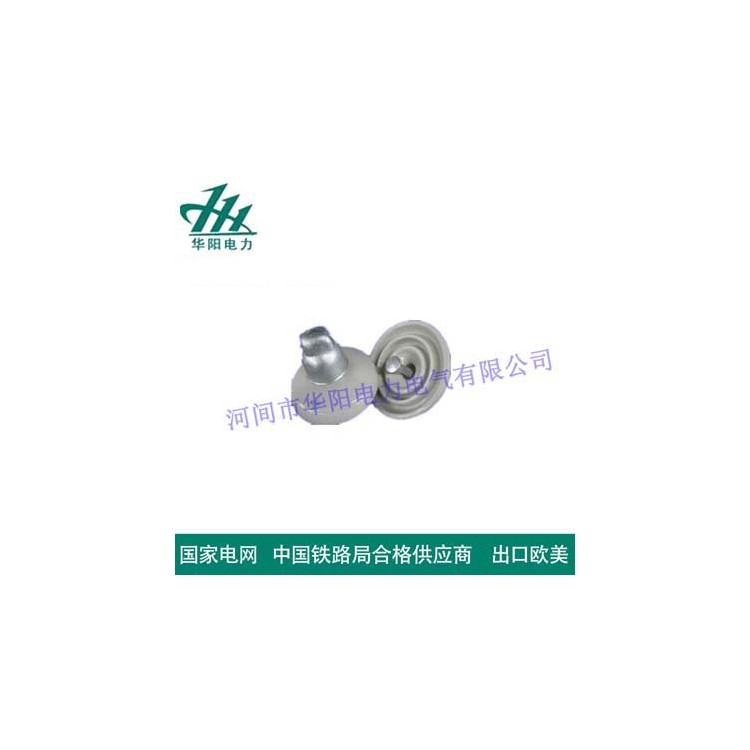
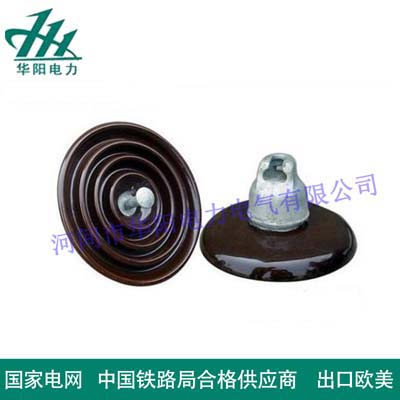
The insulators are made by bonding porcelain components with upper and lower metal attachments using an adhesive. The porcelain component ends are sealed to the metal attachments with elastic washers, and the bonding areas of the porcelain components feature structures like sandblasting, knurling, and grooving for mechanical strength, anti-loosening, and anti-torsion. The porcelain surface is uniformly glazed white, while the metal attachments are coated with gray magnetic paint. The main structure of the porcelain insulator components includes hollow partition (piercing-type) and solid (non-piercing-type) configurations. The bonded pillar insulators are typically solid and non-piercing. This latter structure reduces maintenance and testing work compared to the former. The porcelain insulator components have either multi-angled or less-angled shapes, with the multi-angled shape increasing surface distance and electrical performance over the less-angled shape. All products except for the external bonding pillar insulators to be phased out are multi-angled. The internal bonding structure, due to the metal attachments being glued into the porcelain holes, increases the insulation distance and improves electrical performance, while also reducing the space occupied during installation. However, since internal bonding is不利于 enhancing mechanical strength, insulators requiring high mechanical strength should use the bonded assembly method (i.e., the upper attachments are internally bonded, and the lower attachments are externally bonded).