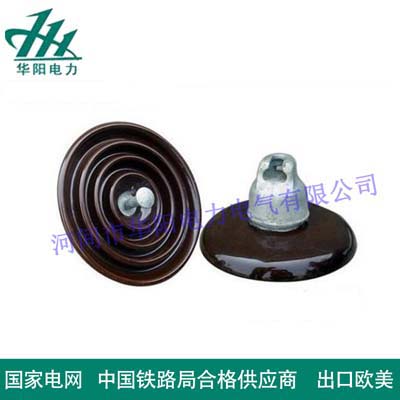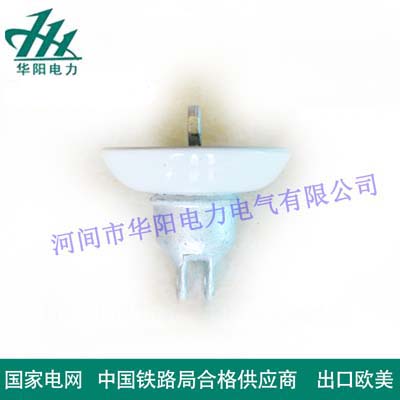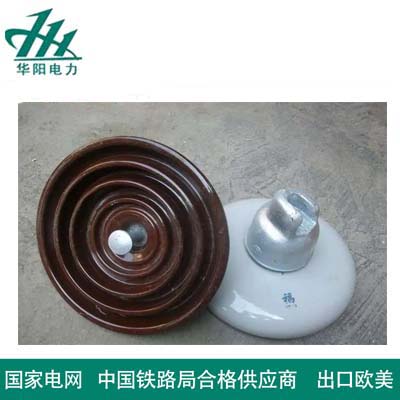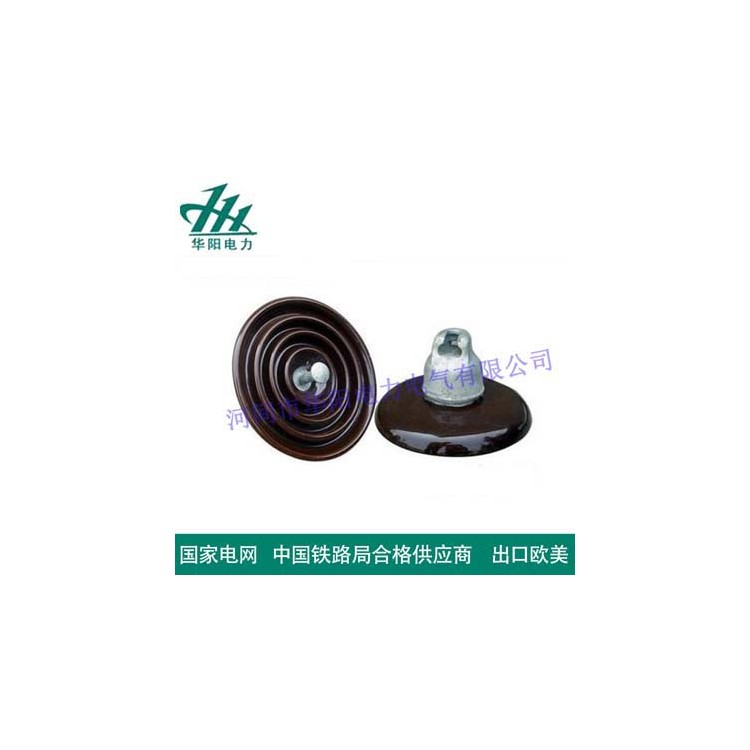
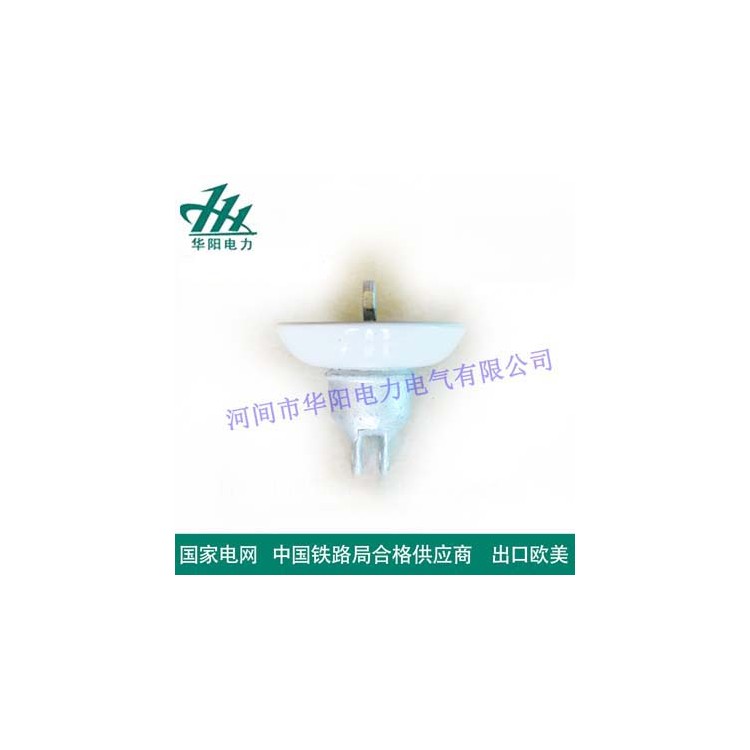
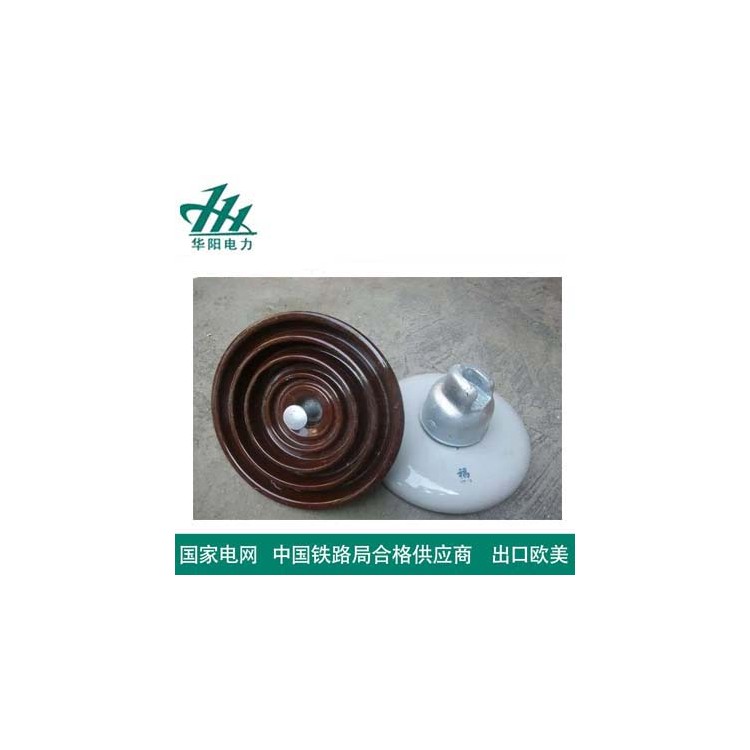







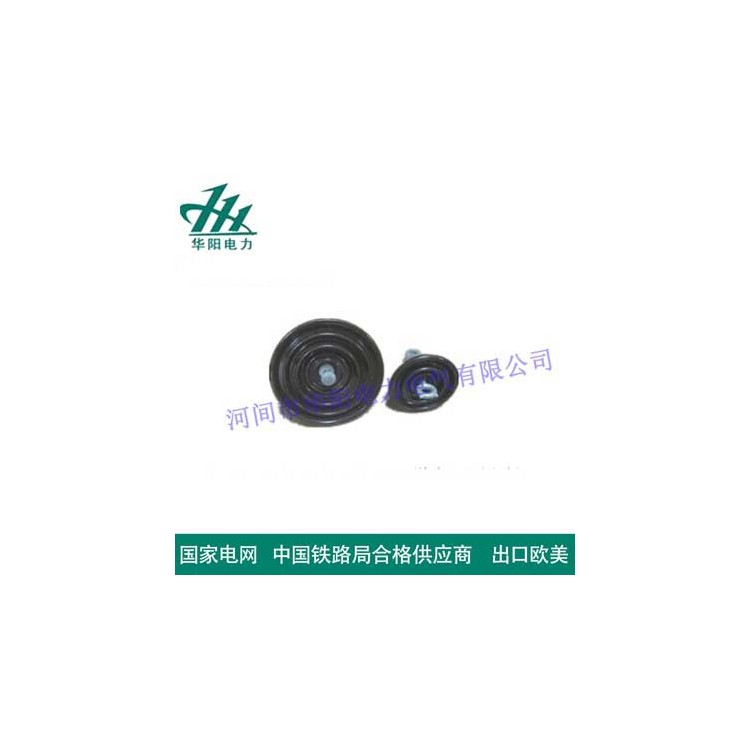
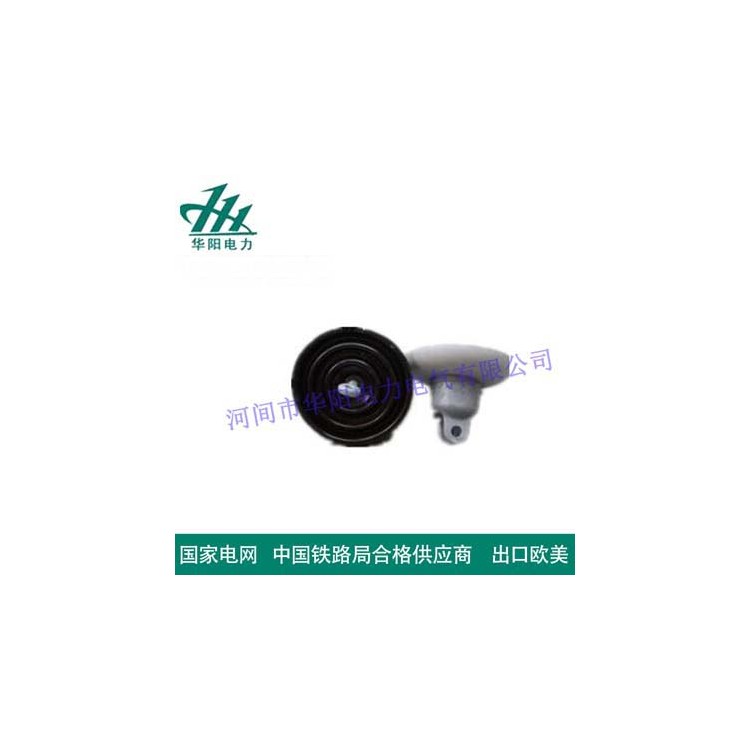
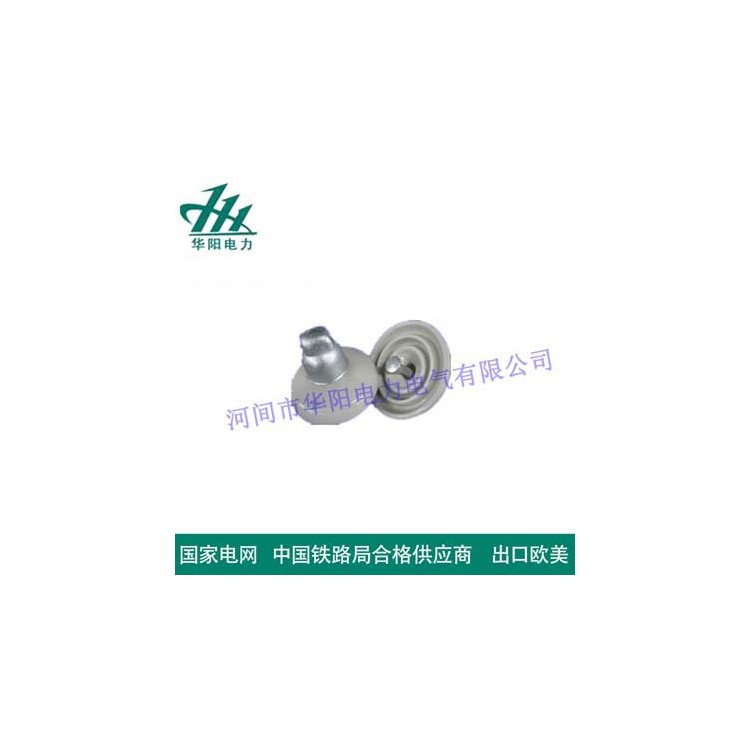
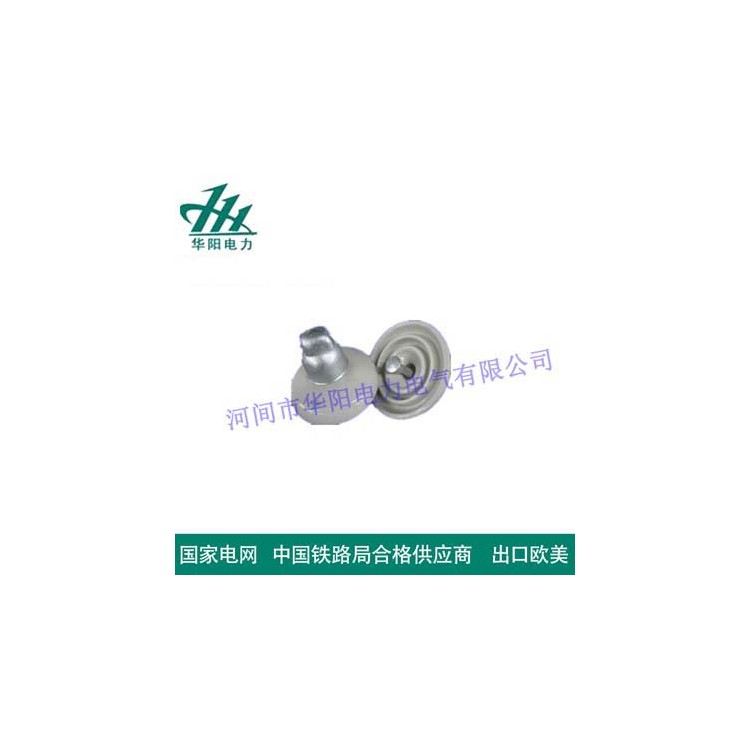
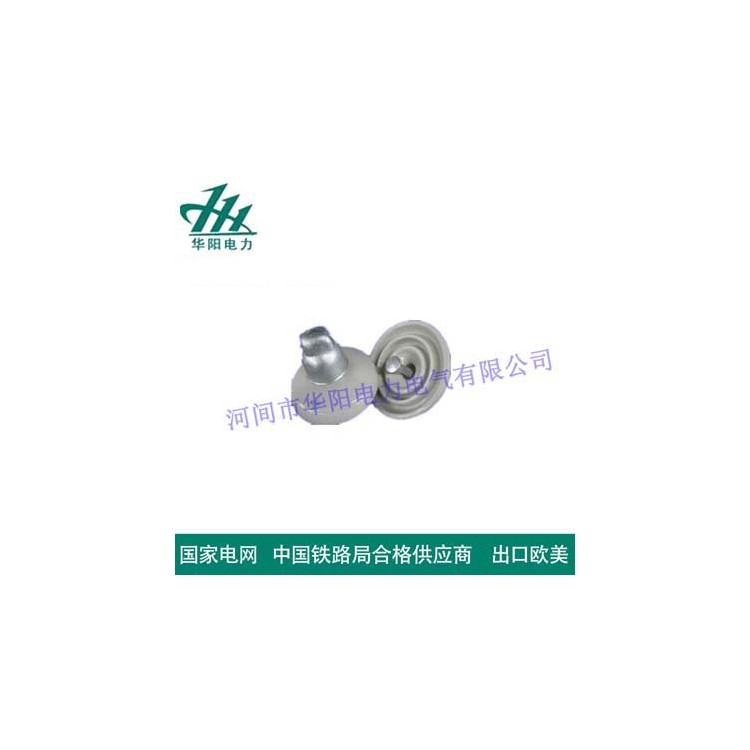
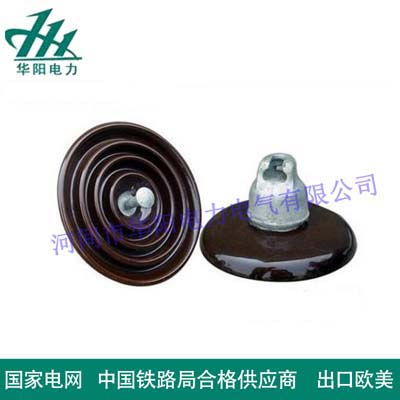
The insulators are made by gluing ceramic components with upper and lower metal accessories using an adhesive. The contact area between the ceramic component end and the metal accessories is padded with an elastic gasket. The gluing sections of the ceramic components are designed with sandblasting, knurling, grooving, etc., to ensure mechanical strength, prevent loosening, and twisting. The ceramic surfaces are evenly coated with white glaze, and the metal accessories are coated with gray magnetic paint. The main structure of the ceramic components of the insulators has two types: a hollow partition (piercing-type) structure and a solid (non-piercing-type) structure. The combined glued column insulators are generally of the solid non-piercing type. This latter structure reduces maintenance and testing work compared to the former. The ceramic components of the insulators come in two shapes: with or without multiple edges. The multi-edged shape increases the surface distance, offering better electrical performance than the single-edged shape. All products except for the external glued column insulators that are being phased out are multi-edged. The internal glued structure, where the metal accessories are glued into the ceramic component holes, increases the insulation distance and improves electrical performance, while also reducing the space required during installation. However, due to the negative impact of internal gluing on mechanical strength, insulators with high mechanical strength requirements are better suited for the combined gluing method (i.e., the upper accessories use internal gluing, and the lower accessories use external gluing).