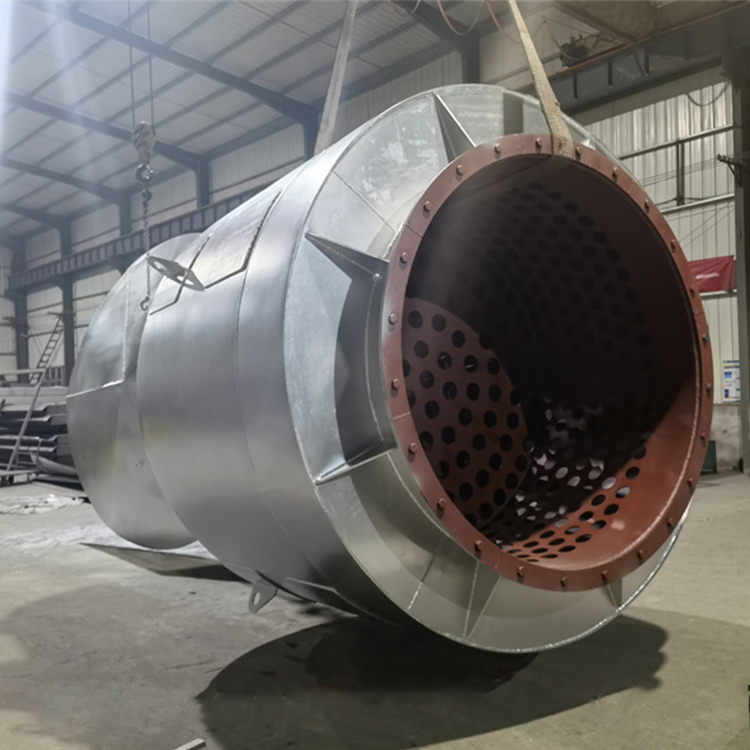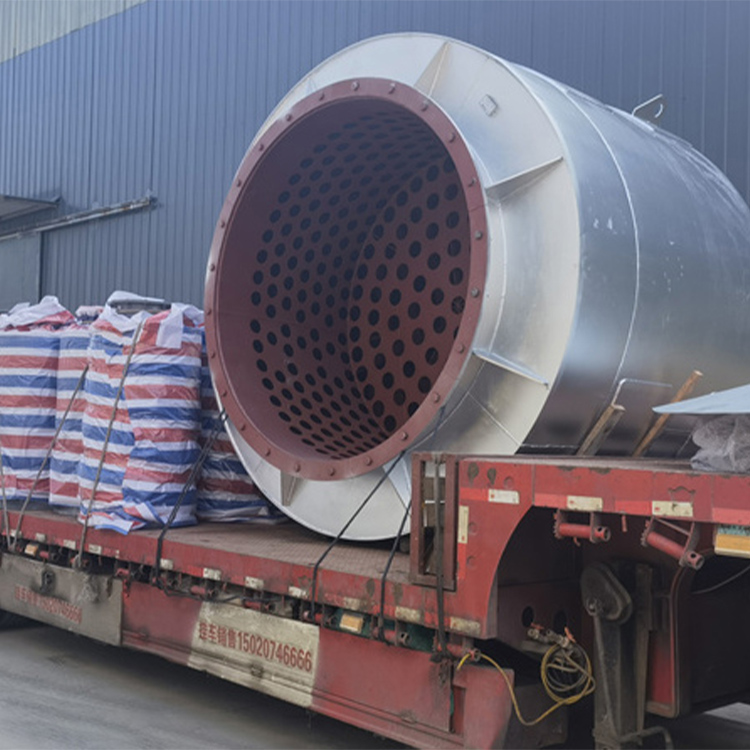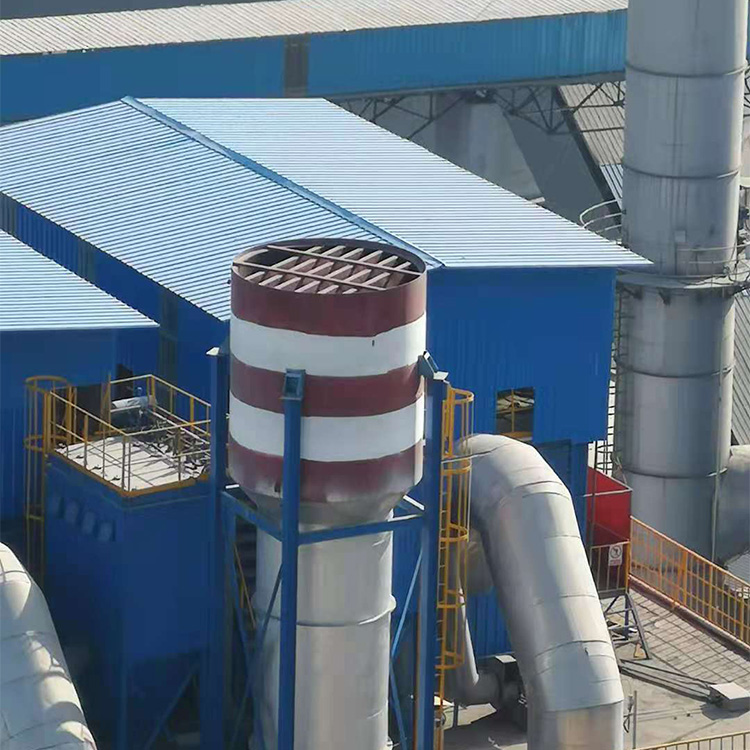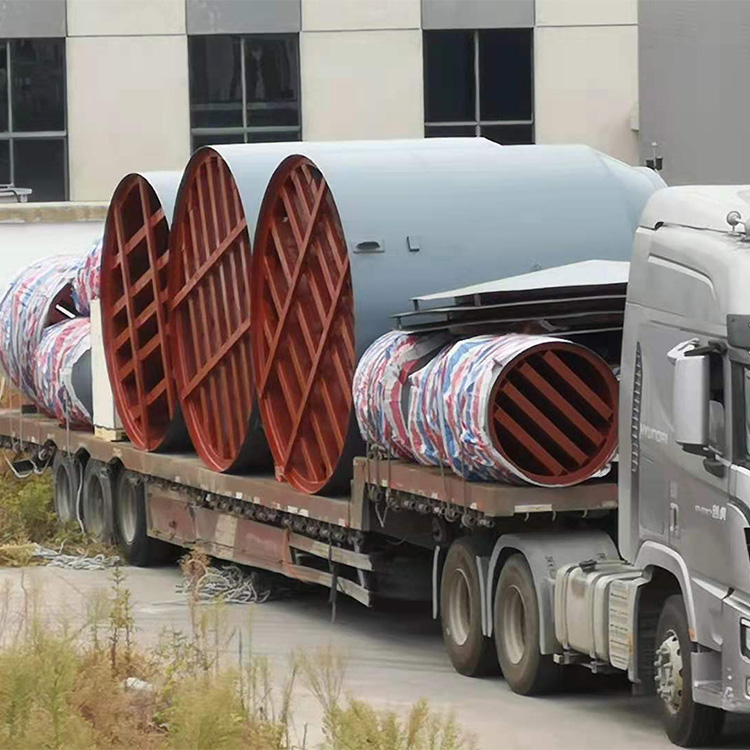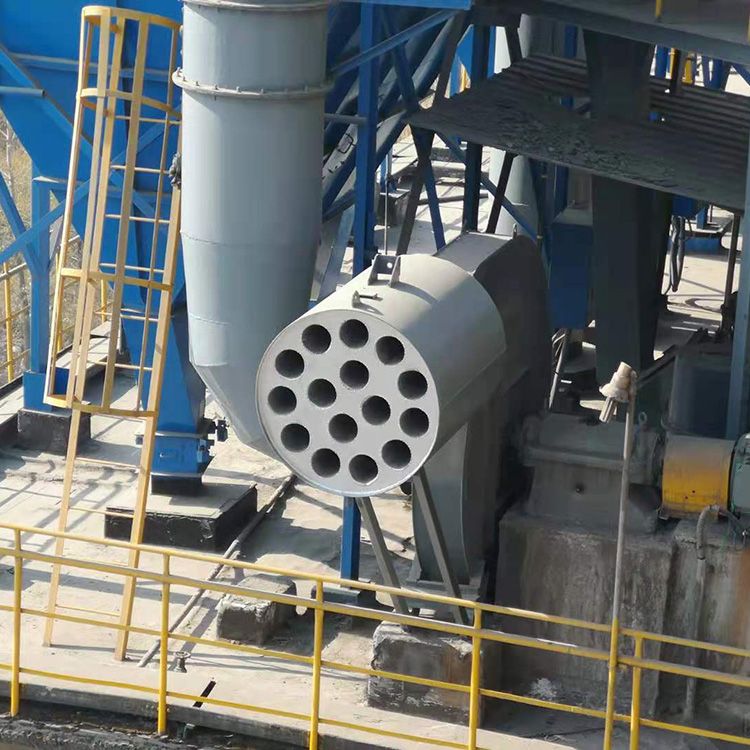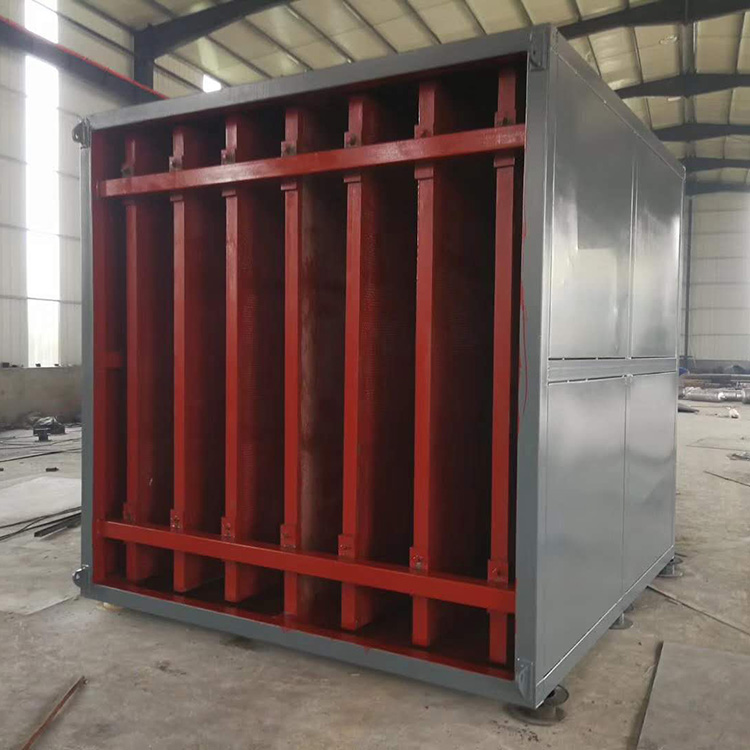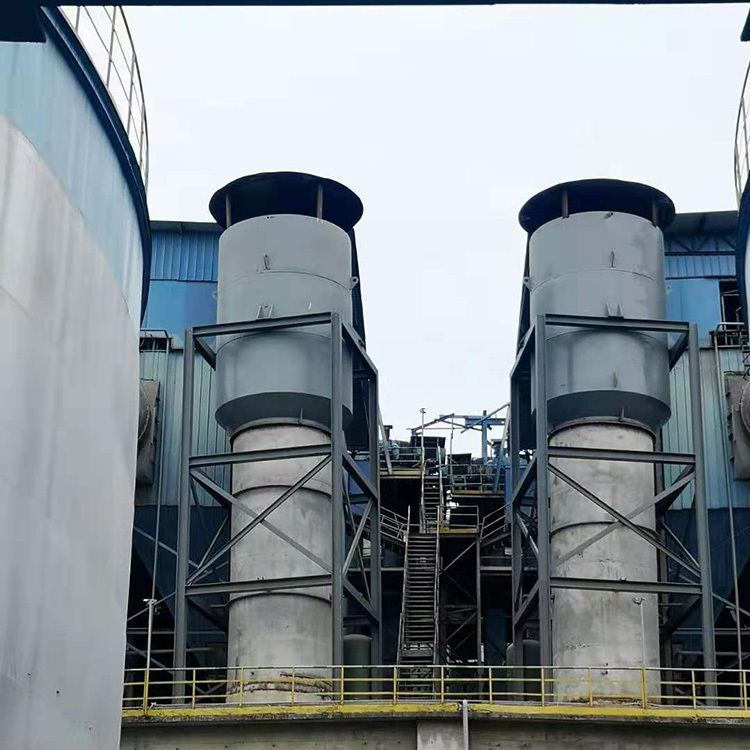











Section 1: Overview of Airflow Noise Suppressor
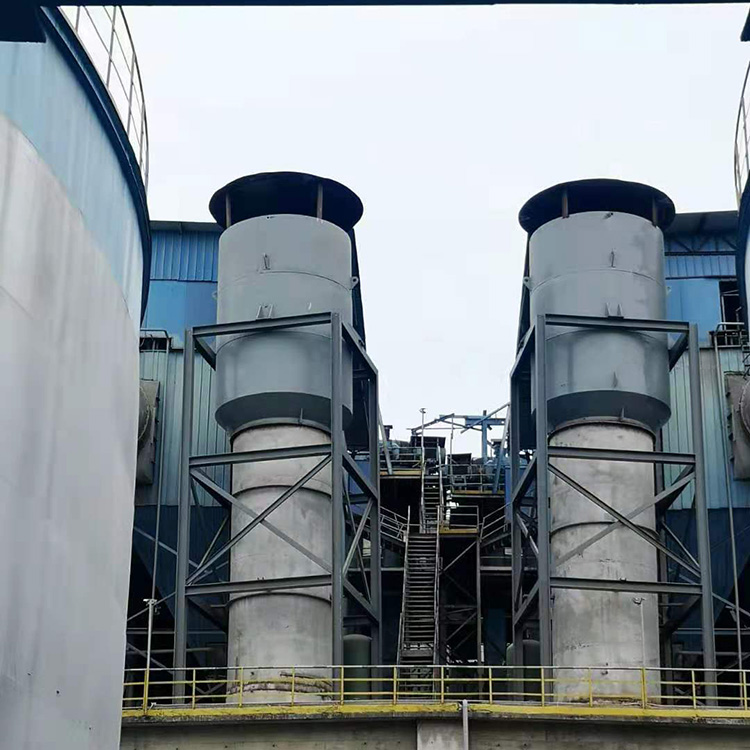
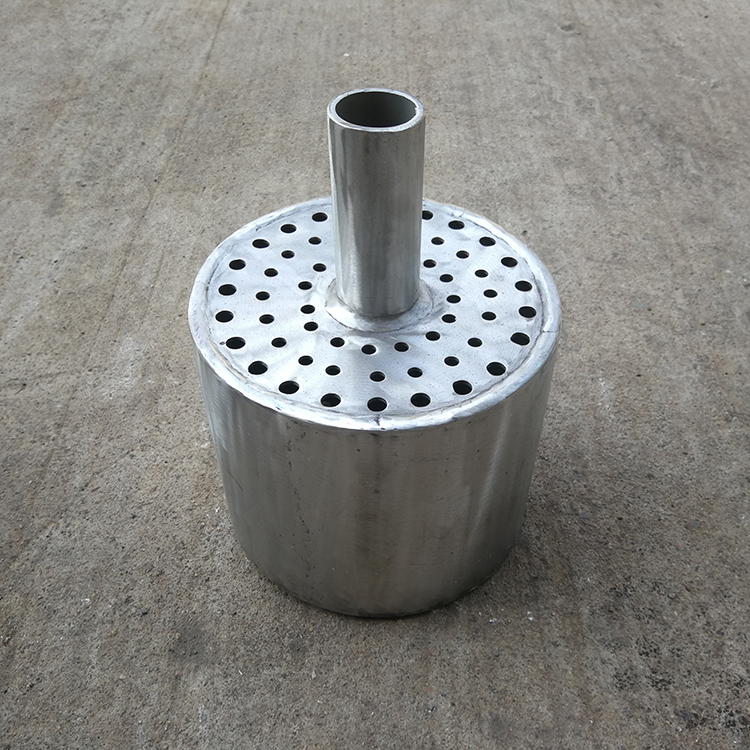
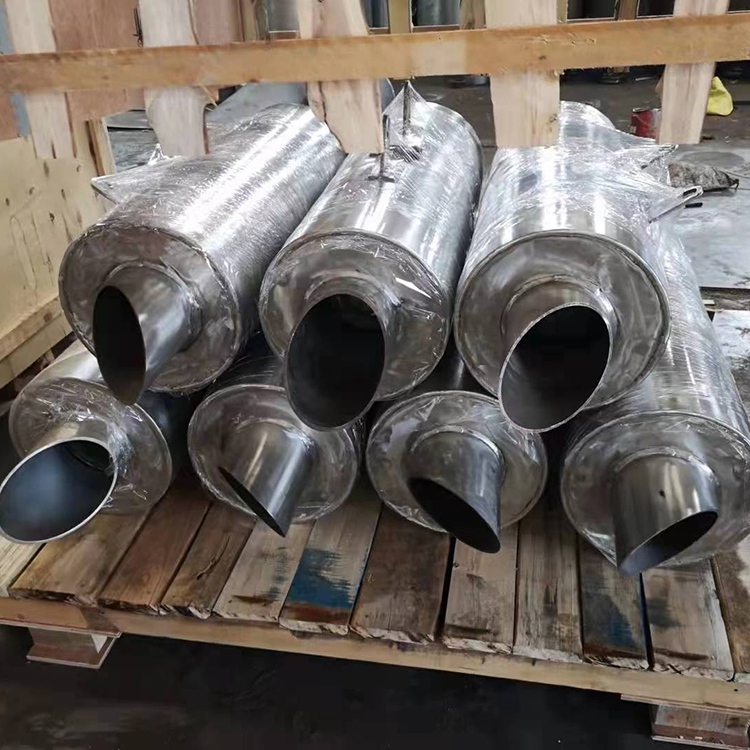
Air inlet and outlet mufflers for fans, exhaust pipe mufflers, and silencers for blowers, inducers, centrifugal fans, axial fans, Roots blowers, and air compressors all utilize resistive sound absorption and noise reduction principles that are effective for mid and high-frequency broadband characteristics. They also incorporate reactive noise reduction principles that are effective for low and mid-frequency pulsation characteristics, as well as micro-perforated mufflers and impedance composite mufflers.
A resistive silencer is an absorbing type of silencer, which is generally categorized into straight tube, plate, corrugated, honeycomb, acoustic flow, labyrinth, and elbow designs based on the structure of the airflow channel. It operates by converting sound energy into heat energy and dissipating it through friction and viscosity resistance as sound waves propagate through porous absorbent materials, thereby achieving the purpose of noise reduction. It is one of the most widely used types of silencers among all.
The Resistance-Suppressing Muffler differs from the Absorptive Muffler in its noise reduction principle. It does not directly absorb sound energy but instead utilizes abrupt interfaces or auxiliary resonant cavities on the pipes to cause certain frequencies of sound waves propagating along the pipe to reflect and interfere at the interfaces, thereby achieving the purpose of noise suppression. It is categorized into expansion chamber mufflers and resonant mufflers.
In practical noise control engineering, noise is predominantly宽带, so it is common to combine resistive sound absorption and resistive sound attenuation structures to control intense broadband noise.
Section 2: Structural and Operating Principles of GF Series Ventilation, Exhaust Ducts, and Windmill Mufflers
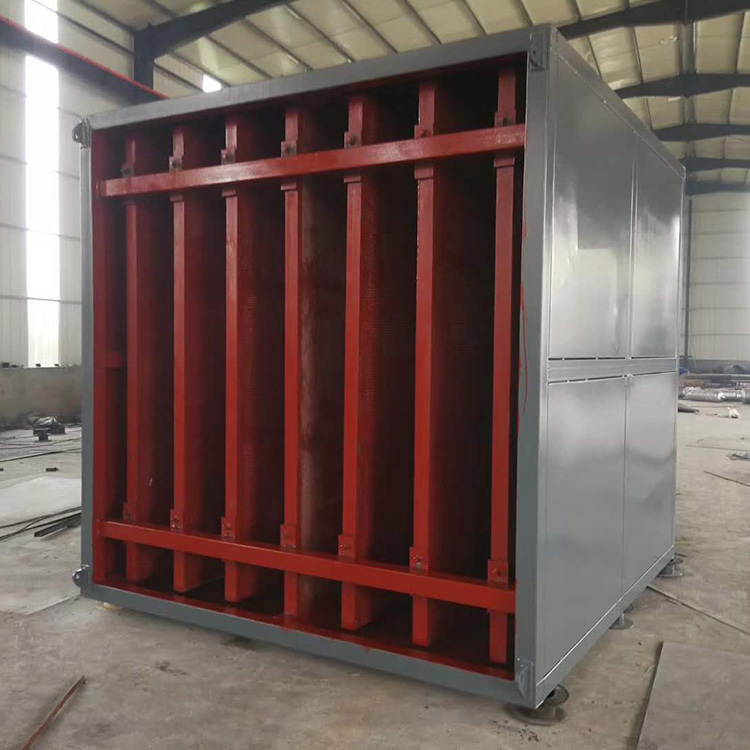
Based on the spectral characteristics obtained from actual field noise source tests of various industrial fans, determine the required noise reduction levels in specific frequency ranges for designing acoustic absorbers and fluid passages. Additionally, a narrow rectangular channel with a large acoustic material finish has been employed to enhance absorption. Furthermore, at higher noise levels, the noise sources of the fans often have multiple spectral values, and the noise reduction requirements vary for different frequency bands.
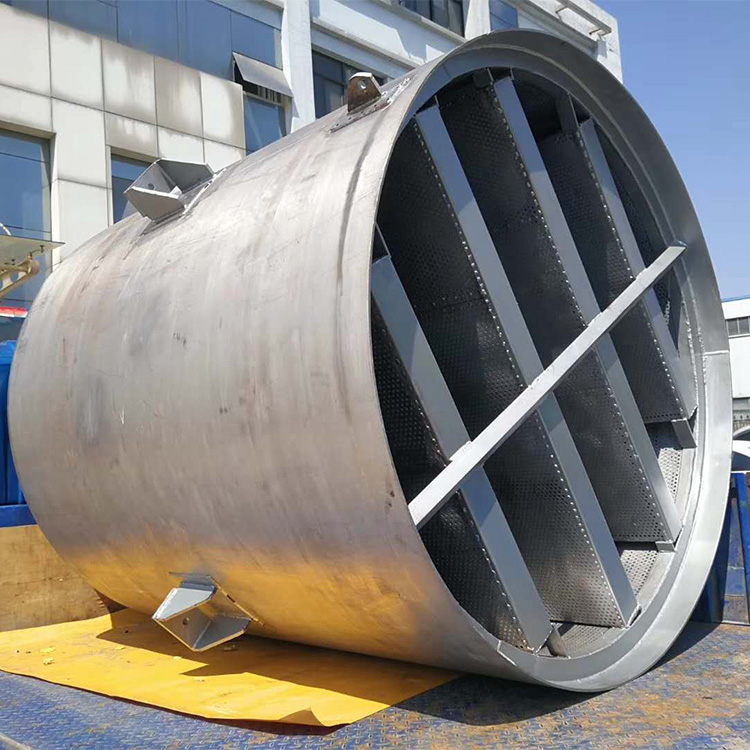
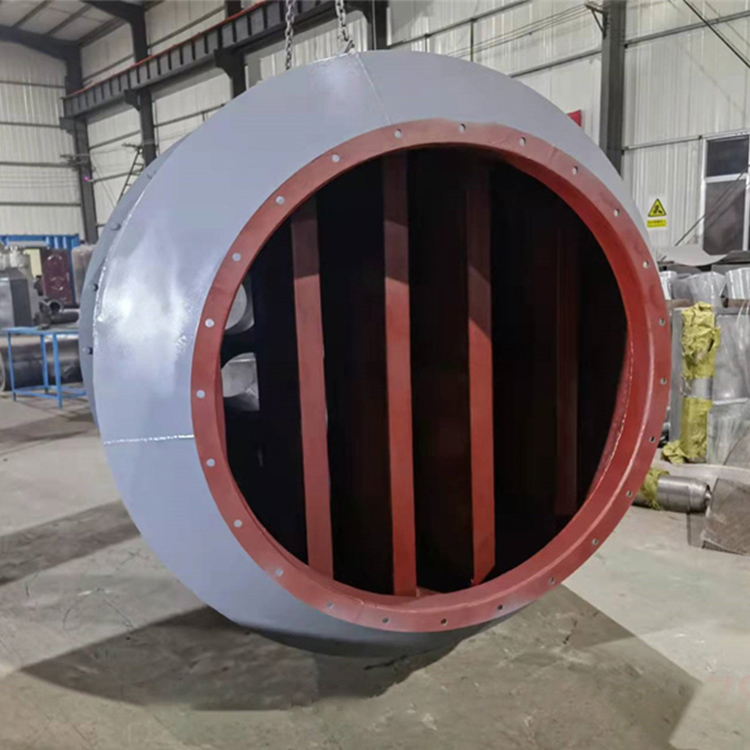
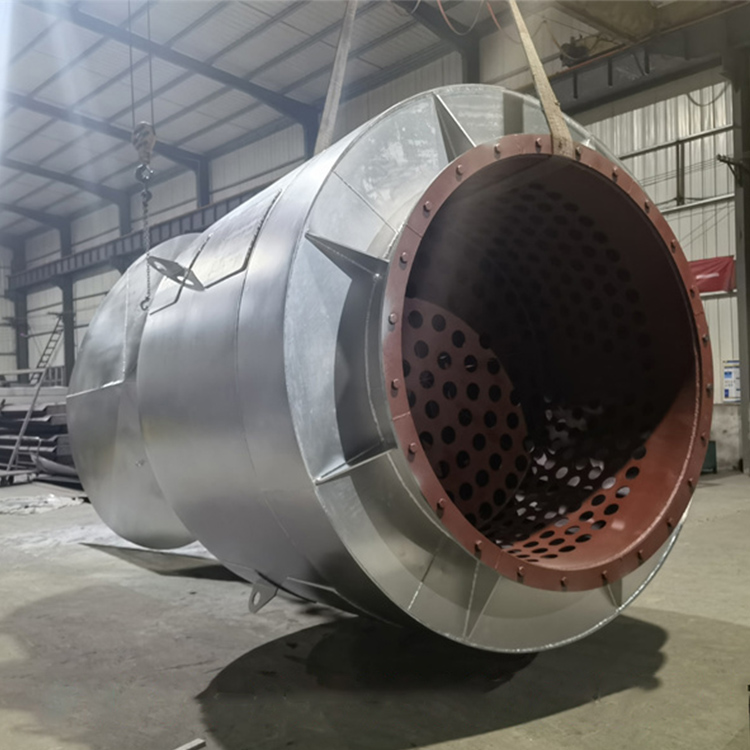
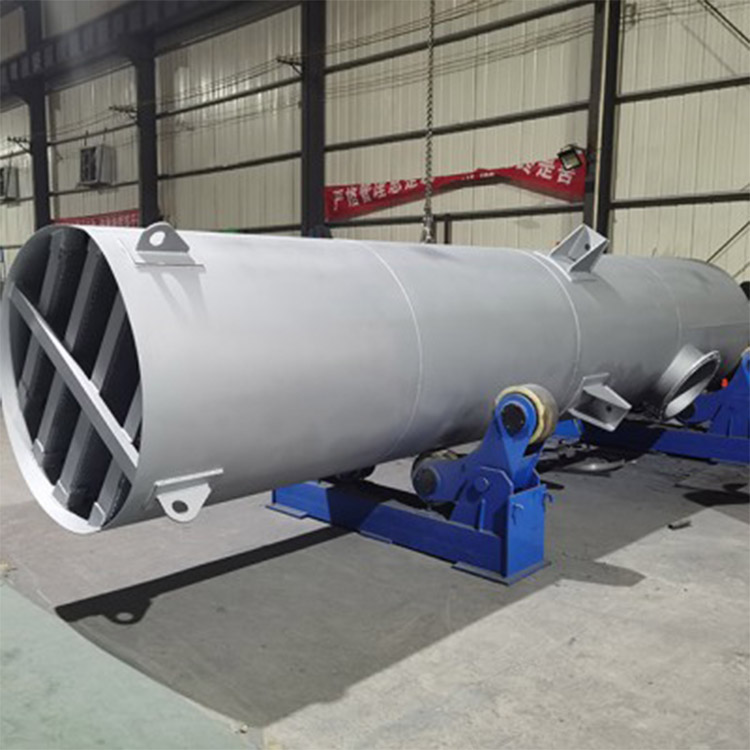
The GF series silencers for ventilation ducts and exhaust fans are both of impedance acoustic flow type. They utilize resistive structures that absorb and suppress high and medium-frequency noise, as well as resistive structures that suppress and reduce medium and low-frequency noise. Additionally, both high and low-frequency acoustic absorption and suppression zones are employed within the resistive channels to significantly broaden the noise suppression frequency range, achieving excellent noise reduction performance.
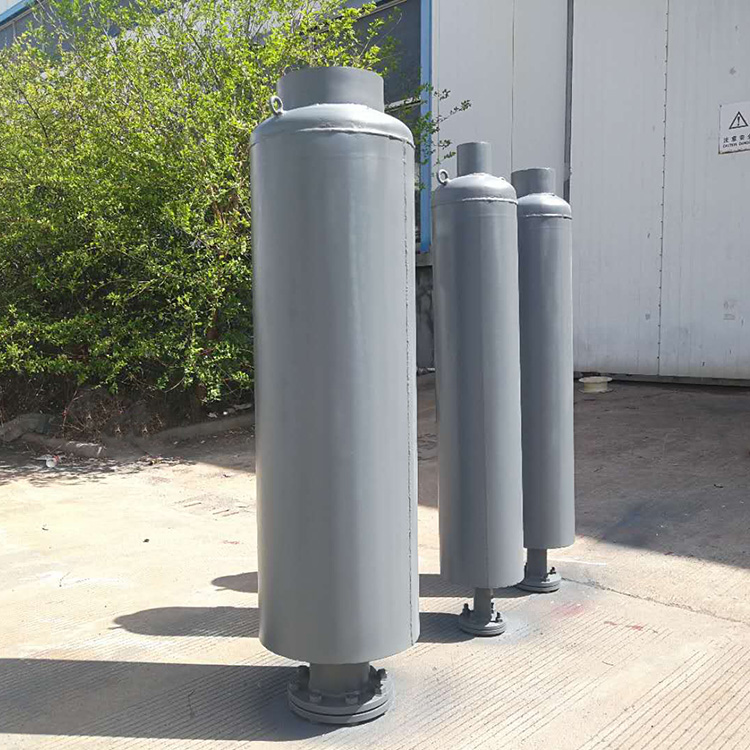
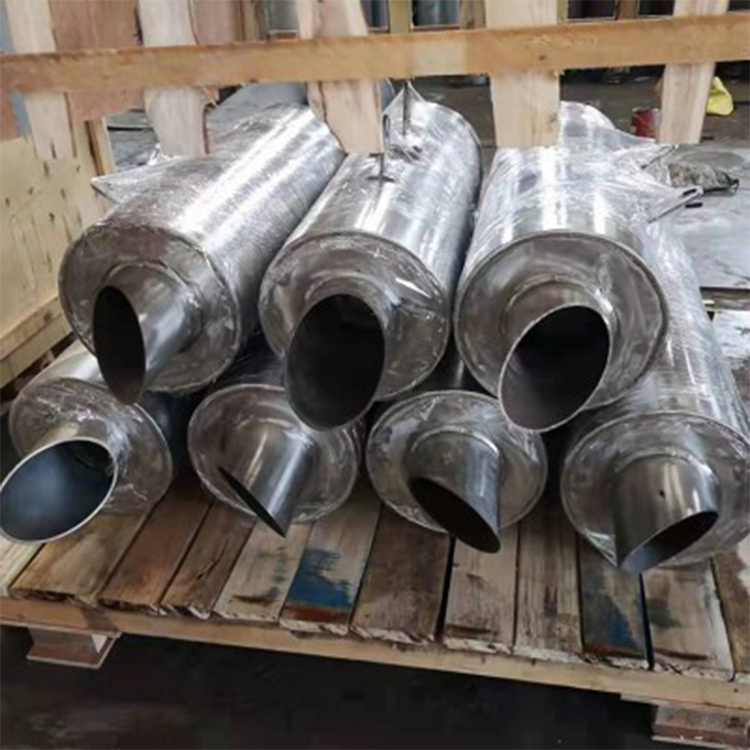
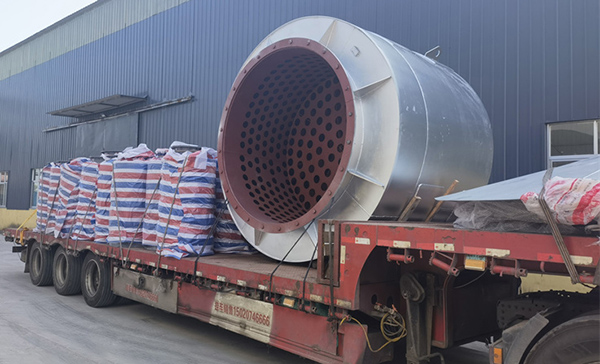
GF series ventilation pipe silencers and blower exhaust silencers are suitable for various blowers, induction blowers, centrifugal blowers, axial flow fans, Roots blowers, dedusting fans, and air compressors silencers.
Section 3: Application and Product Features of GF Fan Muffler
Fans are a type of general machinery equipment with a wide range of applications, essential in industries such as power, mining, machinery, metallurgy, and chemical engineering. The noise generated during their operation often becomes a source of harm to workers' health and environmental disturbance. Particularly, fans located near residential areas, with their intake and exhaust airflows emitting aerodynamic noise, are a major factor in environmental pollution, causing public nuisances. They have been one of the primary targets for noise pollution control efforts by China's industrial sector in recent years.
Industrial fans are continuous operation equipment. The International Organization for Standardization (ISO) sets noise standards for such equipment at ≤85 decibels. Our country's new standards are identical to this, which serves as the basis for industrial enterprises to meet continuous noise standards. However, without adopting noise reduction measures, the noise emitted from the intake and exhaust ports of the fan can reach 110 to 120 decibels, far exceeding the standard requirements.
This series of muffler products is of the impedance-type acoustic flow design. Our factory determines the required level of sound absorption and the design of the absorptive panel structure and fluid channels based on real-site noise source testing data obtained from various fans' operating environments. Additionally, we utilize narrow rectangular channels with a large surface area of absorbent material to enhance absorption effectiveness. We understand that the noise sources of fans often have multiple frequency spectrum values at higher noise levels, and the requirements for sound absorption vary for different frequency bands. Therefore, this product employs a resistive structure that absorbs high and medium-frequency noise and an anti-resonant structure that absorbs medium and low-frequency noise. Moreover, we incorporate both high-frequency and low-frequency absorption zones within the resistive channels to maximize the width of the absorption frequency band, achieving an excellent sound absorption effect.
Upon installation according to specifications, the product's maximum noise level will not exceed 85 to 90 decibels.
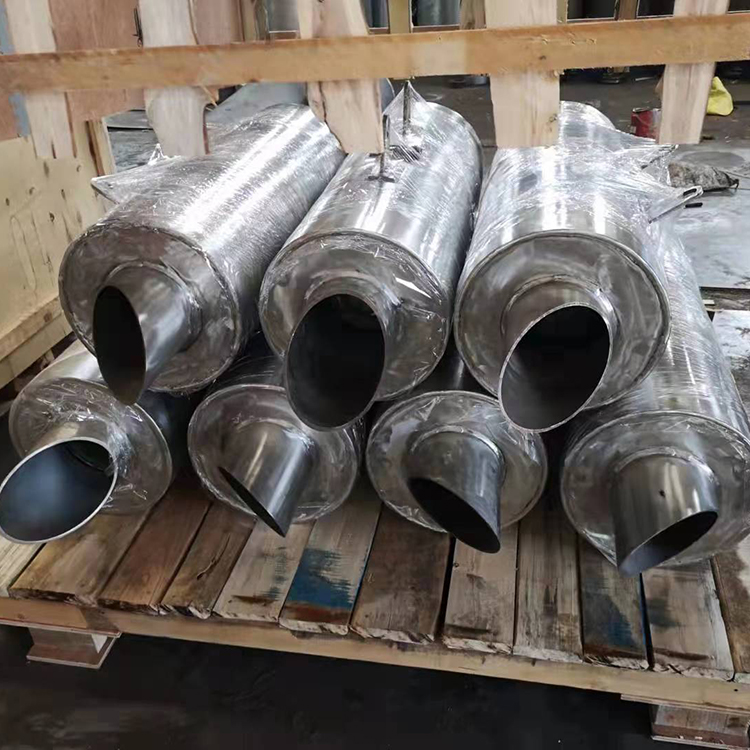
This muffler, as described in this manual, is suitable for various blowers, exhaust fans, centrifugal fans, axial fans, Roots blowers, dedusting fans, ventilators, and air compressors. In addition, our factory designs and produces mufflers for gas turbines and diesel engine exhausts for various applications. Welcome to inquire and purchase.