













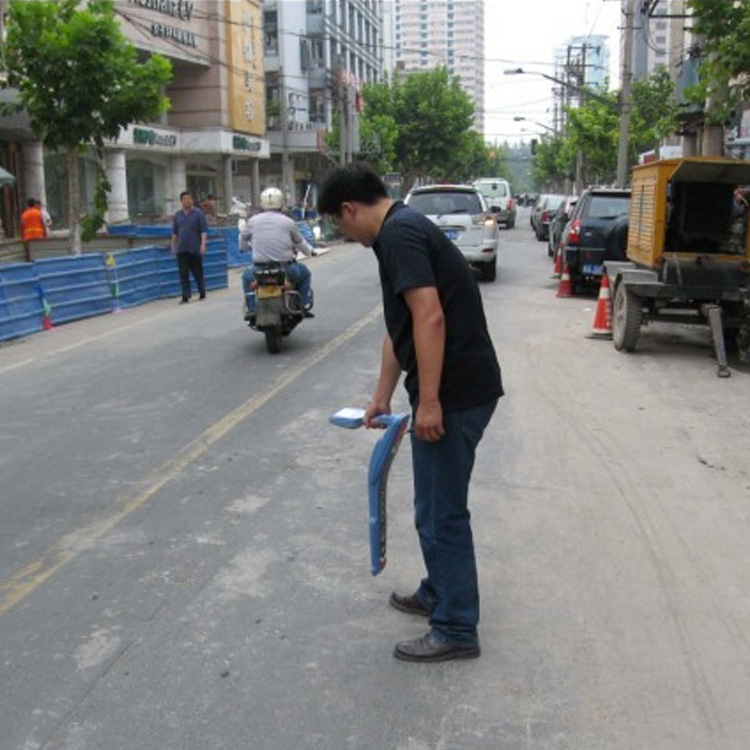
The House Condition Grade is a standard used to assess the maintenance status of a property, serving as an important basis for determining the actual age and depreciation of the house.
The condition of the house is categorized into 5 types based on the integrity, damage level, and components such as structure, decoration, and equipment: 1. Perfect house; 2. Essentially perfect house; 3. Generally damaged house; 4. Severely damaged house; 5. Dangerous house.
Inspection Content
1Home Condition Inspection Content
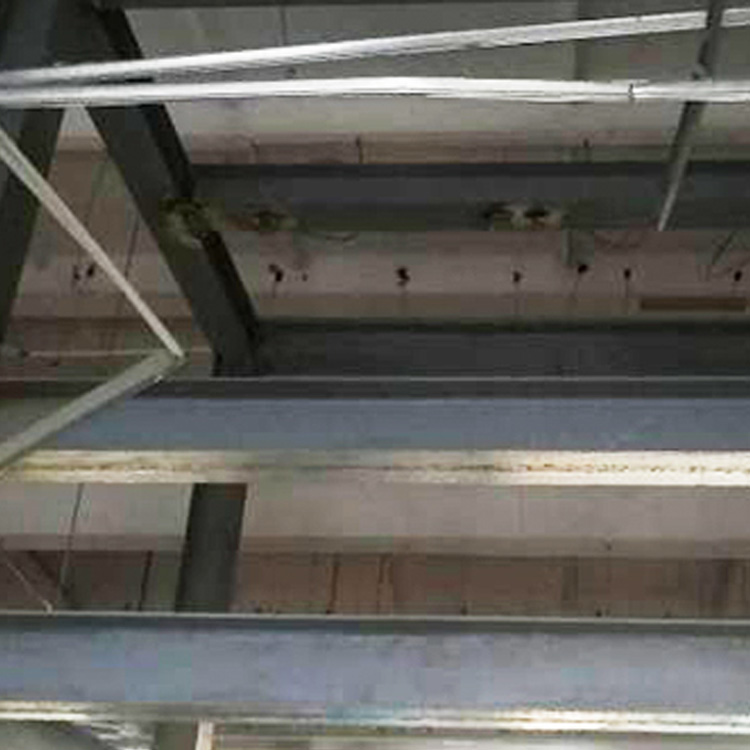
Including cracks, leaks, facade damage, concrete damage, flaking, splitting, etc., steel corrosion, brick wall weathering, damp brick walls with efflorescence, woodworm infestation, wood decay, wood structure joints loose and failed.
2Residential Property Condition Assessment Focus
The key focus of property damage inspection should be on structural integrity assessment, including cracks, displacements, deformation, or corrosion, aging, and other forms of damage, along with recording the location and extent of the damage.
3Conduct comprehensive surveys with targeted random inspections
Inspection for completeness and damage should be conducted through full enumeration and key sampling, distinguishing between structural damage and decorative wear. If a full enumeration is difficult to achieve on-site, supplementary checks can be required prior to subsequent repair work.
4Listed Description
The description of property damage should use standardized terminology, including details such as the location, extent, width, and length of the damage, along with an appropriate analysis of the cause of the damage.
5Building Structure Integrity Inspection Description
Building structure integrity inspection should describe the presence of any load-bearing cracks, unsuitable deformation for continued load-bearing, weathering and rusting affecting load-bearing capacity, corrosion, etc., in the foundation, load-bearing components, floors (roofs), etc.; building decoration integrity inspection should describe the presence of deformation, hollowing, peeling, cracking, leakage, mildew, etc., in doors and windows, wall painting, ceilings, and decorative finishes.
6Description of property damage terminology
Crack detection should comprehensively record the distribution of cracks, including the names, locations, quantities, orientations, widths, depths, lengths, conditions, and whether they穿透, as well as whether concrete has fallen off. The locations, quantities, and orientations of cracks are generally represented by drawing methods, and can also be described in detail in writing. Especially, quantitative descriptions are preferred for structural cracks.
7Comprehensive documentation of crack distribution
The house condition inspection is typically listed by floor sequence, with structural components described by the floor they are on and their type. Generally, all damages should be described through a combination of written descriptions and photographs; for damages such as structural cracks affecting the integrity of the structure or multiple damage points at the same location that are unclear in written descriptions, drawings illustrating typical damage to the house should be provided.
8附 with complete and damaged flat location maps
Typical damage to houses can be accompanied by plans showing the location of intact and damaged areas, crack expansion diagrams, and elevation crack distribution maps, etc.