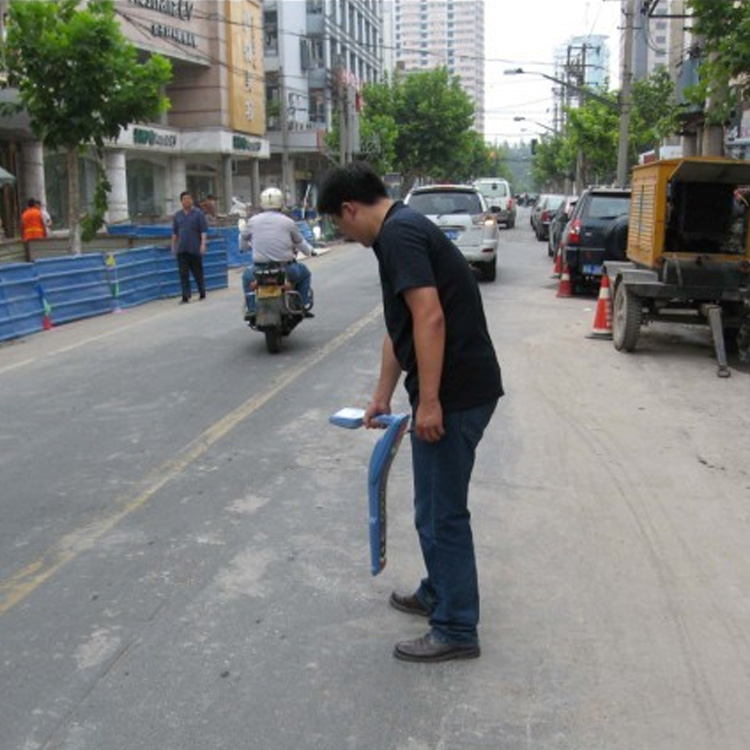


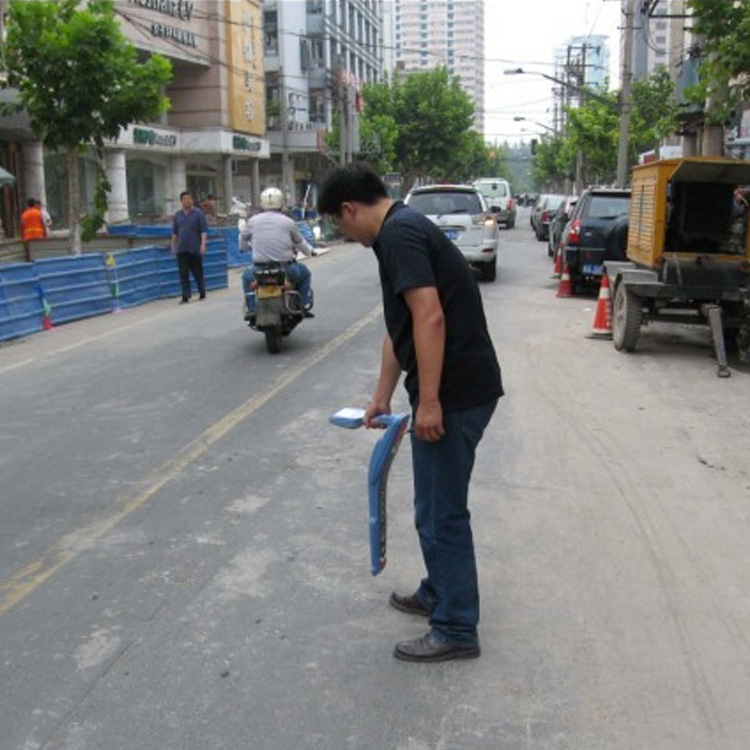









The urban underground pipeline detection mainly aims to identify the presence of any existing underground pipelines (including water supply and drainage, gas, heat, industrial pipelines, as well as electric and telecommunication cables) within the construction site. If present, it determines the horizontal position, direction, burial depth (or elevation), specifications, nature, and material of the underground pipelines, and creates an underground pipeline map. The purpose is to protect existing underground pipelines and prevent damage during construction. Therefore, the detection scope should cover the entire construction area and any region potentially threatened by the construction that could impact underground pipeline safety.
Urban underground pipeline detection can be divided into four categories: municipal shared pipeline detection, industrial or residential community pipeline detection, construction site pipeline detection, and special pipeline detection.
The underground pipeline detection work should follow the following basic procedures:
Accept assignments, gather information, conduct on-site surveys, perform method tests, compile technical designs, conduct field investigations, use instruments for exploration, establish measurement controls, conduct pipeline point connections, draw underground pipeline maps, write reports, and conduct project acceptance. When dealing with single pipeline types or less workload, the above procedures can be simplified.