


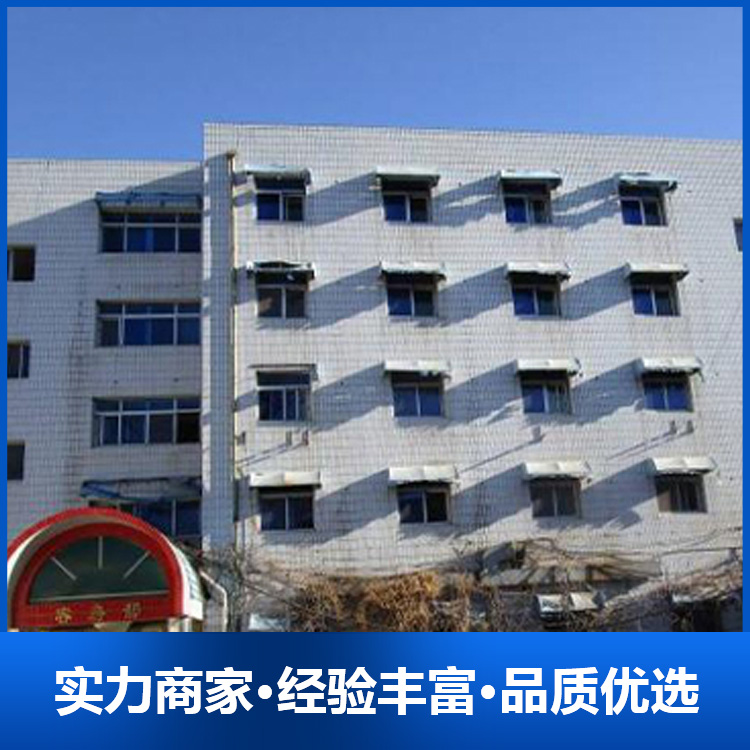









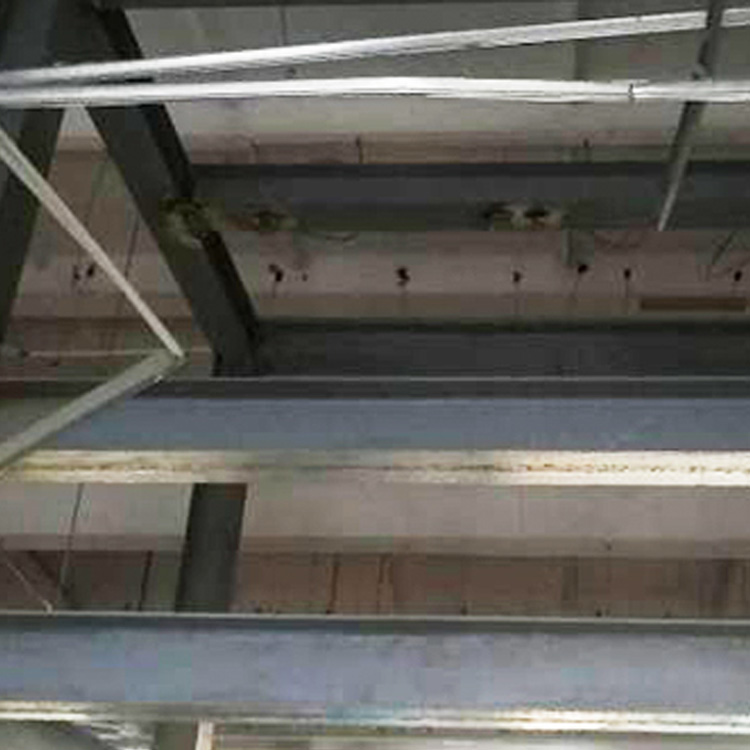


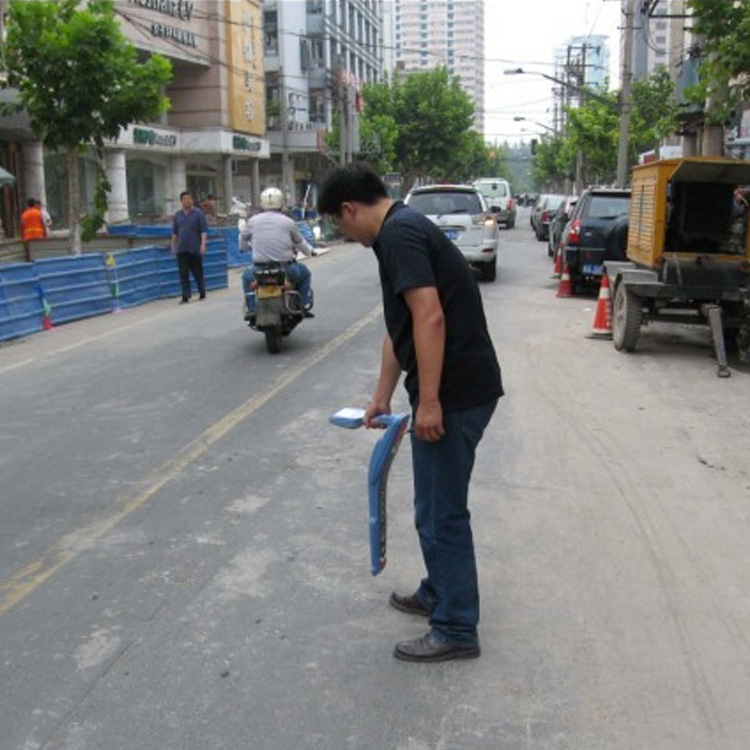
Engineering inspections are conducted to assess the quality of construction projects or to evaluate the performance of existing building structures. The inspection of building structures is divided into the quality inspection of structural engineering and the performance inspection of existing structures.
Applicable situations
When encountering the following situations, it is necessary to entrust a third-party testing institution to inspect the structural engineering quality:
Home Safety Inspection
1) Current national standards规定的检测
2) Insufficient quantity of samples for structural engineering inspection or missing relevant inspection documents.
3) Sample inspection results for construction quality or related self-inspection findings have not reached the design specifications.
4) Doubts or disputes regarding construction quality;
Home Safety Inspection
5) Incidents of quality or safety accidents;
6) Required inspections for the quality assurance of construction.
7) Suspicions or disputes regarding the quality of workmanship in existing building structures.
8) Structures that have not been inspected and accepted for construction quality in accordance with regulations.
Section 2: When existing buildings require the following assessments or appraisals, structural performance testing of the existing structure should be conducted:
Home Safety Inspection
1) Assessment of Building Structure Reliability
2) Building safety and seismic assessment
3) Pre-renovation assessment for buildings
Building Safety Inspection
4) Assessment prior to the change of use, renovation, addition, or expansion of buildings.
5) Assessments of buildings affected by natural disasters, environmental erosion, etc.
6) Identification of emergencies or assessments for special issues.
Inspection Content
Concrete structures include inspection items such as the quality and performance of raw materials, strength of component materials, concrete properties, defects and damages in components, reinforcement within components, and precast components and connection joints of assembled concrete structures.
Masonry structures can be categorized into various inspection items such as masonry units, masonry mortar, mechanical properties of masonry, construction quality, structural requirements, and structural damage.
Structural steel can be categorized into various inspection items, including material mechanical properties, connections, joints, dimensions and tolerances, deformation and damage, construction and stability, and coating protection.
Wood structures can be categorized into various inspection items, such as wood properties, wood defects, manufacturing and installation tolerances, connections and construction, deformation and damage, as well as protective measures.