










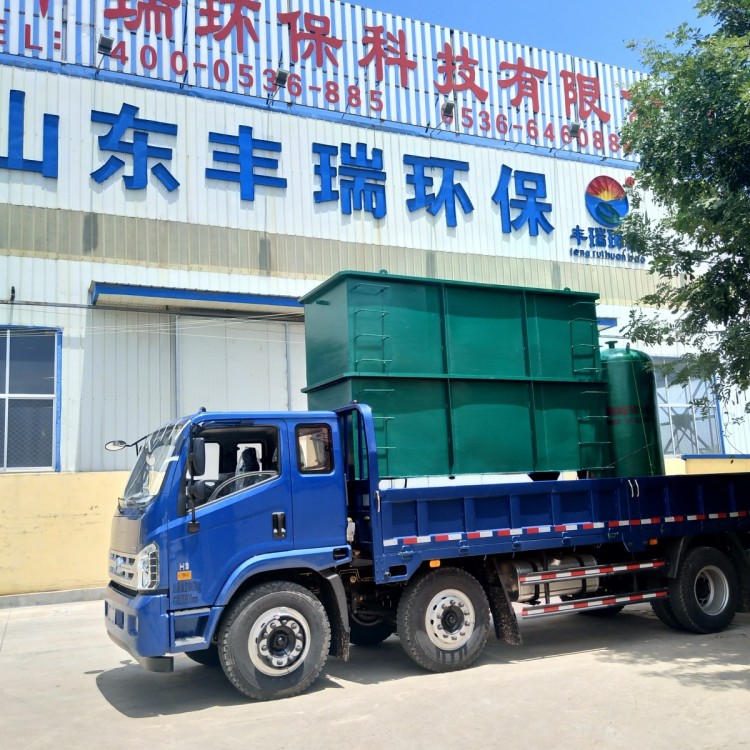
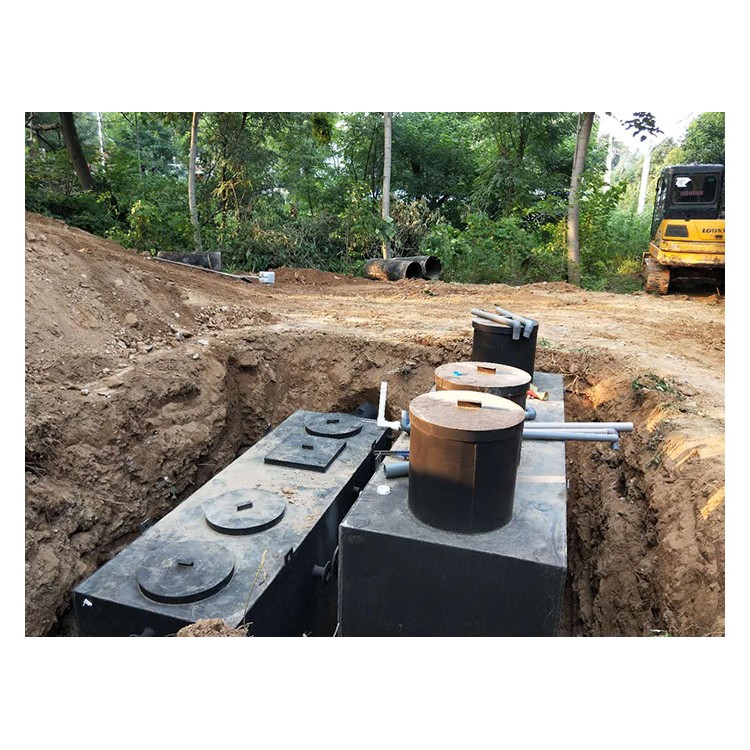

Pig Farm Sewage Treatment Characteristics and Challenges
The wastewater from chicken, duck, and goose slaughtering primarily originates from post-slaughter cleaning, dismemberment rinsing, internal organ cleaning, ground rinsing, and livestock feces wastewater, among others. The wastewater contains a large amount of organic matter, mainly consisting of animal feces, blood, animal internal organ debris, hair, chopped meat, and fats, etc., which are classified as high-concentration organic wastewater. The wastewater is brownish-red and has a strong fishy smell. If the fats, proteins, and other substances in these wastewater are not treated and discharged directly into water bodies, it will cause severe eutrophication around the water bodies, severely damaging them.
Solutions & Technical Processes
Based on an actual inspection of the slaughterhouse, through on-site surveys, data research, and a comprehensive analysis of local environmental monitoring station data, our technical team has developed an appropriate process flow for the pork slaughtering plant, effectively addressing the issue of wastewater treatment.
The wastewater from hog slaughtering generally appears reddish-brown with a foul, fishy odor. It contains a large amount of blood, grease, hair, meat particles, bone fragments, internal organ impurities, undigested food, feces, and other pollutants. This results in high levels of organic matter and solid suspended matter, with the high concentration of organic substances being difficult to decompose. Additionally, it differs from other high-concentration organic wastewater due to its higher NH3-N concentration. Therefore, in the process design, it is necessary to fully consider the impact of NH3-N on wastewater treatment and its removal. Consequently, this project's wastewater treatment system employs a process flow of pretreatment + anaerobic treatment + aerobic treatment + biochemical treatment.
| Conclusion
The slaughterhouse wastewater treatment plant employs a process flow of "pretreatment + anaerobic treatment + aerobic treatment + biochemical treatment," which offers excellent treatment results and low equipment investment. Additional disinfection and strengthening of the effluent further enhances its quality, ensuring all effluent indicators meet the discharge standard requirements.
(2) During the winter operation of this project, the water volume entering the reaction system is smaller (50 m3/day), but the water temperature is lower. Appropriate measures must be taken to ensure the normal operation of the anaerobic reactor. Hot water coils can be installed inside the anaerobic reactor for heating, and the heat source of this system can supplement the heat for the anaerobic reactor during cold seasons, ensuring the water temperature inside the reactor.
Processed Effect
The wastewater treatment system designed for this slaughterhouse has good effluent quality, with the main water quality indicators meeting the discharge standards. It effectively adapts to fluctuating influent water quality, ensuring the effluent meets the sewage discharge standards and effectively addresses the actual situation of such wastewater. Based on the actual requirements and design process, the "pretreatment + anaerobic treatment + aerobic treatment + biochemical treatment" process adopted for this pig slaughtering plant is used to improve water quality, meet the effluent standard requirements, and ensure the long-term stable operation of the wastewater treatment system.