








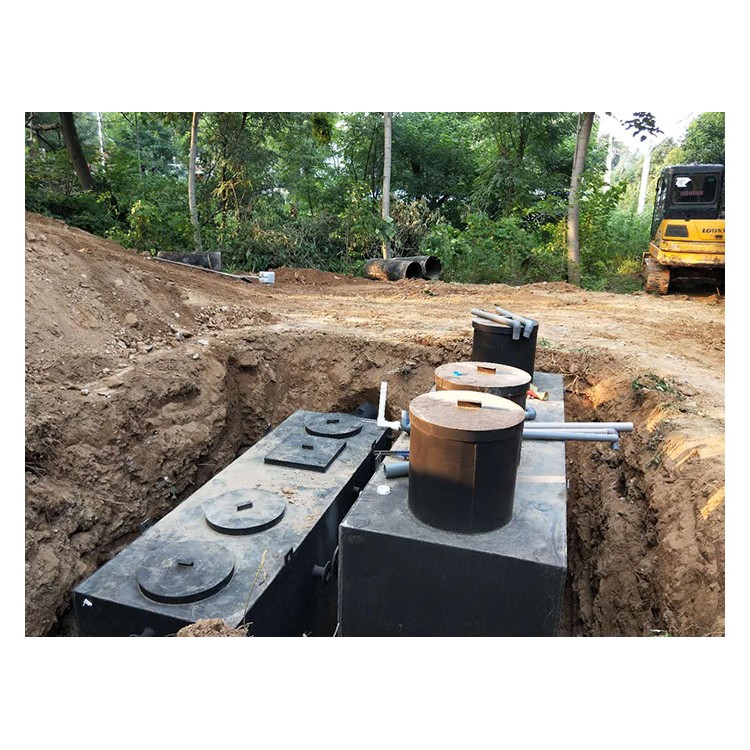

Pulp and Paper Wastewater Treatment Characteristics and Challenges
High pollutant concentration and complex composition in papermaking wastewater, with poor biodegradability. It is characterized by large wastewater volume, high COD mass concentration, abundant fiber suspended solids, and the presence of divalent sulfur elements, high color, and malodorous mercaptan odors. If untreated or improperly treated, and discharged into water bodies or used for irrigation, it will pollute the environment and affect people's health.
Papermaking Wastewater Solution and Technology Process
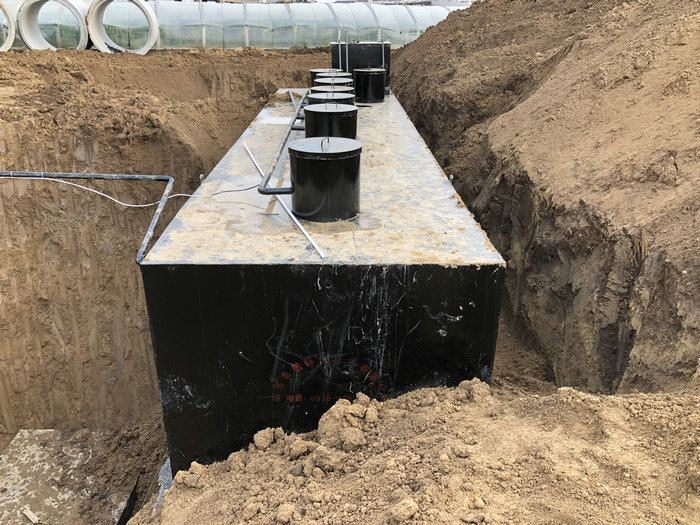
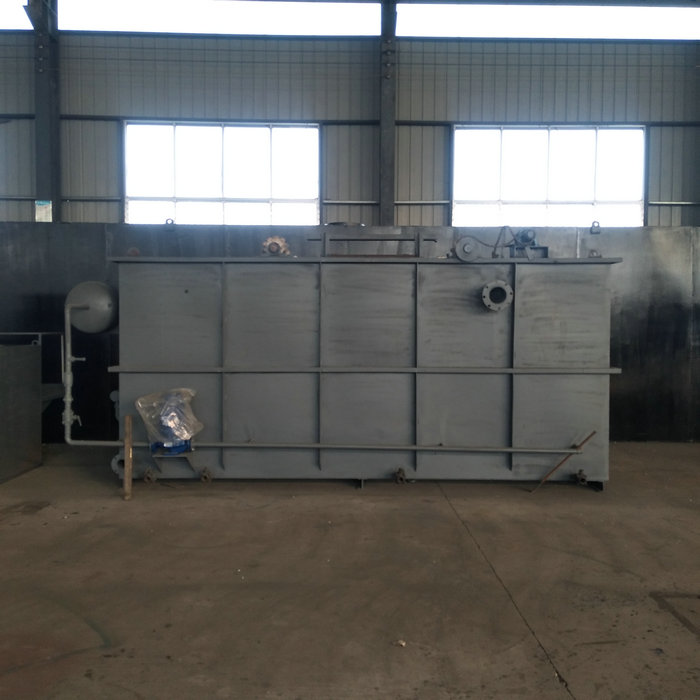
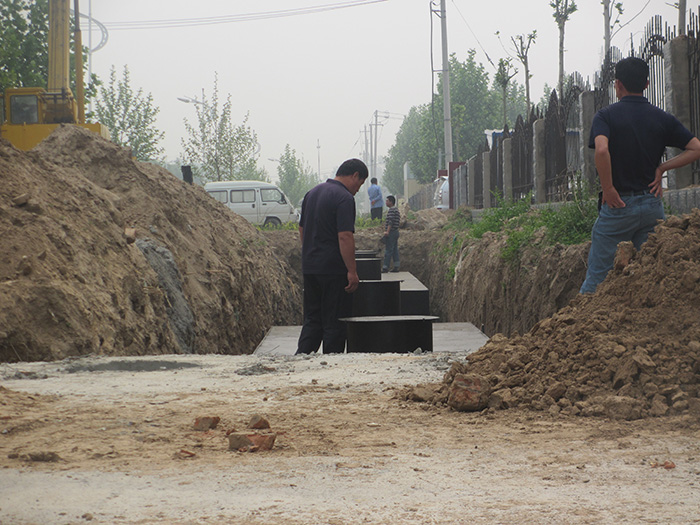
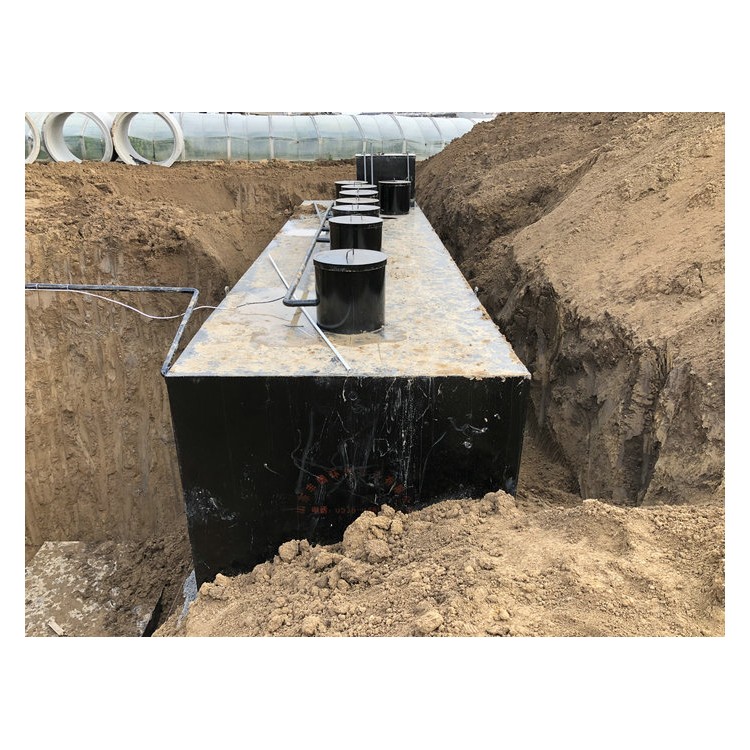
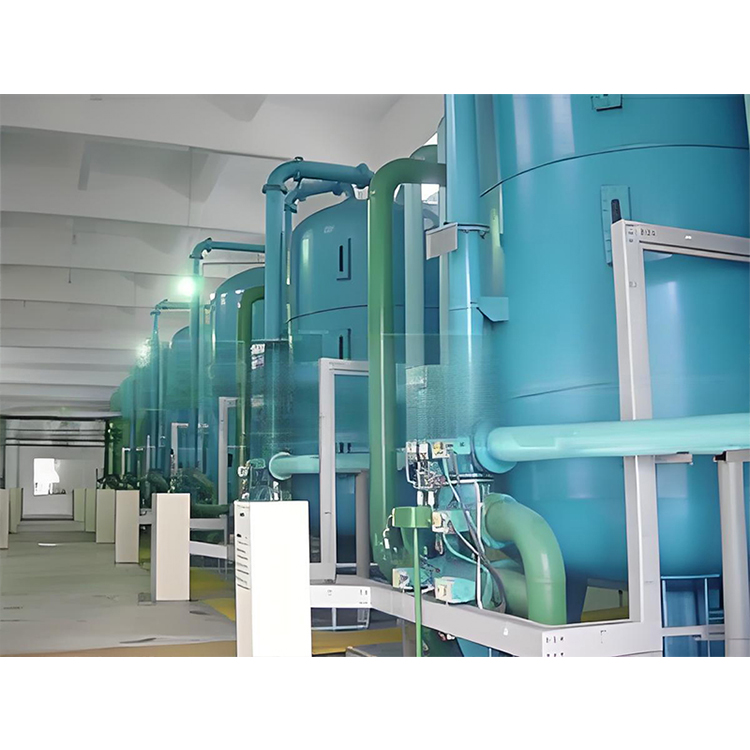
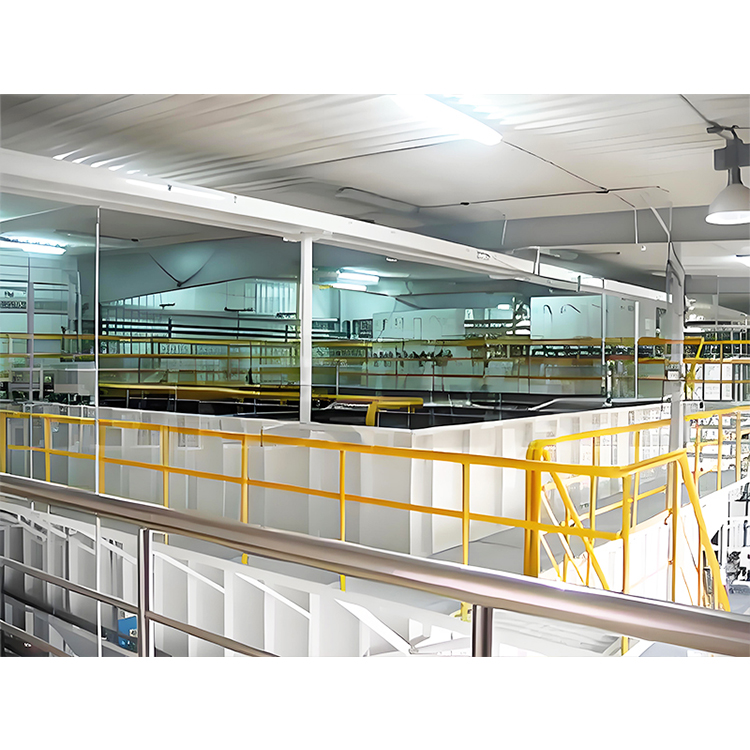
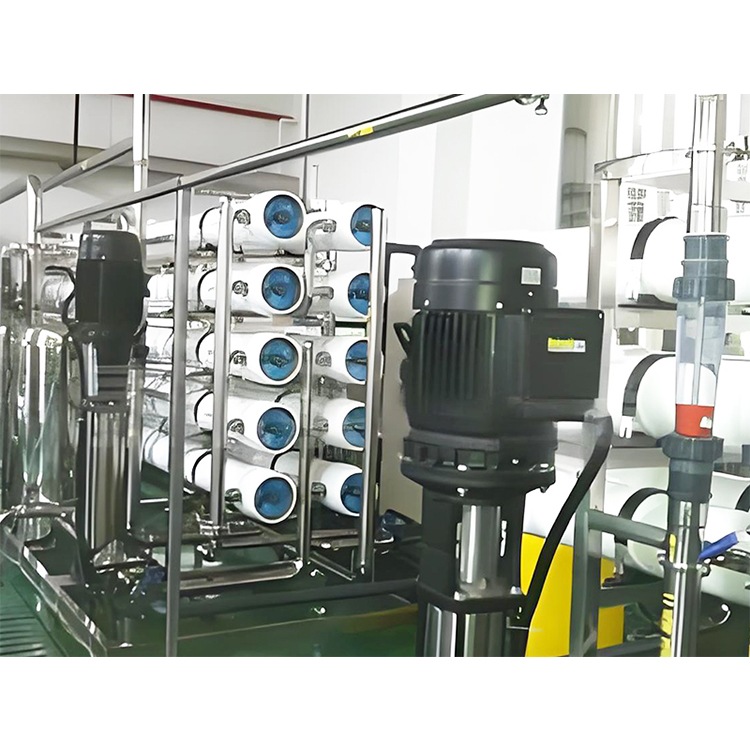
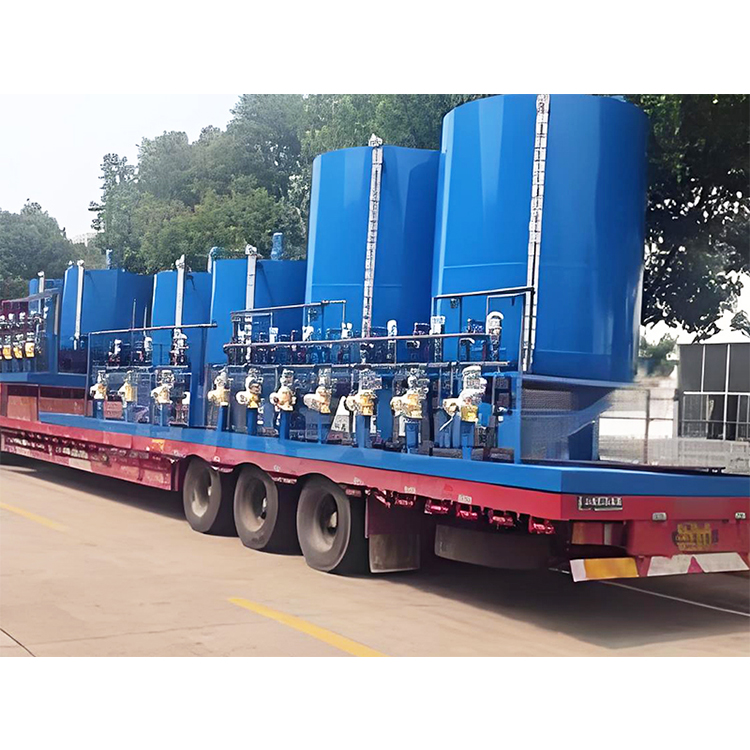
Based on the actual inspection of the paper mill, through on-site surveys, data research, and a comprehensive analysis of the local environmental monitoring station's data, our technical team has adopted the "pre-treatment - physical treatment - biochemical treatment" process for the paper mill, effectively resolving the issue of wastewater treatment from both papermaking and domestic waste.
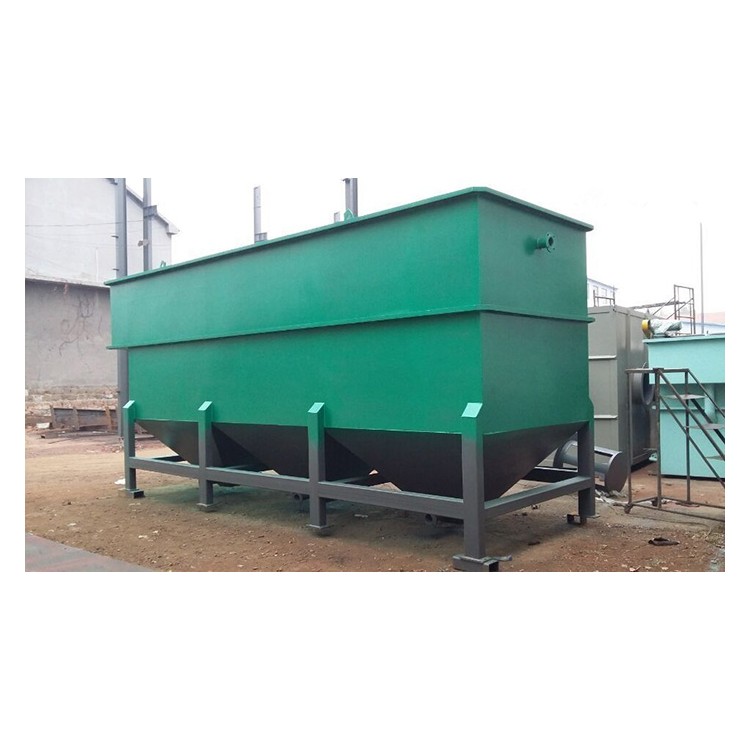
The original wastewater, after removing coarse solid particles through a grille, is then adjusted in the equalization pond for water volume and pH. It is subsequently lifted by a booster pump to the sedimentation pond, where it undergoes anaerobic treatment in the hydrolysis and acidification pond. Following this, aerobic treatment is conducted in the contact oxidation pond. The treated wastewater is then discharged after passing through a secondary sedimentation pond. The proposed project is economically efficient and operationally reliable.
Processed Effect
The wastewater treatment system designed for this paper mill has good effluent quality, with the main water quality indicators meeting the discharge standards. It effectively adapts to the water quality issues of the influent, and the effluent can reach the standards of "Papermaking Wastewater Discharge Standard" (GB3544-2008). It effectively addresses the reality that some indicators in this type of wastewater are difficult to treat. Based on the actual requirements and design process, a combination of hydrolysis-acidification and biological contact oxidation methods is adopted to improve water quality, meet the effluent standard requirements, and ensure the long-term stable operation of this wastewater treatment system.