








Characteristics and Difficulties of Printing and Dyeing Wastewater Treatment
Wastewater contains a high concentration of suspended solids and other soluble and non-soluble pollutants, with large volumes of water.
Dyeing and Finishing Wastewater Solutions and Treatment Process Features
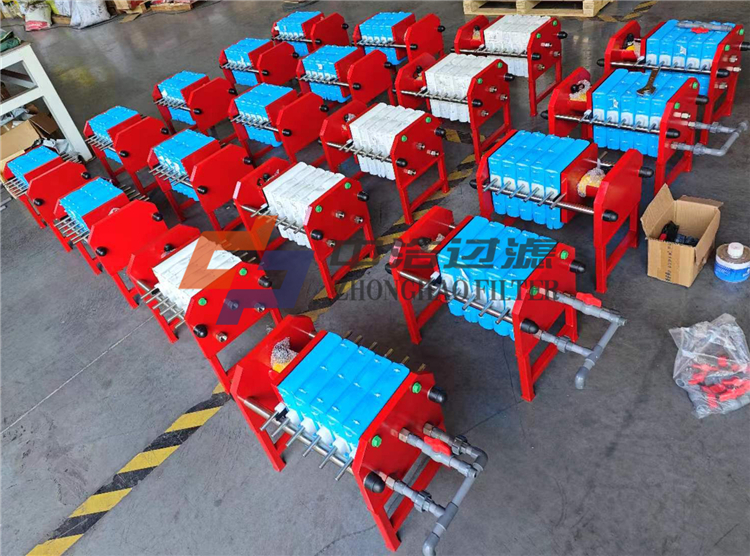
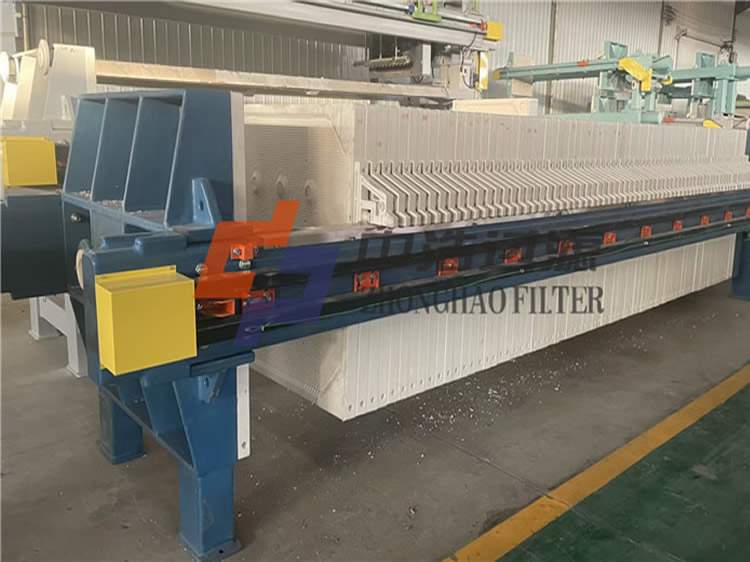
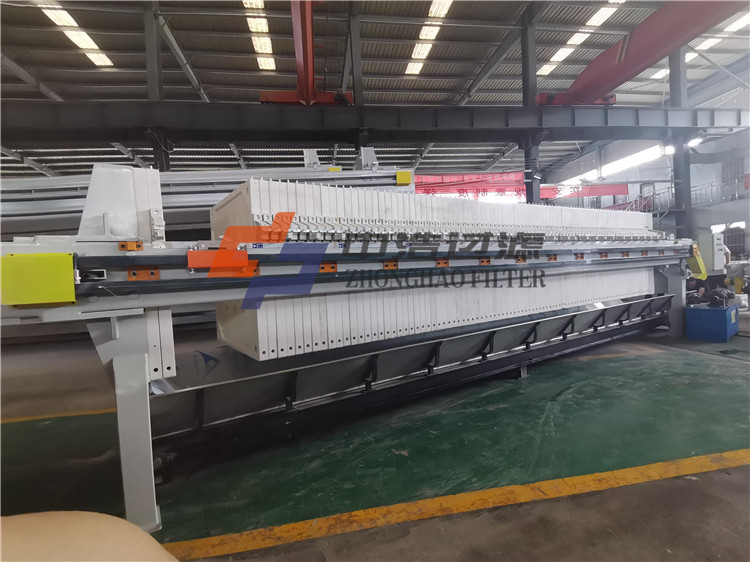
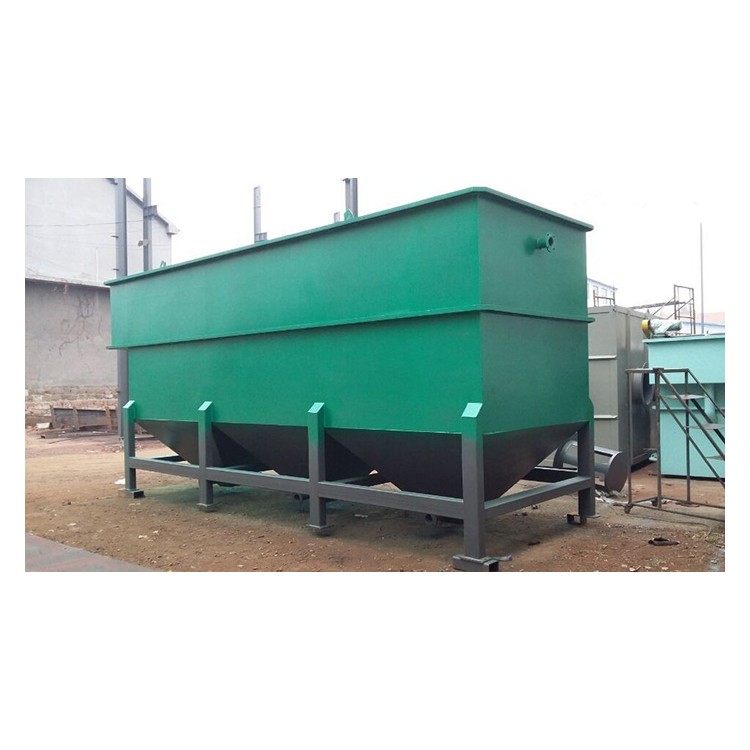
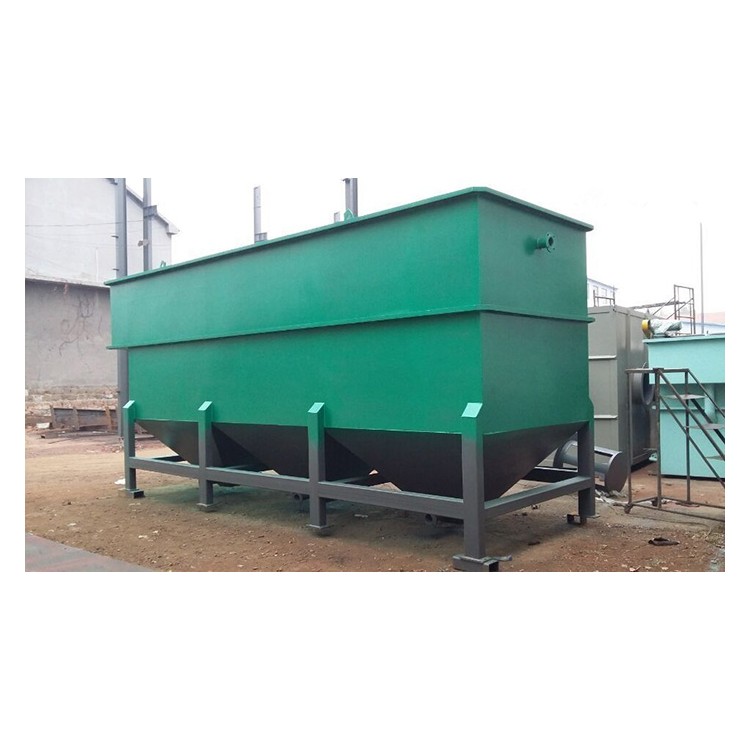
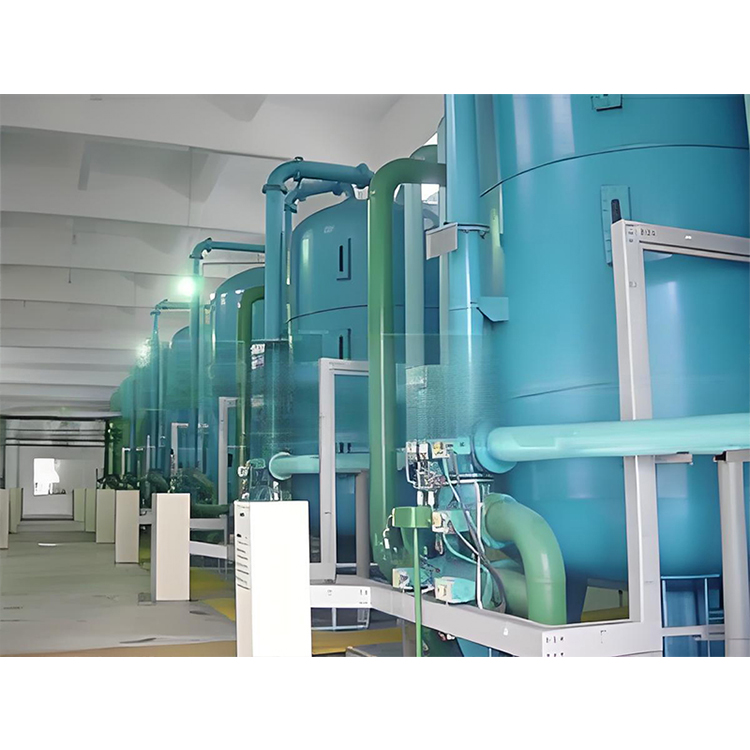
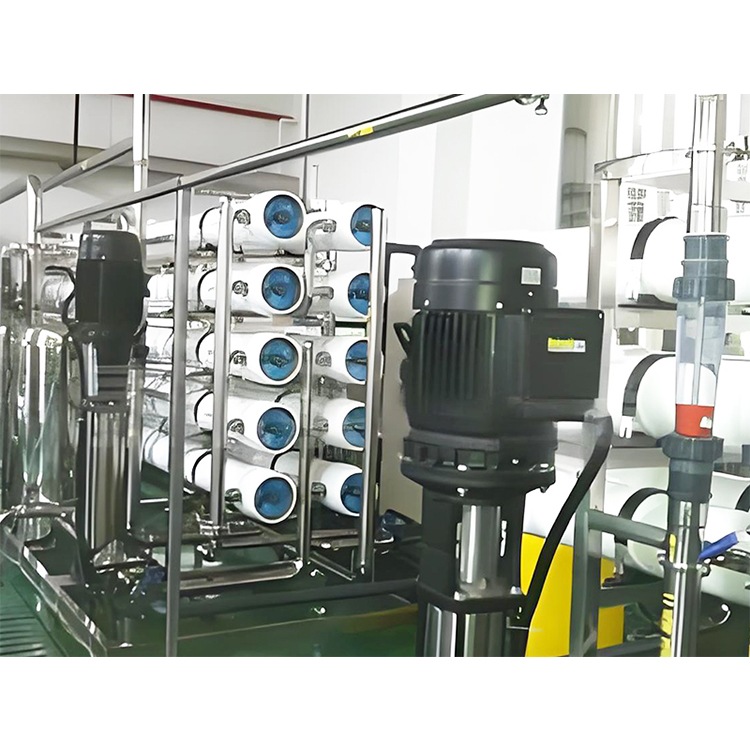
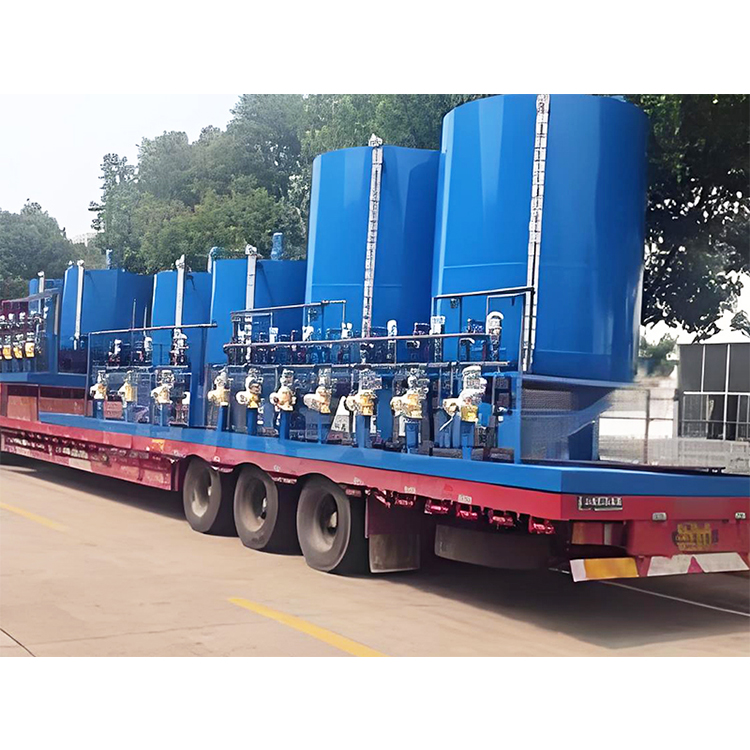
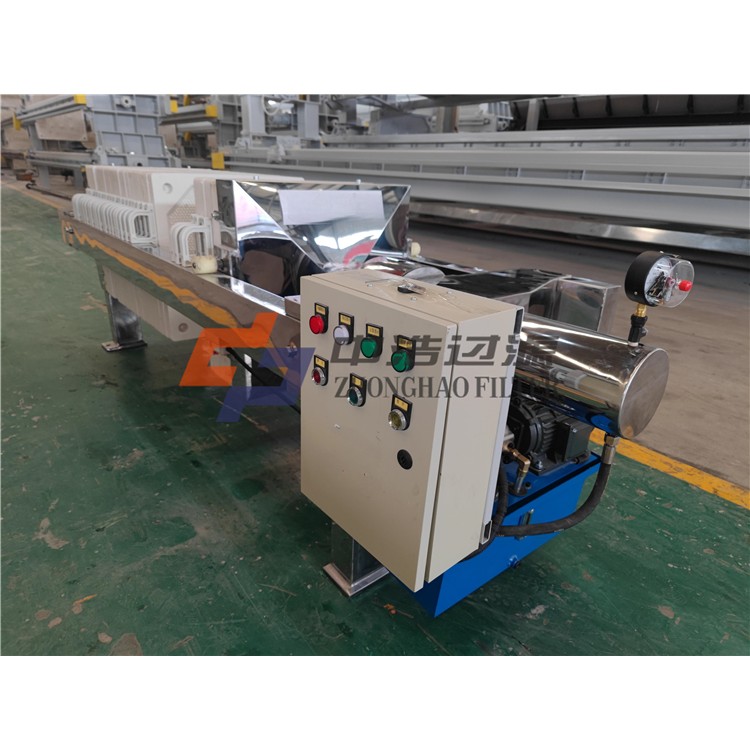
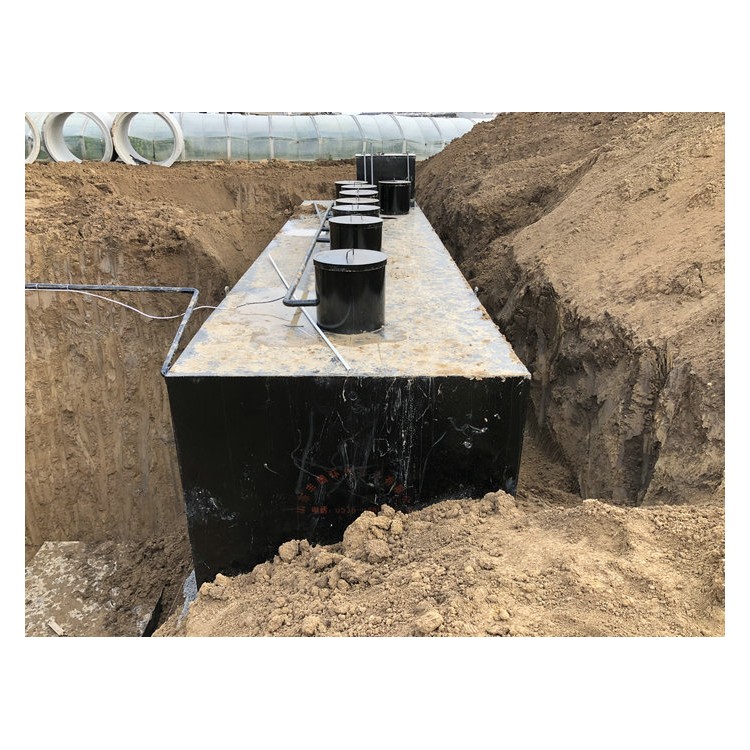
Utilizes coagulation-sedimentation + filtration process. Low construction investment, small land area required, easy equipment management, reliable operation, low treatment costs, reduces the adverse environmental impact of wastewater and sludge during collection, transportation, treatment, and discharge processes, and prevents secondary pollution, etc.
| Inflow Water Quality and Outflow Water Quality Table
In response to customer request, meet the "Emission Standards for Pollutants from Textile Dyeing and Finishing Industry" GB 4287-2012.
| Processed results
The wastewater treatment project for this dyeing and finishing factory has produced good effluent quality. The main water quality indicators meet the discharge standards and can well adapt to the instability of the influent water quality. The effluent can reach the "Discharge Standard of Pollutants for Textile Dyeing and Finishing Industry" GB4287-2012. It effectively addresses the complexity of water quality, containing a large amount of suspended solids and other dissolved and non-dissolved pollutants with high concentration and large volume.
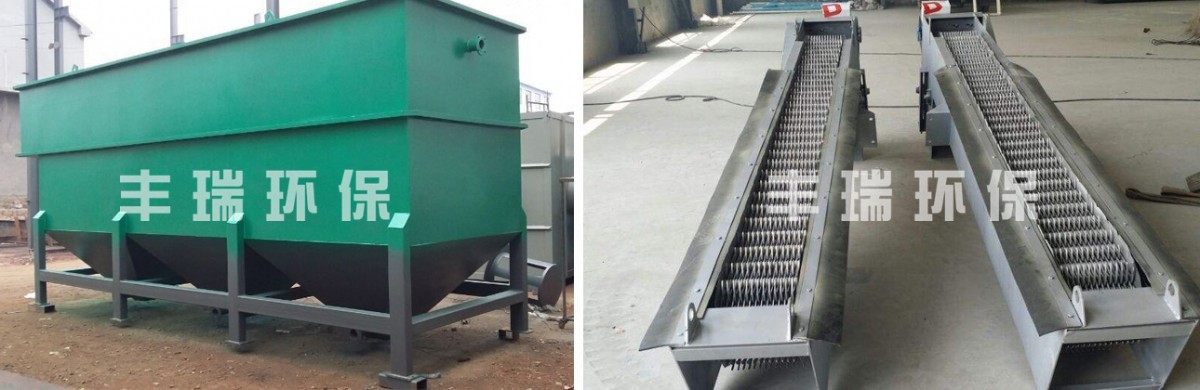
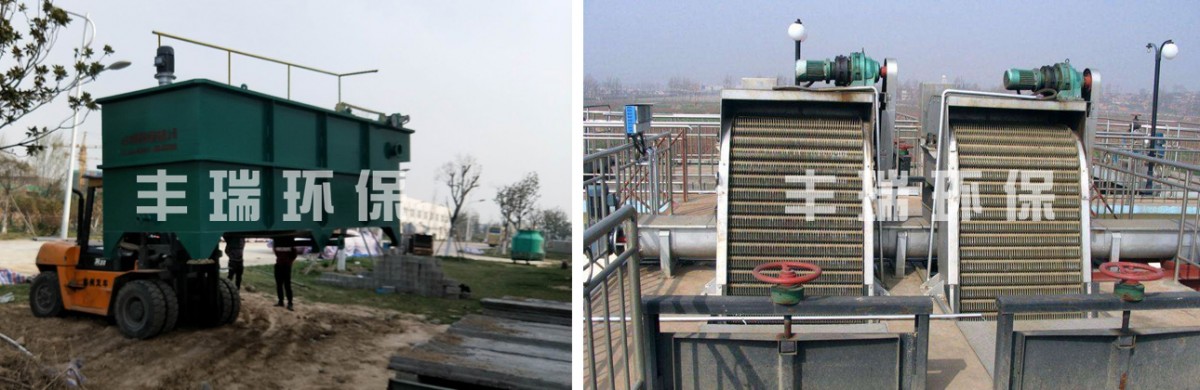
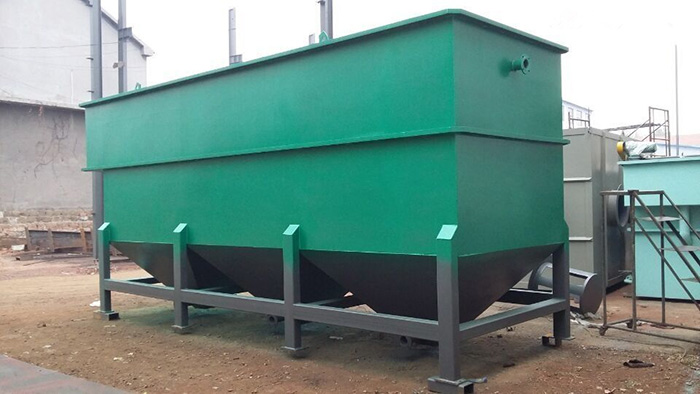
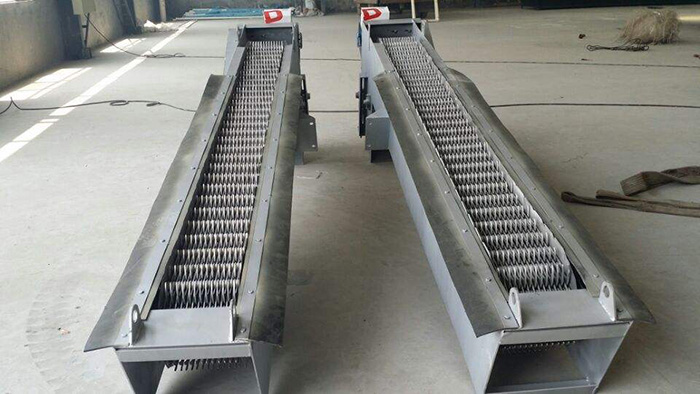
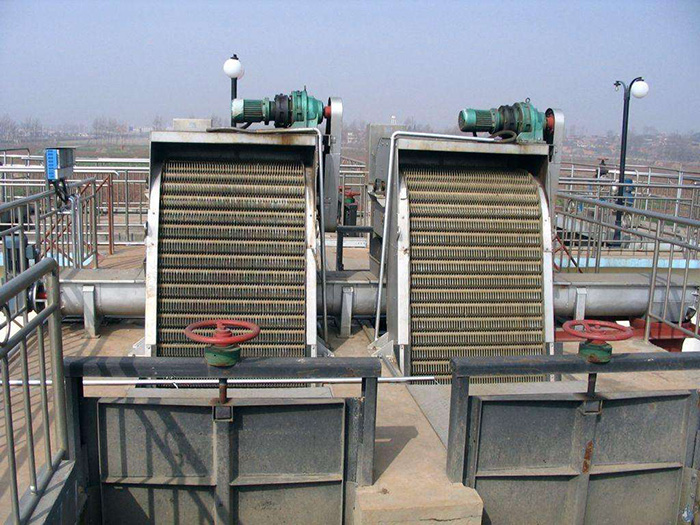
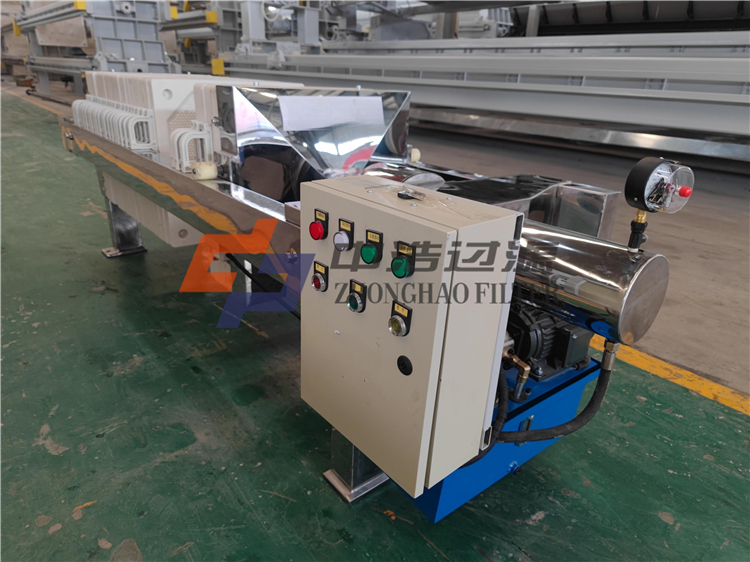
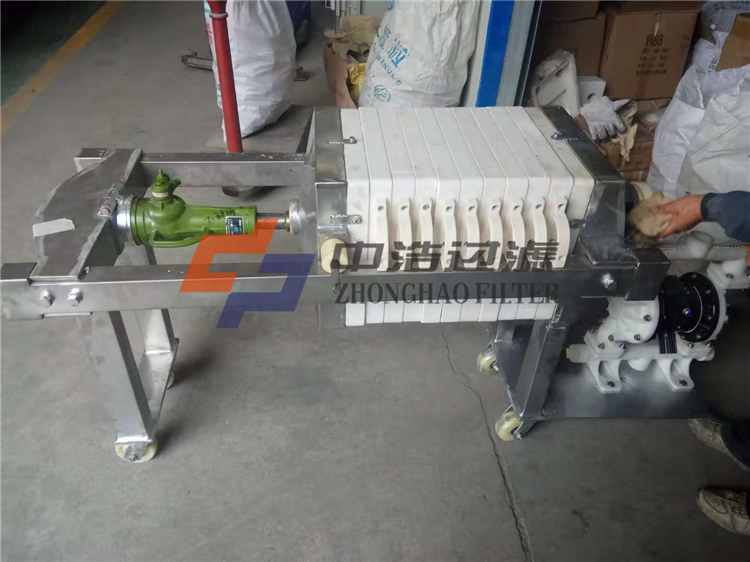
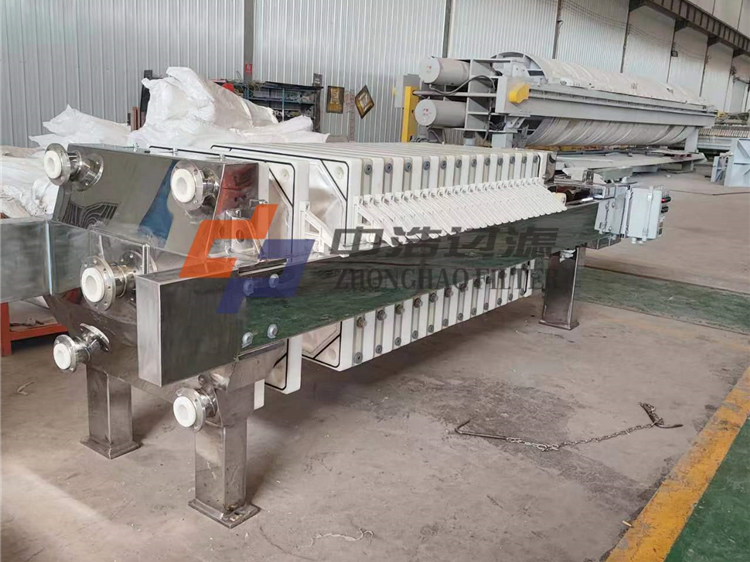
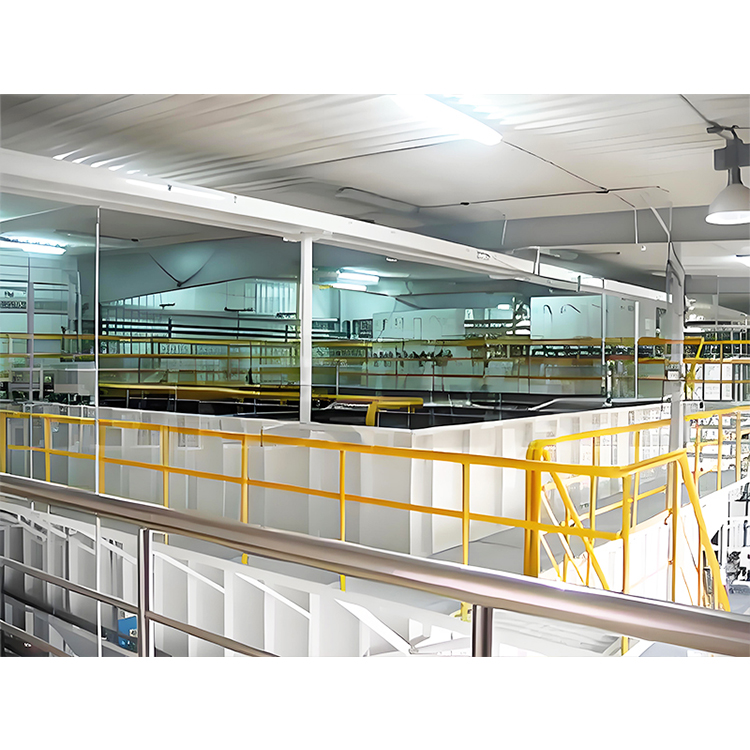
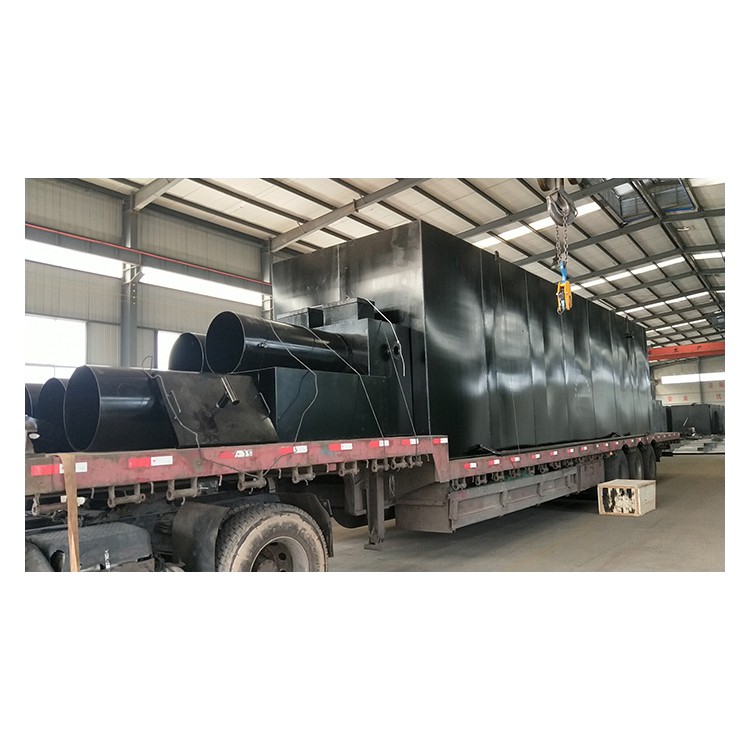
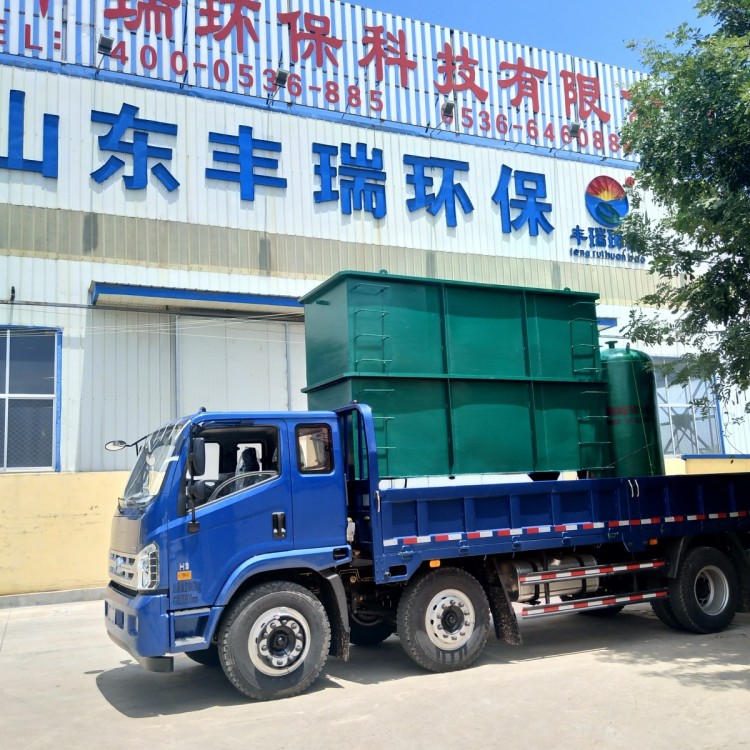
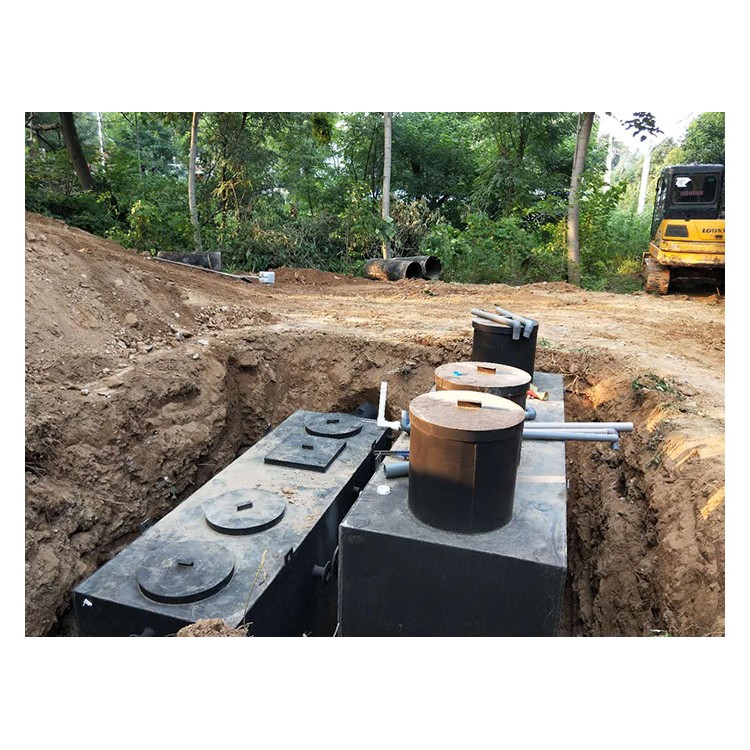
Real-world scenario. Based on actual requirements and design techniques, we employ a coagulation-sedimentation + filtration process to enhance water quality, meet effluent standards, and provide a wastewater treatment project with low operation costs, excellent treatment performance, and convenient daily operation.