











Abattoir Wastewater Treatment Process
I. Background Introduction of Slaughterhouse Wastewater Treatment Equipment
As the economy continues to grow and the population expands, especially in the era of China's rapid economic development, the pain caused by environmental pollution has led people to increasingly recognize the importance of the environment and place greater emphasis on environmental protection. This shift has also prompted the government to pay more attention to the wastewater emissions from small and medium-sized slaughterhouses, which were previously less of a priority. Some regions have already started to require these small-scale slaughterhouses to address their wastewater discharge. In response, treatment equipment for the wastewater from small and medium-sized slaughterhouses has emerged. Our company, integrating advanced domestic and international treatment technologies, has researched and compared comprehensive treatment processes for different wastewater concentrations, combining them into a unified system. We have manufactured a set of integrated water treatment equipment specifically designed for small and medium-sized water volumes in slaughterhouses—the SQWSZ integrated slaughterhouse wastewater treatment equipment.
Section 2: Application Scope of Slaughterhouse Wastewater Treatment Equipment
Suitable for small and medium-sized poultry, pork, duck, beef, and mutton slaughtering and processing plants.
Section 3: Basic Principle of Slaughterhouse Wastewater Treatment Equipment
Our SQWSZ integrated slaughterhouse wastewater treatment equipment is designed to address the specific water quality characteristics of slaughterhouse wastewater. It utilizes the activated sludge process to achieve wastewater purification. The principle is to use the life activities of anaerobic and aerobic bacteria to consume organic pollutants in the wastewater, while the microorganisms form biological flocs that destabilize and flocculate suspended and colloidal organic pollutants, adsorbing them to the surface of the activated sludge. This degrades the organic matter, ultimately achieving the purification of wastewater.
IV. Slaughterhouse Wastewater Treatment Equipment Technology
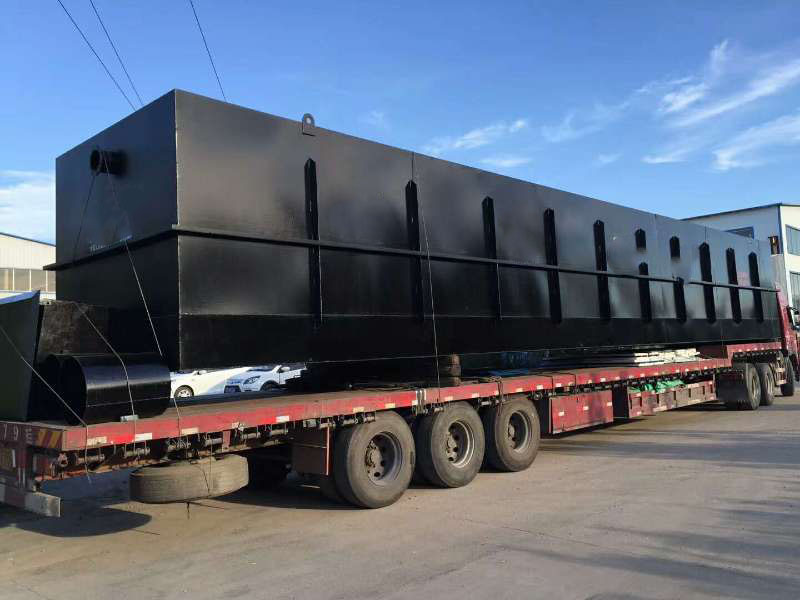
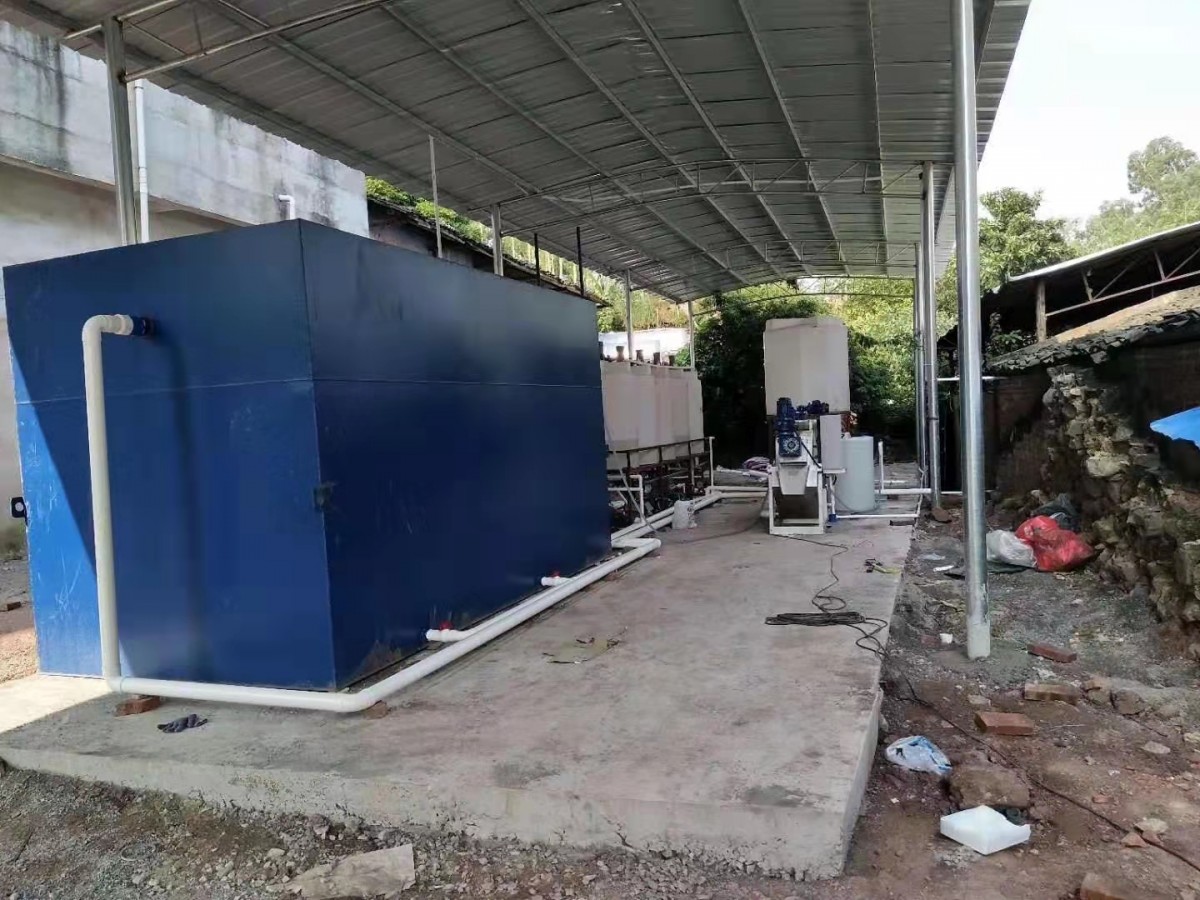
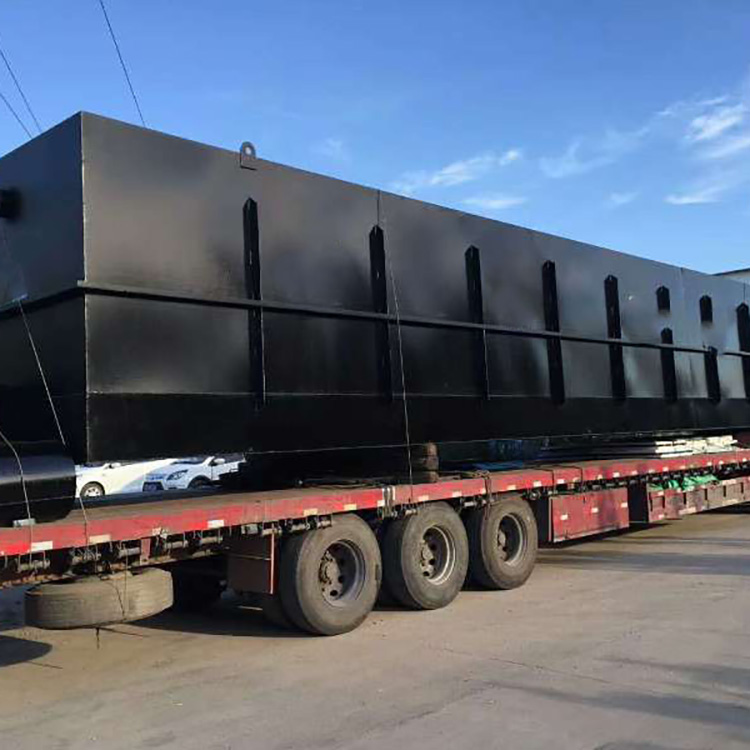
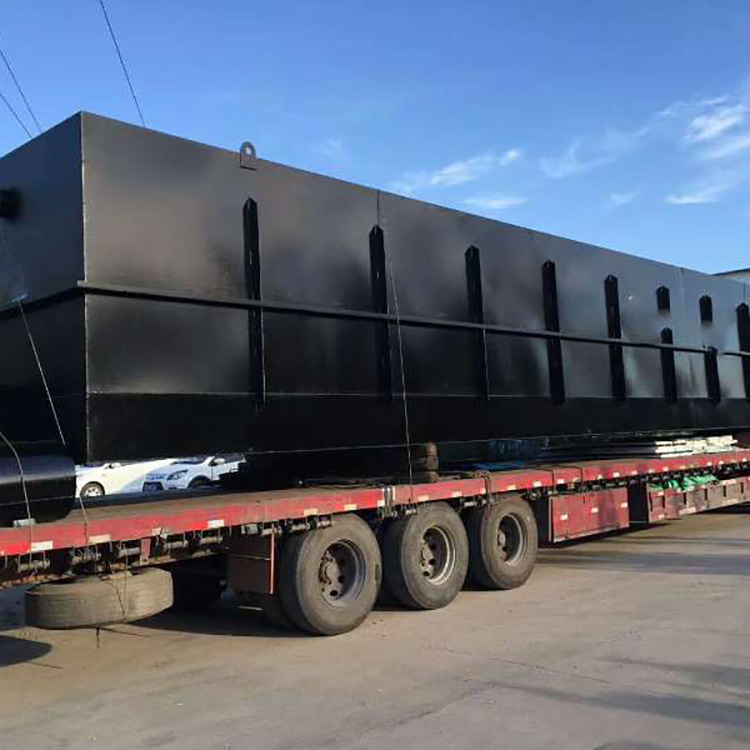
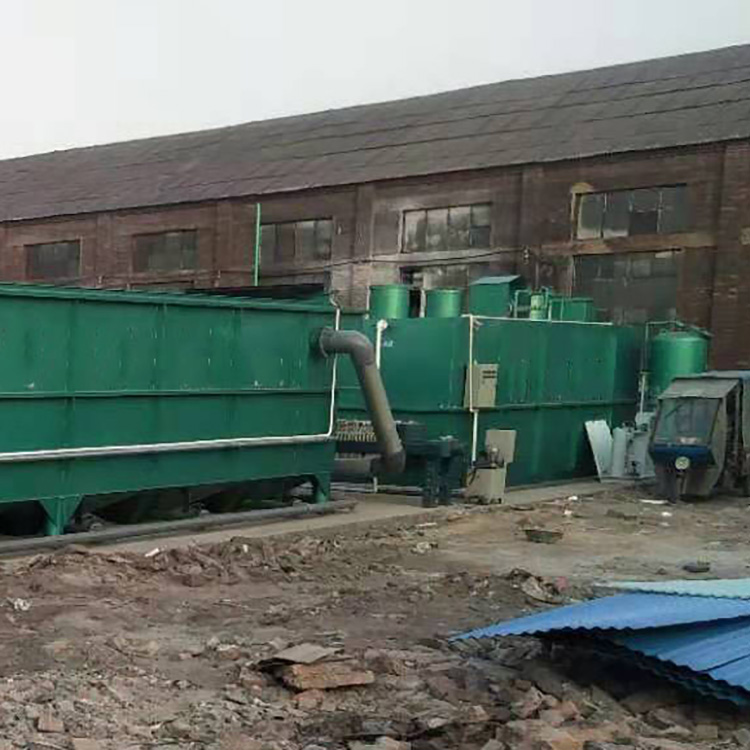
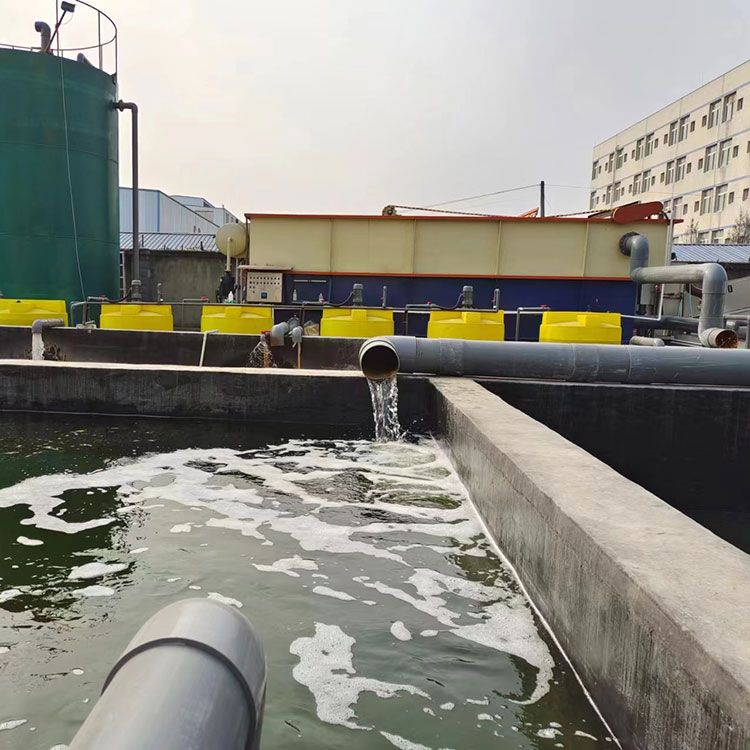
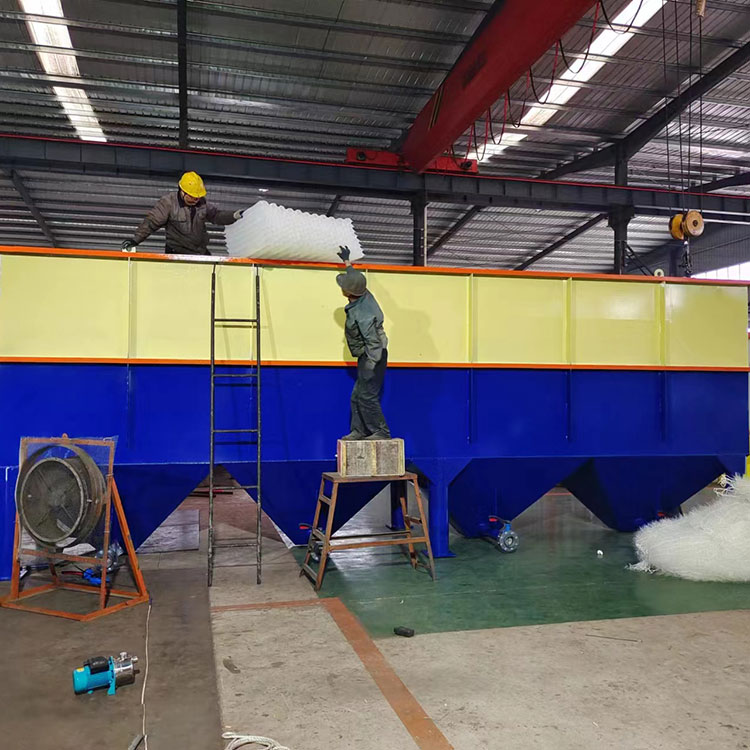
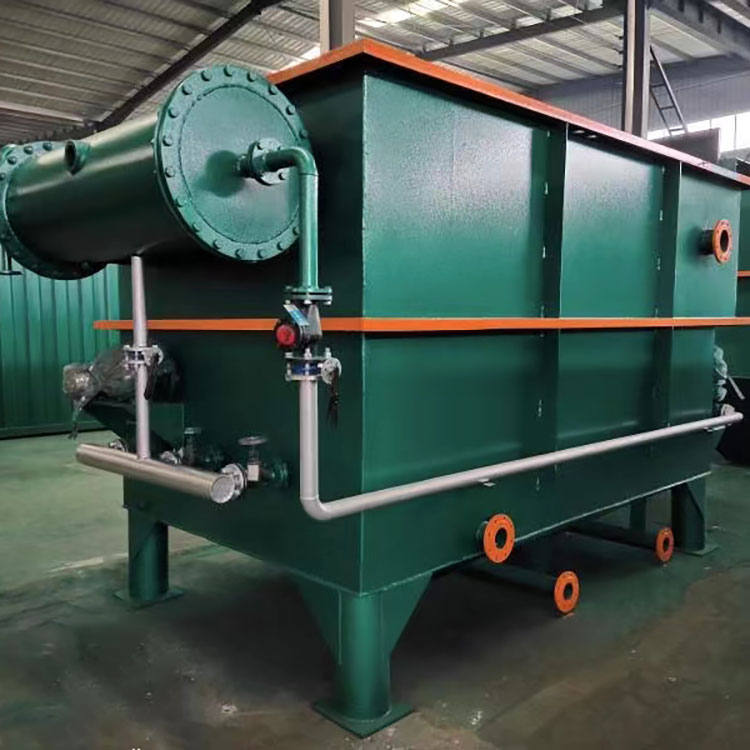
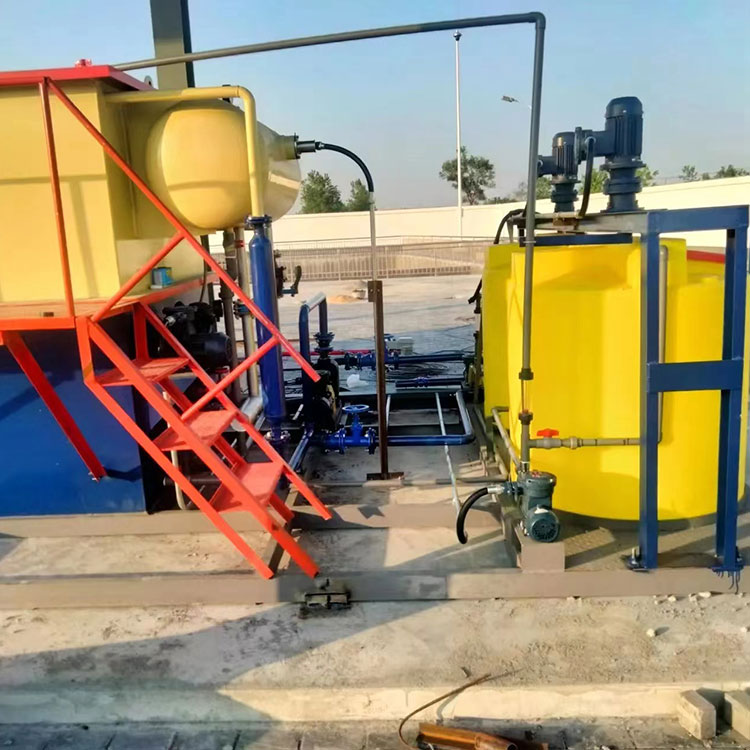
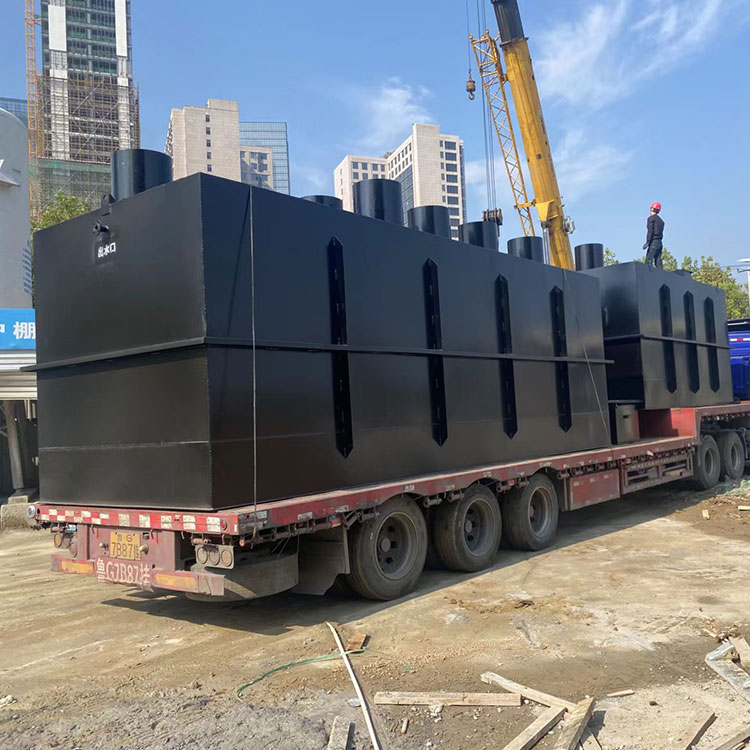
The SQWSZ integrated wastewater treatment equipment, developed and produced, has the following basic structure: The main body of the equipment is composed of anti-corrosion components made of glass fiber or carbon steel; it is equipped with a water distribution system, an underwater aeration system, and sedimentation and disinfection systems. During the wastewater treatment process, the wastewater is pumped into the anaerobic pool through water distribution pipes, where it rises evenly and comes into extensive contact with a large area of anaerobic bacteria, achieving the purpose of removing part of COD, decomposing macromolecular substances, and removing ammonia nitrogen. Then, the wastewater flows from the top of the unit into the aerobic pool, where the aeration machine underwater aerates and stirs the wastewater, allowing the incoming wastewater to quickly mix thoroughly with the existing mixed liquid, adapting to changes in incoming water quality to a great extent. Through the aeration system, the wastewater is evenly mixed, simultaneously increasing the dissolved oxygen content in the wastewater, ensuring a relatively uniform water quality across the pool, with similar quantities and characteristics of microorganisms. This results in almost identical working conditions across the aeration zone, controlling the entire biochemical reaction under favorable and uniform conditions. Organic matter is gradually degraded by microorganisms, leading to the purification of wastewater. After purification, the wastewater undergoes sedimentation in a sedimentation tank for mud-water separation, followed by disinfection in a disinfection tank for further treatment, ultimately achieving standard discharge.
High purification efficiency: COD removal rate is 85% to 90%, ammonia nitrogen removal rate is about 95%. The effluent meets the national "Water Pollutant Emission Standard for Meat Processing Industry" (GB 13457-92) and is qualified for discharge.
V. Process Features of Slaughterhouse Wastewater Treatment Equipment
The SQWSZ type integrated equipment developed and manufactured uses a bio-contact oxidation treatment process, which is smaller in volume than the activated sludge pond, has strong adaptability to water quality, excellent shock load resistance, stable effluent water quality, and does not cause sludge expansion.
2. The filler has a large specific surface area, making it easy for microorganisms to form and shed biofilms. Under the same organic load, it achieves a high removal rate of organic matter, offering stability and reliability. Additionally, it does not require the addition of chemicals, thereby saving subsequent costs and reducing operating expenses.
3. Hydrolysis and acidification can effectively treat wastewater with blood color, decompose large molecular organic matter, reduce the workload of subsequent treatment, and save on investment.
4. Ideal sedimentation effect, yielding better water quality output.
5. Disinfection processing, removal rate exceeds 99.4%;
6. Properly manage excess sludge to ensure stable and reliable system operation, facilitate sludge discharge, and minimize manual operations.
7. Utilizes a unique construction method to significantly minimize the spread of odors.
8. Operation and management are simple, allowing for adjustments to operational status based on actual conditions to achieve desired performance effects.
9. High purification efficiency, BOD removal rate up to 85% to 90%, effluent meets national second or first-class discharge standards.
10. Capable of treating wastewater from the屠宰 industry and similar industrial organic wastewater.
Six. Advantages of Slaughterhouse Wastewater Treatment Equipment
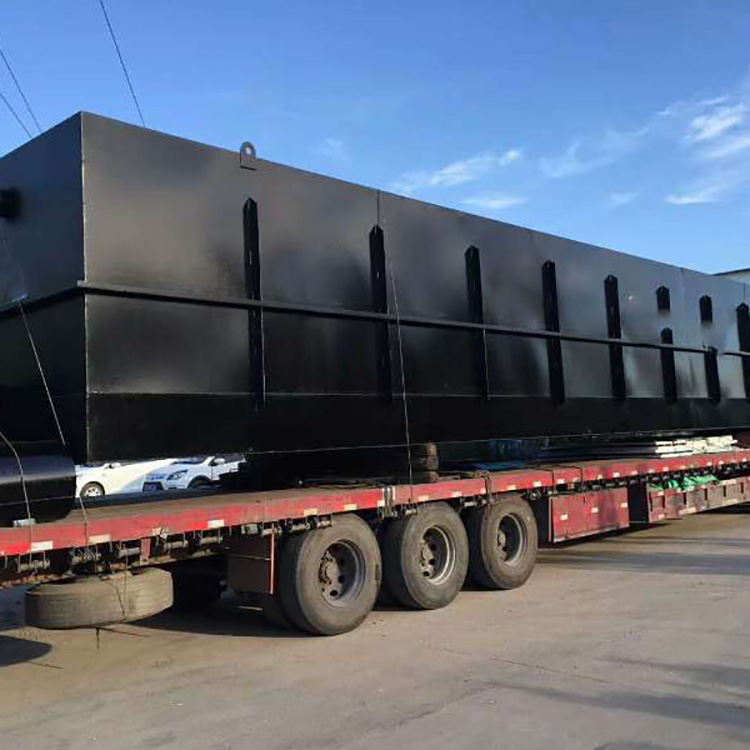
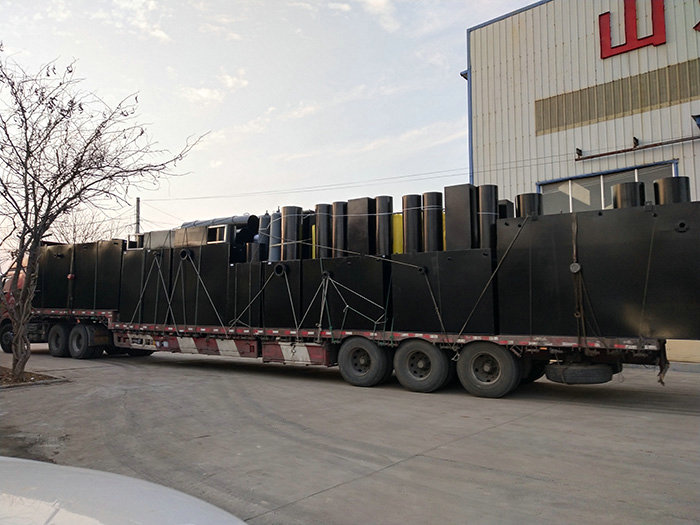
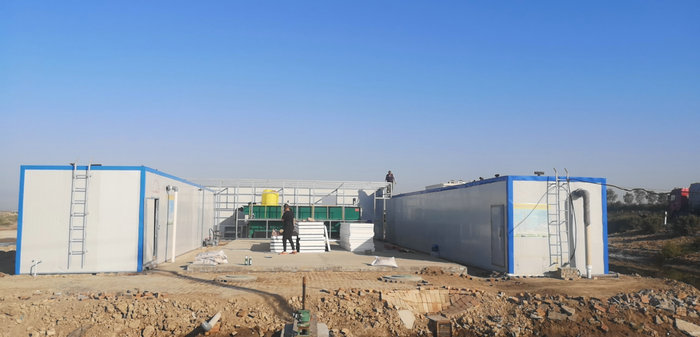
1. The SQWSZ integrated wastewater treatment equipment, developed and manufactured, is made of carbon steel with corrosion protection or stainless steel components, assembled on-site, weighing light and easy to transport, with convenient installation.
2. Utilizes glass fiber, carbon steel, and stainless steel corrosion-resistant structures, boasting excellent properties like corrosion resistance and aging resistance, with a service life of over 30 years.
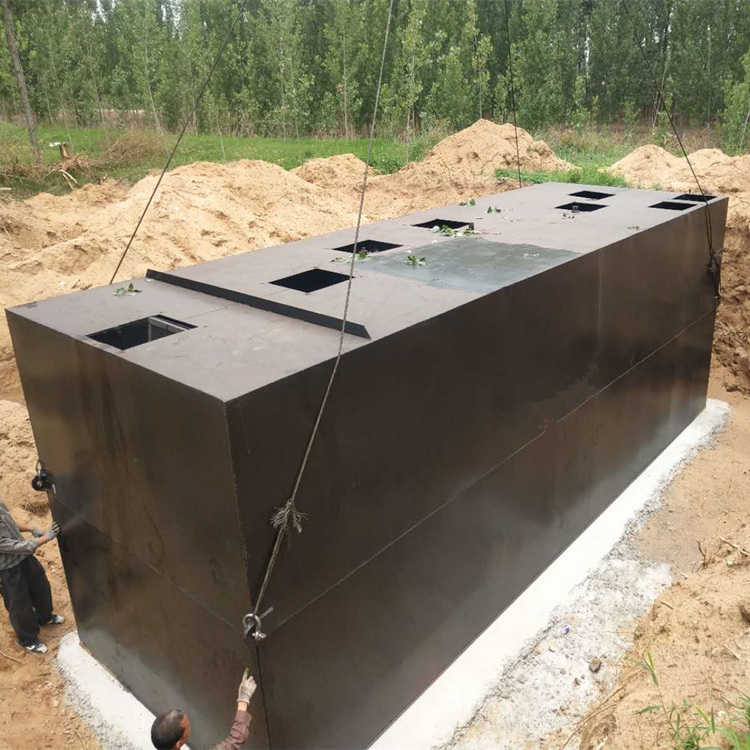
3. Located beneath the ground surface, the surface above the equipment can be used for landscaping or other purposes without the need for construction or heating/insulation. This maximizes system integration and minimizes land occupation.
4. Pollution-free, noise-free, odor-free, reducing secondary pollution.
5. Unlimited by wastewater volume, flexible and versatile; can be used individually or in combination with multiple units.
6. Targeted for effective removal of organic matter and ammonia nitrogen from wastewater.
7. The entire equipment processing system is equipped with an automatic electrical control system and a device fault alert system, ensuring safe and reliable operation. It typically requires no dedicated personnel for management, only occasional maintenance and care for the equipment, resulting in low management costs.
8. A significant feature is the ability to integrate wastewater treatment into landscaping. The integrated equipment buried underground not only ensures excellent effluent quality but also achieves a ground cover绿化 rate of over 90%. By using special cold-resistant, water-loving species or lawns, creating a landscape that combines streams, fountains, ponds, and fish pools, we transform polluted water into clear springs. This not only treats wastewater but also beautifies the environment, fulfilling people's desire to live by mountains and waters.