






Features and Challenges of Soya Product Wastewater Treatment
Hebei Province, Mianyang City, a certain soy product processing factory is a large-scale agricultural deep processing base integrating food research and development, production, and sales. Its main products include soy milk powder, oat flakes, etc. The main source of production wastewater comes from the wastewater of soy soaking and scalding in the soy milk powder production process, and the cleaning wastewater produced in the syrup workshop. Its characteristics are high content of organic matter (proteins, starch, sugar), prone to spoilage, but free of harmful substances, easy to degrade, and weakly acidic wastewater. The UASB reactor has the characteristics of a large amount of biomass in the sludge bed, high volume load, high removal rate, and stable effluent water quality.
Solutions and Technical Processes
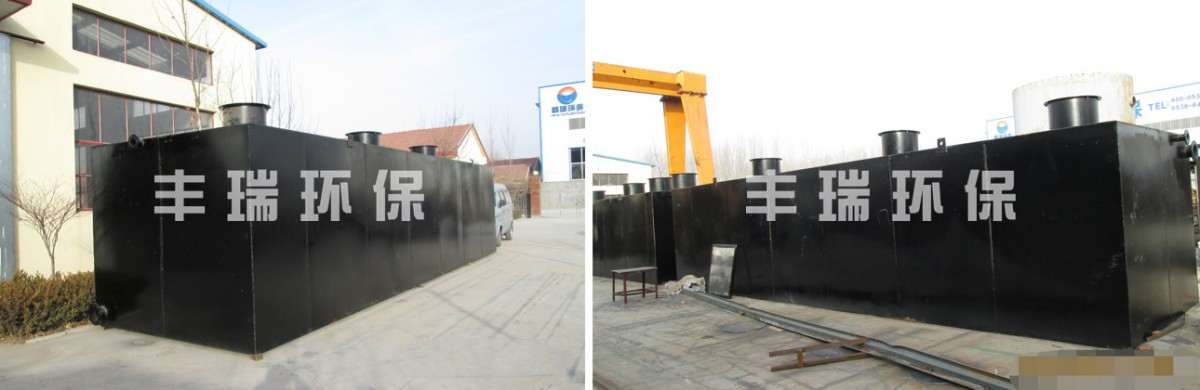
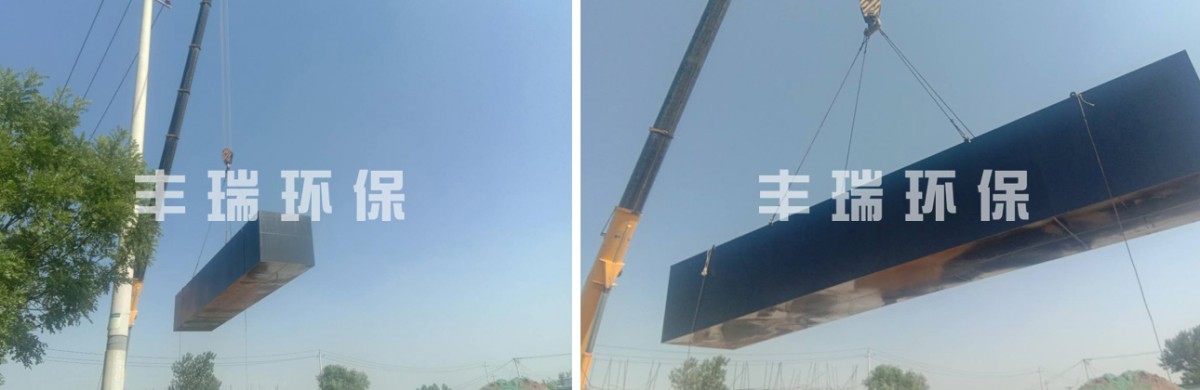
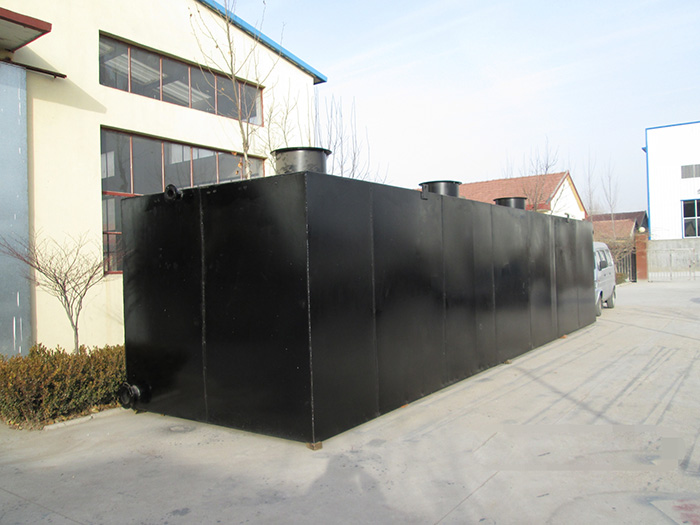
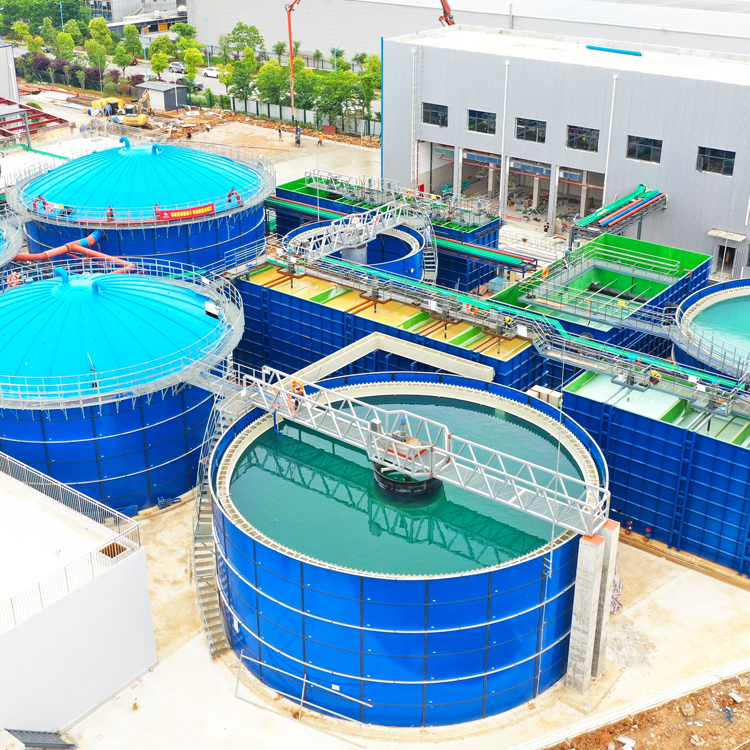
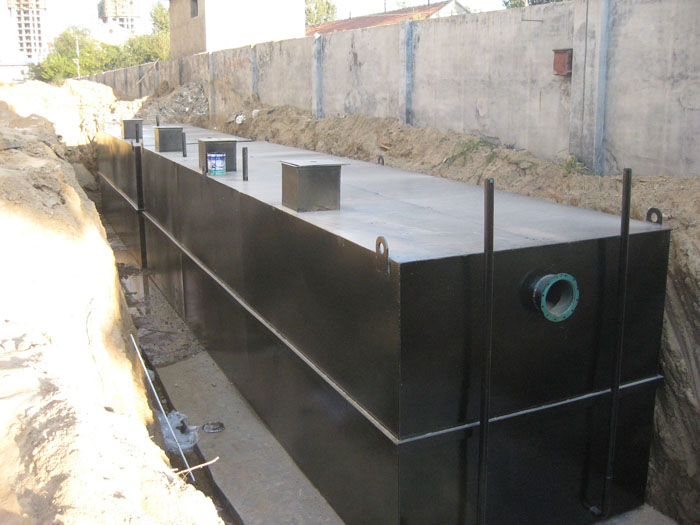
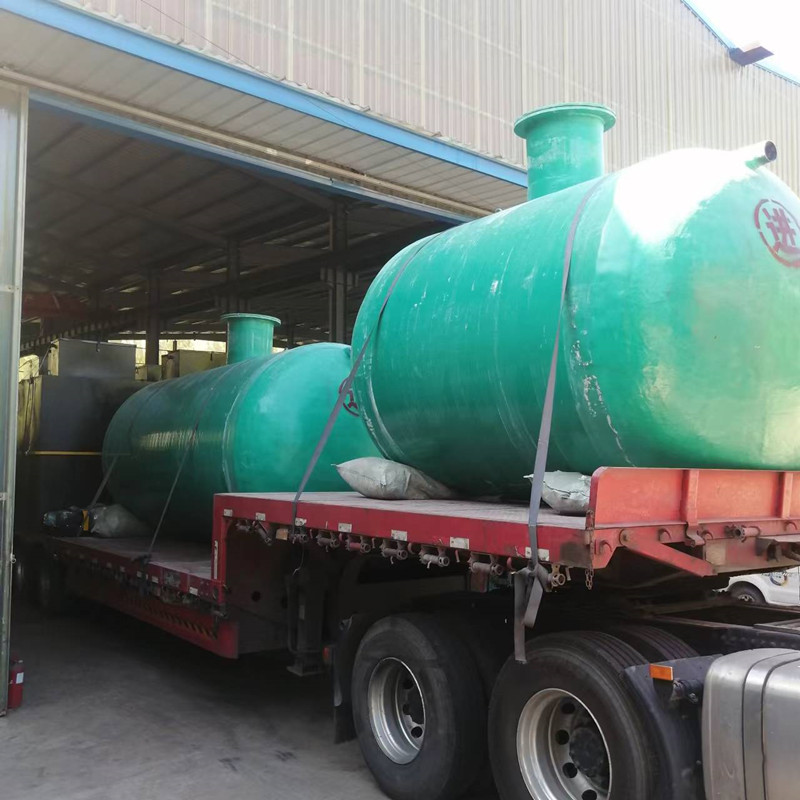
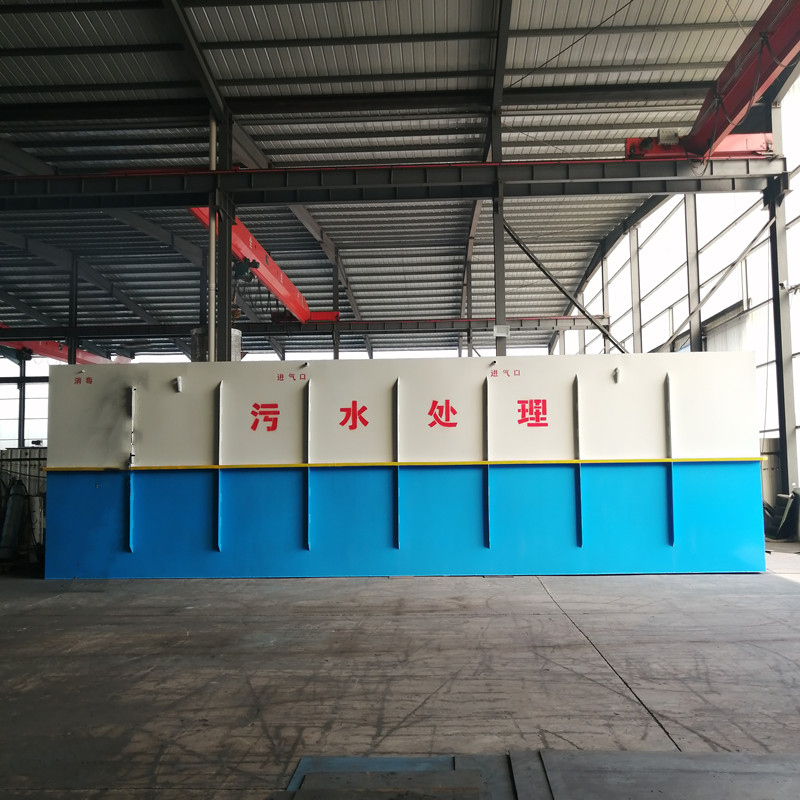
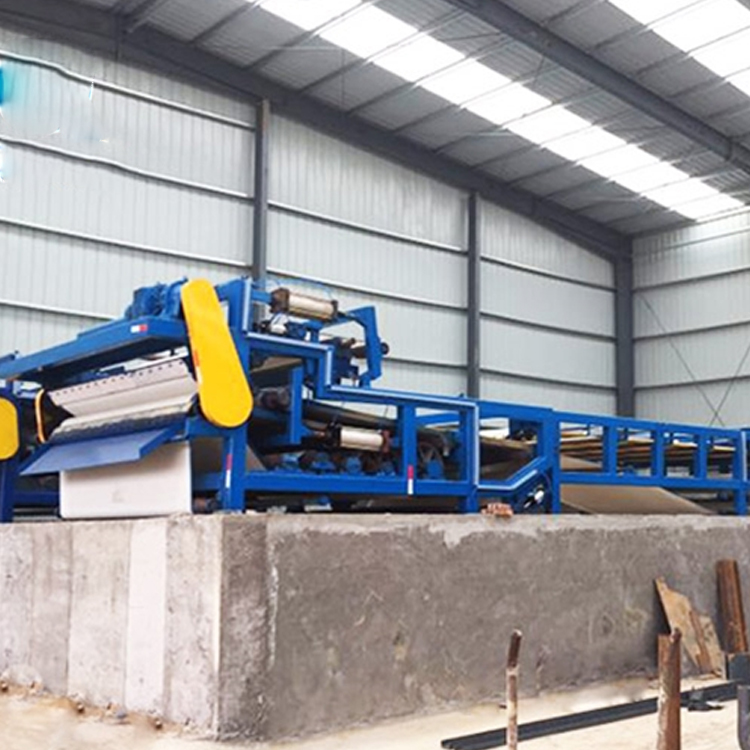
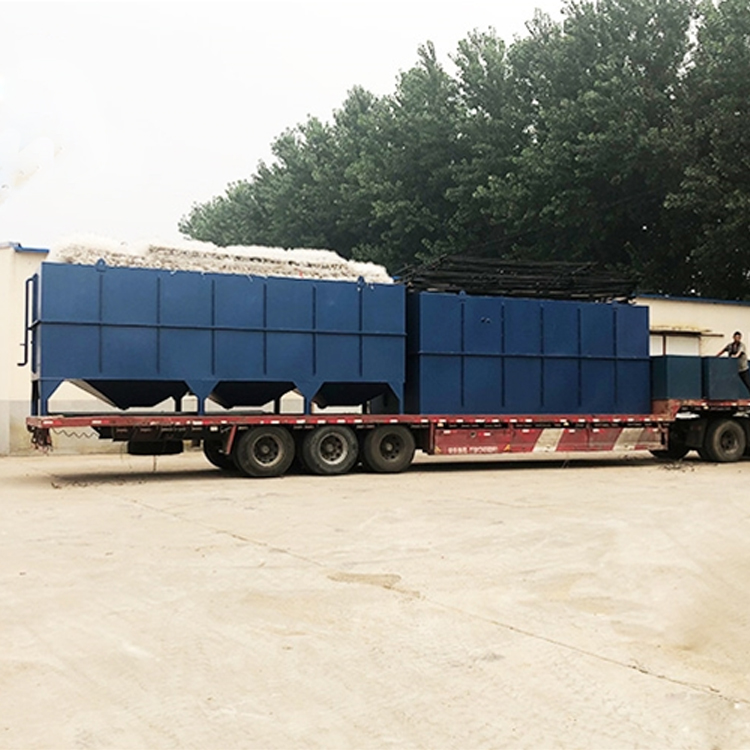
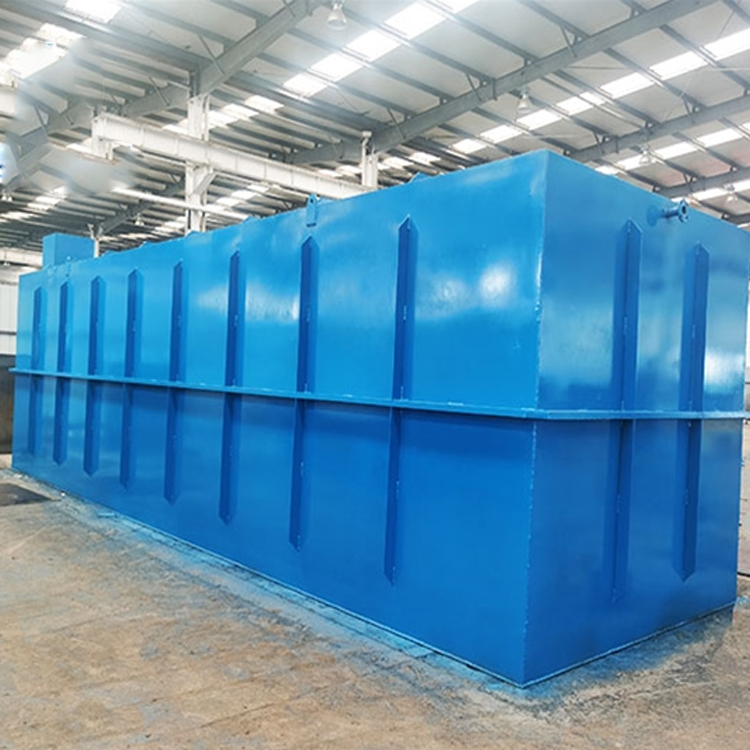
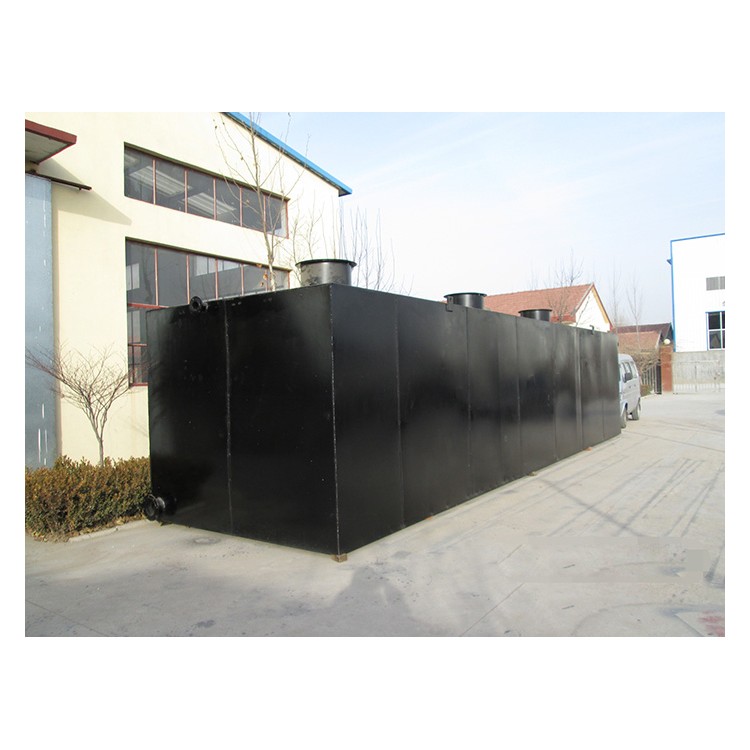
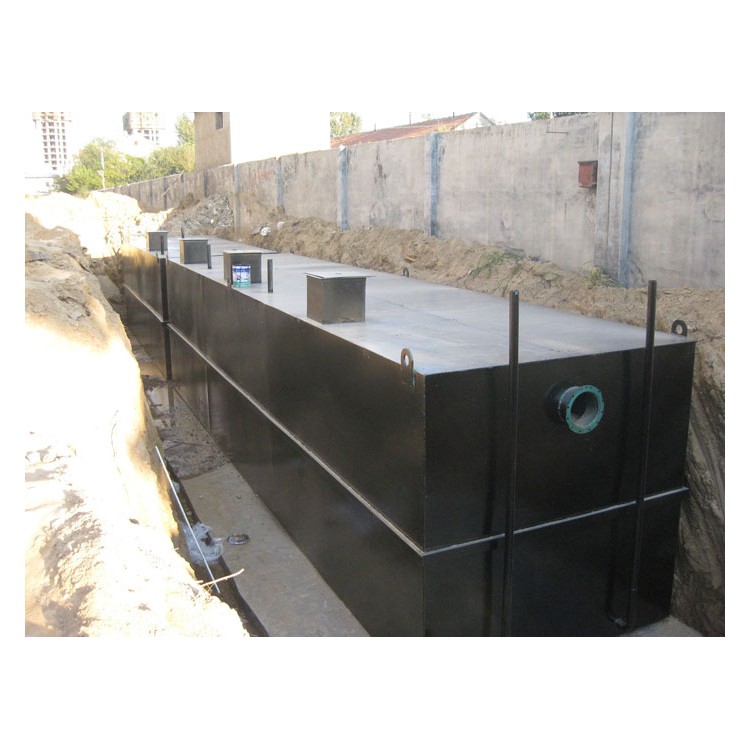
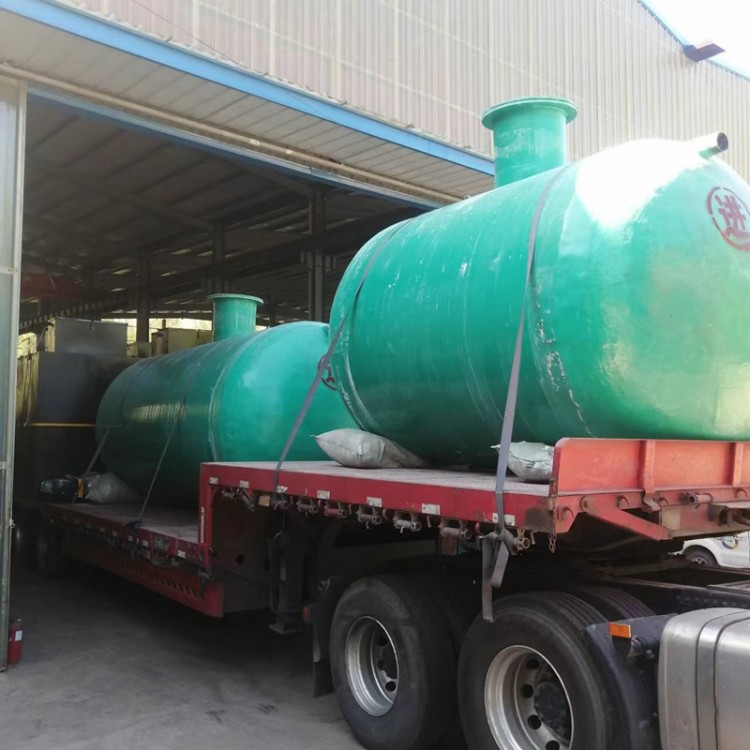
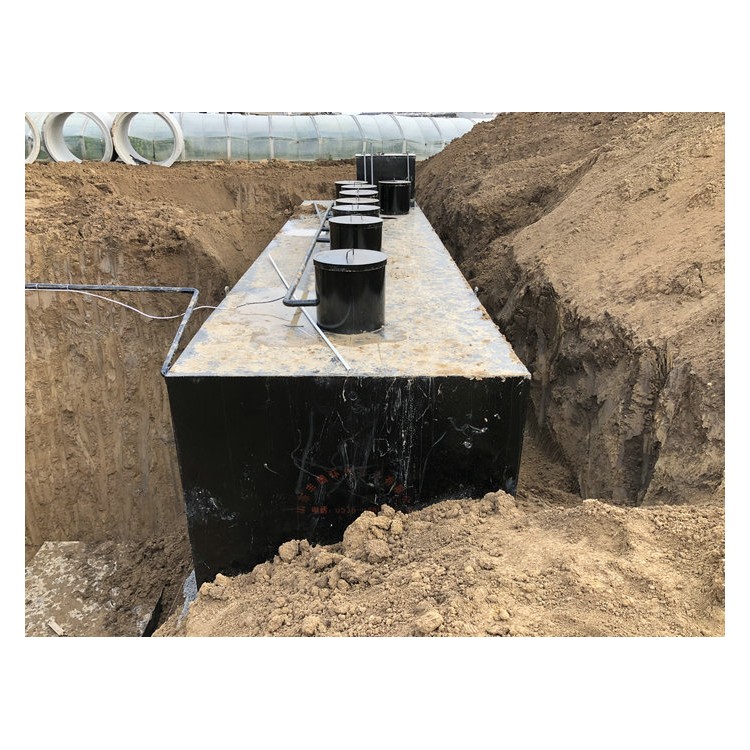
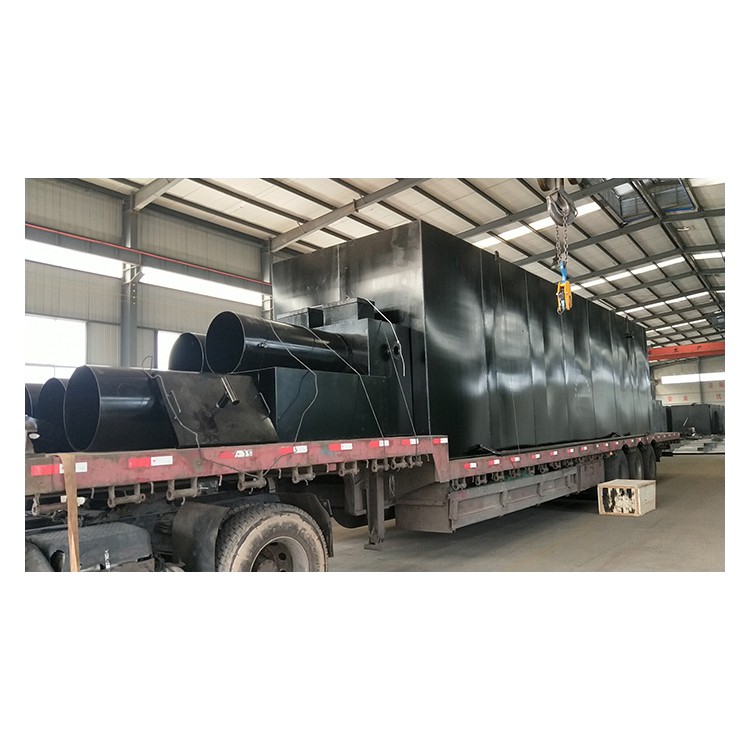
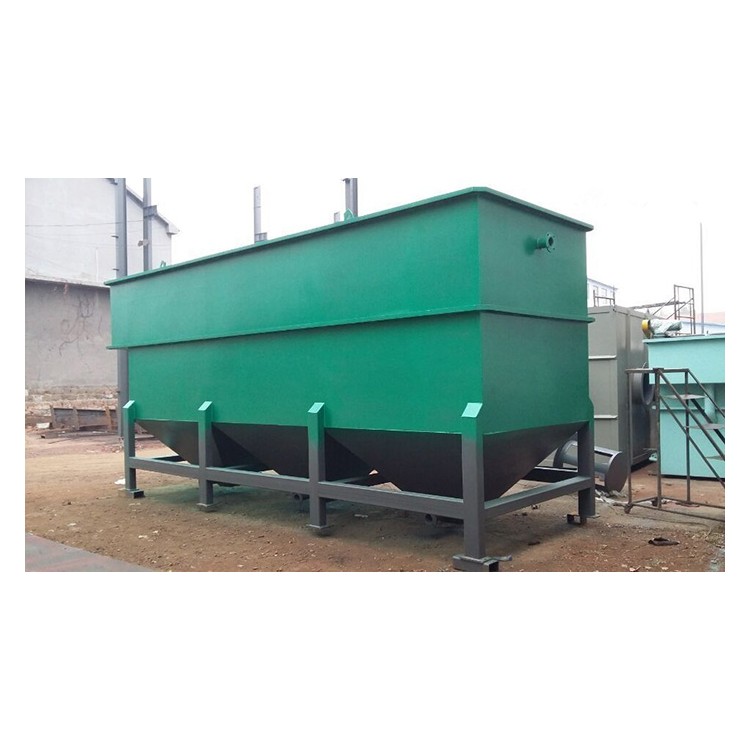
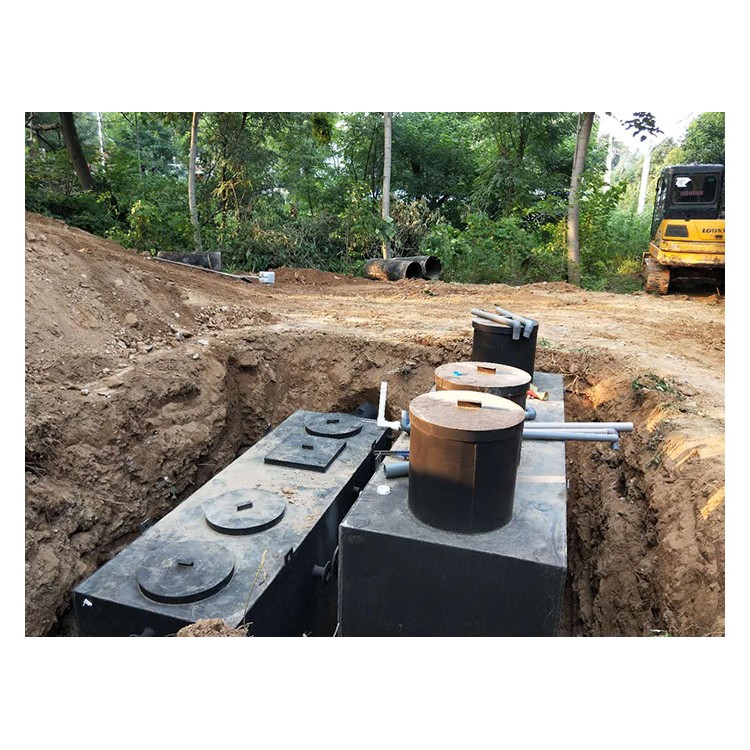
Based on the actual investigation of this bean product processing enterprise, through on-site surveys, data research, and a comprehensive analysis of the local environmental monitoring station's data, our technical team has formulated a corresponding process flow for the enterprise, effectively resolving the issue of wastewater treatment from the production of bean products and domestic sewage. The UASB reactor boasts features such as a high biomass in the sludge bed, high volumetric loading, high removal rate, and stable effluent water quality, hence the adoption of a treatment solution using the UASB + two-stage contact oxidation + coagulation sedimentation process for high-concentration organic wastewater.
Processed Effect
The wastewater treatment system designed for this bean product processing enterprise has good effluent quality. The main water quality indicators meet the discharge standards, effectively adapting to fluctuating influent water quality. The effluent can reach the comprehensive sewage discharge standards, effectively addressing the issue of high COD in such wastewater. Based on actual requirements and design processes, a treatment process of UASB + two-stage contact oxidation + coagulation and sedimentation is adopted to improve water quality, meet effluent standard requirements, and ensure the long-term stable operation of the wastewater treatment system.