







Characteristics and Challenges of Food Waste Sewage Treatment
The company is a food processing enterprise that produces and sells frozen vegetables, frozen fruits, frozen processed foods, dried vegetable products, vegetable chips, and dried fruit products. During the food processing production, the company generates some wastewater, primarily consisting of cleaning wastewater, cooling water, and some oil-containing wastewater from the processing of certain foods. The wastewater typically contains some solid suspended matter, residual vegetable juice, and a small amount of oil.
Food Waste Water Solution and Treatment Process Features
The pretreatment of wastewater is crucial for the effective operation of the entire system. Solid suspended matter in food wastewater is decomposable organic matter.拦截 it before entering the treatment system helps prevent blockages in subsequent pipelines and equipment, extending the lifespan of the equipment. Additionally, it prevents suspended solid organic matter from decomposing into dissolved organic matter, which could lead to an increase in the CODCr and BOD5 concentrations of the wastewater. When processing peach products, caustic soda is added, resulting in alkaline water quality, and pH adjustment needs to be considered.
Water Quality Output Chart
In response to the customer's requirements for the effluent quality of wastewater treatment, the standard meets the first-grade B standard of the "Comprehensive Emission Standard for Urban Wastewater" GB18918-2002.
Processed Effect
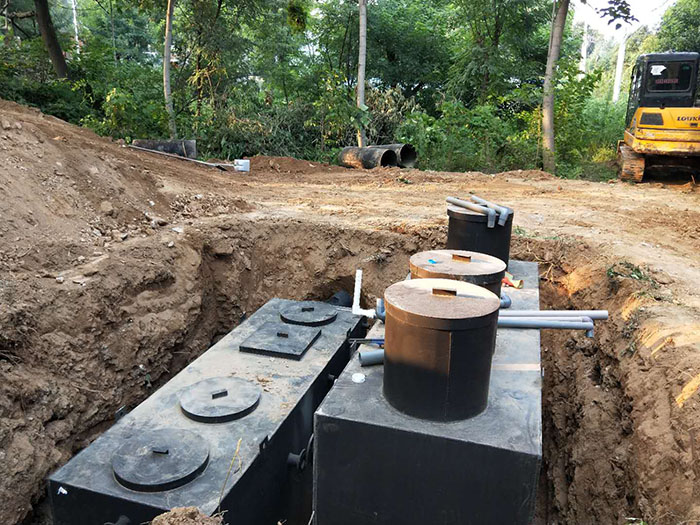
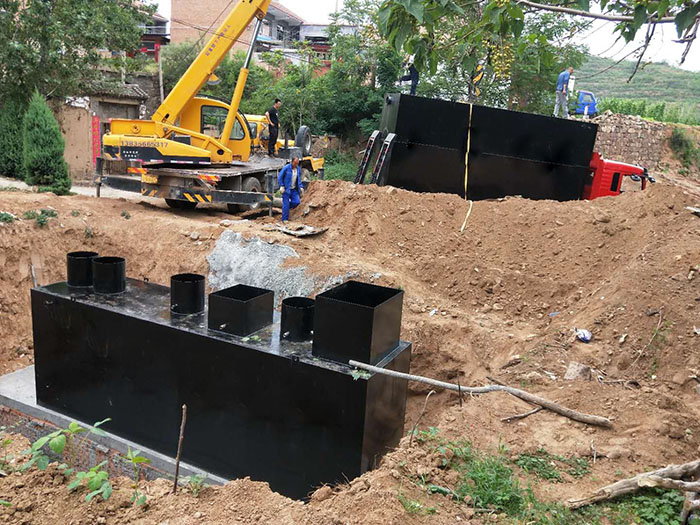
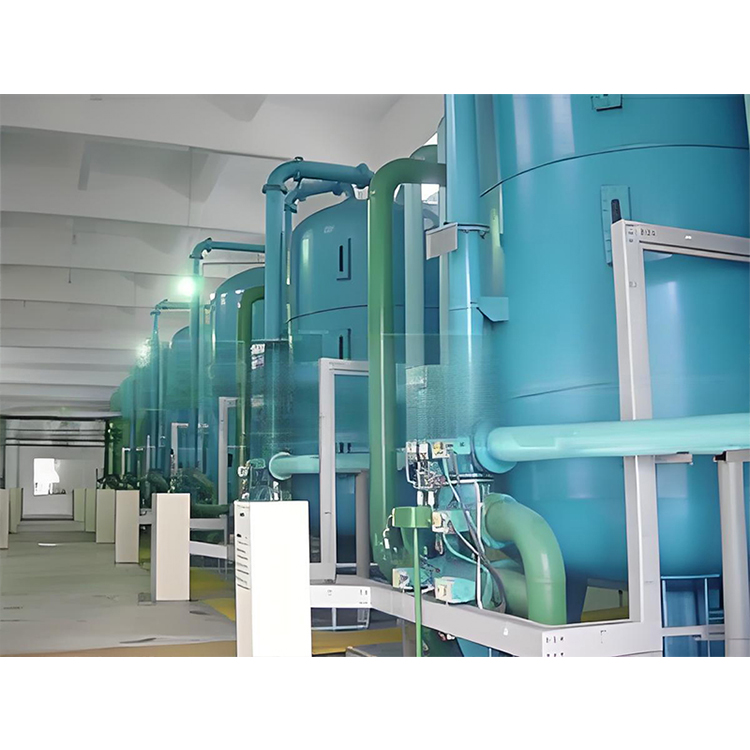
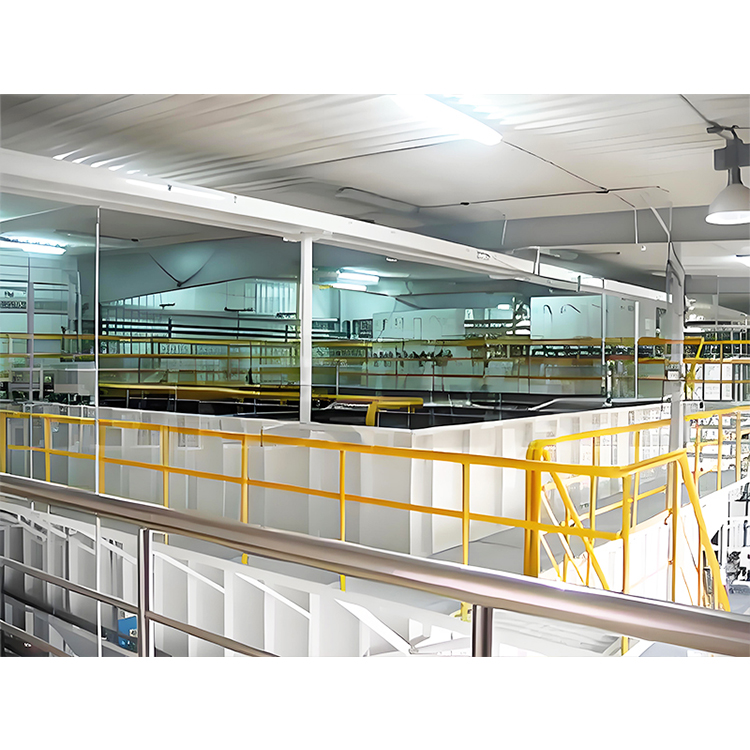
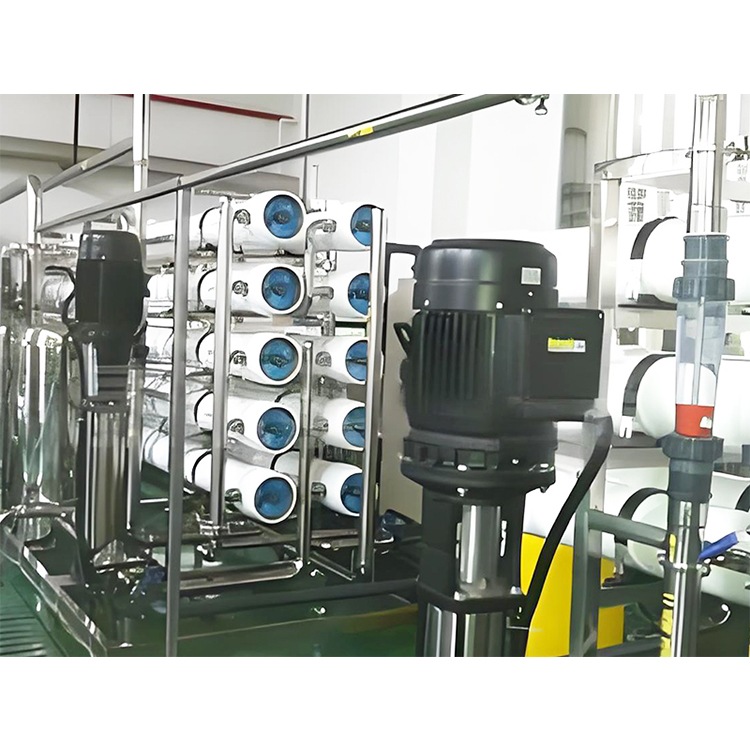
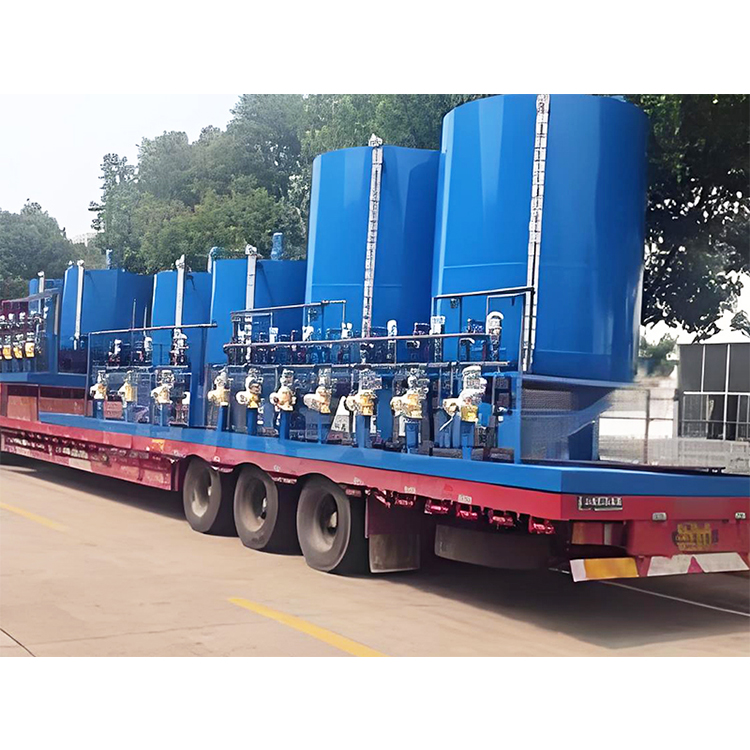
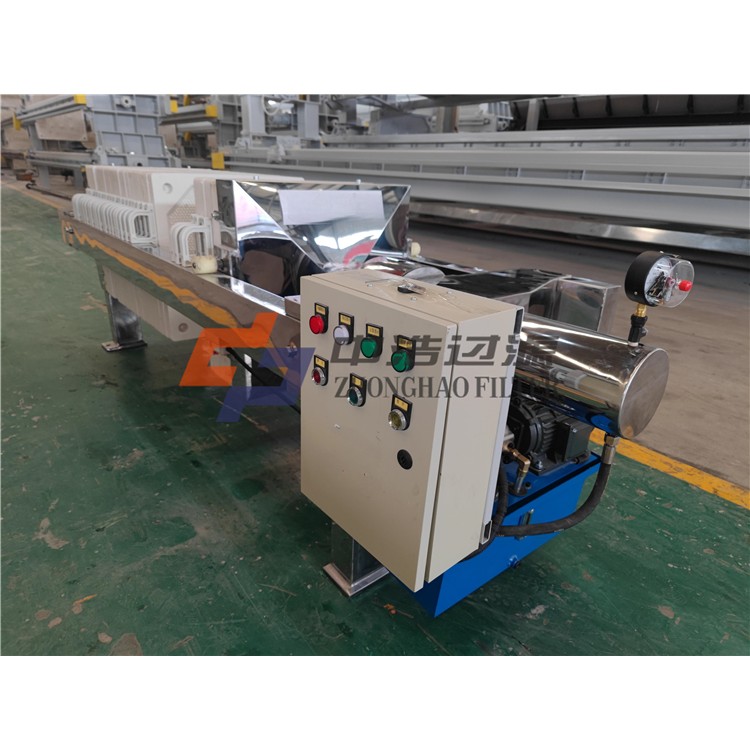
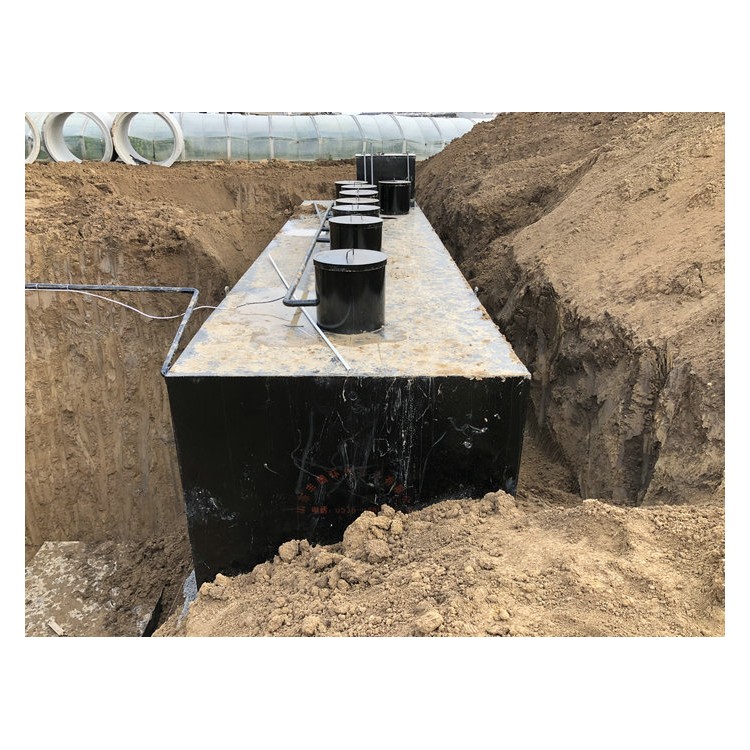
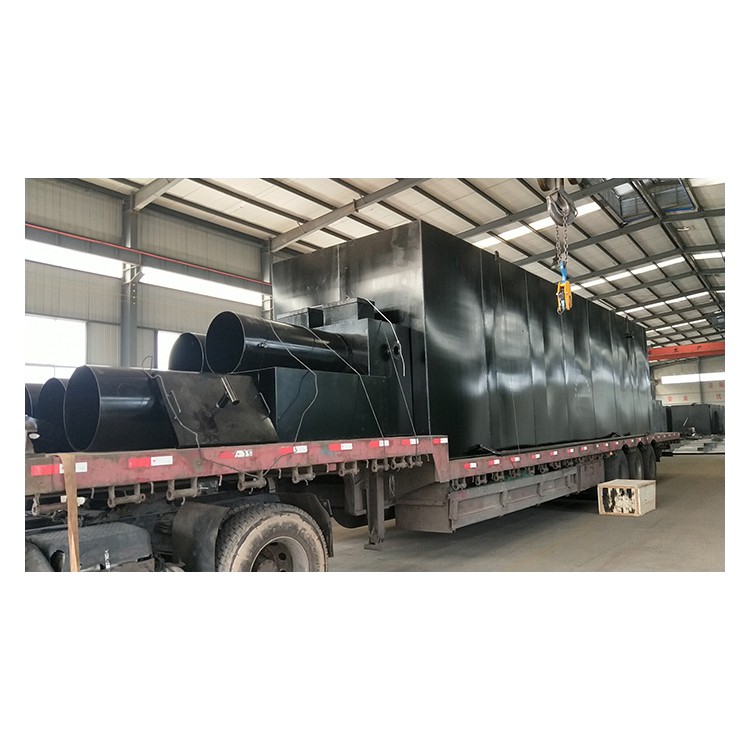
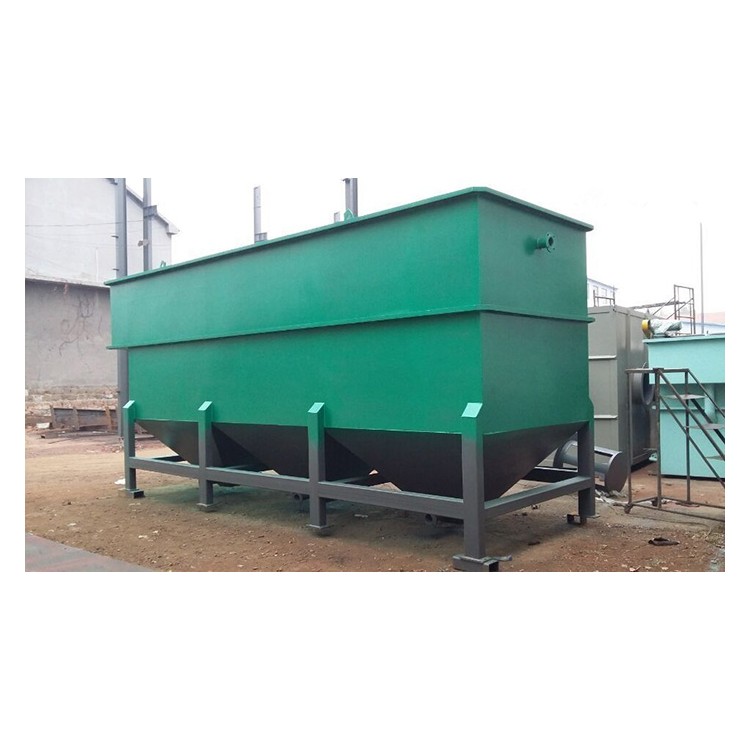
The wastewater treatment system designed for this fruit and vegetable food processing plant produces excellent effluent quality. The main water quality indicators meet the discharge standards, effectively adapting to unstable influent water quality. The effluent can reach the first-class B standard of "Comprehensive Discharge Standard for Urban Wastewater" GB18918-2002. It effectively addresses the complex water quality situation, where wastewater typically contains some solid suspended matter, residual vegetable juice, and a small amount of oil. According to actual requirements and design technology, the mechanical filtration + biological contact oxidation + sedimentation + disinfection process, i.e., the A/O process, is adopted to improve water quality, meet effluent standard requirements, and provide a low-cost operation with excellent treatment results and convenient daily operation.