










I. Overview of Aquaculture Wastewater
With the rapid development of China's animal husbandry industry, the pollution from breeding wastewater will continue to worsen, and the prevention and control of this pollution is urgent. Breeding wastewater exhibits typical "three high" characteristics. The CODCR ranges from 3000 to 12000 MG/L, ammonia nitrogen from 800 to 2200 MG/L, with SS exceeding dozens of times. Limited by the breeding industry, the current treatment processes can only significantly reduce the CODCR, while ensuring compliance with ammonia nitrogen emissions remains a significant technical and economic challenge. The treatment of wastewater from large-scale animal husbandry is now receiving high attention from farm owners and relevant departments. It is urgent to implement a series of preventive measures and adopt economically efficient treatment technologies. With the continuous updating of national wastewater discharge standards, the issue of meeting the standards for high-concentration breeding wastewater discharge has become more prominent.
Section II: Application Range of Aquaculture Wastewater Treatment Equipment
Suitable for wastewater generated from various farms (chicken farms, pig farms, cattle farms, etc.).
Section 3: Advantages of Integrated Aquaculture Wastewater Treatment Equipment
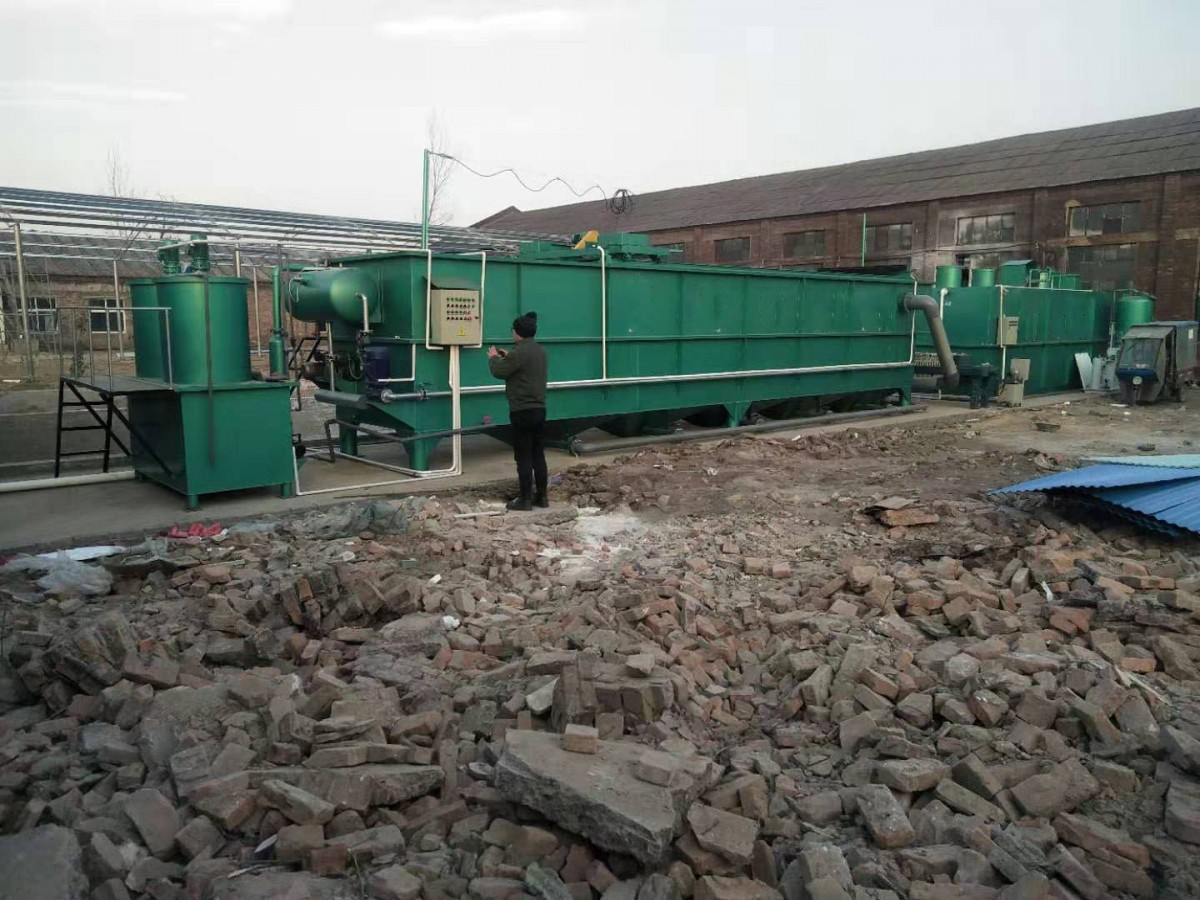
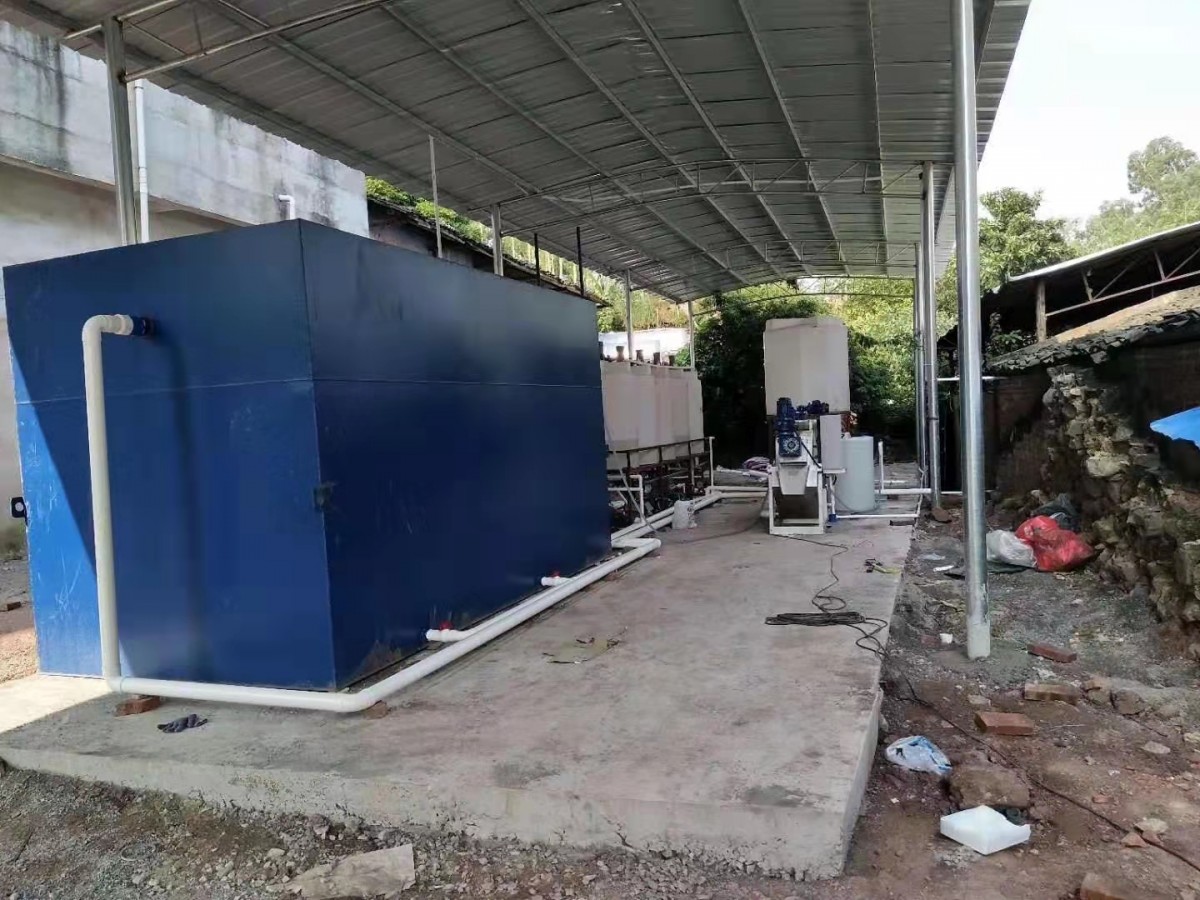
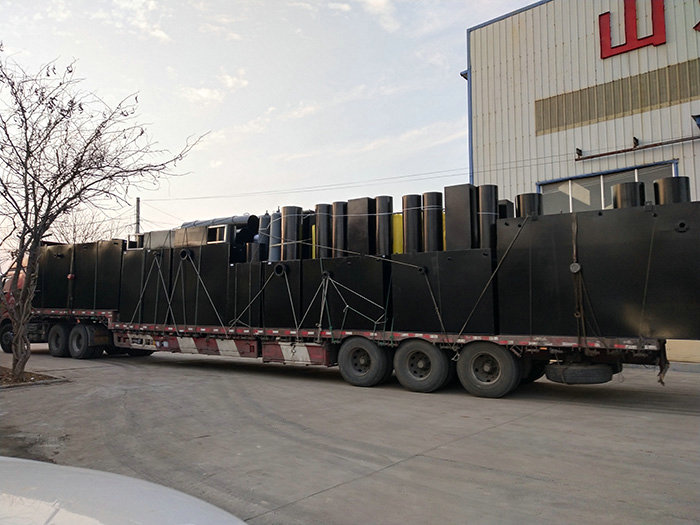
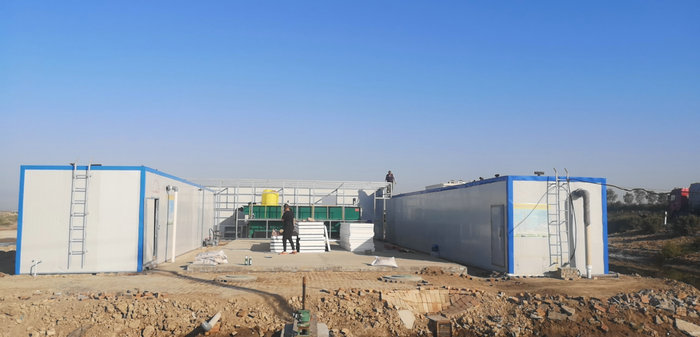
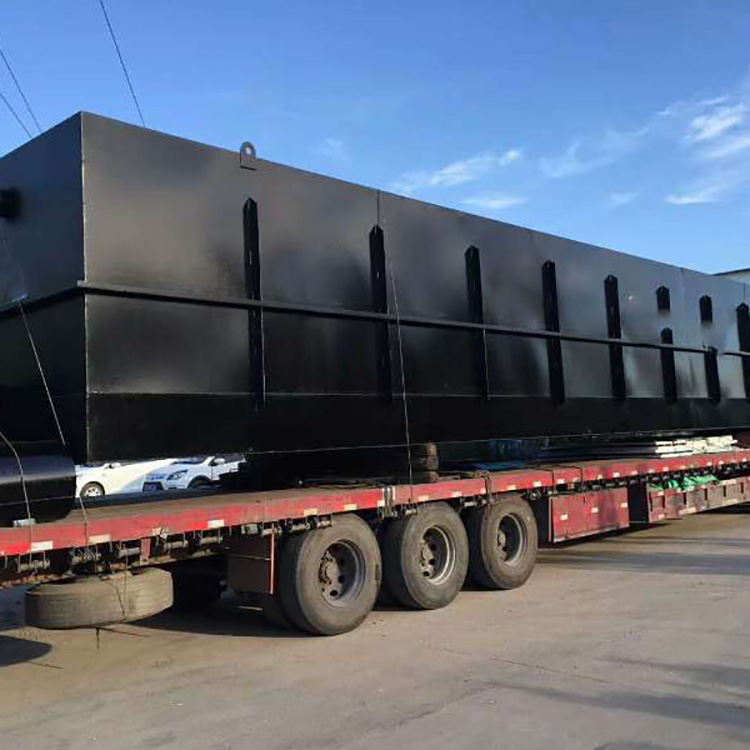
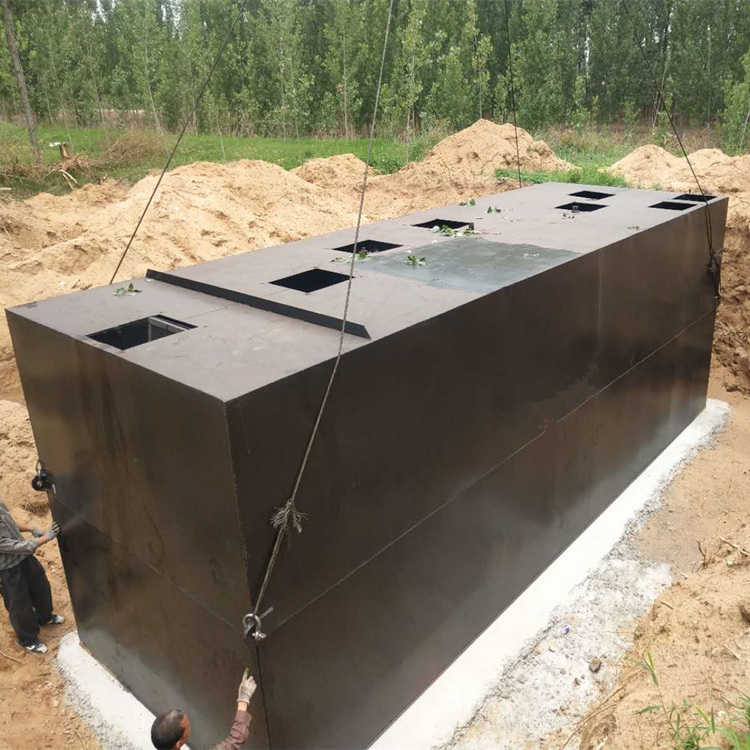
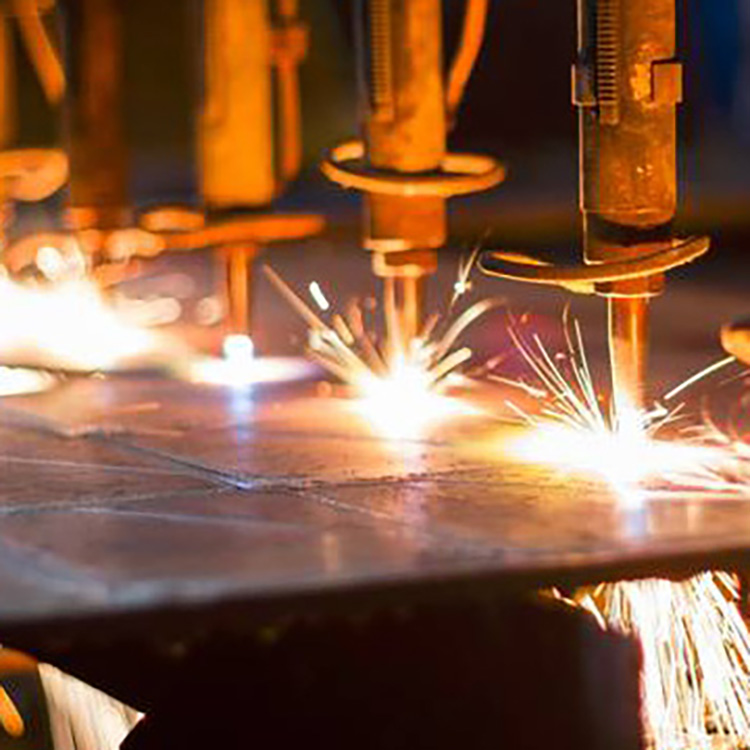
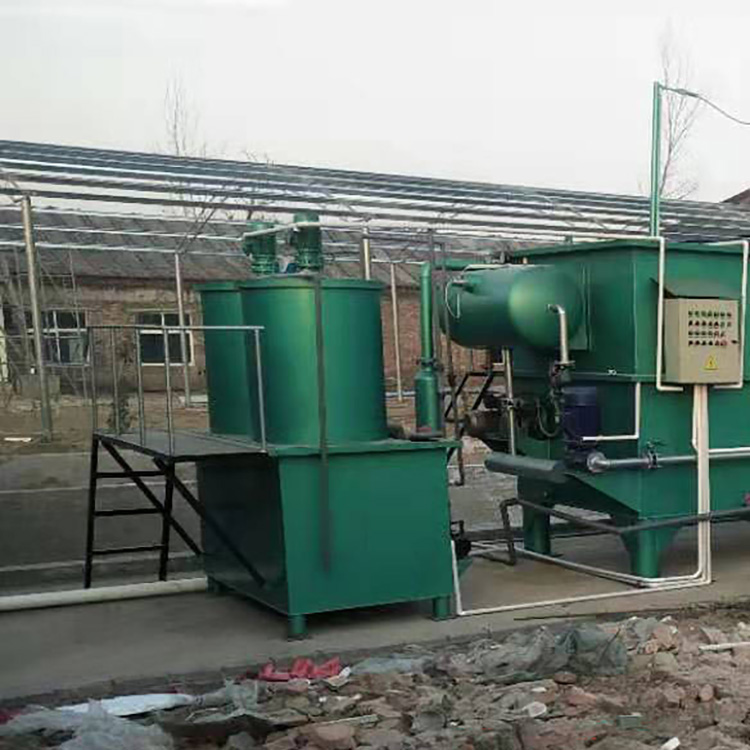
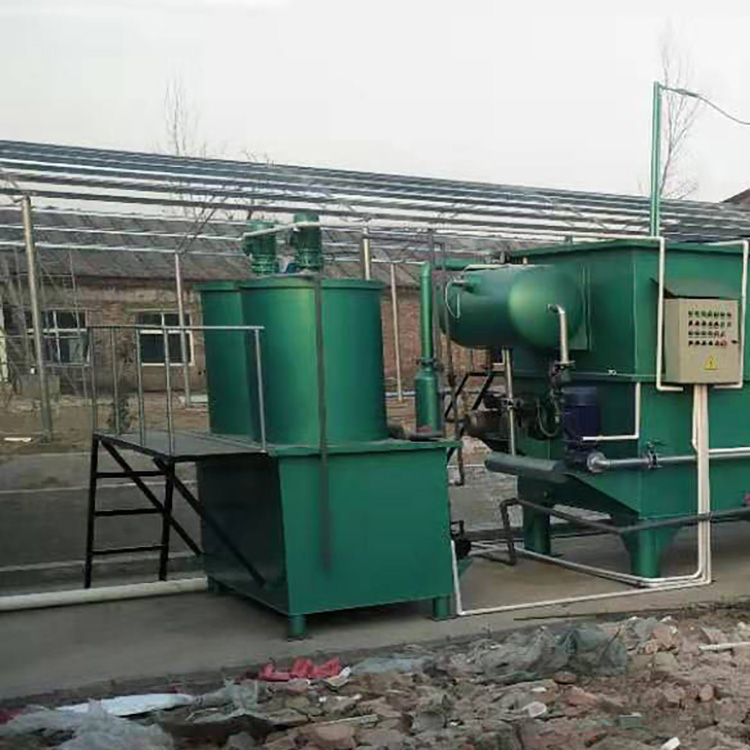
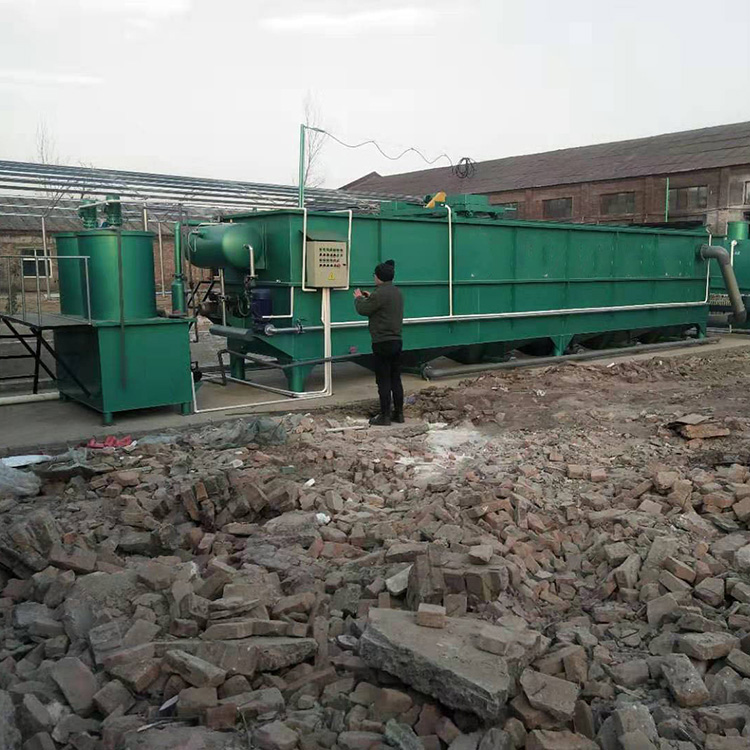
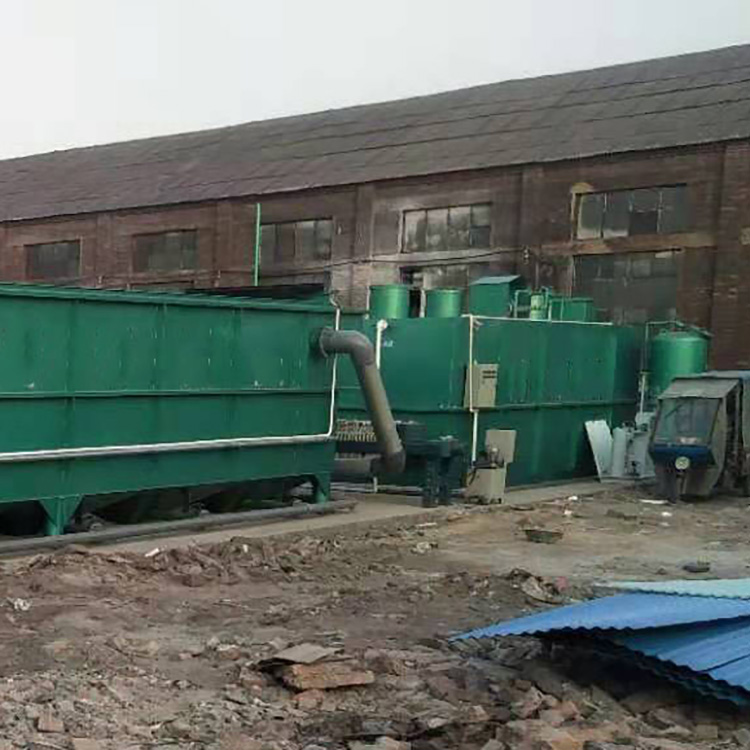
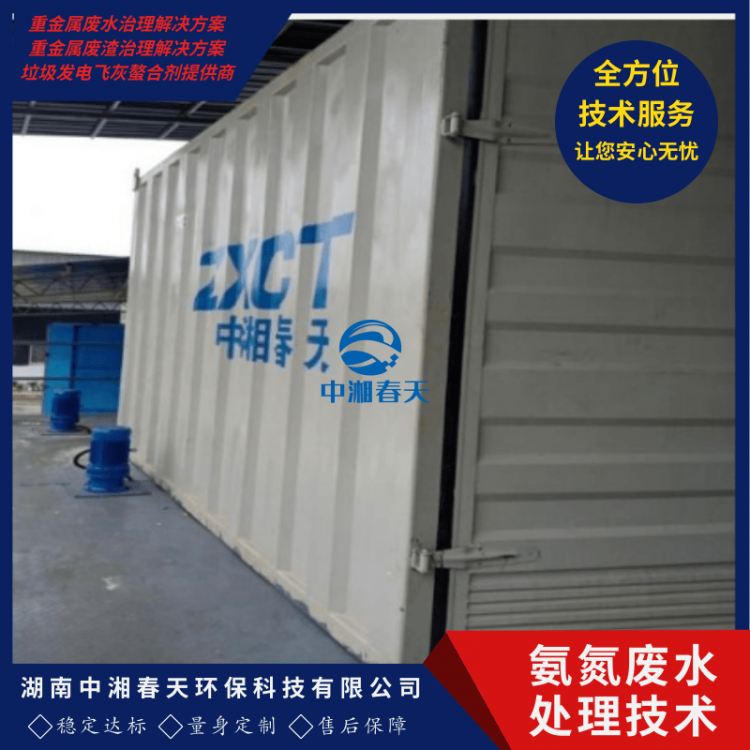
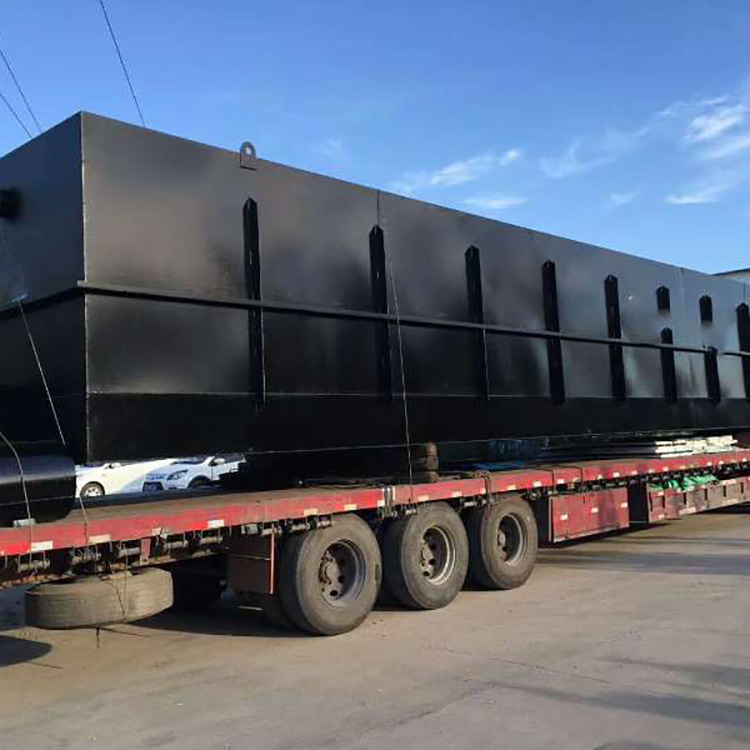
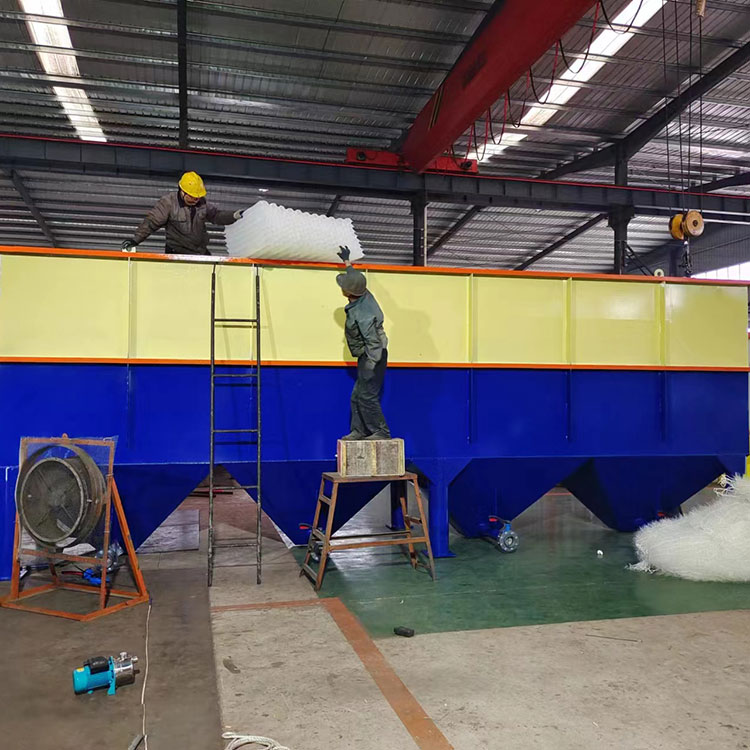
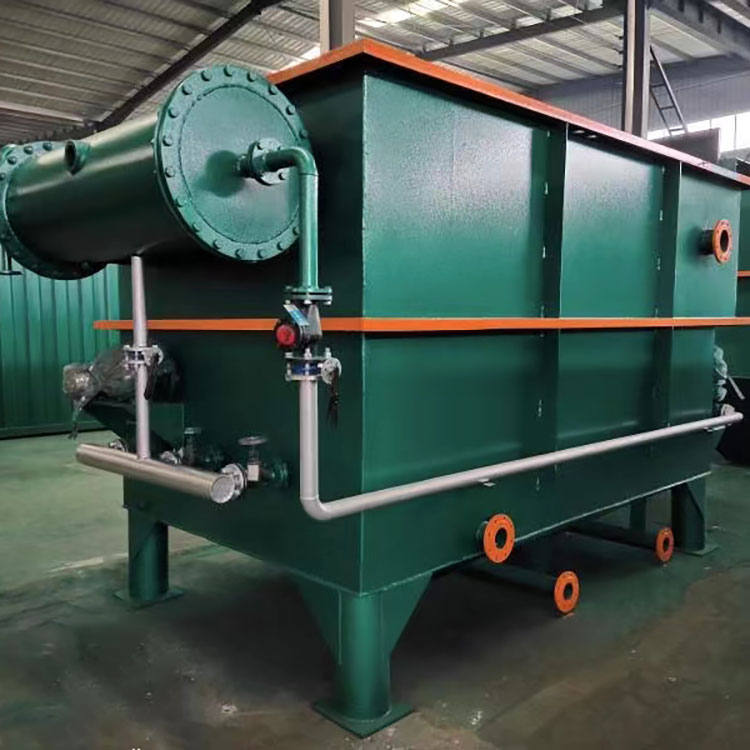
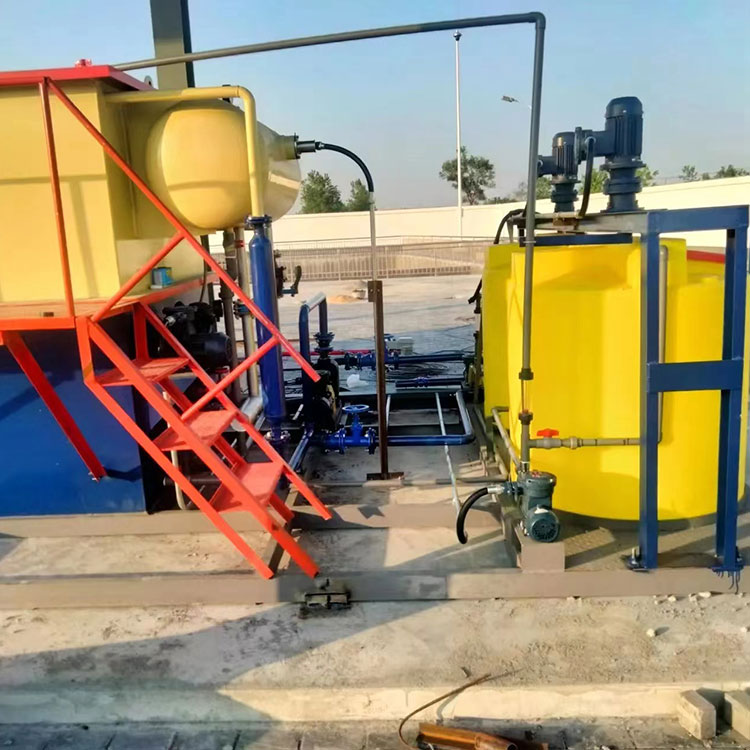
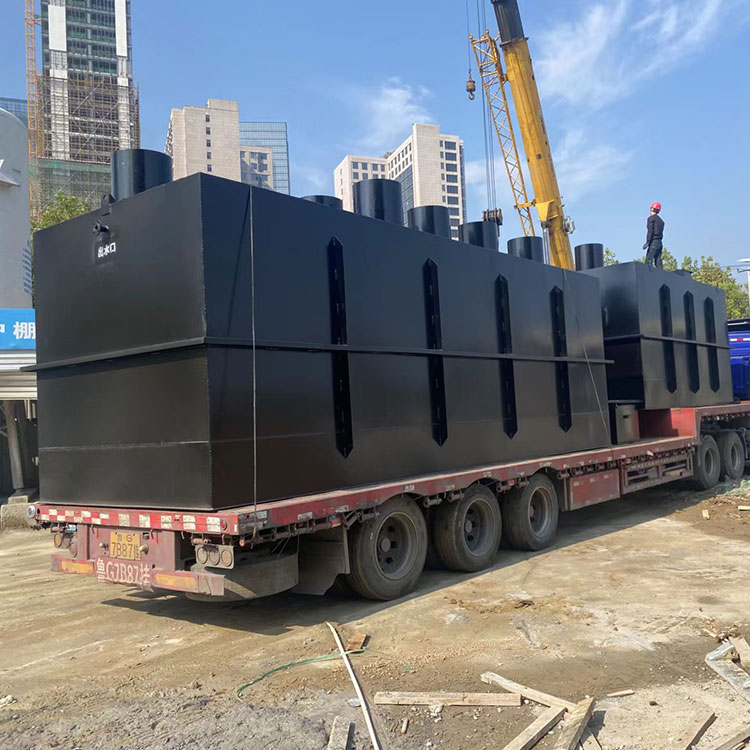
Our company's integrated wastewater treatment equipment is made with carbon steel with anti-corrosion treatment or stainless steel components, assembled from on-site joints. It is lightweight, easy to transport, and convenient to install.
2. Constructed with glass fiber, carbon steel, and stainless steel corrosion-resistant structures, offering excellent corrosion and aging resistance, with a lifespan of over 30 years.
3. No need to allocate space on the surface or below to save land, build houses, or heat and insulate. Maximize equipment integration to minimize land occupation.
4. Non-toxic, odorless, reduced secondary pollution.
5. Unlimited by wastewater volume, versatile and flexible, can be used alone or multiple times together.
6. The entire equipment processing unit is equipped with automatic electrical control systems and equipment fault alarm systems, ensuring safe and reliable operation. Generally, no professional management is required on a daily basis. Timely maintenance and management of the equipment are necessary, with relatively low management costs.