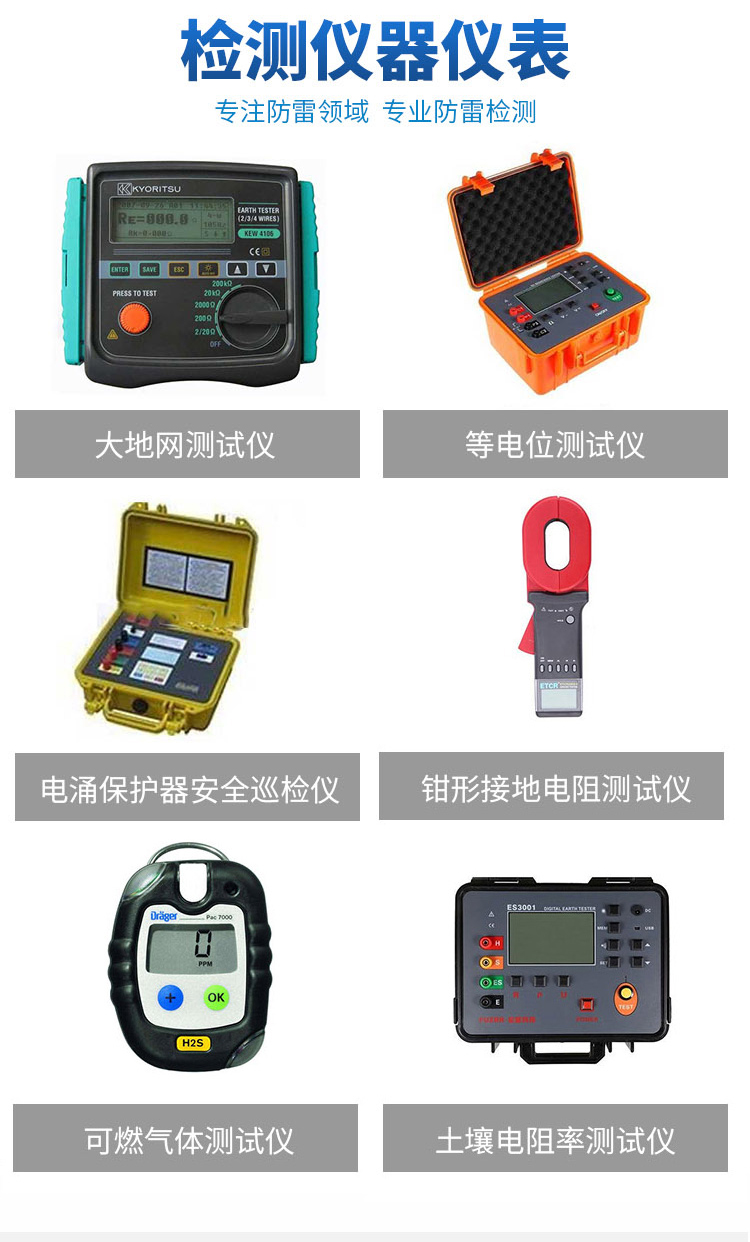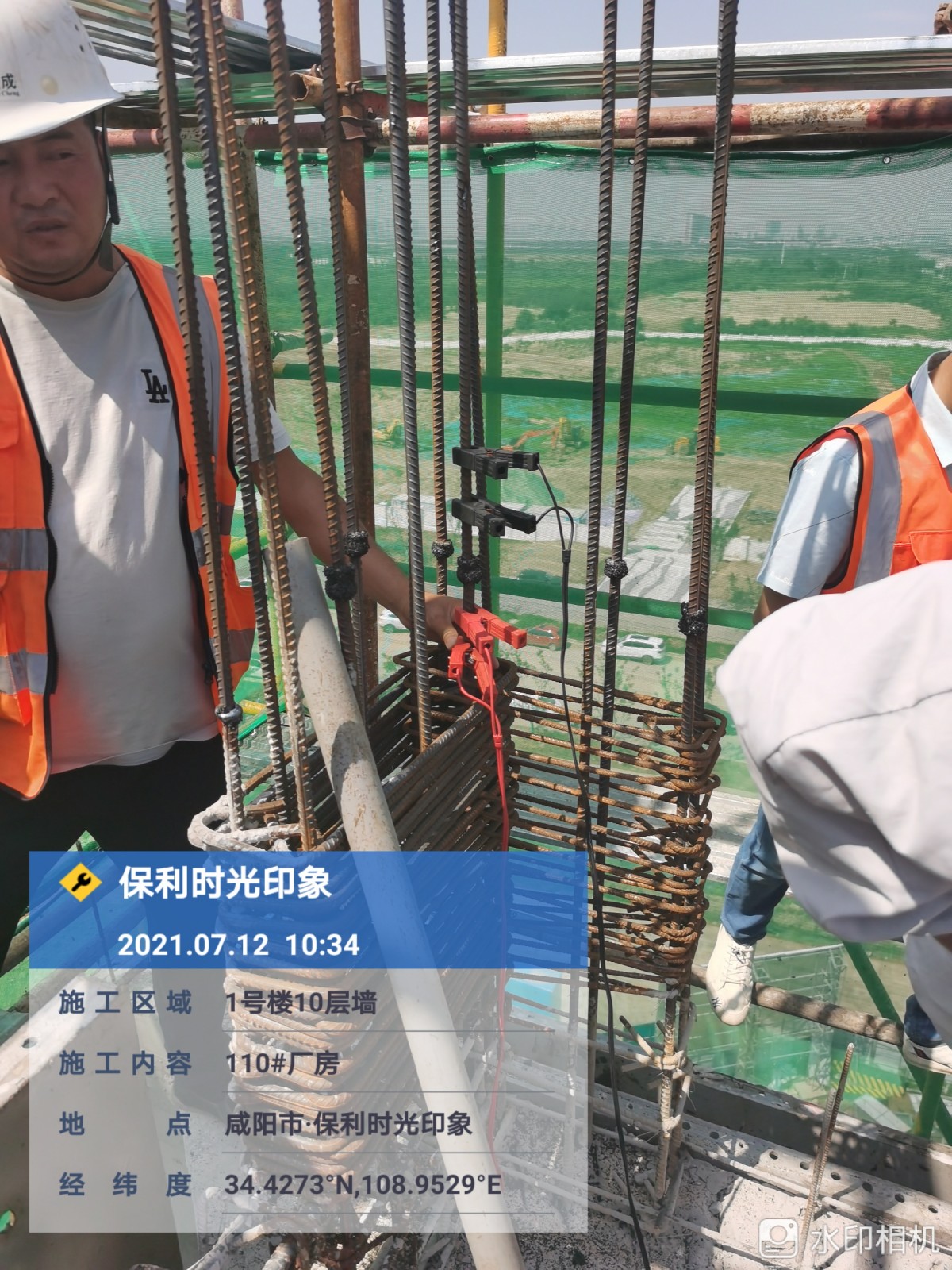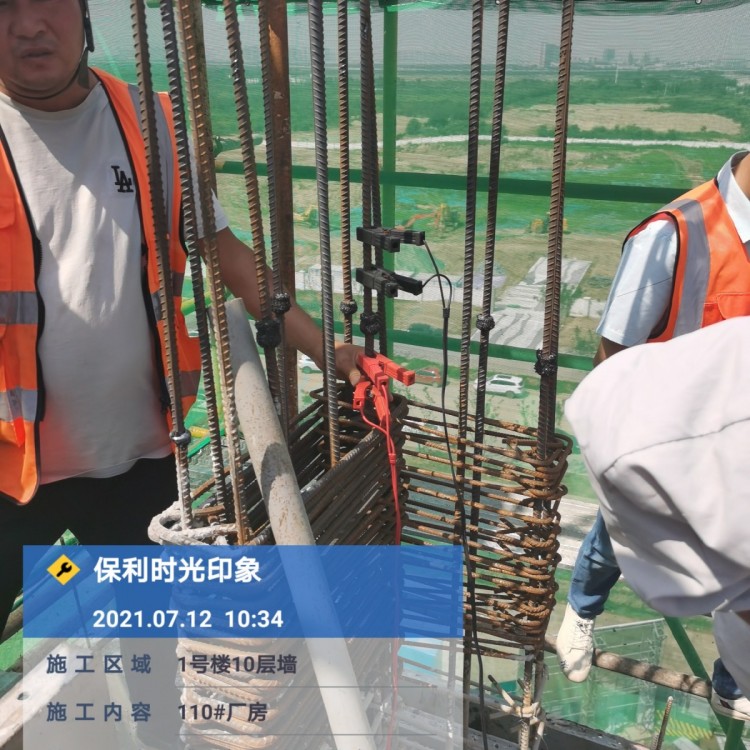







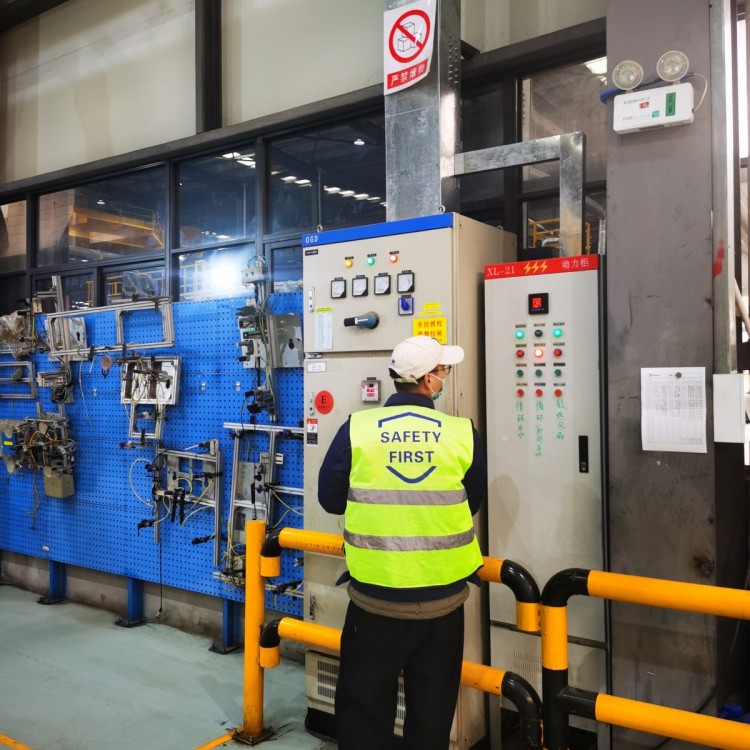
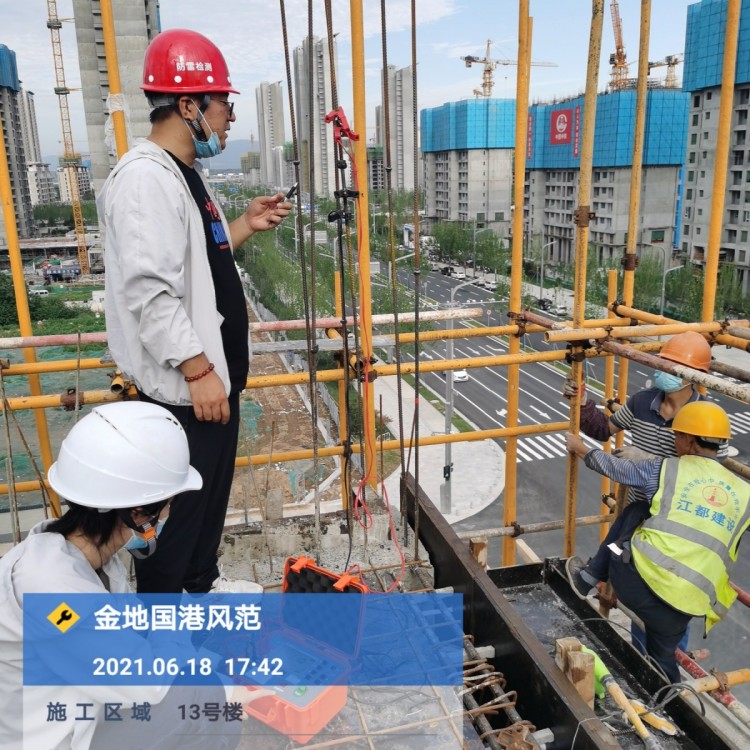
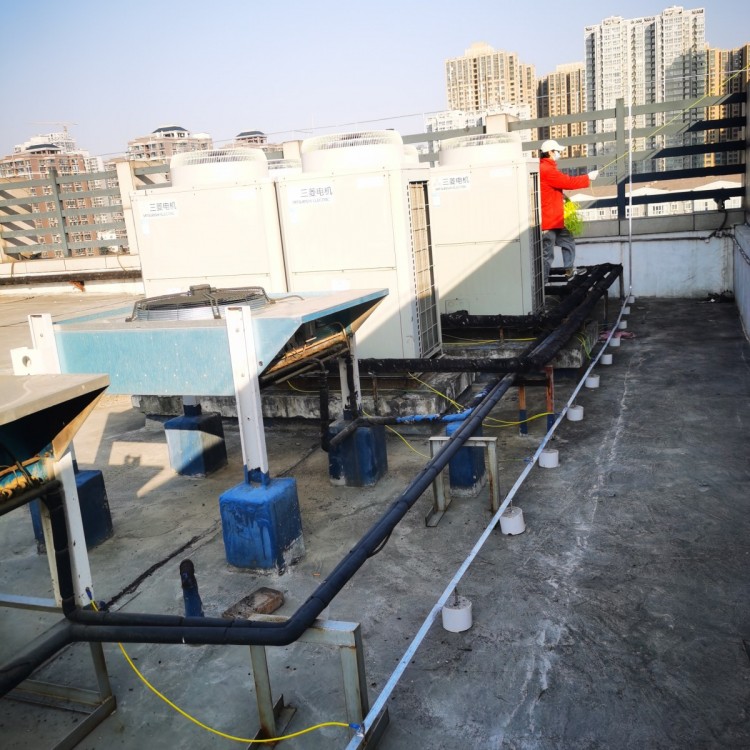
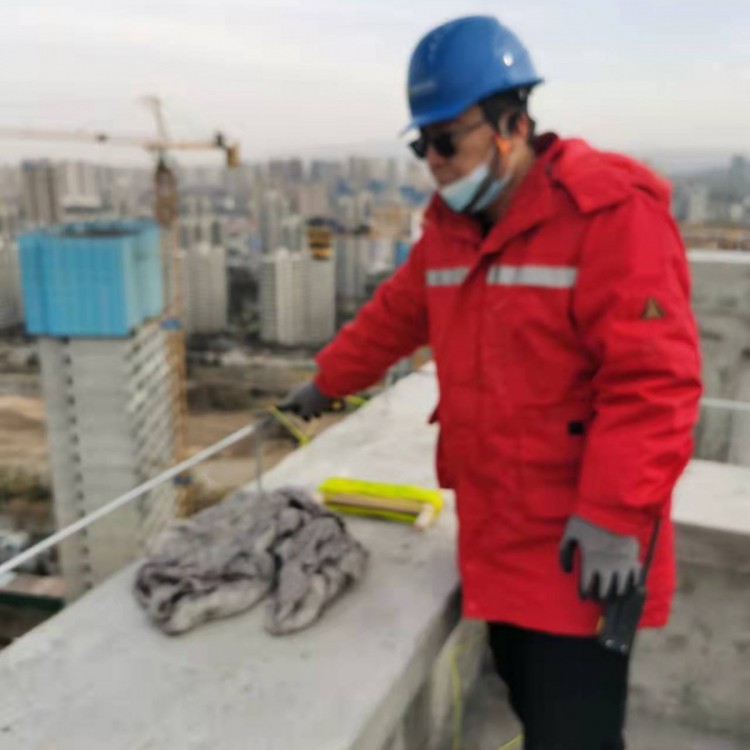
Lightning protection testing involves maintaining the safety of lightning protection measures and equipment, such as power transmission within the area and buildings of varying heights and functions. Lightning protection devices that pass the test can effectively dissipate lightning, ensuring safety and stability, and reducing the likelihood of building damage during thunderstorms. Technicians conduct inspections on residential buildings and critical facilities and equipment according to national standards such as the "Design Code for Lightning Protection of Buildings."
Lightning protection device testing qualifications are divided into Class A and Class B. Class A qualified units can engage in the testing of lightning protection devices for Class 1, Class 2, and Class 3 buildings; Class B qualified units are only permitted to test lightning protection devices for Class 3 buildings.
Lightning protection testing typically includes external lightning protection testing, grounding system testing, static electricity protection testing, and signal protection testing, ensuring that all buildings and equipment meet lightning protection requirements. Regular lightning protection testing can effectively prevent and mitigate the losses caused by lightning strikes, ensuring that critical equipment can withstand lightning attacks and operate normally.
As of now, the degree of intelligence in residential buildings is increasing, with numerous electronic communication devices and other hazardous items inside. During thunderstorms, these devices and communications are subject to some degree of impact, even damage, and are especially dangerous in high-risk areas, potentially causing injury or death. Before thunderstorms hit each year, only through regular lightning protection inspections, measuring the parameters of lightning protection devices, and scientifically and objectively evaluating their actual effectiveness, can one accurately understand the operation of the lightning protection devices, be well-informed, and provide a scientific basis for lightning protection safety.