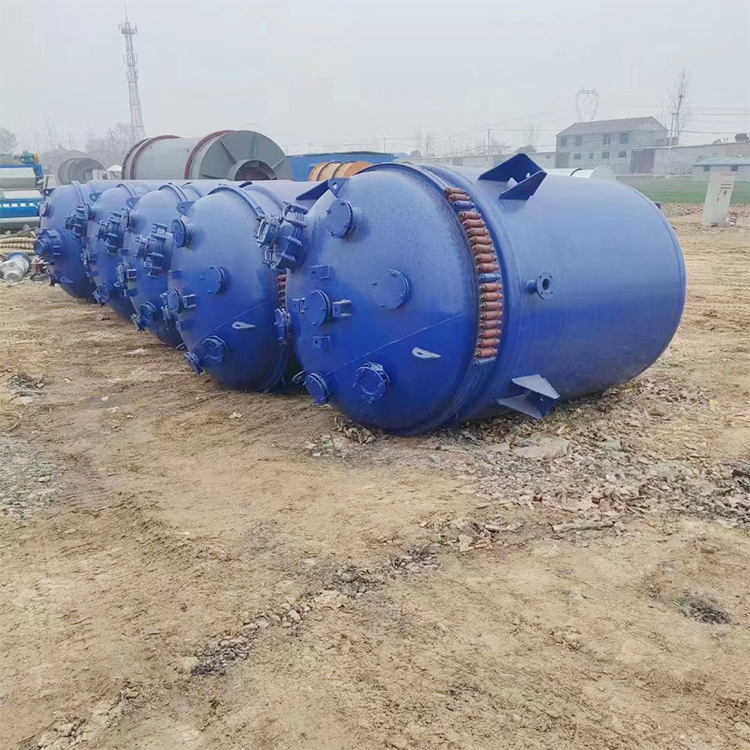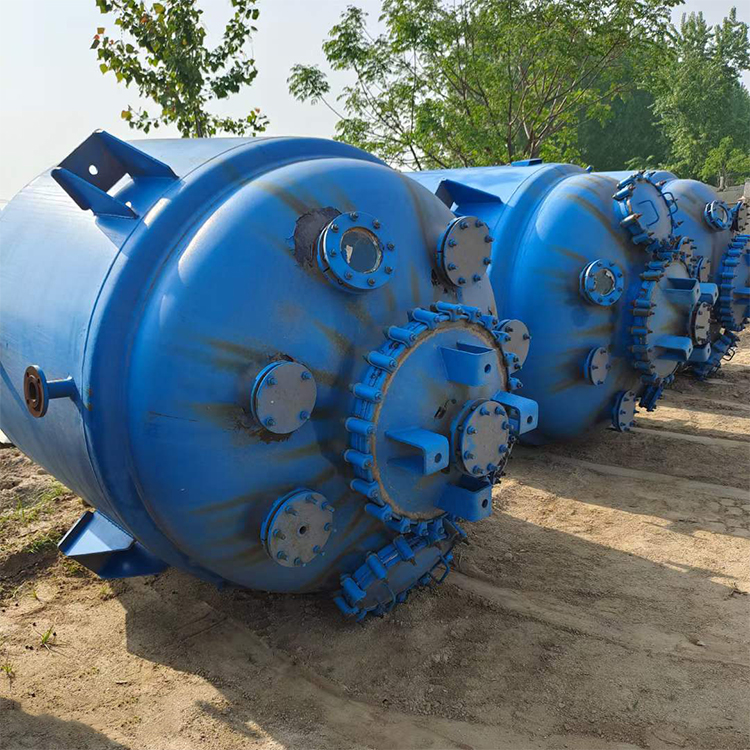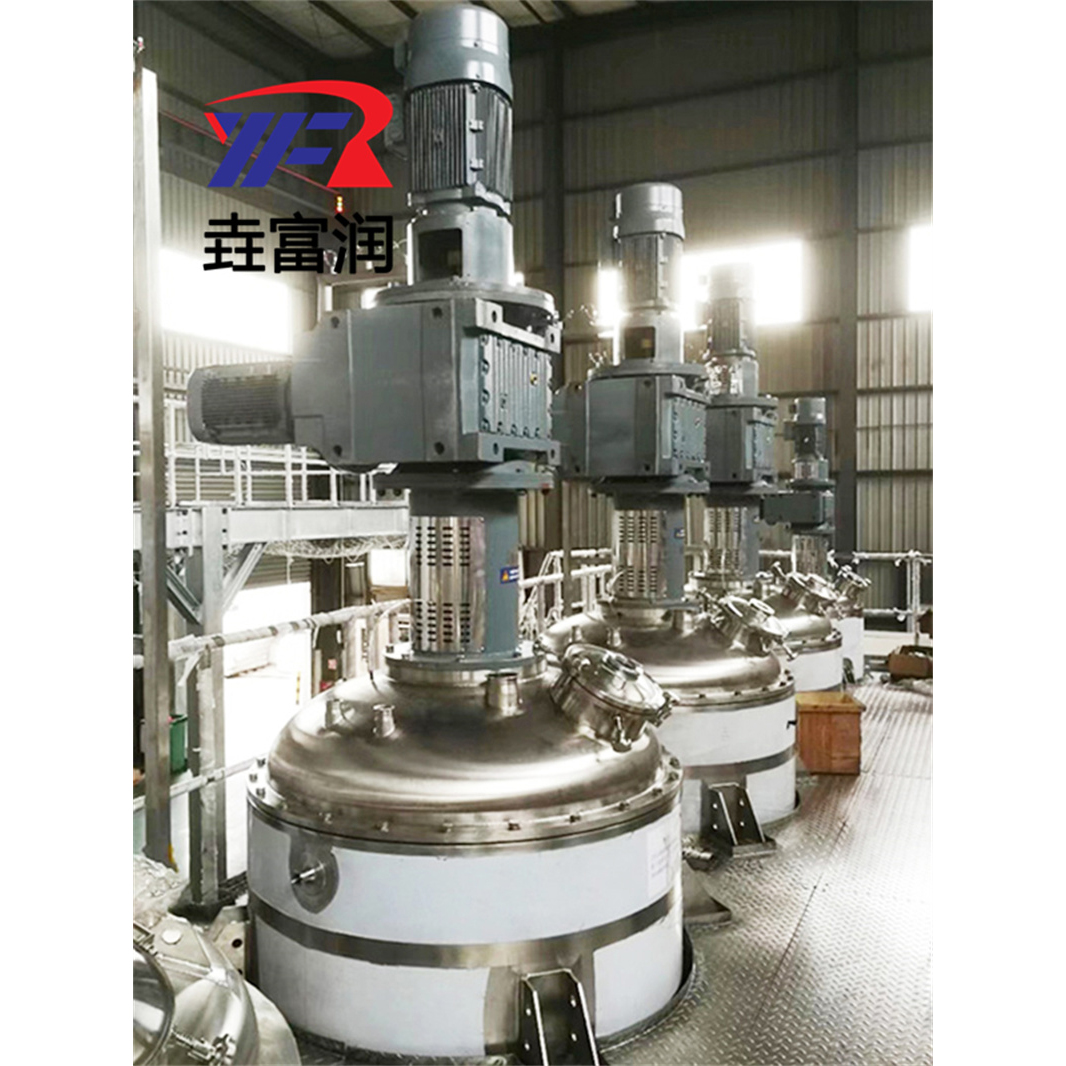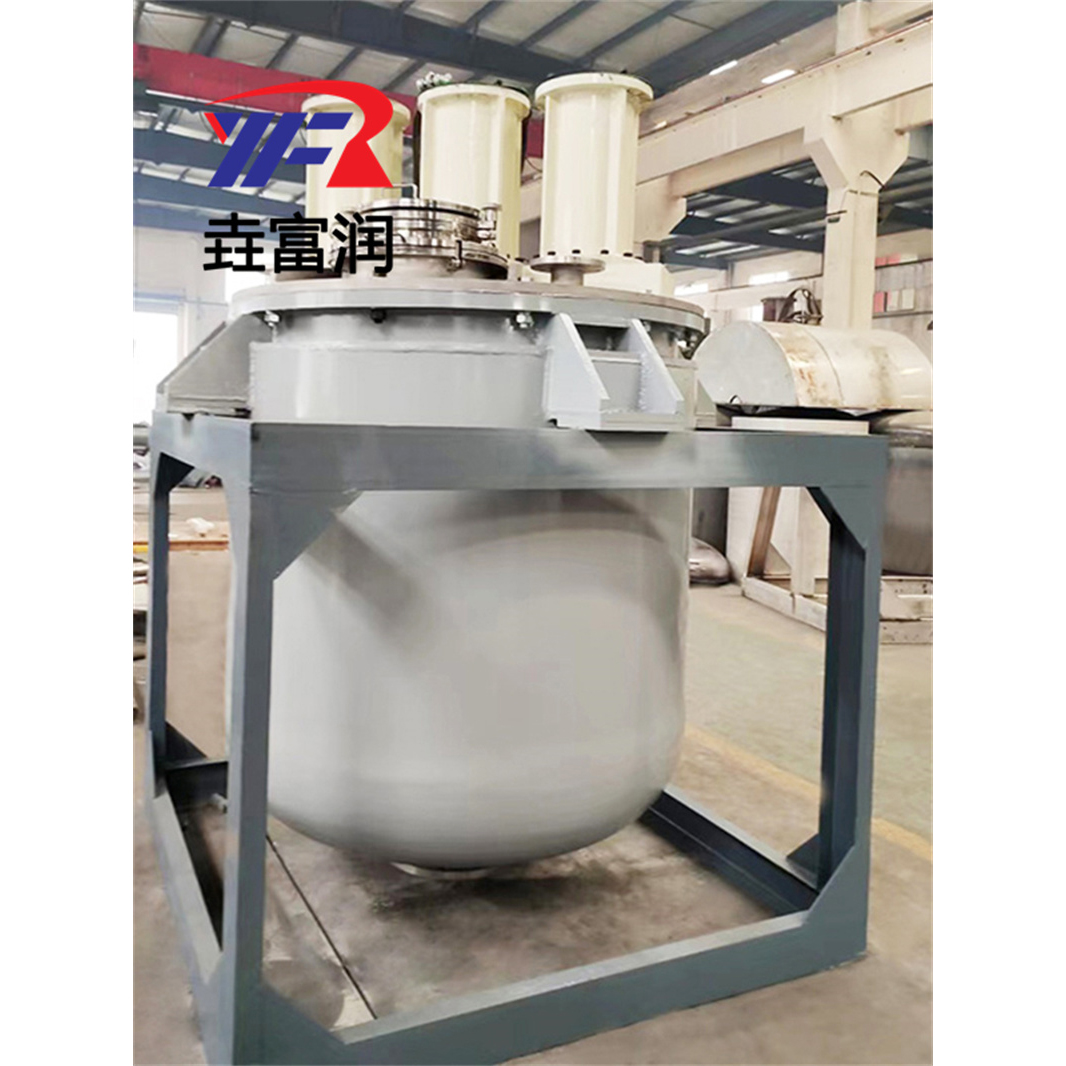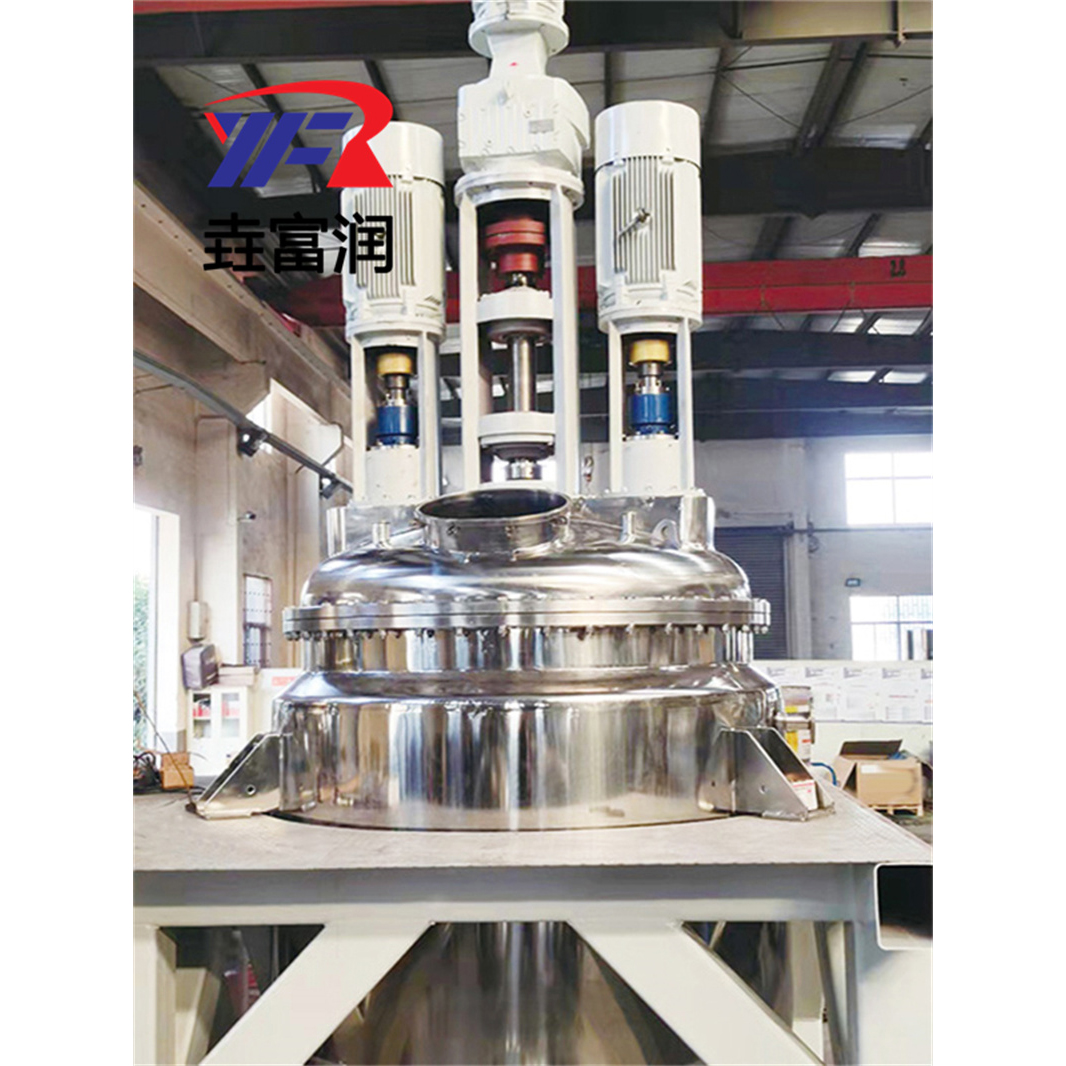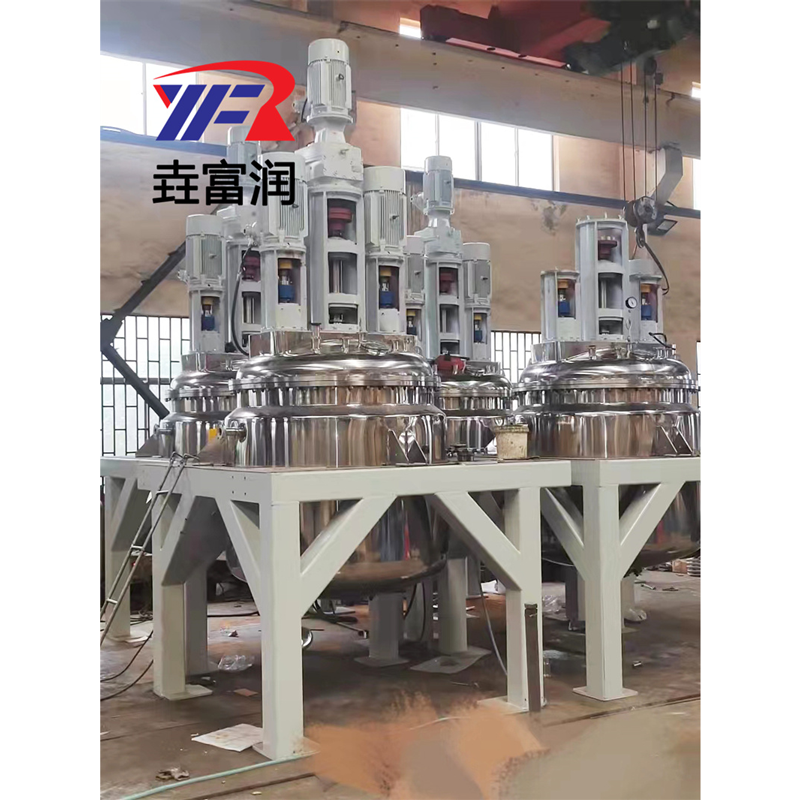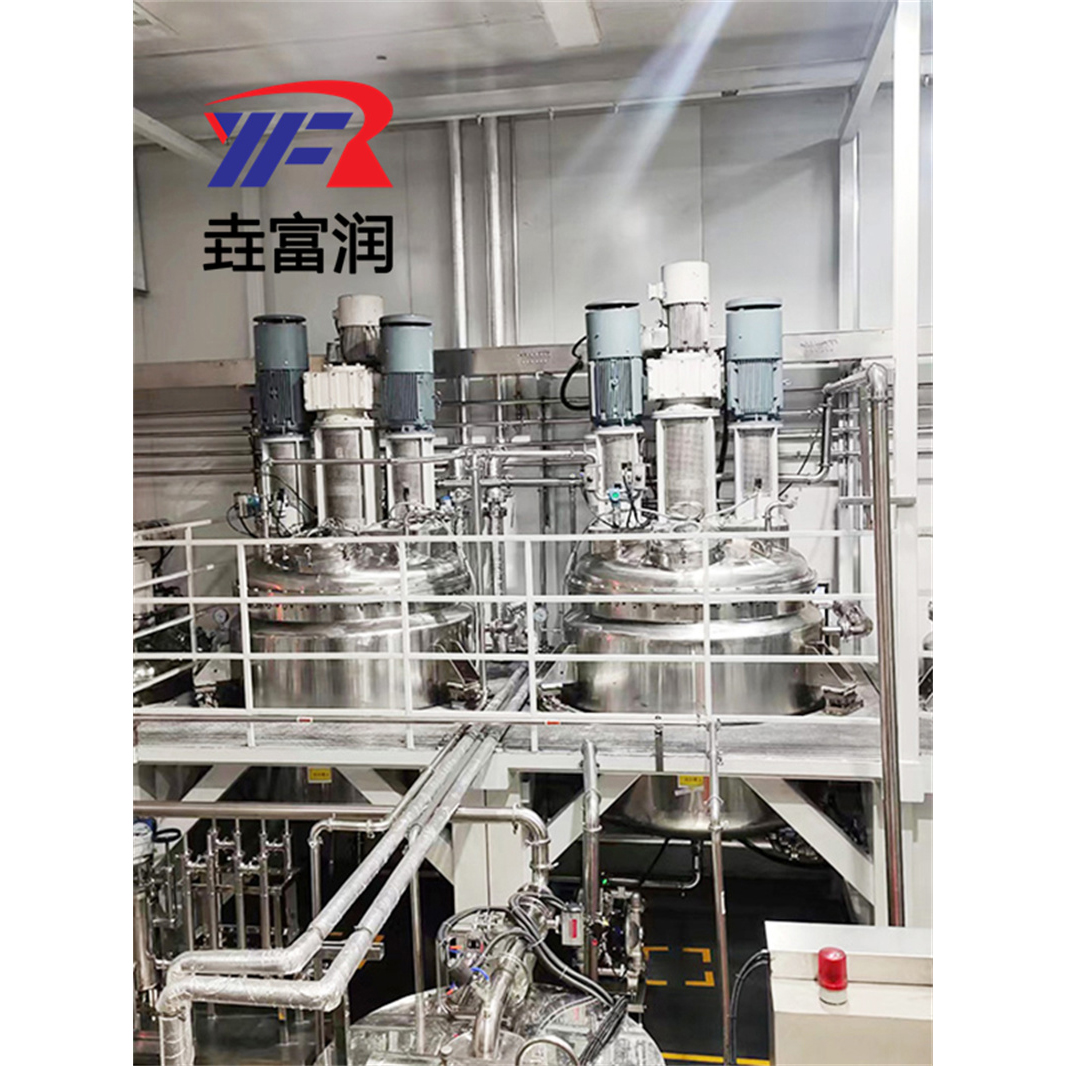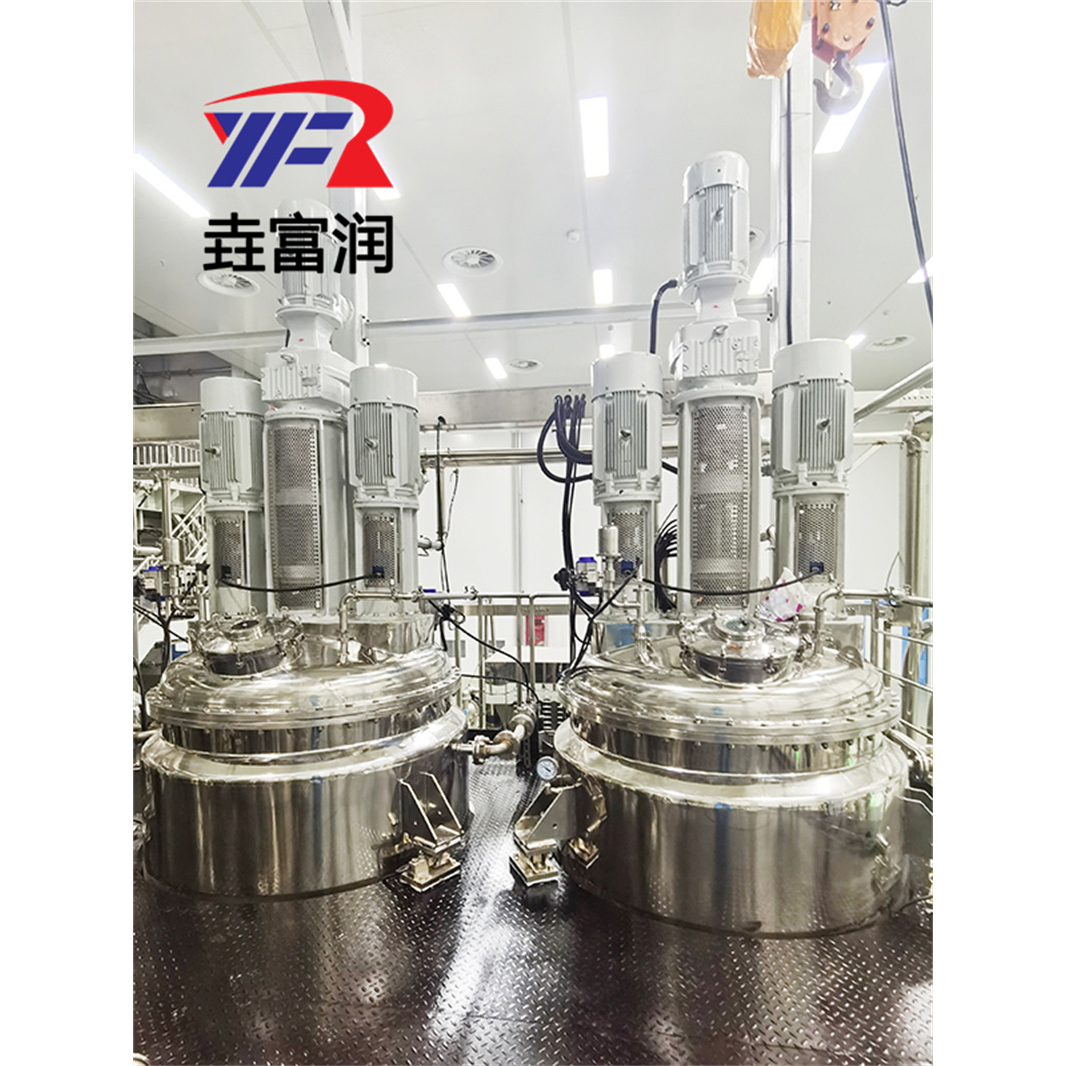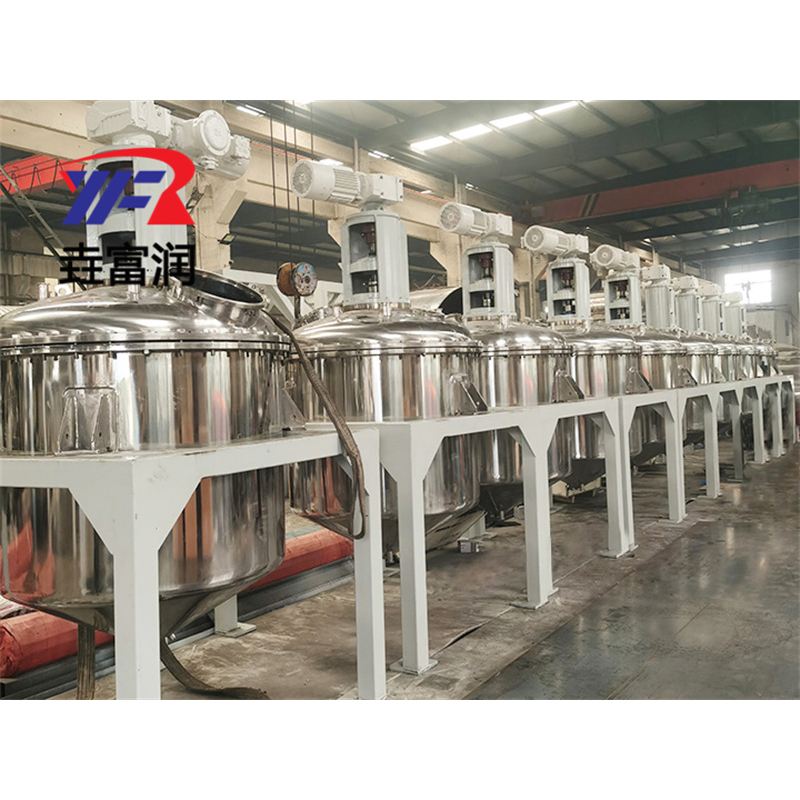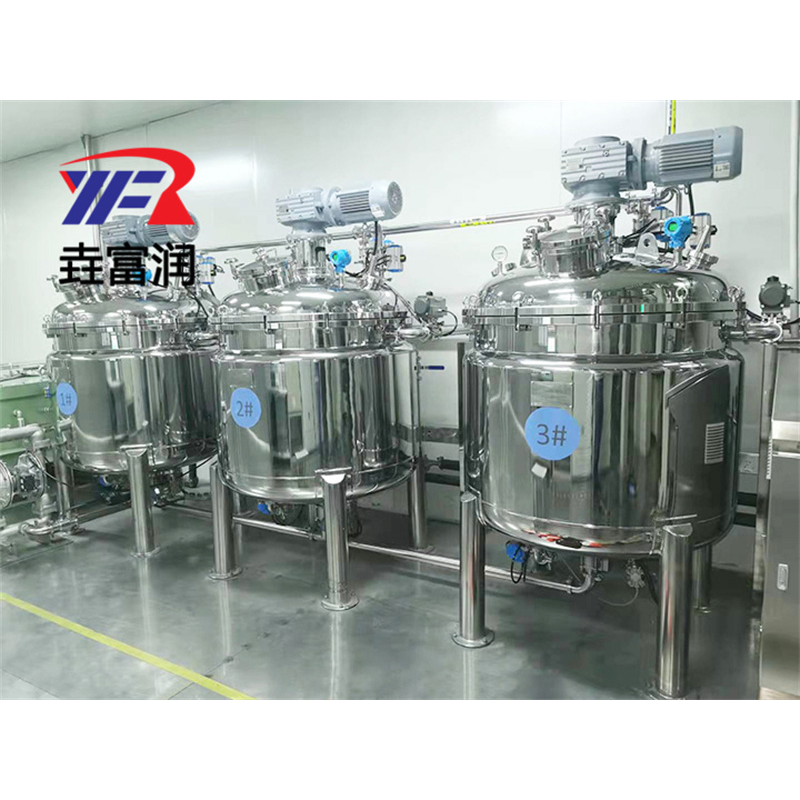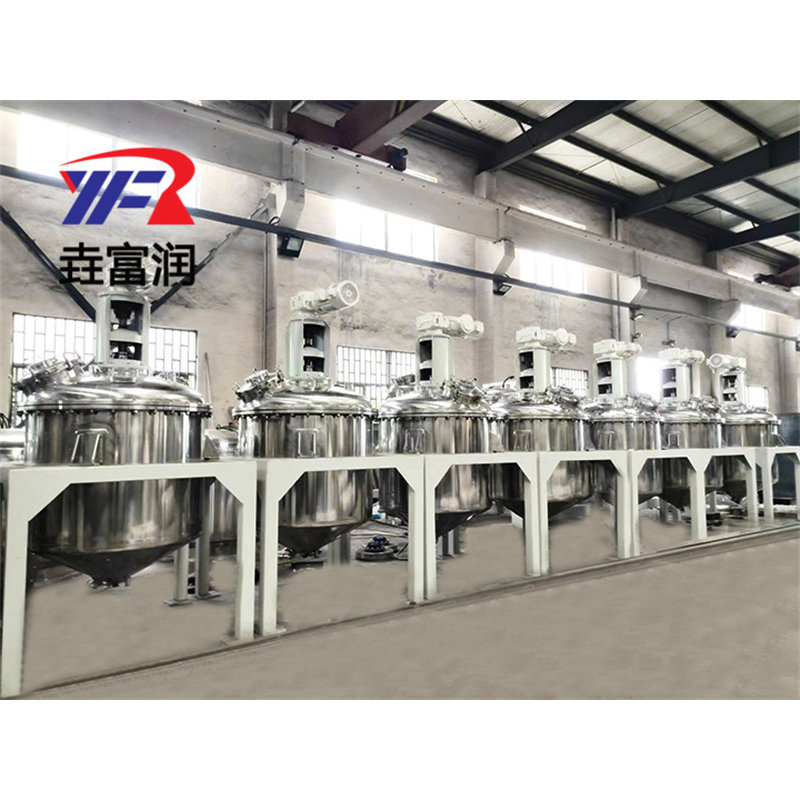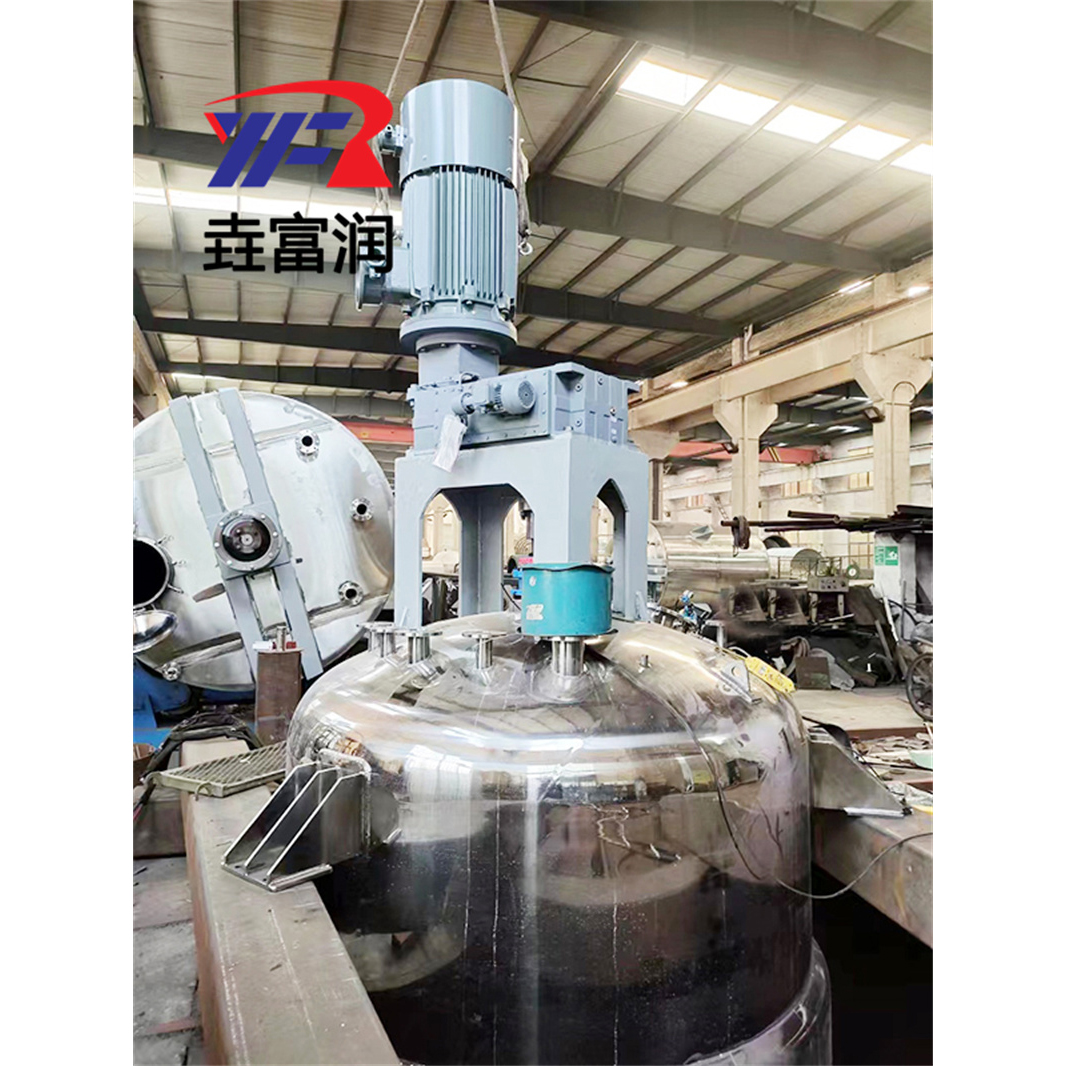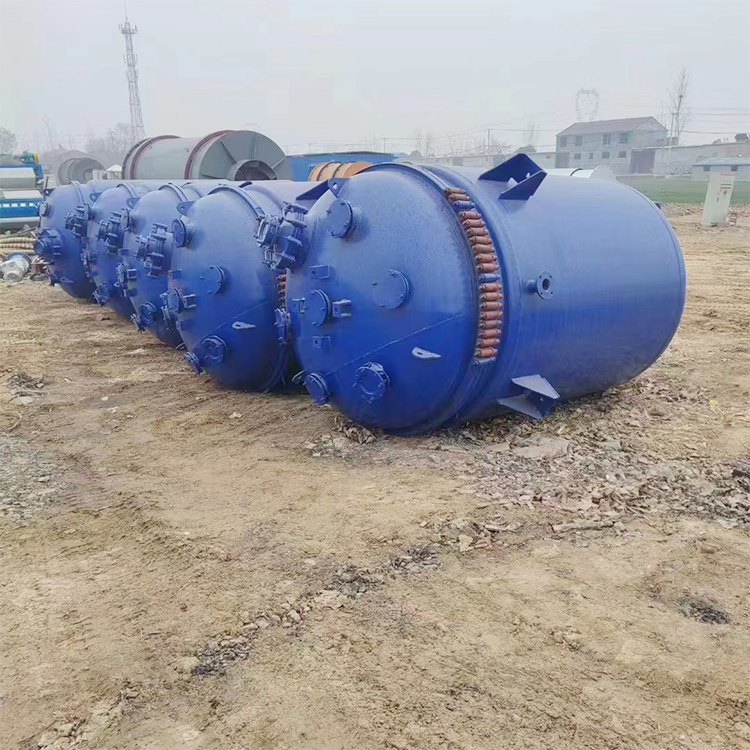


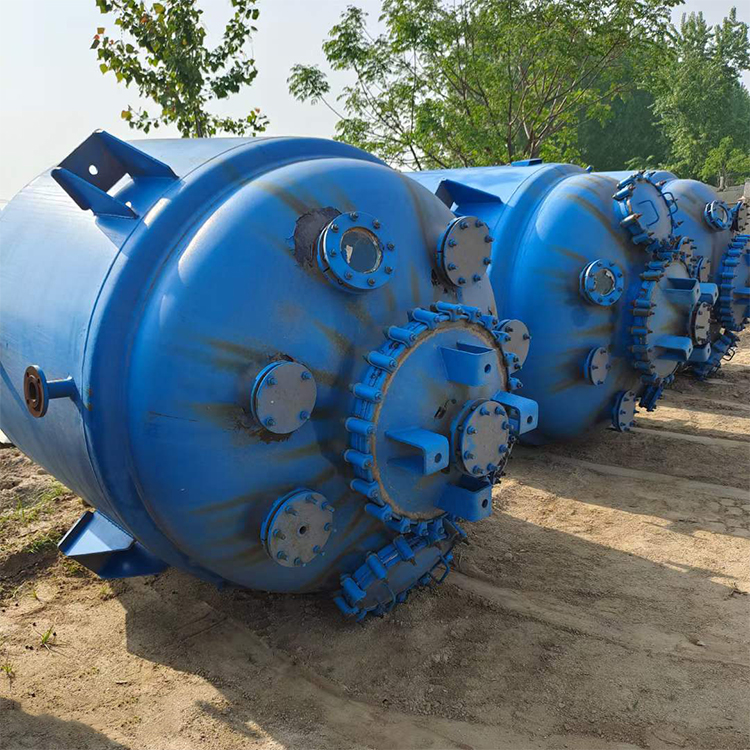
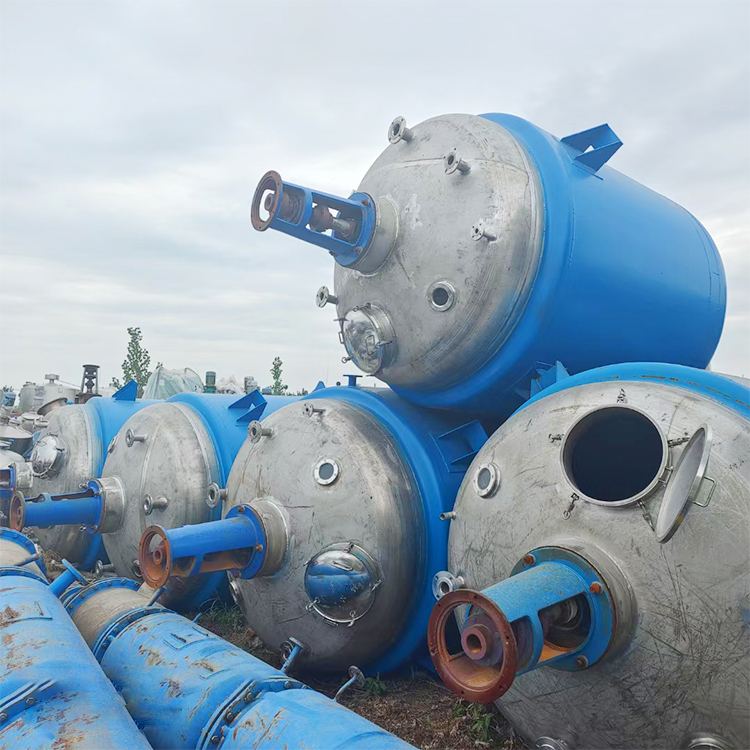


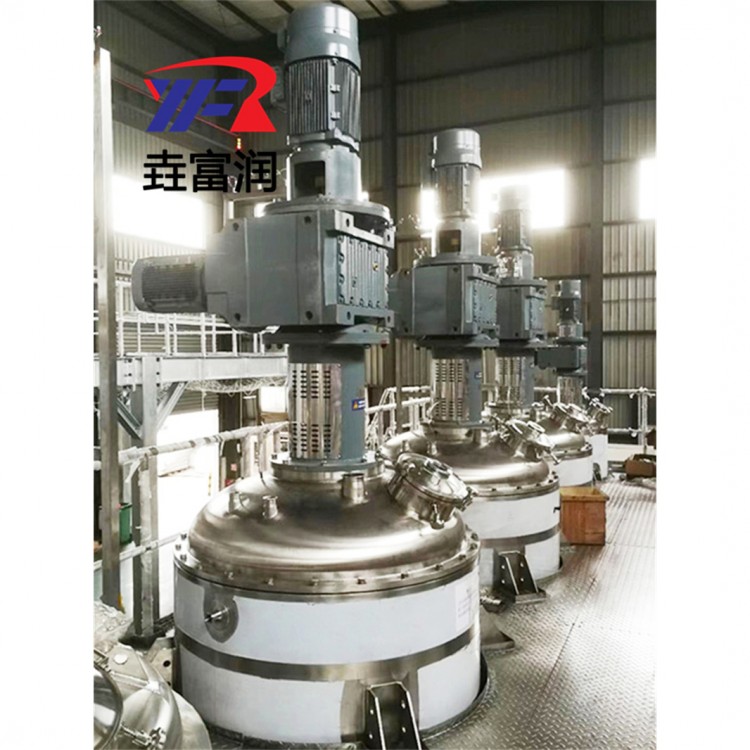
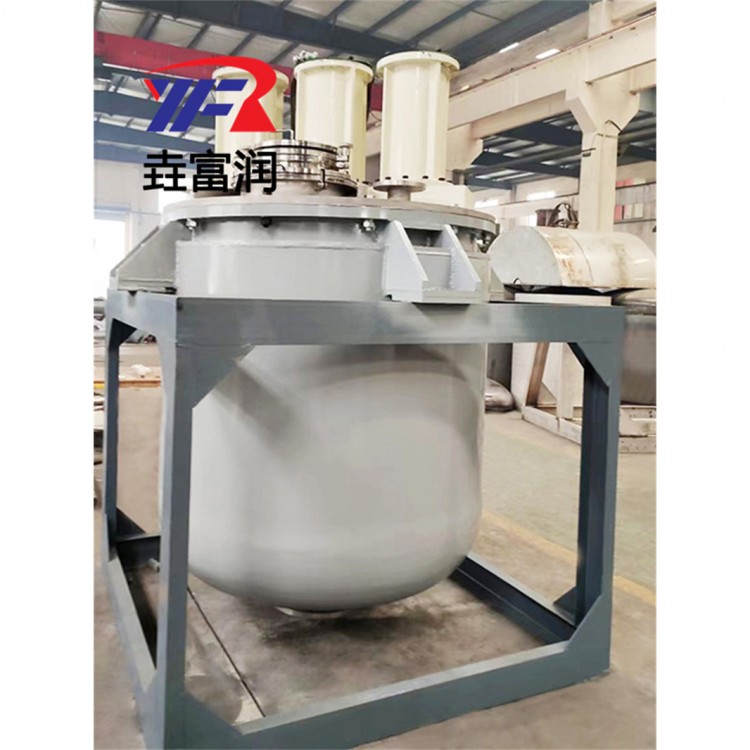
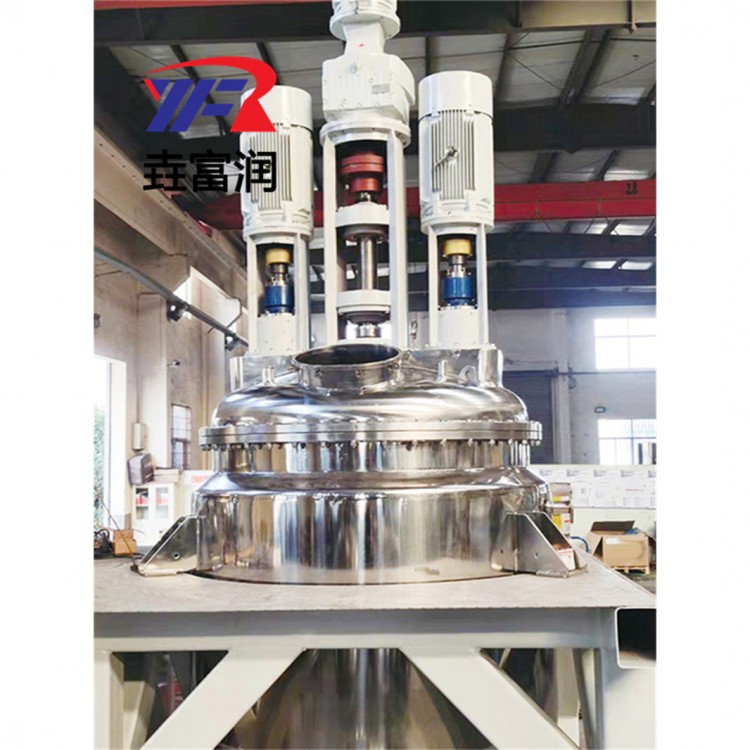
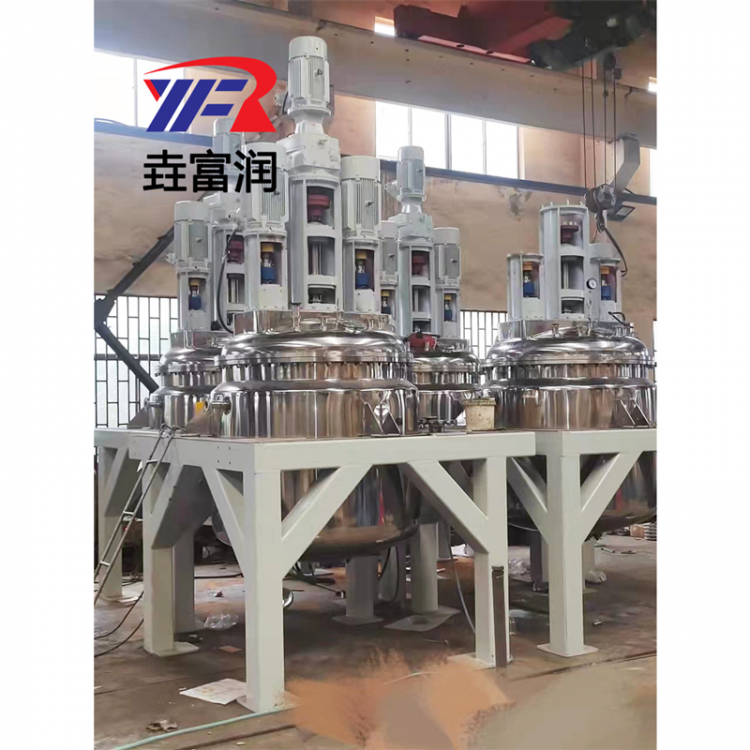
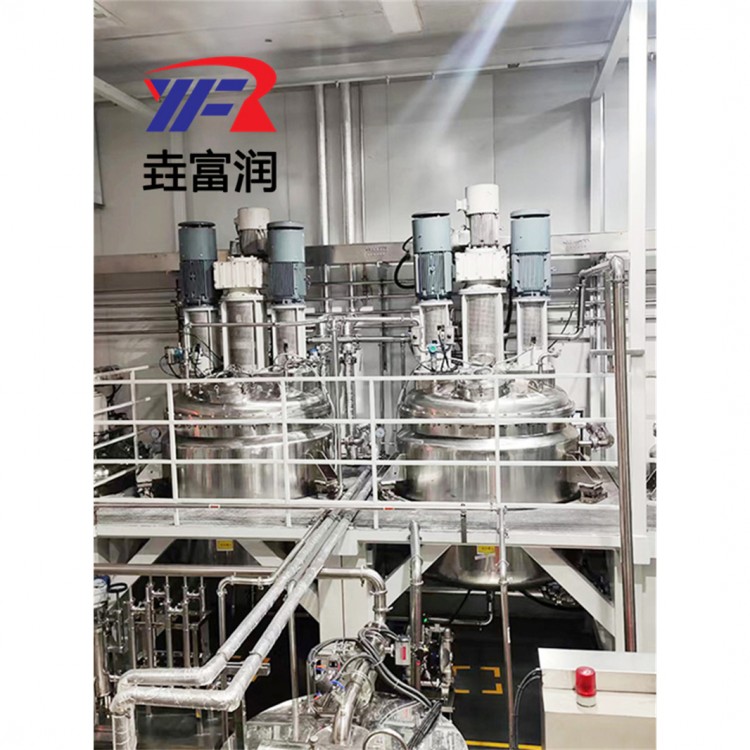





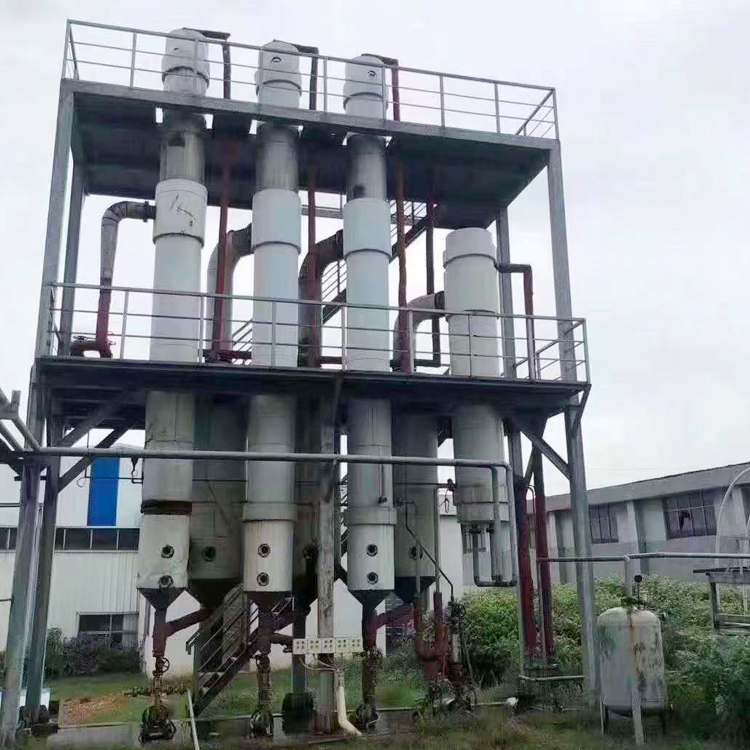
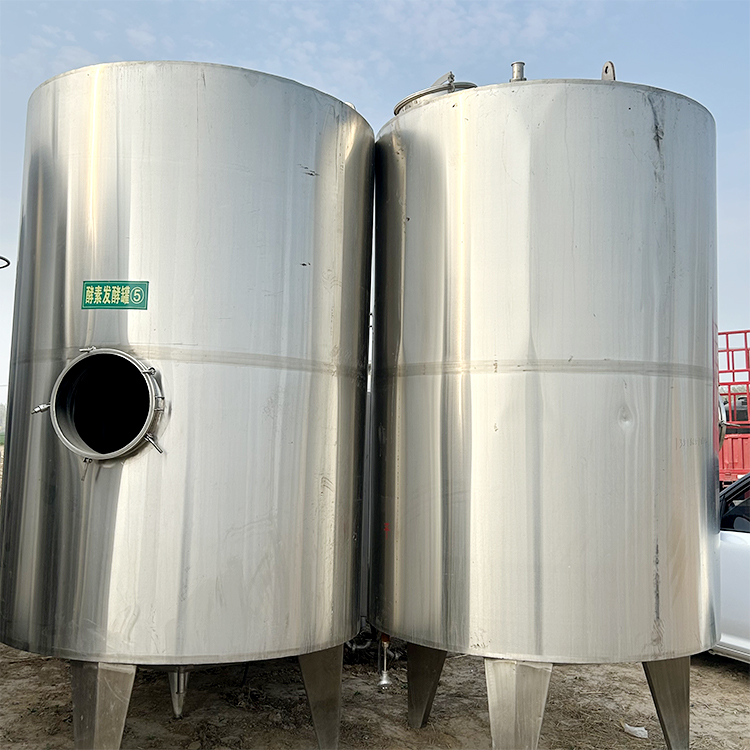
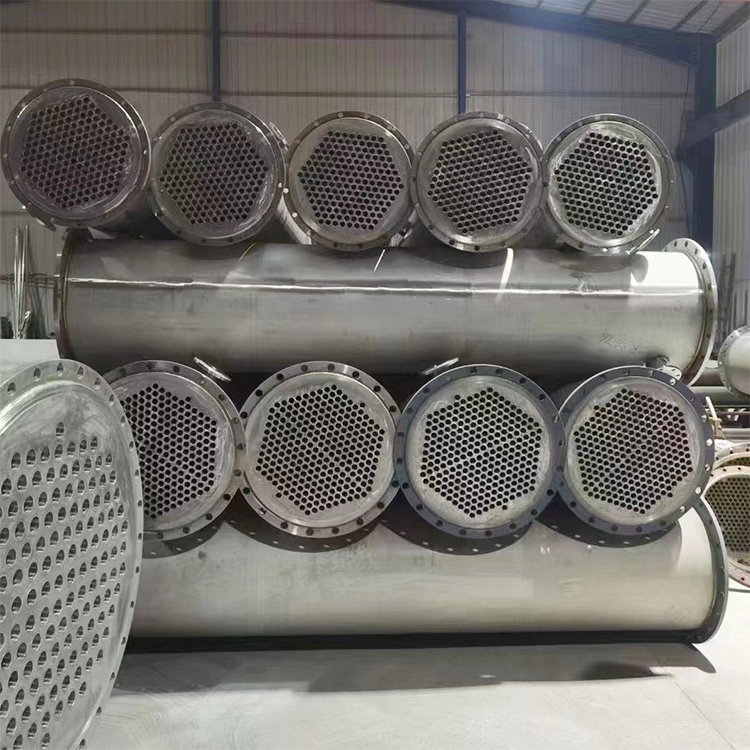
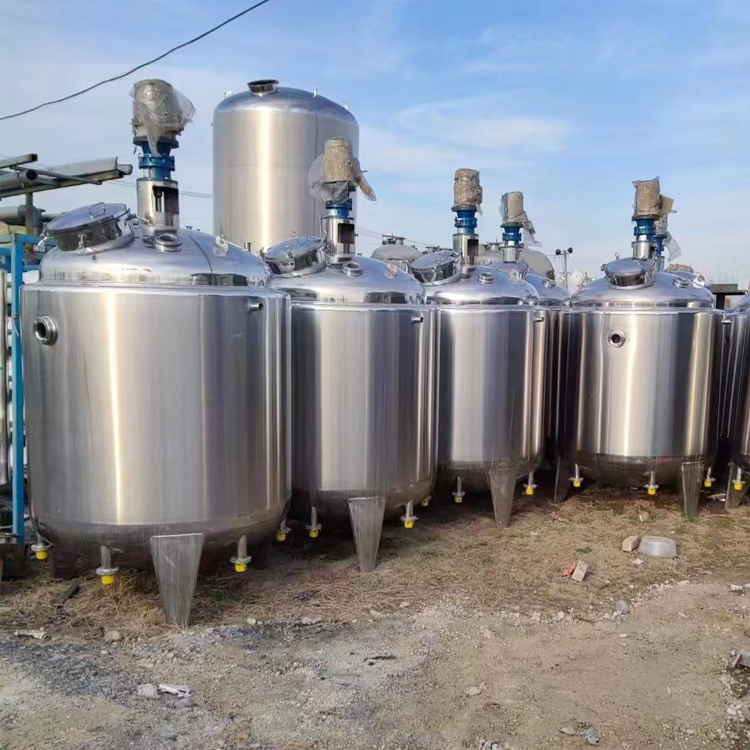
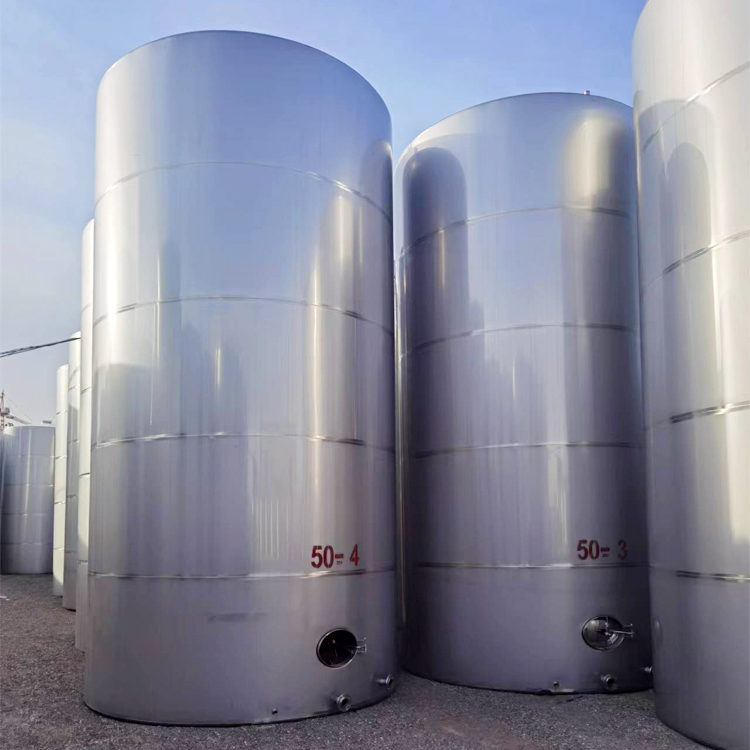
Enamel reactors are composite products made by lining the inner surface of a steel container with glass containing a high silicon dioxide content, which is then fused onto the metal surface through high-temperature firing. Therefore, they possess the dual advantages of glass stability and metal strength, making them excellent corrosion-resistant equipment. They are widely used in industries such as chemicals, petrochemicals, and food processing.
To ensure the normal operation of the glass-lined equipment, the following details on its main performance, installation, and usage precautions are provided:
Technical Specifications
1. Operating Pressure: 0.2-0.4 Mpa
2. Acid Resistance: Excellent corrosion resistance against various organic acids, inorganic acids, and organic solvents. For instance, when our factory's glass-lined samples are boiled in a 20% HCl solution for 48 hours, the corrosion rate is 0.9 g/m².d (superior quality standard is 1.0 g/m².d).
3. Alkaline Resistance: The glass frit has poorer resistance to alkali solutions than to acidic solutions. However, when our factory's glass frit samples were subjected to corrosion in a 1N sodium hydroxide solution at a test temperature of 80°C for 48 hours, the corrosion rate was 6.76g/m².d (the superior product specification is 7.0g/m².d).
4. Operating Temperature: When heating and cooling glass-lined equipment, it should be done gradually. Our factory's glass-lined equipment operates at temperatures ranging from 0-200°C, with a temperature shock resistance of ≥200°C.
5. Glaze Thickness: The glaze thickness of glass equipment is 0.8-2.0mm, and the glaze thickness of glass-lined equipment accessories is 0.6-1.8mm.
6. Pressure Resistance: Fused glass has excellent insulating properties. When the fused glass is tested with a 20KV high-frequency electric spark within the specified thickness, the high-frequency electric spark cannot puncture the glass layer.
7. Impact Resistance: The lower the internal stress of the glass layer, the better its elasticity, hardness, and bending and compressive strength, resulting in higher impact resistance. Our factory's glass layer, within the specified thickness, can withstand an impact from a 30mm diameter, 112g steel ball, achieving an impact energy of 282×10^-3J (with the superior product standard at 260×10^-3J).