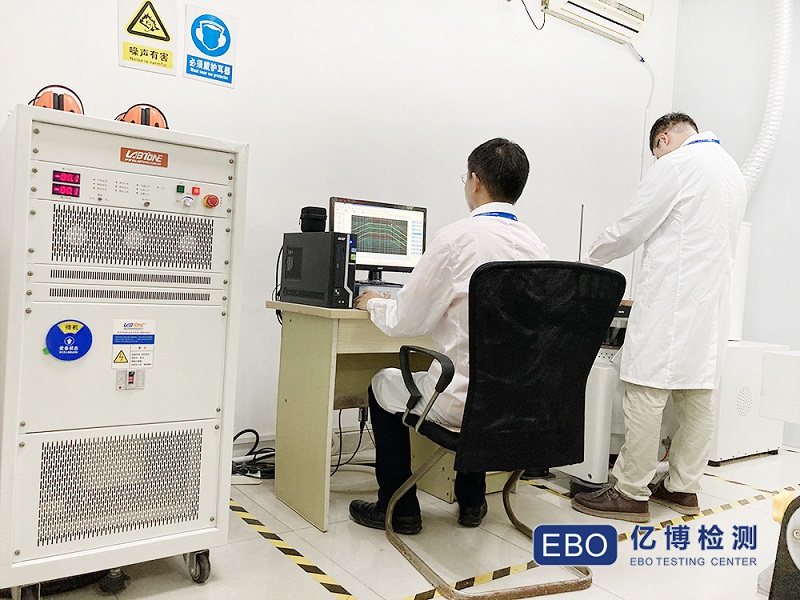









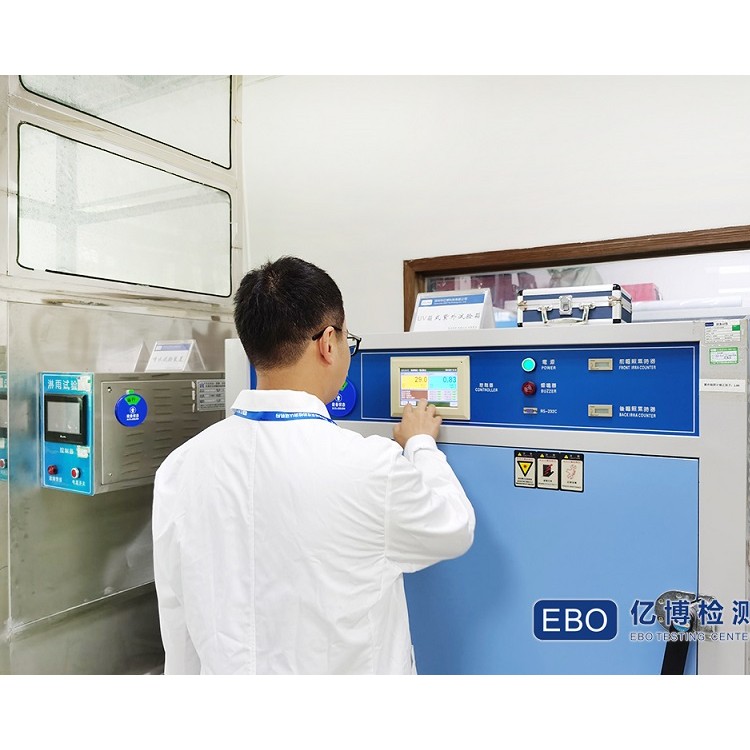
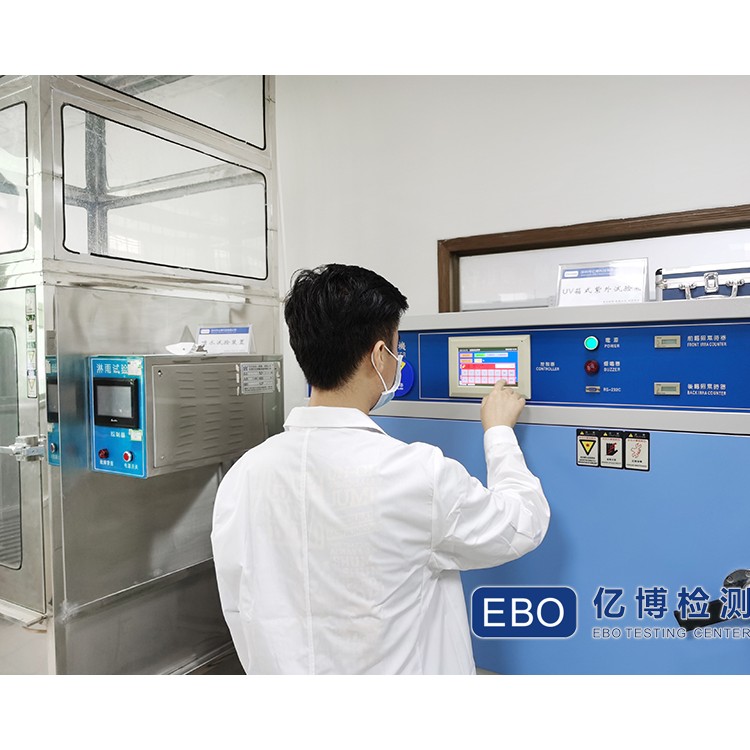
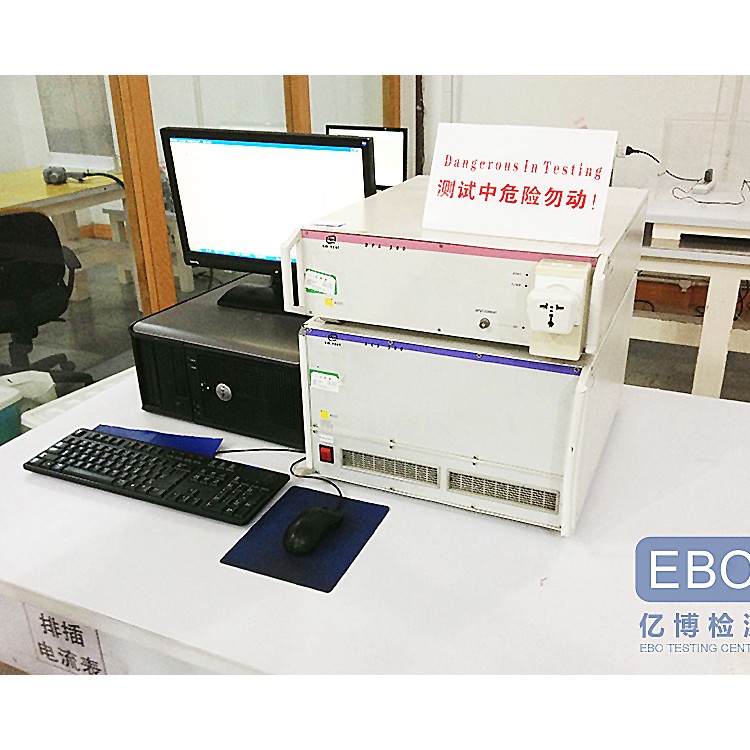

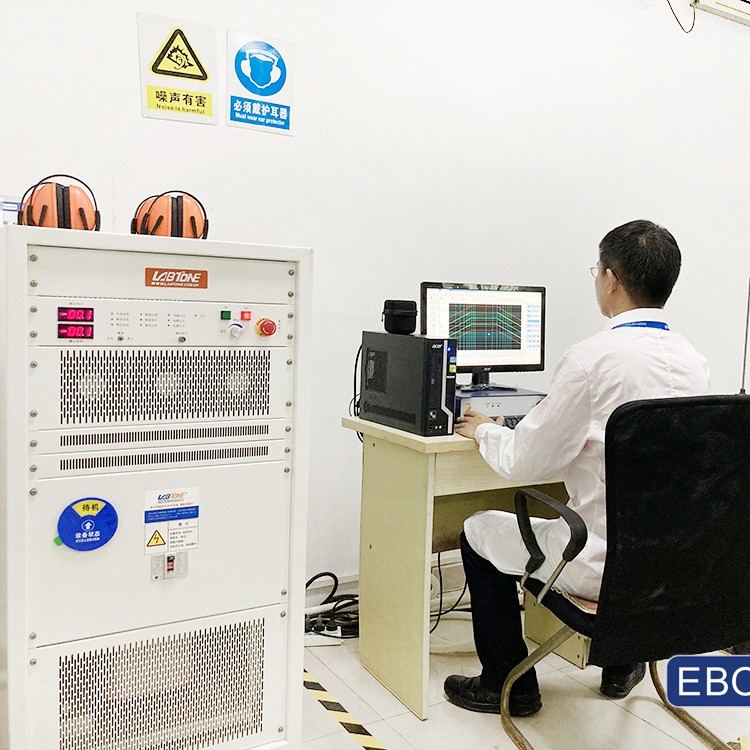
Temperature shock test
The purpose of the temperature shock test is to confirm changes in product characteristics and potential failure issues caused by different thermal expansion coefficients of dissimilar materials in the components within a short period. These changes can be observed by rapidly alternating the components' exposure to extreme high and low temperatures in the testing environment.
Temperature shock testing differs from general environmental simulation tests, such as high-temperature storage and high/low temperature cycling. Temperature shock testing reveals potential failure issues that are difficult to detect at normal temperatures through cold and hot temperature shocks. The main factors determining the cold and hot temperature shock test include: the temperature range, exposure time, number of cycles, weight of the test sample, and thermal load, etc.
I. Introduction to Temperature Shock Testing
Temperature shock testing is a type of reliability test, designed to assess the adaptability of a product in environments with rapid temperature changes during storage, transportation, and use. The severity of the test depends on several factors—high/low temperatures, the number of cycles, and the dwell time.
The Cold and Hot Shock Test Chamber is used to test the degree of tolerance of materials or composite materials to rapid changes in high and low temperatures. It can quickly assess the chemical changes or physical damage caused by thermal expansion and contraction. Suitable materials include metals, plastics, rubber, electronics, and more, serving as a basis or reference for product improvement (22, Cold and Hot Shock Test National Standard).
Section 2: Product Range for Temperature Shock Testing
1. Computer Products: Computers, monitors, motherboards, computer components, medical equipment, and other precision instruments.
2. Electronic Communication: Mobile phones, radio frequency devices, electronic communication components, etc.
3. Electricals: Home appliances, lighting fixtures, transformers, and various electrical equipment.
4. Other: Packaging boxes, transportation equipment, etc.
Section 3: Reference Standard for Temperature Shock Test
IEC 60068-2-14,GB/T 2423.22,GJB 150.5,GB2423.22-87
Section 4: Environmental Temperature Shock Test
Low Temperature Box: -30°C; High Temperature Box: +70°C
V. Application Process for Temperature Shock Test
1. Provide testing conditions and arrange for sample dispatch
2. Fill out the application form
3. Sealed Return Application Form
4. Provide a Quotation Sheet
5. Payment
6. Upon receiving the application form/quote and payment, open the case
7. Test Completed
8. Issue Temperature Shock Test Report
9. Completed