












Note: Prices are subject to actual conditions.
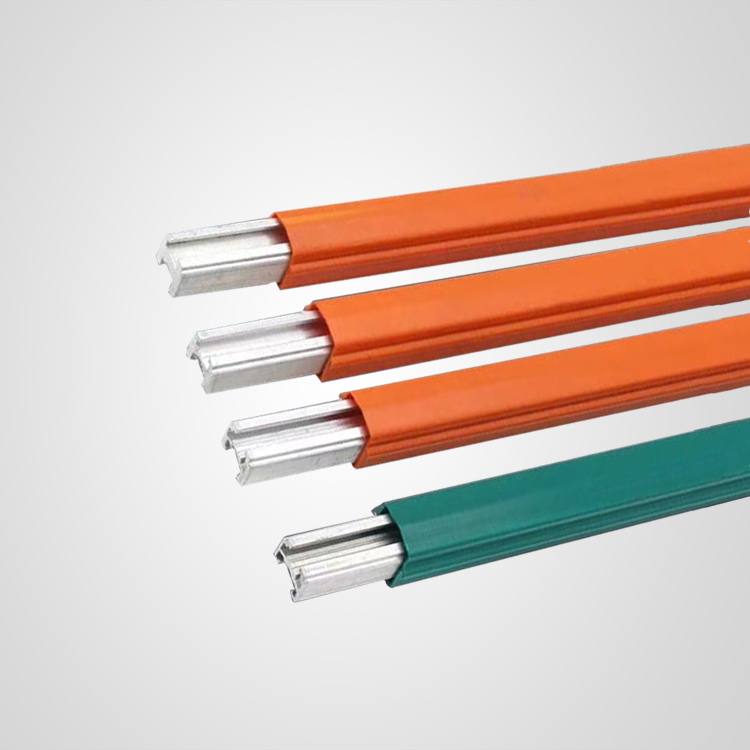
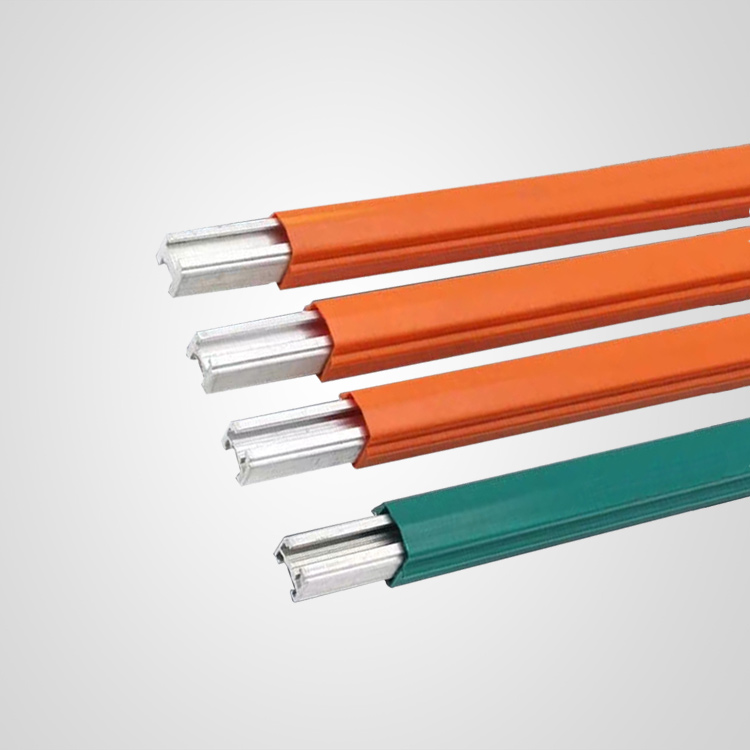
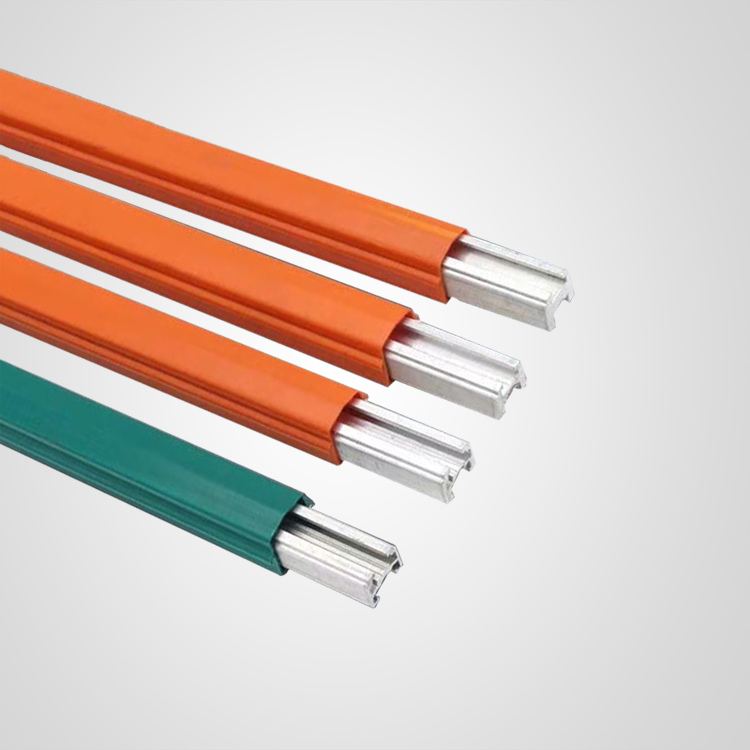
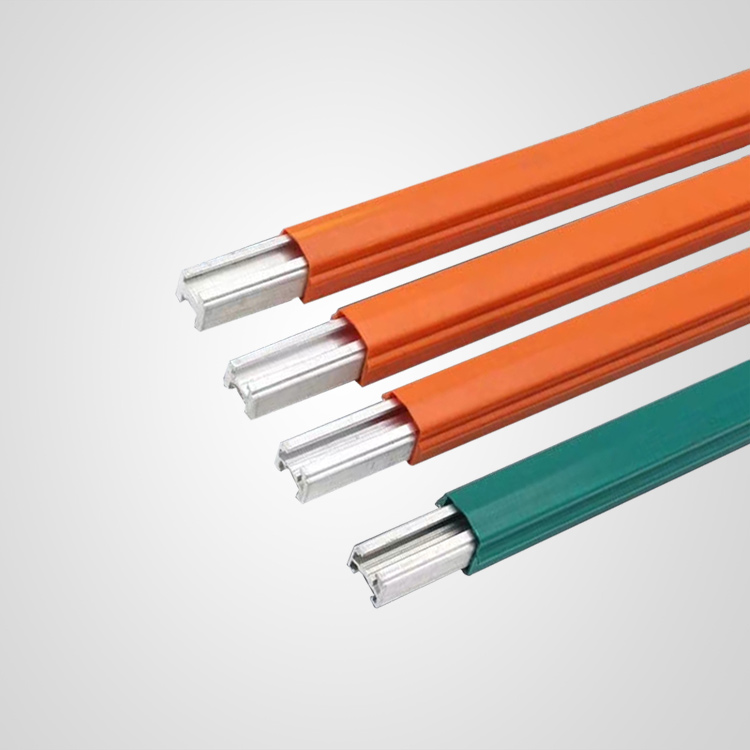
Single-pole H-shaped sliding contact wire
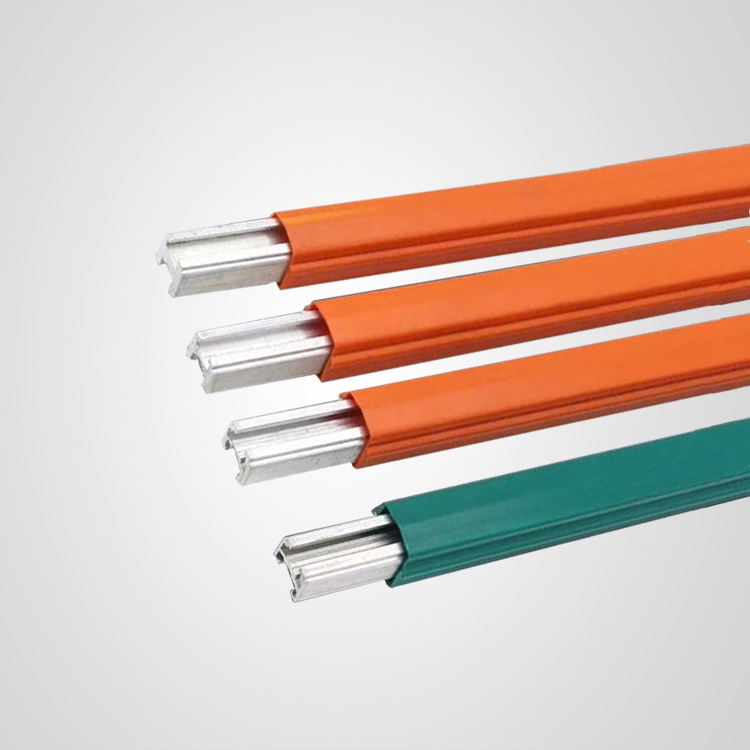
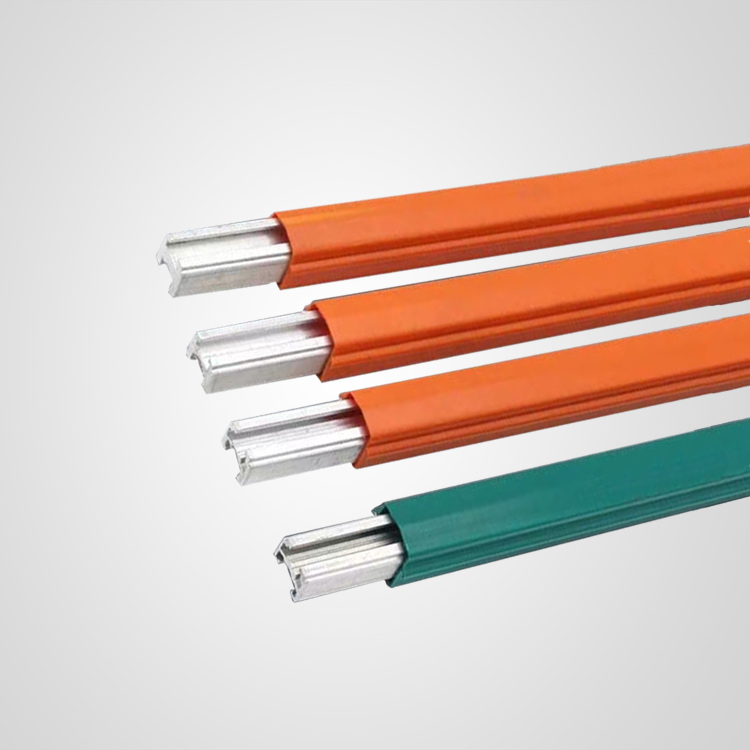
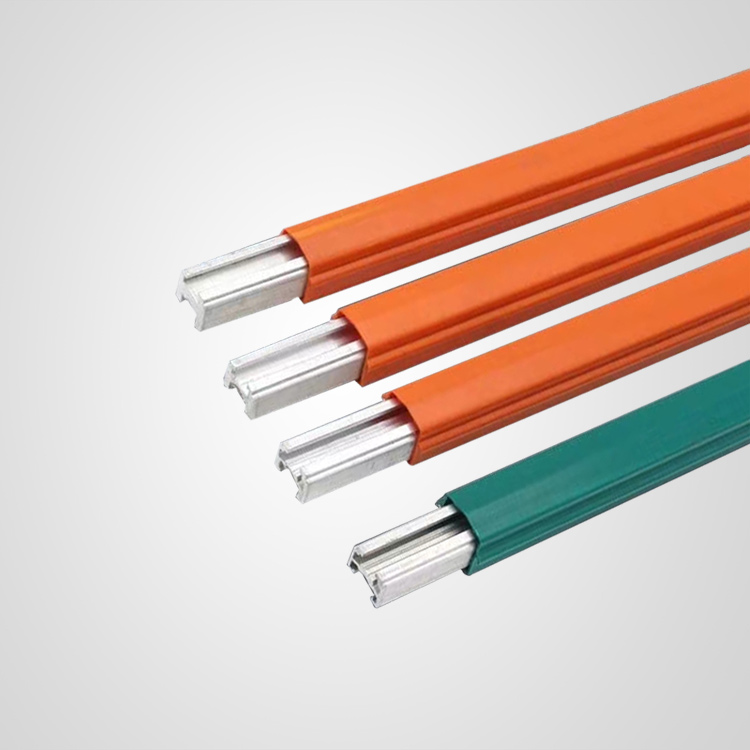
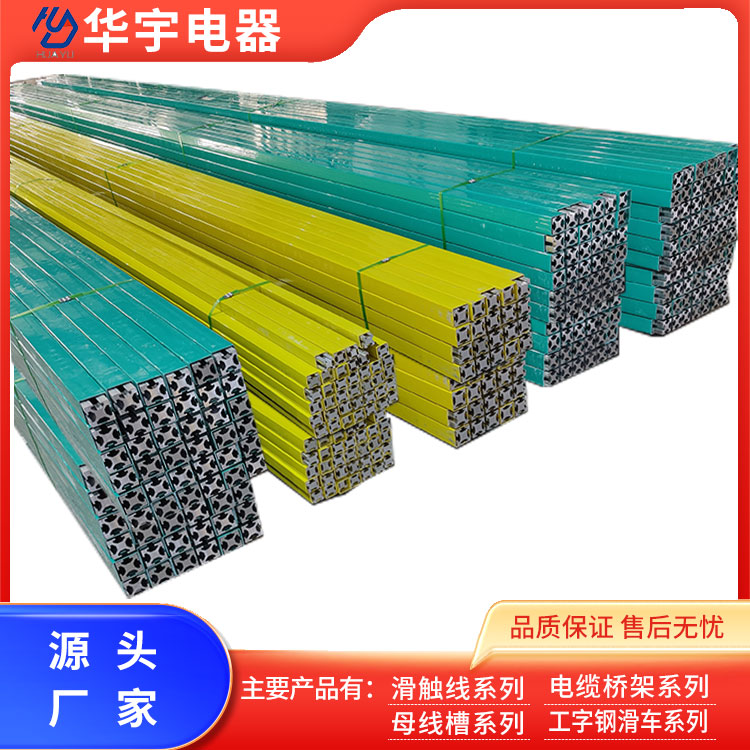
HXPnR-H Type protective safety sliding contact wire, with its conductive core made of "H"-shaped aluminum profiles, hence also known as "H"-type energy-saving sliding line unit. Energy saving refers to the significant reduction in power loss during transmission compared to sliding contact wires with angle steel as the main body. The resistivity of aluminum is much lower than that of steel, and it has a smaller density. Rolling aluminum into an "H" shape ensures a certain conductive cross-sectional area while enhancing overall rigidity and strength. However, aluminum has a low surface hardness and is not wear-resistant. To make the aluminum base material suitable for practical use as a conductive sliding contact wire, the "H"-shaped beam is formed into an arch shape, and wear-resistant stainless steel profiles are embedded here according to the specified process. These "H"-shaped stainless steel profiles serve as the frictional transmission surface of the conductive blocks in the conductor, and the embedding process ensures a tight fit between the stainless steel and aluminum profiles. As the current passes through the stainless steel body, it ensures that the conductive blocks in the conductor maintain contact and transfer the current through frictional contact, guaranteeing the continuous current during the operation of the lifting machinery.
Conductive wires are protected throughout their length with an ABS plastic sheath, except at the lower opening where they come into contact with the conductive device. This ensures that there are no exposed conductive parts after installation, facilitating both installation and maintenance. Additionally, the overall plastic shell protection (excluding the opening) prevents dust accumulation and safeguards against rain, dew, ice, and snow. The connection between the tracks is via a track connector, which allows both the track and the plastic shell to be inserted into it, ensuring a safe and reliable connection.
Power Supply Method:
While considering the power supply points of the safety sliding busbars, also take into account the total number and capacity of electrical equipment across the same span of busbars, the shift work system, and the voltage drop across the entire length of the line, as well as the environment (voltage drop calculations can be based on the data from the previous rail parameter table).
Power supply generally includes the following options for your reference: 1. Single-end supply; 2. Mid-point supply; 3. Two-end supply; 4. Supply at 1/6 of the two ends; 5. Supply at the ends and mid-point with three points, etc.
Maintenance and Service:
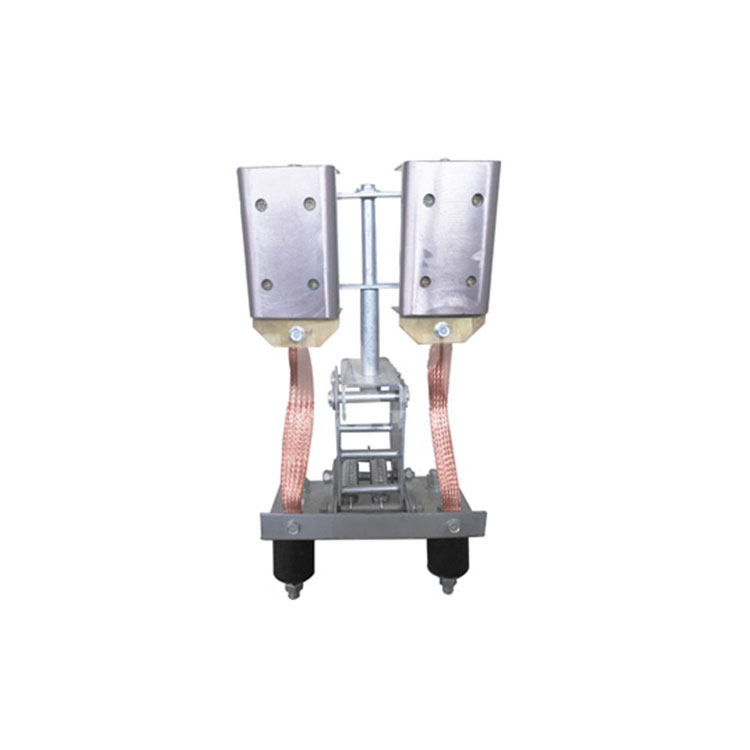
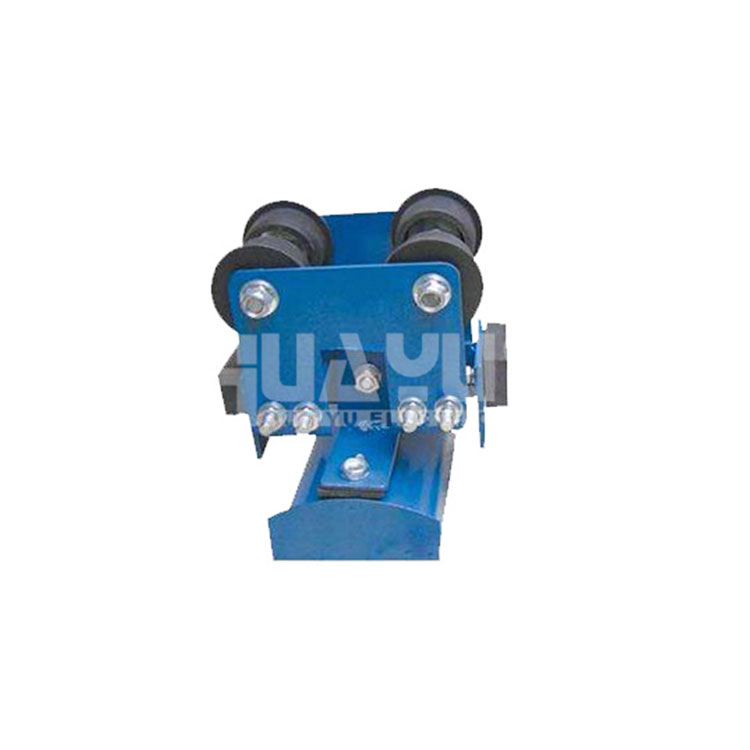
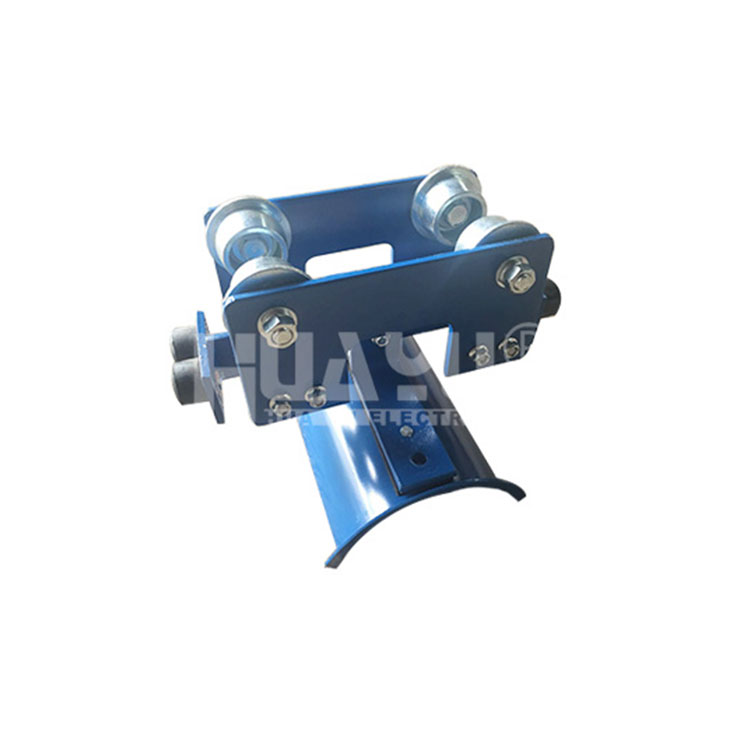
Safety sliding lines should be inspected regularly during normal operation, as electrical equipment is the main production tool for every industrial and mining enterprise, and any error can directly affect the factory's production efficiency. During the inspection of sliding lines, check for looseness or disconnection at each joint every 6 meters. When inspecting conductors, ensure that moving parts rotate freely, check for fatigue in tension springs, and brush wear (these conditions can affect the conductivity and tracking performance of the sliding lines and conductors. Adjustments should be made promptly).
Holiday equipment maintenance period, remove the conductor from the conduit, inspect the brush roller wear of the conductor. If the brush extension is less than the specified effective length, replace it promptly. If the guide roller is severely deformed, it also needs to be replaced to maintain normal operation of the conductor and good contact of the brush, and investigate the cause. Among all the components of the safety sliding contact line, the brush is a part that is *normally subject to wear.