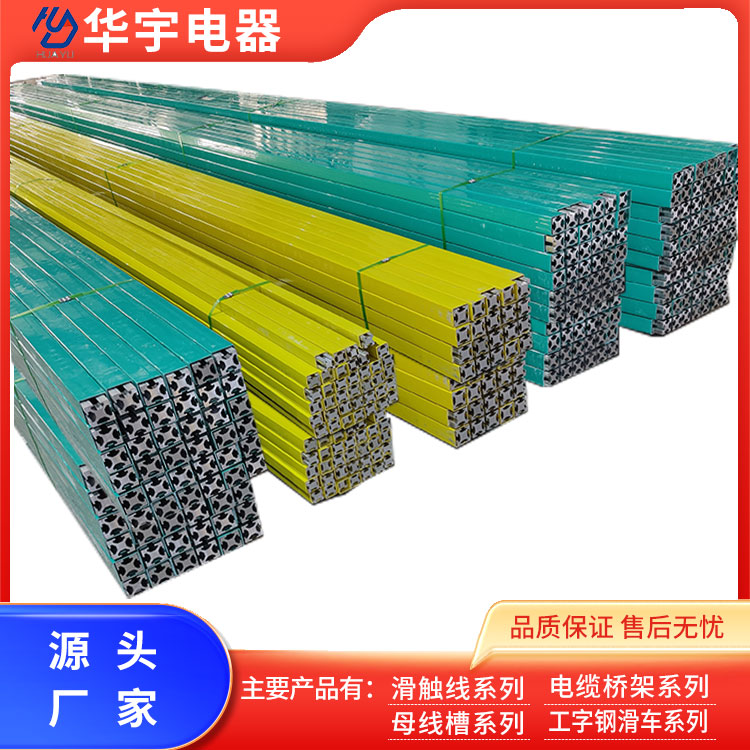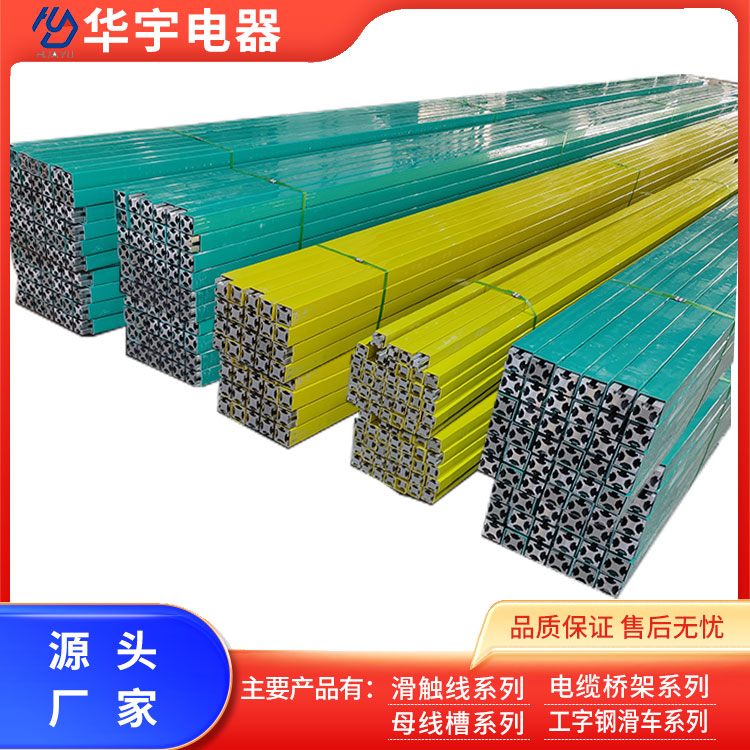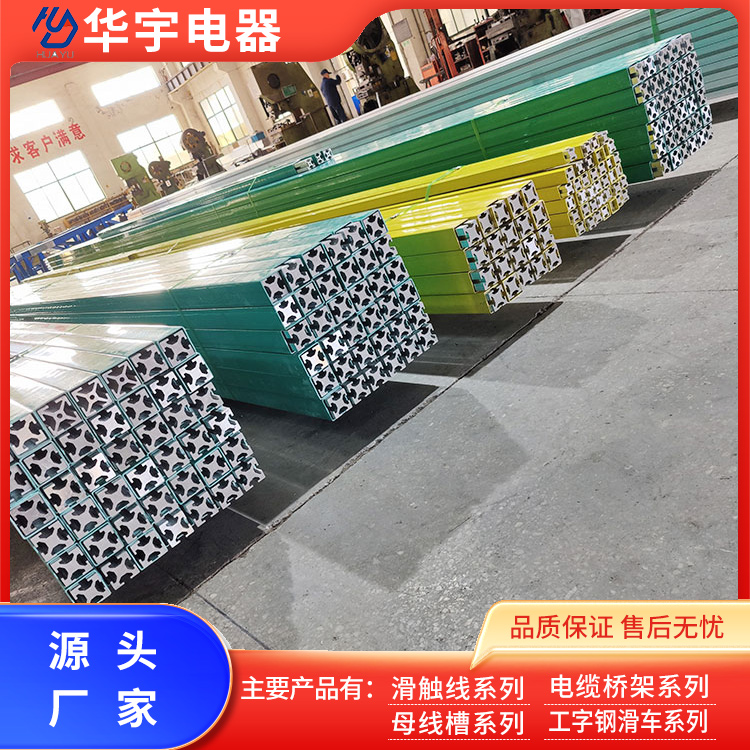

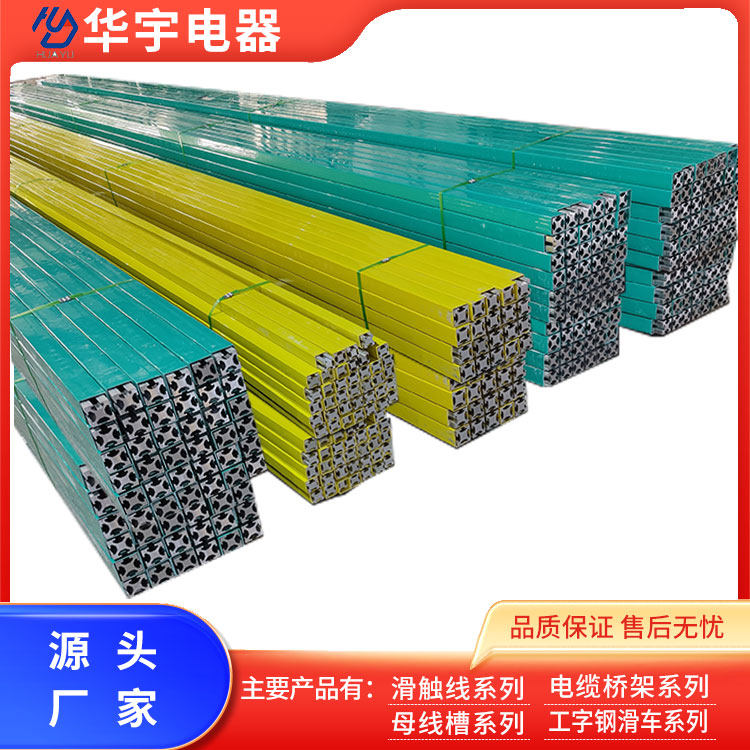

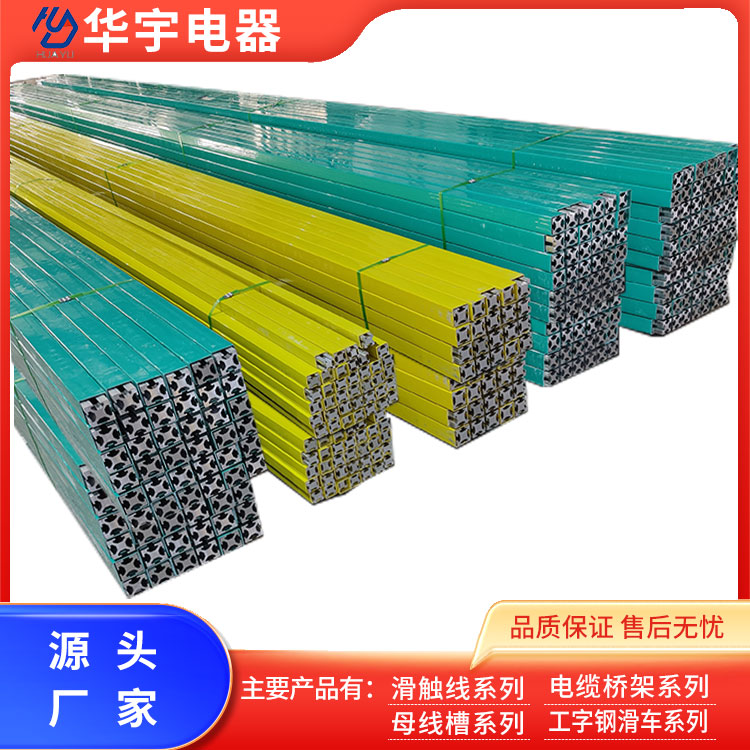









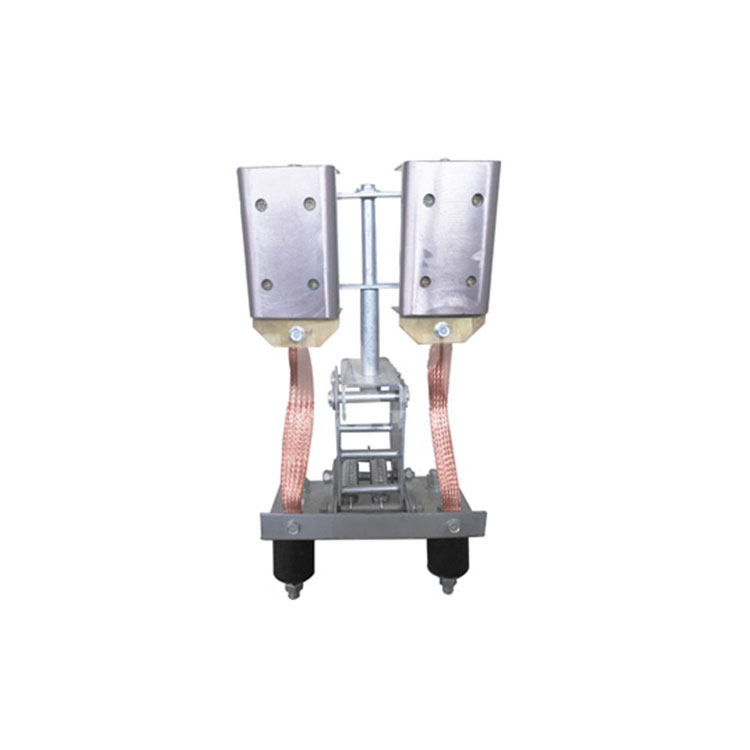

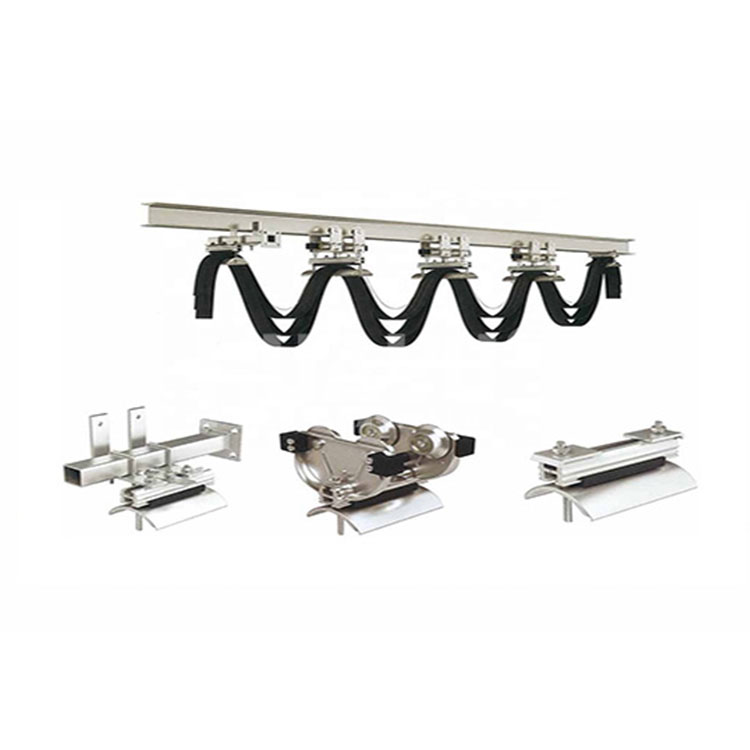
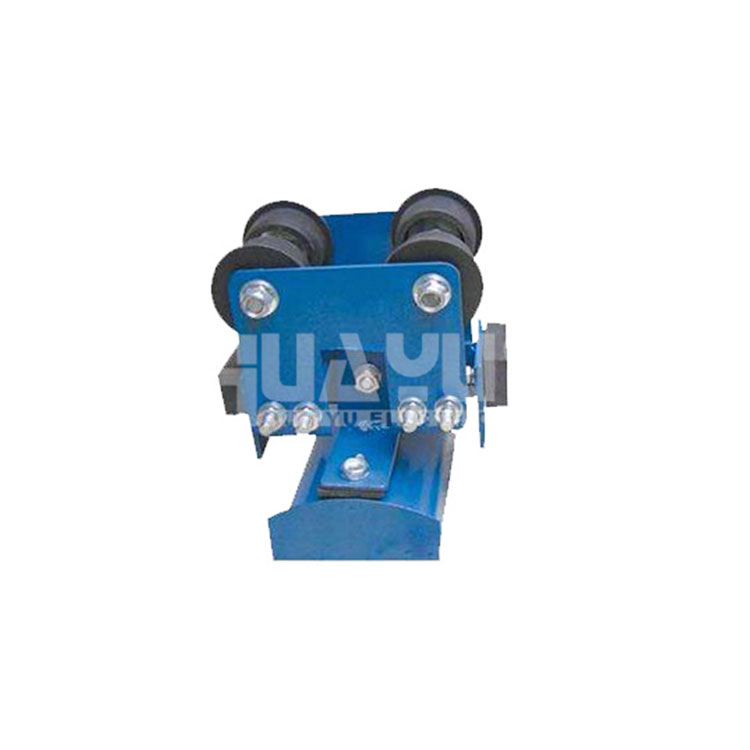
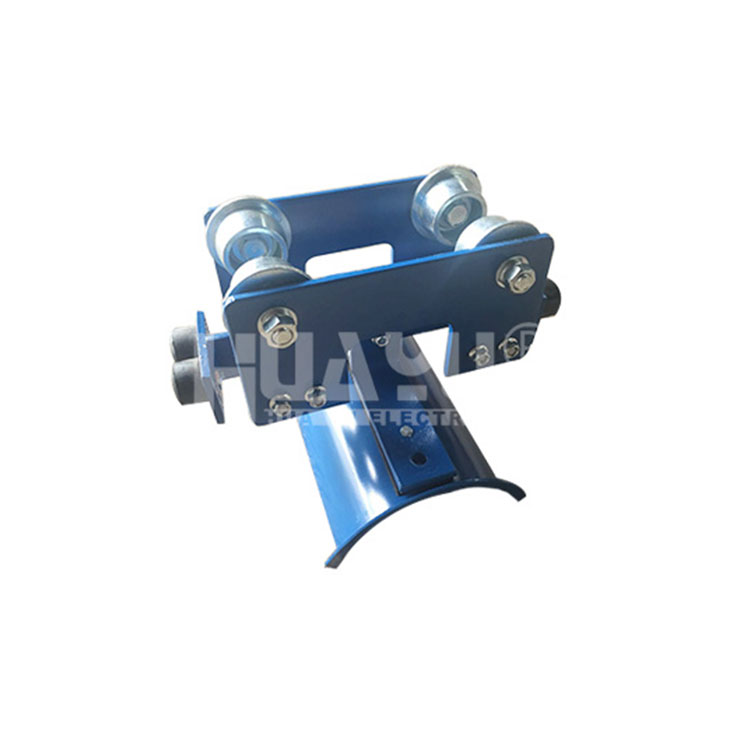
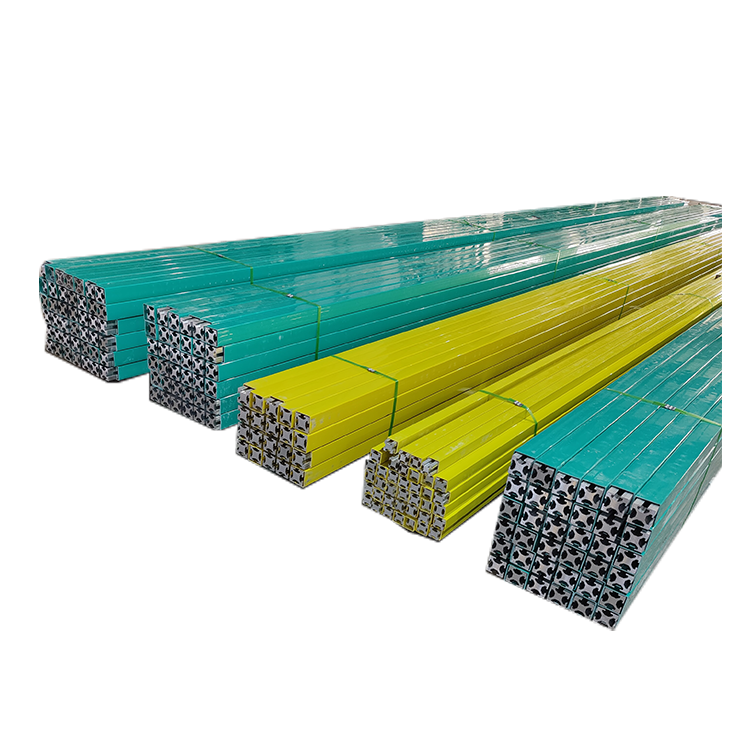
Insulated busbars (commonly known as power busbars) are products made of high-conductivity copper or aluminum conductive materials, with a special insulating sheath attached. They are used for transmitting electrical energy and possess the ability to collect and distribute power. The total transmission lines for power stations or sub-stations, as well as the power supply between transmission lines and branch lines for electrical equipment, transfer electrical energy from generators, transformers, or rectifiers to various electrical devices through them.
Key Advantages
1. The power busbar boasts high safety performance, long service life, and advantages such as easy installation and convenient maintenance.
2. Compared to cable wires, power busbars are more economical and practical for use in workshops. Once the power busbars are fixed in place, they do not move. Additionally, there are specialized wiring accessories available, making them more economical and practical than cable wires.
3. Maximize the use of the limited workshop space by arranging power busbars. Moreover, the power busbars offer high flexibility, extending to any mobile equipment within the workshop.
Aluminum-based power bus selection reference
1. Select aluminum-based power busbars based on the power ratings of the equipment used in the workshop.
2. Typically, the design institute will specify the cable tray specifications and models. You can then calculate the required current based on these specifications and select the appropriate power busbars.
3. The selection of the off-line current for the power busbar is usually half of the main line. The length of the off-line needs to be calculated based on the height of the pillars in the steel structure workshop. In some special cases, an on-site inspection is required.