













Note: Prices are subject to actual.
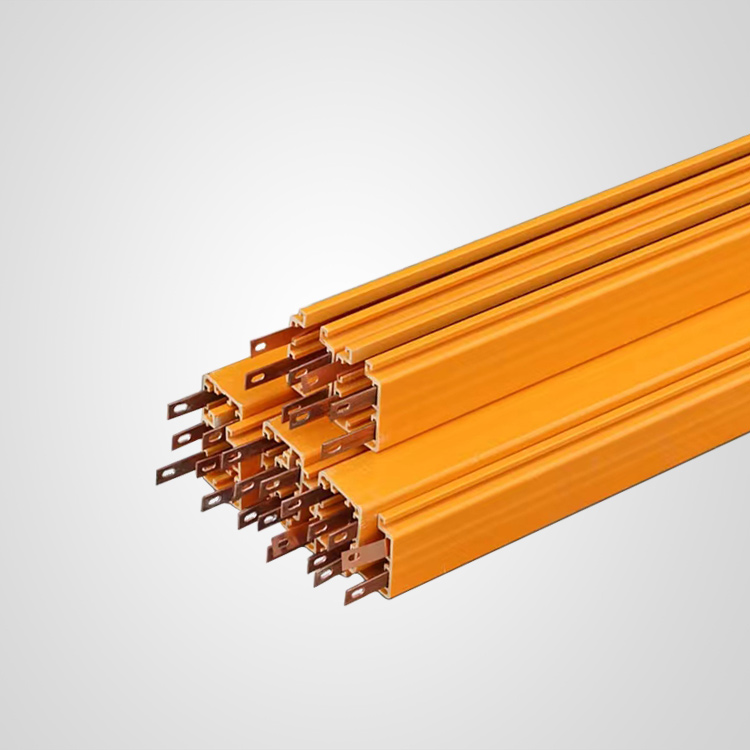
Multi-tube sliding contact wire
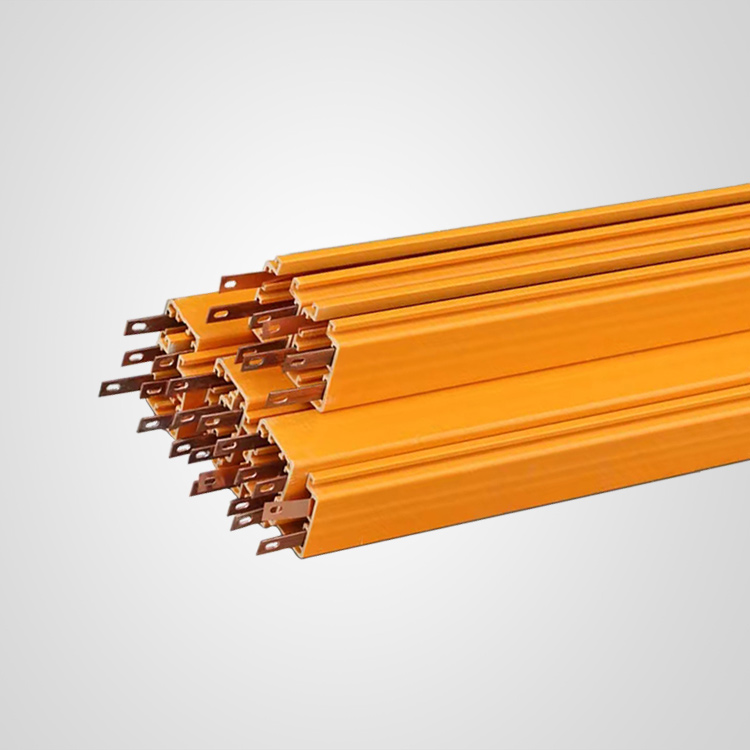
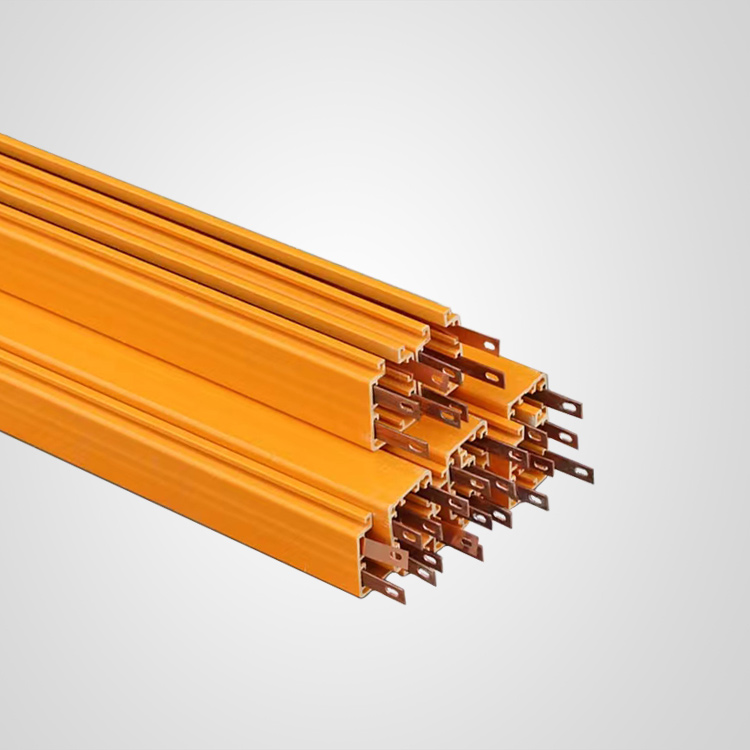
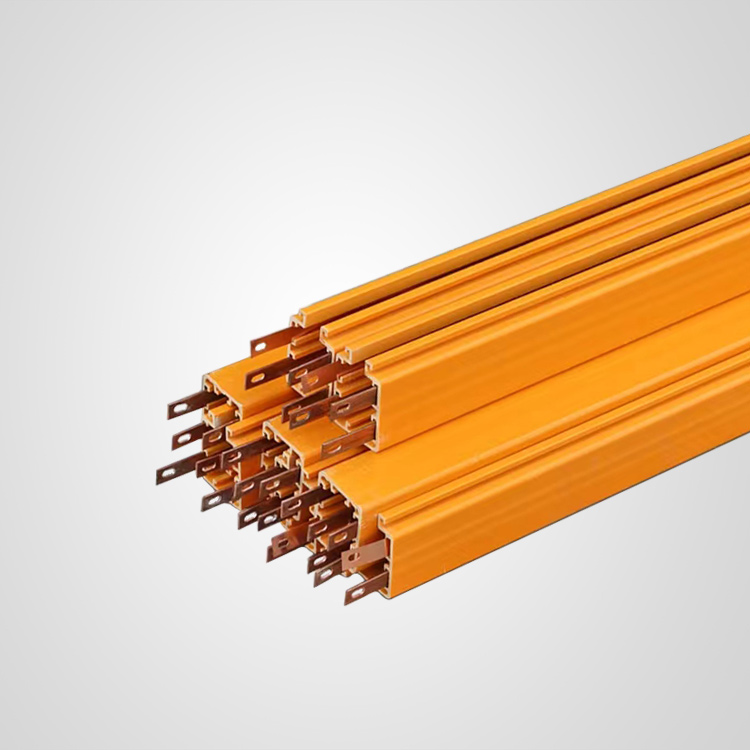
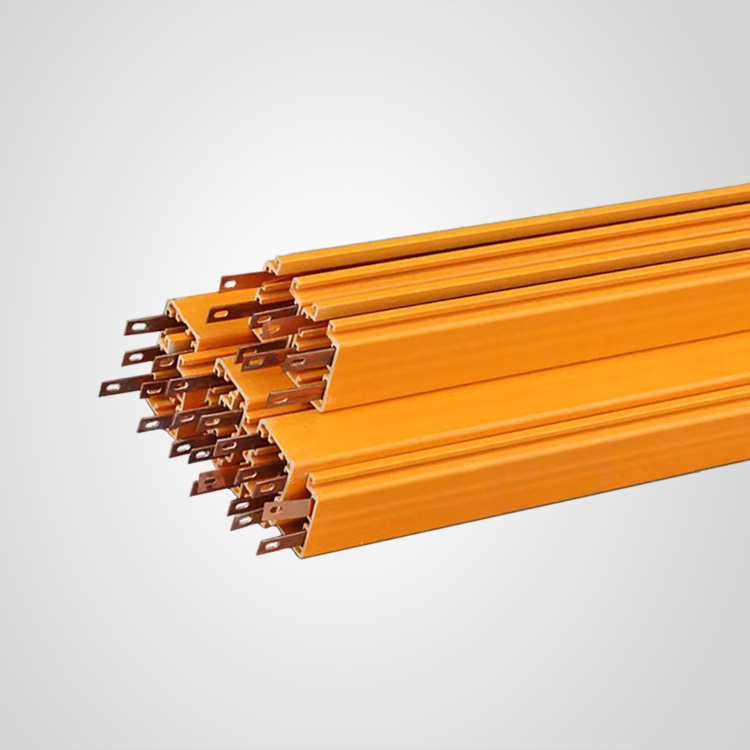
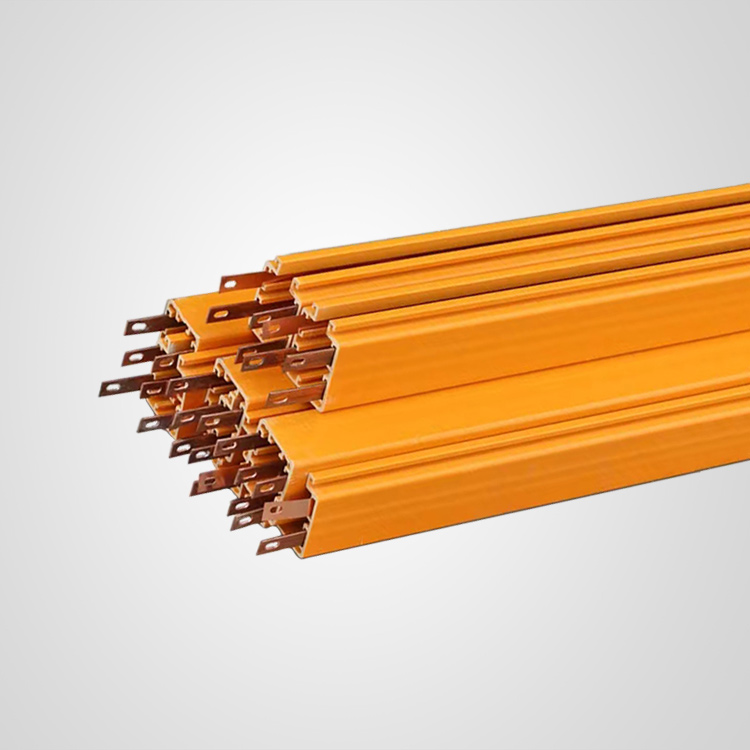
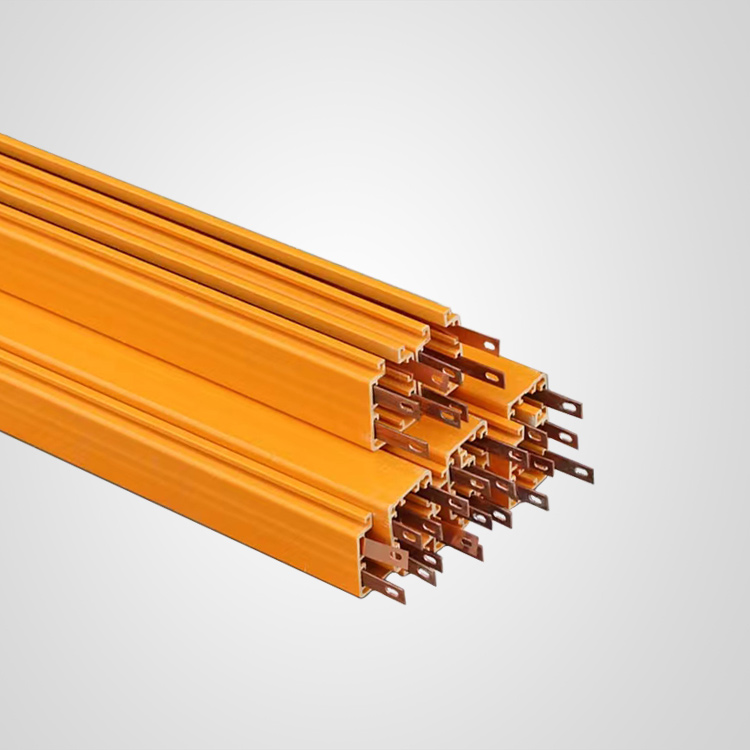
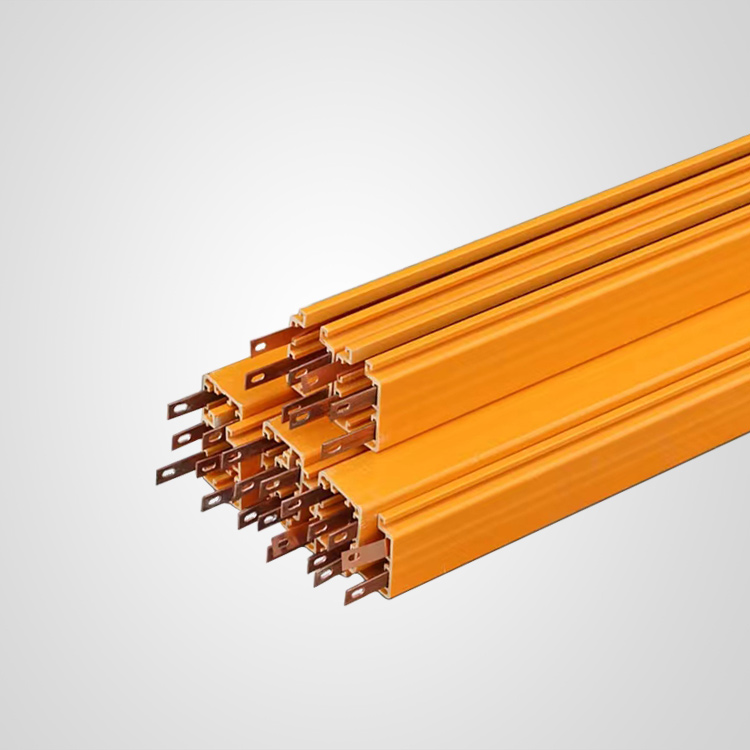
HXTS and HXTL safety busbars are a safe, economic, and reliable mobile power transmission unit. They are an ideal product for replacing cable reels and steel busbars. The busbar has a simple structure and is easy to install. It features multiple power transmission copper conductors or copper conductors with insulating plates embedded in the conduit as the power bus, along with multi-level brushes and flexible collectors. Replacing copper conductors with copper saves 25% in energy compared to steel bare wires, and significantly reduces material and installation costs. Currently, they are widely used in port transportation, papermaking, water supply, automotive manufacturing, home appliances, and logistics industries. As sliding busbars, they are used in workshops and factories for power supply, offering features such as mobile power supply, easy maintenance, and reliable power transmission.
(1) Main Components and Their Working Principle
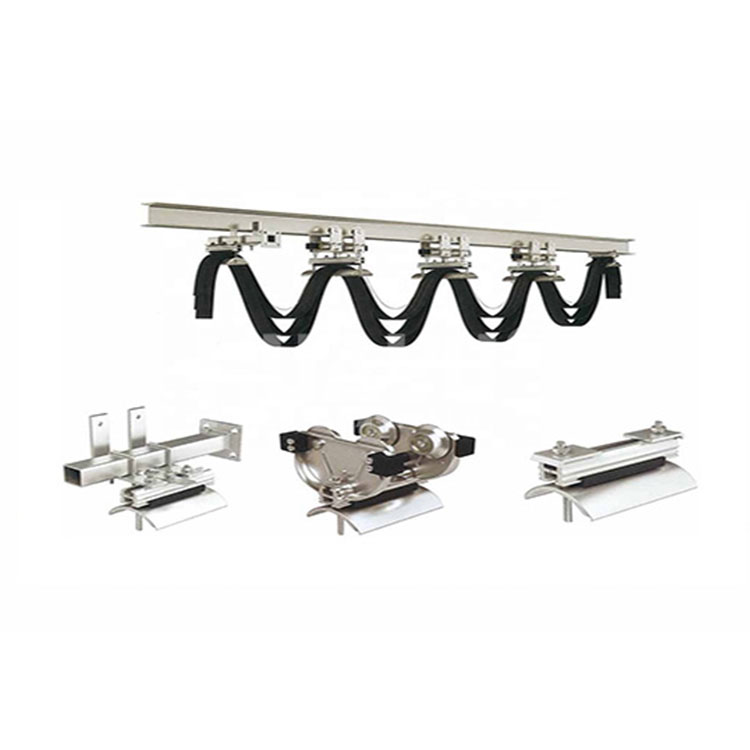
The power supply safety busbar system is composed of two main components, the conduit and the power transmission device, along with some auxiliary parts, as shown in Figure 2-1:
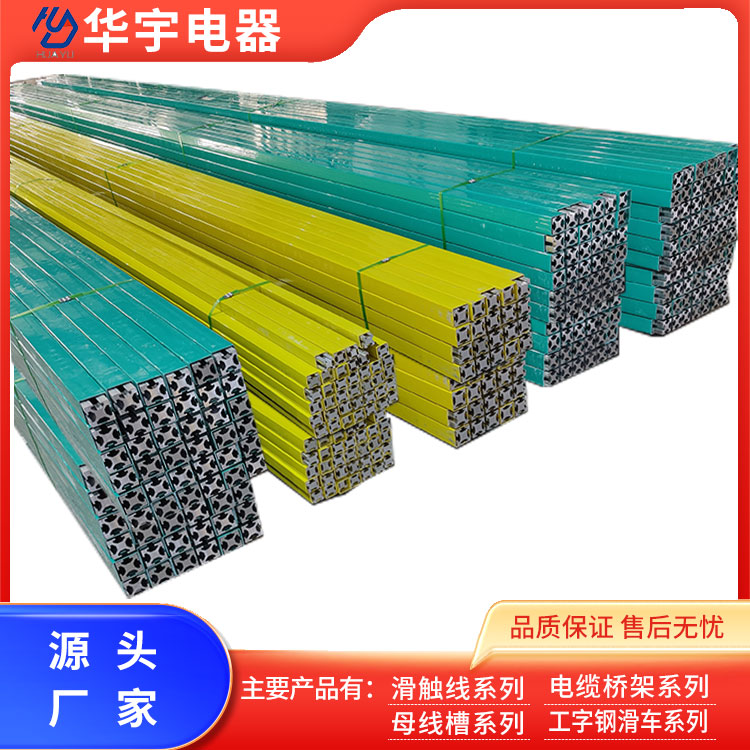
Tubing: A semi-closed, irregularly shaped tube component, serving as the main part of the safe sliding cable. It can accommodate 2-9 guide rails internally as power supply conductors, which are insulated from each other and from the housing, ensuring the safety of power supply. It also effectively prevents electric shock accidents during maintenance under power. Our factory's tubing is 4 meters in length per piece, which can be connected to any required length. Standard tubing is made in a straight shape, but can also be customized into a curved shape or as per special requirements.
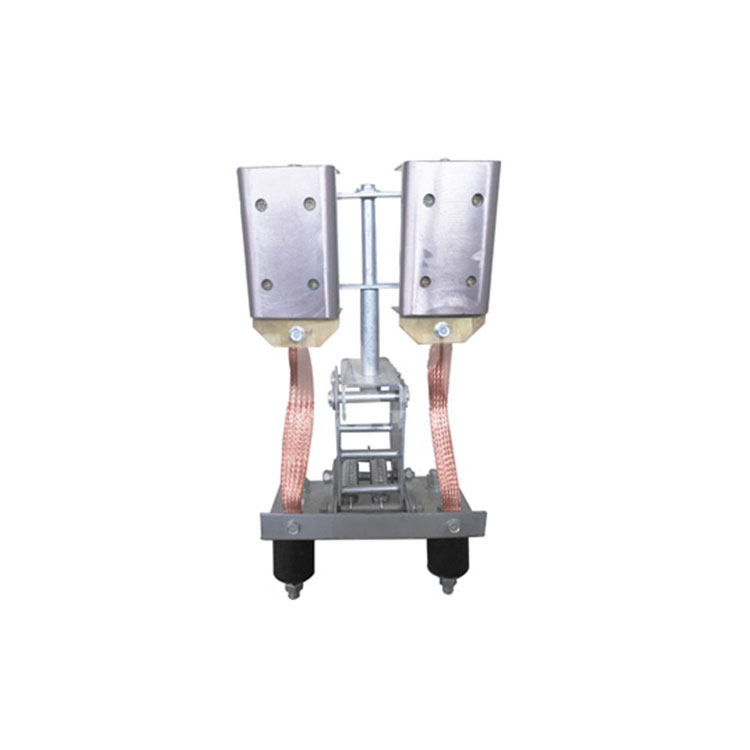
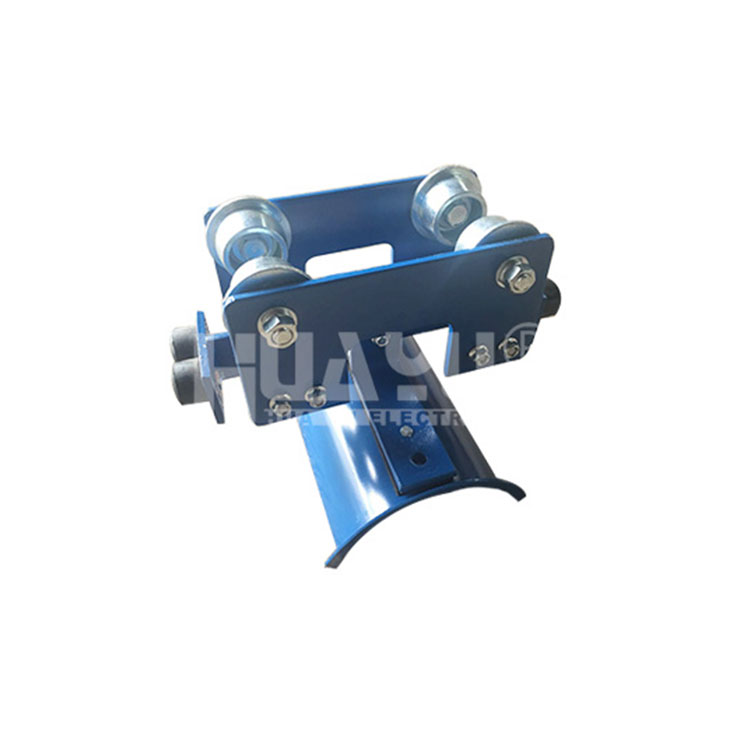
2. The brush holder assembly operates within a conduit and is driven by the machinery (crane, trolley, electric hoist, etc.) or by a traction chain, ensuring synchronous operation with the machinery. It transmits electrical power from the brushes to the motor or other control components via the conduit's guide rails. The number of poles on the brush holder of the conductor varies from 3 to 16, corresponding to the number of guide rails in the conduit.
Section 2: Product Features
1. Safety: The electrical safety slide contact line housing is made of high-insulation engineering plastic. The protection level of the housing can be customized to reach IP13 or IP55, providing protection against rain, snow, frost, and freezing, as well as against foreign objects. The product has been tested under various environmental conditions. It offers excellent insulation performance and poses no harm to maintenance personnel when touching the external part of the transmission conduit.
2. Reliable: The transmission rail has excellent conductivity, rapid heat dissipation, high allowable current density, low impedance, and minimal line loss. The brush is made of copper and carbon alloy materials with high conductivity and wear resistance. The conductor is mobile and has good directional performance, effectively controlling contact arcing and string arc phenomena.
3. Economy: The power supply safety sliding contact line device has a simple structure, high allowable current density, low resistivity, and low voltage loss, which can save electricity by about 10%. It achieves the replacement of steel with plastic and copper with plastic, featuring innovative design. It does not require additional insulation structures or compensating wires, and can be installed on the same side as the crane control room, saving installation materials and costs.
4. Convenience: The power supply safety sliding contact line device integrates multi-pole busbars into a single conduit, making assembly easy. Its fixed bracket, connecting clips, and suspension devices are all supplied as standard components. Installation, disassembly, adjustment, and maintenance are also very convenient.
(3) Application
Power supply safety sliding contact line units are suitable for electric hoists, electric gantry and bridge cranes; automatic inspection lines for stackers and electromechanical products, automated production lines; portable electric tools and other portable conductive equipment, as well as fixed busway installations in factories, workshops, and office spaces.