








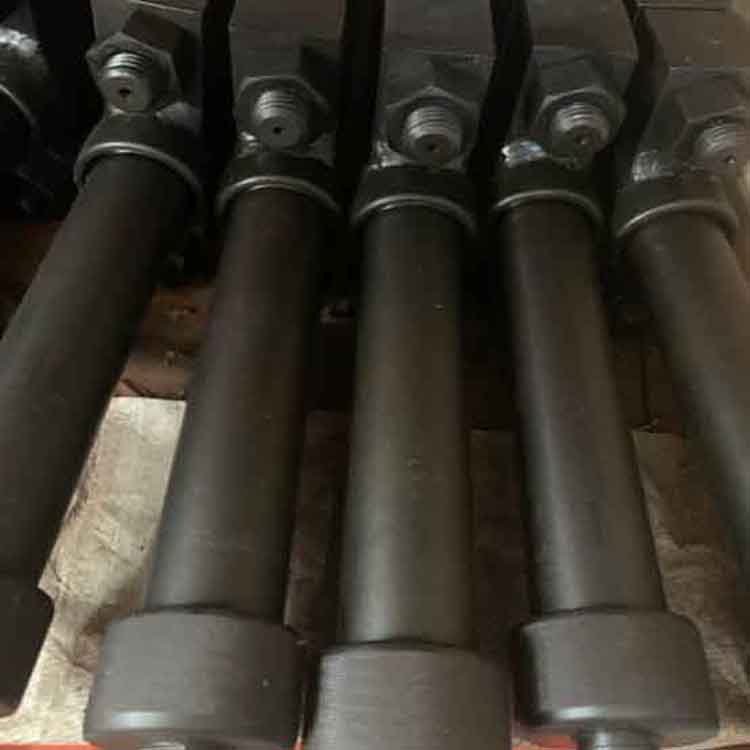
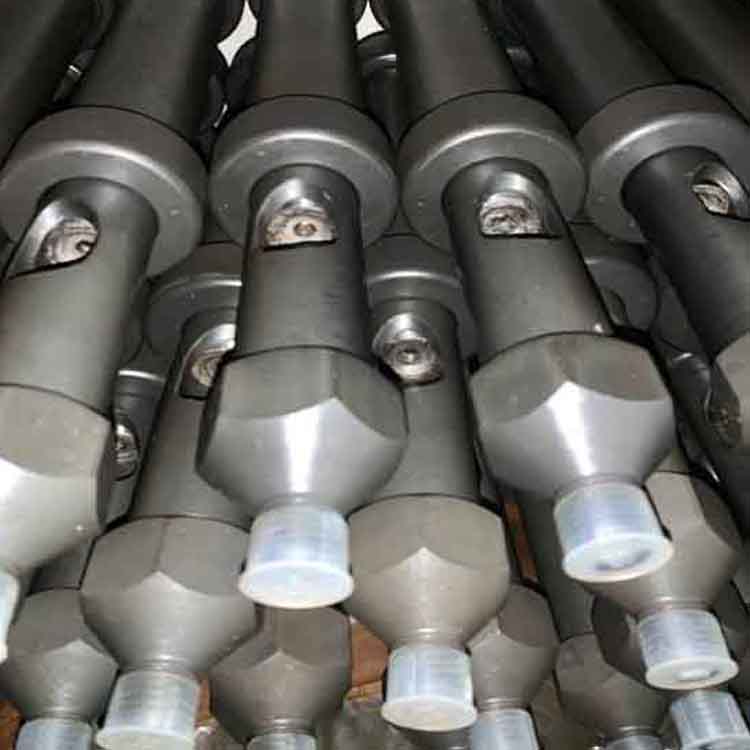
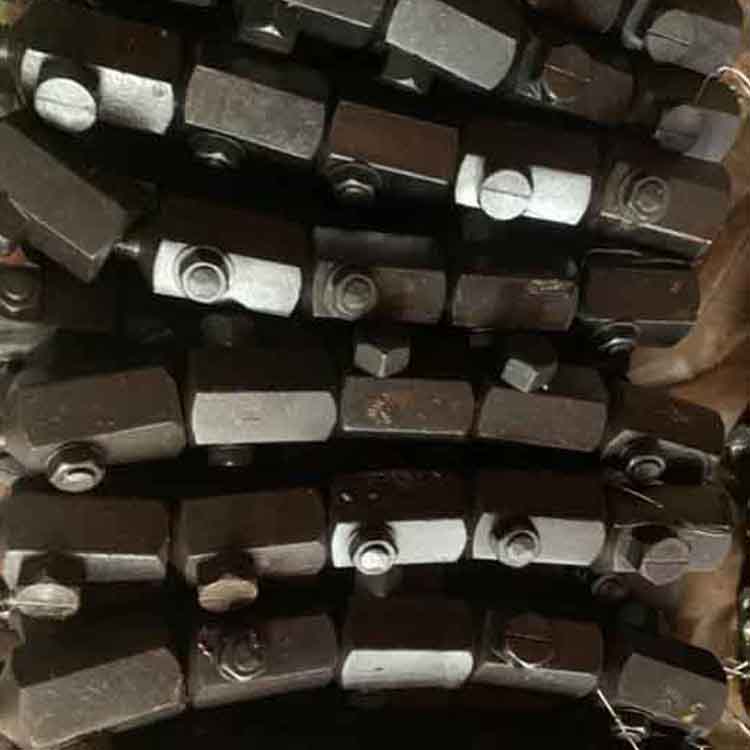
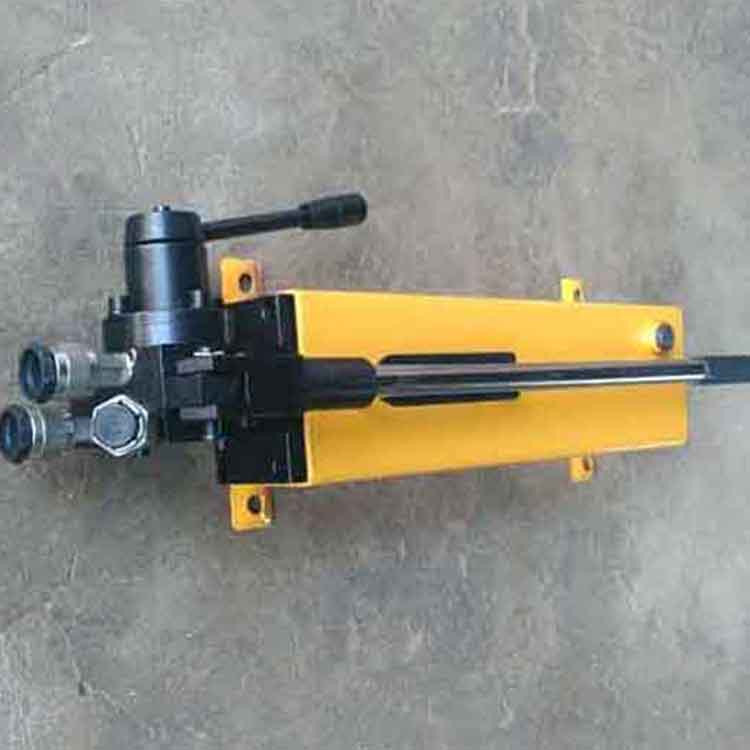

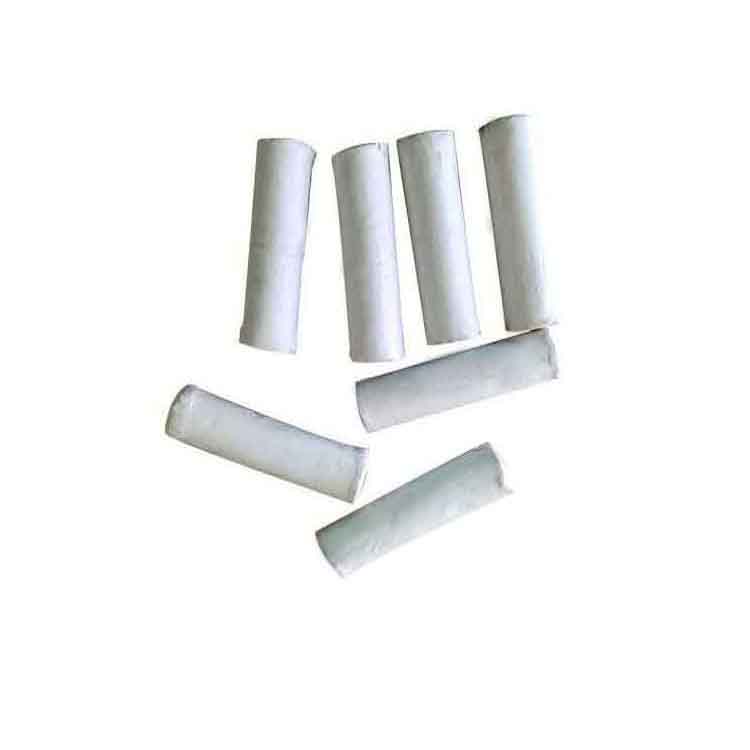
Pressure Sealing refers to a method of stopping leaks in pipes and pressure vessels carrying or storing media at any pressure above atmospheric, which occur due to corrosion, perforation, dripping, or human damage. It involves plugging the leak while the medium is in motion without stopping the flow or emptying the vessel. This often involves operations that produce sparks, such as electric welding or electric grinding, as the term "pressure sealing" does not imply a fire-free approach. However, in actual practice, flammable and explosive media are often present, which must not generate any sparks. Therefore, domestically, pressure sealing has been generally changed to fire-free pressure sealing, making the industry's essence clearer. Despite this, people often simplify it to just "pressure sealing." Yet, today, "pressure sealing" is clearly understood to mean "fire-free pressure sealing" in people's minds. Since the pressure sealing industry is not standardized, there are various names, with most people thinking of pressure sealing as an injection sealant, but in fact, injection sealing is just one of the technical processes within pressure sealing. This method is limited to straight pipes, and is ineffective for areas like tees, elbows, reducers, flanges, or large vessels.